
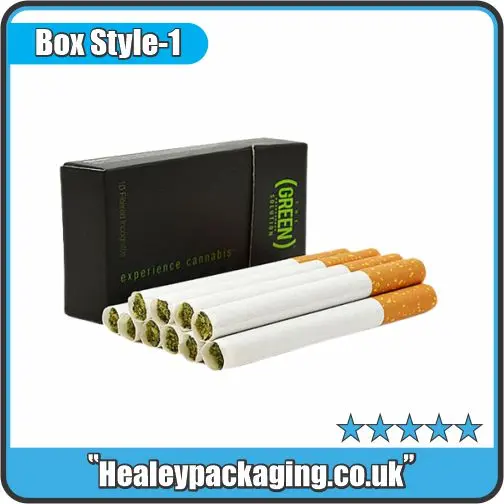
Cannabis Cigarette Boxes
Cannabis cigarettes are normally packed in small folding cartons. The pack size...
Customise NowCBD products require packaging that protects the contents while providing space for clear product information and consistent branding. Our custom CBD packaging boxes are manufactured around your product, using premium materials, tailored structures and professional printing to support compliant retail presentation, ecommerce delivery and wholesale distribution across the UK.
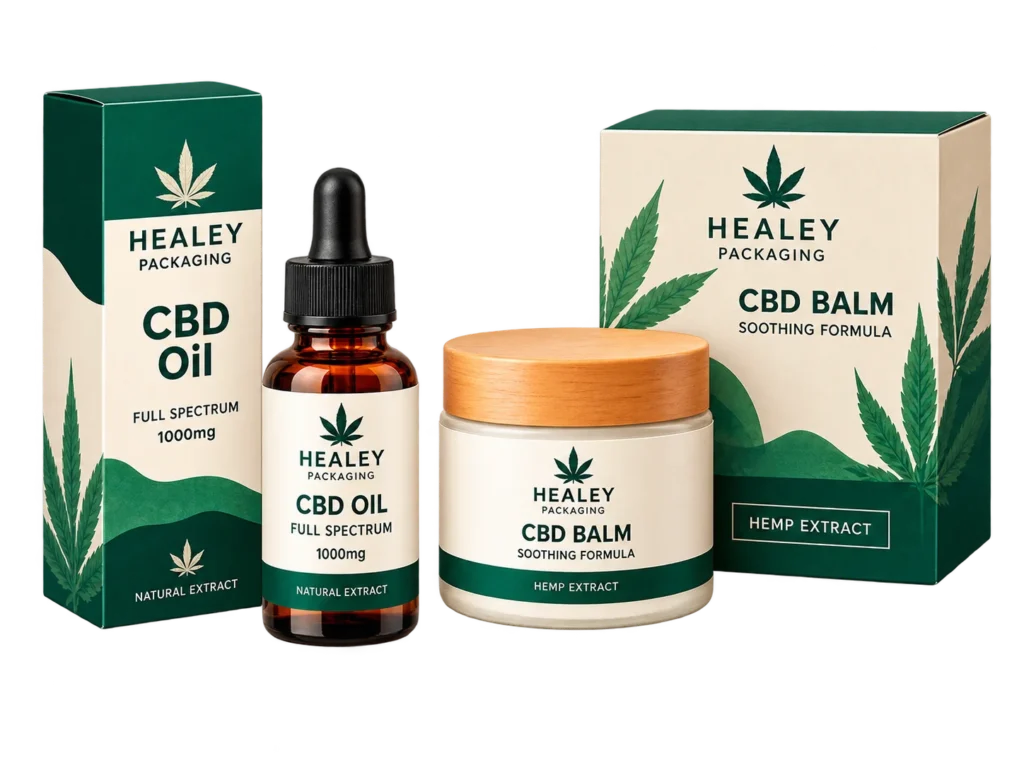
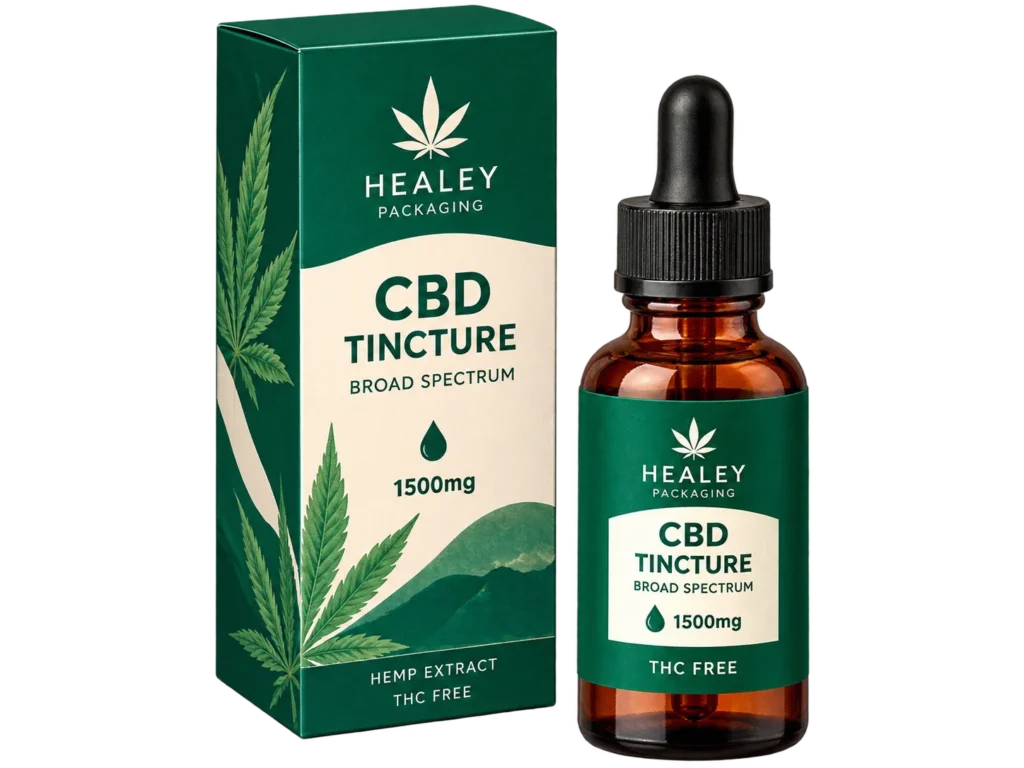
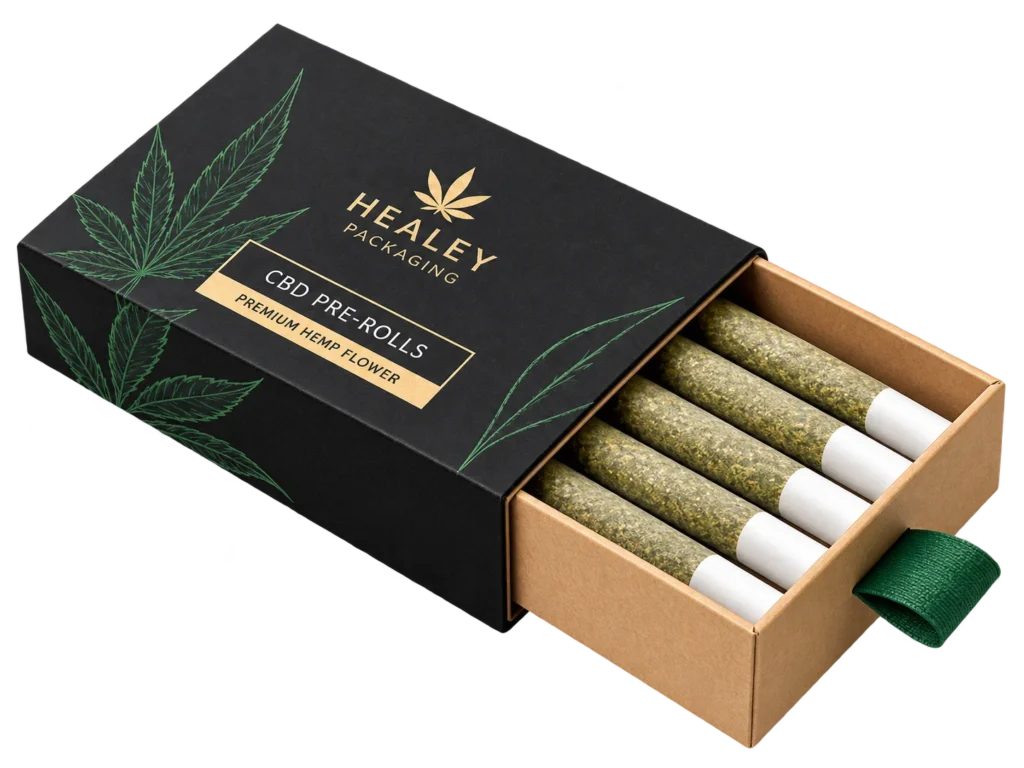
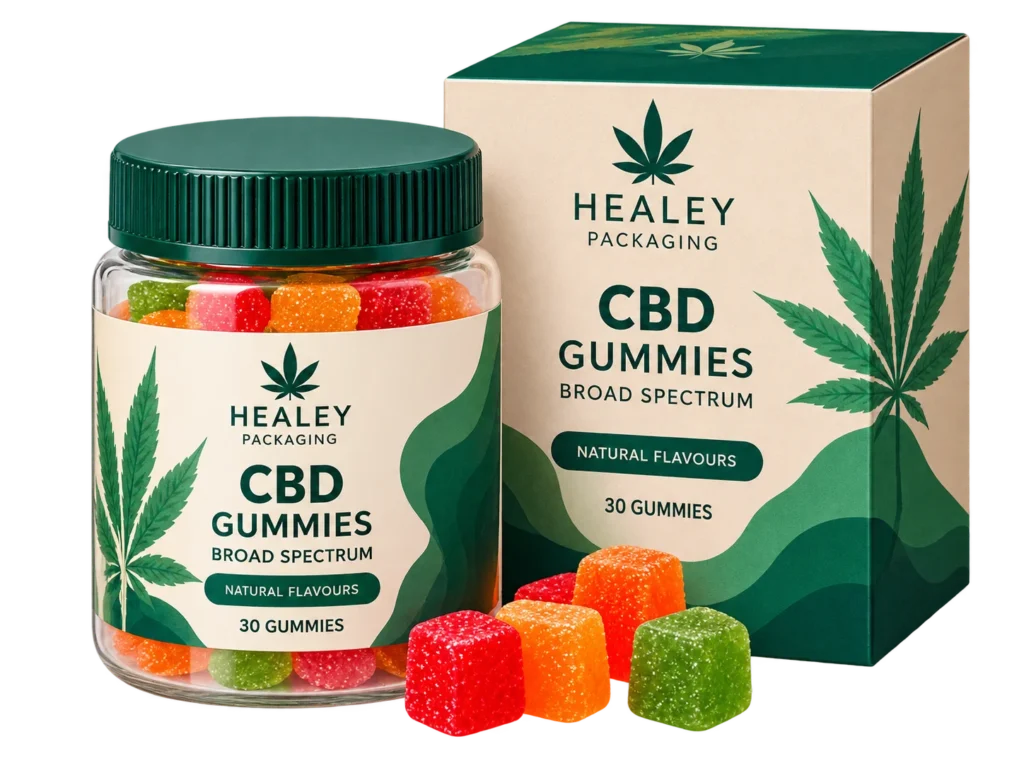
Browse CBD boxes for oils, tinctures, skincare, gummies and retail-ready wellness products.
Cannabis cigarettes are normally packed in small folding cartons. The pack size...
Customise Now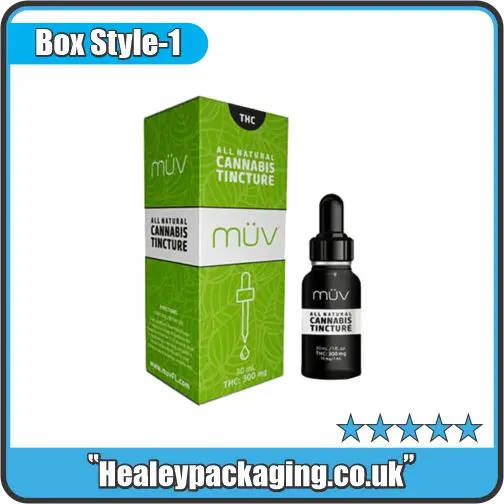
Cannabis oil products are often packed in small bottles, usually with droppers....
Customise Now
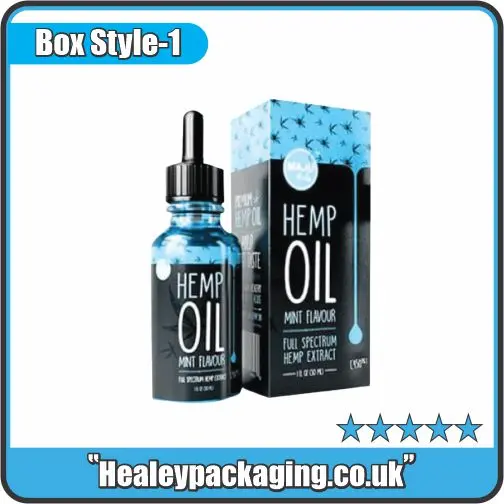
CBD oil is usually packed in small glass dropper bottles. Those bottles...
Customise Now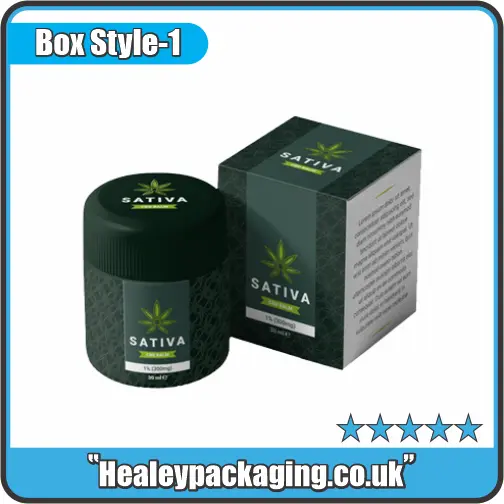
CBD subscription packs are sent out regularly, often monthly, and the packaging...
Customise Now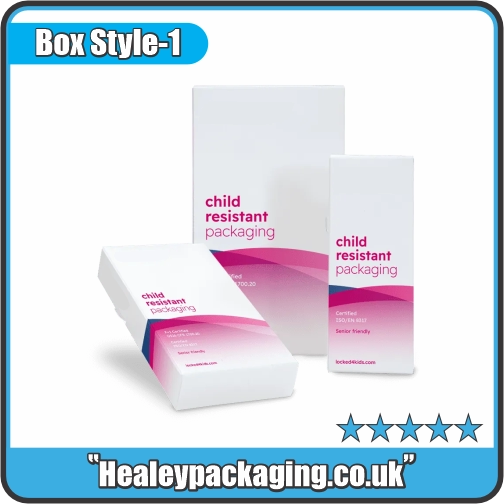
A child-resistant carton has to do two things at the same time....
Customise Now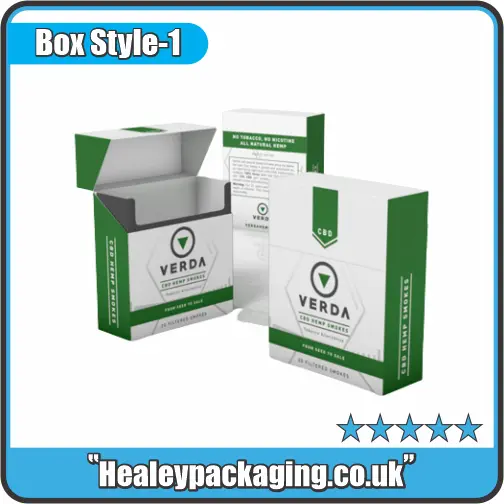
Cigars are not packed the same way as standard cartons. They are...
Customise Now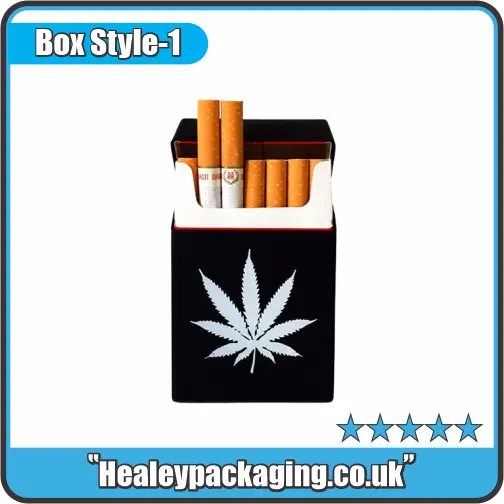
Cigarette cartons are small, but they leave very little margin for error....
Customise Now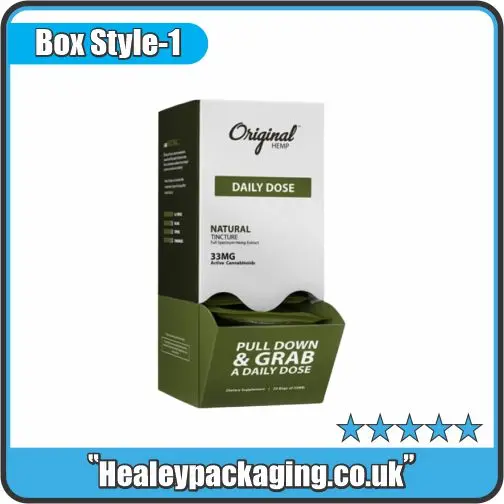
When it comes to CBD tinctures, your packaging says just as much...
Customise Now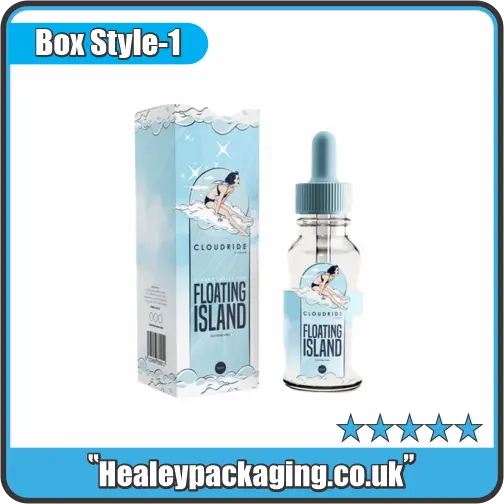
Make your e-liquid stand out with packaging that works as hard as...
Customise Now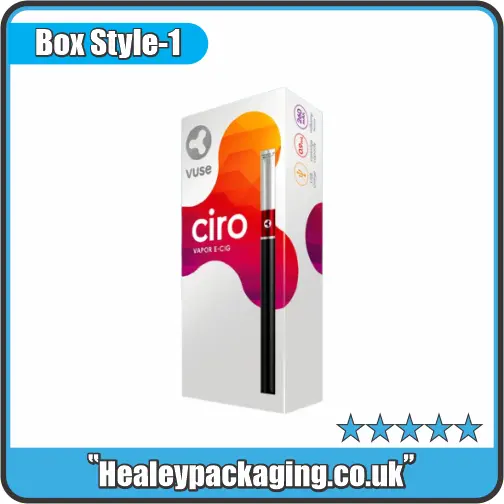
Most vape devices are packed in compact cartons designed for retail shelves....
Customise Now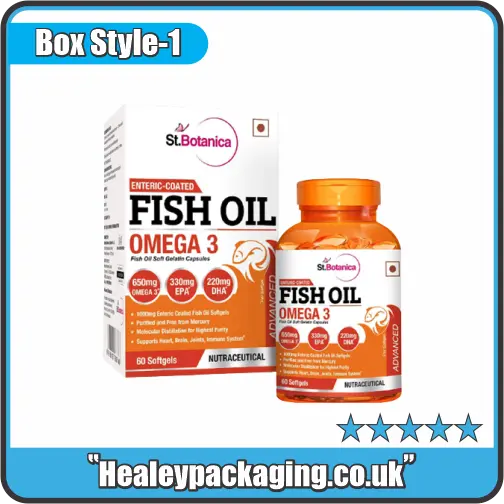
If you are looking for high-quality custom fish oil box packaging at...
Customise Now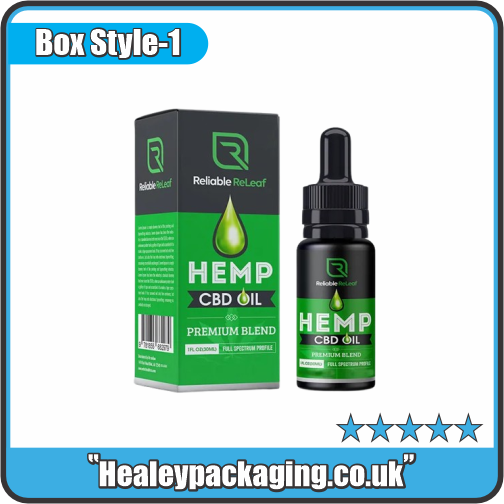
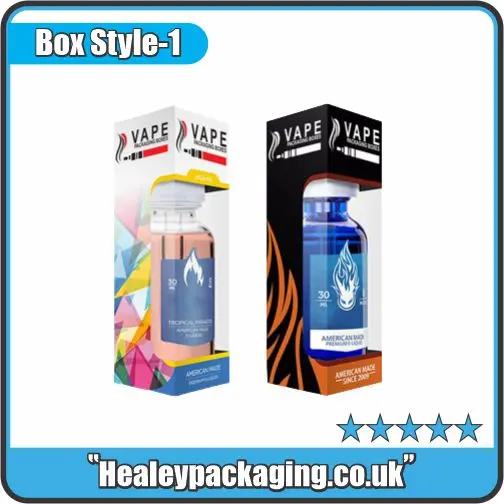
Vape products are small, light, and easy to damage if the carton...
Customise Now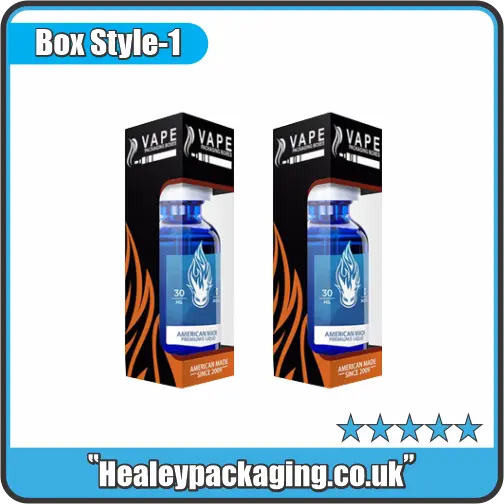
You can tell quite quickly when e-liquid packaging isn’t doing its job....
Customise NowOils, skincare, capsules, gummies and gift sets place different demands on the secondary packaging around them. Start with the finished container, packed weight and selling route before deciding the carton size or structure.
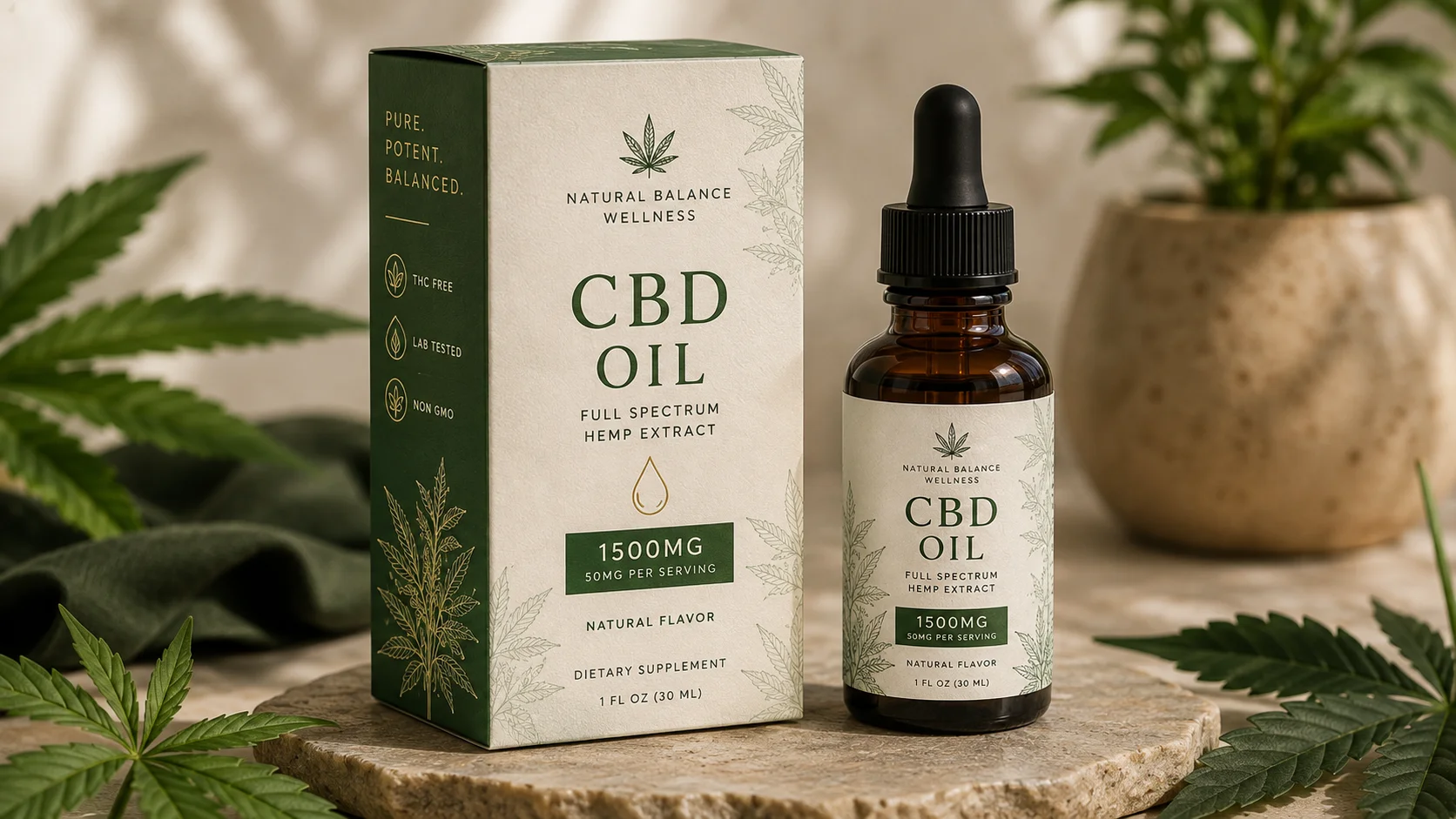
Compact cartons can be sized around bottle diameter, total dropper height and any internal support required for glass containers.
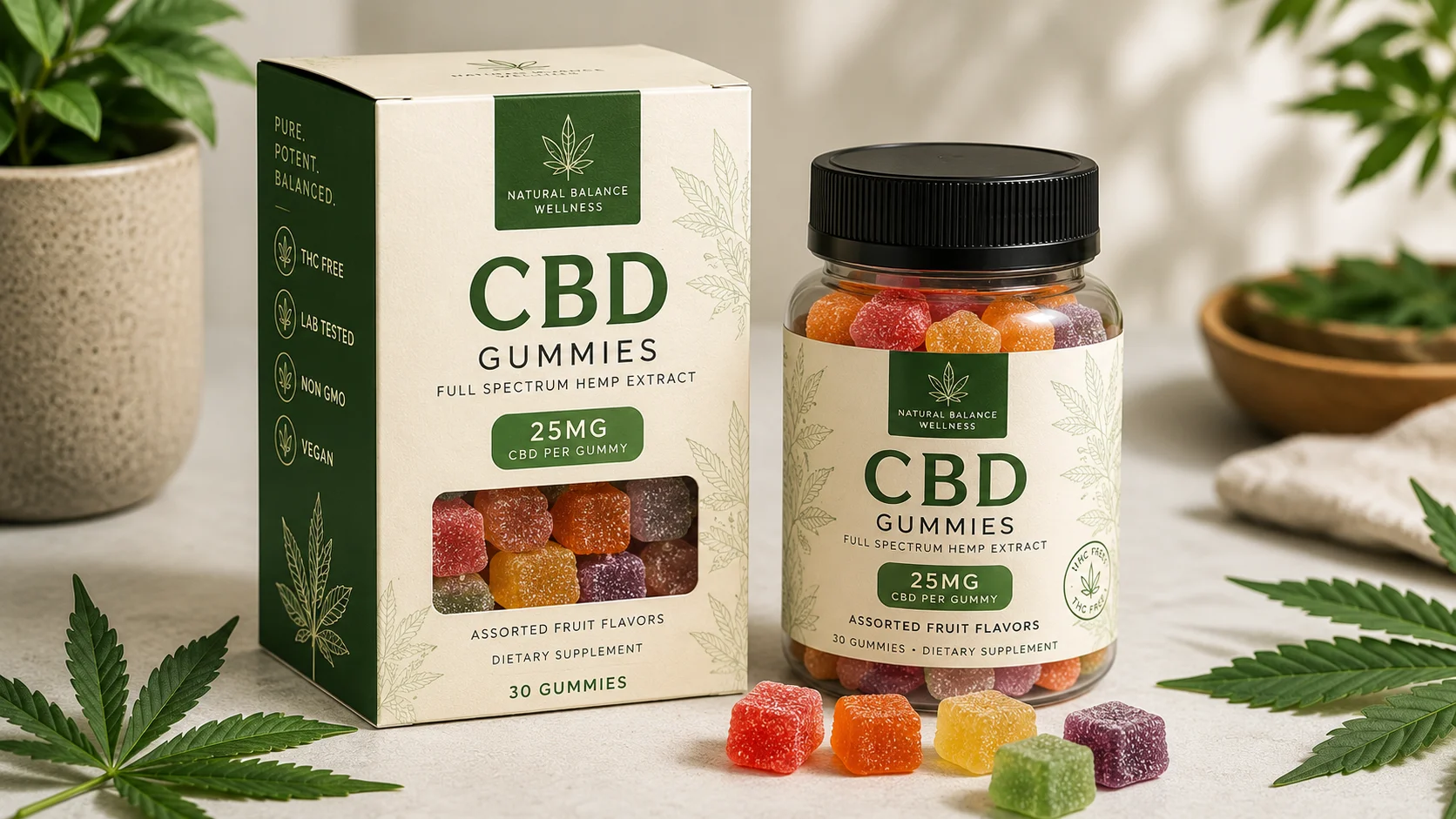
The outer carton should follow the primary container and provide enough usable panel space for approved product information and retail data.
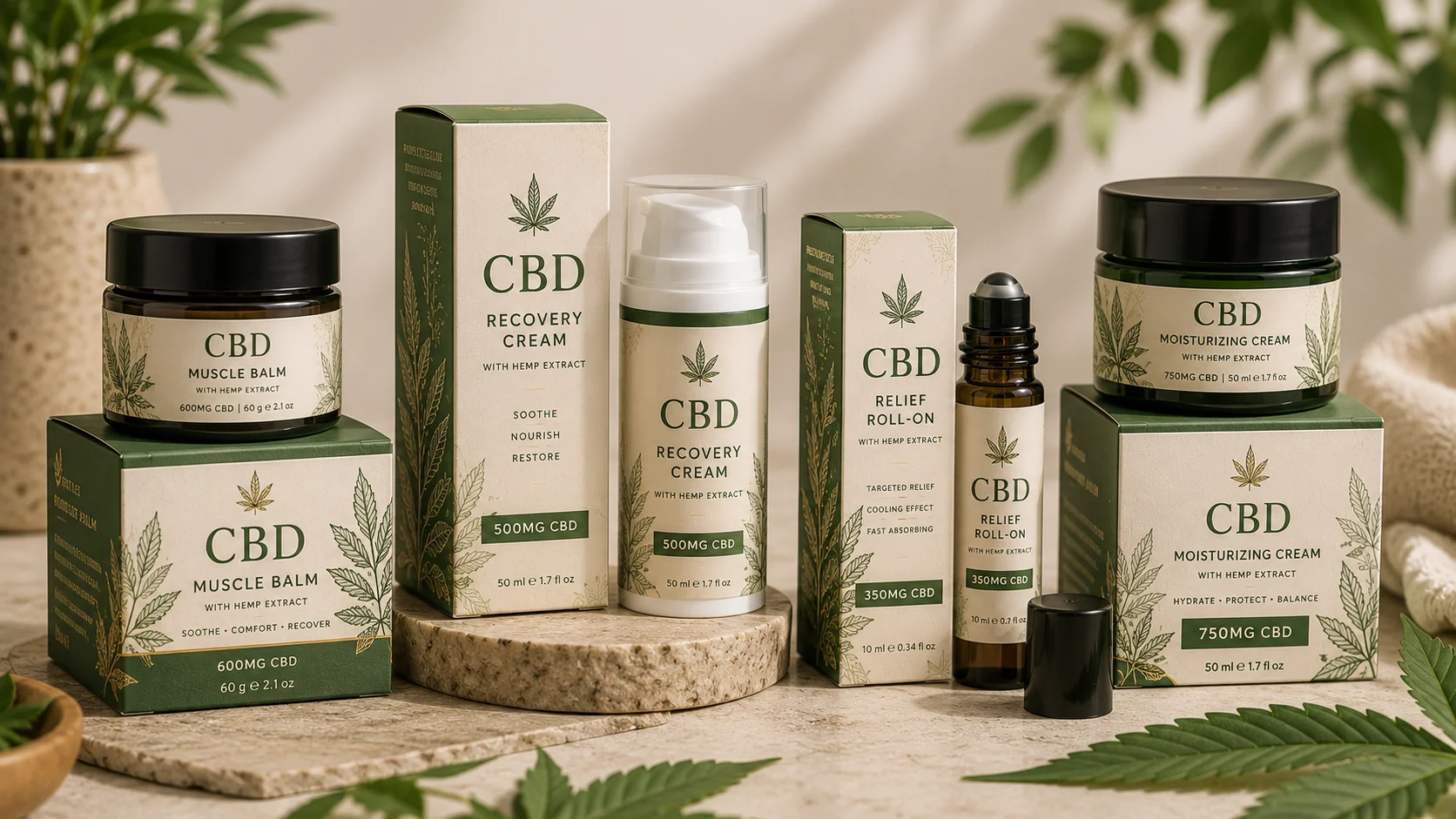
Balms and creams often use wider or heavier containers, so base support and easy loading can matter as much as front-panel presentation.
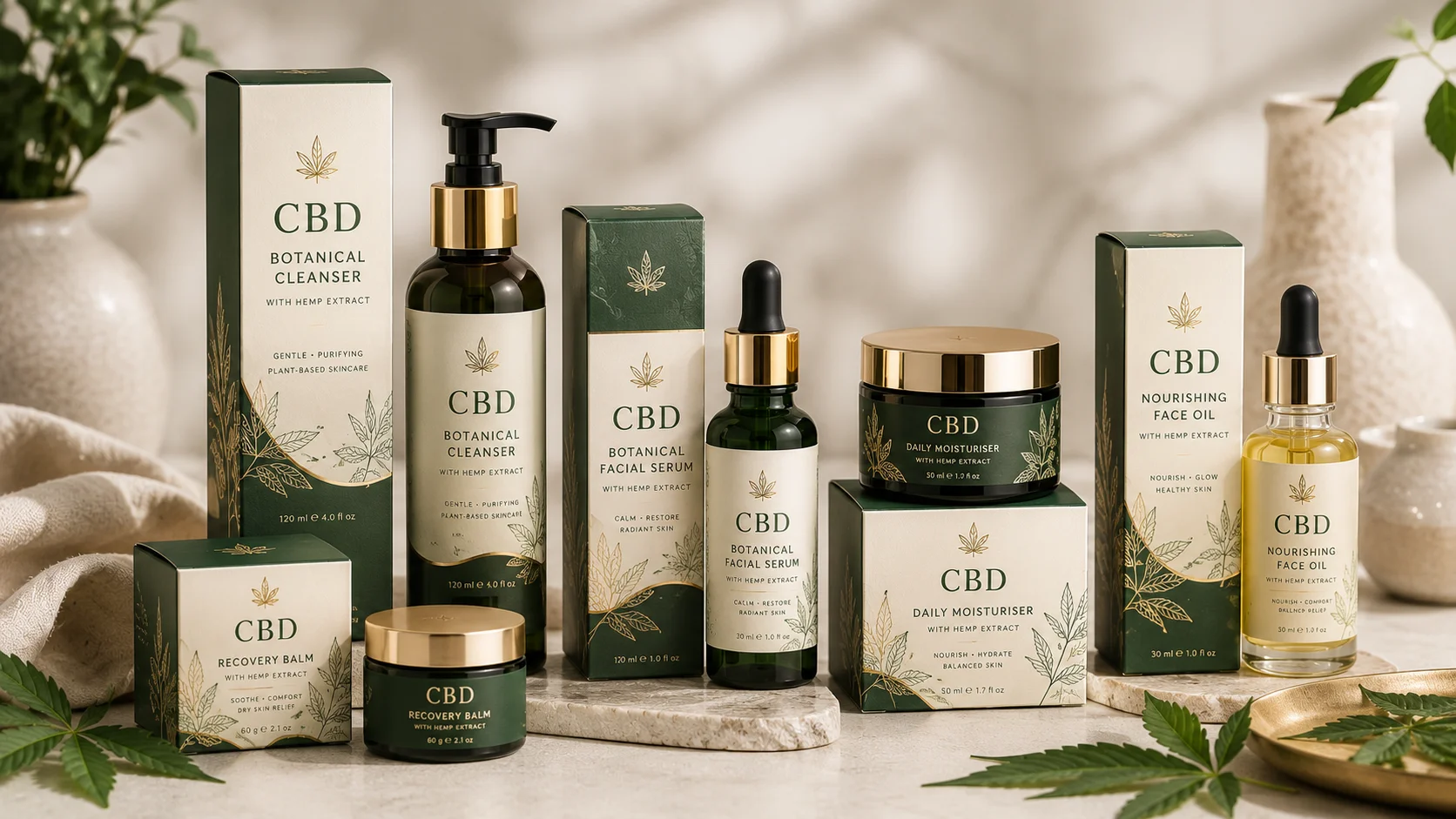
Skincare cartons need accurate sizing alongside clear product hierarchy, consistent variants and finishes suited to the selected board surface.
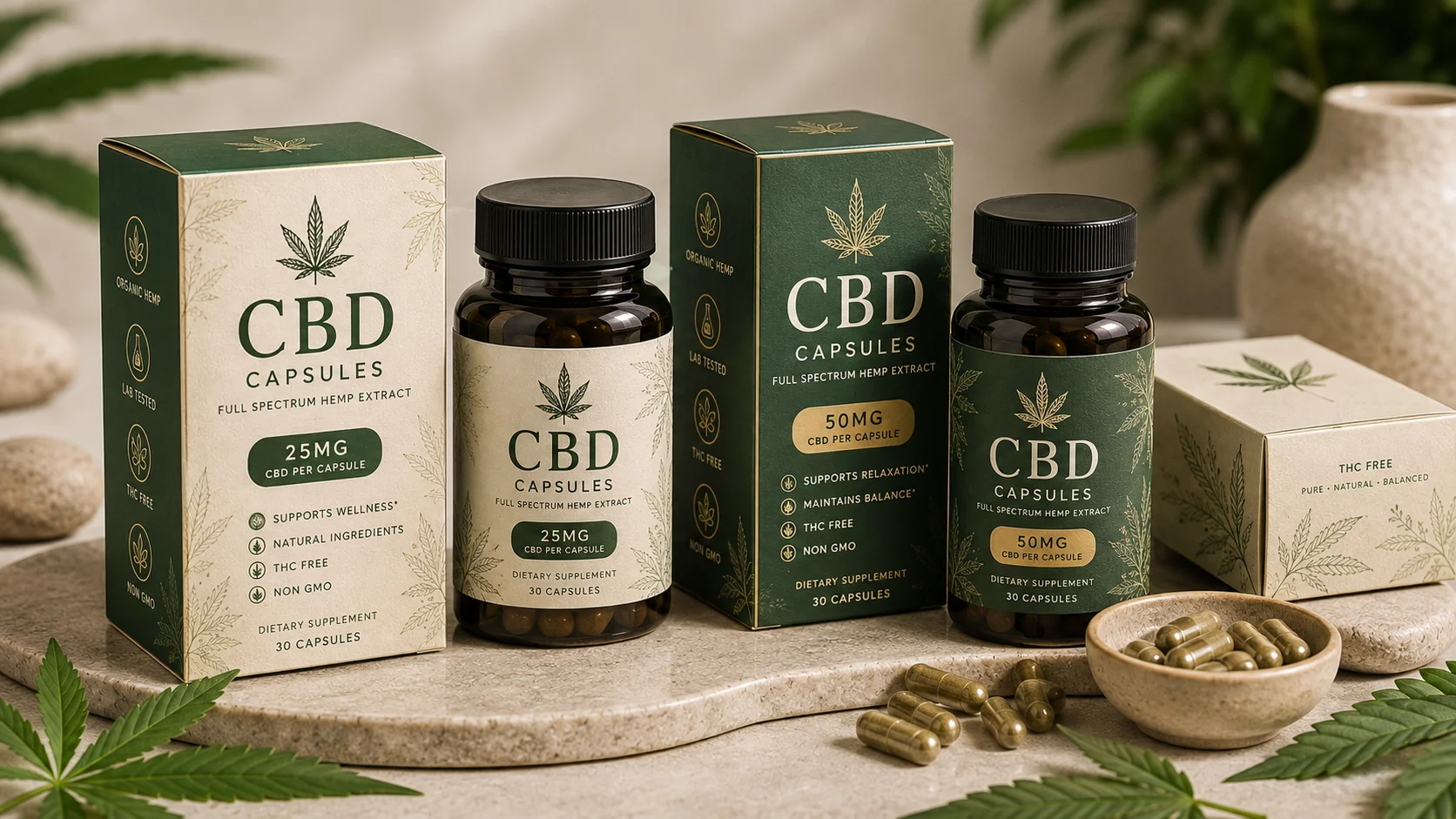
Secondary cartons can add structured presentation and usable information space around capsule bottles without forcing the primary pack into a generic size.
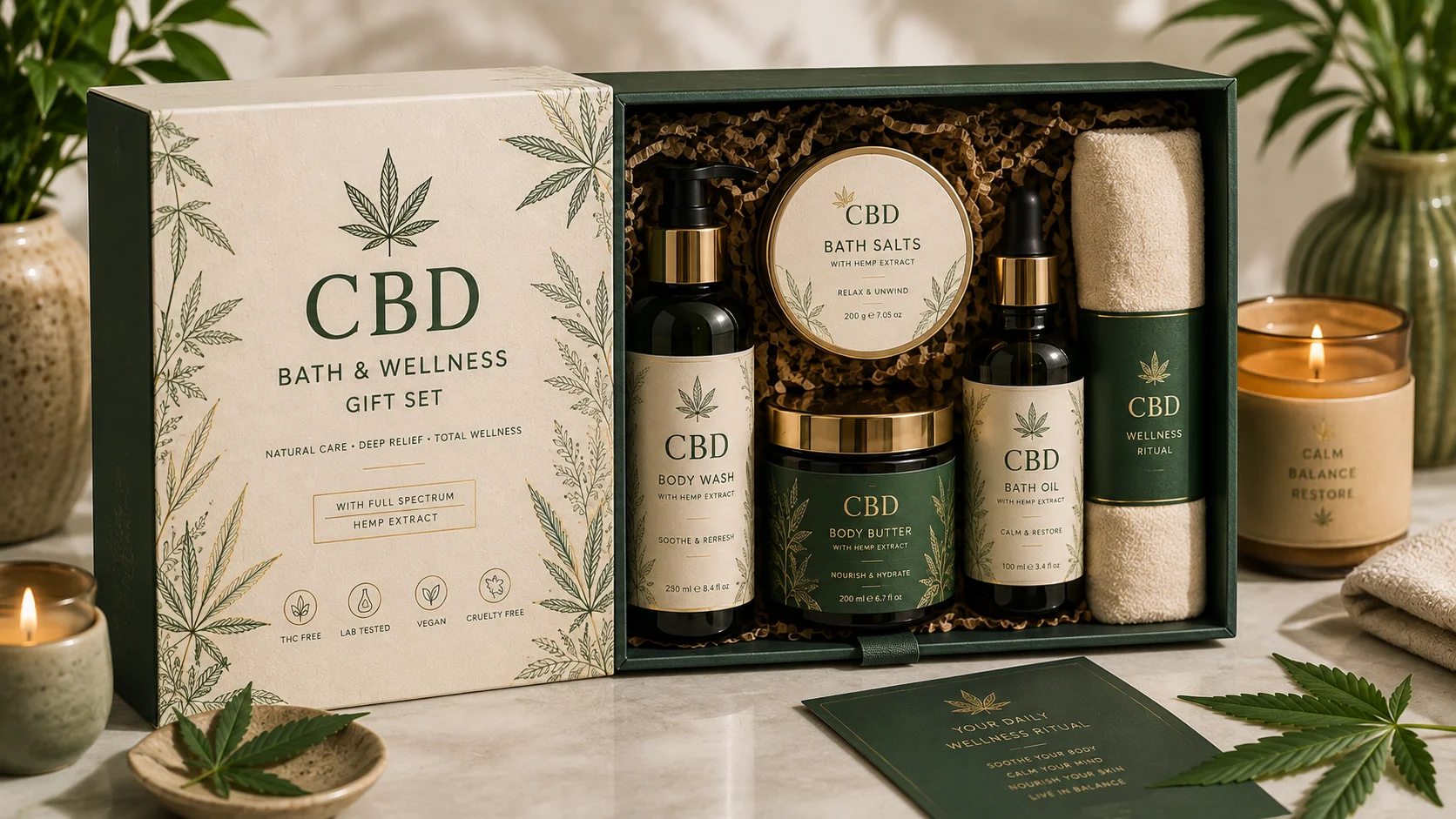
Mixed sets may combine bottles, jars, tubes and printed literature, so the internal arrangement should be planned before the outer pack is finalised.
The primary container should determine the internal dimensions, clearances and support points. A dropper bottle, balm jar and supplement tub can share one brand system without sharing one structural solution.
Measure the finished pack and allow enough clearance for filling without leaving unnecessary free movement.
Measure the widest finished points, including labels, shoulders, lids or decorative features that change the footprint.
Include droppers, pumps, caps or raised closures rather than sizing from the container body alone.
Use the packed weight when reviewing board grade, base performance and whether internal support is required.
Leave enough room for efficient packing while avoiding excess space that can allow the product to lean, rattle or shift.
Confirm the structure before final artwork is positioned. This avoids rebuilding artwork around a revised dieline later in the project.
Material choice should follow the finished product weight, structure, print requirement and selling environment. A lightweight tincture carton does not need the same construction as a heavier jar, ecommerce pack or premium gift set.
A smooth carton board suited to oils, skincare, supplements and other individual retail packs where detailed print and efficient flat storage matter.
Kraft board supports natural and understated brand directions, but the brown substrate changes how lighter colours and fine artwork reproduce.
Corrugated structures provide greater compression resistance for ecommerce, subscription packs, grouped products and heavier containers moving through parcel networks.
Rigid greyboard creates a substantial presentation format for premium wellness sets, skincare collections and gifting where the opening experience is part of the pack.
CBD packaging should leave enough usable panel space for the information required for the specific product. The final wording and regulatory status should be confirmed by the business responsible for placing the product on the market.
Folds, glue zones, closures and barcode requirements reduce the usable artwork area on a carton.
Keep product name, format and approved variant information easy to distinguish across closely related SKUs.
Leave practical space for batch, lot or date information where the product specification requires variable data.
Keep scanning areas away from folds, closure edges and visual clutter so the final pack remains practical for retail handling.
Plan seal labels, tear features or suitable structural controls into the closure so they do not obscure important information.
Food and supplement products can have different information and product-status requirements from cosmetics, so do not reuse one generic label layout across the range.
Skincare and topical products should be planned around the requirements that apply to that product category rather than copied from food or supplement packaging.
Healey Packaging can create the structure and artwork space for approved information, while final legal and regulatory wording remains the responsibility of the business placing the product on the market.
Colour, typography and finishing should help customers recognise the product and distinguish variants without competing with essential information. Build the hierarchy first, then add specialist effects where they improve the finished pack.
CMYK supports full-colour artwork, while Pantone references can help control established brand shades where appropriate.
Keep the product name, format and SKU differences visible without allowing colour coding to fragment the wider brand family.
Foil, embossing, debossing, Spot UV, matt, gloss and textured surfaces can be used selectively to support the brand direction.
Retain common logo position, typography and information rules across different carton sizes and product formats.
Use the packed weight, filling method, selling environment and required opening experience to narrow the structure. This avoids choosing a box style for appearance alone.
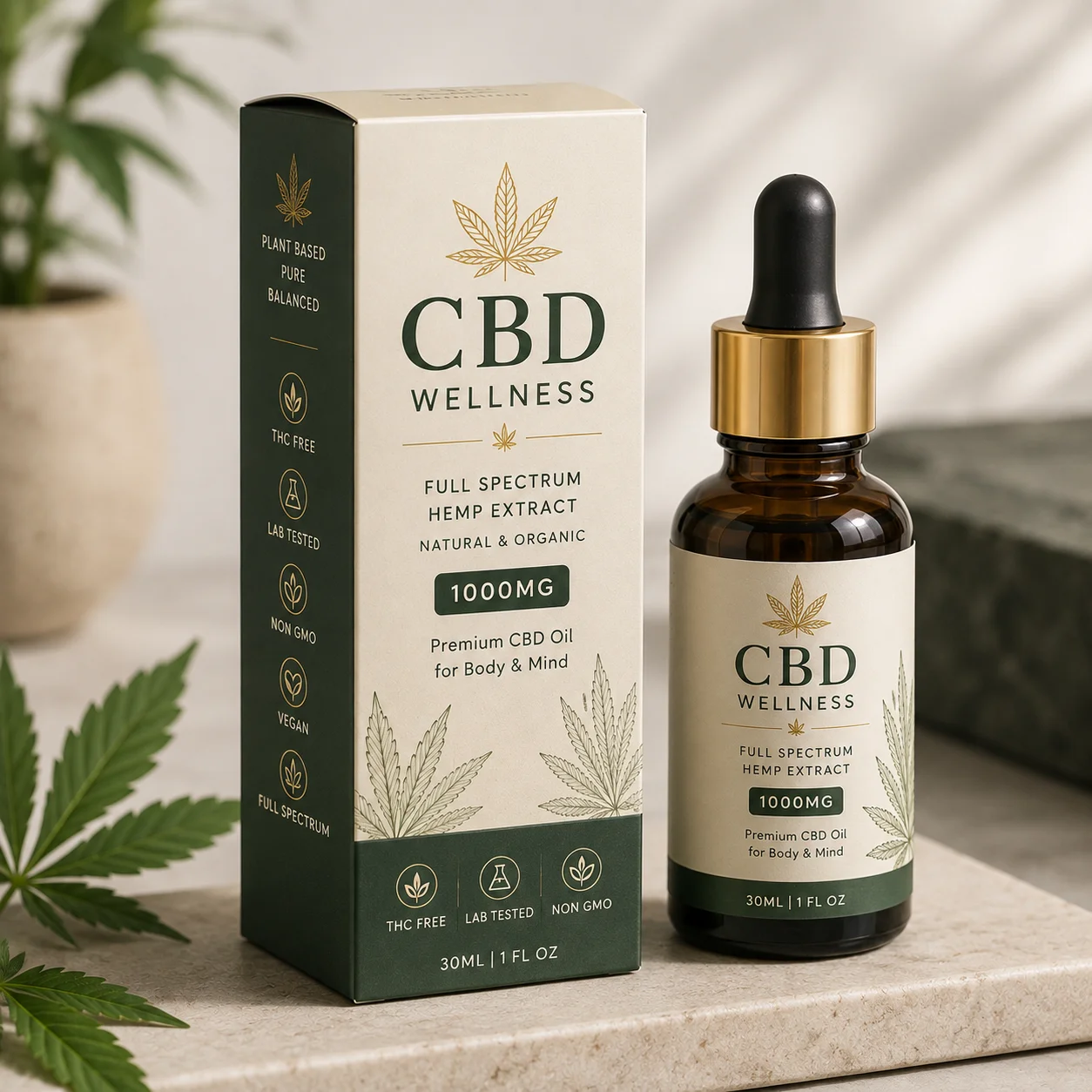
Straight or reverse tuck formats suit many individual bottles, tubes and lightweight retail products where flat storage and efficient filling matter.
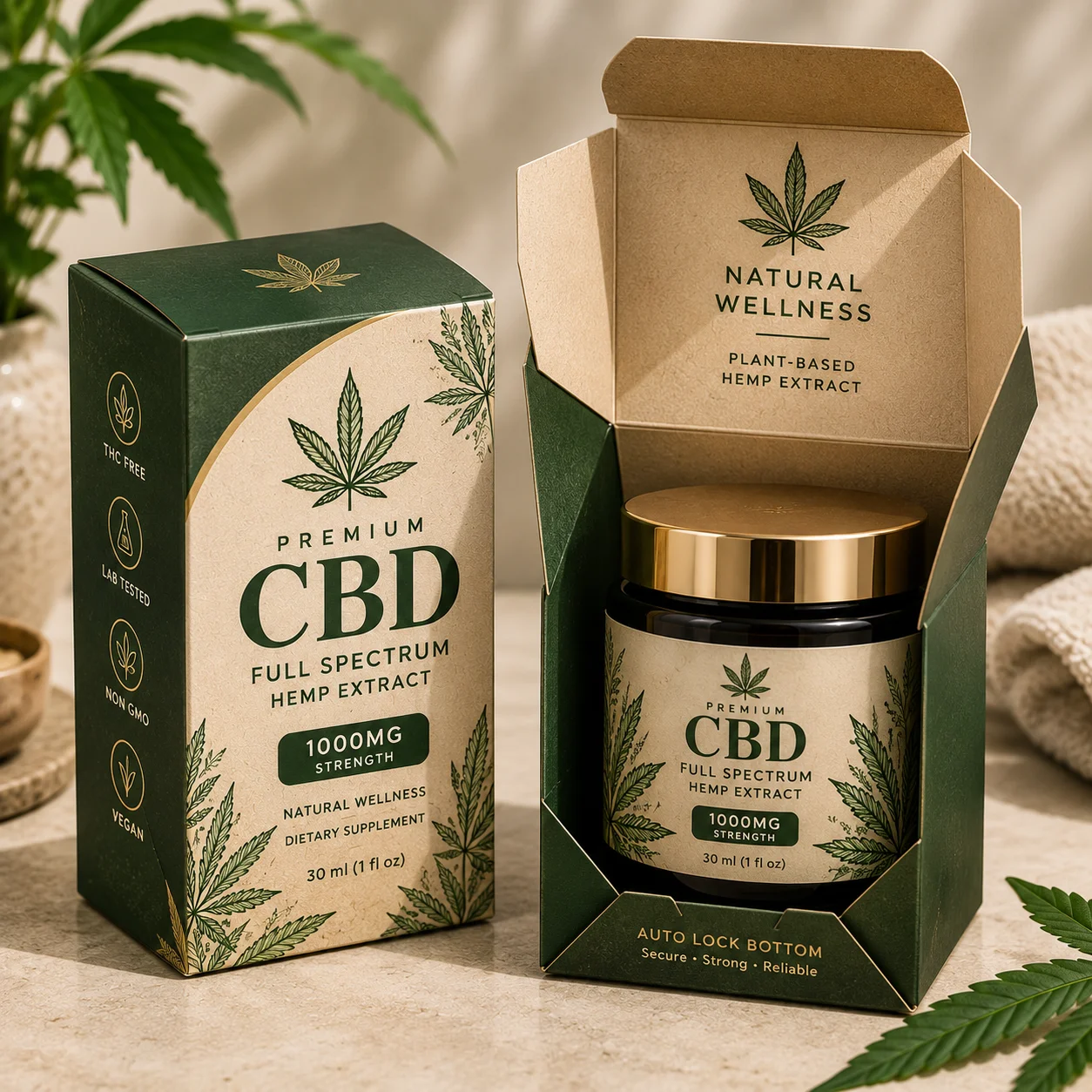
Stronger base formats can improve support and packing efficiency where the finished product places more load on the lower carton structure.
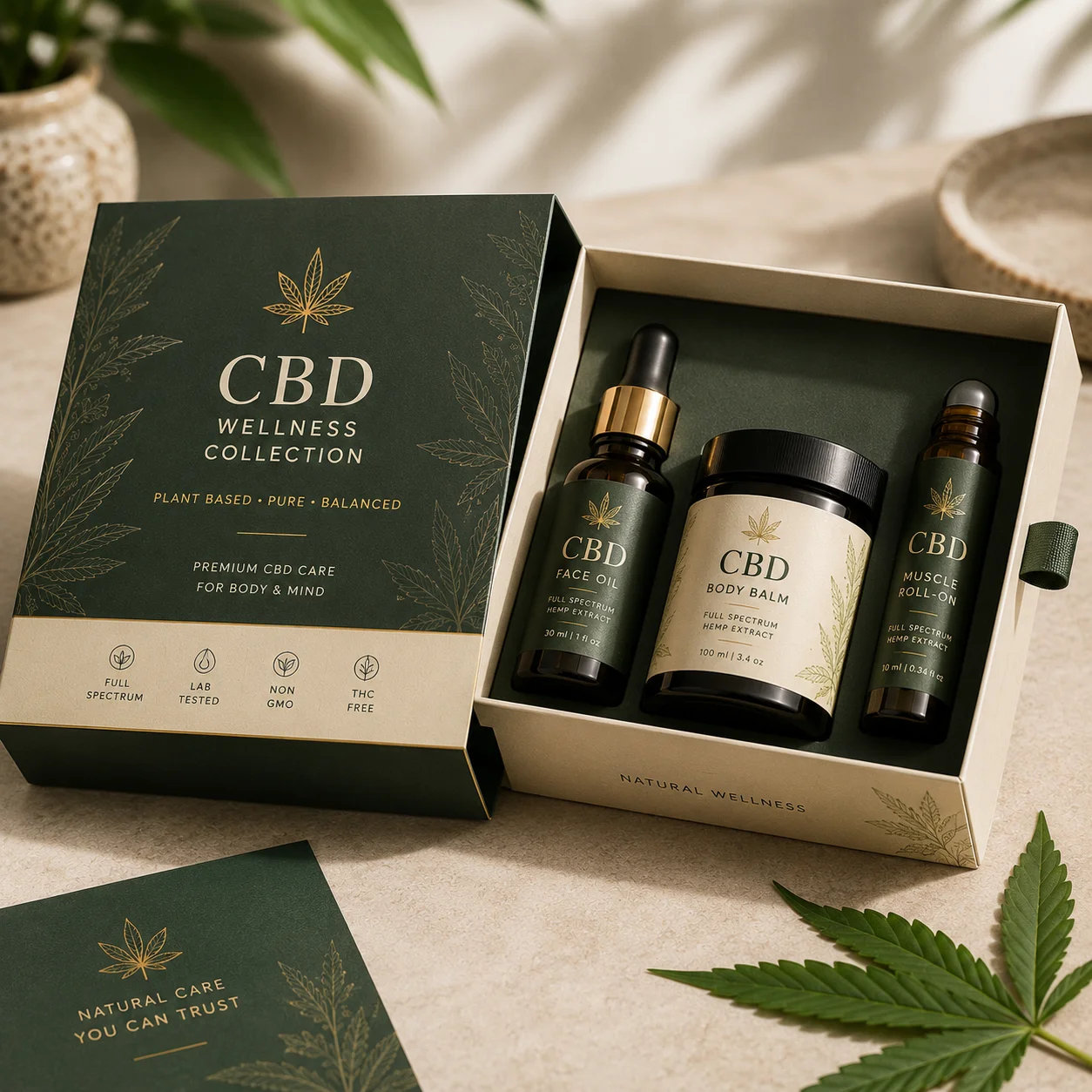
Layered or rigid structures suit higher-value skincare, gifting and launch collections where the opening sequence forms part of the presentation.
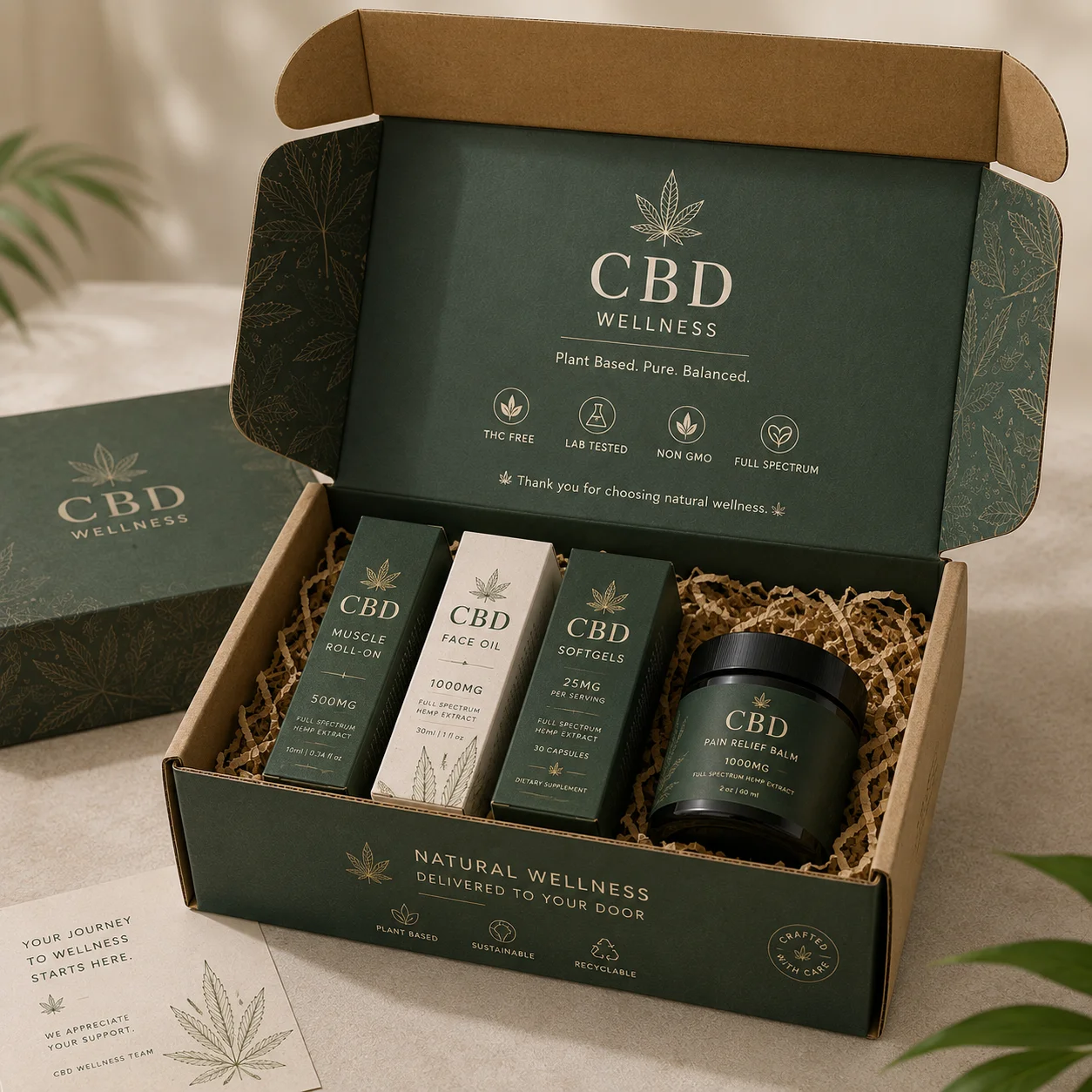
Mailer structures are better suited to parcel handling, subscriptions and grouped products where the customer-facing pack also needs distribution strength.
Material efficiency and range consistency should be planned together. Keep the packaging only as complex as the product requires, then retain approved structural and artwork references for future SKUs and repeat orders.
Reduce unnecessary void space around the finished product.
Use internal components where they solve a defined support or presentation need.
Consider the complete pack when evaluating material use and end-of-life claims.
Material reduction should not create avoidable damage during handling or delivery.
Keep dimensions and board references consistent where the physical product is unchanged.
Maintain common logo, typography and information hierarchy across the range.
Different closures, weights or dimensions can require their own structural fit.
Confirmed structural and artwork references make repeat orders easier to brief.
Product dimensions, filled weight, primary container, quantity, sales route, preferred structure, insert requirements, print requirements and artwork status provide a practical starting point for an accurate quotation.
Real packaging work produced for customer brands.
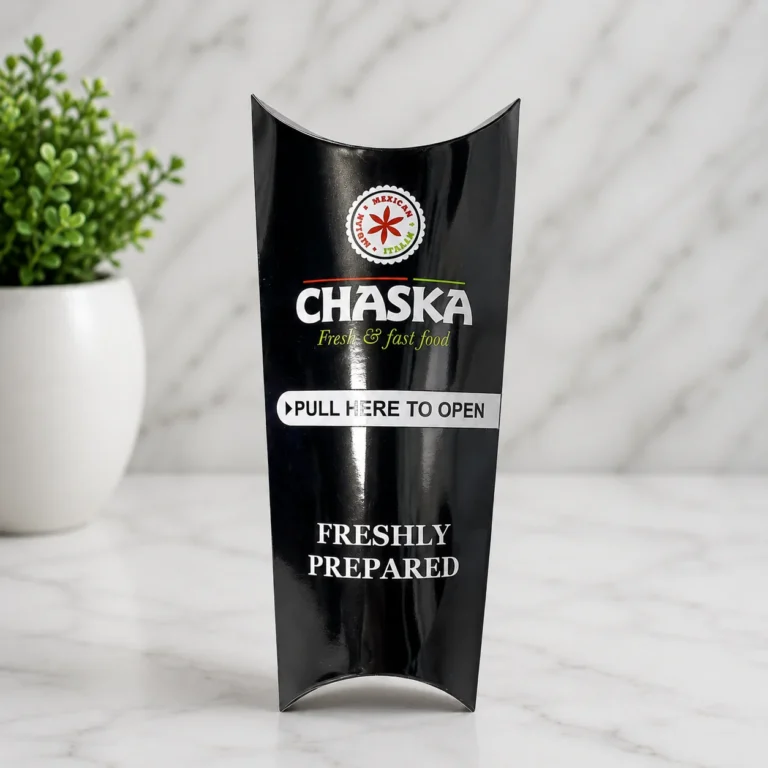
Healey Packaging produced custom pillow-style shawarma sleeves for CHASKA using 300gsm food-safe BSB card, full-colour CMYK...
View Case Study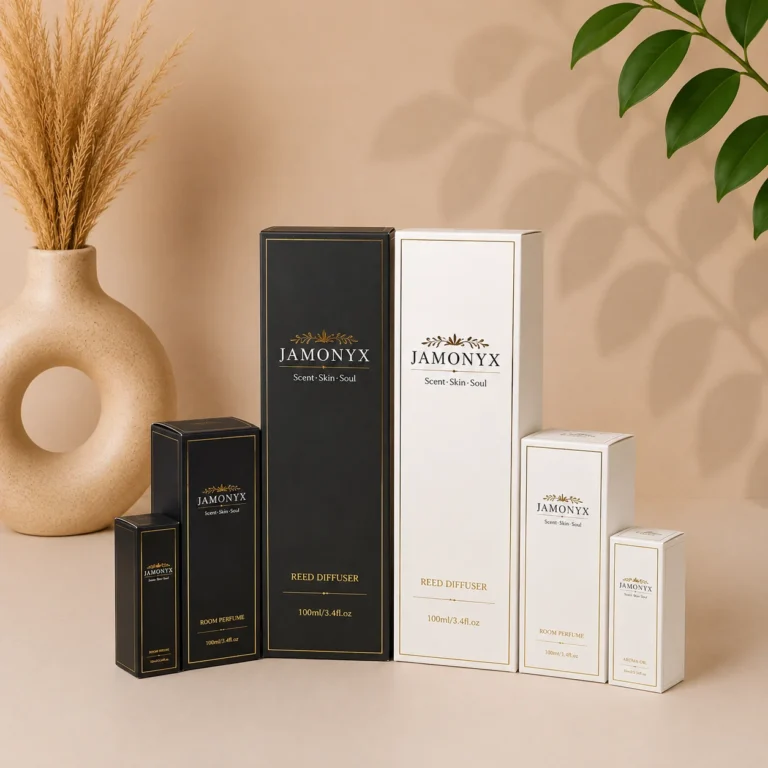
Healey Packaging produced 1,200 luxury reverse tuck boxes for JAMONYX across two black-and-white designs, three sizes,...
View Case Study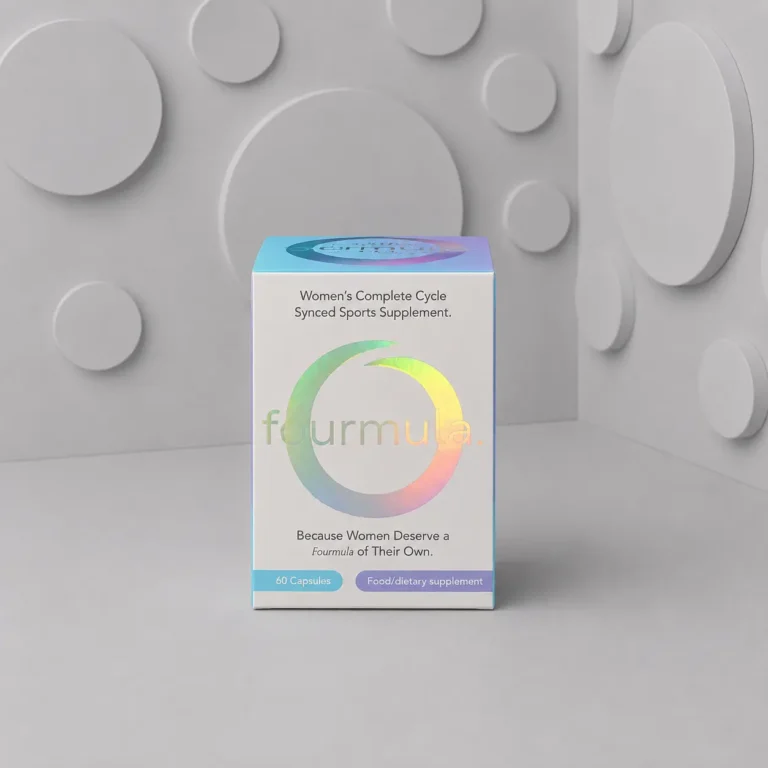
Fourmula started with 10 physical sample boxes for a compact supplement product, then moved toward a...
View Case Study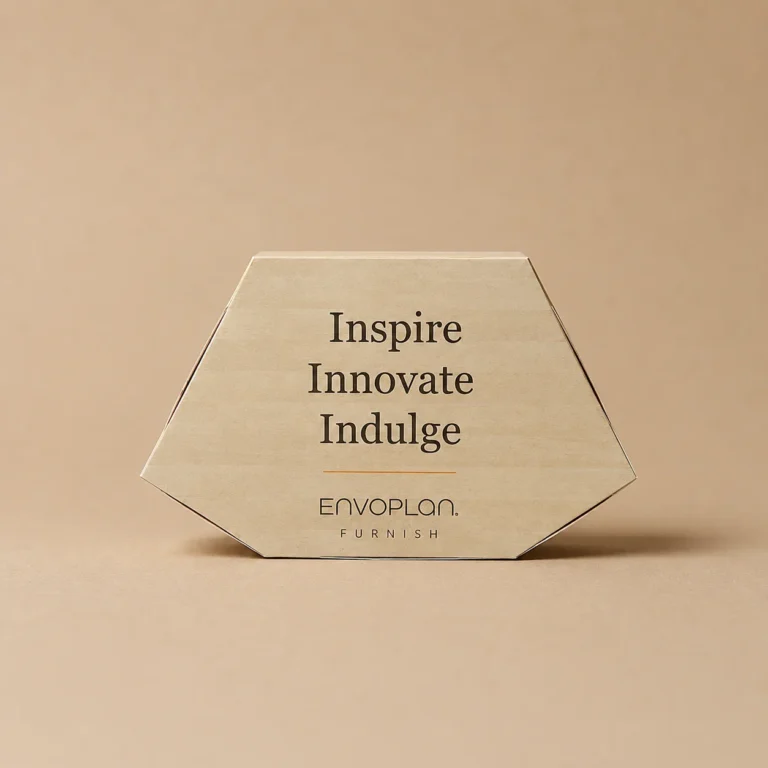
A bespoke shaped sweet box created for Envoplan Furnish events, produced across two 300-box runs with...
View Case StudyShare product size, quantity, use case and artwork status.
The right size, board and box style are reviewed.
A digital proof is prepared before production begins.
Boxes are printed, cut, folded and finished to specification.
Finished packaging is checked for structure and print quality.
Completed packaging is packed and delivered to your business.
From our customers
In our customers’ own words. Selected excerpts from company reviews on Trustpilot.
Review excerpt
Can’t recommend the company enough, especially Alex who worded with me patiently all the way.…
Review excerpt
Quick and thorough responses from Alex. Delivery was also fast, and within the lead time they gave, I would recommend.
Review excerpt
I had a great experience working with Healey Packaging, I love my new candle boxes.…
Review excerpt
We had a deadline they needed to meet for me and they did.…
Review excerpt
Had a very good experience with Healey. This is the second time we have used them…
Review excerpt
Great customer service, needed a quick turn around and assistance for custom packaging for my brand,…
Review excerpt
I looked through about 100 unhelpful suppliers, then found Healey Packaging.…
Review excerpt
Great quality product and excellent service from Alex.
Feedback relates to Healey Packaging and its service, rather than a rating of an individual product.
The information required depends on the type of CBD product and how it is placed on the market. Packaging may need space for product identity, quantity, ingredients or product information, business details, batch or traceability data, barcode information and any warnings relevant to the specific product category. Final regulatory wording should be approved by the business responsible for the product before artwork is sent to print.
Yes. CBD food products are treated as novel foods in Great Britain, so the product's regulatory status should be confirmed before packaging artwork is approved. The carton should provide sufficient space for the information required for the specific food or supplement product. The FSA also maintains a register of CBD products linked to novel food applications for England and Wales; inclusion on that list is not an FSA endorsement.
Yes. CBD cosmetics and CBD foods can fall under different regulatory frameworks. Cosmetic packaging in Great Britain can require information such as the Responsible Person, quantity, precautions, batch identification, product function and ingredients. A skincare carton should therefore be planned around its own approved information rather than copying the layout of a CBD food or supplement pack.
Yes. Custom CBD packaging can be developed around dropper bottles, supplement containers, skincare jars, tubes, tubs and multi-product gift sets. Dimensions and internal support should follow the finished primary container, including caps, droppers, labels and raised closures. Different SKUs can still share consistent typography, colours and brand rules even when the box structures differ.
Straight tuck end and reverse tuck end cartons suit many lightweight CBD oil and tincture bottles. Heavier glass bottles may need a stronger board grade, reinforced base or fitted internal support. The final structure should be selected around the bottle diameter, total dropper height, filled weight, packing method and sales route.
Not every CBD product has the same requirement. Tamper-evident features should be considered according to the product category, primary container, retailer requirements and applicable regulations. Where appropriate, the secondary carton can incorporate seal labels, tear features or structural opening controls that provide visible evidence of first opening.
Common options include folding boxboard for individual retail cartons, kraft board for natural or understated presentation, corrugated board for ecommerce and distribution, and rigid greyboard for premium gift sets. The final material and board grade should be selected around the packed weight, box structure, print requirements and route to market.
Yes. Paperboard or corrugated inserts can help position bottles, jars and multiple products within the outer box. Inserts are particularly useful when glass containers, heavier jars or several differently sized products need controlled movement. The insert should solve a defined protection or presentation requirement rather than adding unnecessary material.
Packaging can reproduce artwork and copy approved by your business, but health, nutrition and medicinal claims should be reviewed before print approval. The rules depend on the product classification and the claim being made. For CBD foods, only permitted health and nutrition claims can be used under the applicable rules, while medicinal claims can affect how a product is classified. Final claim approval remains the responsibility of the business placing the product on the market.
Provide the finished product dimensions, filled weight, primary container type, required quantity, number of SKUs, preferred structure, insert requirements, printing preferences and intended sales route, such as retail, ecommerce, subscription or wholesale. If regulated information will appear on the pack, supply the approved copy and artwork requirements as part of the brief.
Healey Packaging offers no minimum order requirement for custom CBD packaging. Standard production is typically 7–10 working days after artwork approval. More complex structures, specialist materials, inserts or finishing requirements can affect the final production schedule.
Share your product, size, material and quantity requirements. Our team will help you choose the right structure, print and finish.
Tell us your product, target look, and how you ship. We'll recommend the right board, print, and finish for performance.
 Apparel Packaging
 Bakery Packaging Boxes
 Bottle Packaging Boxes
 Candle Boxes
 Cereal Packaging Boxes
 Christmas Boxes