
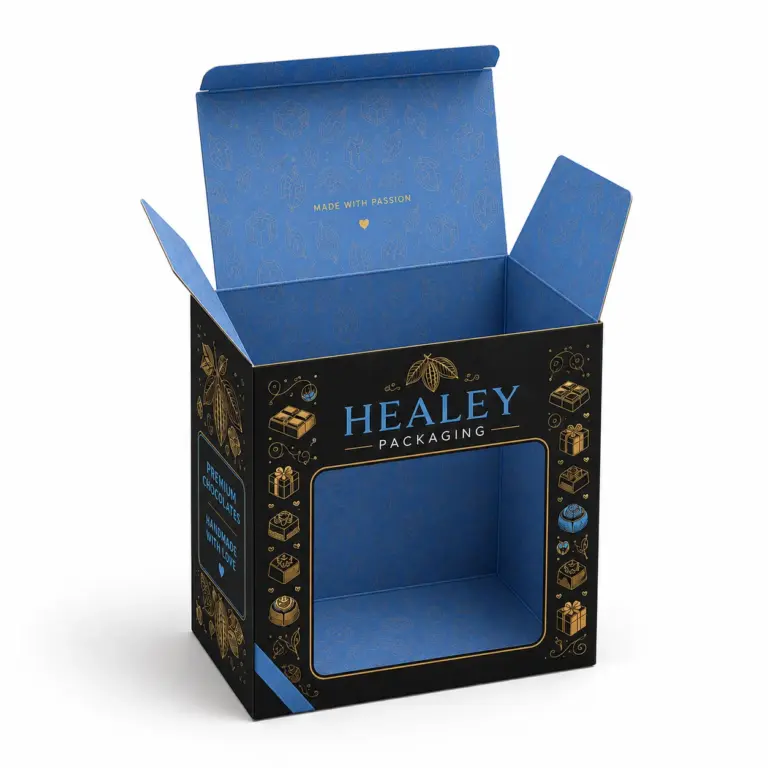
Ballotin Boxes
A box of chocolates is usually judged before anything is tasted. People...
Customise NowFresh bakery products need packaging that protects texture, supports presentation and travels well from the bakery to the customer. Our custom bakery packaging boxes are manufactured around your products, with food-safe materials, tailored sizing and premium printing for cakes, pastries, cookies, bread and other baked goods supplied through retail, takeaway and wholesale channels.
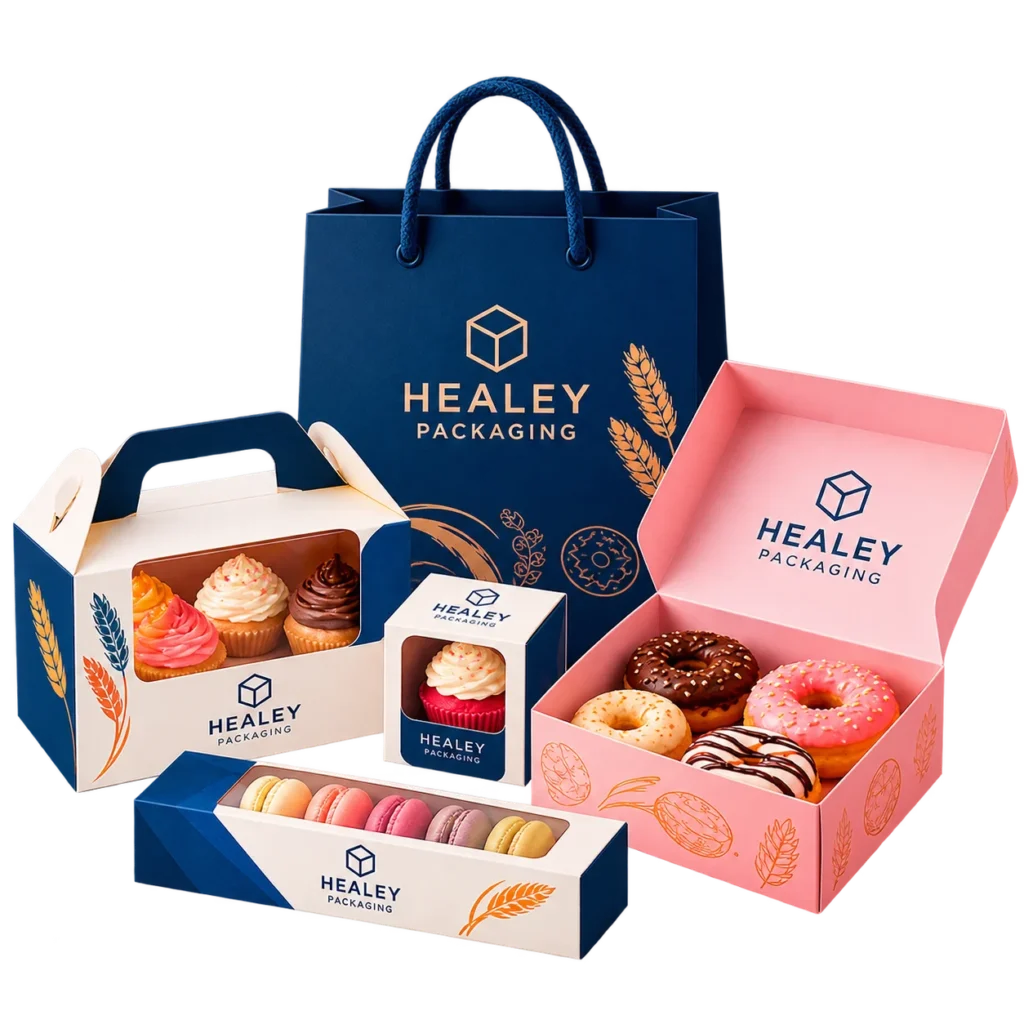
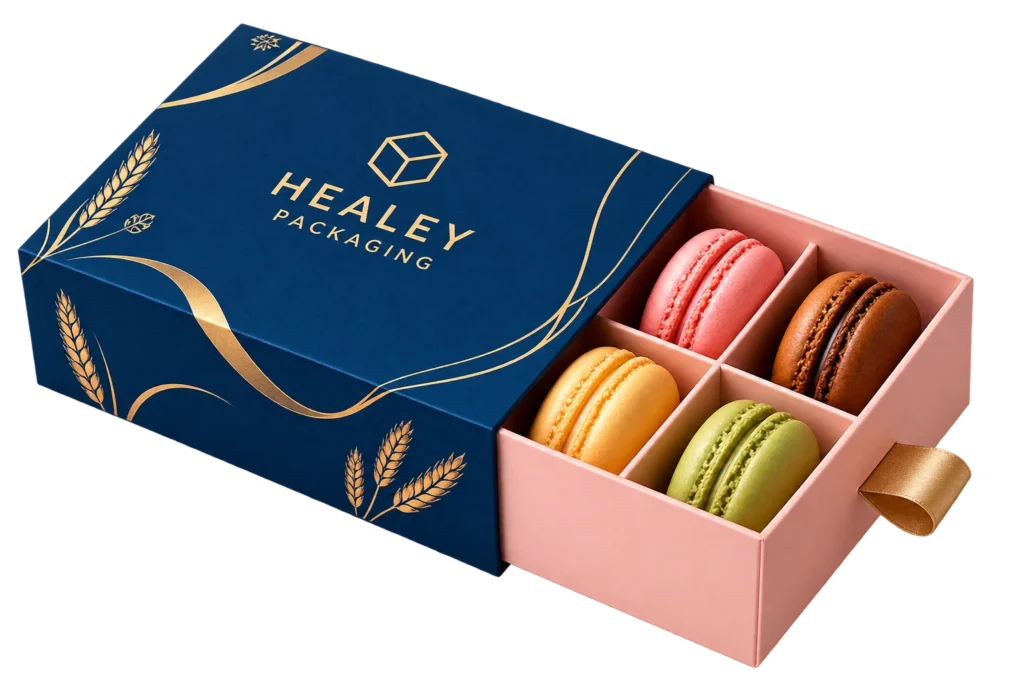
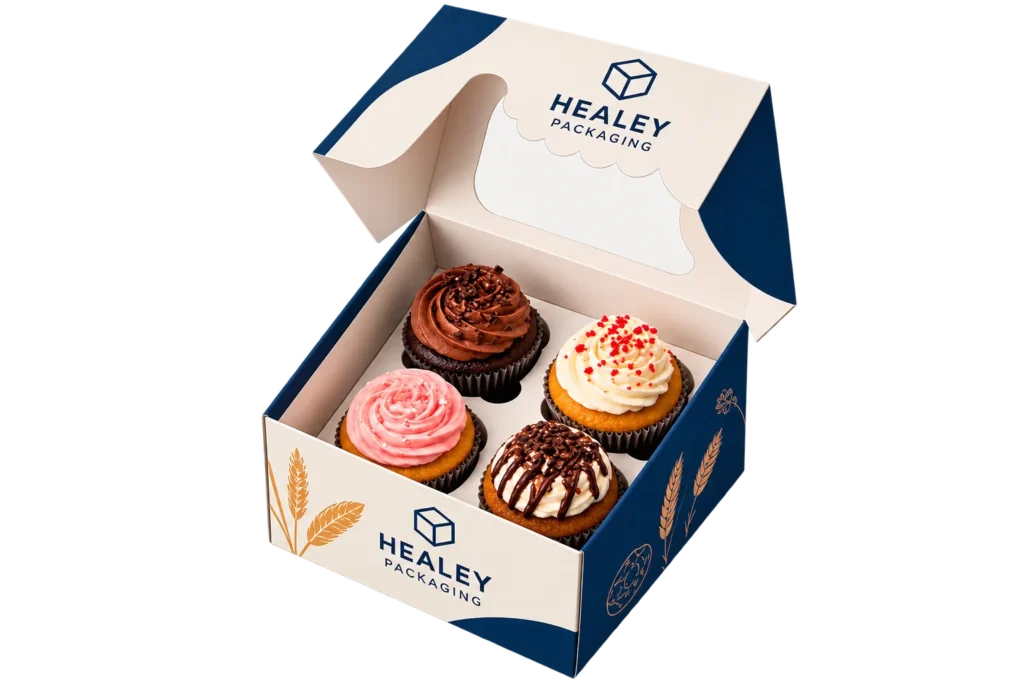
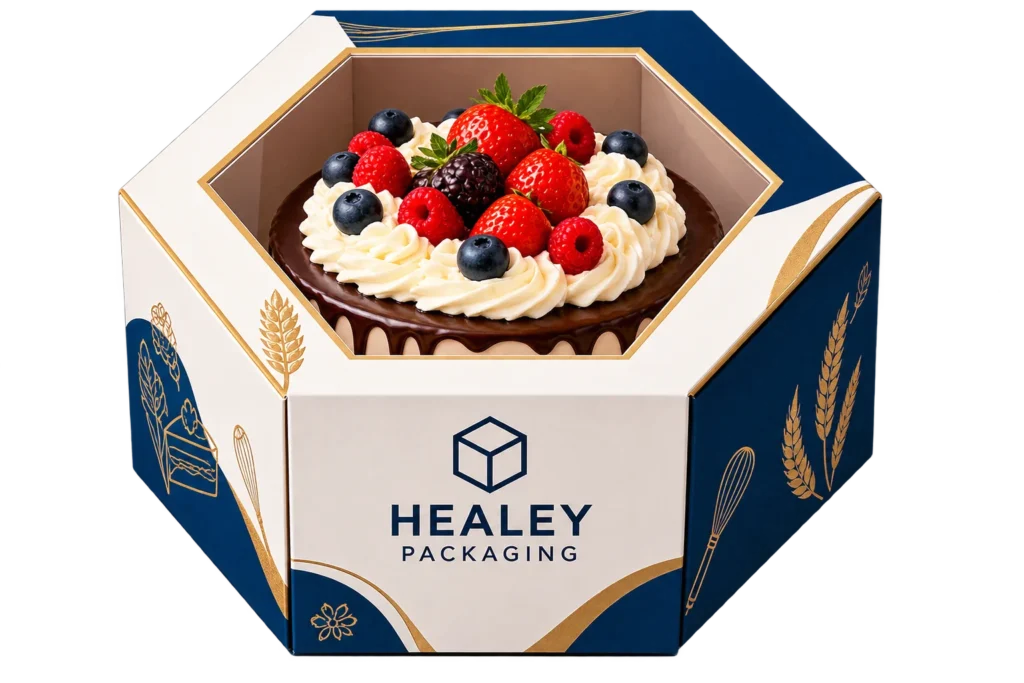
Browse bakery boxes for cakes, pastries, desserts and takeaway products with food-safe material options.
A box of chocolates is usually judged before anything is tasted. People...
Customise Now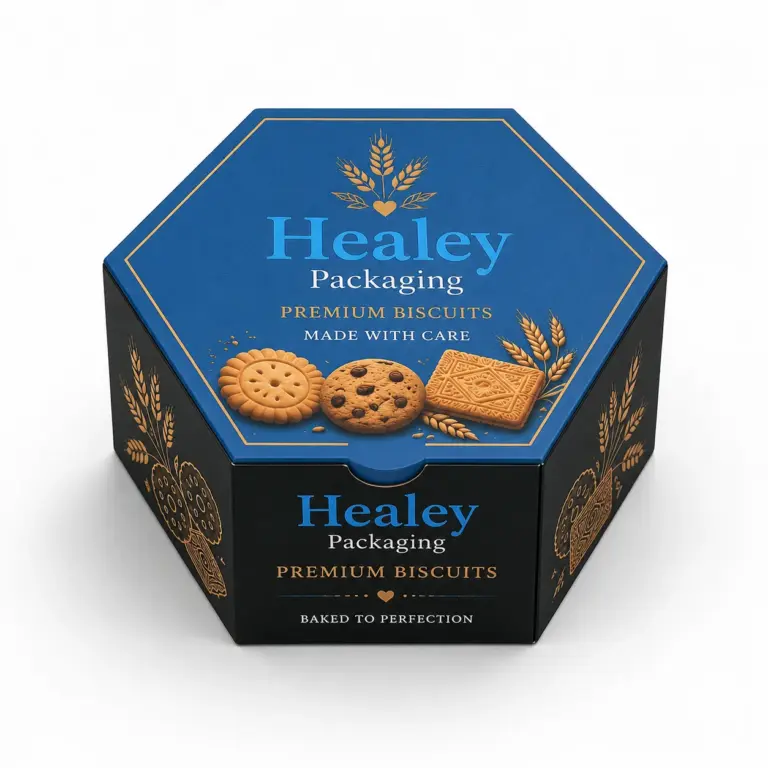
Biscuits are usually packed in rows, trays or stacks, which means the...
Customise Now
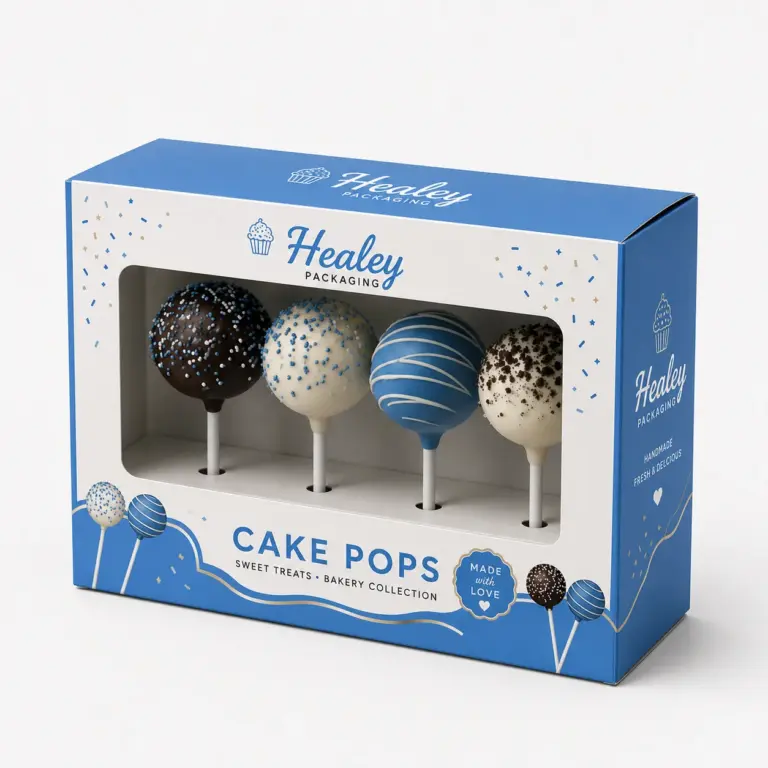
Cake pops are delicate, so their packaging needs to protect the decorations,...
Customise Now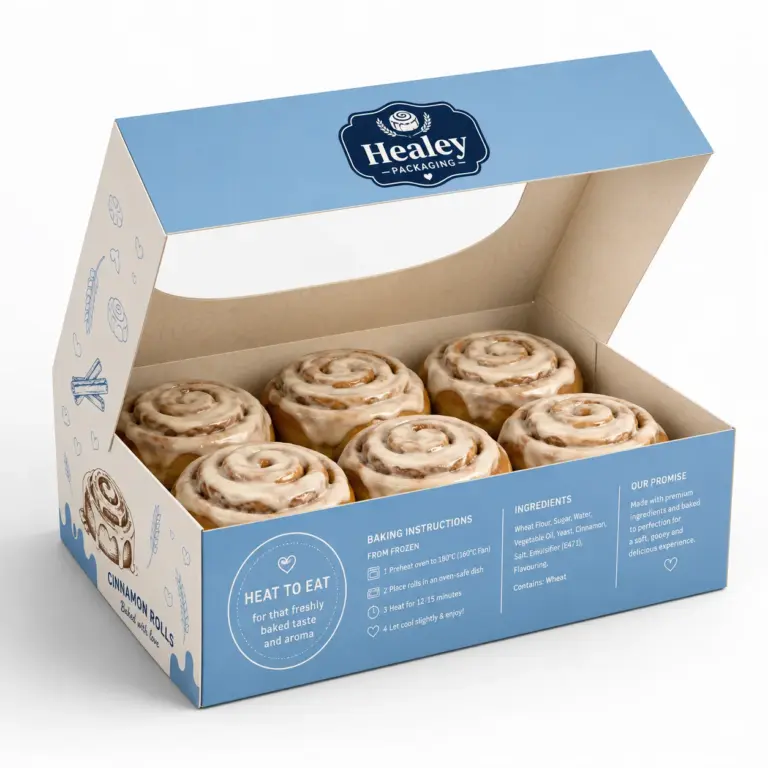
Fresh cinnamon rolls don't stay perfect for long. Icing shifts. Rolls lose...
Customise Now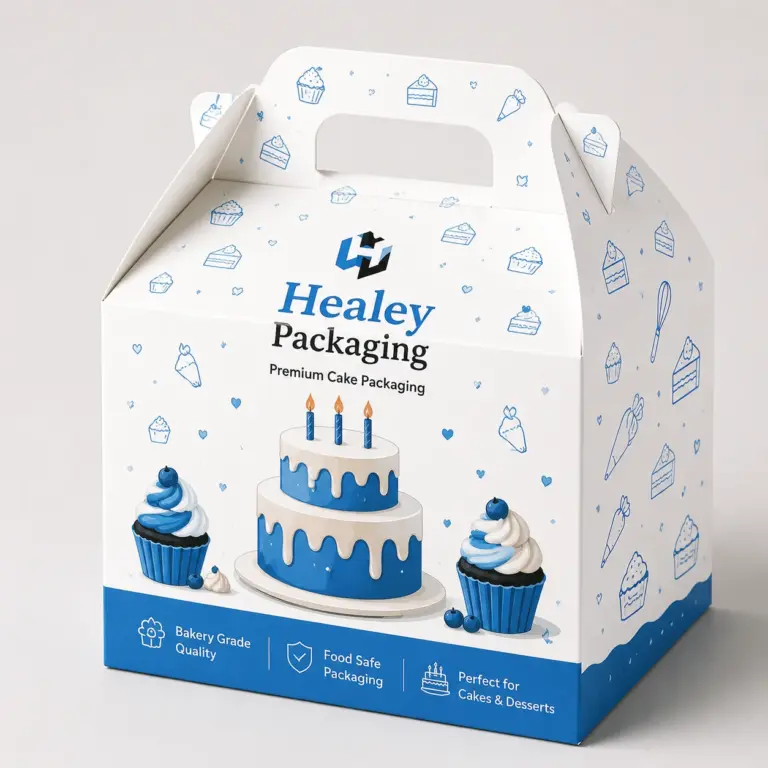
Cake packaging needs to do more than look attractive. It should protect...
Customise Now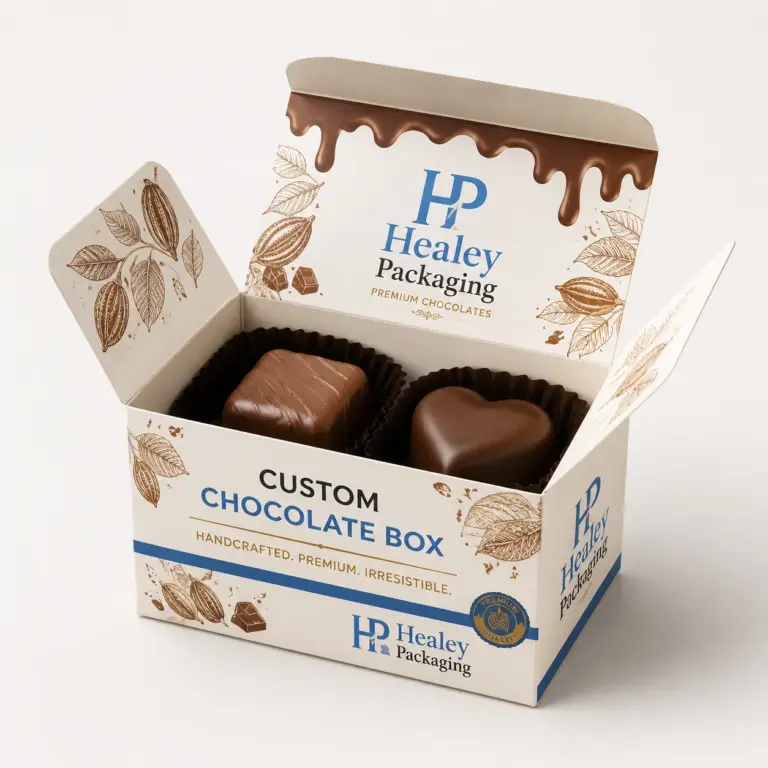
From handmade truffles to luxury chocolate collections, the right packaging protects delicate...
Customise Now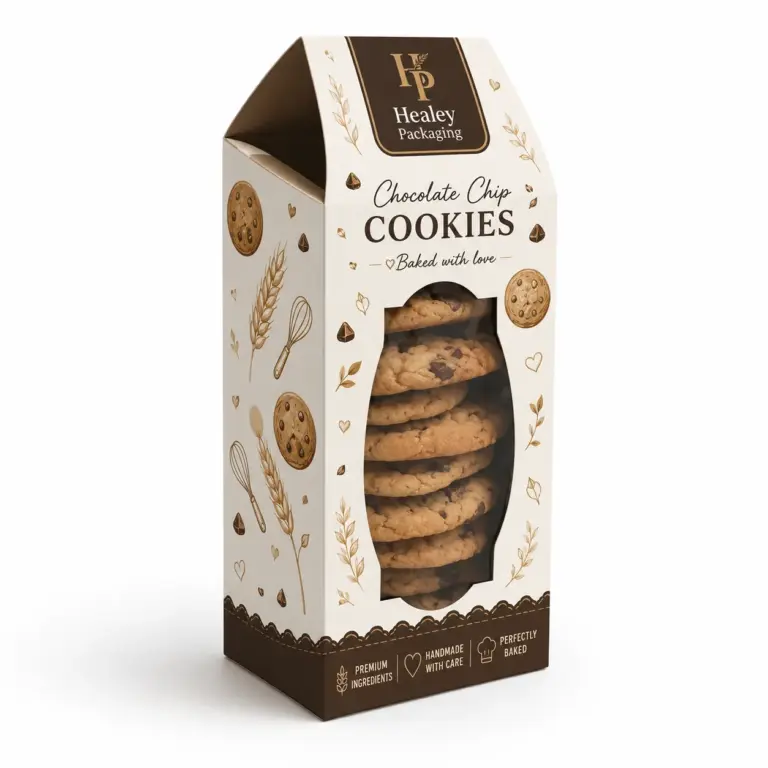
Discover custom cookie boxes designed to protect, impress, and promote your brand....
Customise Now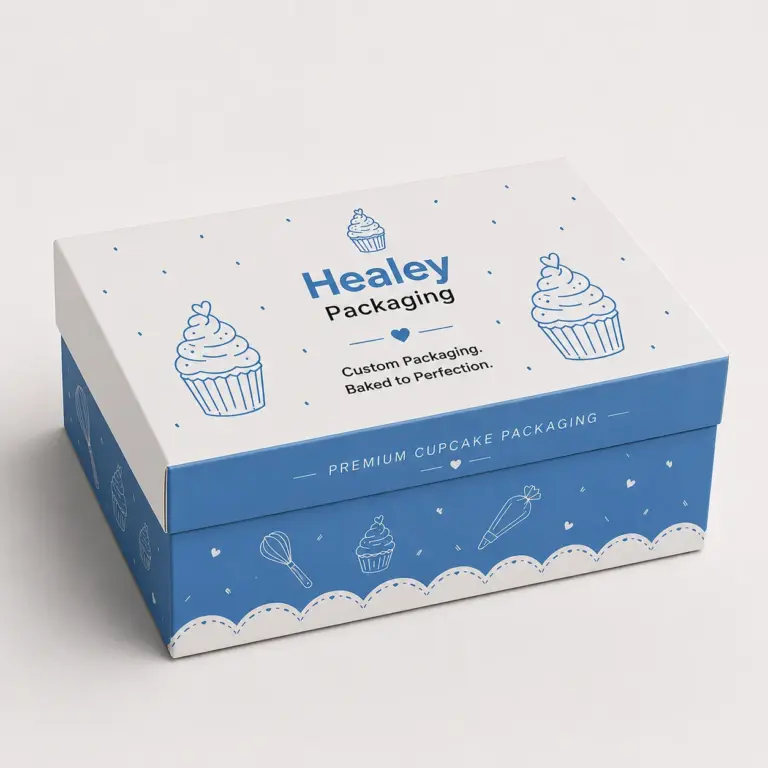
Cupcakes don’t just taste good — they sell on sight. That’s why...
Customise Now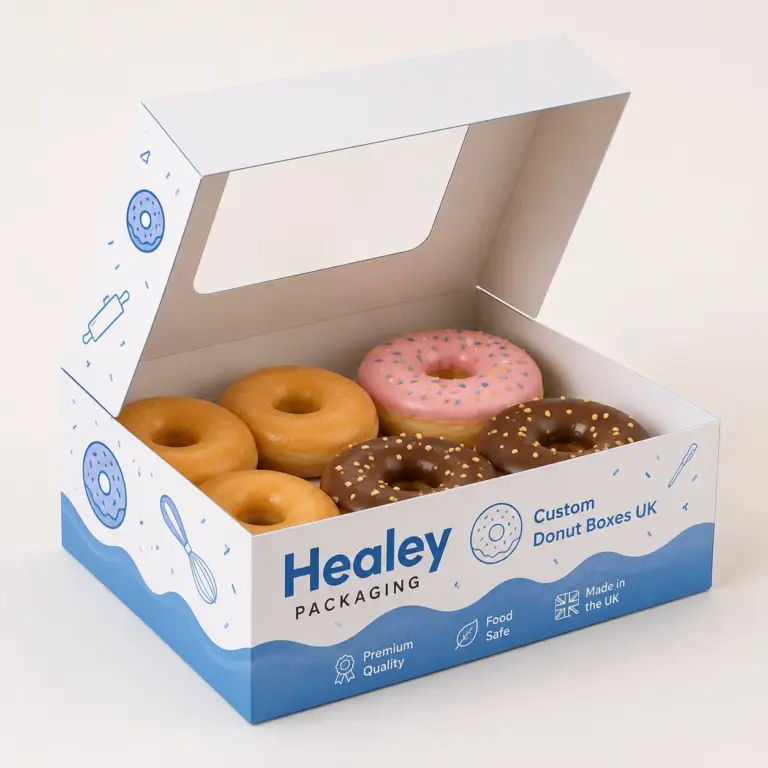
Donuts need packaging that protects delicate icing, reduces movement and keeps every...
Customise Now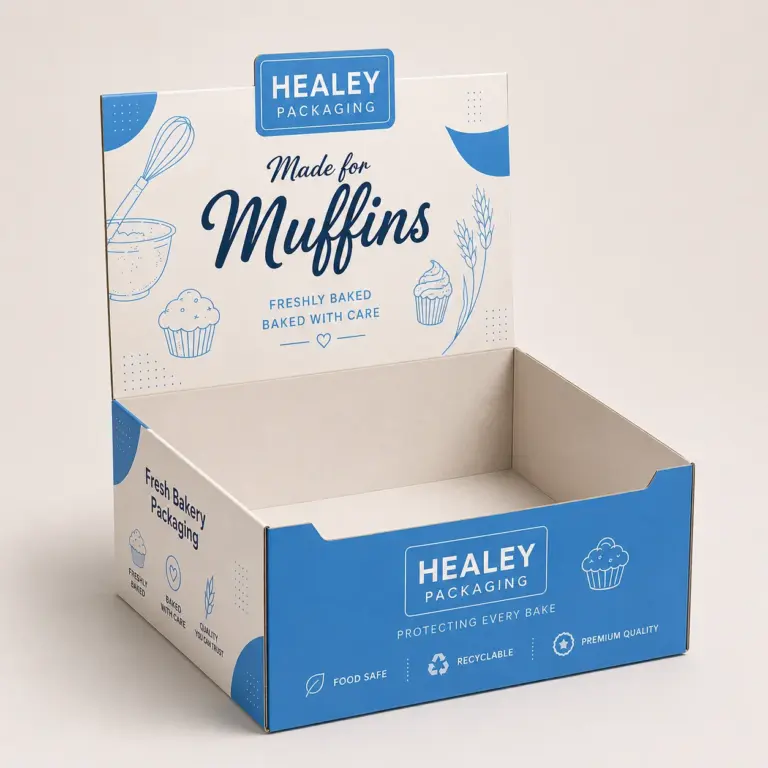
Muffins need packaging that protects delicate toppings, reduces movement and keeps them...
Customise Now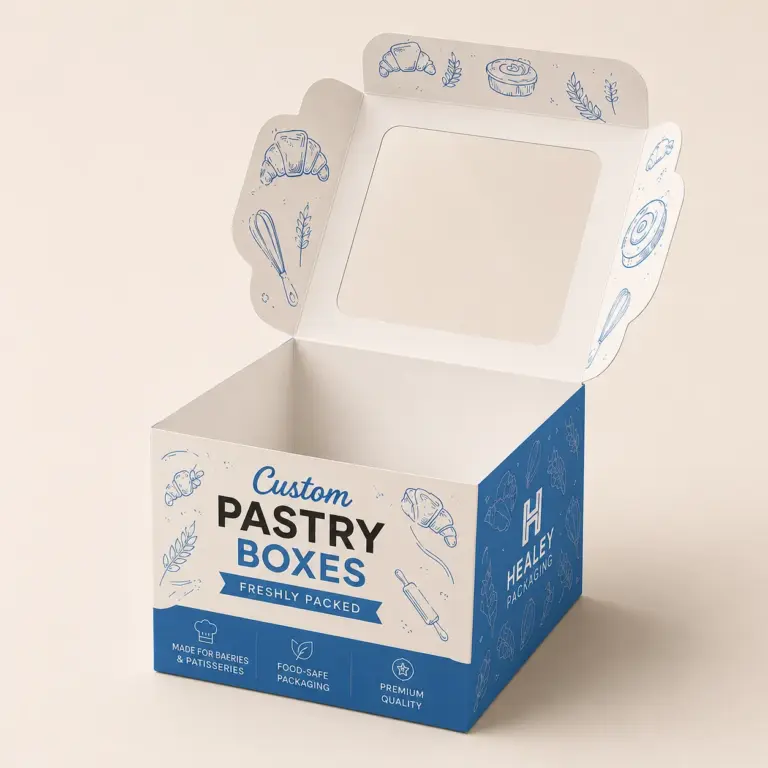
Present your freshly baked pastries in packaging designed for protection and professional...
Customise Now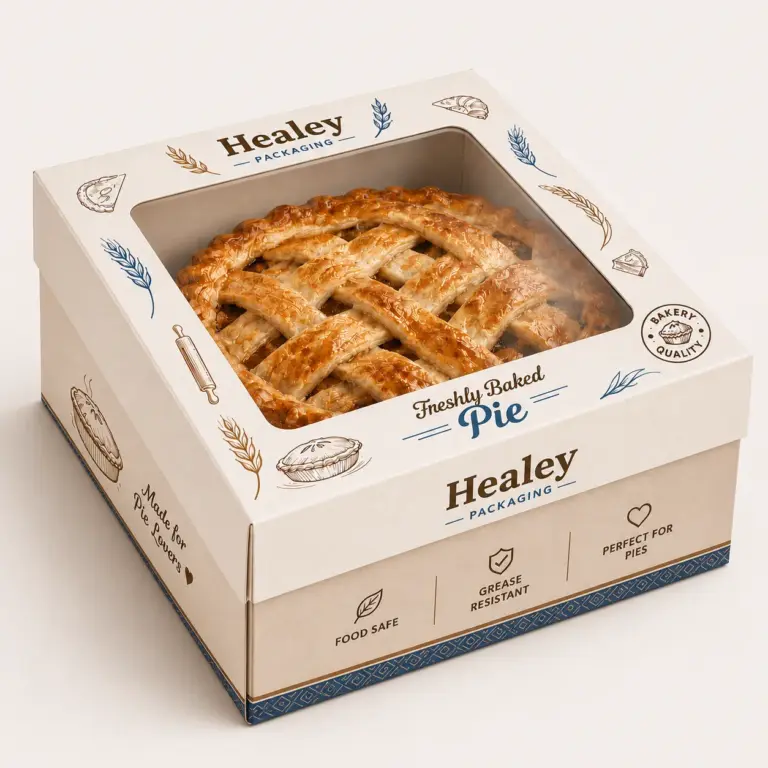
Give your freshly baked pies packaging that protects their shape and presents...
Customise Now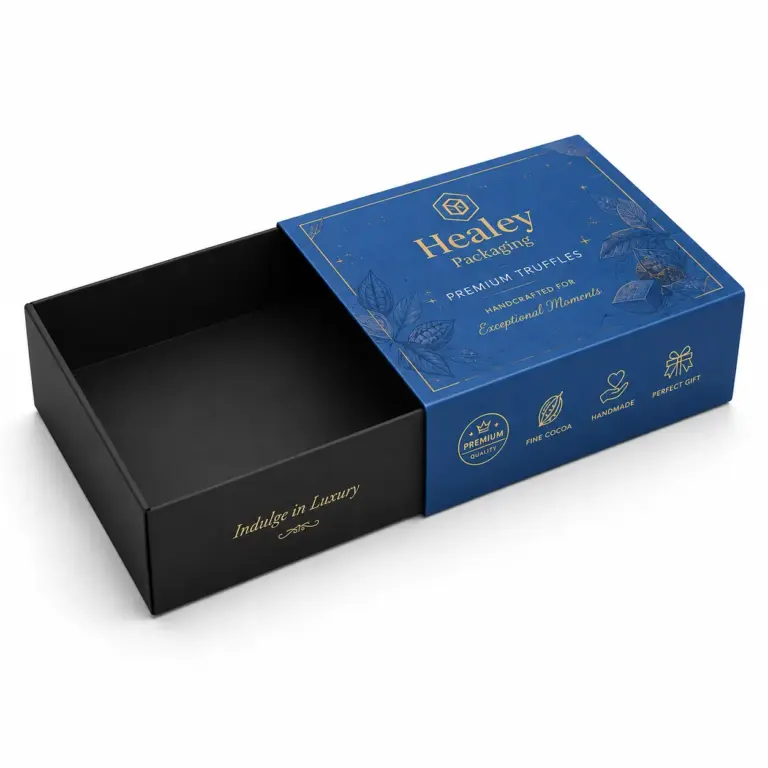
Truffles need packaging that protects their delicate shapes, reduces movement and presents...
Customise Now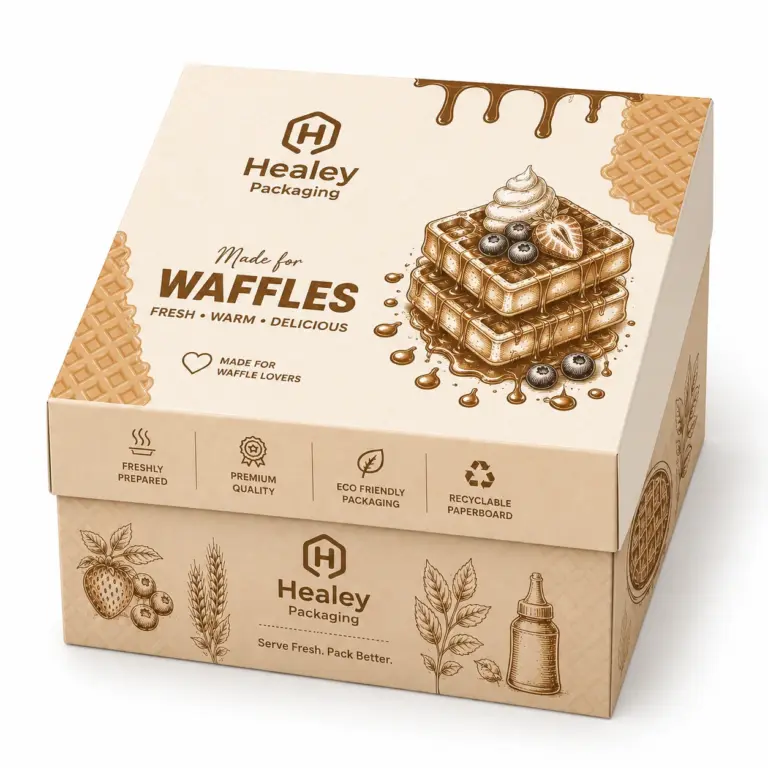
Fresh waffles need packaging that handles warmth, moisture and movement without compromising...
Customise Now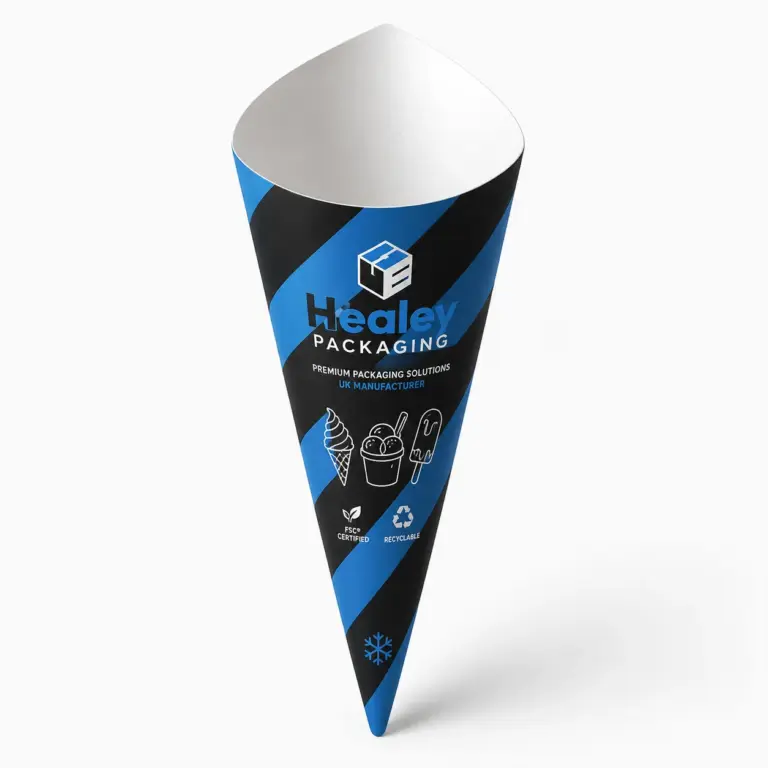
Give every ice cream cone a professional finish with custom ice cream...
Customise Now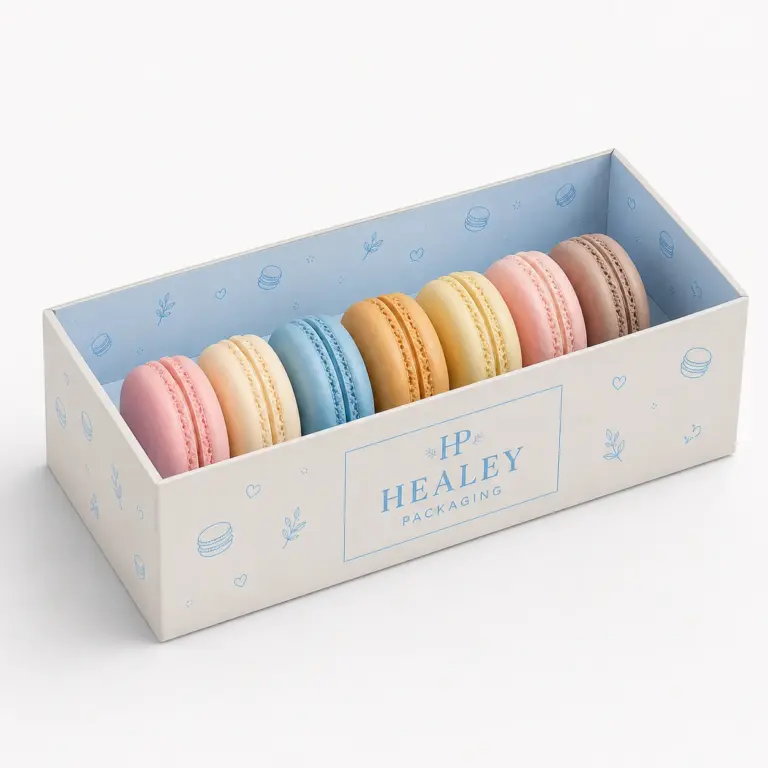
Macarons are delicate, so their packaging needs to protect their shape and...
Customise Now
Weddings are about memories, and for many guests, that last sweet bite...
Customise NowCakes, pastries, doughnuts, biscuits and bread create different demands on a carton. Finished dimensions, decoration, packed quantity and the route to the customer should be confirmed before the box style or board grade is selected.
Specify the internal space around the bakery product as it will actually be packed. Include icing, toppings, cake boards, liners, inserts and anything that changes the final footprint or height.
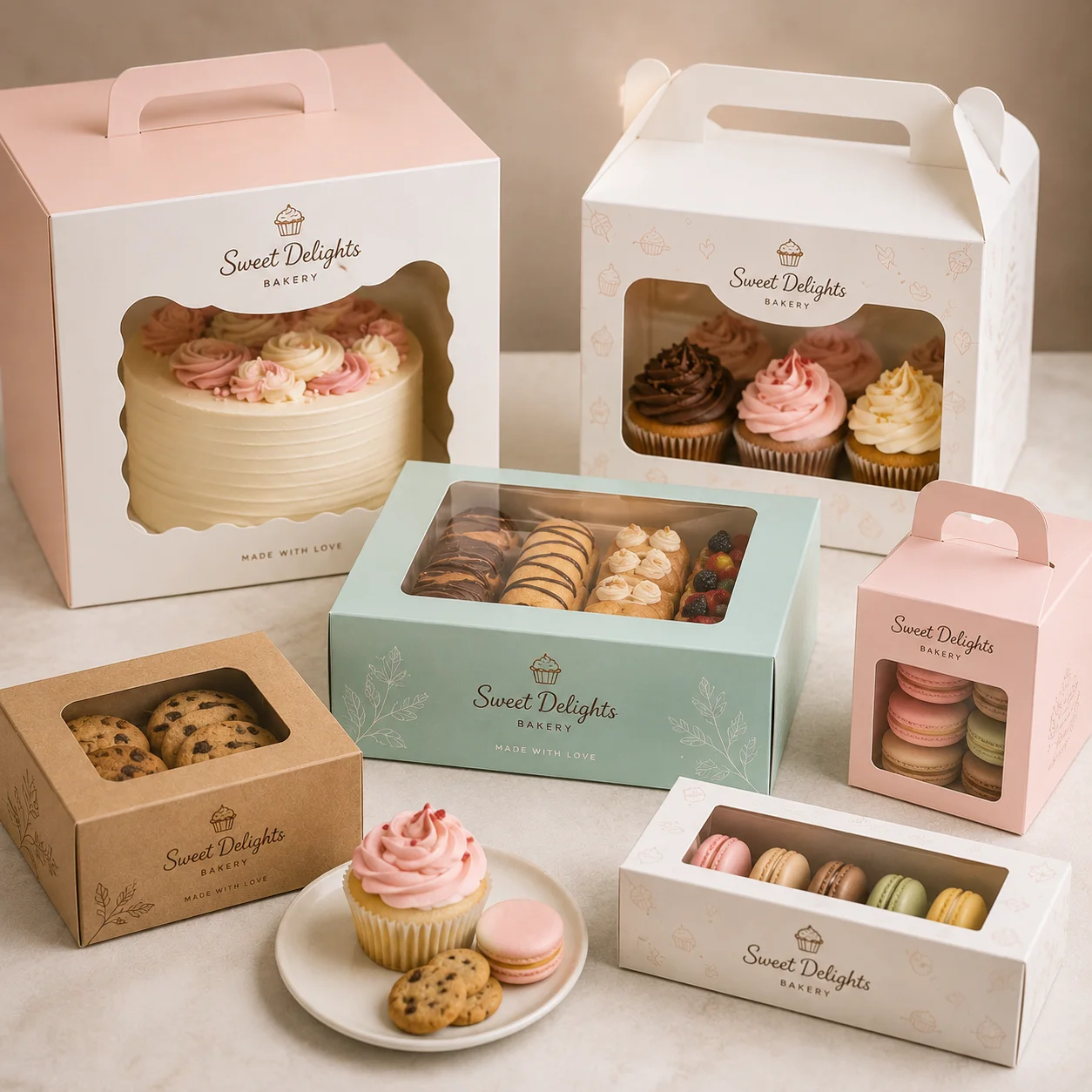
Tall or decorated cakes need clear headroom, stable bases and wide loading access.
Fragile multi-item packs benefit from cavities or dividers that limit collision.
Quick counter loading, suitable grease control and enough lid clearance are important.
Choose a compact format that protects edges without creating excessive empty space.
Warm products may need cooling time or airflow planning before close packing.
Mixed bakery collections may need inserts, dividers or trays to organise presentation.
Prioritise practical opening, carrying and customer-facing presentation.
Use closer internal fit, stronger bases and stable stacking where required.
Plan consistent dimensions, efficient flat storage and grouped distribution.
Board choice affects stiffness, print quality, storage efficiency and food-contact performance. Select it around the bakery product and route to sale rather than appearance alone.
A strong choice for lightweight printed bakery cartons where detailed artwork and flat storage matter. It suits cupcakes, biscuits, macarons, slices and many pastry formats.
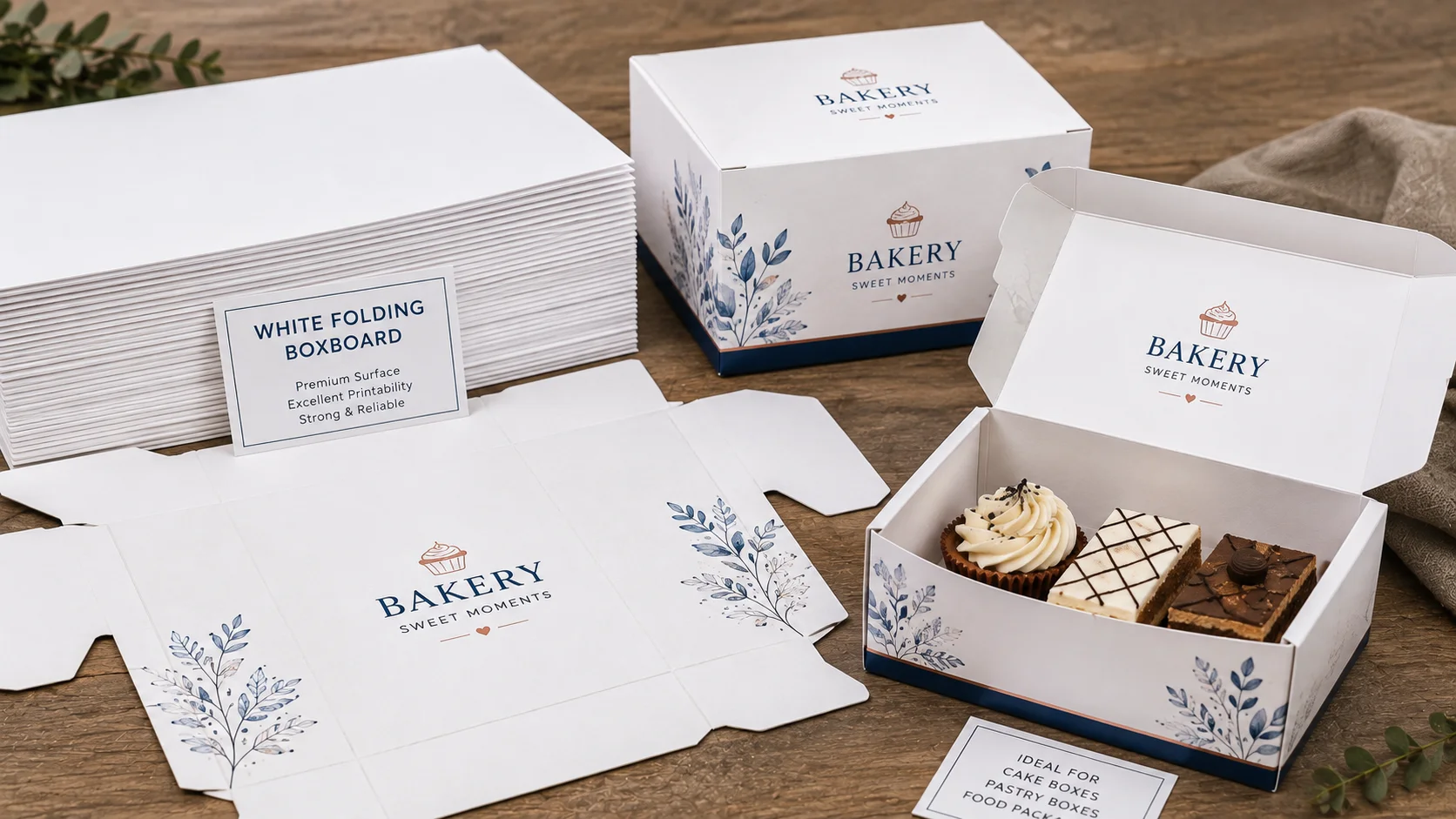
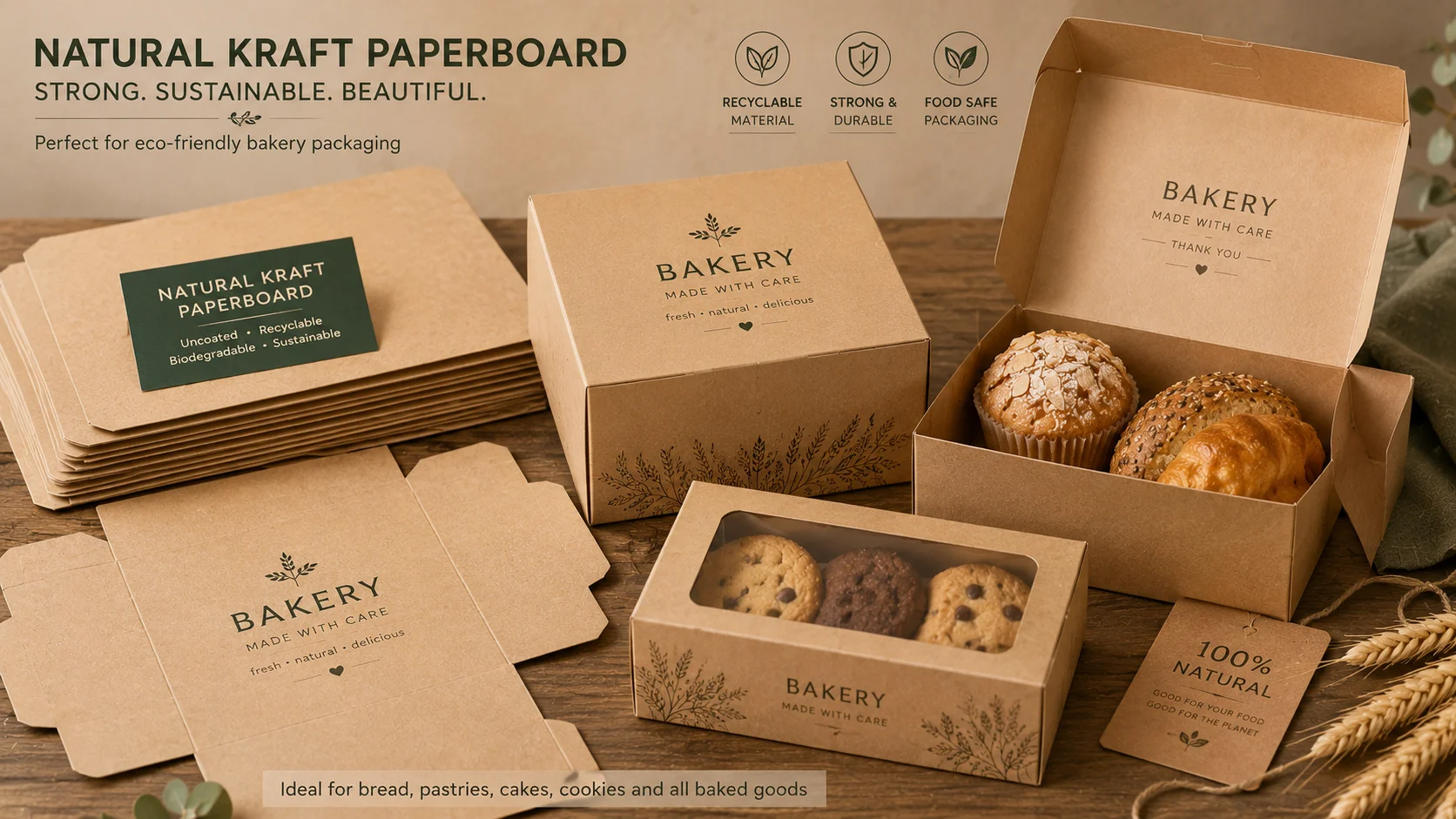
Kraft board suits artisan and understated bakery branding. Because the brown surface influences ink, artwork should be prepared specifically for the stock rather than treated like coated white board.
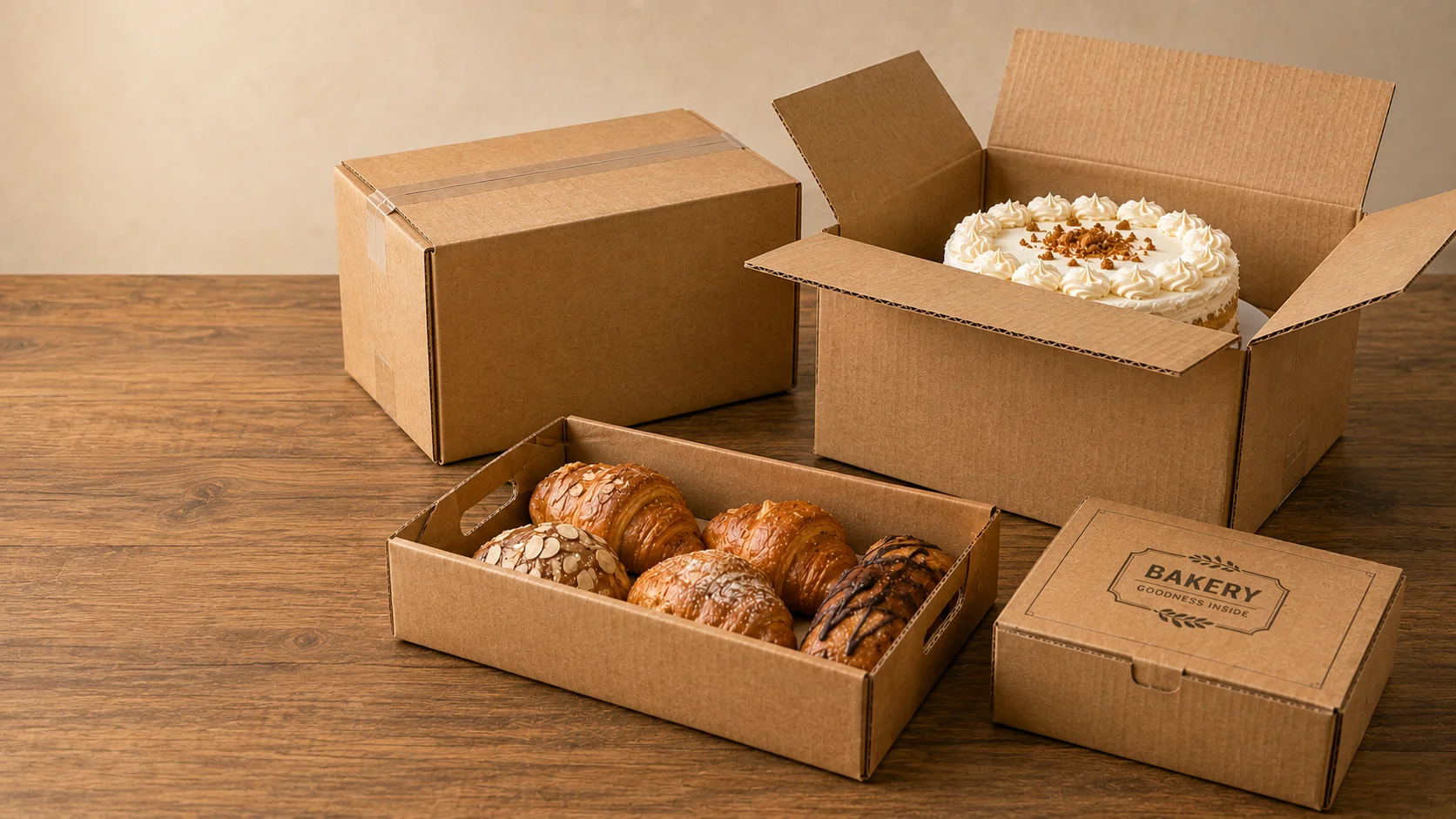
Corrugated board is suited to heavier bakery products, delivery orders and grouped distribution where compression resistance and base strength matter more than minimal board thickness.
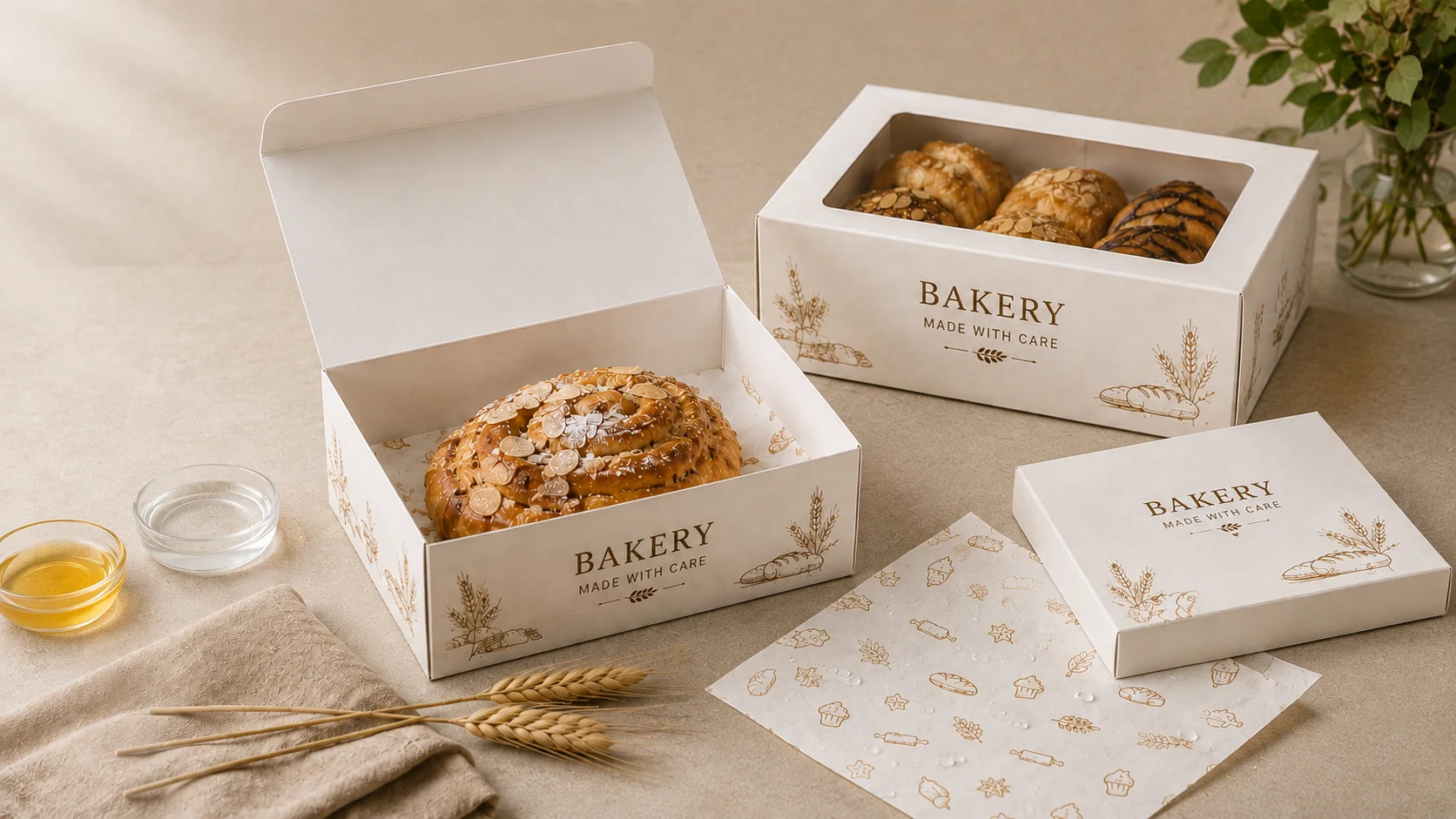
Bakery products containing butter, oil or moisture can mark untreated paperboard. The appropriate barrier depends on the food, temperature, contact time and whether the product touches the carton directly or sits on a liner or tray.
Material selection answers which board to use. This section addresses what happens once the bakery product is packed: oil transfer, moisture release, direct food contact and temperature-related changes.
Butter, oil and fillings can stain untreated paperboard and reduce stiffness around the base.
Response: suitable food-contact board, liner or grease-resistant treatment.Warm bread and pastries may release vapour after packing, affecting texture and board performance.
Response: appropriate cooling, airflow and closure planning.Identify which surfaces directly touch the product and where print, coatings or finishes are positioned.
Response: separate decorative surfaces from direct-contact areas where required.Warm, ambient and chilled products can create different moisture and storage conditions.
Response: specify the complete pack around the real storage and selling environment.A food-suitable liner, cake board, tray or insert can separate the bake from the printed outer pack while also improving loading, positioning and presentation.
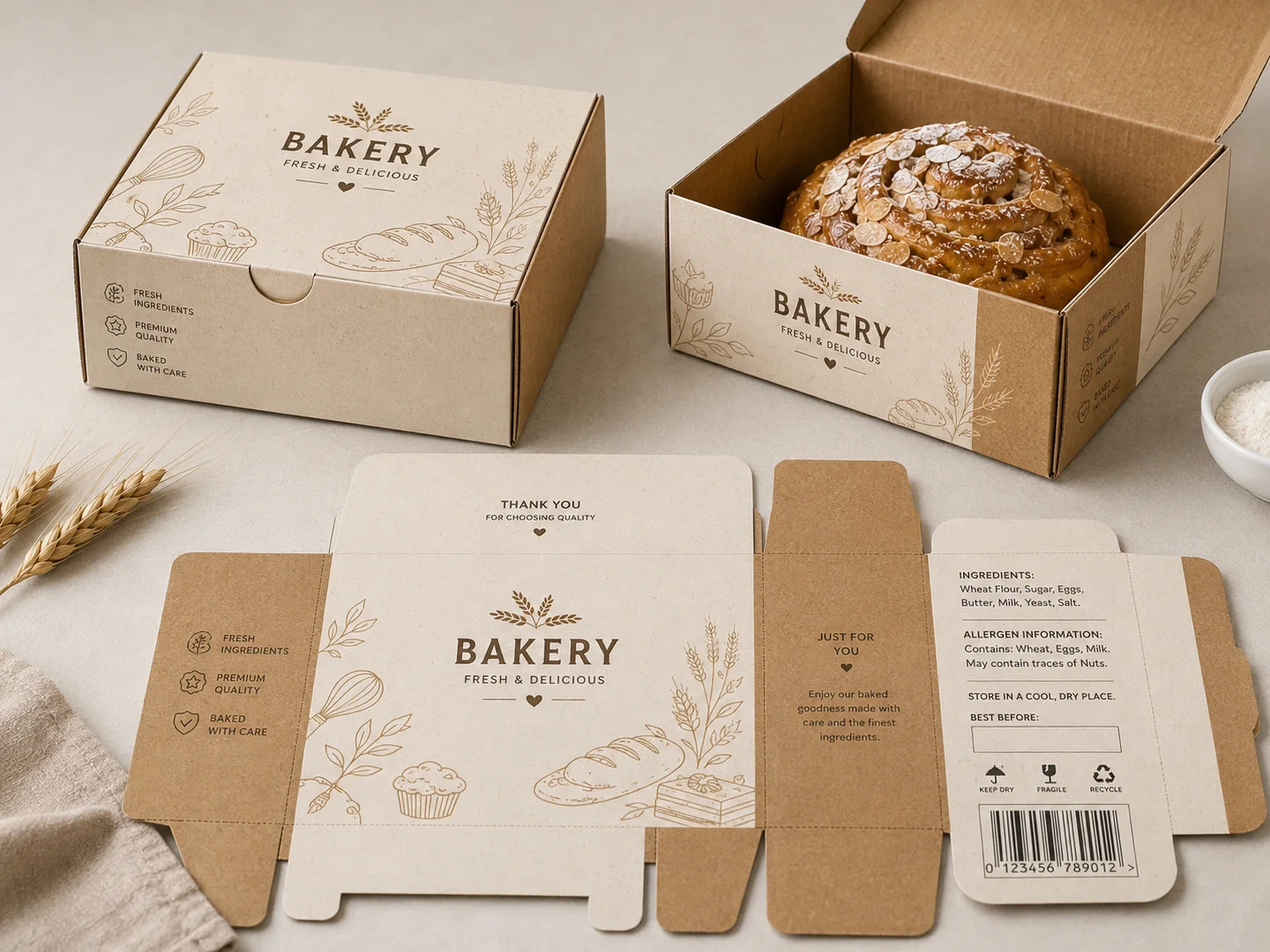
Bakery artwork must balance brand presentation with practical information. Product names, ingredients, allergen statements, storage information, barcodes and coding areas all need usable panel space.
Check the assembled carton, not just the flat artwork. Keep important information away from cuts, folds, locking tabs and glue areas, and reserve clear space for variable information where required.
For photography, illustrations and multi-colour bakery ranges.
For closer consistency where a specific brand shade matters.
Keep suitable size, contrast and quiet zones away from folds and edges.
Reserve a clean area for changing product or production information.
Show the most useful product area without sacrificing too much panel strength.
Position printed and coated surfaces around the intended contact arrangement.
The structure affects loading speed, product visibility, carrying and delivery performance. Compare formats using three decisions: what it suits, its main advantage and what needs checking before approval.
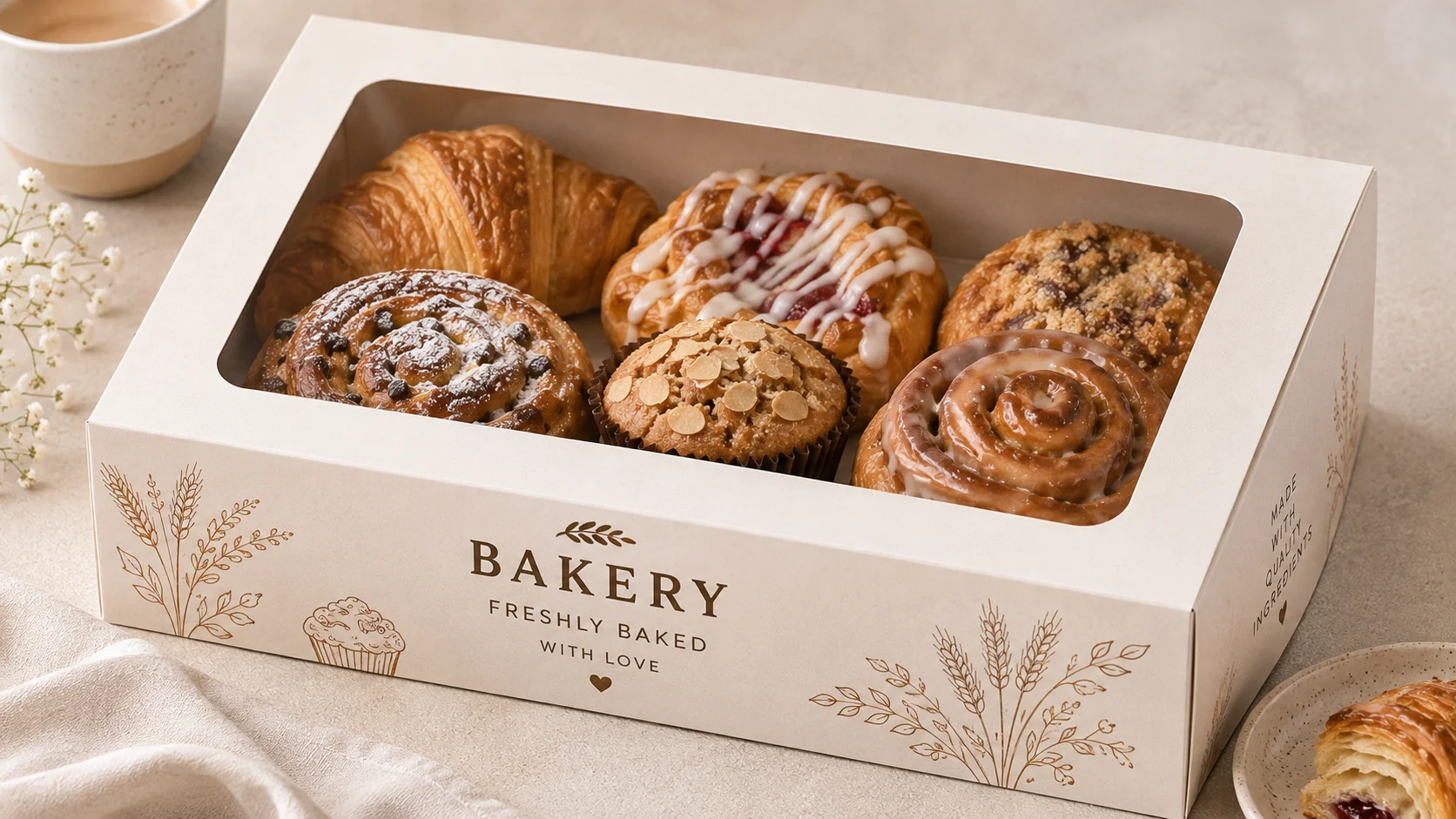
Useful when seeing the bake supports the purchase decision.
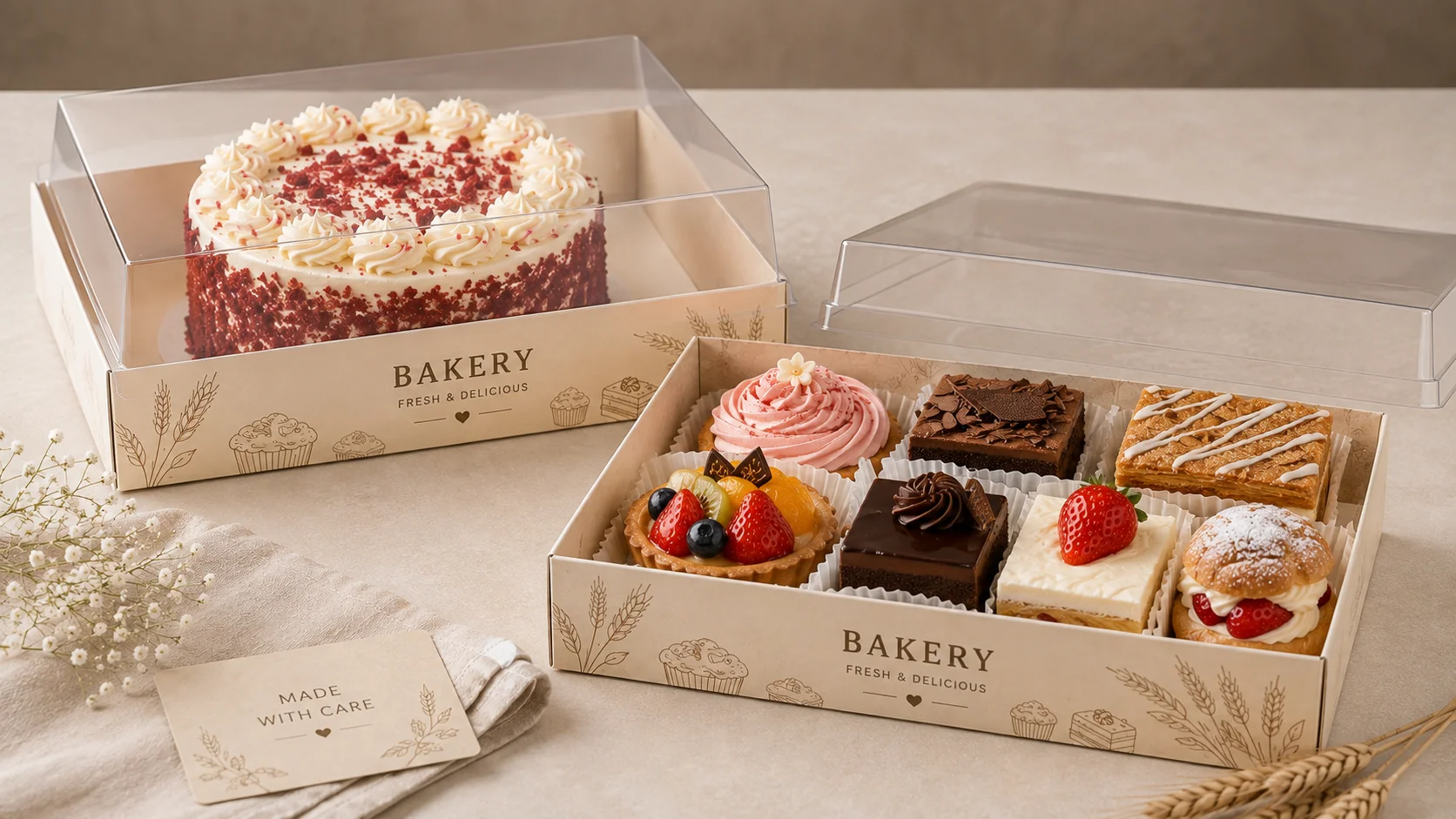
A separate base and lid make larger or decorated products easier to load safely.
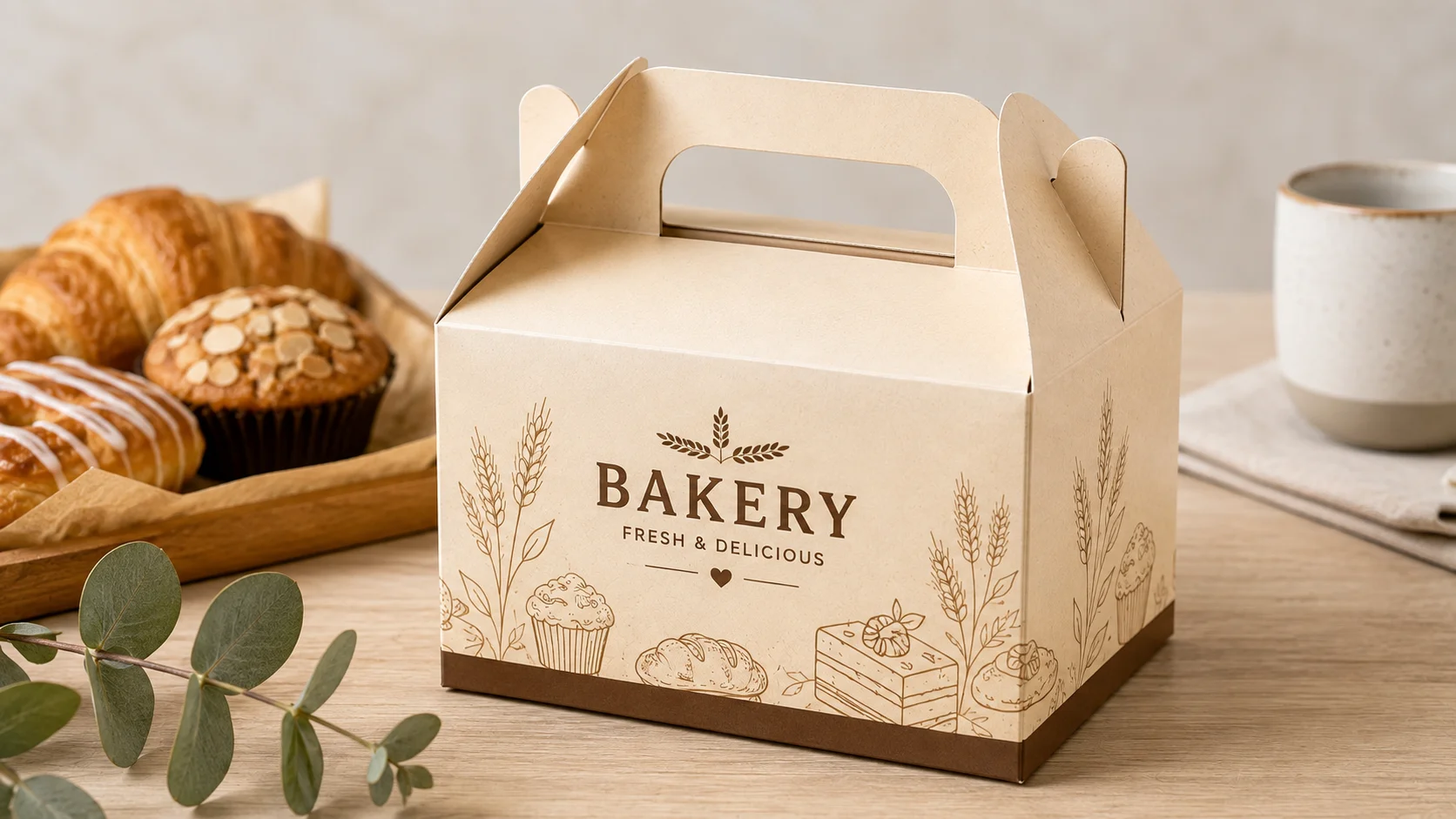
The carton and carrying handle are combined into one takeaway structure.
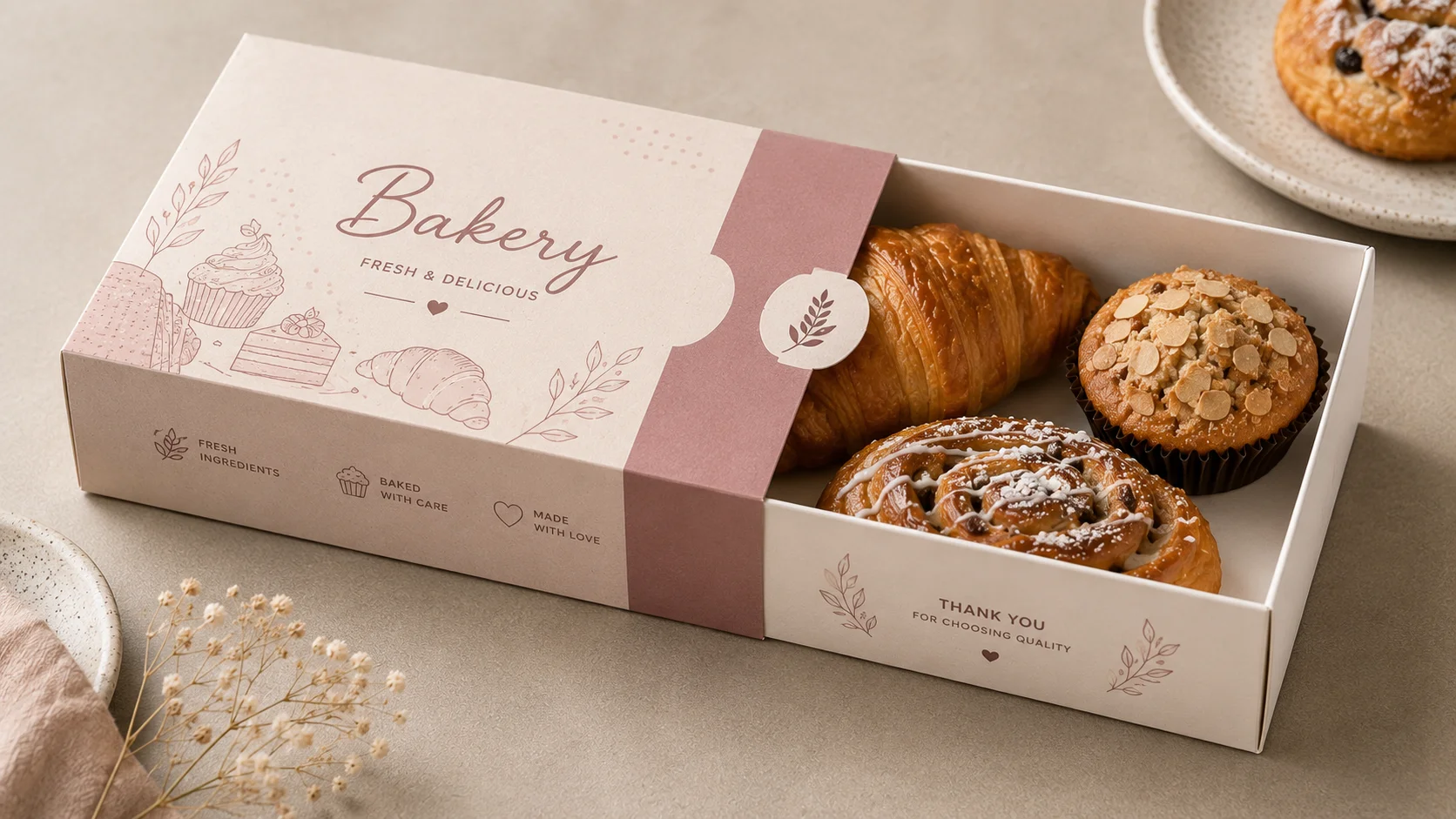
An inner tray and outer sleeve create additional branding space and a controlled reveal.
Mailer structures offer more resistance to handling for grouped or delivered bakery orders.
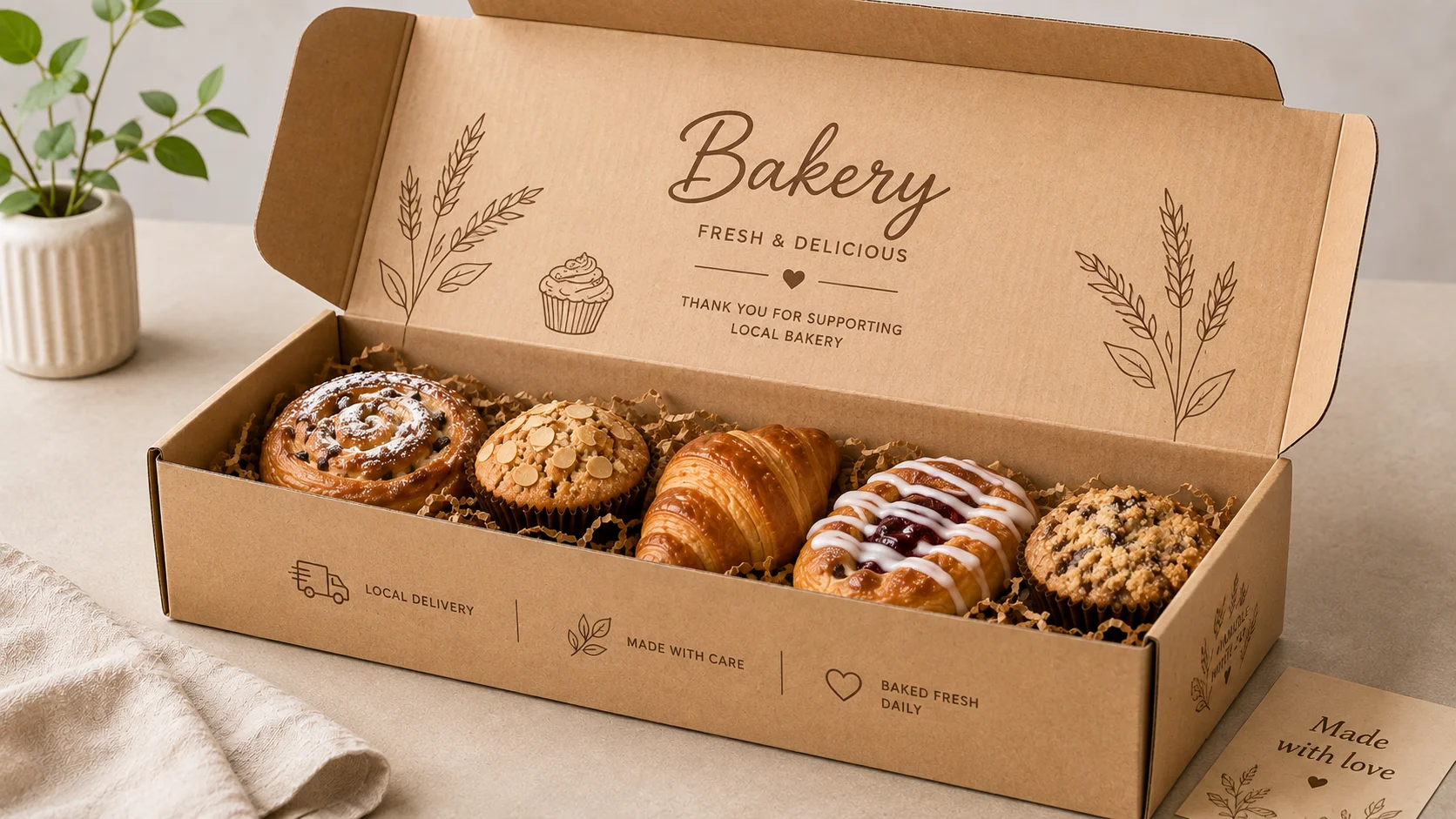
Existing box structures can often be retained while artwork, sleeves, labels or finishes are changed for Christmas, Easter, Valentine's Day and other campaign-led ranges.
Use when the base carton remains suitable and the seasonal change is limited.
Add campaign artwork around an existing tray or carton without changing the full structure.
Suitable where seasonal presentation, information and quantities justify a dedicated print run.
Use inserts, presentation structures and selected finishes where the gift experience adds commercial value.
That information helps determine whether a label, sleeve, printed carton or dedicated gift structure is the most practical route. It also keeps seasonal planning separate from the production-process information already provided elsewhere on the category page.
Real packaging work produced for customer brands.
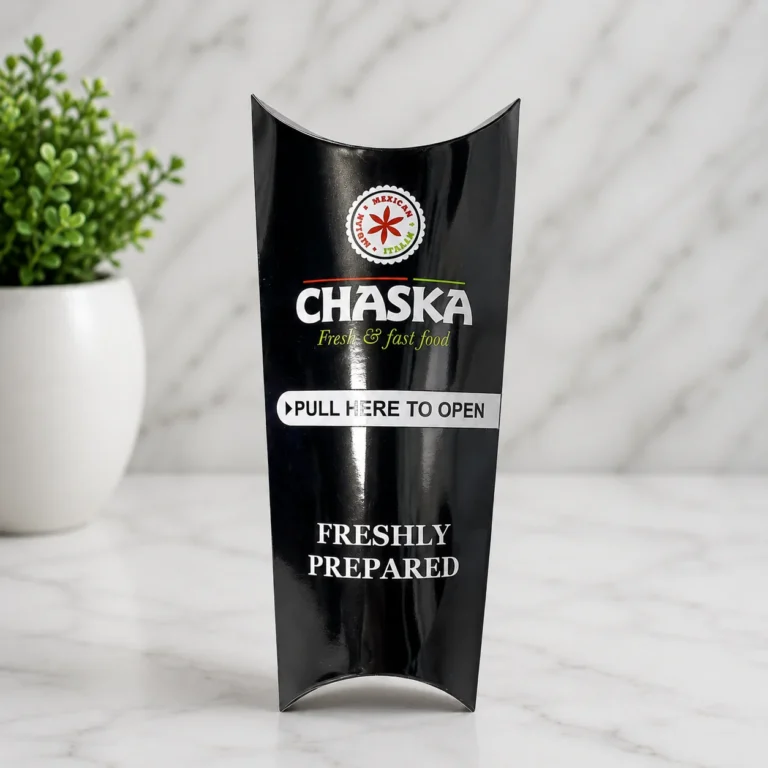
Healey Packaging produced custom pillow-style shawarma sleeves for CHASKA using 300gsm food-safe BSB card, full-colour CMYK...
View Case Study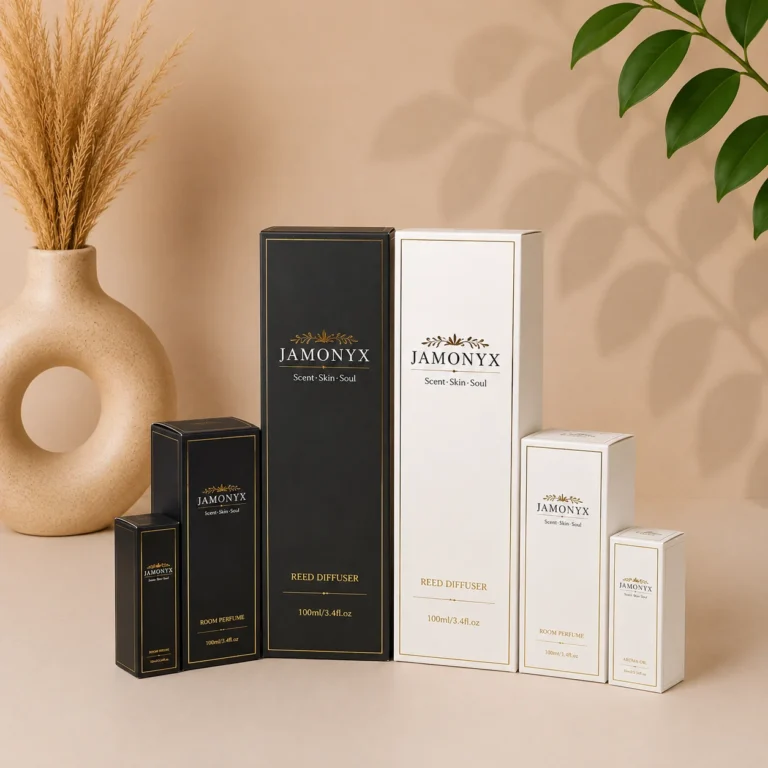
Healey Packaging produced 1,200 luxury reverse tuck boxes for JAMONYX across two black-and-white designs, three sizes,...
View Case Study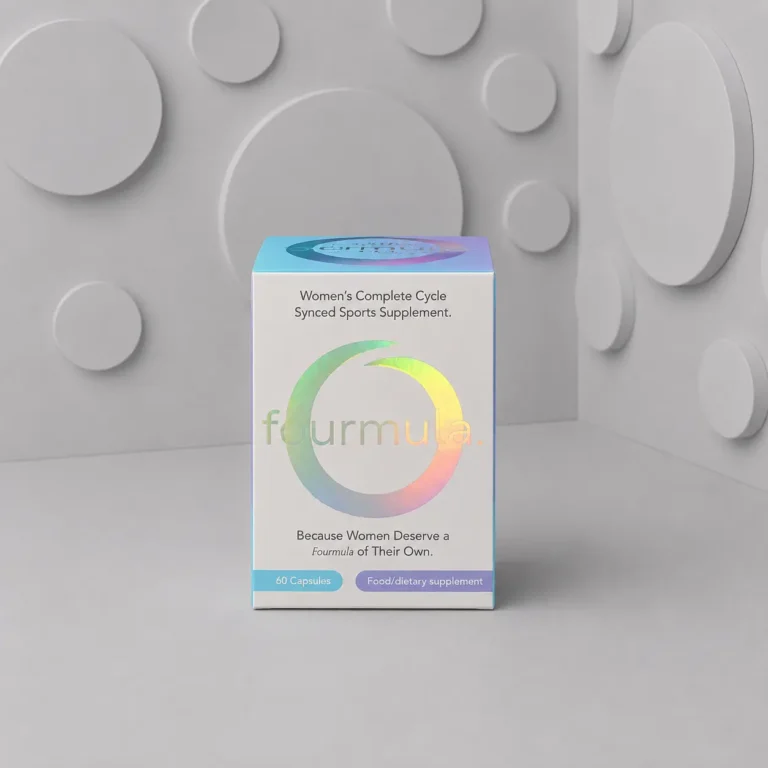
Fourmula started with 10 physical sample boxes for a compact supplement product, then moved toward a...
View Case Study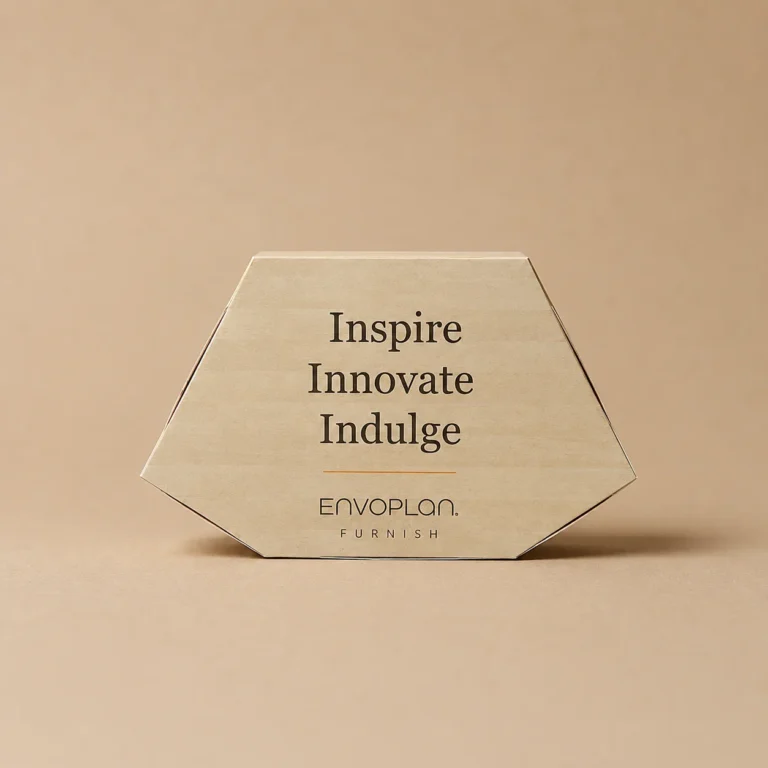
A bespoke shaped sweet box created for Envoplan Furnish events, produced across two 300-box runs with...
View Case StudyShare product size, quantity, use case and artwork status.
The right size, board and box style are reviewed.
A digital proof is prepared before production begins.
Boxes are printed, cut, folded and finished to specification.
Finished packaging is checked for structure and print quality.
Completed packaging is packed and delivered to your business.
From our customers
In our customers’ own words. Selected excerpts from company reviews on Trustpilot.
Review excerpt
Can’t recommend the company enough, especially Alex who worded with me patiently all the way.…
Review excerpt
Quick and thorough responses from Alex. Delivery was also fast, and within the lead time they gave, I would recommend.
Review excerpt
I had a great experience working with Healey Packaging, I love my new candle boxes.…
Review excerpt
We had a deadline they needed to meet for me and they did.…
Review excerpt
Had a very good experience with Healey. This is the second time we have used them…
Review excerpt
Great customer service, needed a quick turn around and assistance for custom packaging for my brand,…
Review excerpt
I looked through about 100 unhelpful suppliers, then found Healey Packaging.…
Review excerpt
Great quality product and excellent service from Alex.
Feedback relates to Healey Packaging and its service, rather than a rating of an individual product.
The best material depends on the product, packed weight, grease or moisture content and how the packaging will be handled. Folding boxboard suits many lightweight retail bakery packs, kraft provides a natural presentation, while corrugated board offers greater strength for heavier products and delivery. Grease-resistant or food-contact suitable barriers can also be specified where the product requires them.
Yes. Bakery boxes can be produced to custom dimensions around the finished product rather than a standard box size. Measurements should include icing, toppings, cake boards, liners, inserts and any clearance needed for safe loading. Correct sizing helps reduce movement, excess material and unnecessary empty space. See our guide to box sizes and dimensions.
The right structure depends on the product and how it is sold. Window boxes work well where product visibility matters, tray-and-lid boxes provide wide loading access, gable boxes suit convenient takeaway carrying, sleeves add presentation to gift ranges, and mailer boxes provide greater protection for delivery. The finished product and handling route should guide the choice.
Food-contact suitability depends on the complete packaging specification and intended application. Materials, barriers, liners, coatings and printed surfaces should be selected according to the bakery product, packing temperature, contact time and whether the food touches the carton directly or sits on a board, tray or liner.
Yes. Die-cut windows can be incorporated into suitable bakery box structures to display cakes, pastries, cookies, doughnuts and other products. Window size and position should be planned around the packed product while retaining enough board around the opening for structural support and required printed information.
Yes. Custom bakery packaging can include logos, brand colours, product information, barcodes and promotional artwork. Depending on the board and design, options can also include Pantone colour matching, embossing, Spot UV, matt or gloss finishes and foil stamping. Specialist finishes should be kept clear of food-contact areas where required.
Yes. Existing bakery packaging can often be adapted for Christmas, Easter, Valentine's Day and other seasonal campaigns using revised artwork, printed sleeves, labels or dedicated cartons. This can help maintain a proven box structure while changing the customer-facing presentation for a limited-edition range.
Send the finished product dimensions, required quantity, intended use and any preferred box style or material. It is also helpful to provide artwork status, packing temperature and requirements such as windows, inserts, liners or specialist finishes. If the structure has not yet been decided, the specification can be developed around the product and its handling requirements.
Share your product, size, material and quantity requirements. Our team will help you choose the right structure, print and finish.
Tell us your product, target look, and how you ship. We'll recommend the right board, print, and finish for performance.
 Apparel Packaging
 Bottle Packaging Boxes
 Candle Boxes
 CBD Packaging Boxes
 Cereal Packaging Boxes
 Christmas Boxes