Popular
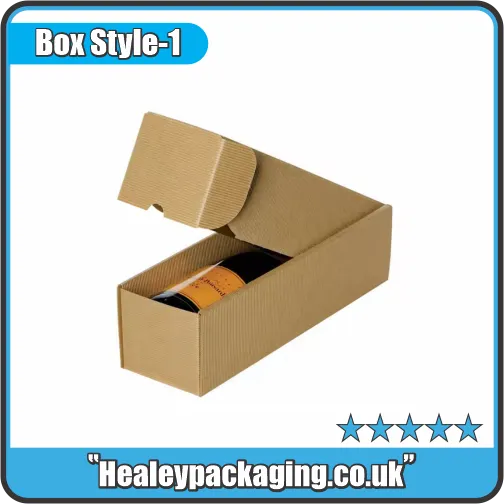
Custom 1 Oz Bottle Boxes
A 1 oz bottle doesn’t take up much space, but it’s one...
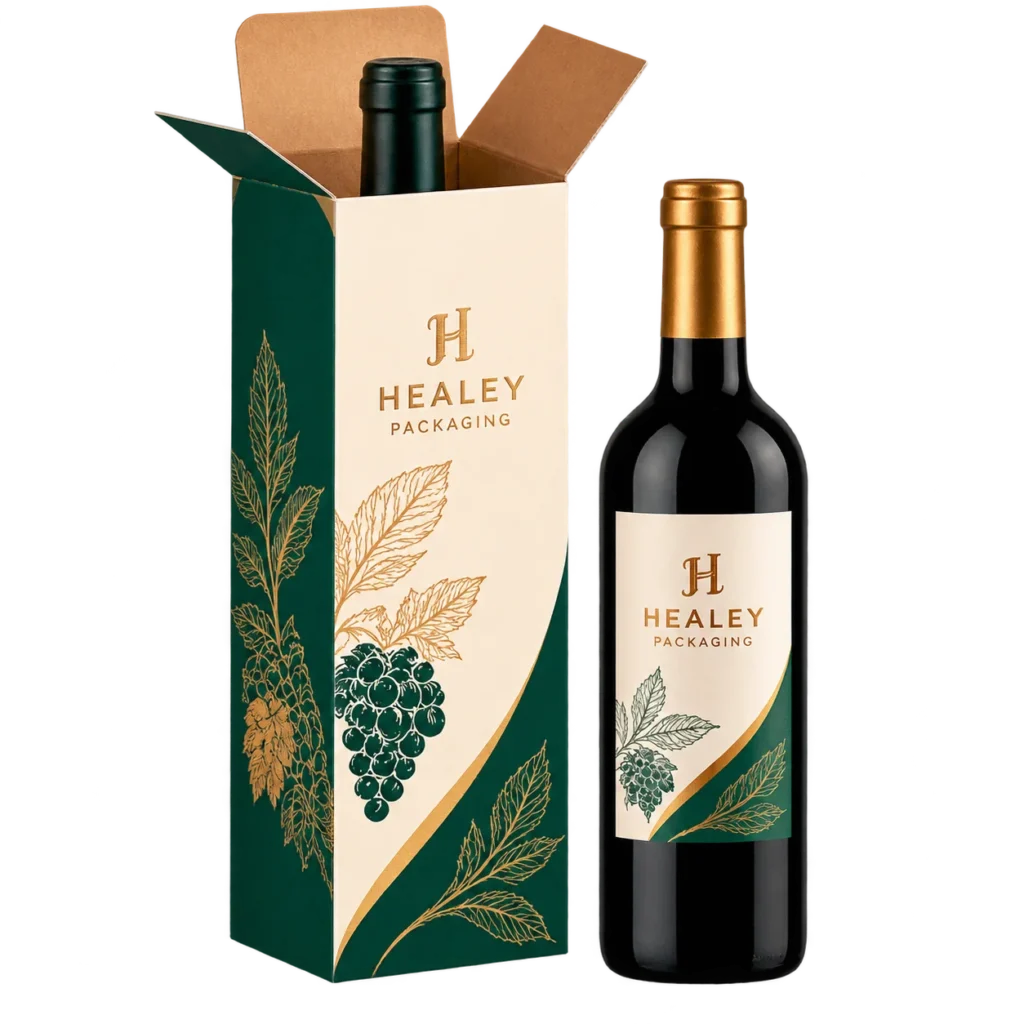
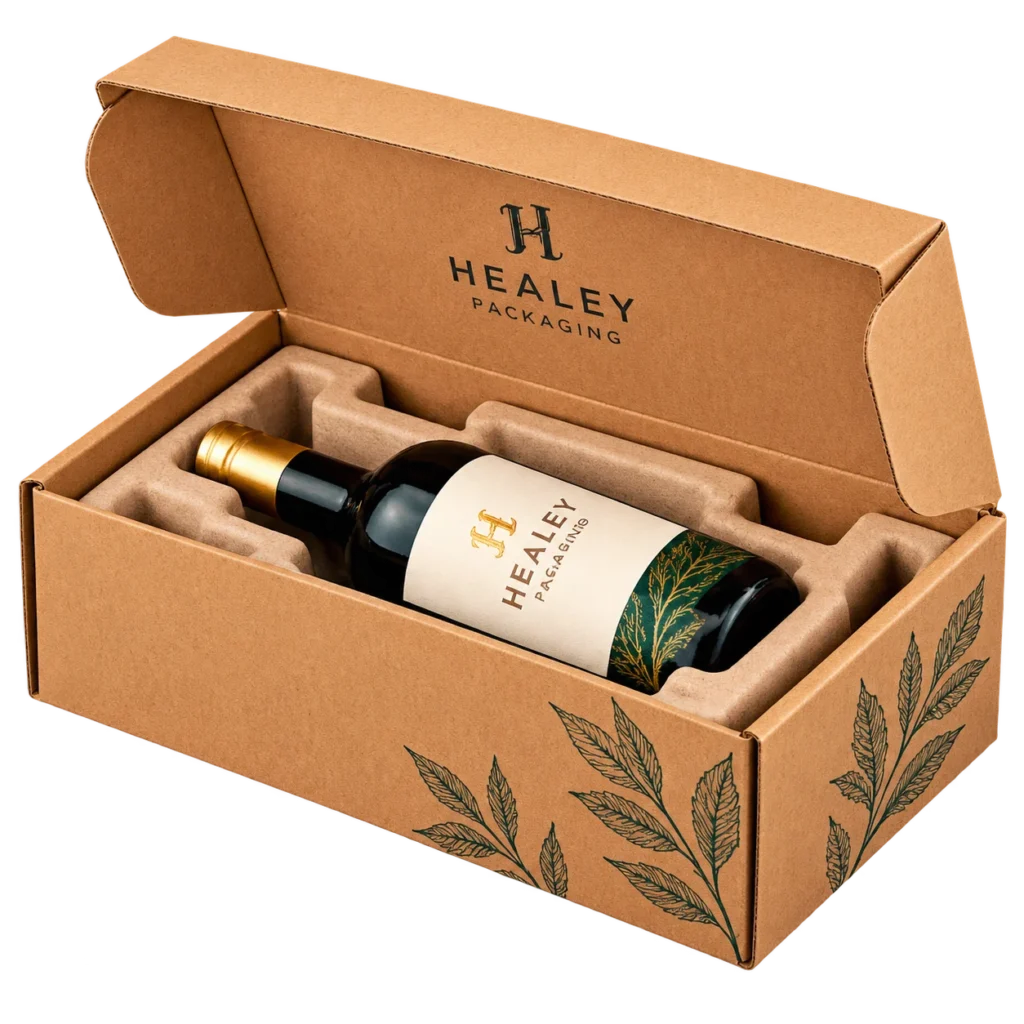
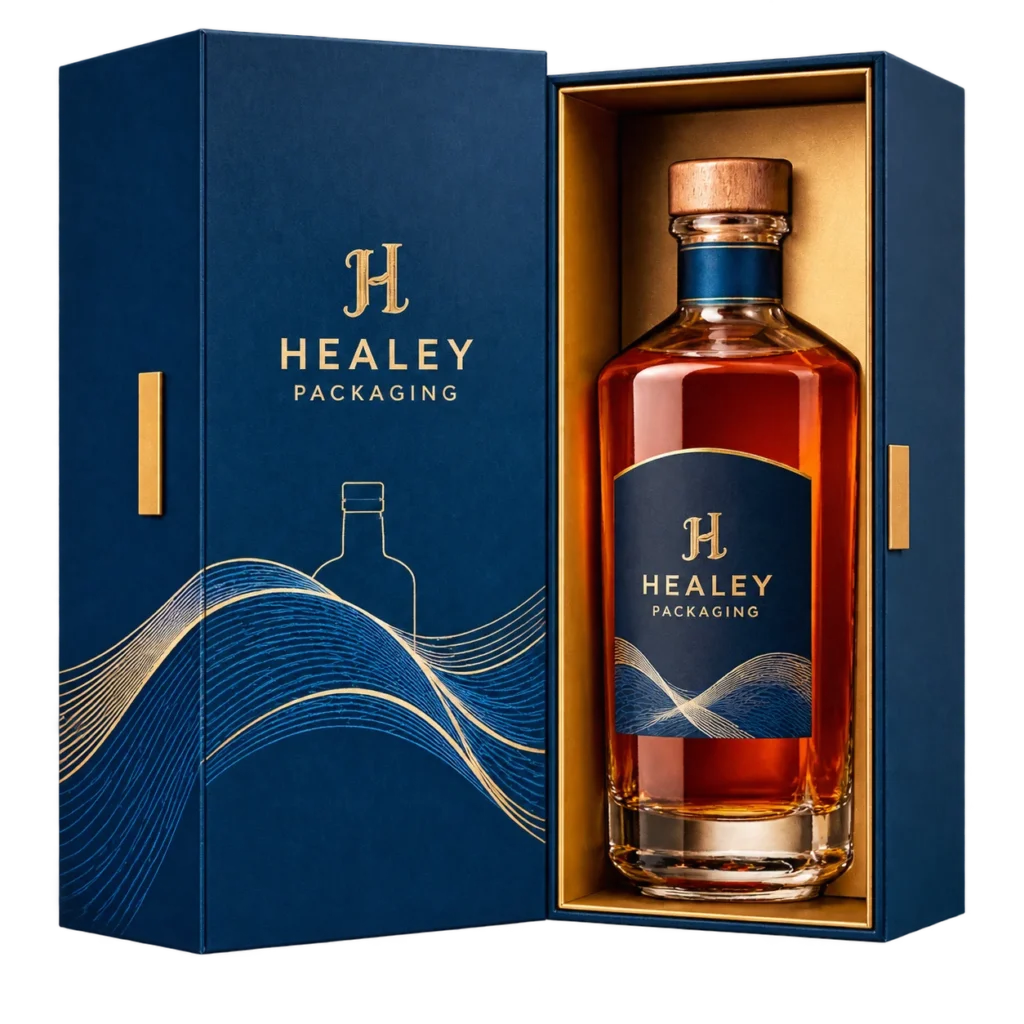
View Custom 1 Oz Bottle BoxesBottles require packaging that keeps them stable throughout storage, shipping and retail handling. Our custom bottle packaging boxes are manufactured around your bottle dimensions, closure type and distribution requirements, using tailored structures, protective inserts and premium printing to support cosmetics, beverages, food, pharmaceutical and wellness products across the UK.
Browse bottle boxes with protective structures, inserts and branding for glass, plastic and retail bottles.
Printed cartons for single bottles and retail display.
Popular
A 1 oz bottle doesn’t take up much space, but it’s one...
View Custom 1 Oz Bottle Boxes
Best Seller
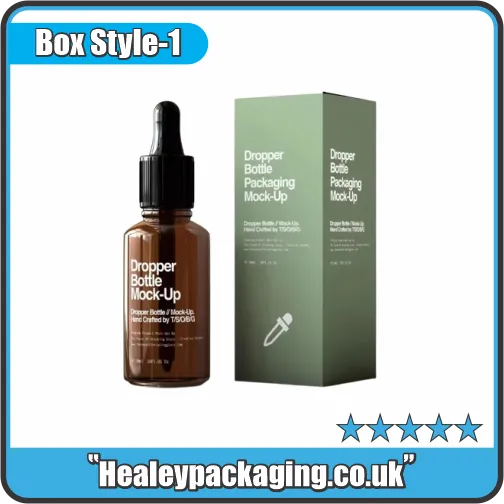
A 100ml bottle is a sweet spot in packaging — big enough...
View Custom 100ml Bottle Boxes
Most Ordered
When you’re dealing with a 10ml bottle, there’s no margin for error....
View Custom 10ml Bottle Boxes
Custom
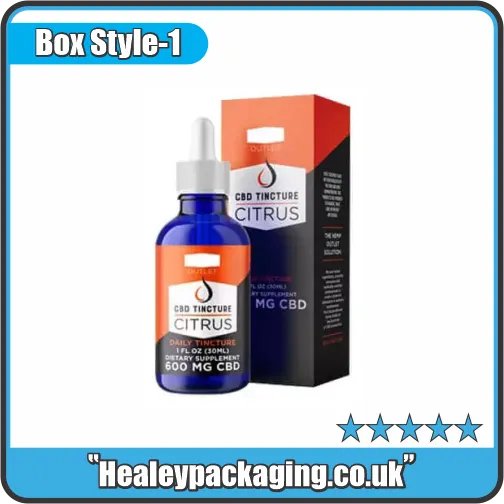
When you’re packaging a 15ml bottle, precision matters more than size. These...
View Custom 15ml Bottle BoxesProtective corrugated formats for shipping and ecommerce.
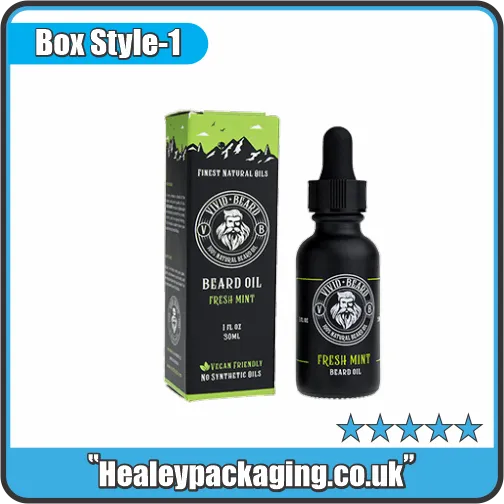
Premium
A 2 oz bottle may look small, but it carries big responsibility....
View Custom 2 Oz Bottle Boxes
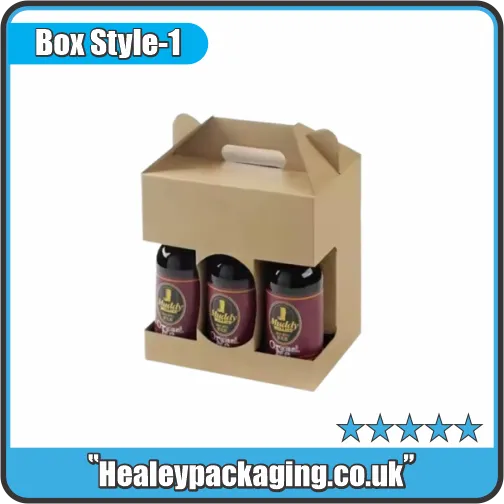
A 200ml bottle has presence. It feels substantial in the hand, carries...
View Custom 200ml Bottle Boxes
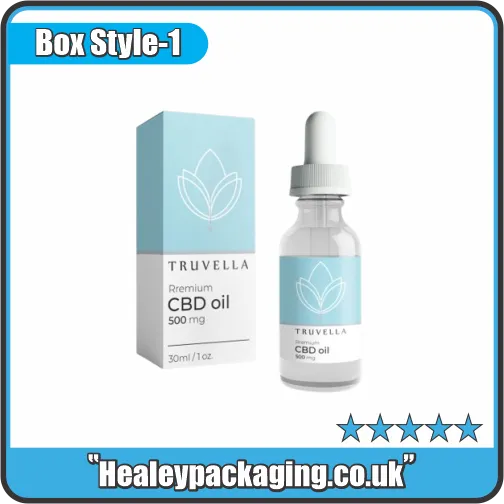
Custom 20ml bottles are everywhere — from essential oils and tinctures to...
View Custom 20ml Bottle Boxes
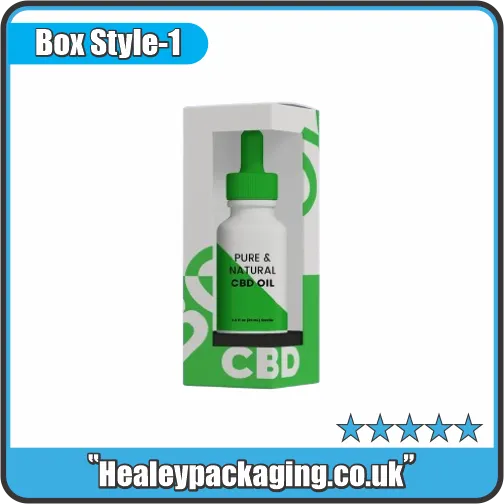
30ml bottles are everywhere — from CBD and beard oils to high-street...
View Custom 30ml Bottle BoxesPackaging with inserts or dividers for bottle stability.
Small bottles carry big value — oils, serums, tinctures, supplements — all...
View Custom 4 Oz Bottle Boxes
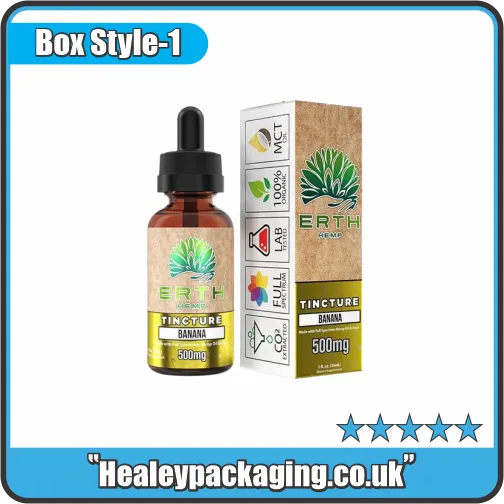
A 5 oz bottle might look small, but it carries weight —...
View Custom 5 Oz Bottle Boxes
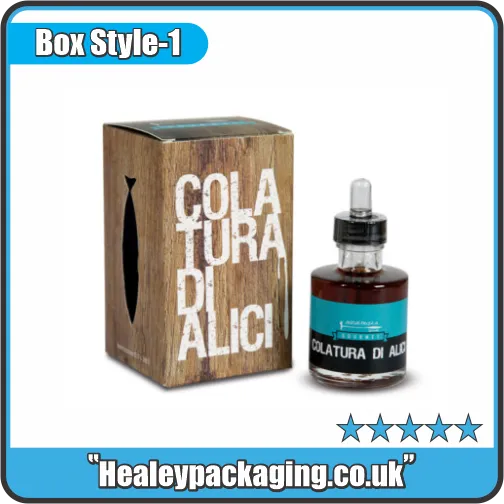
A 50ml bottle might seem modest in size, but for many brands...
View Custom 50ml Bottle Boxes
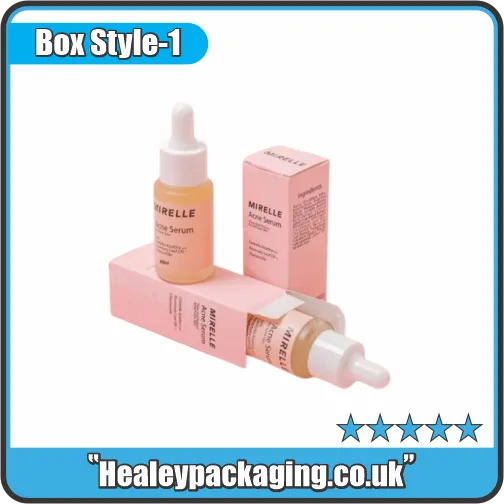
A 60ml bottle sits in a very competitive space. It’s a common...
View Custom 60ml Bottle BoxesNo matching products found.
Bottle packaging must account for more than capacity alone. Glass weight, bottle shape, closures, dispensers and the route to market all influence the structure required around the product.
A perfume carton, six-bottle carrier and corrugated sauce shipper may all hold bottles, but they perform very different jobs. We develop each pack around the product, presentation level and handling conditions.
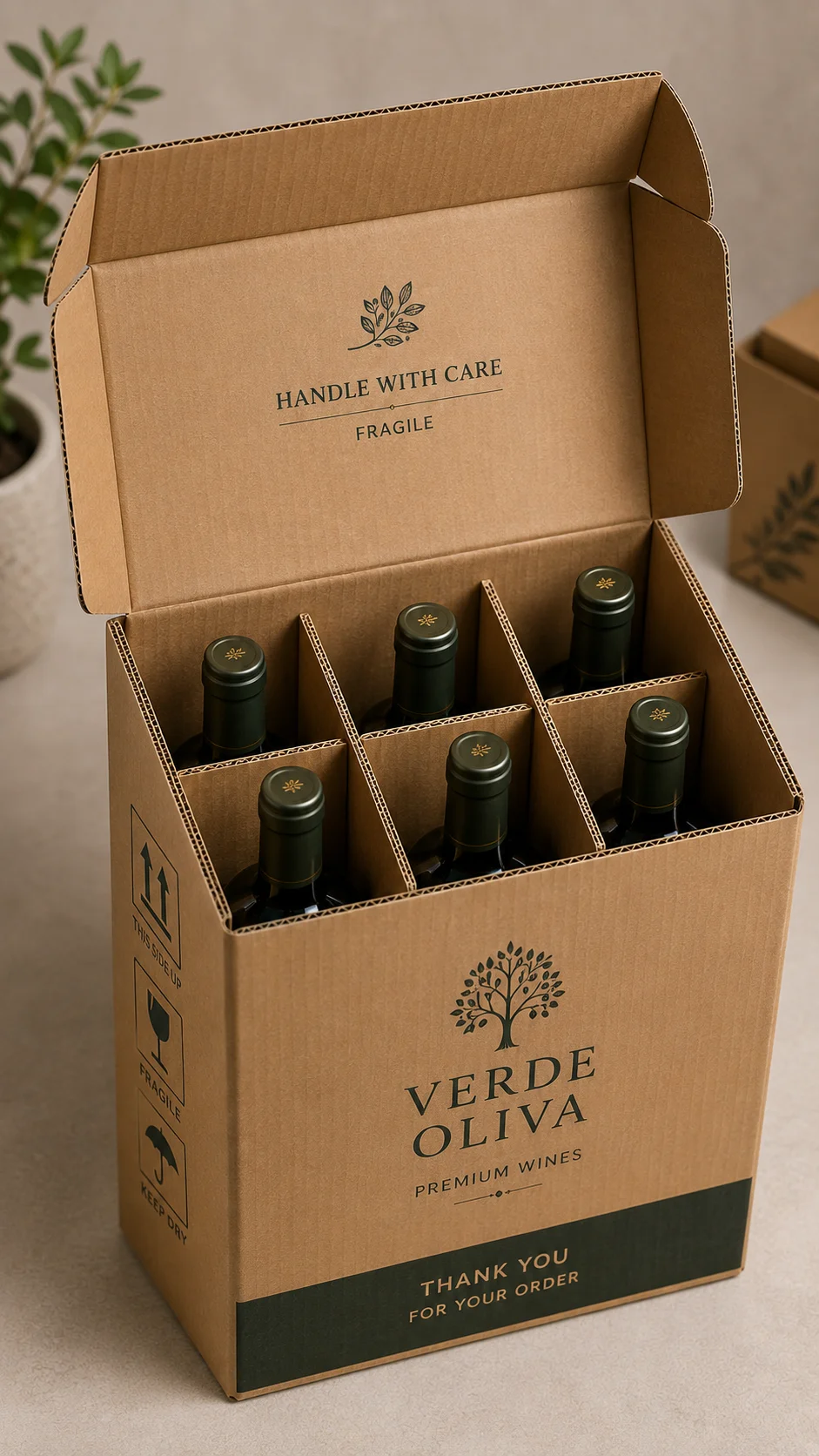
Drinks packaging may need to support a single gift bottle, retail multipack or grouped shipping case. Bottle weight, neck height, base diameter and carrying method should be confirmed before the outer carton and internal dividers are specified.
Multipacks should be tested using the total filled weight, not the weight of an empty carrier.
Beauty and Fragrance
Fragrance packaging should keep decorative glass upright, protect corners and present the bottle accurately when the carton is opened.
Skincare and Oils
Small bottles can tip or rotate inside oversized cartons. The structure should control the bottle body while allowing clearance for pipettes, pumps and caps.
Food and Condiments
Sauce bottles need packaging that supports filled weight, keeps glass separated and remains practical for shelf-ready supply or grouped distribution.
Juice and Soft Drinks
Beverage carriers and grouped cases should remain easy to load, comfortable to lift and efficient to stack through catering, retail and wholesale supply.
Supplements and Wellness
Supplement cartons need clear information panels, accurate bottle fit and enough structural consistency to remain upright across retail and fulfilment environments.
Gifting and Presentation
Gift packaging can combine one or more bottles with glasses, accessories or printed literature. The insert should organise the full set without creating unnecessary empty space.
A product range can combine small retail cartons, gift packs, bottle carriers and shipping cases. These formats should share a clear brand system while being engineered for their own job.
Compact formats for shelves and individual sale.
Grouped bottles with controlled spacing and handling.
Higher-value packs with inserts and premium opening.
Protective outers for storage, delivery and wholesale.
Bottle capacity does not provide enough information to design a reliable carton. The complete container geometry, closure, filled weight and intended distribution route all influence the internal fit and outer structure.
Two bottles with the same capacity can have different heights, shoulders, base widths and closure profiles. Packaging should be developed from the actual filled container or an accurate technical drawing.
The carton and internal support should allow the bottle to load cleanly while limiting movement around the body, neck and base.
Bottle dimensions define the basic fit, but the final pack also depends on the container material, filled weight, closure and route to market.
Round, square, tapered and sculpted bottles create different contact points and may require different insert profiles.
Heavy glass increases base load and impact risk, while lighter containers may flex or deform if the fit is too tight.
Pumps, trigger sprays, pipettes and decorative caps often extend beyond the main bottle body and need protected headspace.
The packed product weight influences board grade, base stiffness, carrying strength and the design of grouped bottle packs.
Multipacks need separation between containers, controlled weight distribution and sufficient strength around handles or lifting points.
Shelf cartons, presentation boxes and courier packs experience different handling, stacking and impact conditions.
The insert does not need to grip every surface. It should support the areas that prevent tipping, rotation, vertical movement and contact with neighbouring bottles.
Helps keep tall bottles upright and limits movement around the closure.
Reduces rotation and sideways movement within the carton or divider system.
Distributes filled weight and helps resist impact from ordinary handling.
The final support system should suit the bottle and the forces expected during its intended journey.
Accurate product information reduces assumptions and allows the first dieline or prototype to be developed more precisely.
Bottle packaging materials should be selected around filled weight, glass fragility, print requirements and the handling conditions the pack will experience.
A lightweight serum carton and a multi-bottle shipping case do not need the same construction. The material should match the bottle, internal support and route to market.
Select a material to compare its structural performance, print suitability and typical bottle applications.
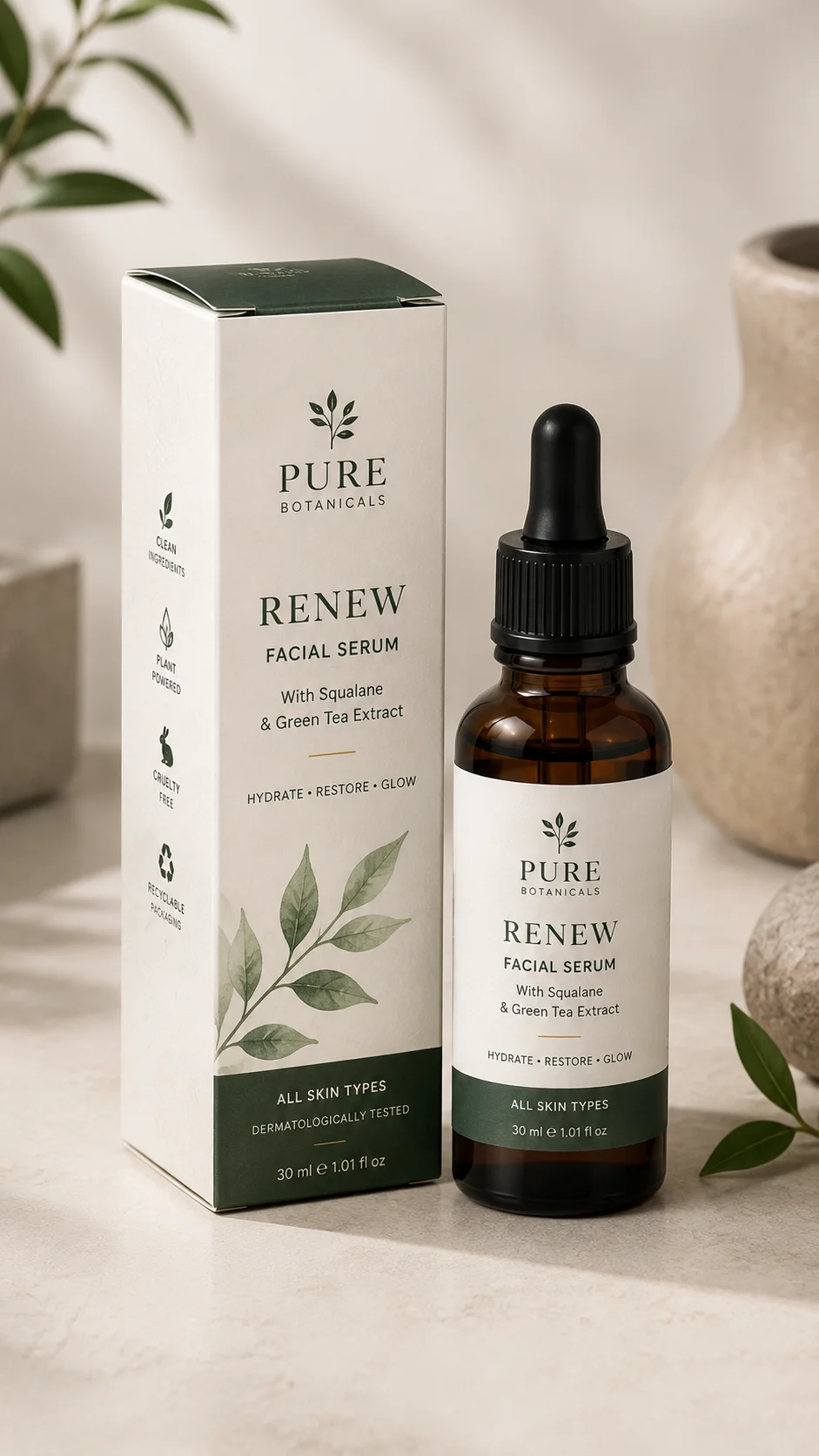
Folding boxboard is widely used for individual perfume, skincare, supplement and beverage bottle cartons. It combines a smooth printing surface with efficient flat storage and relatively quick assembly.
A tall or heavy glass bottle can cause a lightweight carton to bow at the base. Internal support and board grade should be considered together.
Kraft board creates a natural, understated finish suited to artisan drinks, oils, skincare products and brands using restrained graphics. Its brown surface affects colour reproduction and should be treated as part of the design.
Light colours can appear muted on natural kraft. White ink or a printed label area may be needed where stronger contrast and small text are important.
Corrugated board is the main choice where bottles must withstand courier handling, warehouse stacking or grouped distribution. Fluted construction adds compression resistance and creates space for dividers and protective inserts.
The correct construction depends on bottle quantity, total filled weight, stacking height and delivery conditions—not bottle count alone.
Rigid greyboard creates a substantial presentation box with firm walls and a controlled opening experience. It is commonly used for fragrance, premium drinks, corporate gifts and multi-item bottle sets.
A rigid box may look substantial, but the bottle still requires a fitted insert to prevent movement and protect the closure during handling.
These comparisons provide a starting point. Final suitability depends on bottle weight, internal support and the complete packaging specification.
Glass bottle packaging should prevent more than obvious breakage. It must also reduce movement, surface contact, closure damage and pressure from stacking throughout storage, handling and delivery.
The outer box handles compression and general impact. Internal components control movement and keep the bottle away from vulnerable edges and neighbouring containers.
Breakage is often caused by several smaller forces acting repeatedly rather than one dramatic impact.
A bottle that shifts inside the carton can strike the outer wall, insert edges or neighbouring glass during every stage of handling.
Multipacks require reliable separation between containers. Narrow dividers or poor tolerances can allow bottles to meet during vibration or impact.
Filled glass bottles place significant load onto a small footprint. Weak bases can bow, open or transfer impact directly into the glass.
Pumps, droppers and decorative caps can be damaged when vertical clearance is limited or the bottle tips against the top of the carton.
Storage height and pallet loading can place sustained pressure on lower cartons, causing walls, inserts and divider cells to deform.
A leaking closure can soften paper-based packaging, weaken dividers and damage neighbouring products before breakage is visible.
Internal components should control the specific movement expected from a single retail carton, presentation pack, multipack or shipping case.
Cut and folded inserts can support a bottle at the neck, body or base while remaining compact before assembly.
Interlocking partitions form individual cells that reduce contact between bottles in grouped cases and multipacks.
A collar stabilises tall bottles and limits sideways movement without gripping decorative closures directly.
Shaped lower supports locate the bottle footprint and distribute filled weight across a broader area.
Fluted internal components offer greater resistance where heavier bottles or distribution conditions require more substantial support.
A complete configuration can combine collars, body restraints, dividers and base supports where one component cannot control every risk.
The bottle may pass through shelving, warehouses, pallet movements, fulfilment systems and courier networks before it reaches the customer.
Testing should use the real bottle, closure, insert and outer carton at the intended filled weight. Checking components separately does not confirm how the complete system behaves.
Confirm the bottle can be packed without catching the closure, label or insert edges.
Shake and rotate the closed pack to identify loose travel, rattling or contact points.
Inspect for bowing, opening or local pressure beneath the filled bottle.
Review how the carton and inserts perform beneath expected storage loads.
Open the pack after handling to confirm the bottle remains correctly aligned.
Bottle packaging is often viewed beside a labelled container, so carton colour, typography and finish must work with the bottle rather than compete with it. The specification should remain consistent across retail cartons, gift packs, multipacks and protective outer packaging.
Bottle packaging should support recognition from every viewing angle. The label may carry detailed product information, while the carton controls shelf impact, secondary messaging and the opening experience.
Use controlled CMYK or Pantone references across cartons, labels and supporting printed components.
Align the main brand panel with the way the bottle faces inside the finished pack.
Separate product name, variant, legal information and promotional messaging for easier reading.
The best print route depends on the board surface, required colour control, artwork detail and production quantity.
Suitable for photographic images, illustrated graphics, gradients and packaging ranges using several colours.
Useful where a specific corporate shade must remain recognisable across different bottle sizes and packaging formats.
White ink can create contrast on natural kraft, coloured board or selected premium paper wraps.
Provides refined artwork reproduction for premium cartons, printed wraps and higher-volume retail ranges.
Premium finishes are most effective when used selectively. Applying every available treatment can increase cost and visual clutter without improving the customer experience.
Adds metallic or coloured foil to logos, borders, product names and selected gift-packaging details.
Creates raised or recessed detail that remains visible even when the overall artwork is minimal.
Applies gloss to selected artwork areas, creating contrast against a matt or soft-touch background.
Changes the appearance and feel of the carton while helping protect printed areas from ordinary scuffing.
Reveal the bottle, label or product colour while retaining enough board around the opening to support the carton.
Wrapped rigid boxes can use textured, coloured or printed papers to create a more substantial tactile presentation.
Bottle packaging often needs to carry branding, variant information, mandatory product details and handling instructions within a limited surface area.
Logo, product name, variant and the main visual cue.
Features, ingredients, usage details or supporting brand copy.
Barcodes, responsible-party details, warnings and legal text.
Batch areas, opening cues, symbols or fulfilment information.
Artwork layers, finish positions and colour references should be agreed before the packaging moves into manufacture.
The most suitable box style depends on how the bottle is packed, displayed, opened and transported. A compact retail carton, premium gift box and courier-ready bottle pack may protect the same product in very different ways.
Folding cartons suit bottles that need efficient storage, clear product information and straightforward packing for retail shelves or grouped product ranges.
Fast Retail Packing
Tuck-end cartons are widely used for fragrances, serums, supplements and smaller beverage bottles. They arrive flat and can be assembled quickly without a separate lid.
The base and closing panels must be strong enough for the filled bottle weight.
Secure Closed Base
Seal-end cartons use glued closing panels to create a more permanent structure. They suit repeat packing operations where greater base security is required than a standard tuck closure provides.
Sealing and filling procedures should be considered before the carton layout is approved.
These formats are useful when the bottle shape, label or opening sequence contributes directly to retail impact, gifting or premium brand positioning.
Sliding Product Reveal
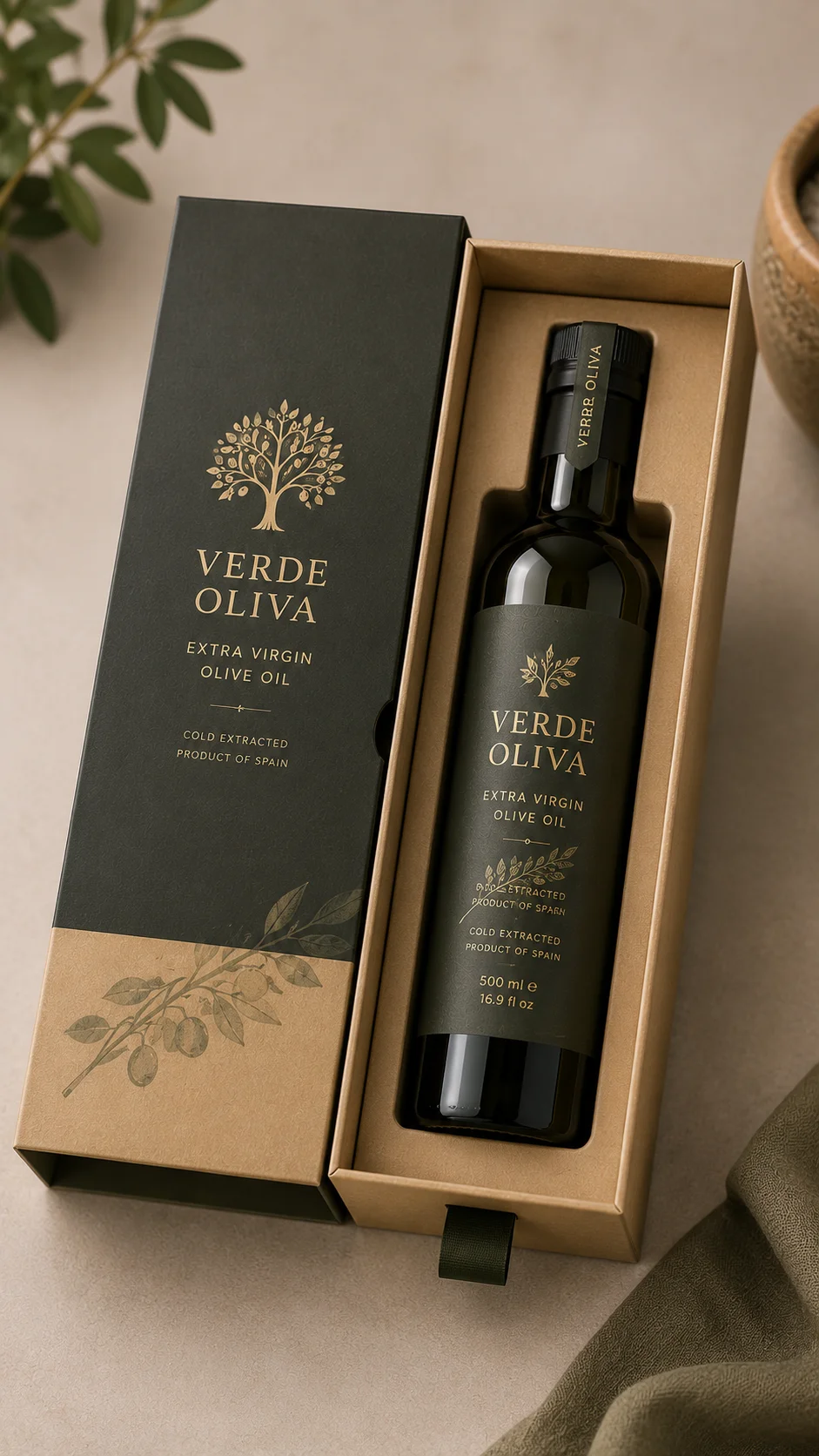
A printed sleeve can slide over a tray or inner carton, creating a controlled product reveal. The internal component can hold the bottle upright or horizontally with a fitted insert.
The sliding clearance must remain smooth after print, lamination and finishing are applied.
Visible Bottle Presentation
A die-cut window can reveal the bottle, label or product colour before opening. This works well where the container has strong visual value or customers need to verify the product variant.
Window placement should avoid weakening the corners, base or bottle support areas.
Rigid structures are commonly used where the packaging must feel permanent, organise accessories or support a higher-value gifting and launch experience.
Classic Gift Presentation
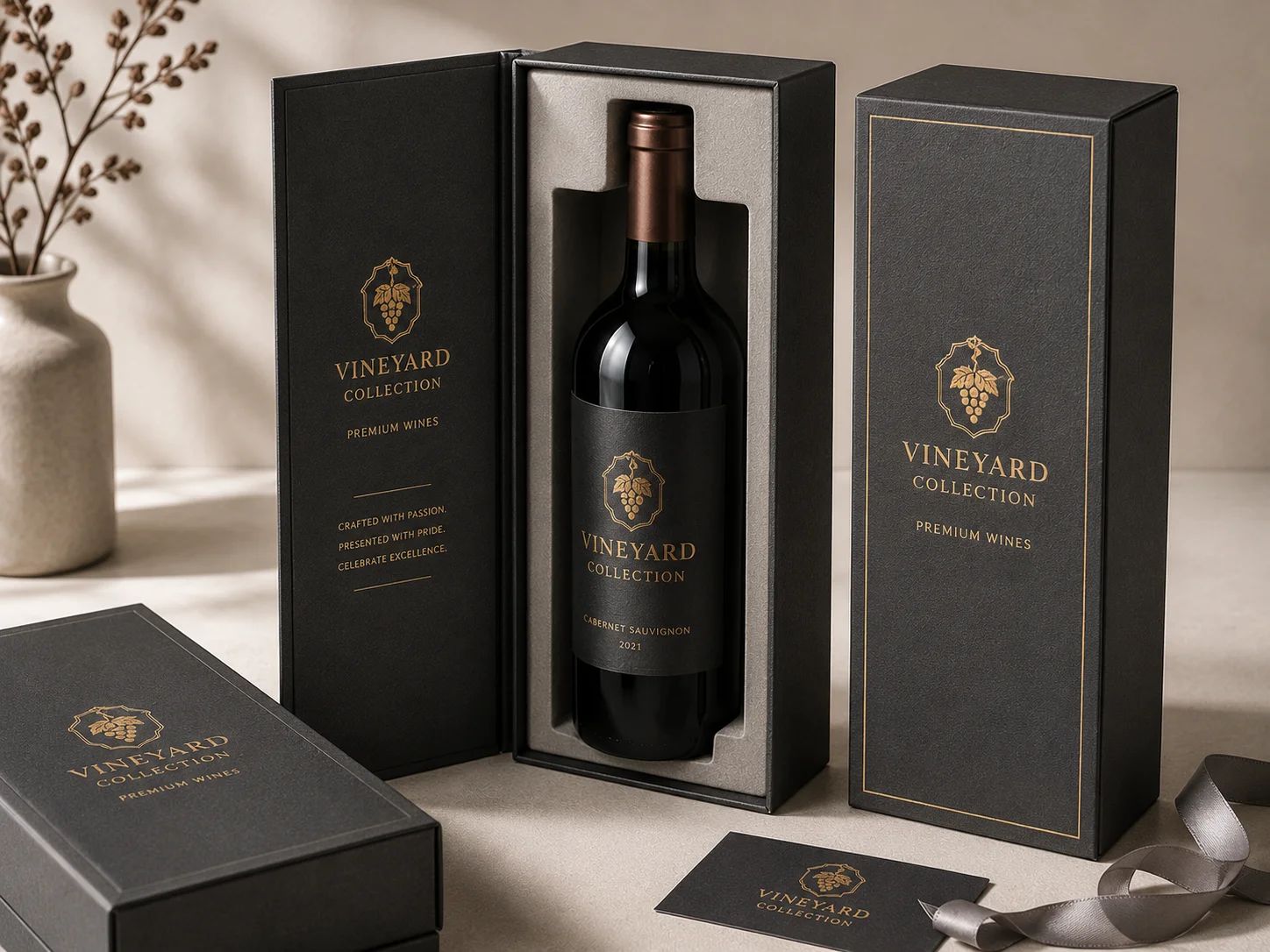
A separate lid and base create a familiar premium format for wine, spirits, fragrance and bottle gift sets. The deep base provides room for shaped inserts and supporting accessories.
Rigid boxes require more assembled storage space than flat-packed folding cartons.
Premium Hinged Opening
Magnetic closure boxes provide a hinged opening and firm closing action. They are useful for premium launches, gift collections and bottle sets designed to be retained after purchase.
The closure should not replace a correctly engineered internal bottle support system.
Transit packaging prioritises movement control, impact resistance and stacking strength. Presentation print can still be added, but protection must remain the primary structural objective.
Direct-to-Customer Delivery
Corrugated mailer boxes can combine a branded opening experience with enough space for folded fitments, bottle collars or base supports.
The mailer should be assessed against courier handling, not only tabletop presentation.
Grouped Bottle Distribution
Shipping cases separate bottles into individual cells and support grouped loads through warehouse, pallet and delivery handling. Board strength should reflect total filled weight and stacking height.
Divider height and cell size should prevent bottle-to-bottle contact during vibration.
These questions help narrow the structural route before detailed artwork, materials or premium finishes are selected.
The ratings below provide a practical starting point. Final suitability depends on bottle weight, material, internal support and distribution conditions.
The same bottle may require different packaging depending on where it is sold and how it reaches the customer. Retail packs prioritise shelf communication, gift boxes focus on presentation, while ecommerce packaging must withstand fulfilment and courier handling.
Retail bottle packaging must communicate the brand, product variant and essential information quickly. The carton should stand upright, face consistently and remain presentable after handling by staff and customers.
Bottle gift packaging should make the opening sequence feel considered while keeping each item correctly positioned. The insert may need to organise bottles, glasses, accessories or printed literature within one presentation format.
Ecommerce bottle packaging must manage vibration, impact, stacking and unpredictable orientation. A branded retail or gift pack may sit inside a corrugated outer with dedicated inserts and limited unused space.
A layered system allows the customer-facing pack to focus on branding while a corrugated outer absorbs handling pressure during storage and delivery.
The finished container, label and complete filled weight.
Carries branding, information and the opening experience.
Handles stacking, courier pressure and general impact.
Each layer performs a defined role without unnecessary duplication.
Retail cartons, gift packs and ecommerce outers can use different structures while retaining consistent colour, typography, logo placement and product naming conventions.
Maintain recognisable brand colours across board surfaces.
Keep product names and variants easy to identify.
Resize the system rather than stretching one layout.
Reserve premium treatments for the formats that need them.
Bottle packaging projects involve more than selecting a box and adding artwork. The bottle, insert, board, print, fulfilment method and delivery route must form one workable specification. Healey Packaging helps brands connect those decisions before production begins.
Problems often arise when the carton, insert and artwork are developed as separate tasks. Our specification-led approach keeps the physical bottle, internal support and printed outer aligned throughout the project.
Each approved decision becomes part of the production specification, reducing reliance on assumptions during later stages.
Bottle dimensions, filled weight, closure and pack configuration.
Carton style, support points, material and loading method.
Artwork hierarchy, colour references and selected finishes.
One defined route from prototype and proofing to manufacture.
The value of a packaging supplier is not only the finished box. It is the ability to identify risks early, explain the available options and maintain the approved result when the product is reordered.
We consider the real container, closure, weight and sales route before recommending a material or structural style.
Support positions, loading clearance, base strength and the outer box are developed around the same dimensional information.
Physical samples can be used to review loading, bottle movement, insert positioning and the opening experience before a larger production commitment.
Bleed, safe areas, panel orientation, finish layers and information placement can be reviewed before production files are released.
Once dimensions, board, print and finishes are agreed, they form a clearer reference for future production and range extensions.
A premium structure or finish is recommended when it supports protection, presentation or commercial positioning—not simply because it is available.
A first product launch may need flexibility and close specification support. A growing range may require stronger consistency across sizes, while established supply programmes place greater emphasis on repeatability and ordering continuity.
Confirm fit, structure and artwork before the first production order.
Extend the design system across additional bottle sizes and product variants.
Review grouped cases, pallet use, ecommerce and wholesale requirements.
Maintain approved specifications and clear reorder references.
A complete handover makes responsibilities and approval points easier to understand before manufacturing begins.
Final bottle and internal packaging measurements.
Board type, construction and required surface treatment.
Print files, colour references and finish layers.
Insert orientation, loading sequence and closure method.
Confirmed order volume and any planned range split.
Required date, destination and packing configuration.
Real packaging work produced for customer brands.
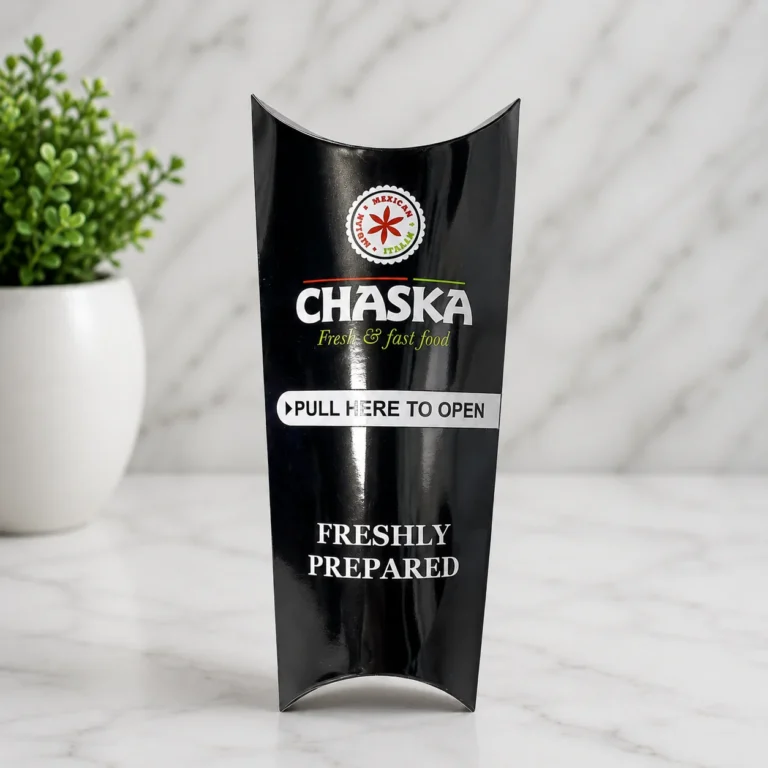
Healey Packaging produced custom pillow-style shawarma sleeves for CHASKA using 300gsm food-safe BSB card, full-colour CMYK...
View Case Study
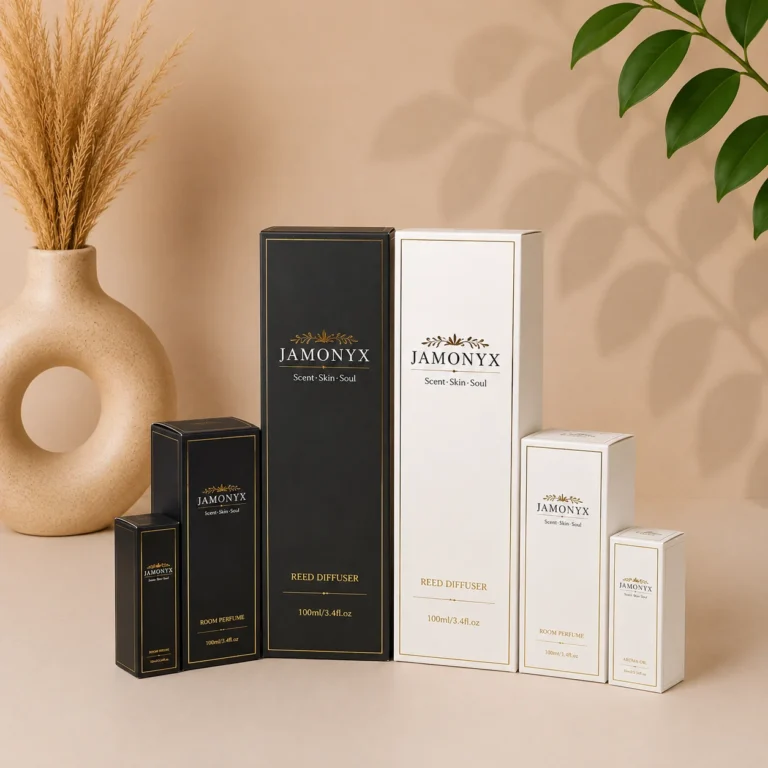
Healey Packaging produced 1,200 luxury reverse tuck boxes for JAMONYX across two black-and-white designs, three sizes,...
View Case Study
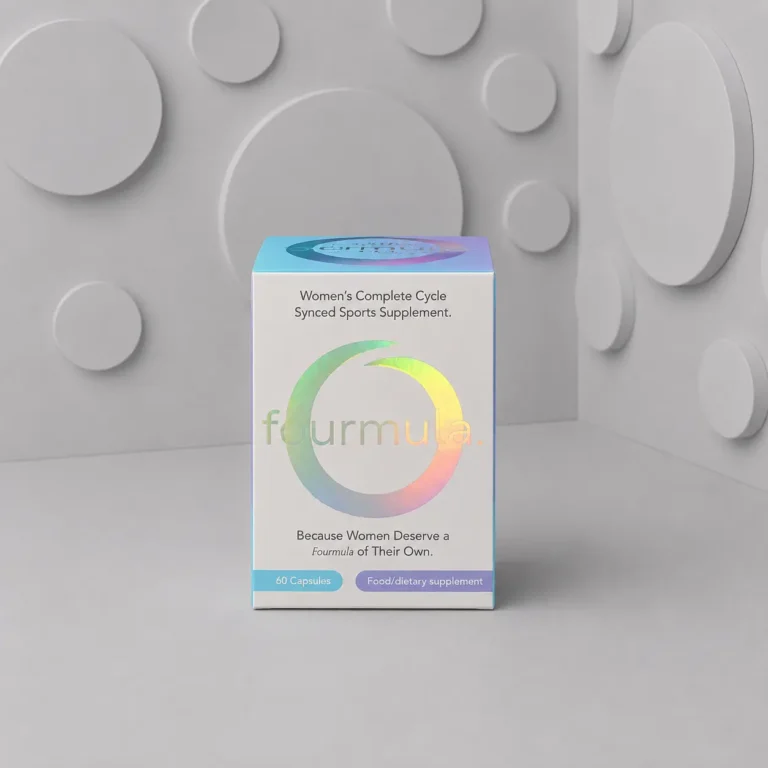
Fourmula started with 10 physical sample boxes for a compact supplement product, then moved toward a...
View Case StudyShare product size, quantity, use case and artwork status.
The right size, board and box style are reviewed.
A digital proof is prepared before production begins.
Boxes are printed, cut, folded and finished to specification.
Finished packaging is checked for structure and print quality.
Completed packaging is packed and delivered to your business.
We have been using Healey for years and are always impressed by the service, quality and speed.
Harry GeorgeThe packaging is of high quality, strong cardboard. I will definitely be using them again.
Amanda NewmanGreat communication, quick and good product. I really recommend.
JOON Plant Based AtelierWe manufacture custom bottle packaging for a wide range of products, including wine, spirits, beer, cider, perfumes, skincare bottles, essential oils, cosmetics, sauces, syrups, juices, health supplements and speciality beverages. Packaging can be produced for single bottles, twin packs or multi-bottle presentations.
Yes. Every bottle has different dimensions, shoulder profiles and closures, so we manufacture packaging around your exact product measurements rather than using standard box sizes. This provides a better fit, improved presentation and greater protection during handling.
Yes. We can incorporate custom inserts, partitions and bottle supports to minimise movement during storage, shipping and retail handling. The most suitable insert depends on the bottle weight, shape and intended distribution method.
The appropriate material depends on the product and how it will be supplied. Folding boxboard works well for retail presentation, while corrugated board offers greater protection for shipping. Rigid board is commonly selected for premium gift packaging where presentation is a priority.
Yes. Bottle packaging can be designed specifically for ecommerce fulfilment by combining protective inserts with suitable outer packaging to help reduce movement and minimise the risk of damage during courier delivery.
We offer full-colour printing together with a wide range of finishing options, including matt and gloss lamination, soft-touch finishes, Spot UV, embossing, debossing, foil blocking and die-cut windows. The most suitable finish depends on the product positioning and brand identity.
Yes. We offer recyclable paperboard, kraft materials, FSC®-certified board options and responsibly sourced packaging materials where suitable. Material recommendations are based on both product protection and sustainability objectives.
Yes. We manufacture presentation packaging for premium products, corporate gifts and retail gift sets. Options include rigid boxes, magnetic closure boxes, drawer boxes and two-piece presentation boxes with custom inserts.
To prepare an accurate quotation, it helps to know:
Providing these details allows us to recommend the most suitable packaging specification.
Yes. If your artwork is still being developed, we can assist with structural design, artwork preparation, print specifications and production-ready dielines before manufacturing begins.
Share your product, size, material and quantity requirements. Our team will help you choose the right structure, print and finish.
Tell us your product, target look, and how you ship. We'll recommend the right board, print, and finish for performance.