
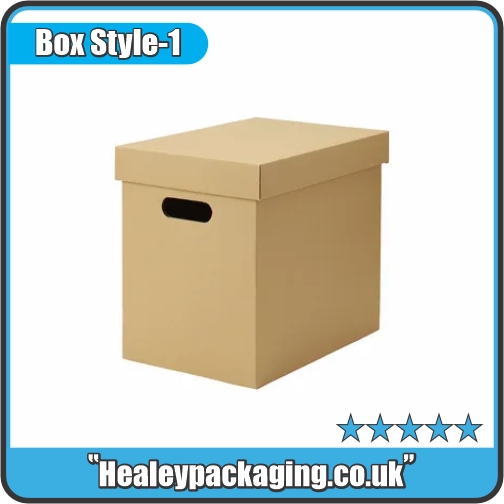
 Popular
CUSTOM CARDBOARD Packaging Solutions
Cardboard Packaging for Retail, Ecommerce & Distribution
Custom cardboard packaging for UK brands, retailers and manufacturers. Choose made-to-size folding cartons, corrugated mailers, sleeves and shipping boxes, with board grades, printing and finishes specified around your product, sales route and handling requirements.
Protects Products
Sustainable
High Quality Print
Strong & Reliable
Healey Packaging company reviews on Trustpilot
6+
Packaging
Solutions
Solutions
Not sure which packaging is right for you?
Our team can help match the structure to your product, brand and budget.
Speak to an Expert
Custom DimensionsMade to fit your product precisely.
No Minimum OrderNo minimum order quantity.
Printed to Your BrandCMYK, Pantone and specialist finishes.
Fast Turnaround7-10 working days after artwork approval.
Cardboard Packaging Range
Explore Cardboard Packaging by Structure
Browse cardboard boxes for retail, shipping, display, ecommerce and custom product protection.
Popular
 Best Seller
Custom Cardboard Boxes
Your box is often the first thing customers see — and it...
View Custom Cardboard Boxes Most Ordered
 Custom
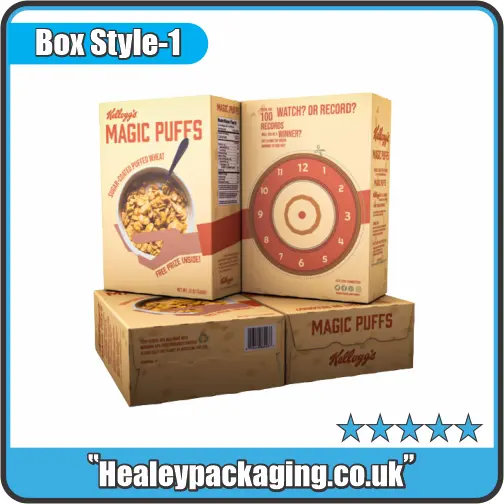
Custom Cereal Cardboard Boxes
Cereal boxes look simple, but anyone selling breakfast products knows they can...
View Custom Cereal Cardboard Boxes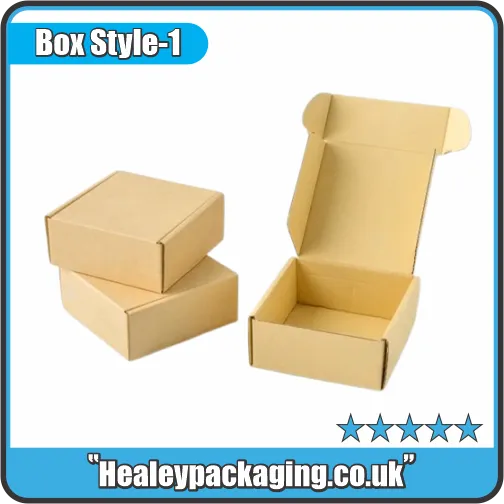 Premium
Double Wall Cardboard Boxes
Some products are simply too heavy or fragile for standard corrugated cartons....
View Double Wall Cardboard Boxes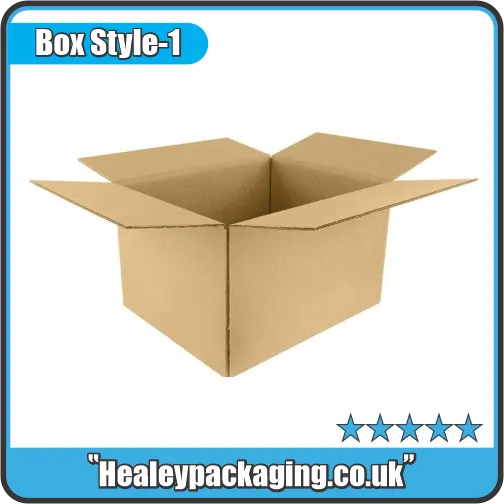
Single Wall Cardboard Boxes
Single wall cartons are widely used for ecommerce, storage and general shipping...
View Single Wall Cardboard Boxes
Packaging Applications
Choose Cardboard Packaging Around How the Product Is Sold
“Cardboard” is a broad packaging term. The right specification may use folding paperboard, kraft board, corrugated board or a rigid construction depending on the product, packed weight, presentation and distribution route.
Retail
Individual Product Cartons
Retail packs need practical shelf dimensions, clear branding and enough board stiffness for repeated handling.
Typical focus: print surface · shelf fit · flat-pack efficiency
Ecommerce
Mailer & Delivery Packaging
Parcel-ready packaging needs stronger protection against movement, compression and repeated courier handling.
Typical focus: corrugated strength · compact fit · closure security
Food & Bakery
Secondary Product Packaging
Outer cartons can support presentation, handling and information while any direct food-contact requirement is specified separately.
Typical focus: pack role · moisture exposure · retail handling
Gifting & Presentation
Premium Product Packaging
Sleeves, trays and rigid formats can create a more deliberate opening experience for higher-value products and gift sets.
Typical focus: presentation · inserts · surface finish
Distribution
Grouped & Heavier Products
Corrugated outer cartons can support multiple units, warehouse handling and stacking where load performance matters most.
Typical focus: packed weight · compression · pallet or case handling
Material Construction
Understand the Board Construction Before Choosing a Grade
Surface colour and board construction are not the same decision. White or brown appearance affects print, while paperboard, corrugated and rigid formats differ in how they are built and where they perform best.
Lightweight Retail Board
Folding Paperboard
Folding paperboard suits many individual product cartons where clean print, efficient conversion and flat storage are important.
Best forRetail cartons, cosmetics, food secondary packs and general products
PrintDetailed graphics, fine text and controlled brand colour
ConsiderCarton dimensions, packed weight and required stiffness
Natural Board Surface
Kraft Board
Kraft board provides a natural fibre appearance, but the darker substrate changes colour reproduction and artwork contrast.
Best forNatural-looking retail ranges, gifts and selected sleeves or cartons
PrintArtwork planned around the board tone and contrast
ConsiderSurface appearance and structural grade separately
Fluted Construction
Corrugated Board
Corrugated board uses fluting between liners to provide greater structural support for mailers, shipping cartons and heavier products.
Best forEcommerce, outer cases, grouped packs and distribution
StrengthDriven by flute, liners, dimensions and load
ConsiderCompression, stacking and parcel handling
Premium Construction
Rigid Greyboard
Rigid greyboard is wrapped rather than supplied as a conventional folding carton, creating a substantial format for premium presentation.
Best forGift sets, luxury retail and presentation-led packaging
PresentationStrong perceived value and controlled opening
ConsiderStorage volume, weight and transport efficiency
Performance Specification
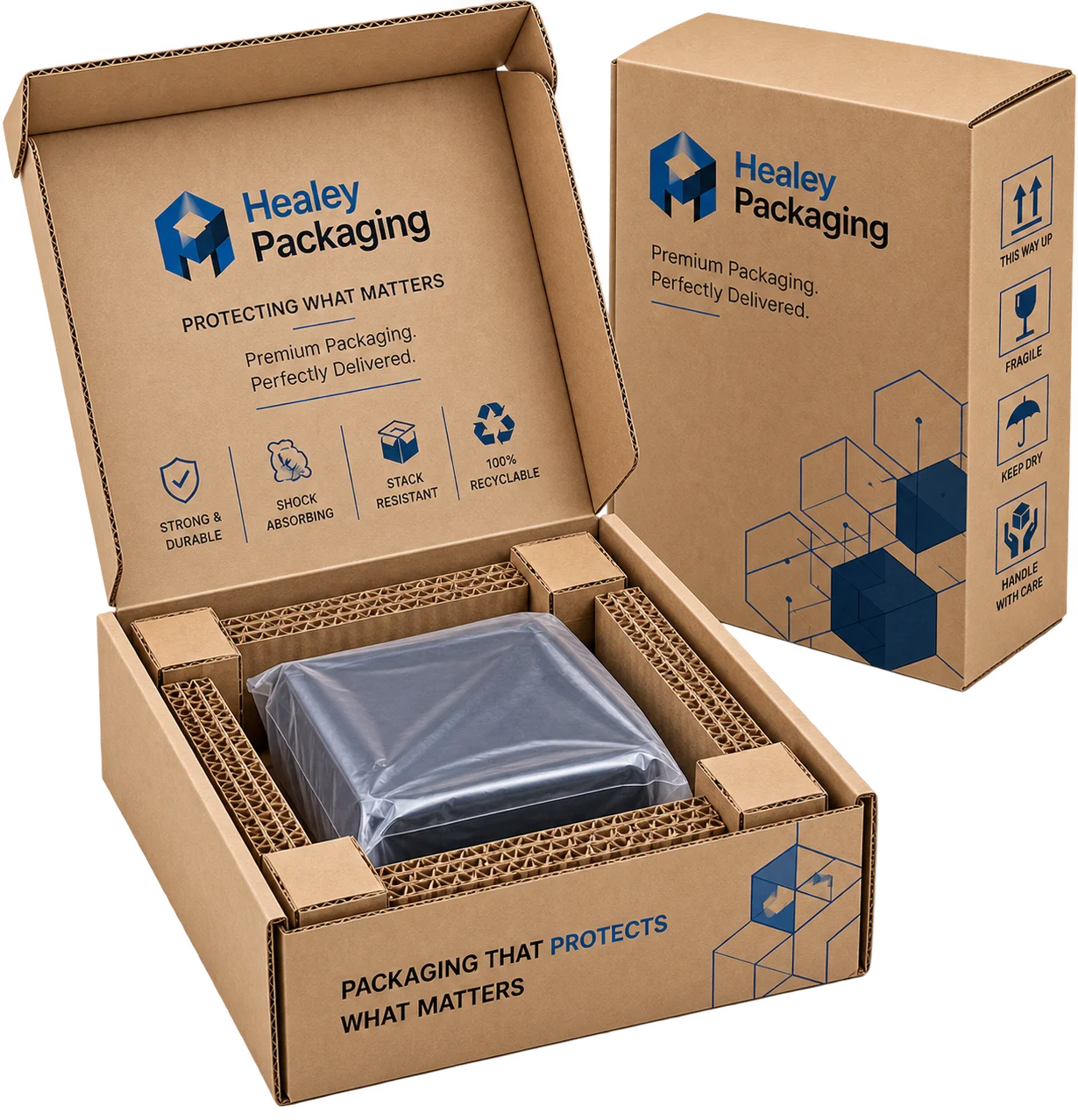
Match Board Strength to Product Weight and Handling
The strongest-looking board is not automatically the best specification. Box dimensions, packed weight, stacking, product movement and distribution conditions should be reviewed together.
Finished Pack Dimensions
Large panels can need more stiffness even when the product itself is relatively light.
Packed Weight
The completed load affects board grade, base construction and whether reinforcement is required.
Stacking & Compression
Warehouse storage and pallet or case stacking can place sustained load on the outer structure.
Movement & Internal Support
Right-sizing, dividers or inserts can control movement without relying on a heavier outer box alone.
Distribution Route
Retail handling and parcel delivery expose packaging to different levels of impact, compression and repeated movement.
Storage Conditions
Humidity, storage duration and warehouse constraints can influence the practical board and box format.
Practical specification sequence
Product dimensions → packed weight → movement risk → stacking → sales route → board grade
Structural Format
Choose the Box Structure Around the Packaging Job
A structure should solve the main handling, display or delivery requirement. Start with the sales route, then narrow the format before artwork is positioned on the dieline.
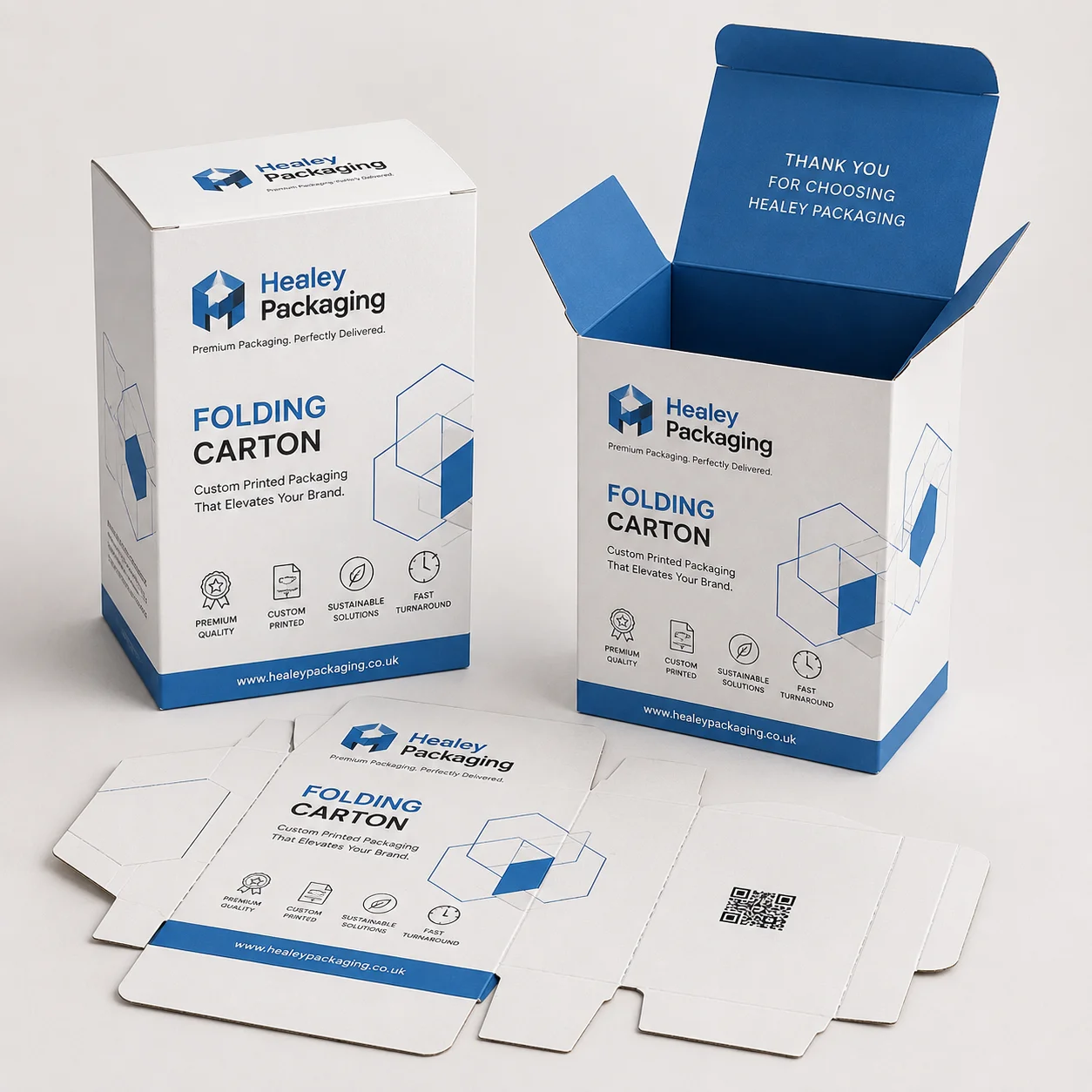
Retail Shelf
Folding Cartons
Lightweight, printable and flat-packed for individual products where shelf presentation and storage efficiency matter.
Use when: retail presentation is the main job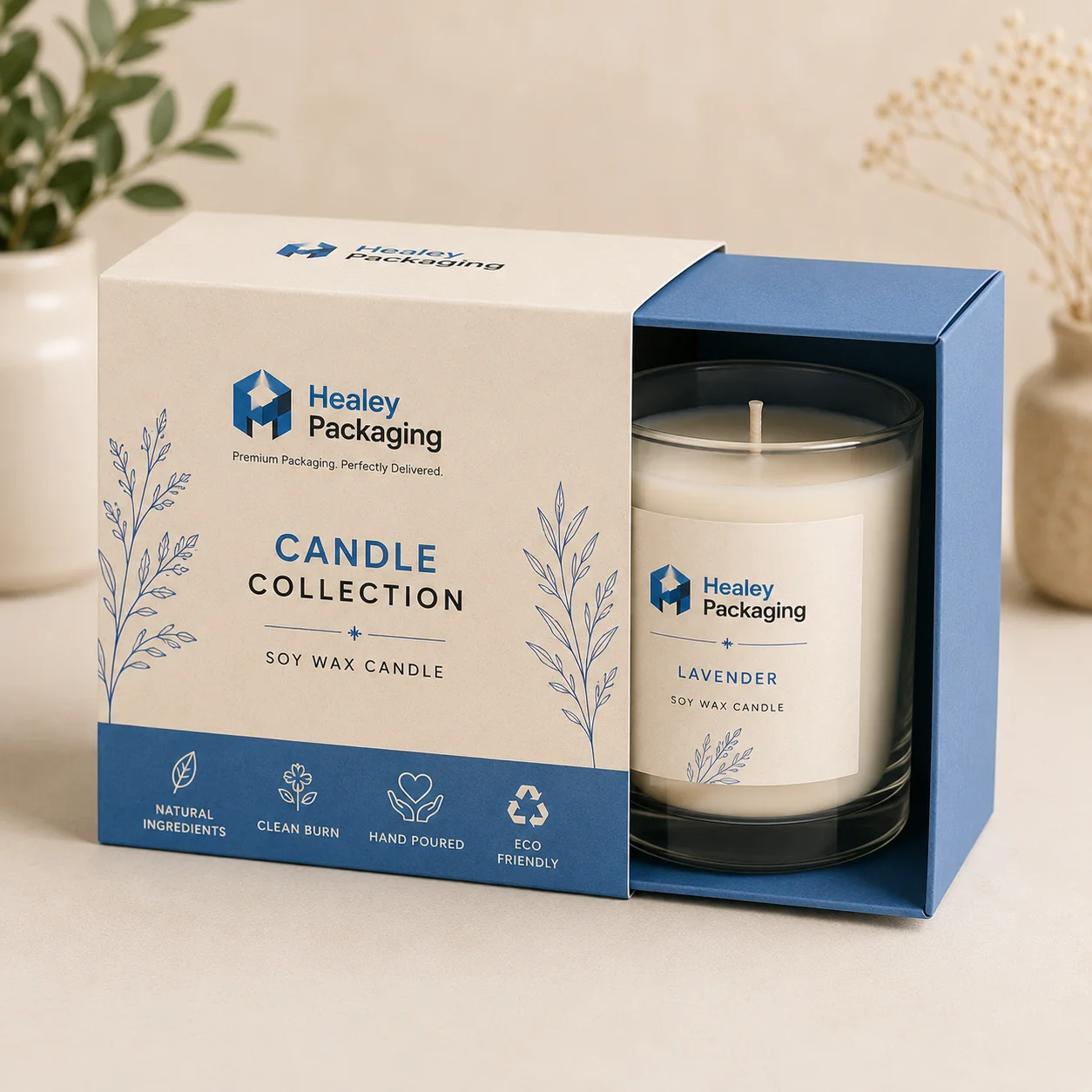
Partial Enclosure
Cardboard Sleeves
Add branding around a tray, tub or existing pack without using a complete outer carton.
Use when: visibility and lower material use can work together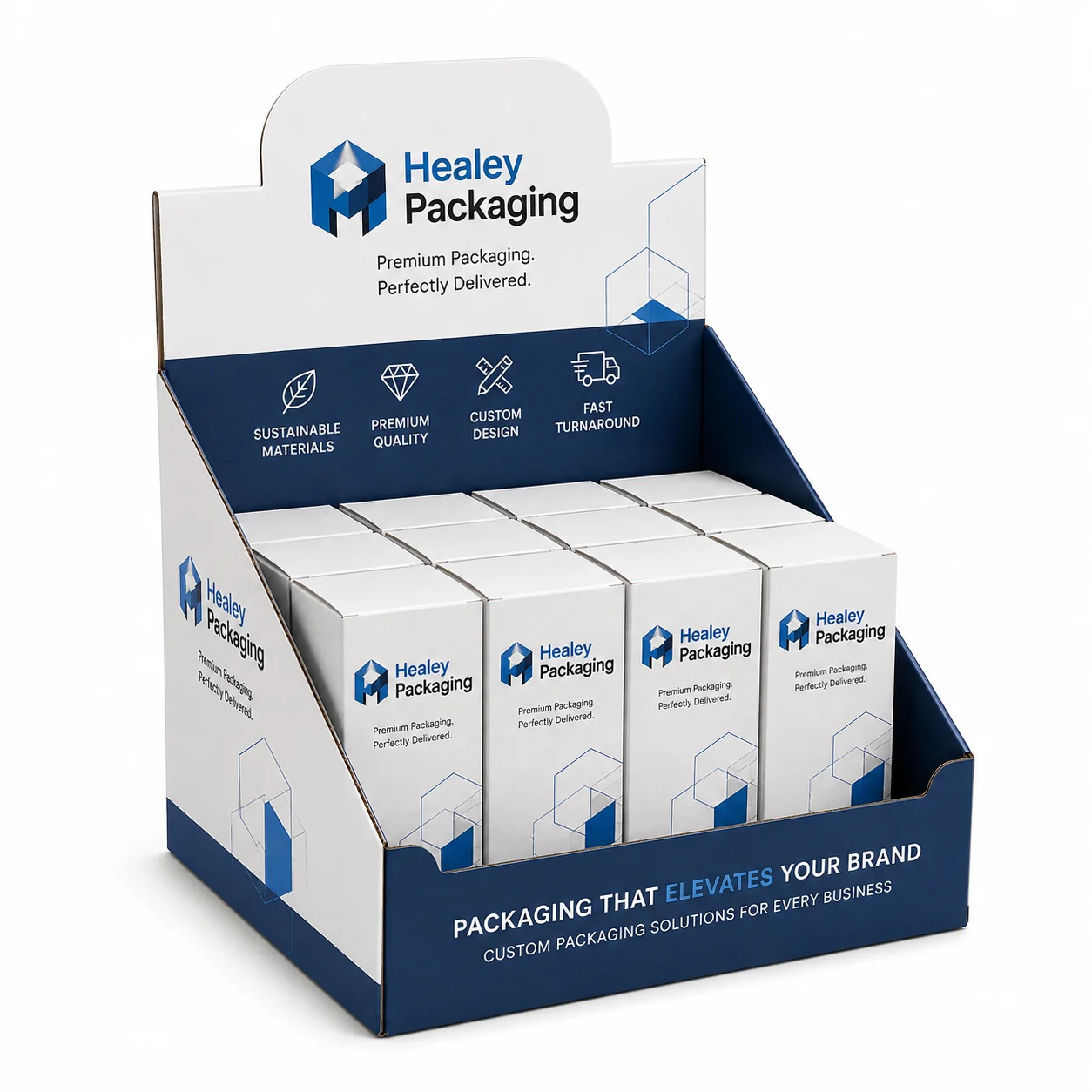
Point of Sale
Display Boxes & Trays
Group several units into a format that can move from distribution to shelf or counter presentation.
Use when: product count and display access are predefined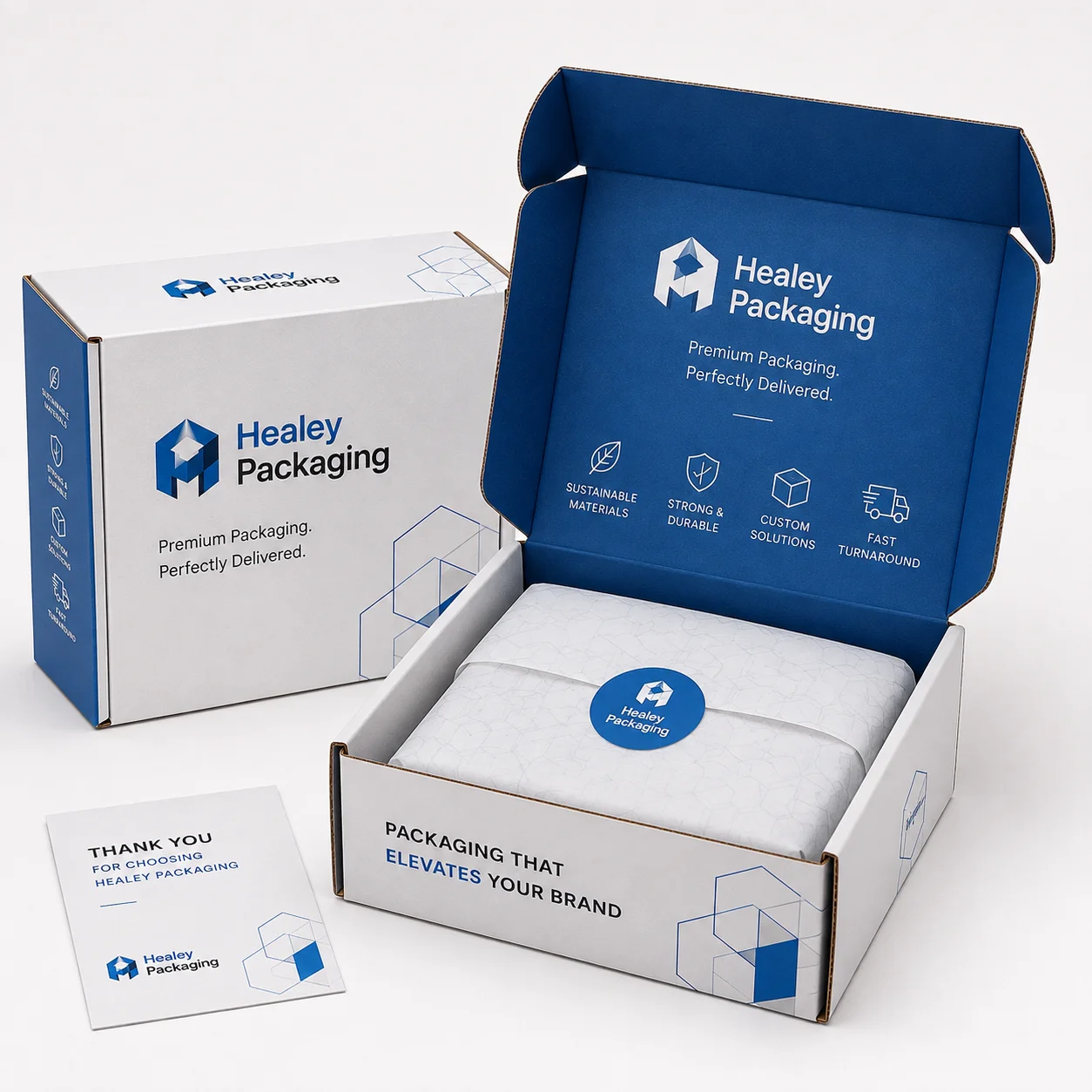
Ecommerce
Mailer Boxes
Corrugated mailers combine parcel protection with a customer-facing opening format for direct-to-consumer orders.
Use when: the pack itself must handle parcel delivery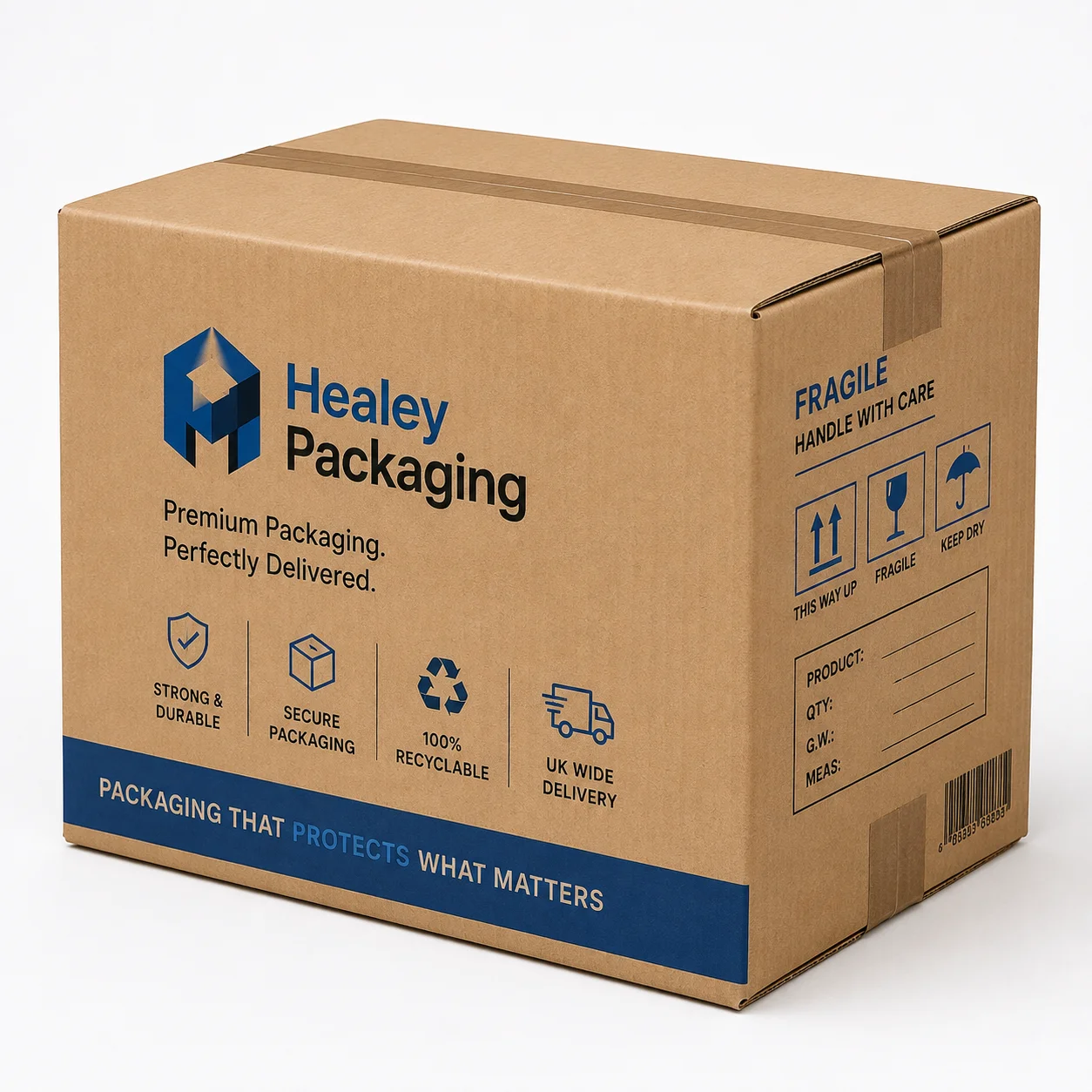
Distribution
Shipping Cartons
Stronger corrugated formats suit grouped products, storage, wholesale supply and case-level distribution.
Use when: load strength takes priority over presentation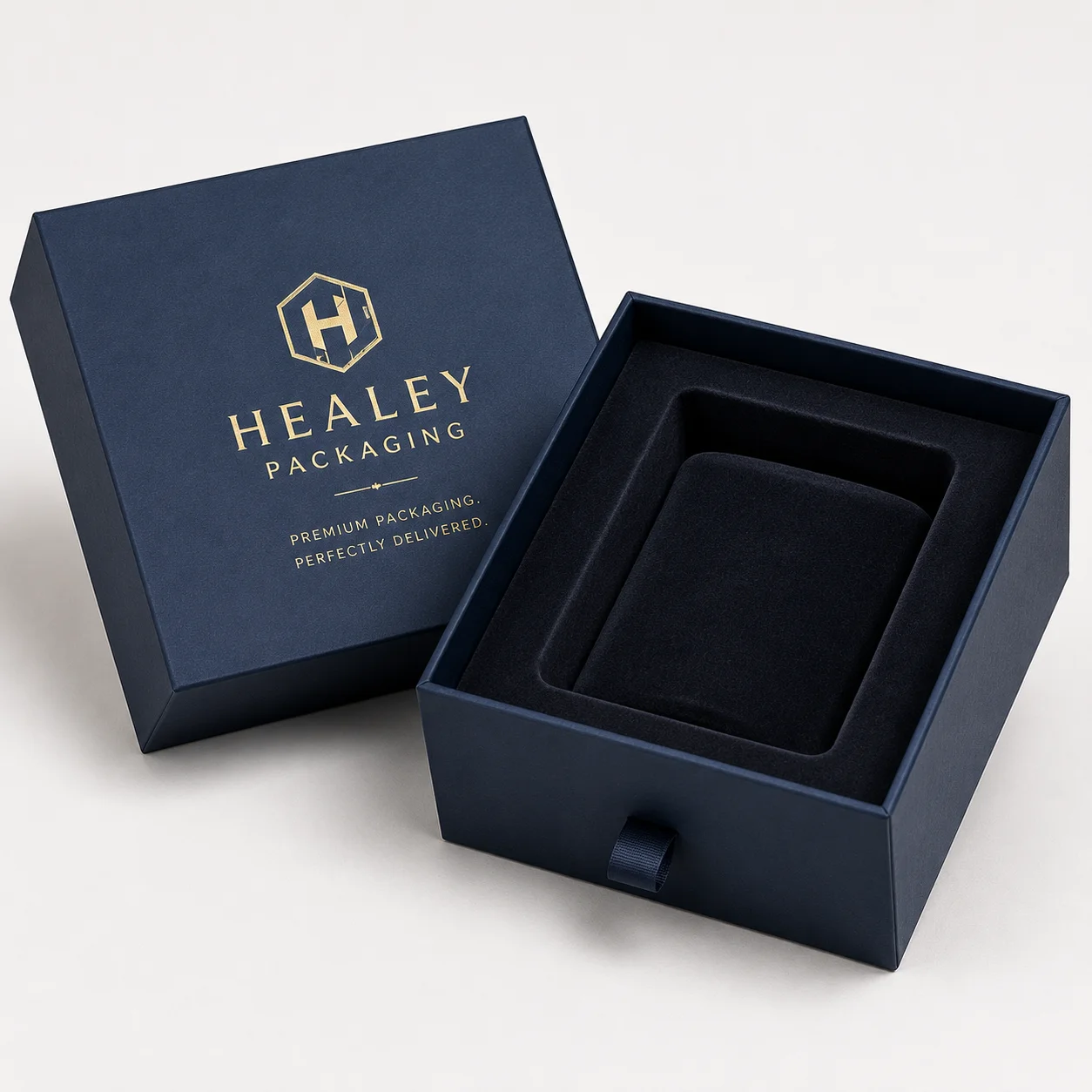
Premium Presentation
Rigid Boxes
Non-collapsible rigid formats suit gift sets and premium products where opening experience and presentation justify the extra material.
Use when: presentation is a core part of the product offer
Print & Finish Planning
Print Cardboard Packaging Around the Board Surface
Print results depend on the selected surface as well as the artwork. Decide what the pack needs to communicate first, then choose print and finishing methods that support that hierarchy.
Brand Colour & Graphics
CMYK or Pantone references can be used where suitable for the material, artwork and required colour control.
Board Surface
White coated board and natural kraft can produce very different results from the same artwork, especially for lighter colours.
Surface Finishes
Matt or gloss surfaces, foil, embossing, debossing and Spot UV can be specified where they serve a clear presentation purpose.
Structural Add-ons
Windows, hanging features, perforations or internal printing should be planned with the dieline rather than added after structure approval.
Efficient Specification
Reduce Material and Control Cardboard Packaging Cost
Cost and material use are often controlled by specification rather than by choosing the cheapest-looking board. Right-sizing, appropriate strength and simpler components can improve efficiency without weakening the pack.
Right-Size the Pack
Reduce unnecessary board, void space and case volume by sizing around the finished product.
Use the Appropriate Grade
Specify enough strength for the real load instead of defaulting to heavier material.
Simplify Inserts & Components
Use internal supports, windows, films and decorative layers only where they solve a defined requirement.
Review Print & Finish Complexity
Finishes should add clear brand or functional value because each additional process can affect cost and material complexity.
Complete Pack View
Sustainability Guidance
Environmental Claims Depend on the Finished Structure
Paper-based construction alone does not determine how the complete pack should be described. Coatings, films, windows, inserts and other components can change end-of-life options.
1Outer structure
2Internal support
3Surface treatment
4Local collection route
B2B Range Planning
Plan Cardboard Packaging as a Repeatable Supply Specification
Repeat orders are easier to brief when approved dimensions, board, structure and artwork references are kept together. Product variants can share a common system where the physical packaging requirements remain the same.
Approved Structure
Keep the confirmed dieline and dimensions as the reference for repeat production.
Controlled Material
Record the agreed board family and grade rather than describing future orders only by appearance.
SKU Artwork
Use shared brand rules while controlling product, variant, barcode and regulatory artwork separately.
Review Physical Changes
Recheck the structure when product dimensions, weight, pack count or distribution route changes.
OrderingNo Minimum Order
ProductionTypically 7–10 working days after artwork approval
DeliveryUK-wide delivery
Useful quotation brief
Share the Details That Change the Specification
Product dimensions, packed weight, quantity, preferred structure, sales route, insert requirements, print and finishing requirements and artwork status provide a practical starting point for an accurate cardboard packaging quotation.
Recent Packaging Projects
Real packaging work produced for customer brands.
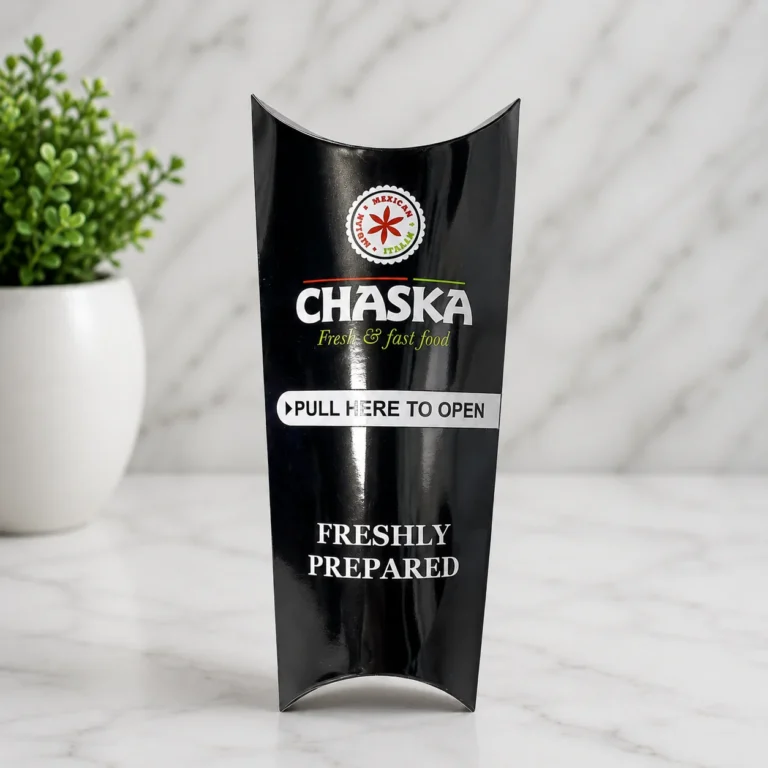
CHASKA Custom Pillow-Style Shawarma Sleeves with Food-Safe 300gsm Card
Healey Packaging produced custom pillow-style shawarma sleeves for CHASKA using 300gsm food-safe BSB card, full-colour CMYK...
View Case Study
JAMONYX Custom Reverse Tuck Boxes in 350gsm SBS Card with Gold Foil
Healey Packaging produced 1,200 luxury reverse tuck boxes for JAMONYX across two black-and-white designs, three sizes,...
View Case Study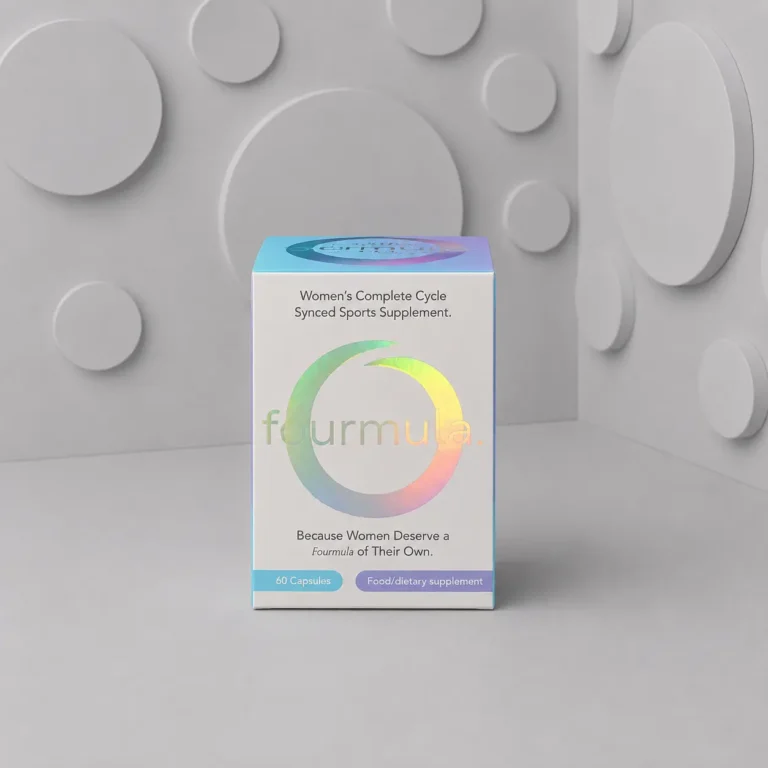
Fourmula Custom Supplement Boxes with Lamination and Holographic Finish
Fourmula started with 10 physical sample boxes for a compact supplement product, then moved toward a...
View Case StudyHow Your Packaging Is Produced
Requirements
Share product size, quantity, use case and artwork status.
Structural Planning
The right size, board and box style are reviewed.
Artwork and Proofing
A digital proof is prepared before production begins.
Production
Boxes are printed, cut, folded and finished to specification.
Quality Control
Finished packaging is checked for structure and print quality.
Delivery
Completed packaging is packed and delivered to your business.
What Customers Say
We have been using Healey for years and are always impressed by the service, quality and speed.
Harry GeorgeThe packaging is of high quality, strong cardboard. I will definitely be using them again.
Amanda NewmanGreat communication, quick and good product. I really recommend.
JOON Plant Based AtelierFrequently Asked Questions
Custom cardboard packaging can be developed for retail presentation, ecommerce delivery, gifting, product protection, storage and distribution. The appropriate board and box structure depend on the product dimensions, packed weight, handling requirements and how the product reaches the customer.
Options include folding cartons, cardboard sleeves, display boxes and trays, corrugated mailers, shipping cartons and rigid presentation boxes. The format should be selected around the packaging job rather than choosing a box style by appearance alone.
“Cardboard” is a broad everyday term used for several fibre-based packaging formats. Corrugated board is a specific construction that uses a fluted layer between liners to provide additional structural strength. Folding paperboard is generally lighter and commonly used for printed retail cartons, while corrugated board is often better suited to ecommerce, shipping and heavier loads.
The right material depends on the product size, packed weight, required print surface and distribution route. Folding paperboard suits many lightweight retail cartons, kraft board supports a natural presentation, corrugated board provides greater transit strength, and rigid greyboard is commonly used for premium presentation packaging.
Yes. Cardboard packaging can be produced around the finished product dimensions rather than relying on standard box sizes. Right-sizing can help control product movement, reduce unnecessary empty space and avoid using more board than the pack requires.
Yes. Custom cardboard packaging can include logos, brand colours, product information, barcodes and approved artwork. Printing can be planned around the selected board surface so colour, text and graphic detail reproduce appropriately.
Options can include CMYK printing, Pantone colour references, foil, embossing, debossing, Spot UV and matt or gloss finishes where suitable. Windows, hanging features and internal printing can also be incorporated when they support a defined retail or presentation requirement.
Yes, when the structure is designed for parcel handling. Corrugated mailers and shipping cartons are commonly used for ecommerce because they provide greater structural support than lightweight retail cartons. A presentation carton may still require an appropriate outer shipping box if it is not designed to withstand courier handling on its own.
Yes. Material use can be reduced through right-sized boxes, appropriate board grades, simplified inserts and fewer unnecessary coatings or mixed components. Recycled-content and paper-based options can also be considered where suitable. Environmental or recyclability claims should be assessed against the complete finished pack rather than the outer board alone.
Healey Packaging offers no minimum order requirement for custom cardboard packaging. Standard production is typically 7–10 working days after artwork approval, although bespoke structures, specialist materials, inserts or finishing requirements can affect the final production schedule.
 Apparel Packaging
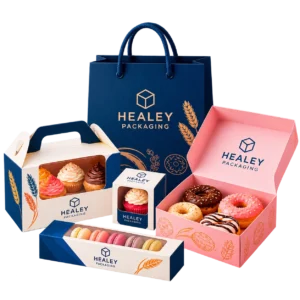 Bakery Packaging Boxes
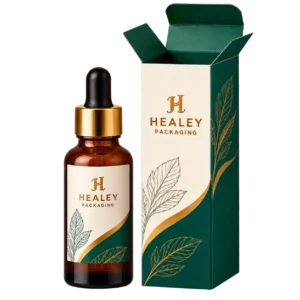 Bottle Packaging Boxes
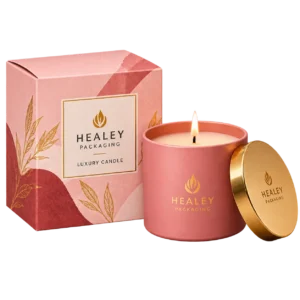 Candle Boxes
 CBD Packaging Boxes
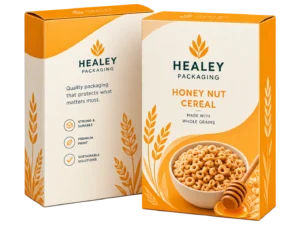 Cereal Packaging Boxes
Ready to Create Packaging Built Around Your Product?
Share your product, size, material and quantity requirements. Our team will help you choose the right structure, print and finish.
Free Design Support
No Minimum
Digital Proof
UK Delivery
Need custom sizing or a premium finish?
Tell us your product, target look, and how you ship. We'll recommend the right board, print, and finish for performance.