
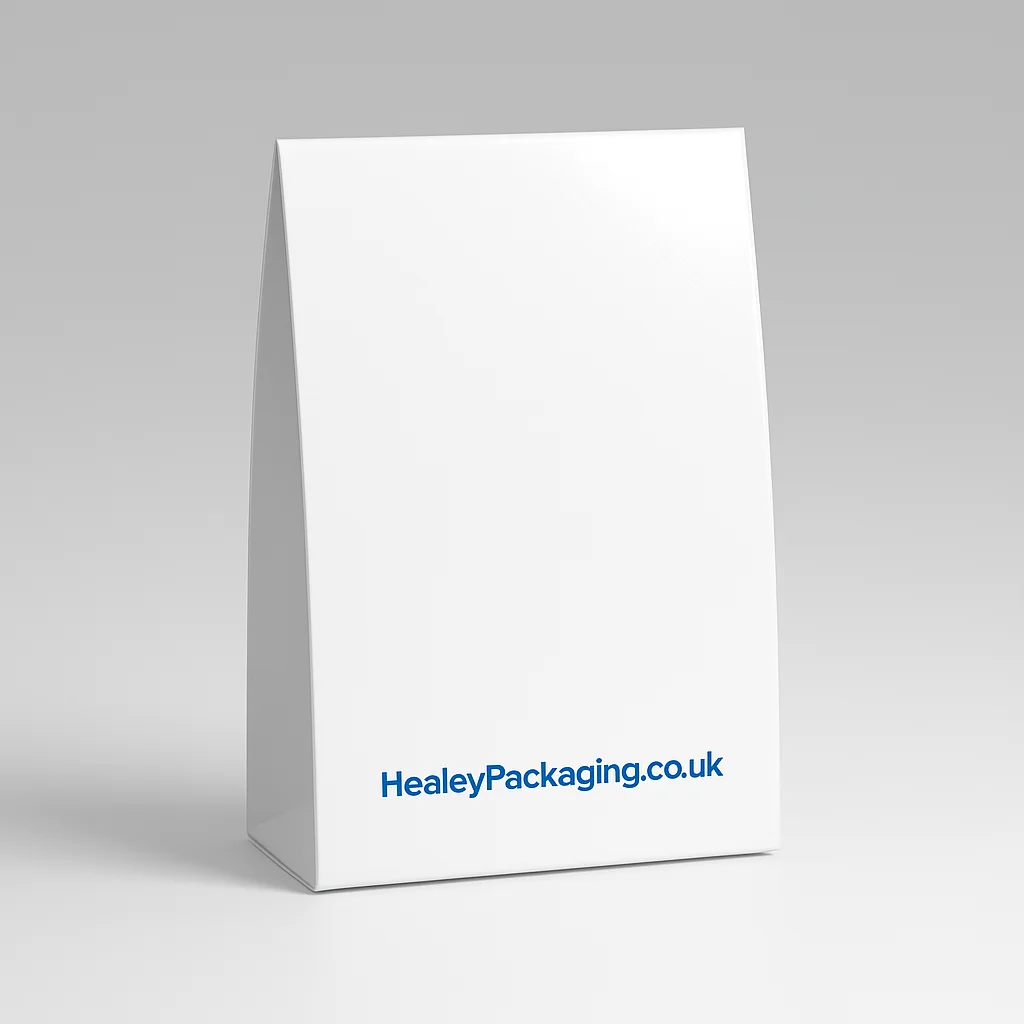
SBS Board
Smooth white board for premium printed retail packaging.
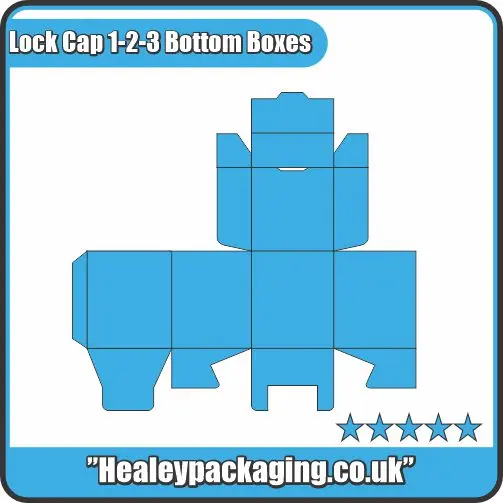
Lock cap 1-2-3 bottom boxes combine a secure interlocking base with a practical top closure, giving products better bottom support while retaining straightforward loading, storage and retail presentation.
Product details
Lock cap 1-2-3 bottom boxes are folding cartons built with a manually interlocking 1-2-3 base and a closing cap or top section. The bottom uses three main flaps that fold into one another in sequence, creating a mechanically locked base without requiring the packer to glue it during assembly.
This structure is useful when products need more bottom support than a basic tuck carton but an automatic pre-glued base is unnecessary. It belongs to our wider packaging box styles range of locking, tuck-end and reinforced carton structures.
This format is worth considering for products where base stability matters and cartons are being packed manually or in moderate quantities.
Typical applications include:
The structure can accommodate products that place more load on the bottom than many basic folding cartons, but suitability still depends on dimensions, board specification and actual packed weight.
The name describes the assembly sequence. The bottom flaps are folded in a defined order so they overlap and interlock, creating a stable base beneath the product.
Unlike an automatic bottom, this closure is formed manually at the packing stage. That means there is an extra assembly step, but it can be practical when packing volumes do not justify a pre-glued automatic construction.
If you need the same general locking-base principle with a conventional tuck top, 1-2-3 bottom tuck top boxes provide a closely related structure to compare.
The decision usually comes down to packing speed, product load and production requirements. A 1-2-3 bottom requires operators to fold the base manually. A tuck end auto bottom uses pre-glued panels that move into position as the carton is erected.
An automatic bottom can reduce repeated assembly work on larger packing runs. A manually locking base may remain a sensible option where volumes are lower or the packing operation already accommodates manual erection. For applications needing greater bottom coverage, full flap auto bottom boxes provide another base construction worth evaluating.
The upper closure completes the carton after loading and helps keep the product enclosed. Its dimensions need to work with the carton depth and product clearance so the cap closes cleanly without placing unnecessary pressure on the contents.
The complete structure should therefore be considered as a system: bottom strength alone does not make a successful carton.
Before production, check:
For bottles or jars packed in multiples, custom fence partitions can help create individual cells and reduce direct product-to-product contact.
A 1-2-3 locking base can provide more bottom support than some simple tuck closures, but the style name is not a load rating. A small dense product and a large lightweight product place very different demands on the same structure. Board specification, carton proportions and weight distribution all matter. Where load performance is important, a physical sample should be packed with the actual contents and tested under expected handling conditions before the full production run.
| Dimension (L + W + H) | All Custom Sizes & Shapes |
|---|---|
| Quantities | No Minimum Order |
| Paper Stock | SBS, Kraft, Corrugated, Rigid Board |
| Printing | CMYK, PMS, Digital, Offset |
| Finishing | Matte, Gloss, Foil, Embossing, Debossing, Spot UV |
| Included Options | Die Cutting, Gluing, Scoring, Perforation |
| Additional Options | Eco-Friendly, Recyclable, FSC Options |
| Proof | Flat View, 3D Mock-up, Physical Sampling On Request |
| Turnaround | 7–10 Working Days After Artwork Approval |
| Shipping | Free UK Shipping |
They are folding cartons with manually interlocking bottom flaps and a closing top section, designed to provide a stable base and enclosed pack.
Normally, the base is mechanically interlocked by folding the flaps in sequence rather than applying glue during packing.
Yes. Their folding construction allows efficient flat storage before erection.
It can provide better base support because the bottom panels overlap and interlock, although actual performance depends on board, dimensions and packed weight.
Yes. Inserts and partitions can be developed around the product where additional positioning or separation is needed.
Customisation choices
Mix and match materials, printing methods, inks, finishes and add-ons.
Smooth white board for premium printed retail packaging.
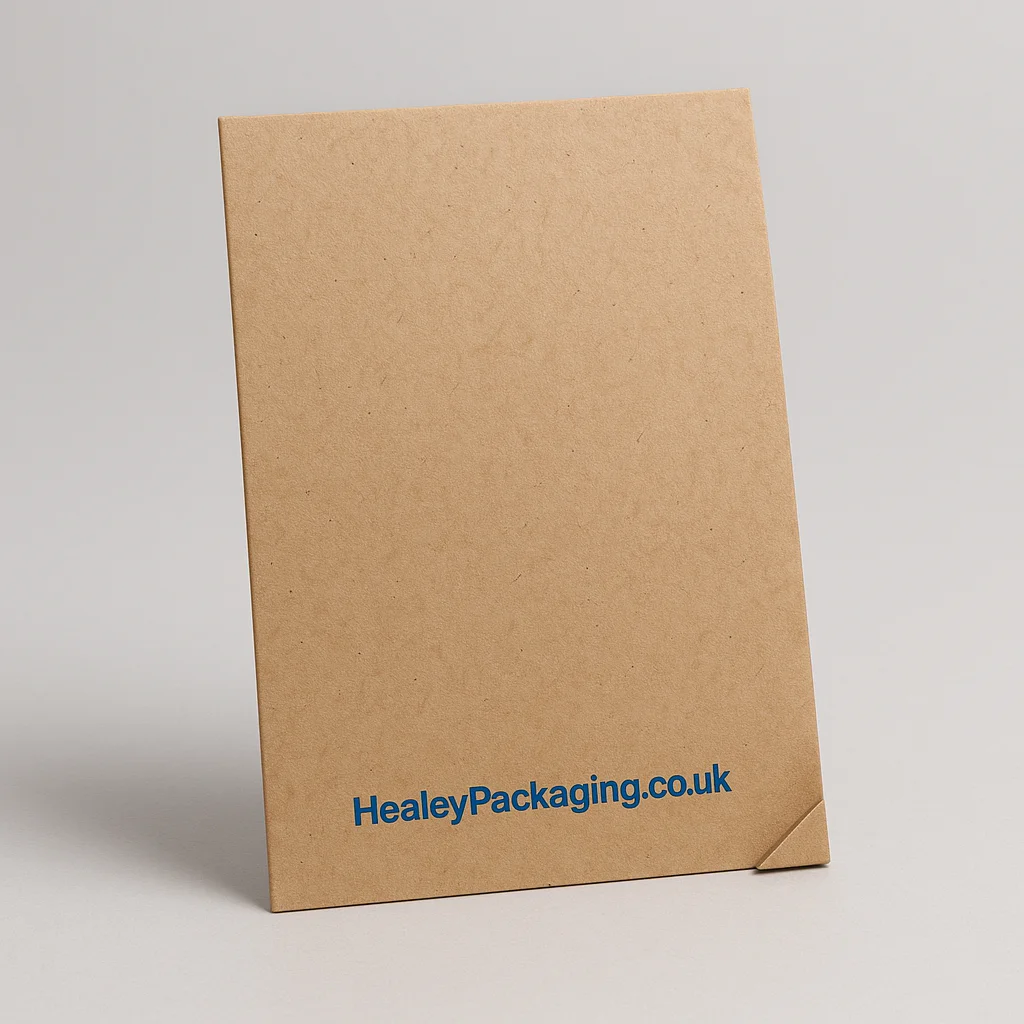
Natural board for recyclable, earthy and understated packaging.
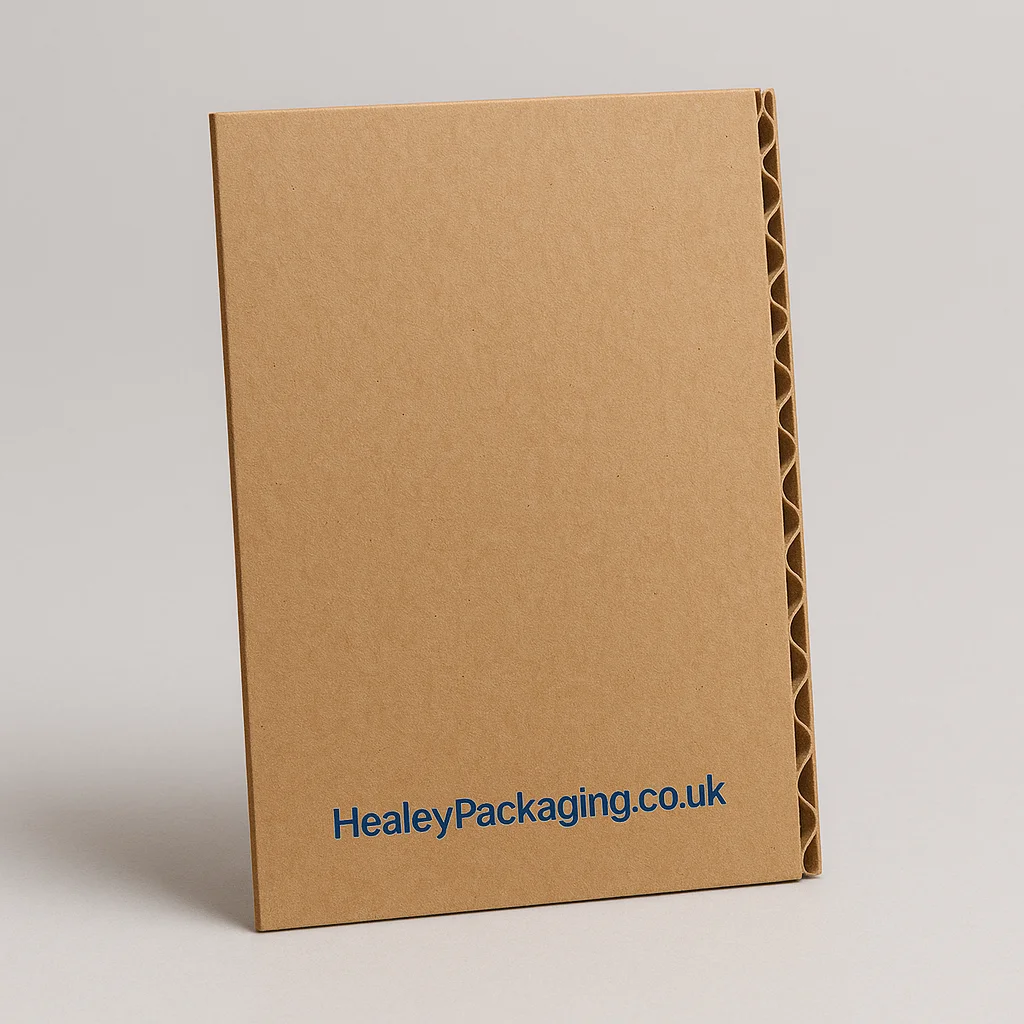
Fluted board for ecommerce, shipping and added product protection.
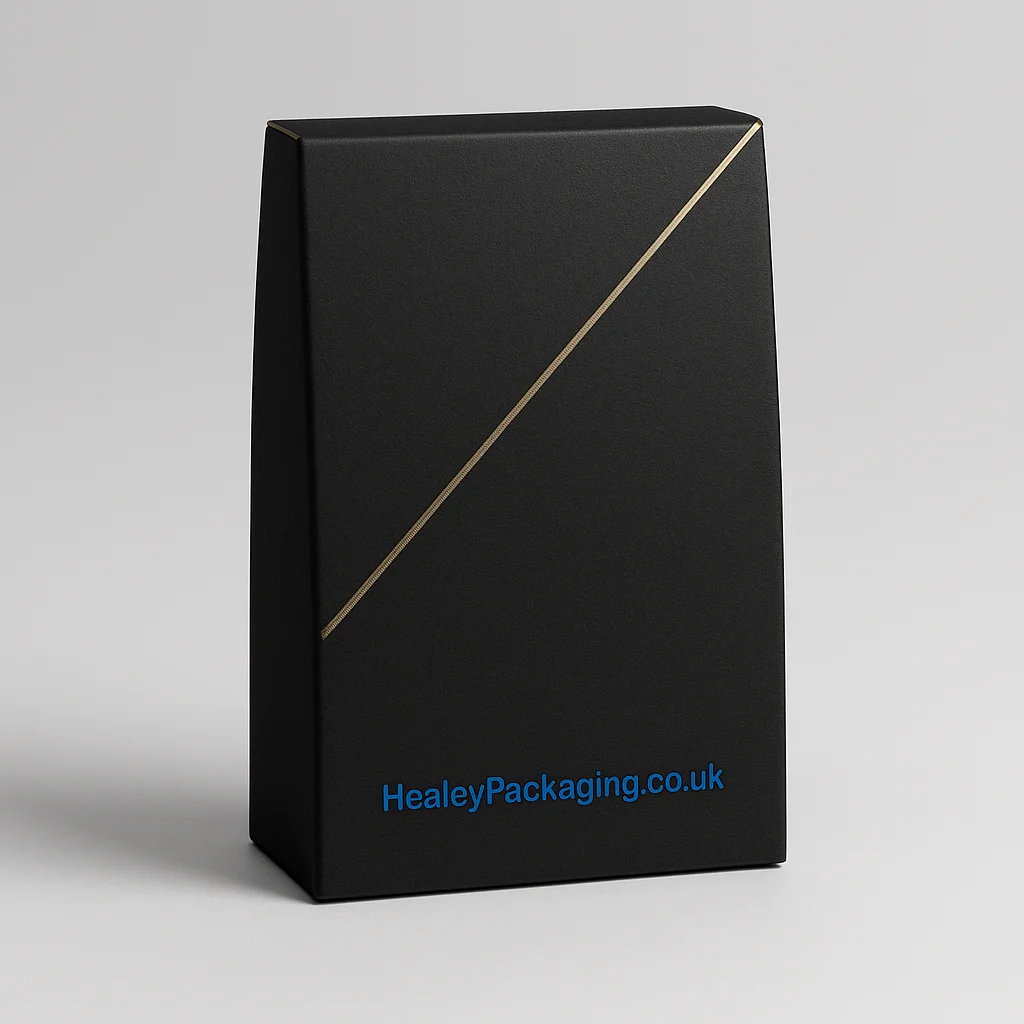
Premium stock for gift, luxury and presentation packaging.
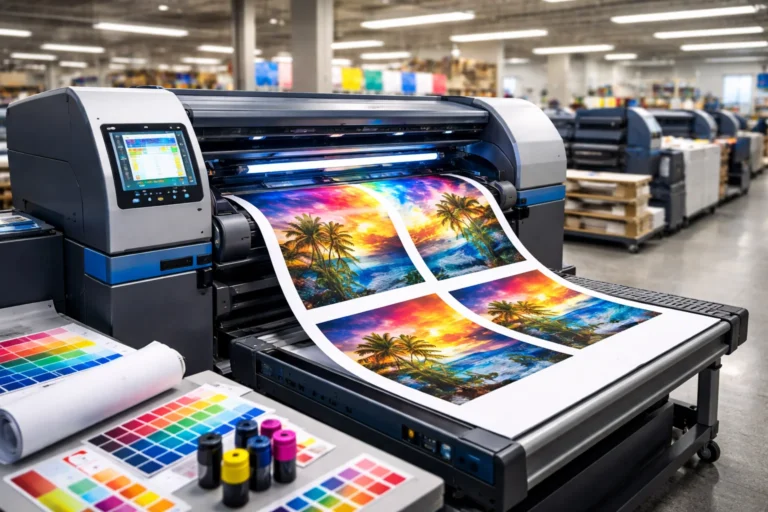
Fast setup, great for smaller quantities and designs that change frequently. Strong colour output without plate costs.
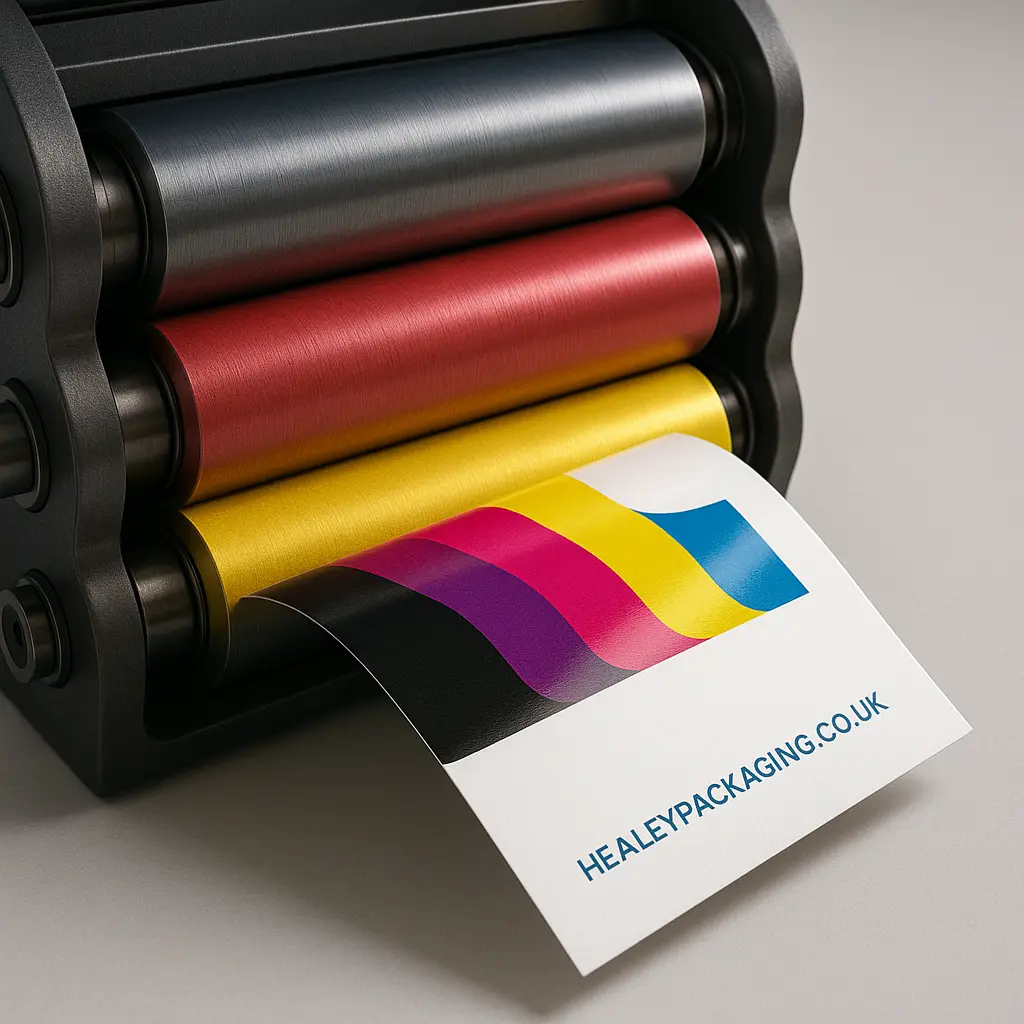
Best for scale. Consistent results run after run, especially when brand tones and fine detail matter.
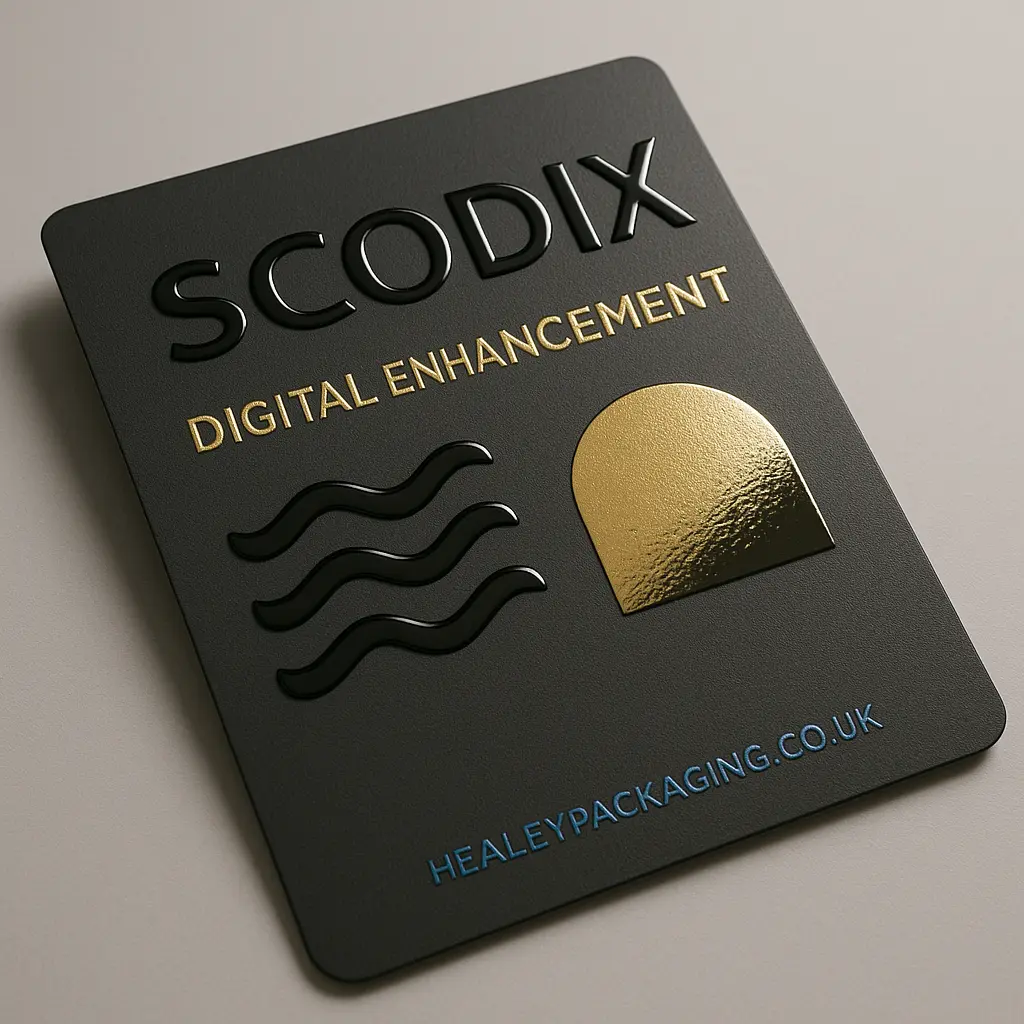
Adds raised UV and tactile highlights to chosen areas. Ideal when packaging needs a premium touch people notice instantly.
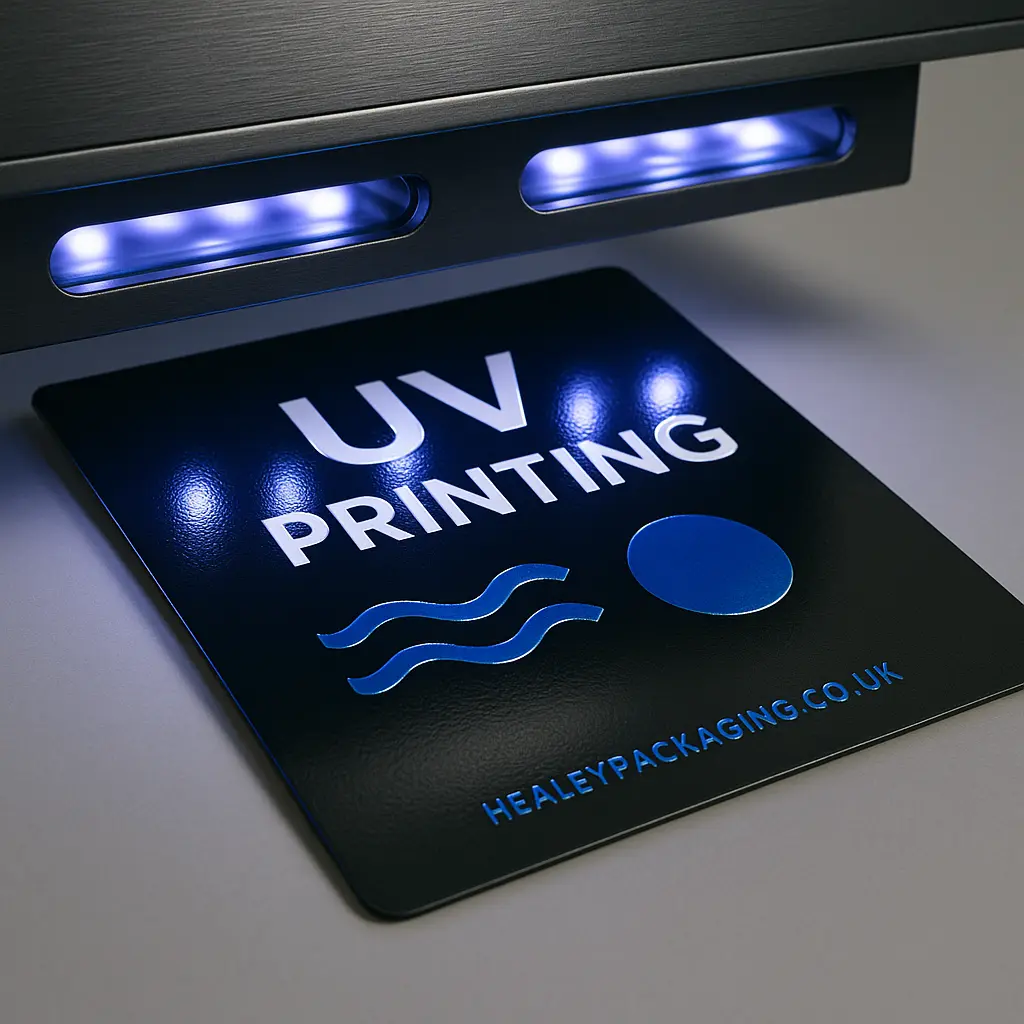
UV-cured inks dry instantly and hold colour density well. Great for coated boards and vibrant retail graphics.
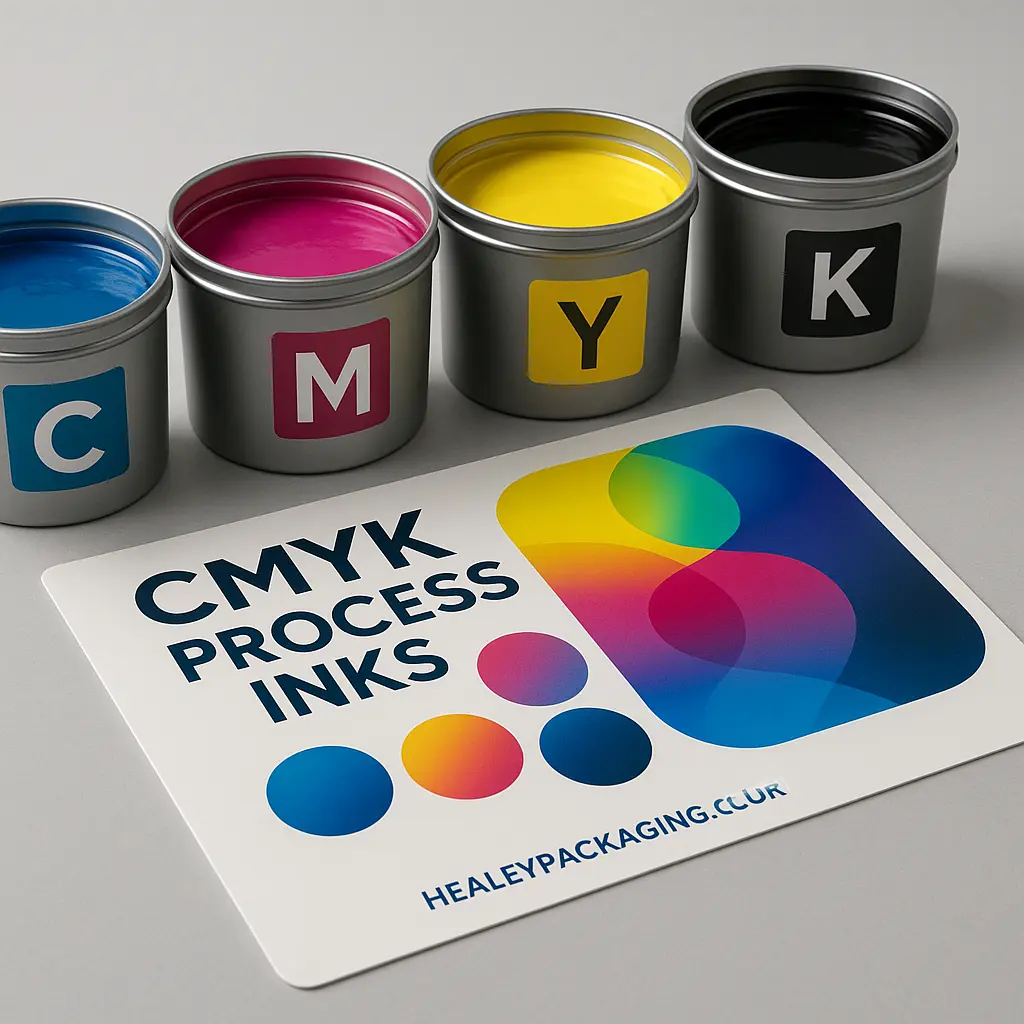
The go-to for full colour artwork, photography, and complex graphics. Great base before special effects.
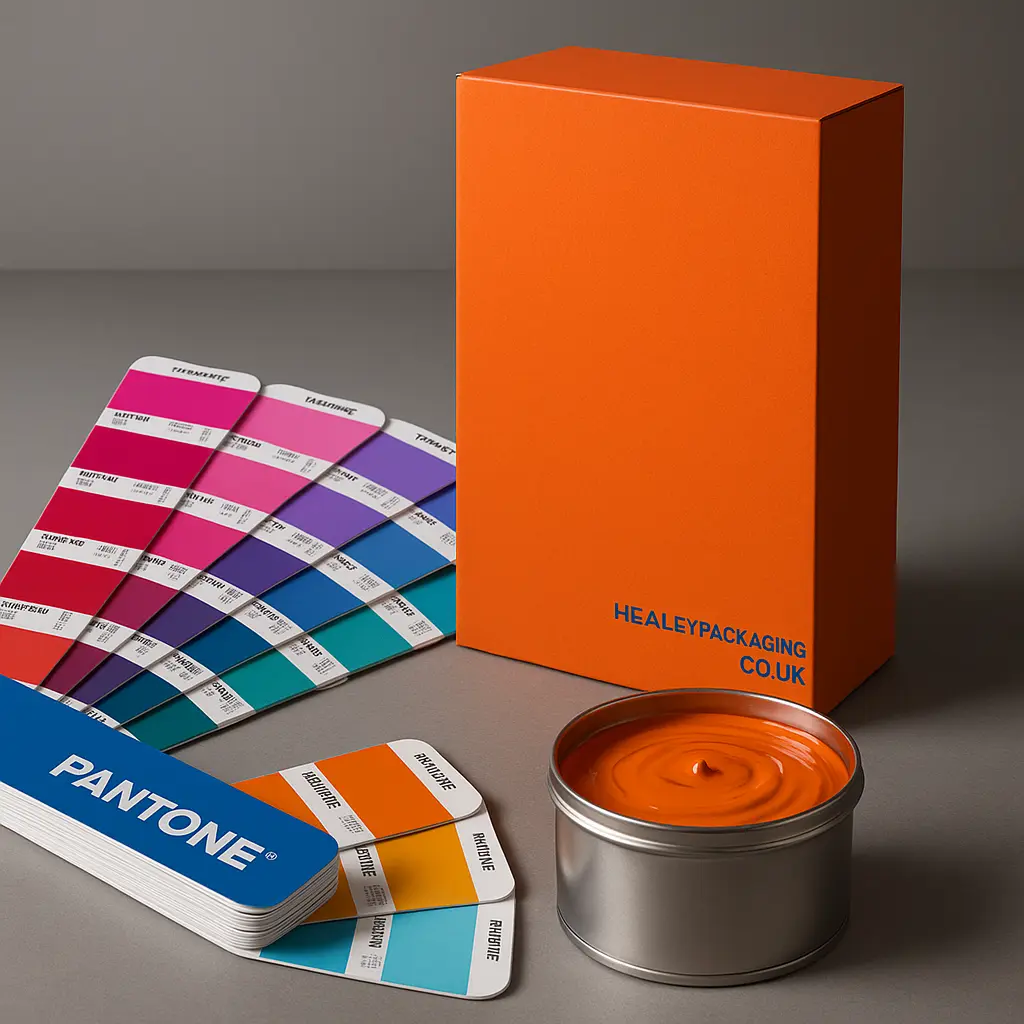
When consistency is non-negotiable. Locks in signature brand colours across materials and runs.
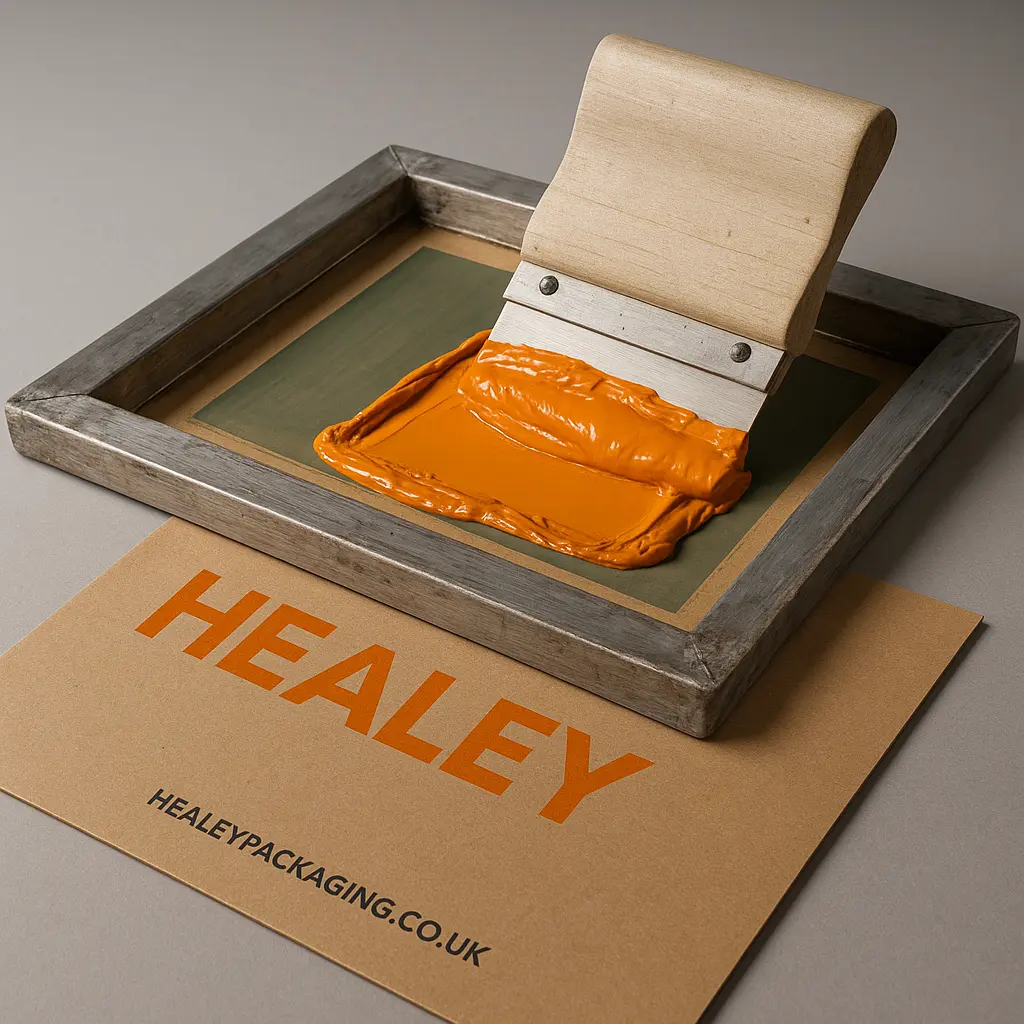
A heavier ink laydown for bold logos and high opacity. Great for darker stocks and simple, confident marks.
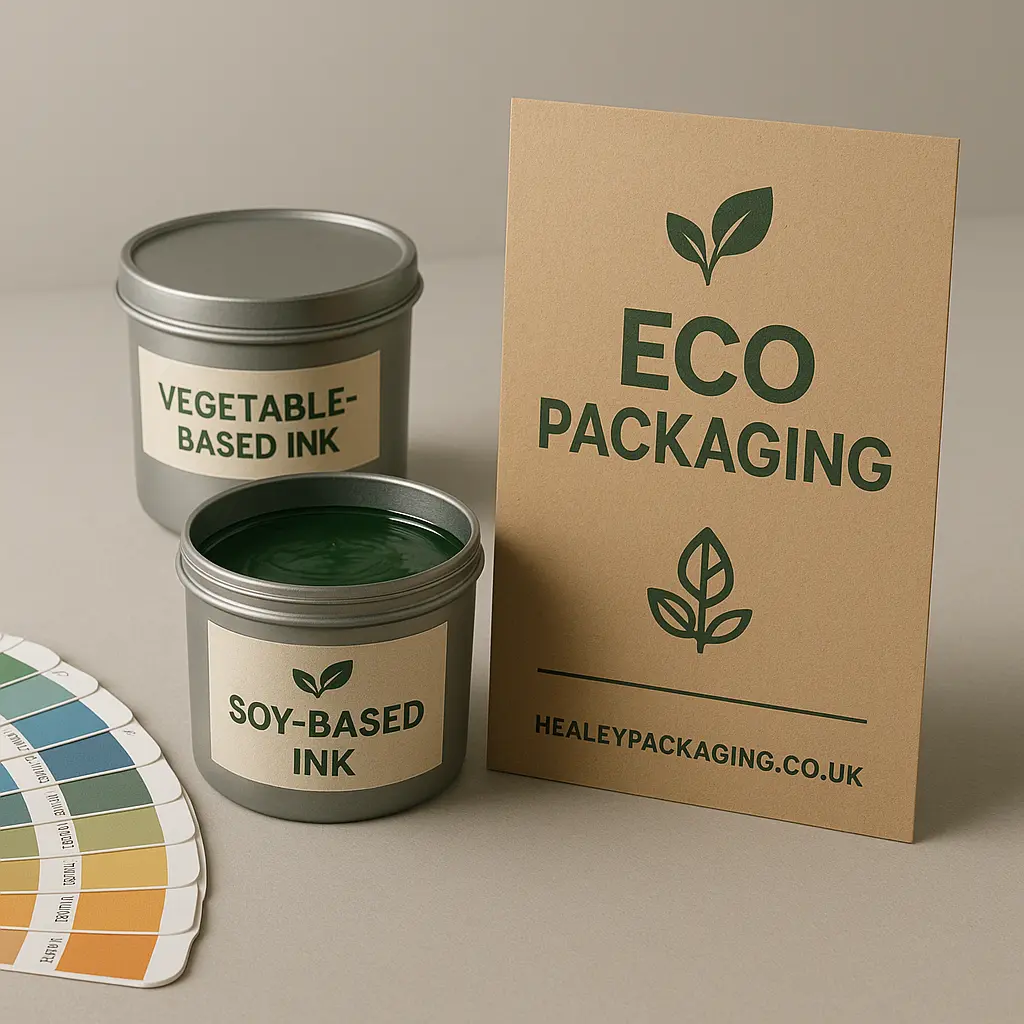
A cleaner alternative often paired with kraft stocks and minimal design. A solid fit for eco-led packaging projects.
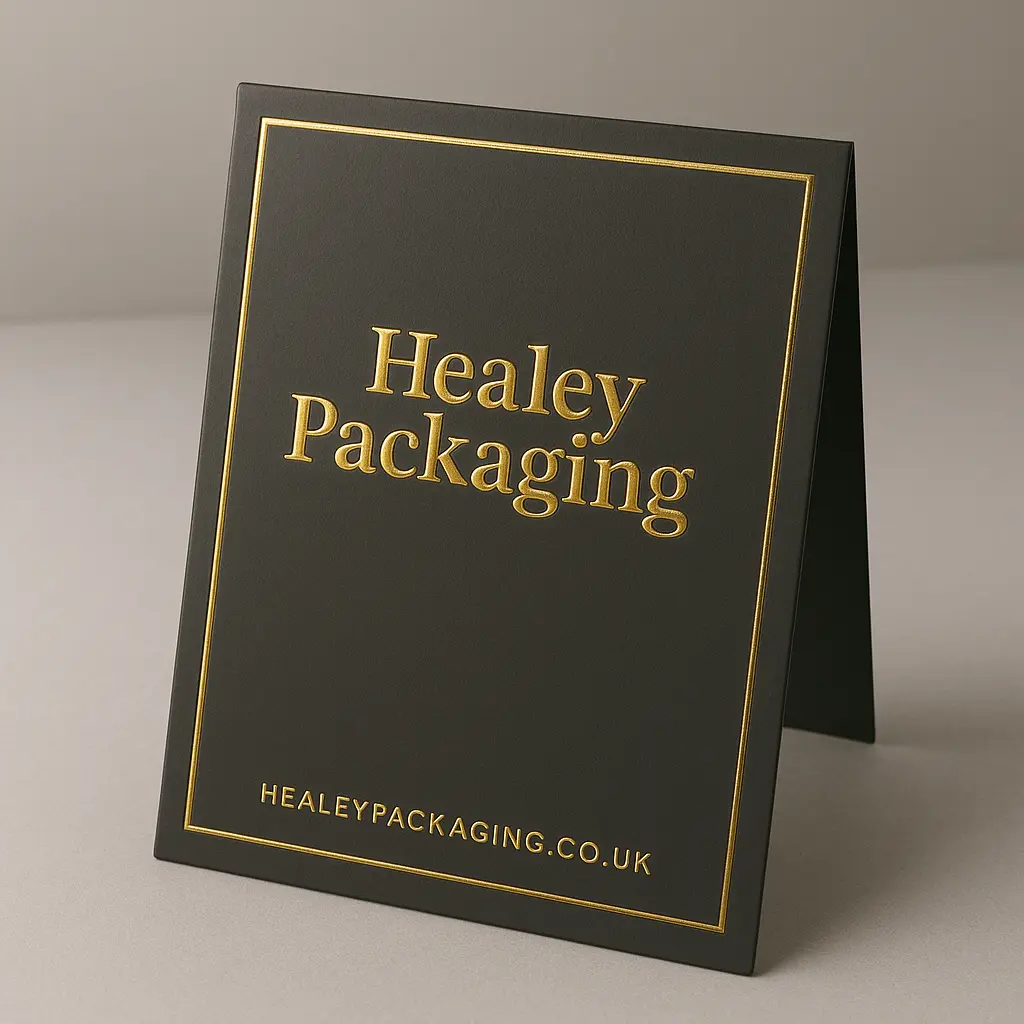
Warm metallic detail for logos, names and premium accents.
Clean metallic highlight for luxury and technical branding.
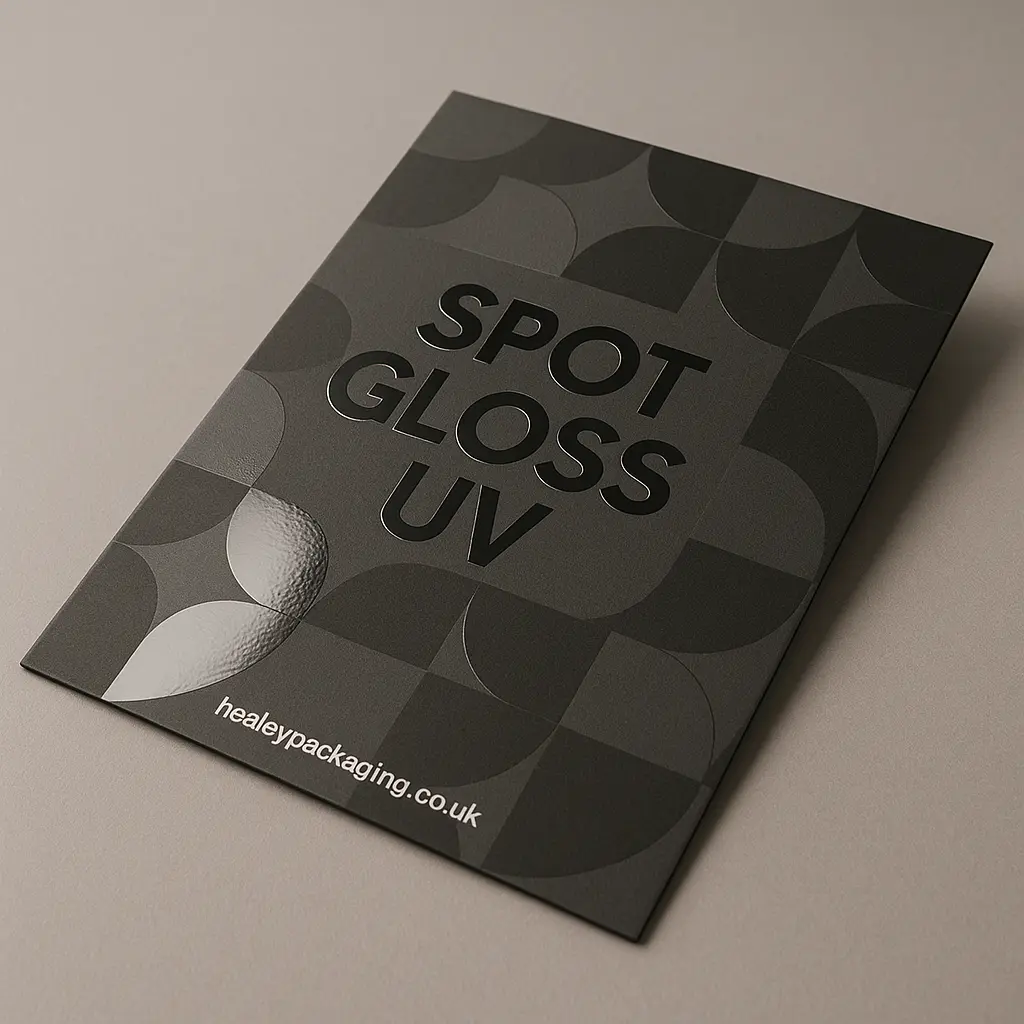
Gloss contrast applied to selected artwork areas.
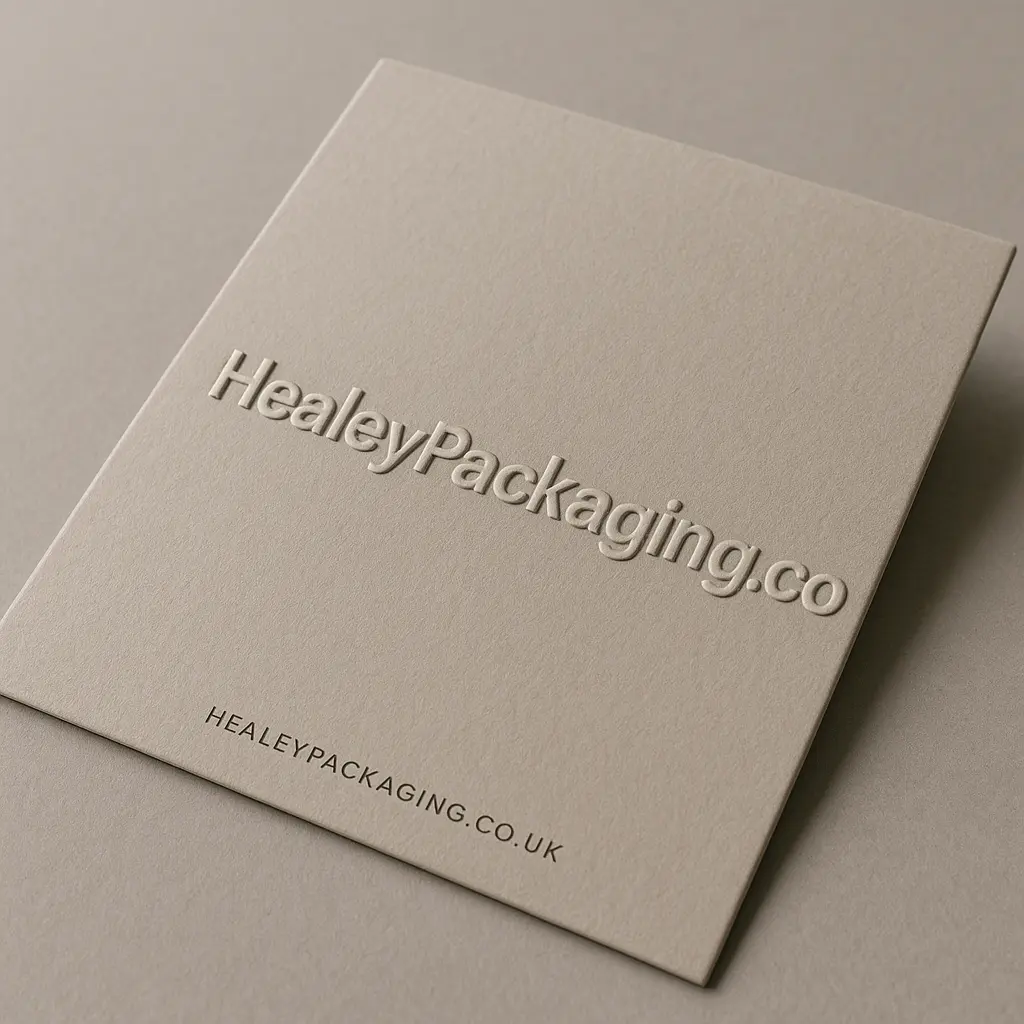
Raised texture for tactile logos and brand marks.
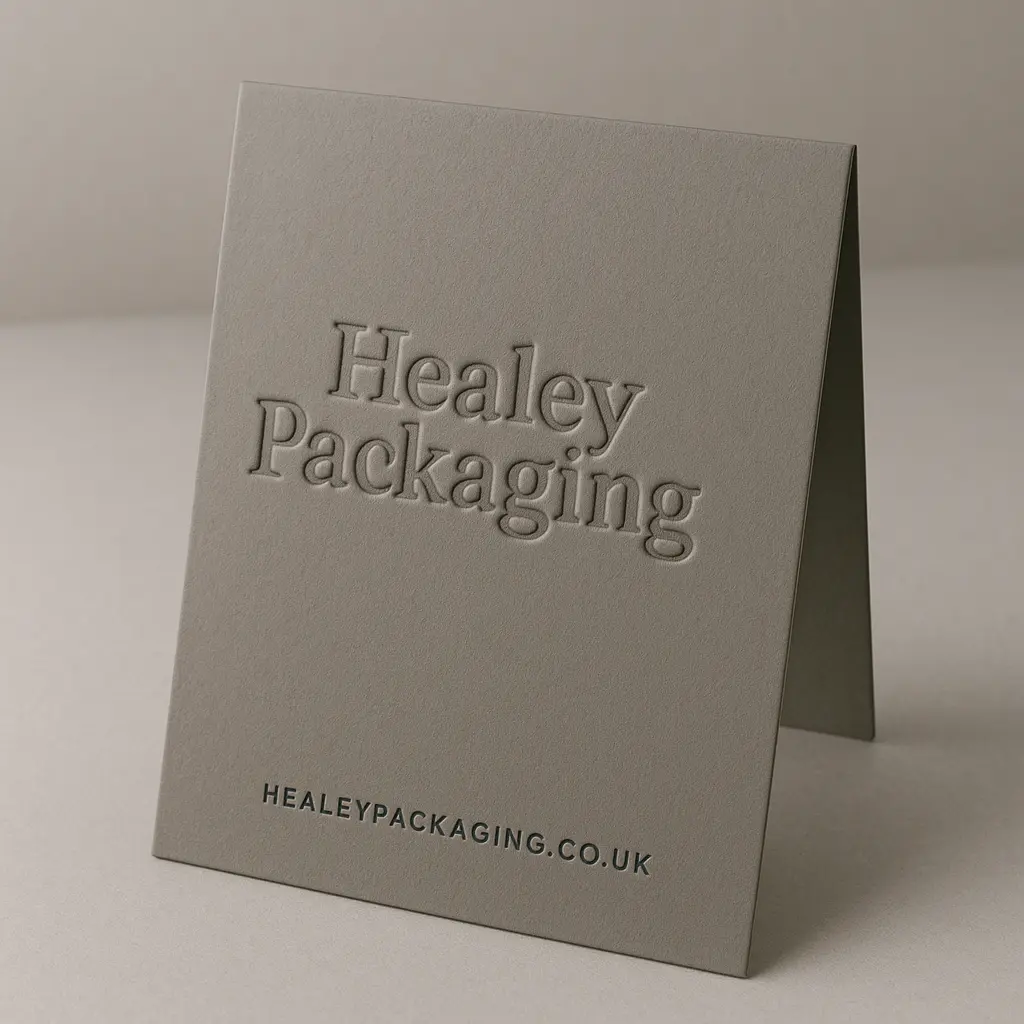
Pressed detail for understated depth and texture.
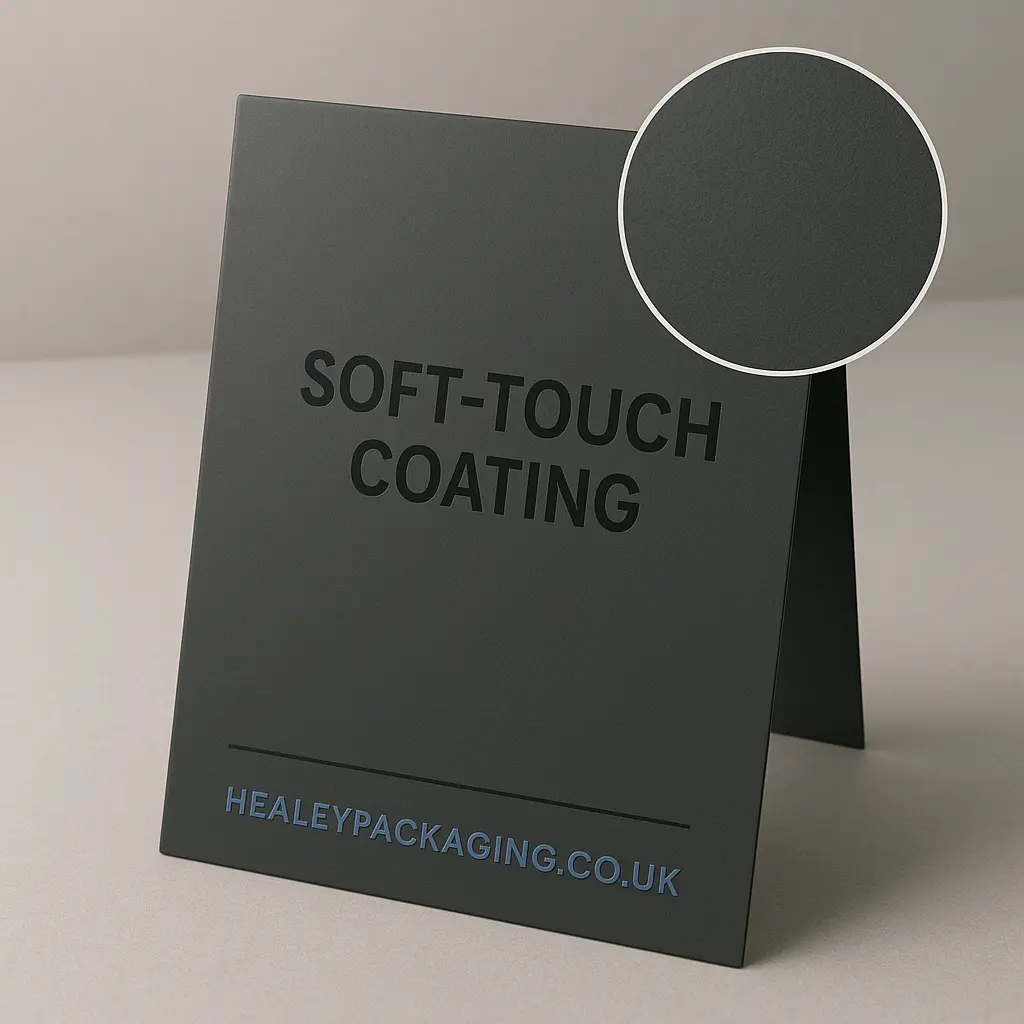
Smooth tactile coating for premium handling.
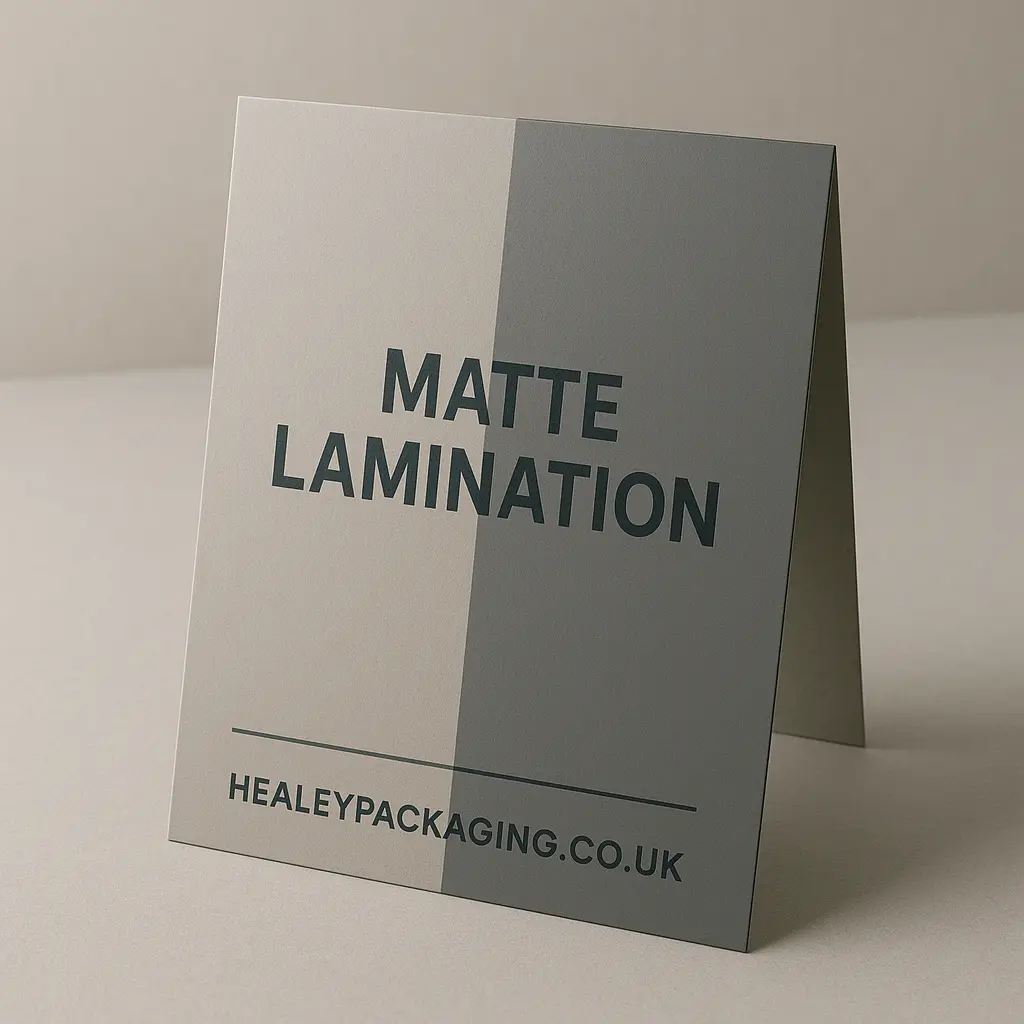
Low-shine surface for modern, refined packaging.
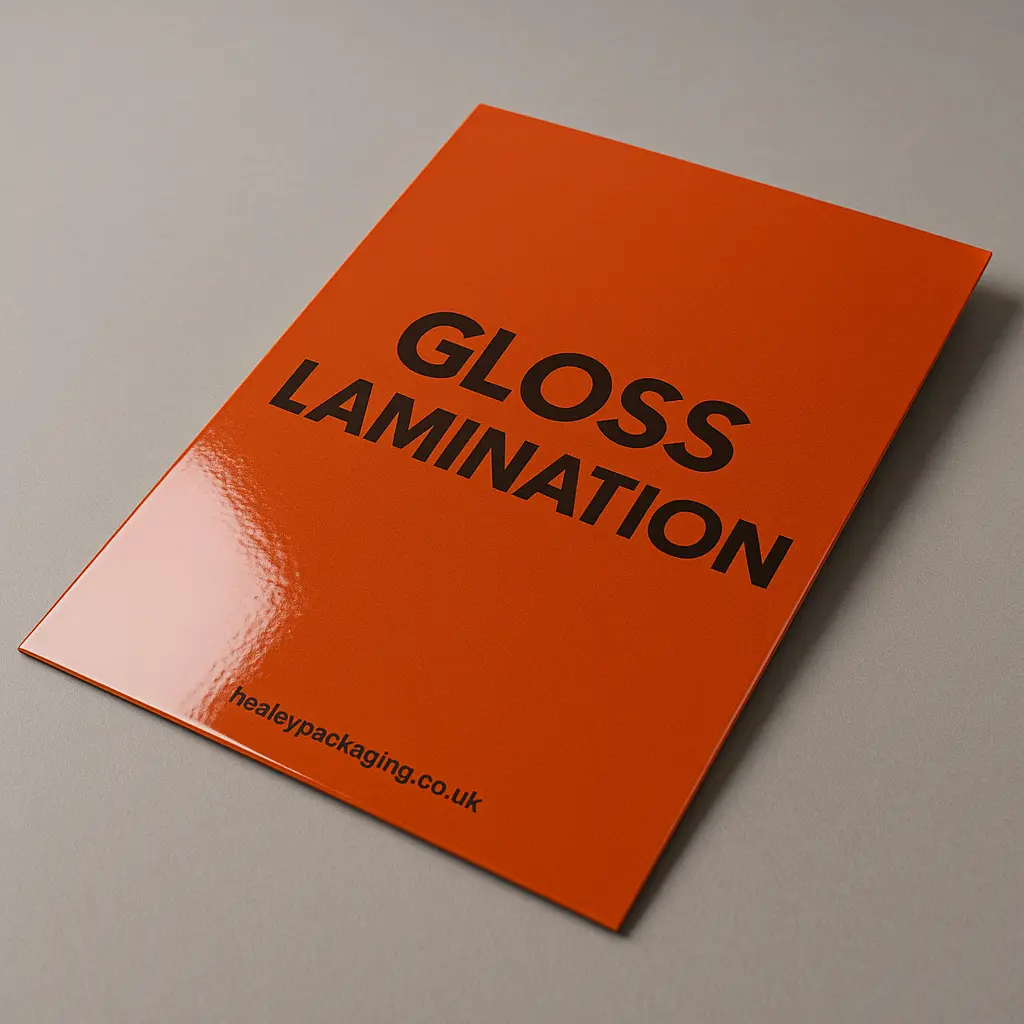
Bright protective surface for stronger colour impact.
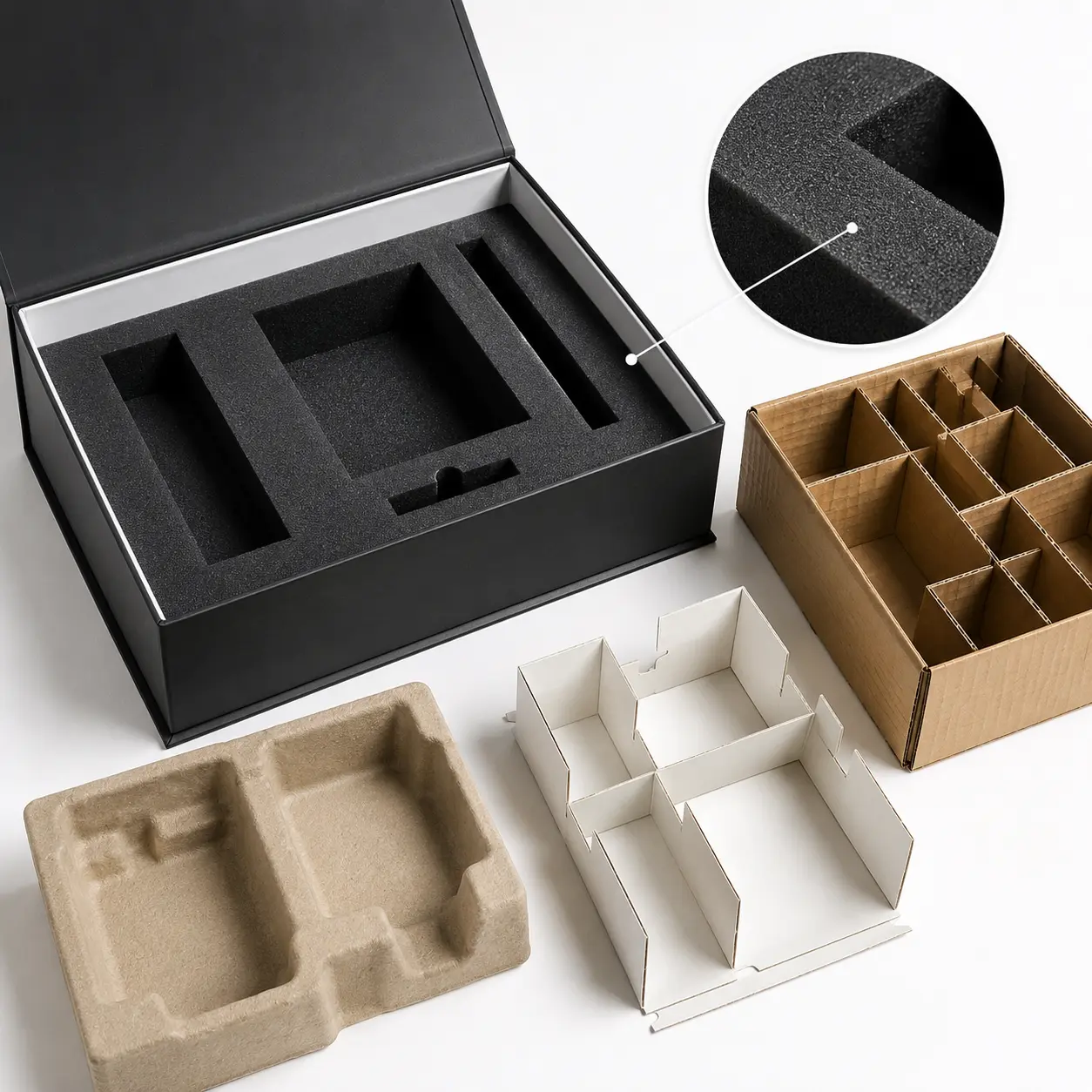
Hold products neatly in place during display and shipping.
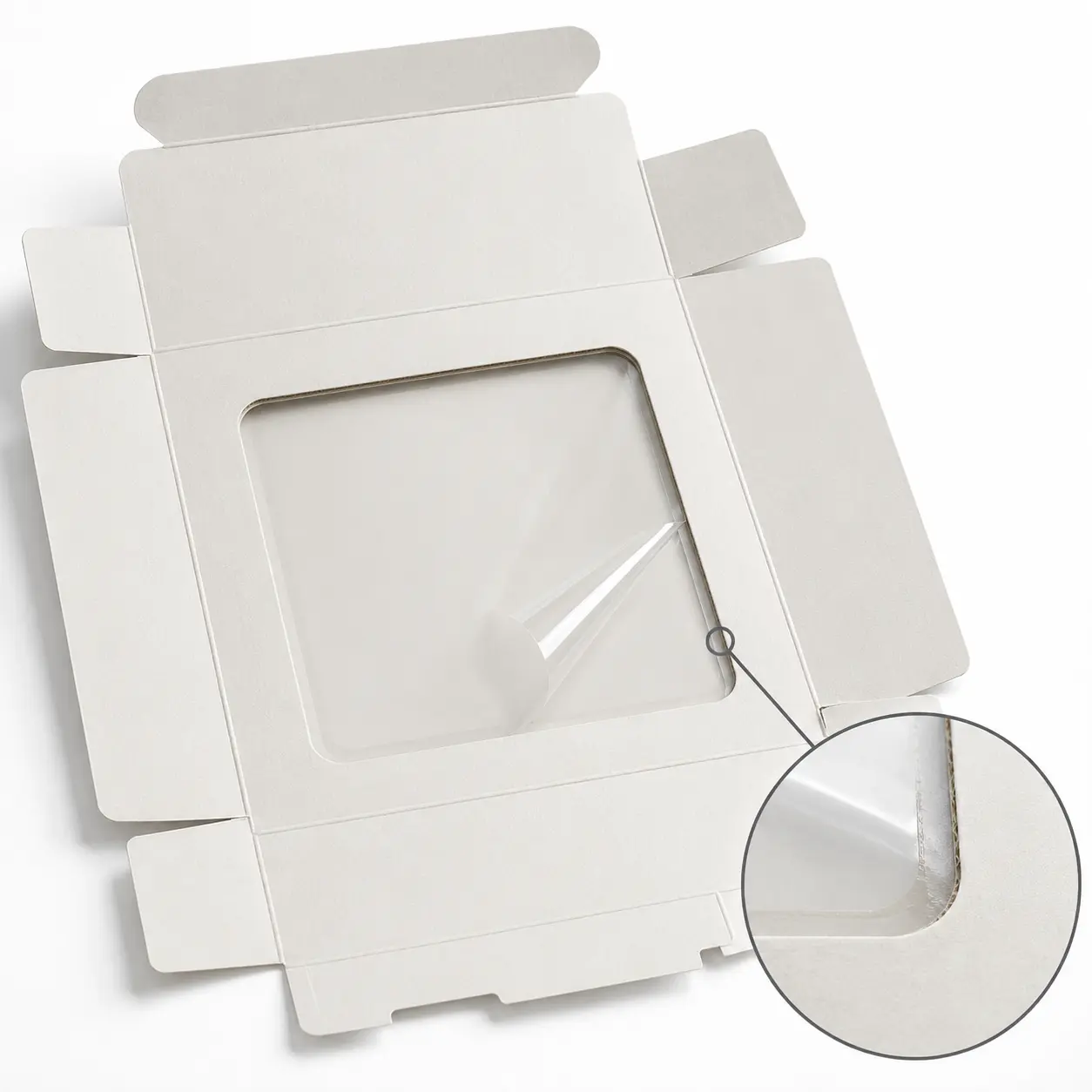
Show the product while keeping packaging structured.
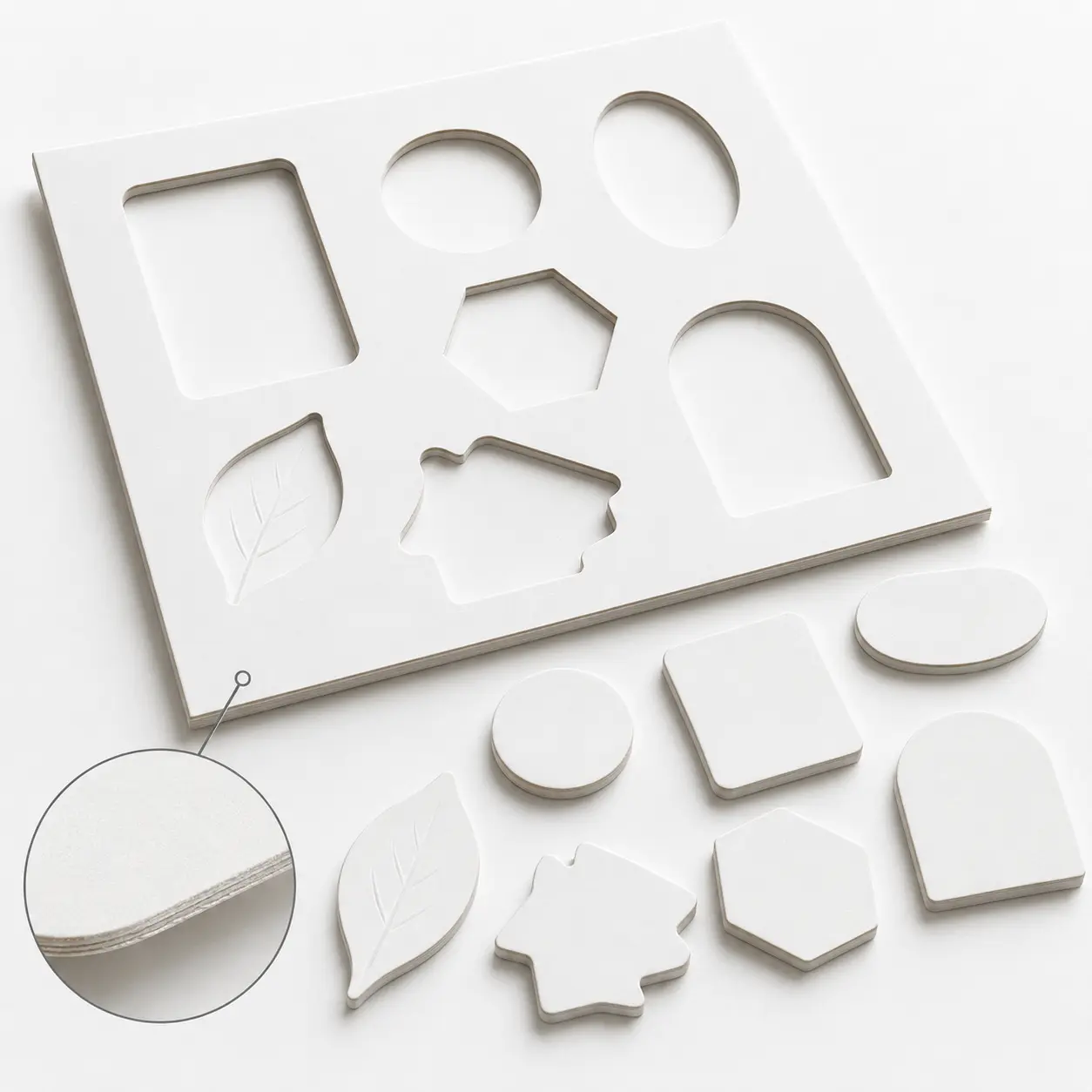
Create custom openings, contours and display details.
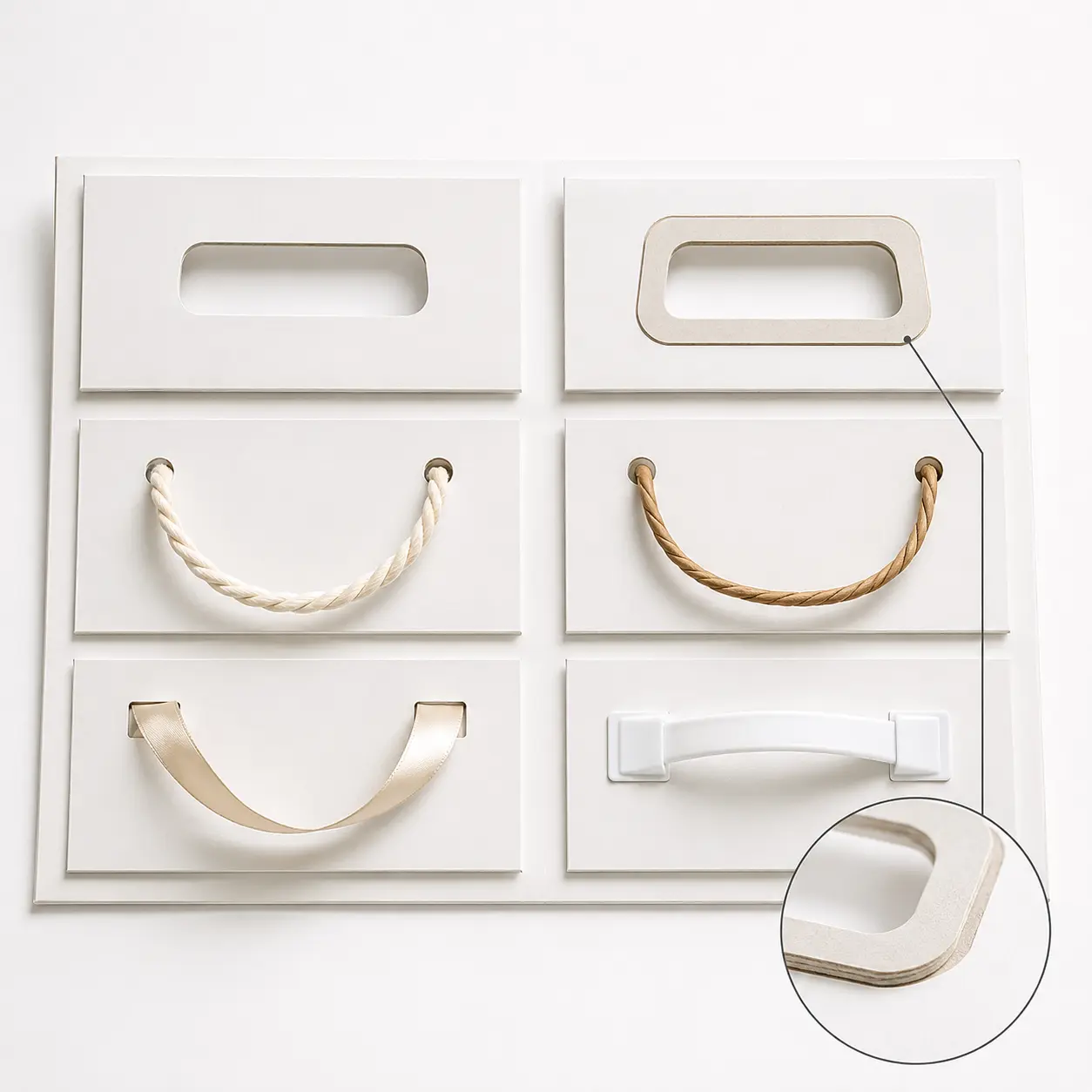
Add carry-friendly structure for selected box styles.
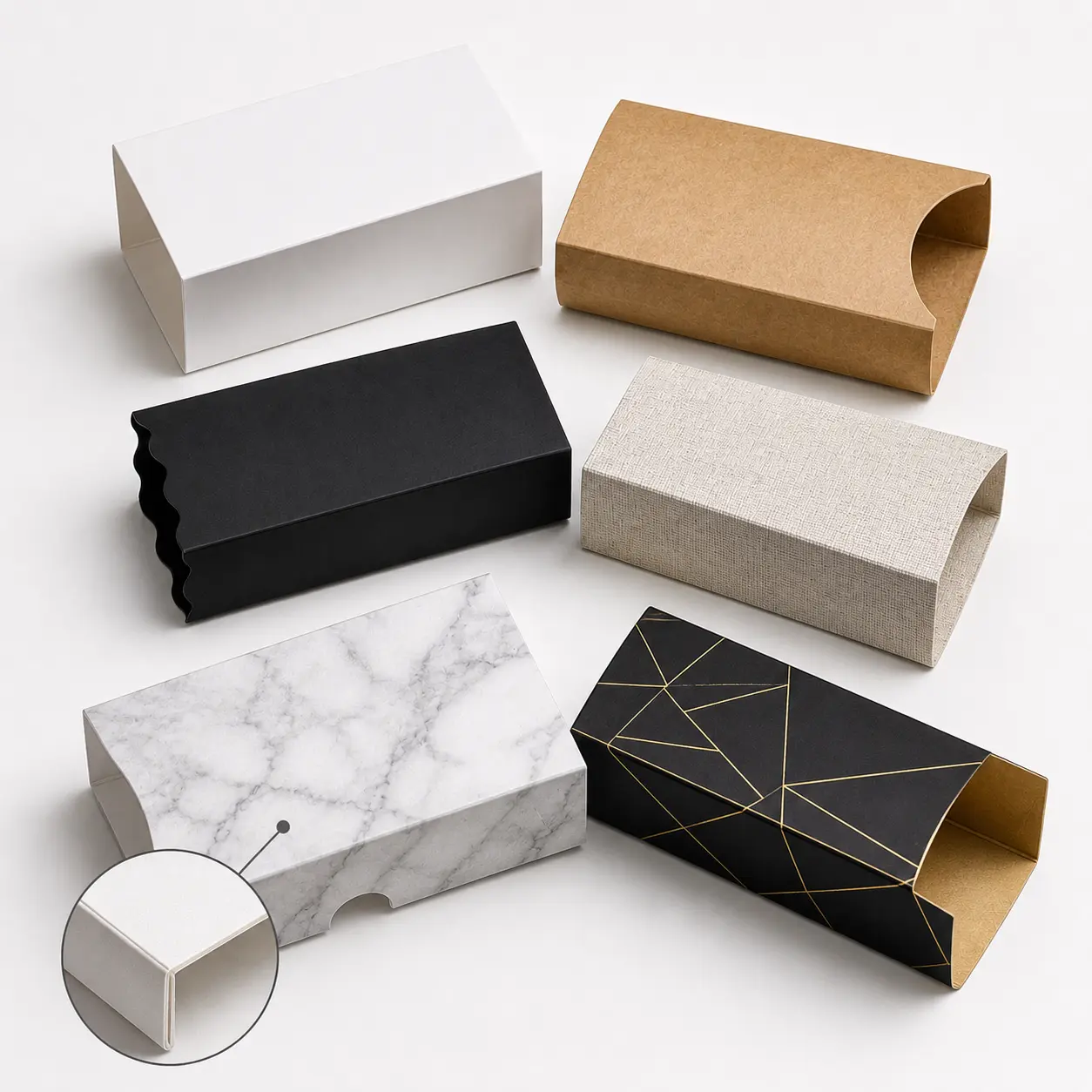
Add a branded outer layer around trays, boxes or products.
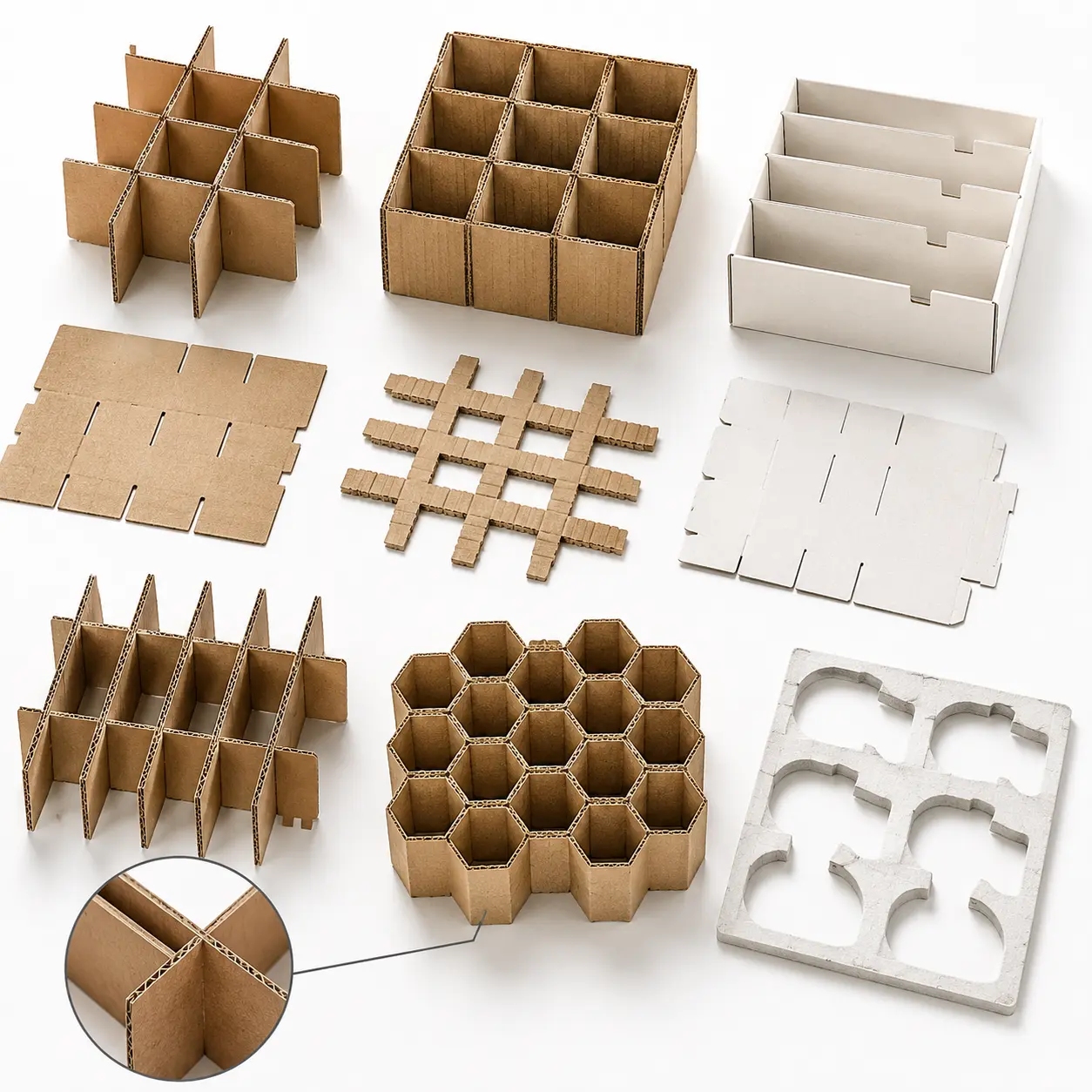
Separate multiple items inside one package.
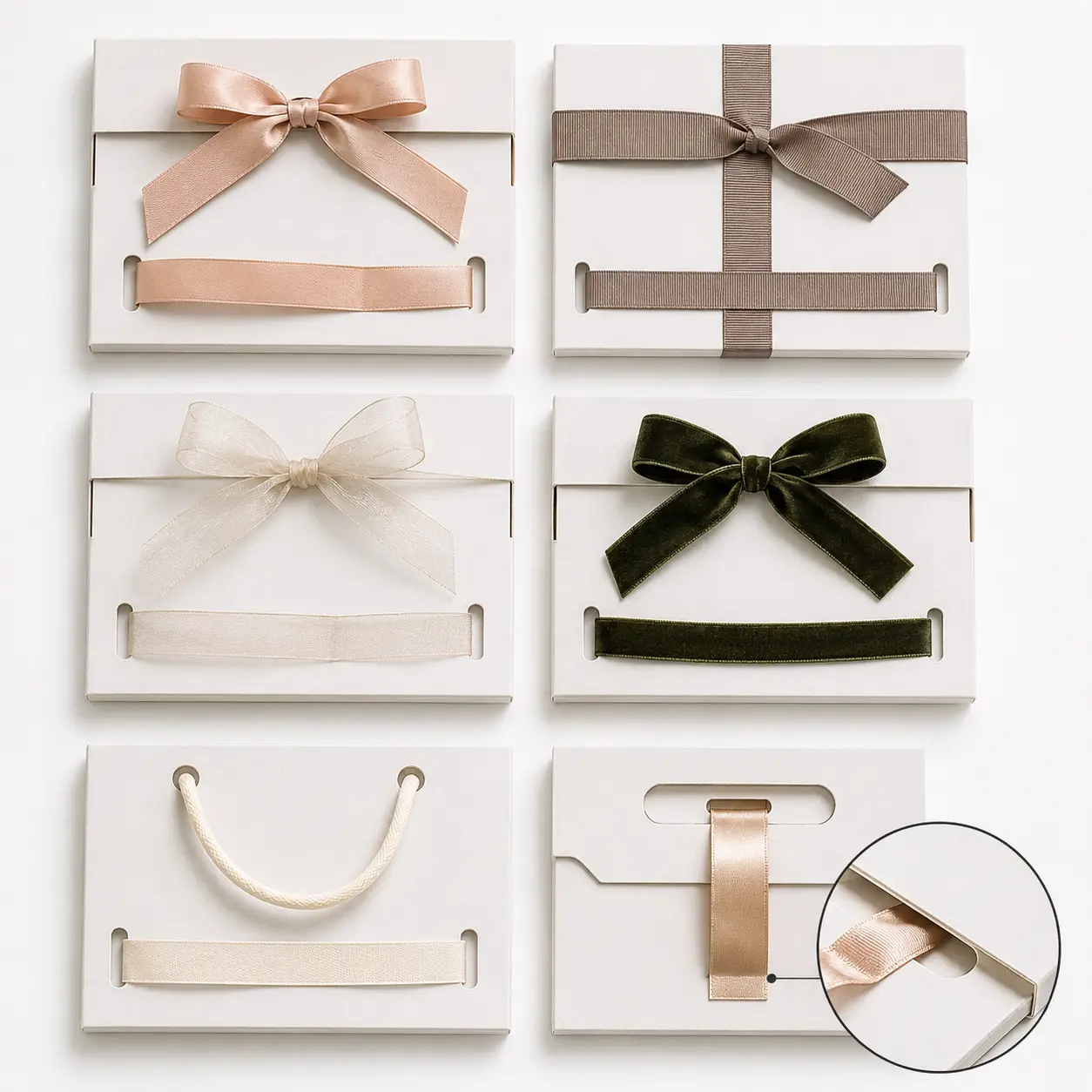
Add a gift-ready finishing detail where suitable.
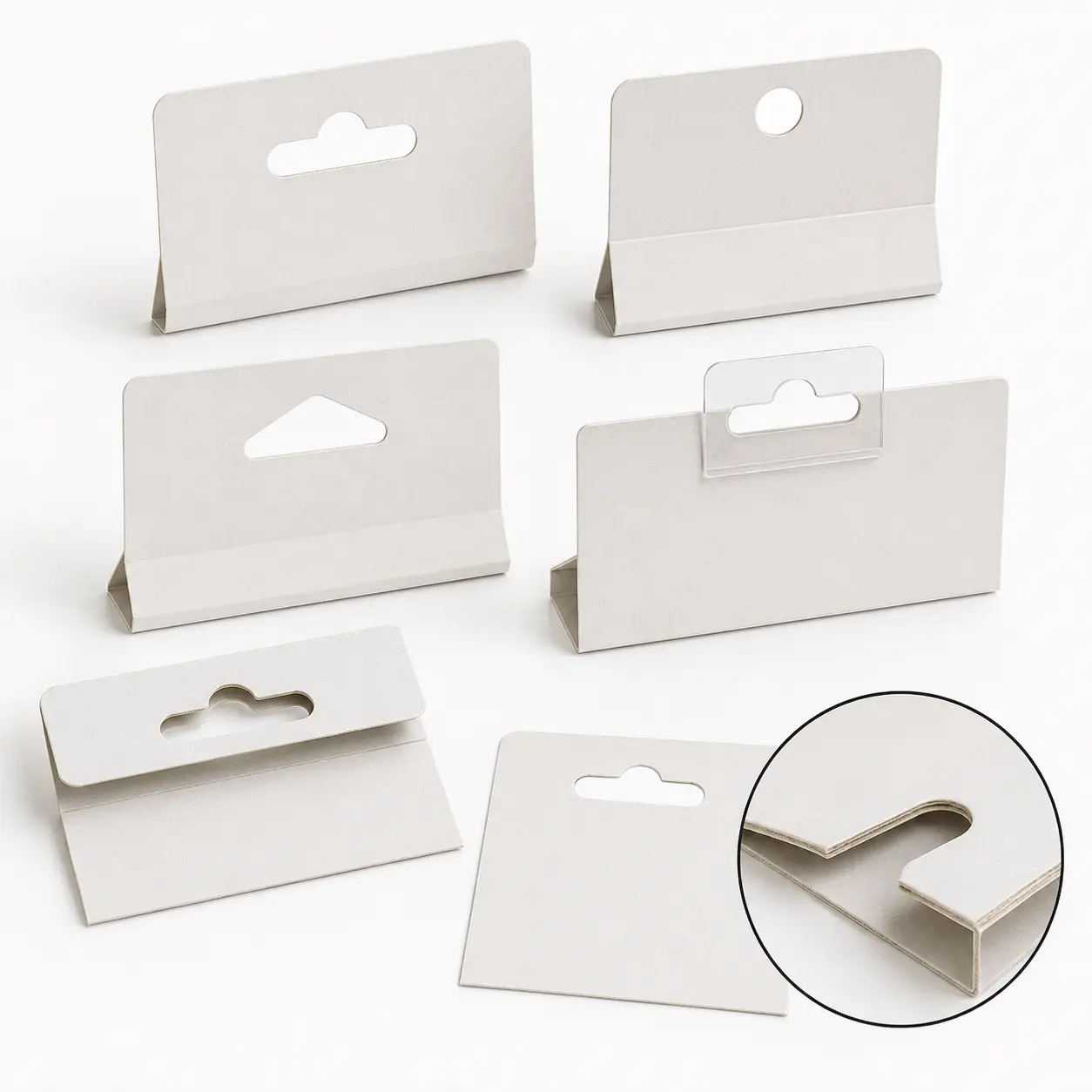
Support selected retail display requirements.
Product benefits
Recent packaging work
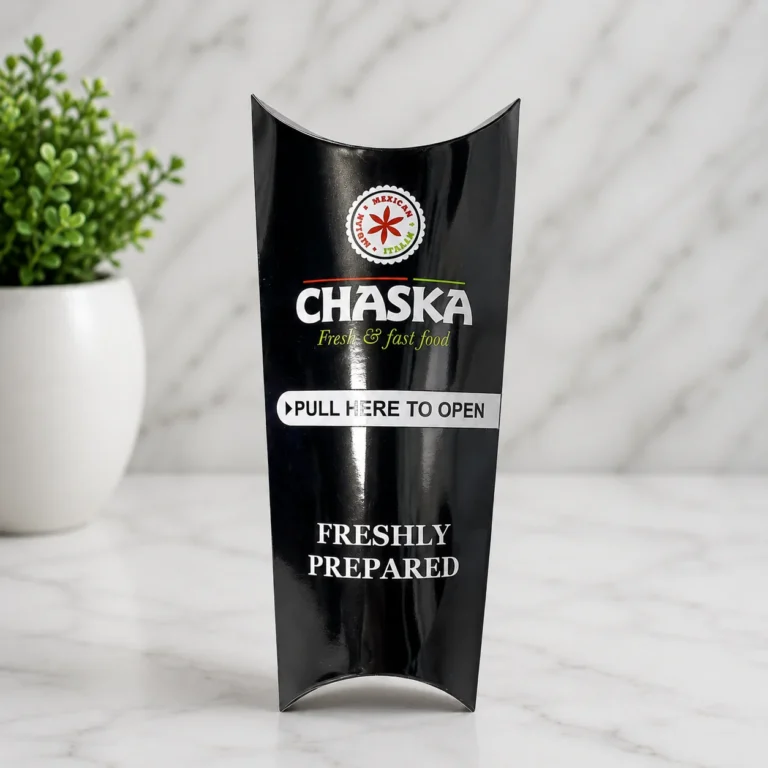
Pillow-style sleeve for Shawarma
CHASKA needed a custom pillow-style sleeve for shawarma packaging with a shaped structure, food-safe material, branded outside print,…
View Project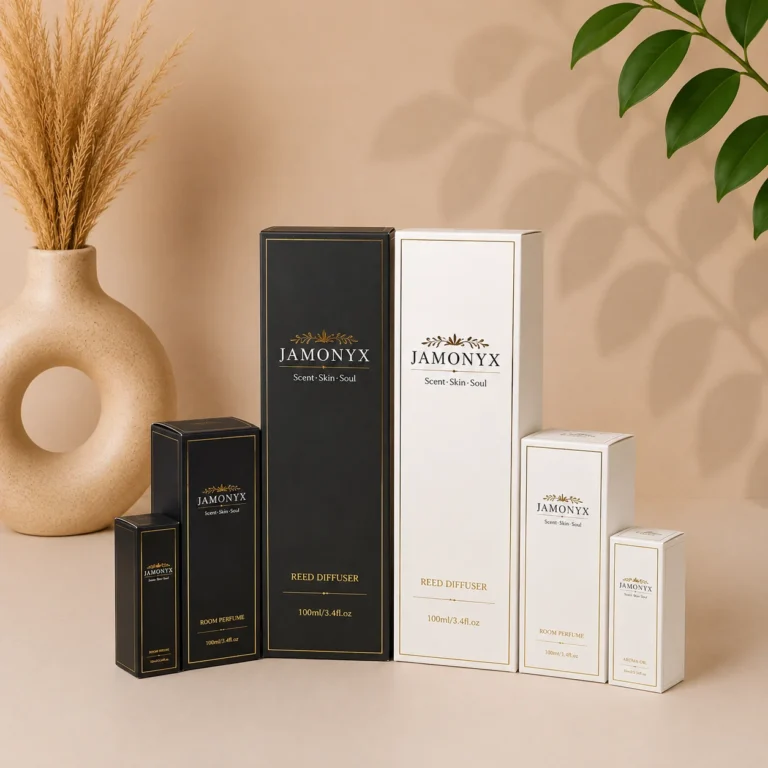
Style Reverse Tuck Box
JAMONYX needed premium reverse tuck folding carton boxes for a luxury fragrance and self-care product range. Healey Packaging…
View Project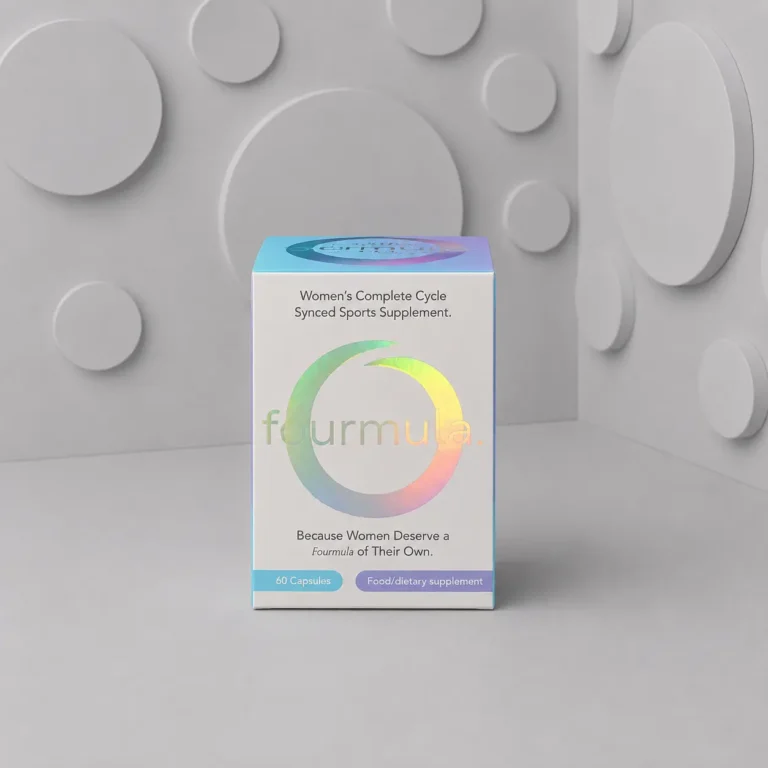
Custom folding carton / supplement box
Fourmula needed compact supplement boxes with premium holographic detailing, starting with physical samples before moving into a 1,000-box…
View Project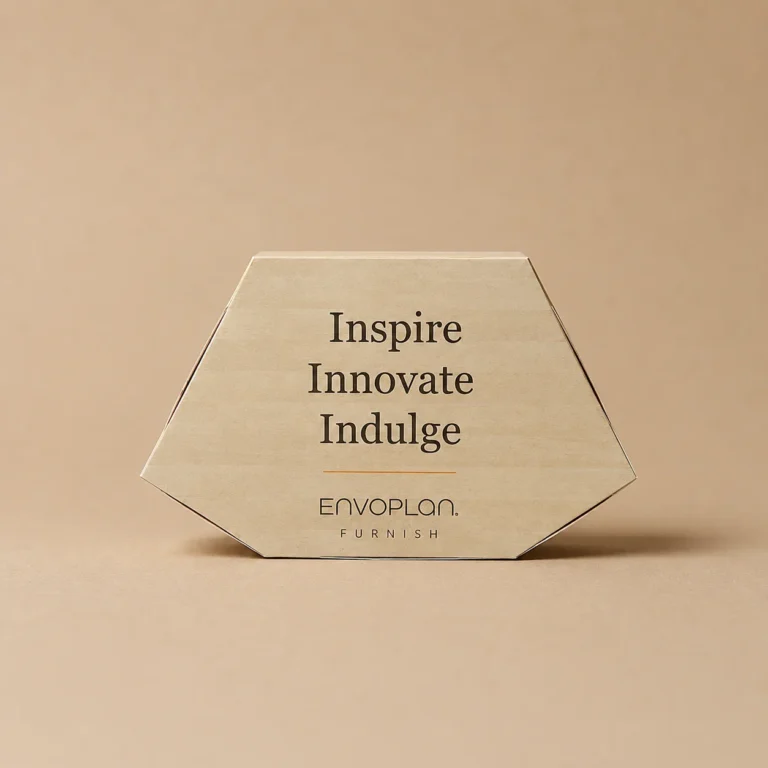
Custom shaped folding sweet box / polygon event giveaway box
Envoplan Furnish needed a bespoke shaped box to hold sweets for events and client handouts. Healey Packaging helped…
View ProjectRelated packaging styles


Get premium packaging that protects your product and supports your brand.
Tell us your product, target look, and how you ship. We'll recommend the right board, print, and finish for performance.