
TL;DR – Packaging Printing Methods Explained
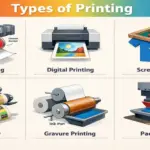
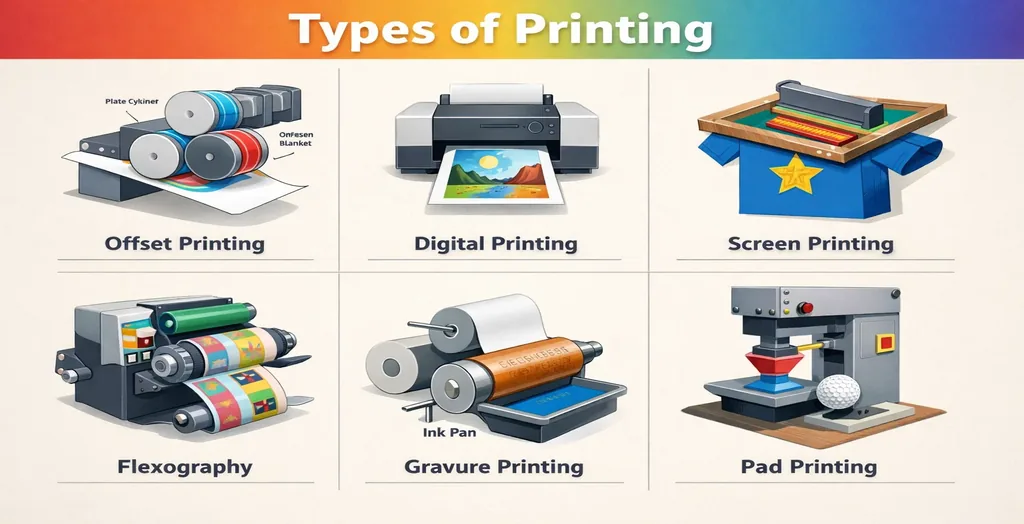
The main types of printing used in packaging include offset printing, digital printing, flexographic printing, screen printing, gravure printing, and UV printing. Offset printing provides the highest print quality for retail packaging, digital printing works best for short runs, and flexographic printing is commonly used for corrugated shipping boxes. The best method depends on order quantity, packaging material, and design complexity.
Packaging today does far more than protect a product during shipping. For many brands, packaging is one of the most powerful marketing tools available. The colours, textures, and finishes on a box can influence how customers perceive quality, value, and professionalism.
The printing method used to produce packaging plays a major role in achieving the right visual impact. Different printing technologies offer different levels of detail, colour accuracy, cost efficiency, and production speed. Choosing the wrong method can increase costs or limit design quality.
Understanding the types of printing used in packaging helps businesses choose the best solution for their products, whether they need high-volume retail packaging, short-run custom boxes, or durable shipping cartons.
In this guide, we explain the most common packaging printing methods, how they work, and when each option is most suitable.
Why Printing Method Matters in Packaging
The printing process used for packaging affects several important factors:
- Brand perception – High-quality printing enhances the perceived value of your product.
- Production cost – Different printing methods vary in setup costs and per-unit pricing.
- Material compatibility – Some printing methods work better on paperboard, while others are ideal for corrugated or flexible materials.
- Order quantities – Certain techniques are better suited for small runs, while others are designed for large-scale production.
- Turnaround time – Faster printing methods are often required for seasonal campaigns or quick product launches.
Choosing the right method ensures your packaging looks professional while staying within budget.
Businesses ordering custom box printing in the UK often evaluate several printing techniques before deciding which option best suits their brand.
1. Offset Printing (Lithographic Printing)
What Is Offset Printing?
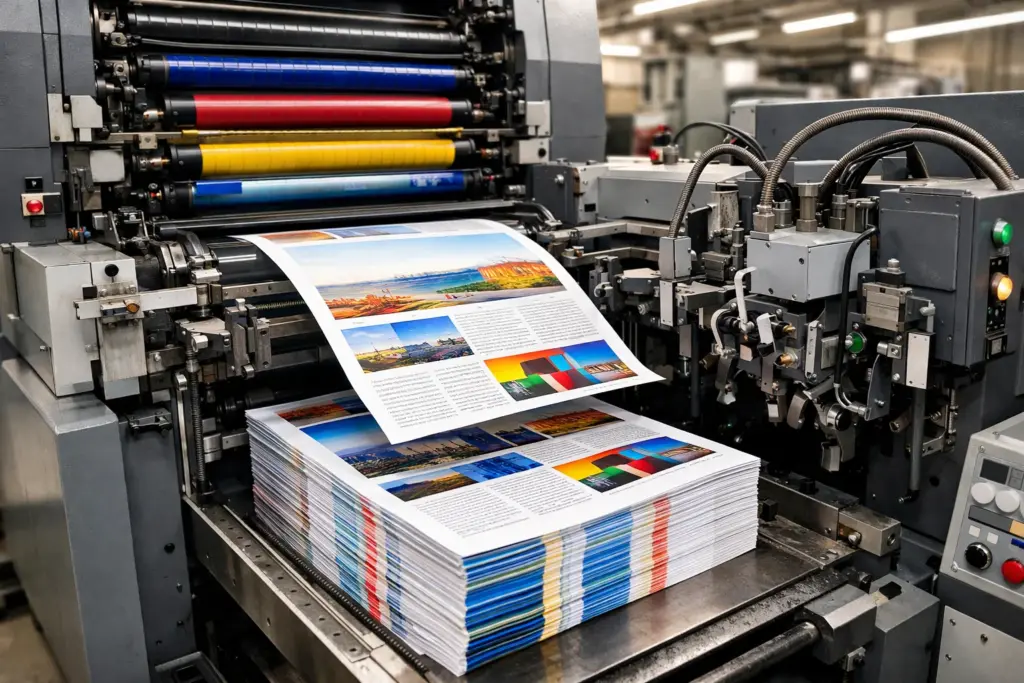
Offset printing, also known as lithographic printing, is one of the most widely used methods in packaging production. The process transfers ink from a metal plate to a rubber blanket and then onto the packaging material.
This method produces extremely sharp and detailed images, making it a popular choice for premium retail packaging.
Key Advantages
- Exceptional print quality
- Accurate colour reproduction
- Ideal for complex graphics and gradients
- Consistent results across large runs
Best Used For
- Retail packaging
- Cosmetic boxes
- Food packaging
- High-volume custom packaging
Offset printing is widely used for offset printing packaging where visual detail and brand consistency are critical.
Limitations
- Higher setup cost due to printing plates
- Not cost-effective for very small runs
2. Digital Printing
What Is Digital Printing?
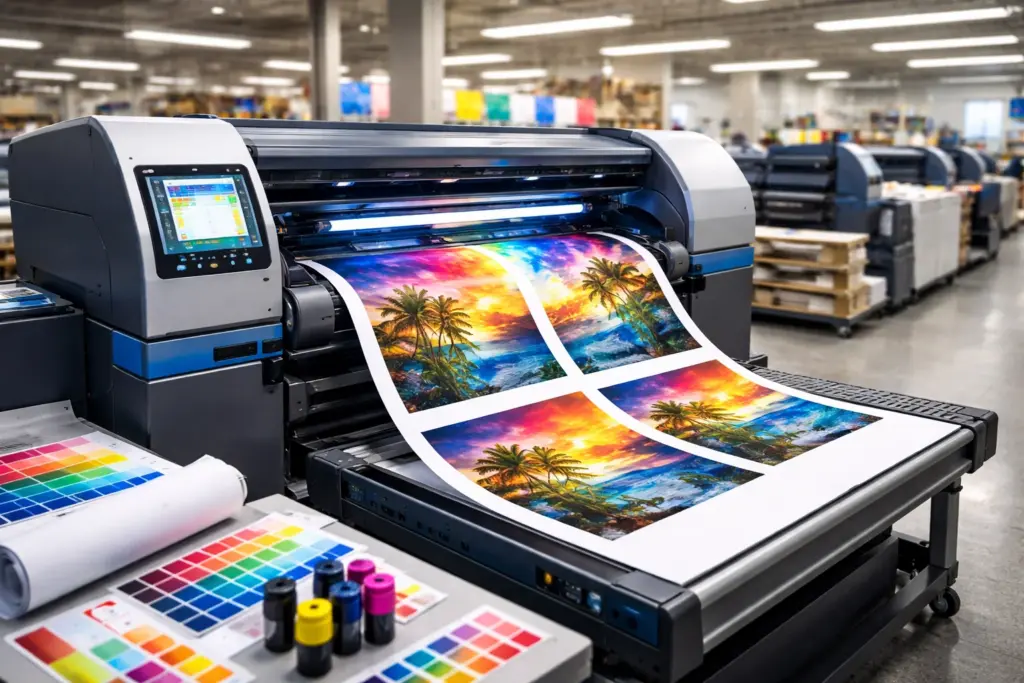
Digital printing transfers artwork directly from a digital file onto the packaging surface without using printing plates. This eliminates the setup time required for traditional methods.
As a result, digital printing is ideal for short runs or rapidly changing designs.
Key Advantages
- Cost-effective for small orders
- Faster production time
- Easy design changes
- No plate setup required
Best Used For
- Small batch packaging
- Prototype boxes
- Seasonal packaging
- Start-up brands
Many businesses exploring digital printing packaging boxes prefer this method when launching new products or testing packaging concepts.
Limitations
- Slightly higher cost per unit for large volumes
- Some limitations with special inks compared to offset
3. Flexographic Printing (Flexo Printing)
What Is Flexographic Printing?
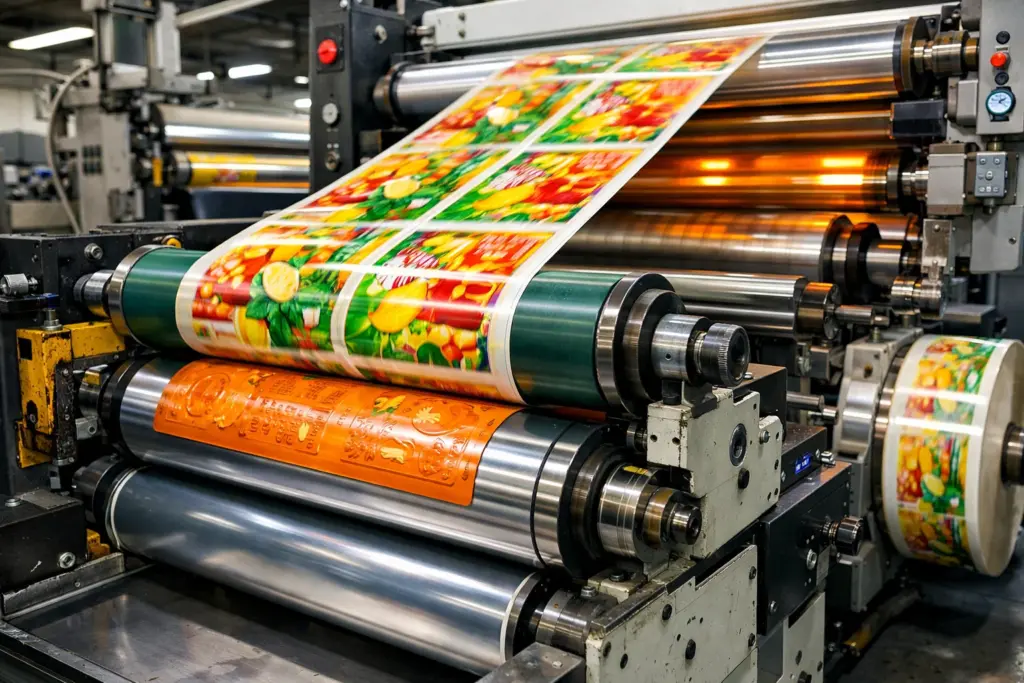
Flexographic printing uses flexible relief plates mounted on rotating cylinders. Fast-drying inks are applied to the printing plates, which then transfer the image onto the packaging material.
This method is widely used in high-speed industrial printing.
Key Advantages
- Suitable for high-volume production
- Works on a variety of materials
- Cost-effective for large runs
- Efficient production speeds
Best Used For
- Corrugated packaging
- Food packaging
- Labels and flexible packaging
Most corrugated packaging boxes use flexographic printing packaging due to its efficiency and compatibility with fluted materials.
4. Screen Printing
What Is Screen Printing?
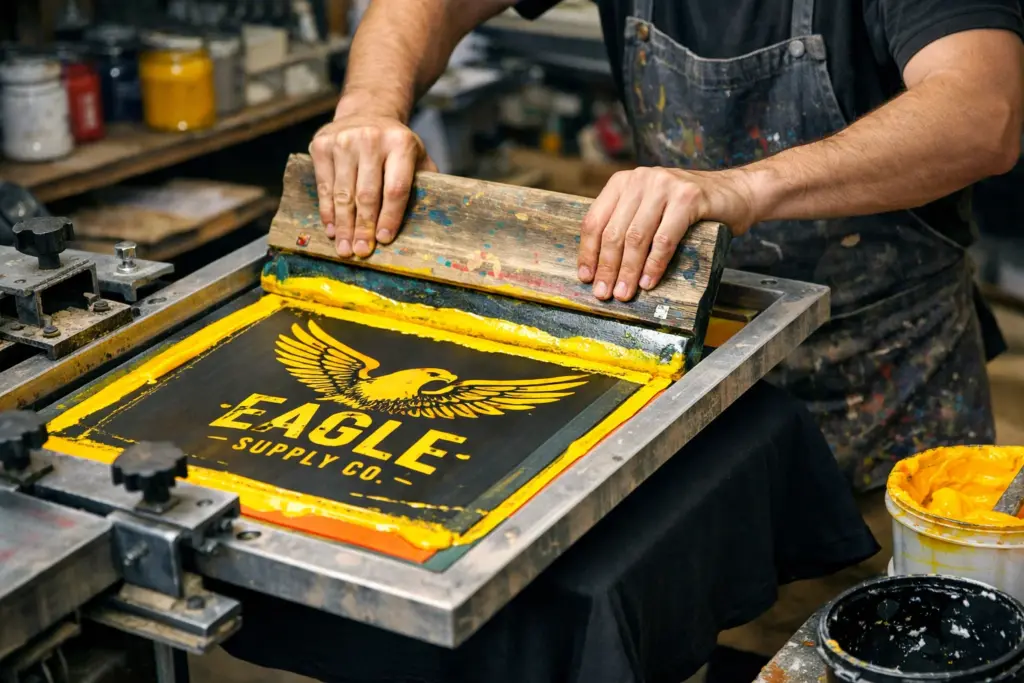
Screen printing involves pushing ink through a mesh stencil onto the packaging surface. The stencil controls where ink is applied, allowing thick layers of colour.
This technique is often used for specialised packaging designs.
Key Advantages
- Vibrant colours
- Thick ink coverage
- Works on unusual surfaces
- Suitable for textured packaging
Best Used For
- Speciality packaging
- Luxury packaging designs
- Textured packaging materials
Limitations
- Slower production process
- Not ideal for large production runs
5. Gravure Printing
What Is Gravure Printing?
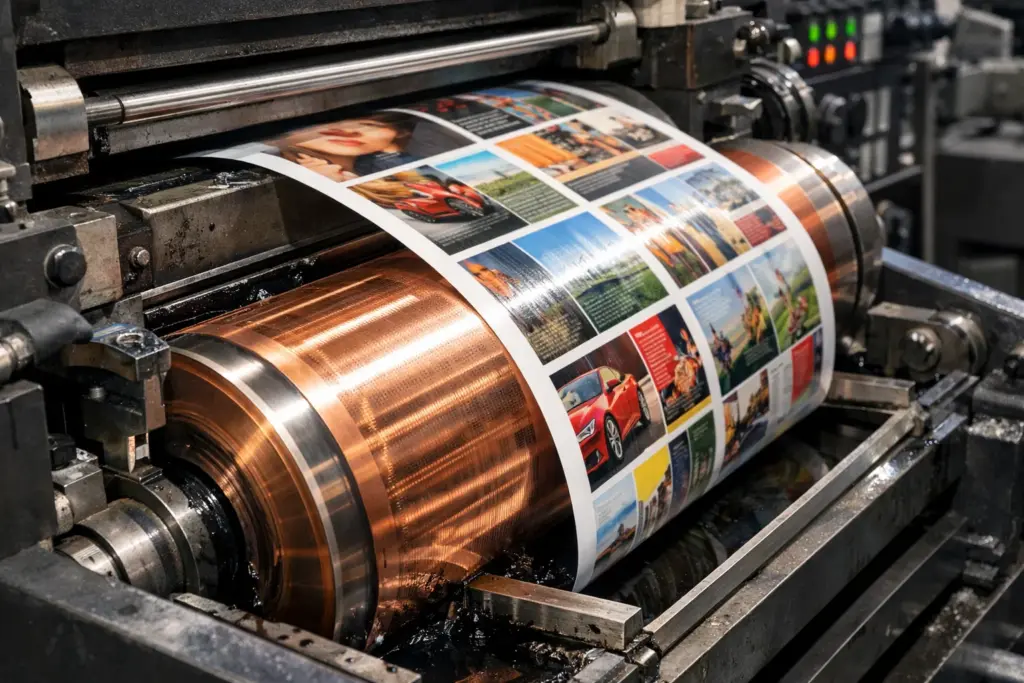
Gravure printing uses engraved metal cylinders to transfer ink onto the packaging material. Each cylinder contains tiny recessed cells that hold the ink.
This technique is commonly used in high-volume industrial printing.
Key Advantages
- Extremely consistent print quality
- High image precision
- Ideal for very large production runs
Best Used For
- Flexible packaging
- Premium packaging production
- Large-scale packaging manufacturing
Limitations
- High initial setup cost
- Not suitable for small runs
6. UV Printing
What Is UV Printing?
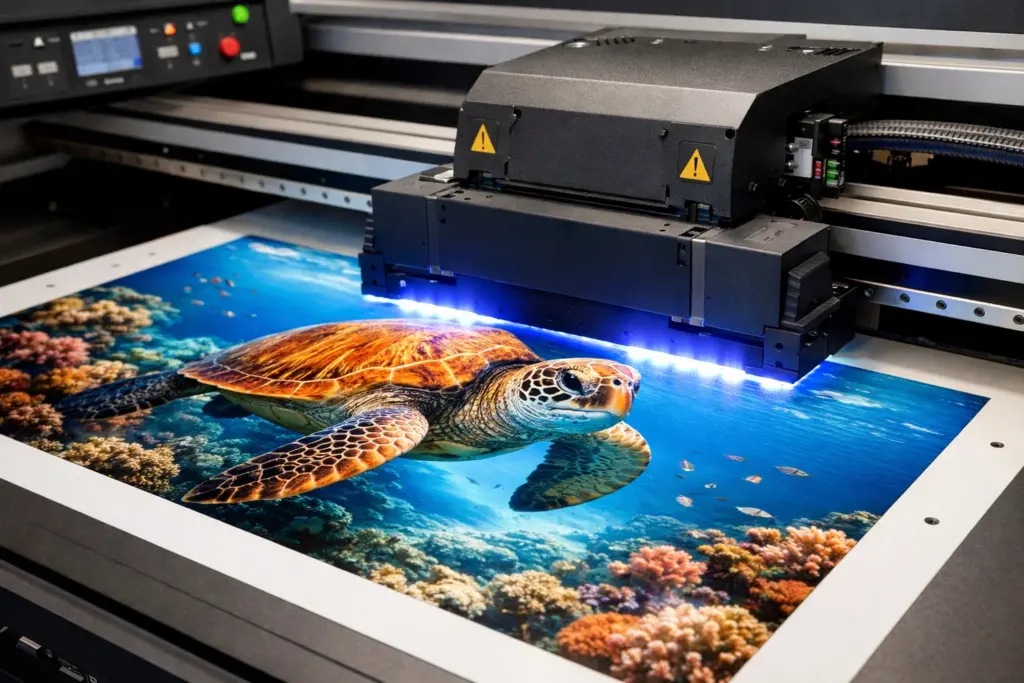
UV printing uses ultraviolet light to cure ink instantly as it is applied to the surface. This rapid curing process produces durable and vibrant results.
Key Advantages
- Strong colour vibrancy
- Highly durable print
- Premium glossy finish
- Quick drying process
Best Used For
- Luxury packaging
- Promotional packaging
- High-impact retail boxes
UV printing is often combined with specialty finishes to create standout packaging.
Comparison of Packaging Printing Methods
| Printing Method | Best For | Cost | Print Quality | Ideal Quantity |
|---|---|---|---|---|
Offset |
Retail packaging |
Medium |
Very High |
Large runs |
Digital |
Small batches |
Medium |
High |
Low to medium |
Flexographic |
Corrugated boxes |
Low |
Medium |
Large runs |
Screen |
Speciality packaging |
High |
High |
Small runs |
Gravure |
Flexible packaging |
High setup |
Very High |
Massive runs |
This comparison helps businesses evaluate the printing techniques for packaging based on their production needs.
How to Choose the Right Printing Method for Your Packaging
Selecting the correct printing method depends on several factors:
Order Quantity
Large production runs typically benefit from offset or flexographic printing. Smaller runs may be more cost-effective with digital printing.
Packaging Material
Different materials require different printing processes. Paperboard cartons may use offset printing, while corrugated boxes often rely on flexographic printing.
Design Complexity
Detailed graphics and gradients require high-resolution printing methods such as offset.
Budget
Some methods have higher setup costs but lower per-unit pricing for large quantities.
Turnaround Time
Digital printing is usually the fastest solution for short production cycles.
Printing Finishes That Enhance Packaging
Printing is only part of the packaging design process. Various finishing techniques can enhance visual impact.
Common finishing options include:
- Foil stamping
- Embossing and debossing
- Spot UV coating
- Matte lamination
- Gloss lamination
These finishes are often used alongside printing methods to create premium retail packaging designs.
Common Printing Mistakes Brands Should Avoid
Even well-designed packaging can suffer if technical details are overlooked.
Common mistakes include:
- Using low-resolution artwork
- Designing in RGB instead of CMYK colour mode
- Ignoring bleed areas in artwork files
- Creating overly complex designs for flexographic printing
Working with experienced packaging specialists can help avoid these production issues.
Why Choose Healey Packaging for Custom Printed Boxes
Healey Packaging provides comprehensive packaging production solutions for UK businesses.
Our services include:
- Advanced printing technologies
- Multiple printing methods for different packaging needs
- Expert design consultation
- High-quality materials
- Competitive pricing for UK businesses
Whether you need custom packaging boxes, corrugated shipping cartons, or eco-friendly packaging solutions, our team helps you select the best printing method for your project.
👉 Get expert guidance on the best printing method for your packaging. Contact Healey Packaging today for a free quote.
Need the Right Printing Method for Your Packaging?
Get expert guidance from Healey Packaging on the best printing solution for your custom boxes.
Request a QuoteQuick Answers on Packaging Printing Methods
Offset and flexographic printing are the most widely used packaging printing methods.
Offset printing is ideal for high-quality retail packaging, while digital printing works well for small runs.
Digital printing is usually cheaper for small quantities, but offset becomes more cost-effective for large production volumes.
Yes. Corrugated boxes are typically printed using flexographic or digital printing.
Final Thoughts
Choosing the right printing method ensures your packaging delivers both visual impact and production efficiency. From offset and digital printing to flexographic and UV techniques, each method serves a specific purpose in packaging manufacturing.
Understanding these options helps businesses create packaging that protects products, strengthens brand identity, and supports long-term growth.