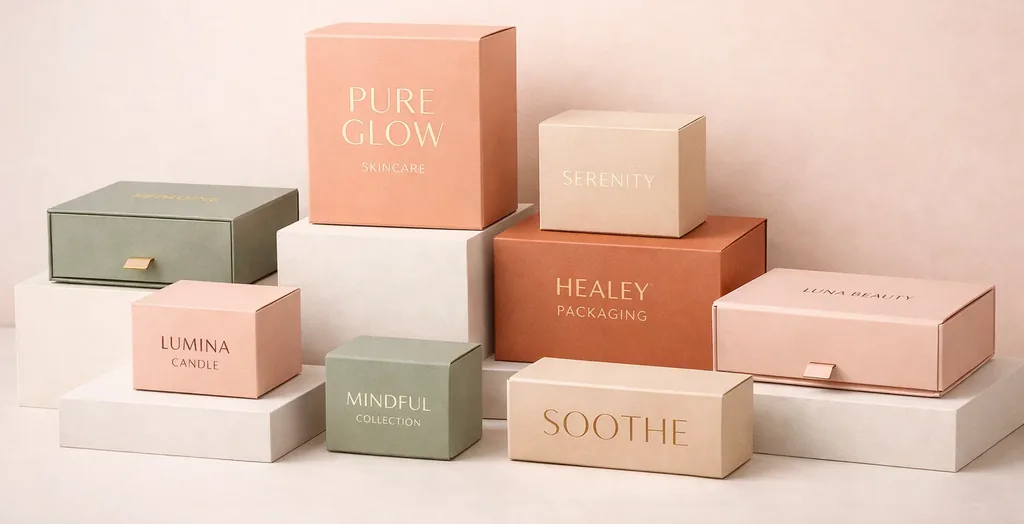
UK Retail Packaging Trends at a Glance
- Recyclability, material efficiency and clearer packaging specifications are becoming more important for UK retailers.
- Premium finishes such as foil, embossing and Spot UV are increasingly used selectively rather than covering the entire pack.
- QR codes and other digital features can connect physical packaging with product information, authentication or brand content.
- Bold typography and stronger colour contrast can help products create a clearer visual identity on crowded retail shelves.
- Short-run and seasonal packaging allows retailers to adapt artwork for launches, collaborations and limited editions.
- Structural design still matters: the box must protect the product and work efficiently through storage, retail and fulfilment.
Retail packaging in the UK is no longer just about protecting a product. In 2026, packaging plays a decisive role in sustainability, brand positioning, customer engagement, and even regulatory compliance. As competition intensifies across physical retail and eCommerce, brands are using packaging as a strategic differentiator rather than a finishing touch.
UK consumers are increasingly eco-conscious, digitally connected, and experience-driven. At the same time, retailers face growing pressure to reduce waste and improve supply chain efficiency. The result? A wave of retail packaging innovation driven by sustainability, premium finishes, structural creativity, and smart technology.
In this guide, we explore the Retail packaging trends UK 2026 that forward-thinking brands are already adopting, and how retailers can prepare to stay competitive.
What Are the Main UK Retail Packaging Trends for 2026?
Key retail packaging trends in 2026 include recyclable and material-efficient structures, selective premium finishes, bold but controlled branding, QR-enabled interaction, personalised short runs and packaging designed around both shelf presentation and ecommerce.
The strongest approach is not to follow every trend at once. Retailers should choose materials, structures and finishes that suit the product, sales channel, regulatory requirements, production quantity and available end-of-life route.
Why Retail Packaging Trends Matter More in 2026
Retail packaging decisions in 2026 are being shaped by a combination of product protection, brand presentation, material efficiency and changing packaging obligations. Retailers therefore need to consider not only how packaging looks on shelf, but also how it performs through distribution and what happens to the material after use.
In 2026, packaging matters more because:
- UK consumers prioritise environmentally responsible brands
- Shelf competition remains fierce in supermarkets and department stores
- Unboxing experiences influence online reviews
- Packaging waste regulations continue tightening
Retail packaging is now expected to deliver on protection, presentation, and responsibility simultaneously.
1. Material Efficiency and Recyclability Are Growing Priorities
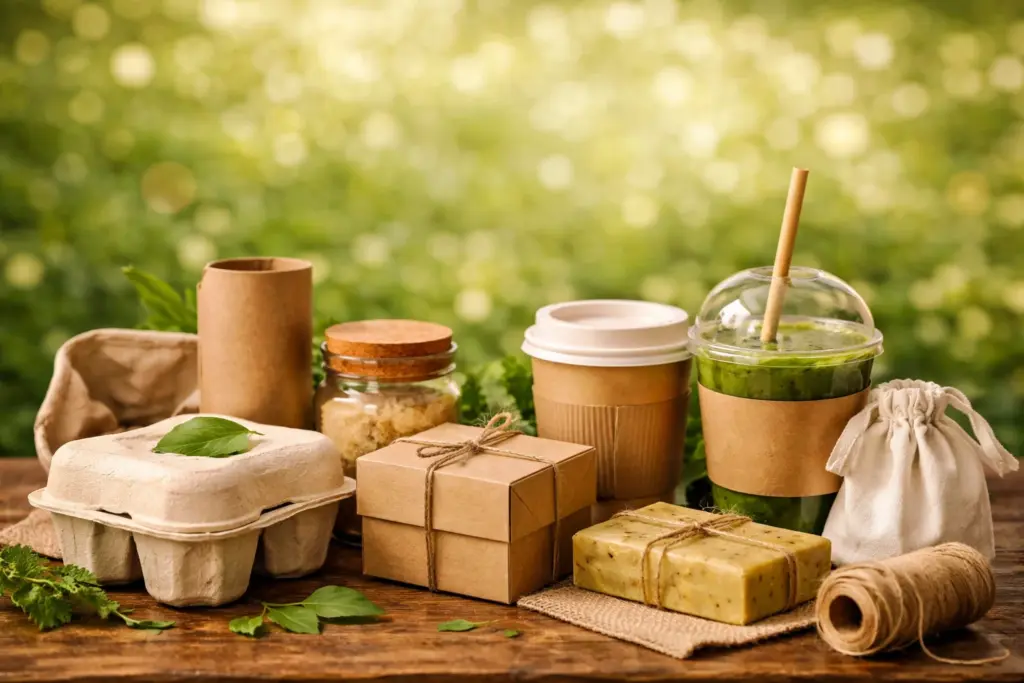
Sustainability has shifted from trend to baseline expectation.
Plastic-Free Retail Packaging
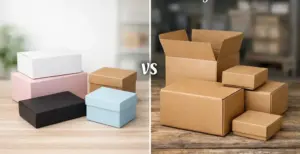
Many UK retailers are shifting toward eco-friendly packaging to reduce plastic usage. Kraft board, corrugated packaging, and recycled cardboard are replacing plastic trays and inserts. Compostable and biodegradable materials are increasingly adopted across beauty, fashion, and food sectors. The demand for sustainable retail packaging UK brands can rely on is accelerating rapidly.
Recyclable & FSC®-Certified Materials
Retailers now prioritise responsibly sourced paperboard and FSC®-certified materials. Clear recycling symbols and simplified material compositions make disposal easier for consumers.
Sustainable packaging is no longer just an ethical choice; it is a competitive necessity.
Minimalist Packaging to Reduce Waste
Minimal ink coverage, fewer coatings, and reduced packaging layers are becoming more common.
Minimalism supports:
- Lower production costs
- Easier recycling
- Cleaner, modern branding
This aligns with broader UK packaging trends 2026, where efficiency and sustainability intersect.
2. Luxury Finishes for Premium Shelf Appeal
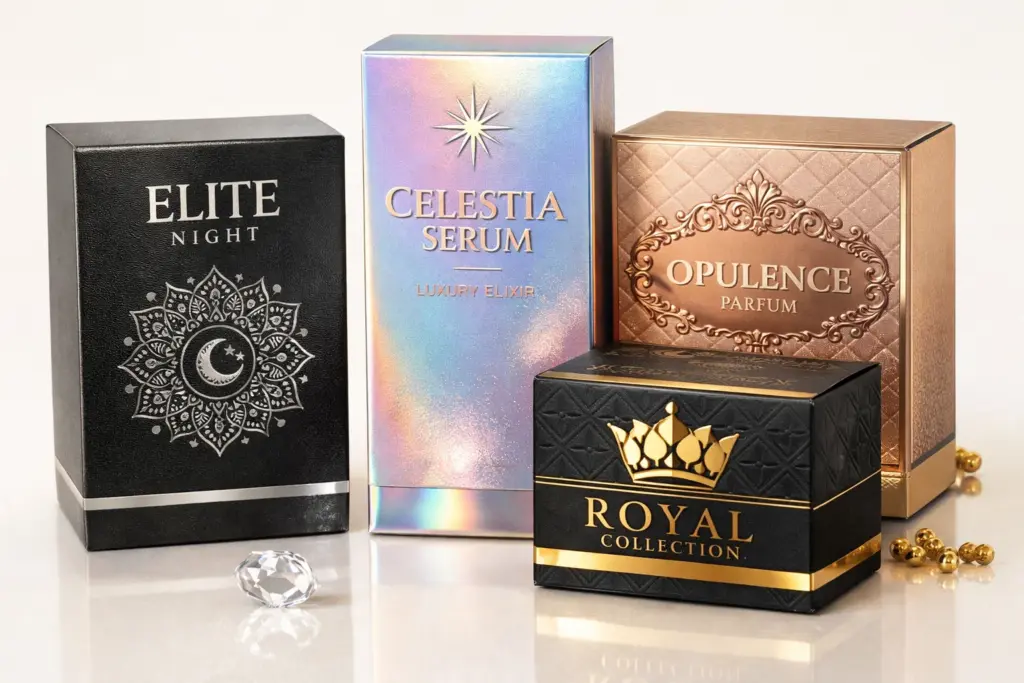
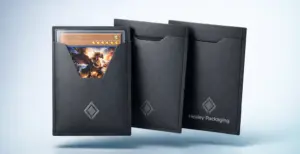
While sustainability rises, premium aesthetics are also increasing. Luxury packaging finishes include:
- Gold and holographic foil stamping
- Embossing and debossing
- Spot UV for contrast highlights
- Soft-touch lamination for tactile appeal
Premium finishes can change the visual and tactile presentation of a pack. Their value depends on the product, audience, board material and how selectively the finish is used. Retailers investing in luxury packaging solutions are seeing stronger shelf impact and higher brand recall.
3. Smart Packaging & Interactive Elements
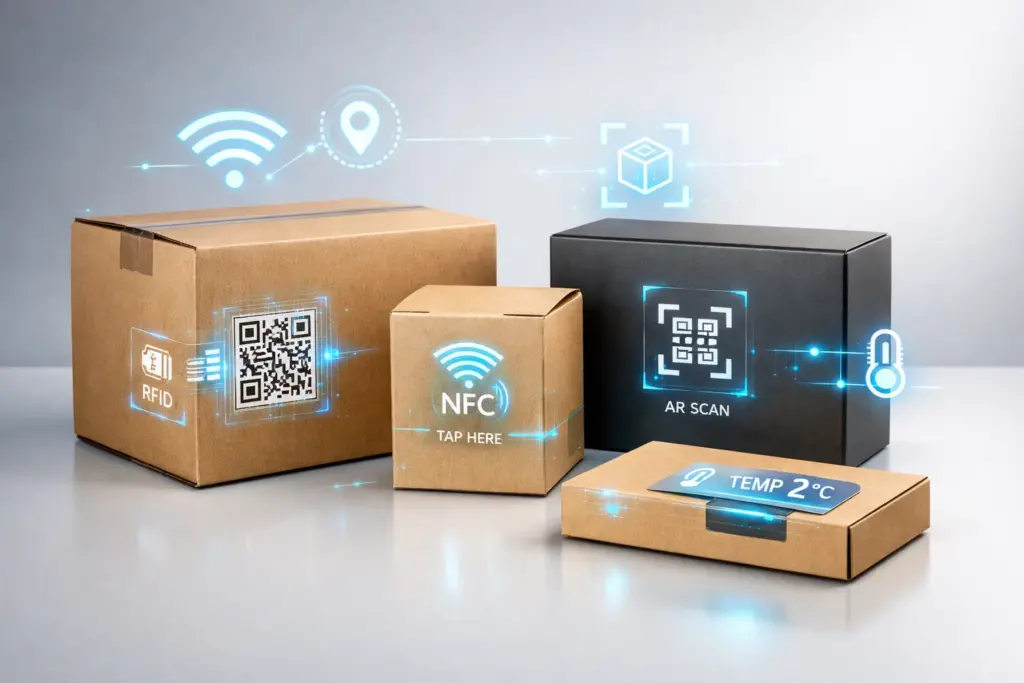
Technology is reshaping retail packaging design. AI-driven packaging tools are helping UK brands integrate features like:
- QR codes linking to brand stories
- NFC-enabled authentication
- Augmented reality experiences
- Traceability features for premium goods
Interactive packaging builds deeper customer engagement and supports transparency, particularly in beauty and wellness sectors. In 2026, packaging is no longer static. It connects physical retail to digital ecosystems.
4. Bold Colours & Statement Typography
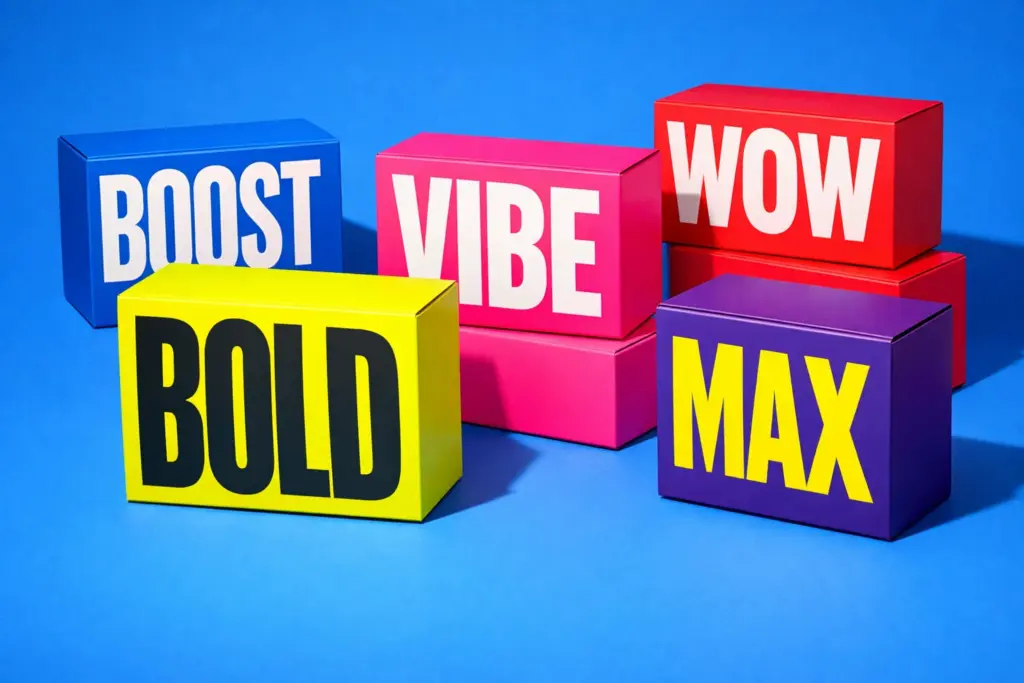
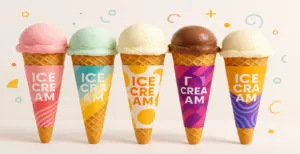
Retail shelves are crowded. Subtle packaging often disappears. 2026 packaging design trends favour:
- Vibrant colour blocking
- Retro-inspired typography
- Oversized brand logos
- Minimal backgrounds with bold contrast
Standing out visually is critical in-store. Brands are balancing sustainability with impactful colour strategies to avoid muted, generic designs.
5. Personalised & Limited Edition Packaging
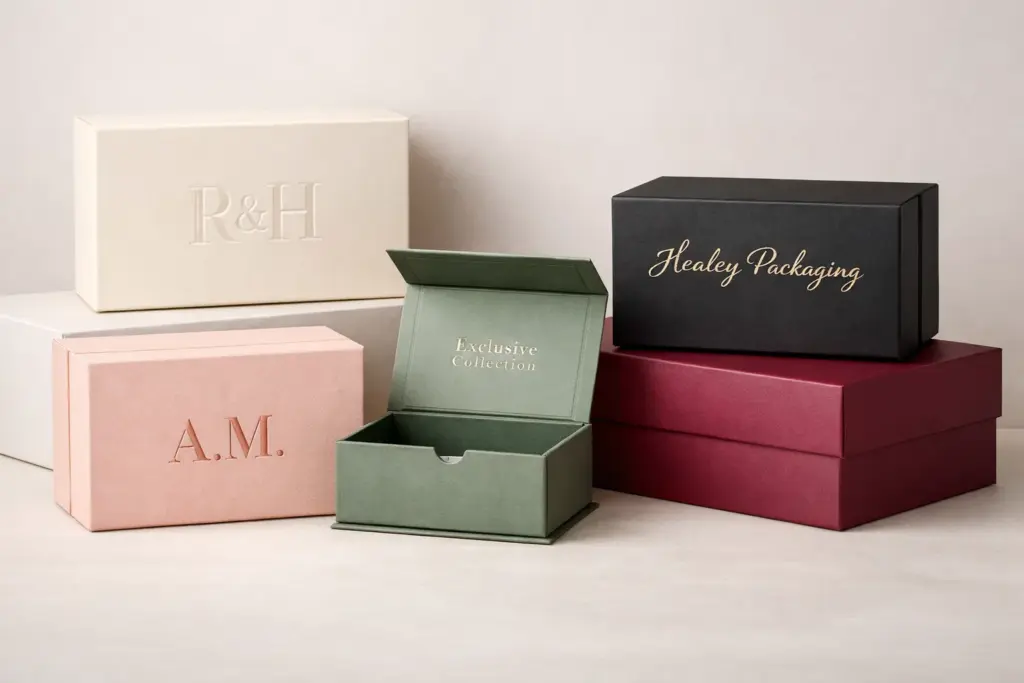
Short-run customisation is rising rapidly in the UK.
Brands are launching:
- Seasonal packaging collections
- Influencer collaborations
- Localised city-specific runs
- Small-batch packaging for niche markets
The growth of short production cycles makes custom retail boxes UK brands can adapt quickly a major advantage. Personalised or limited-edition artwork can help distinguish seasonal ranges, collaborations and short-run campaigns.
6. Functional & Protective Retail Packaging
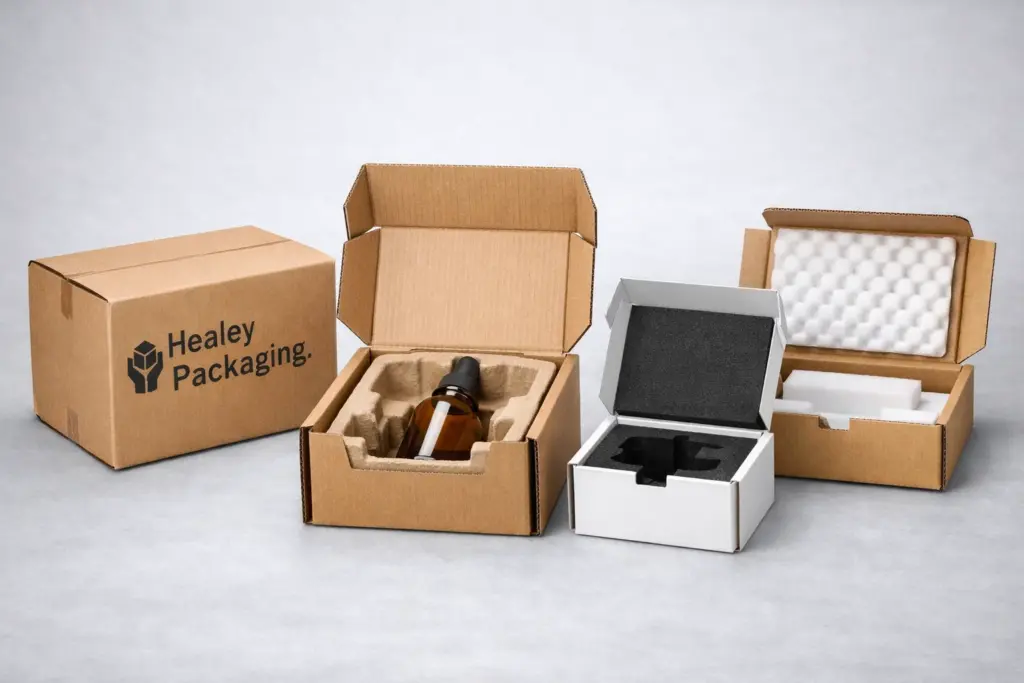
Structural innovation is becoming a defining trend.
Retailers are investing in:
- Magnetic closure rigid boxes
- Protective inserts for delicate products
- Reinforced corners
- Premium rigid board structures
Functional packaging reduces damage rates and enhances customer satisfaction. Protective inserts also improve unboxing experiences by securing products elegantly.
Premium structure supports both aesthetics and durability.
7. Eco-Luxury: Sustainable Yet Premium
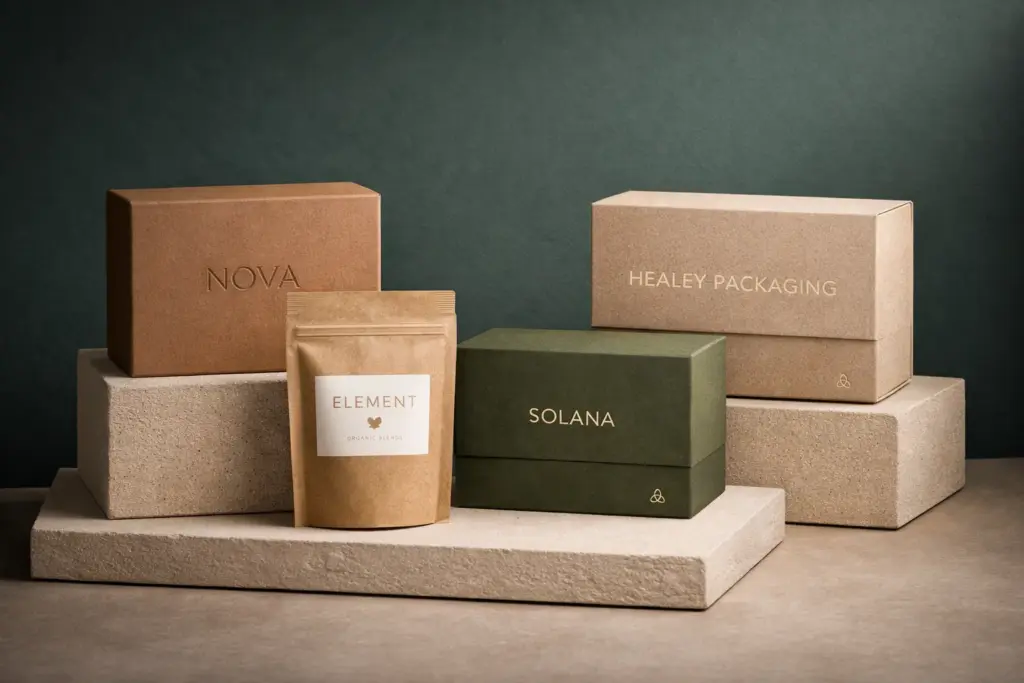
One of the strongest packaging design trends 2026 is the fusion of sustainability with luxury.
Examples include:
- Kraft board with gold foil accents
- Recycled rigid boxes
- Soy-based inks
- Water-based coatings
This hybrid approach allows brands to communicate environmental responsibility without sacrificing premium appeal. Consumers no longer accept trade-offs between luxury and sustainability.
8. Transparent Packaging & Authentic Branding
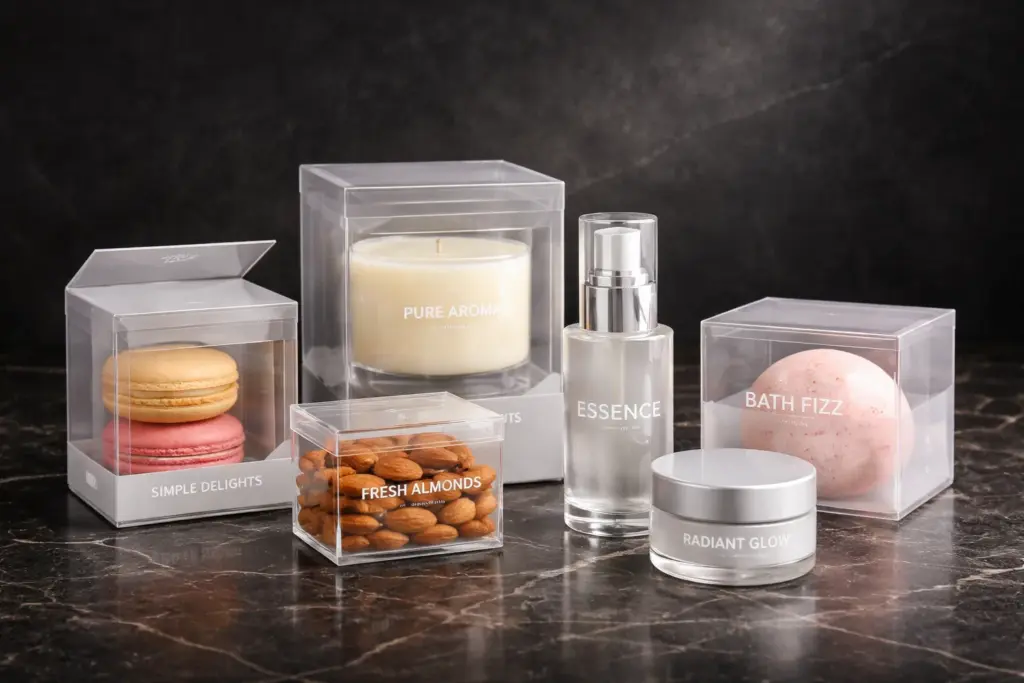
Transparency builds trust. Retail packaging is incorporating:
- Die-cut windows
- Clear product visibility
- Honest ingredient messaging
- Simplified labelling
Beauty, CBD, and food sectors are leading this movement. Clear packaging reinforces authenticity and helps consumers make informed choices.
The most useful retail packaging trend depends on the product and sales channel. The table below summarises where each direction can add value and what should be checked before adopting it.
| Trend | Common Use | Key Consideration |
|---|---|---|
| Material-Efficient Packaging | Retail cartons, ecommerce and everyday product ranges | Consider recyclability, coatings, protection and available waste streams |
| Premium Finishes | Beauty, gifting, fashion and premium retail | Use finishes selectively and confirm compatibility with the board |
| Smart Packaging | Product information, authentication and digital engagement | QR or NFC features need a clear customer purpose |
| Bold Branding | Shelf-led retail and promotional ranges | Maintain readability and brand consistency |
| Limited Editions | Seasonal campaigns, launches and collaborations | Plan quantities and artwork changes around production lead times |
| Protective Structures | Fragile products, ecommerce and premium goods | Structure and inserts should be designed around the actual product |
Industries Leading Retail Packaging Trends in 2026
Certain sectors are adopting innovations faster than others:
- Beauty & Skincare – Premium finishes and sustainability combined
- Food & Confectionery – Minimalist eco packaging
- Fashion & Accessories – Magnetic rigid boxes and luxury textures
- CBD & Wellness – Compliance-driven, smart packaging integration
- Artisan Brands – Limited edition and small-batch custom runs
These industries are shaping broader retail branding packaging UK expectations.
How UK Retailers Can Prepare for 2026 Packaging Trends
Retailers looking to stay competitive should:
- Audit current packaging materials and designs
- Transition toward eco-friendly materials
- Introduce premium finishes selectively
- Plan seasonal and limited-edition campaigns early
- Work with a UK packaging supplier before peak seasons
Early planning ensures better material sourcing and smoother production cycles.
Why Choose Healey Packaging for Trend-Driven Retail Boxes?
As a UK-based manufacturer, Healey Packaging supports brands with:
- Fully customised retail box solutions
- Sustainable material options
- Premium finishing capabilities
- Competitive pricing structures
- Low minimum order quantities
- Fast turnaround times
We help retailers align with emerging UK packaging trends 2026 while maintaining consistency and quality.
Common Questions About UK Retail Packaging Trends
Practical answers about sustainability, premium finishes, materials and retail packaging design in 2026.
What are the biggest retail packaging trends in the UK for 2026?
Important directions include recyclable and material-efficient packaging, selective premium finishes, bold branding, QR-enabled interaction, personalised short runs and structures designed to work across both retail and ecommerce.
Is sustainable packaging mandatory in the UK?
There is no blanket rule requiring every UK business to use packaging described as sustainable. However, packaging producers can have specific legal obligations under schemes such as Extended Producer Responsibility, and liable large producers must assess the recyclability of relevant household packaging using the applicable Recyclability Assessment Methodology.
How can small retailers create premium packaging on a controlled budget?
Start with a suitable board and well-fitted box structure, then use one premium feature selectively. A foil logo, embossed detail, printed sleeve or contrasting interior can add visual impact without combining several specialist processes on the same pack.
Which materials are useful for retail packaging?
Paperboard, kraft board, corrugated board and rigid paper-based structures are commonly used for retail packaging. The best option depends on product weight, required protection, print quality, presentation and end-of-life considerations rather than whether a material is currently described as a trend.
Does custom packaging increase sales?
Packaging can influence presentation, brand recognition and the way a product is perceived, but it cannot guarantee higher sales. Commercial results also depend on factors such as the product, price, audience, distribution and wider marketing activity.
Do UK retailers need recyclability labels on packaging?
Recyclability labelling should be checked against the rules that apply to the specific product and packaging. Current EPR recyclability assessment guidance states that the RAM itself does not create a legal recyclability-labelling obligation, so businesses should avoid treating EPR assessment and on-pack recycling labels as the same requirement.
Conclusion – Consistency Is a Competitive Advantage
Retail packaging in 2026 must balance sustainability, premium presentation, digital integration, and functionality. Brands that invest strategically in packaging innovation position themselves for stronger shelf presence and long-term customer loyalty. Retail packaging is no longer an operational expense. It is a strategic growth tool.