
 Popular
SKINCARE Packaging Solutions
Custom Skincare Packaging for Creams, Serums & Oils
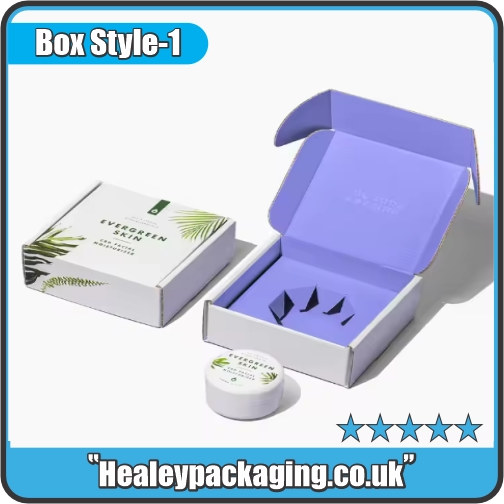
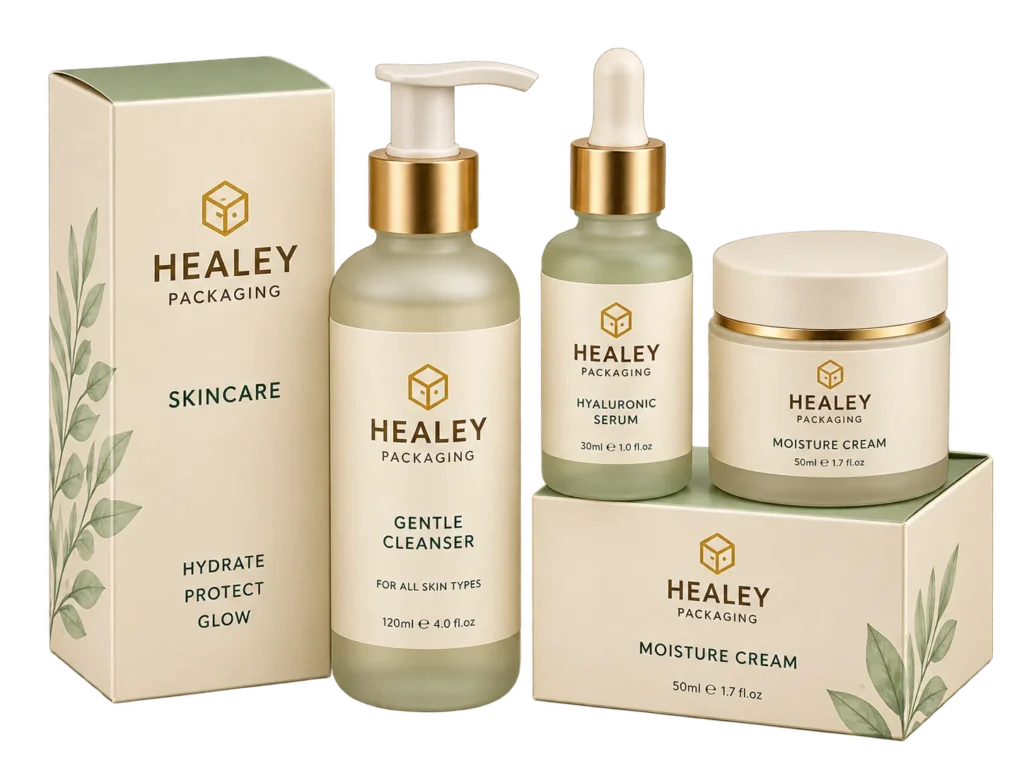
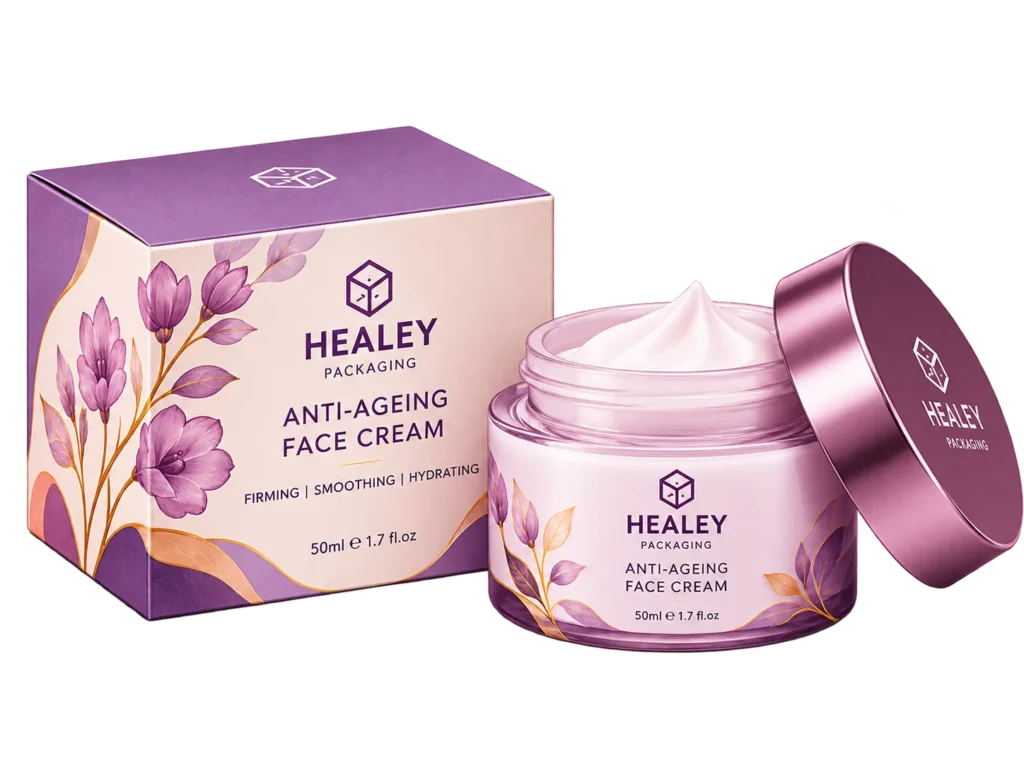
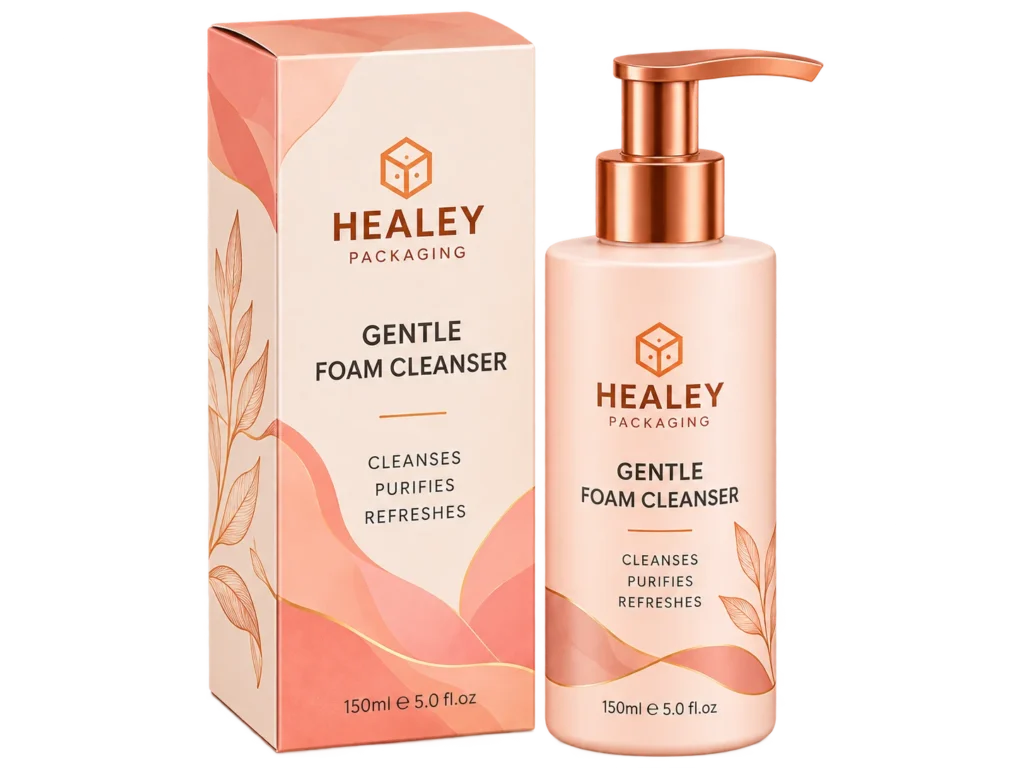
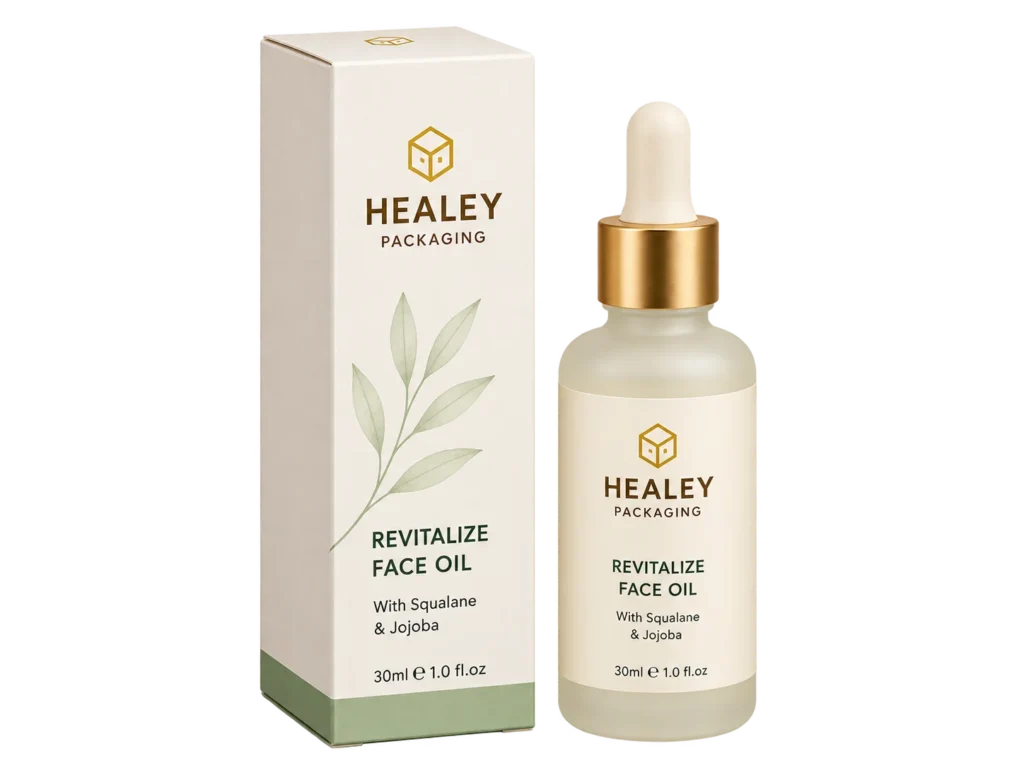
Custom skincare packaging designed around creams, serums, oils, cleansers and other beauty products. Choose bespoke dimensions, suitable board, internal support, branded printing and selected finishes around your primary container, retail presentation and delivery requirements.
Protects ProductsSecure structure for packing and delivery
SustainableRecyclable and responsible options
High Quality PrintCMYK, Pantone and premium finishes
Strong & ReliableDurable materials for safe delivery
Healey Packaging company reviews on Trustpilot
12+
Packaging
Solutions
Solutions
Not sure which packaging is right for you?
Our team can help match the structure to your product, brand and budget.
Speak to an Expert
Custom DimensionsMade to fit your product precisely.
No Minimum OrderNo minimum order quantity.
Printed to Your BrandCMYK, Pantone and specialist finishes.
Fast Turnaround7-10 working days after artwork approval.
Skincare Packaging Range
Explore Skincare Packaging by Product Type
Browse skincare boxes for creams, serums, oils, treatments and premium beauty lines.
Popular
 Best Seller
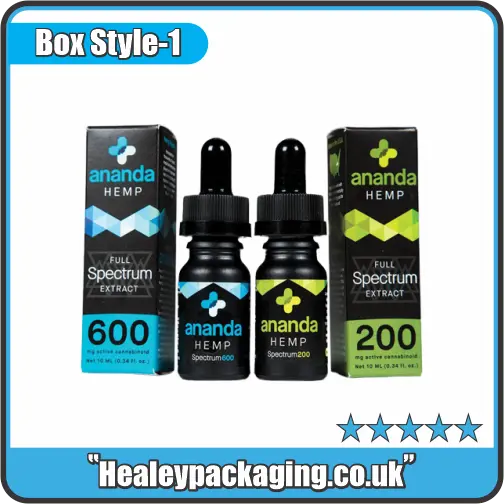
Custom Body Oil Boxes
Body oil packaging tends to show problems quickly if the box isn’t...
View Custom Body Oil Boxes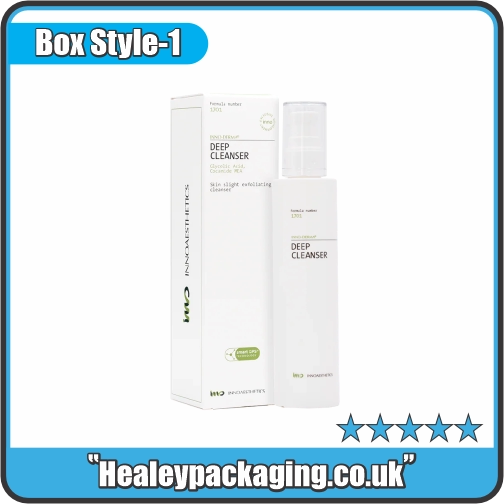 Most Ordered
Custom Cleanser Boxes
A cleanser bottle sits on a bathroom shelf for months. But the...
View Custom Cleanser Boxes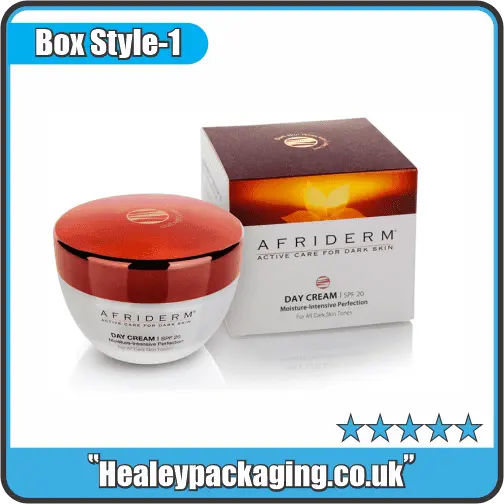 Custom
Custom Cream Boxes
Cream packaging looks straightforward until jars start shifting, lids loosen, or labels...
View Custom Cream Boxes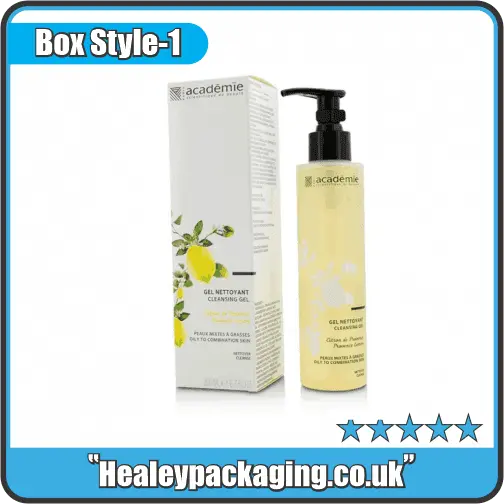 Premium
Custom Lotion Boxes
Luxury skincare deserves packaging as meticulously crafted as your formulations. We create...
View Custom Lotion Boxes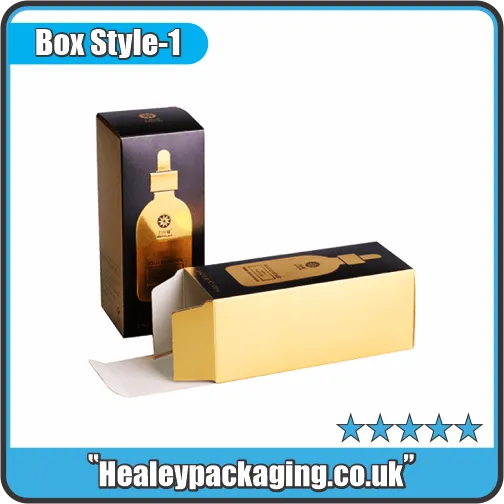
Custom Serum Boxes
Serum products are usually packed in small bottles, often glass, sometimes with...
View Custom Serum Boxes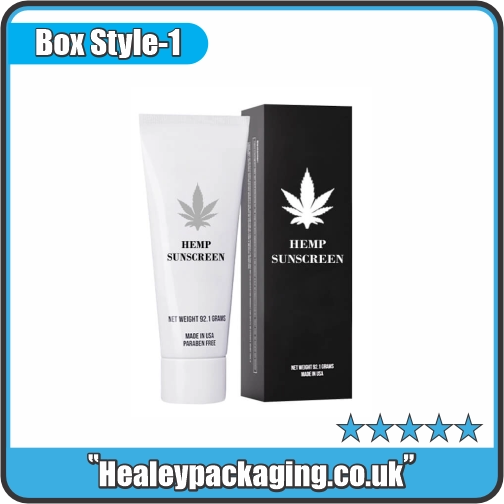
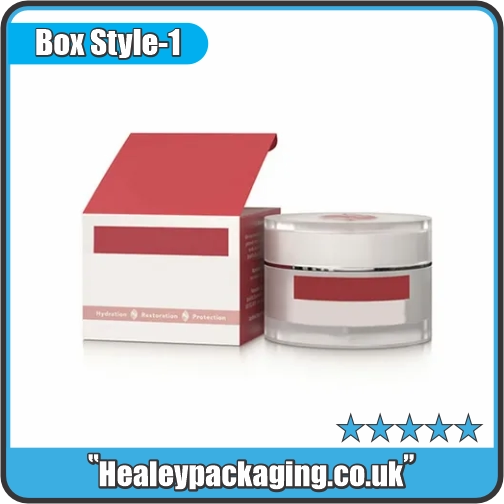
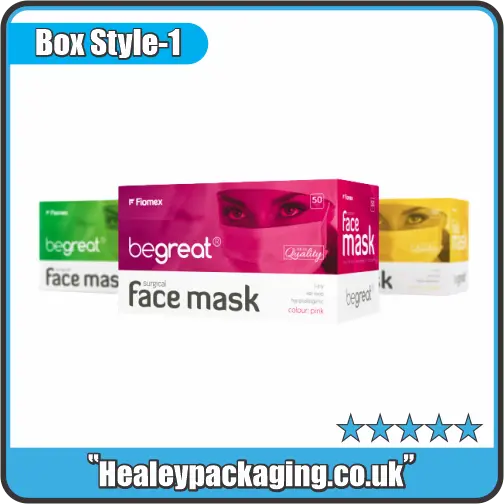
Face Mask Packaging Boxes
Face masks are usually packed in bulk rather than as single items,...
View Face Mask Packaging Boxes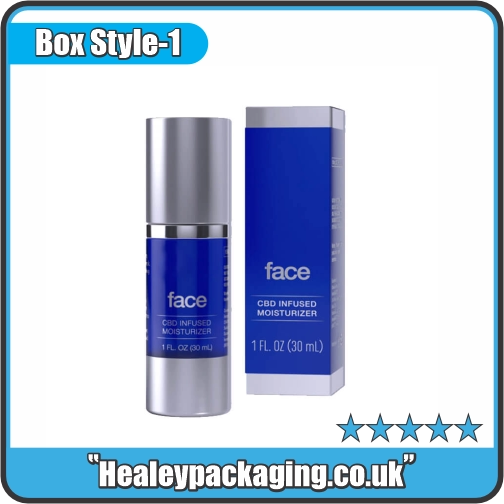
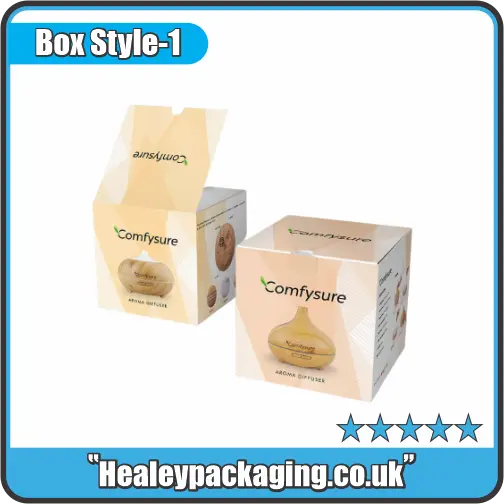
Skin Care Oil Packaging Boxes
Skincare oils rarely come in large containers. Most brands use small glass...
View Skin Care Oil Packaging Boxes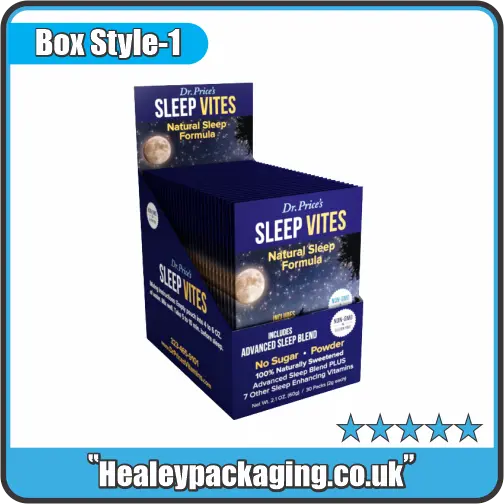
Sleep Serum Packaging Boxes
Most sleep serums are packed in small bottles. These are placed inside...
View Sleep Serum Packaging BoxesRecent Packaging Projects
Real packaging work produced for customer brands.
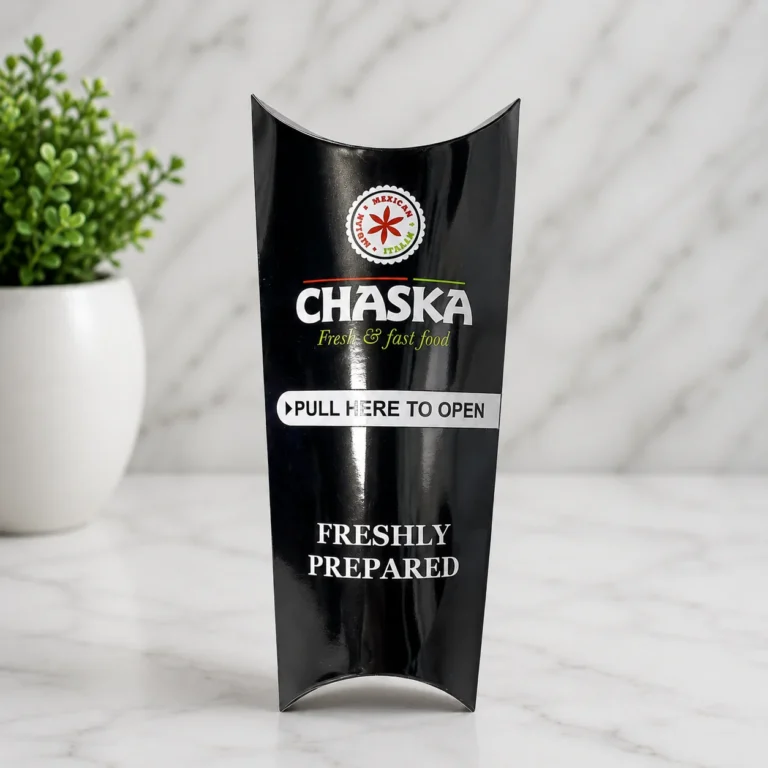
CHASKA Custom Pillow-Style Shawarma Sleeves with Food-Safe 300gsm Card
Healey Packaging produced custom pillow-style shawarma sleeves for CHASKA using 300gsm food-safe BSB card, full-colour CMYK...
View Case Study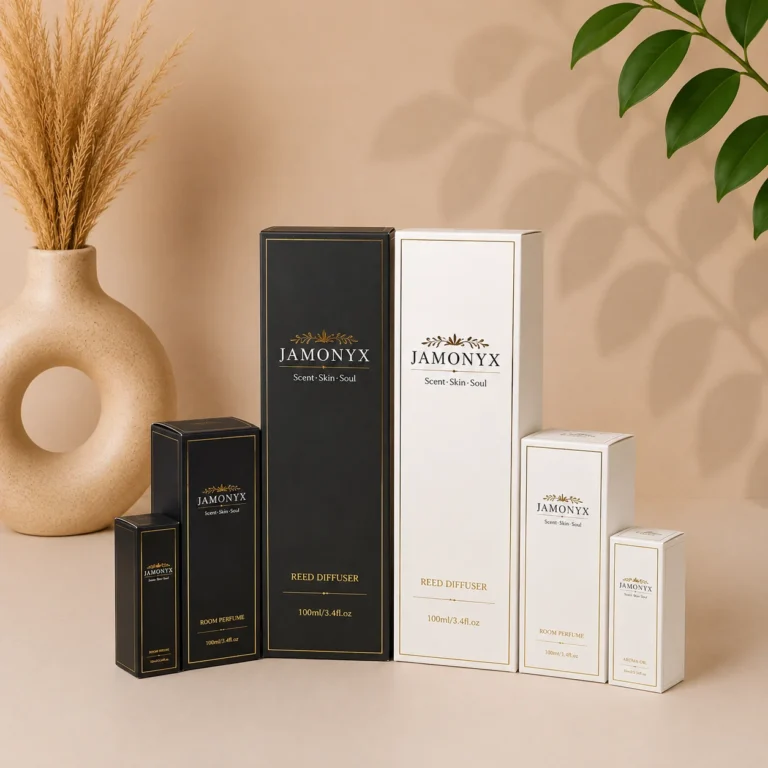
JAMONYX Custom Reverse Tuck Boxes in 350gsm SBS Card with Gold Foil
Healey Packaging produced 1,200 luxury reverse tuck boxes for JAMONYX across two black-and-white designs, three sizes,...
View Case Study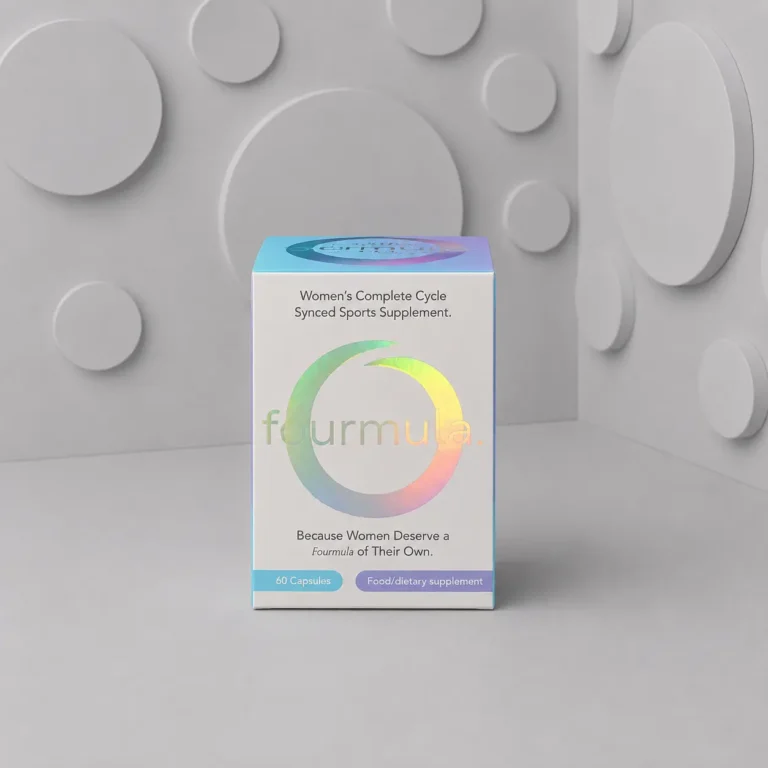
Fourmula Custom Supplement Boxes with Lamination and Holographic Finish
Fourmula started with 10 physical sample boxes for a compact supplement product, then moved toward a...
View Case StudyHow Your Packaging Is Produced
Requirements
Share product size, quantity, use case and artwork status.
Structural Planning
The right size, board and box style are reviewed.
Artwork and Proofing
A digital proof is prepared before production begins.
Production
Boxes are printed, cut, folded and finished to specification.
Quality Control
Finished packaging is checked for structure and print quality.
Delivery
Completed packaging is packed and delivered to your business.
What Customers Say
We have been using Healey for years and are always impressed by the service, quality and speed.
Harry GeorgeThe packaging is of high quality, strong cardboard. I will definitely be using them again.
Amanda NewmanGreat communication, quick and good product. I really recommend.
JOON Plant Based AtelierFrequently Asked Questions
There is no minimum order quantity. Share your required quantity, style, material and finish for a tailored quote.
Yes. Packaging can be made around your product dimensions and chosen structure.
Yes. Artwork can be checked and a digital proof can be prepared before production.
CMYK, Pantone, offset, digital, flexographic and other methods are available depending on the order.
Typical production is 7-10 working days after final artwork and proof approval.
Yes. Recyclable and right-sized material options can be discussed for your project.
 Apparel Packaging
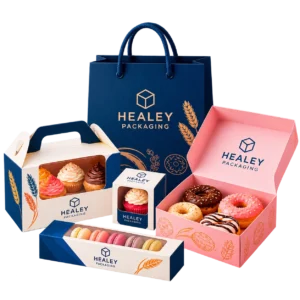 Bakery Packaging Boxes
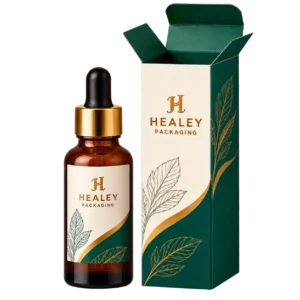 Bottle Packaging Boxes
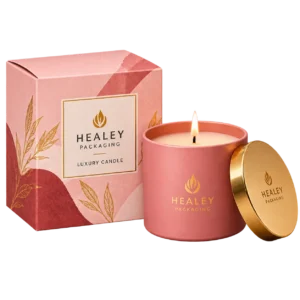 Candle Boxes
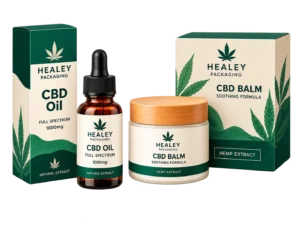 CBD Packaging Boxes
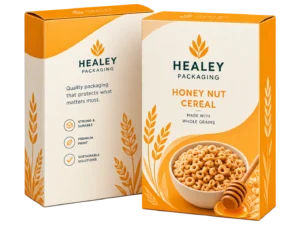 Cereal Packaging Boxes
Ready to Create Packaging Built Around Your Product?
Share your product, size, material and quantity requirements. Our team will help you choose the right structure, print and finish.
Free Design Support
No Minimum
Digital Proof
UK Delivery