
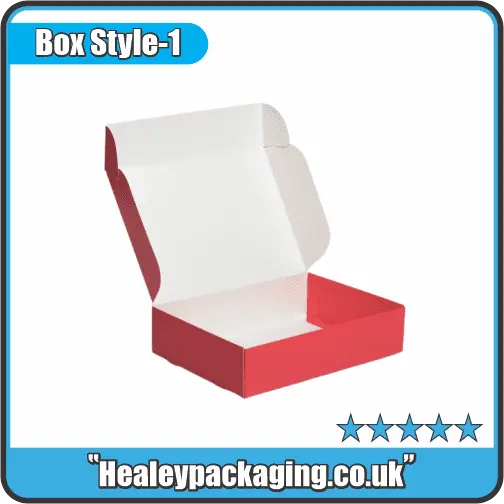
 Popular
Coloured Mailer Boxes
Coloured mailer boxes are usually chosen for one reason: visibility. When parcels...
View Coloured Mailer BoxesCustom ecommerce packaging boxes designed around your products, packing process and delivery requirements. Choose mailer boxes, shipping cartons and subscription packaging in custom sizes with protective corrugated materials and branded printing. Built for fulfilment efficiency, product protection and a better unboxing experience for ecommerce brands across the UK.
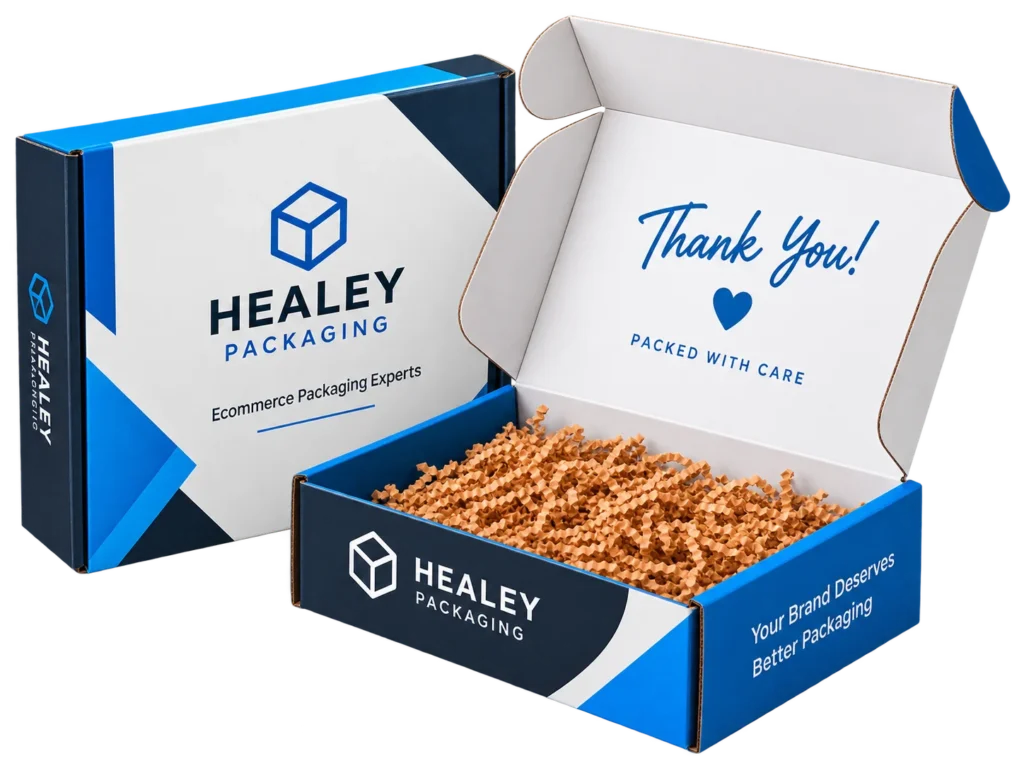
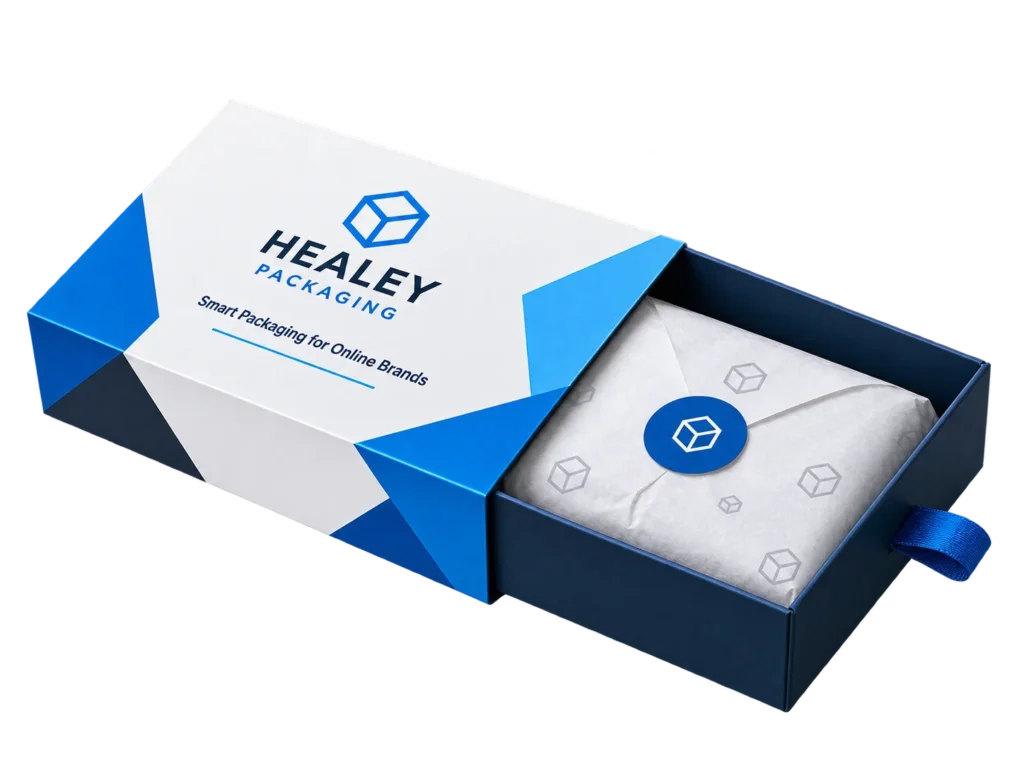
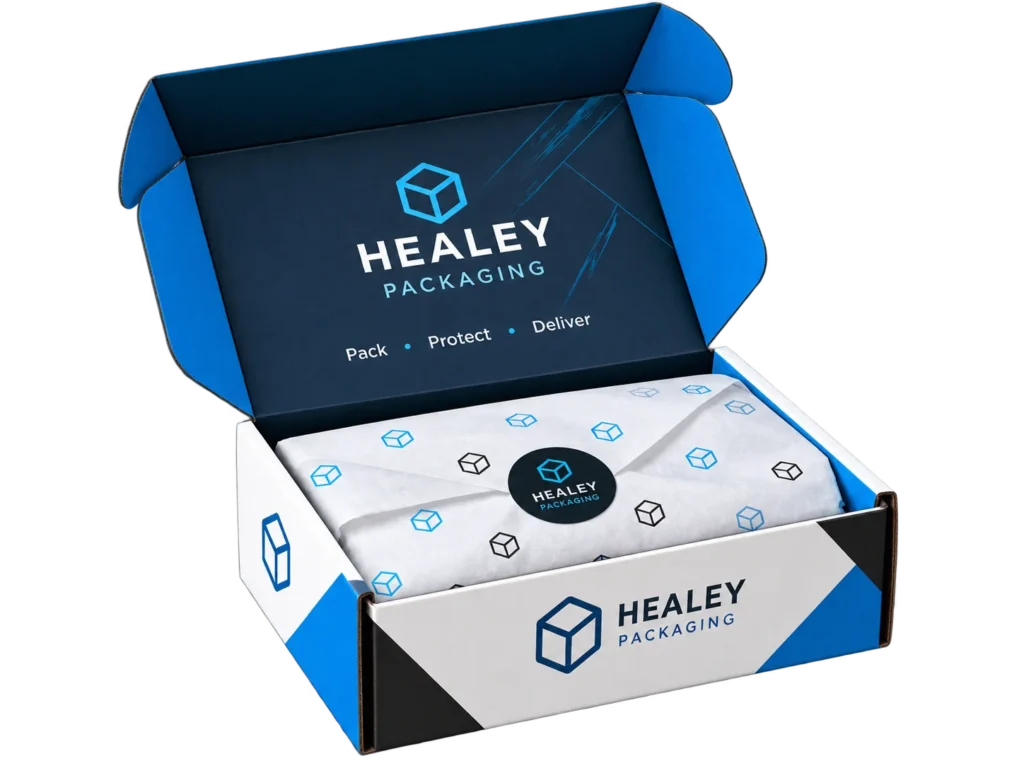
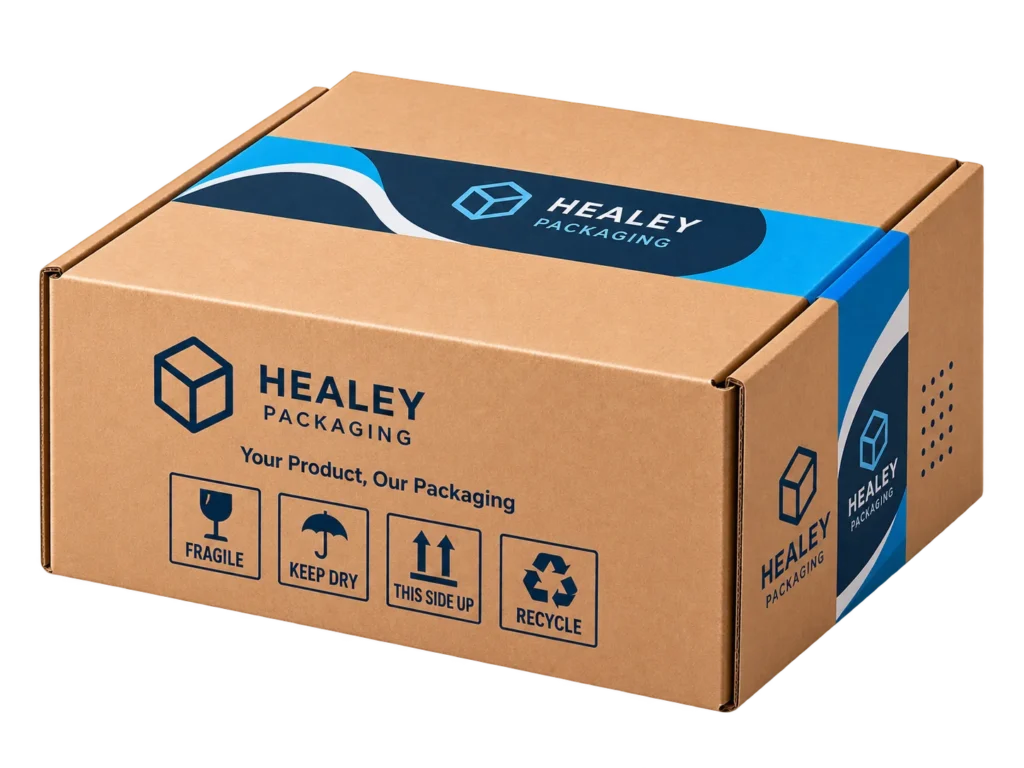
Browse ecommerce boxes for online orders, subscriptions, fulfilment and branded unboxing.
Popular
Coloured mailer boxes are usually chosen for one reason: visibility. When parcels...
View Coloured Mailer Boxes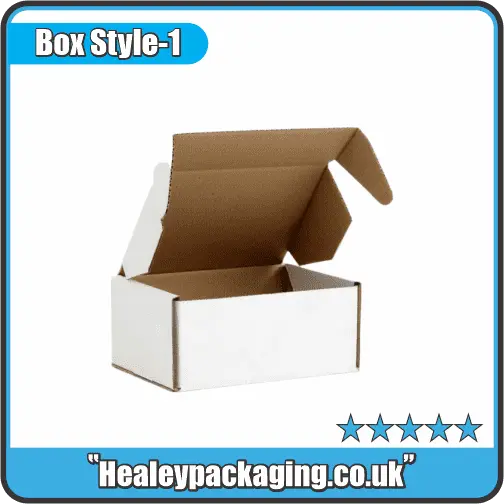 Best Seller
Corrugated Logo Shipping Boxes are made of corrugated cardboard. To personalise these...
View Corrugated Logo Shipping Boxes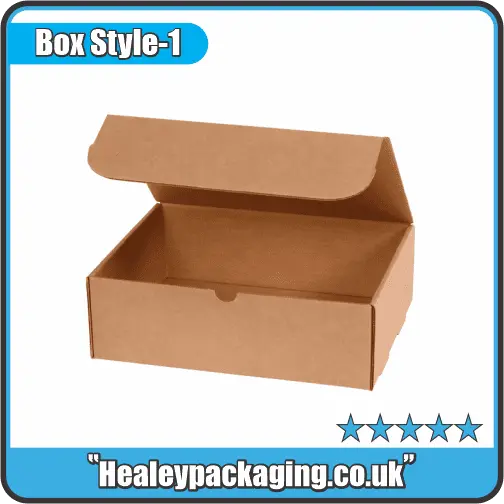 Most Ordered
 Custom
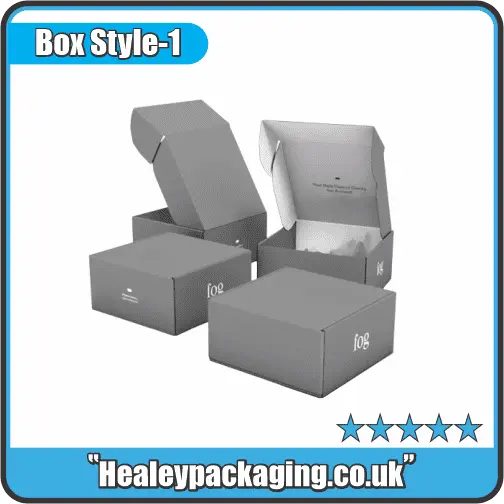
When your product travels, the packaging is seen before anything else. That...
View Custom Mailer Boxes Premium
When your product ships, the box is your brand. That first delivery...
View Custom Shipping Boxes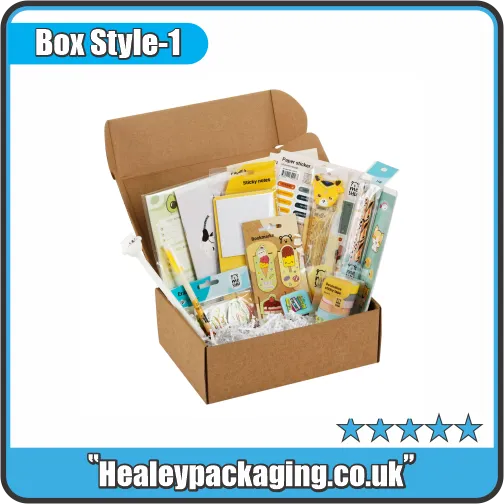
Subscription businesses need more than great products. Packaging plays a huge role...
View Custom Subscription Boxes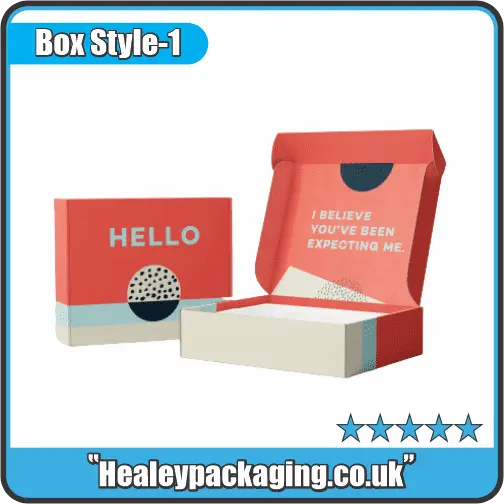
Decorative mailers are still shipping cartons. They move through depots, vans, and...
View Decorative Mailer Boxes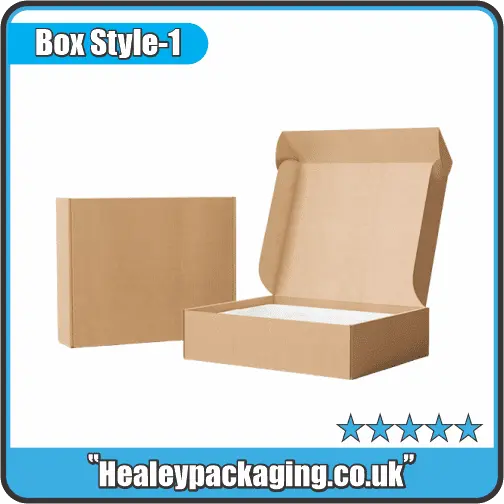
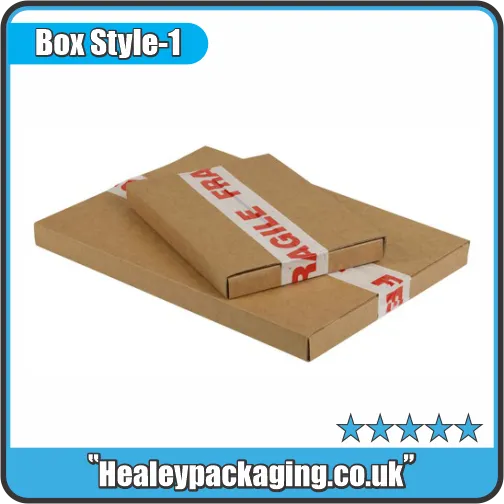
Letterbox deliveries work differently from standard parcels. The packaging has to pass...
View Letterbox Boxes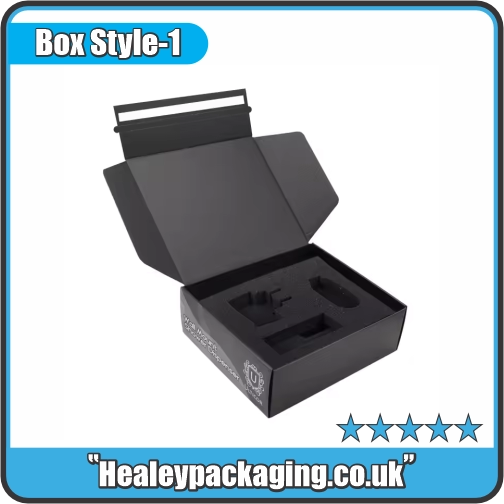
Ecommerce packaging should be selected around the packed order, not the box style alone. Product size, weight, fragility, fulfilment method and the delivery route all affect the most suitable format.
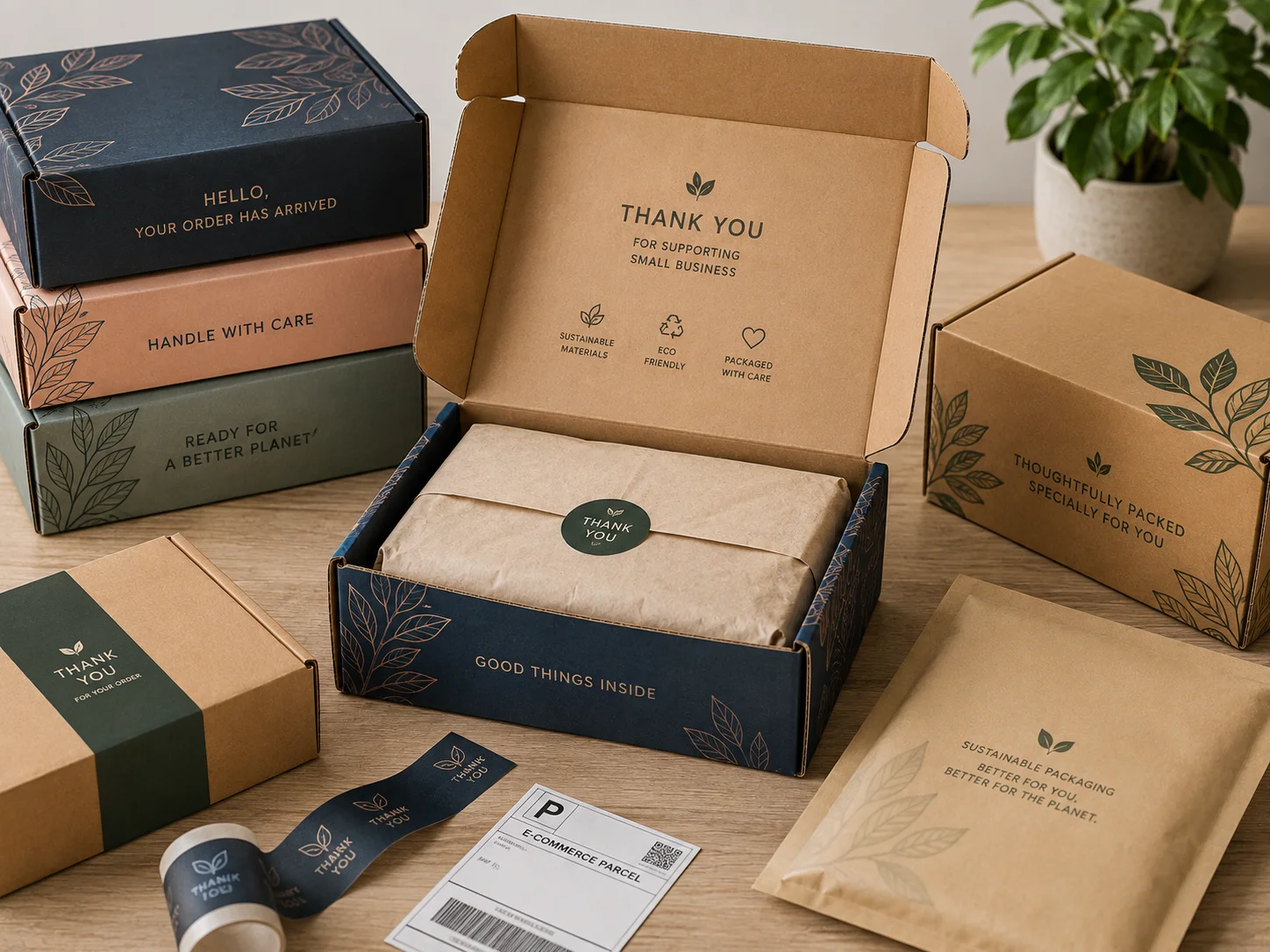
Useful for lightweight to medium products where straightforward assembly, product protection and branded presentation need to work together.
Corrugated shipping formats suit heavier, bulkier or multi-item orders that face more demanding handling and stacking conditions.
Slim formats can suit smaller products where low parcel depth and convenient delivery are part of the requirement.
Consistent dimensions and branding support recurring shipments where contents may change but the packing process remains familiar.
Fragile products may need a stronger outer structure combined with inserts, dividers or other internal support.
Mixed baskets need enough usable space for several products without creating excessive void area or uncontrolled movement.
Final box dimensions should account for the product and any insert, divider or cushioning required for delivery. Oversized parcels can increase movement, void fill and storage volume without adding useful protection.

Use the finished product or existing retail pack, including raised closures and irregular shapes.
Review the complete order weight rather than the individual product alone.
Add only the space needed for inserts, dividers or cushioning required by the delivery risk.
Review the finished parcel dimensions against storage, packing and delivery requirements.
Corrugated board is widely used for ecommerce because its fluted construction adds structural support. The required specification still depends on the box dimensions, packed load, stacking and handling conditions.
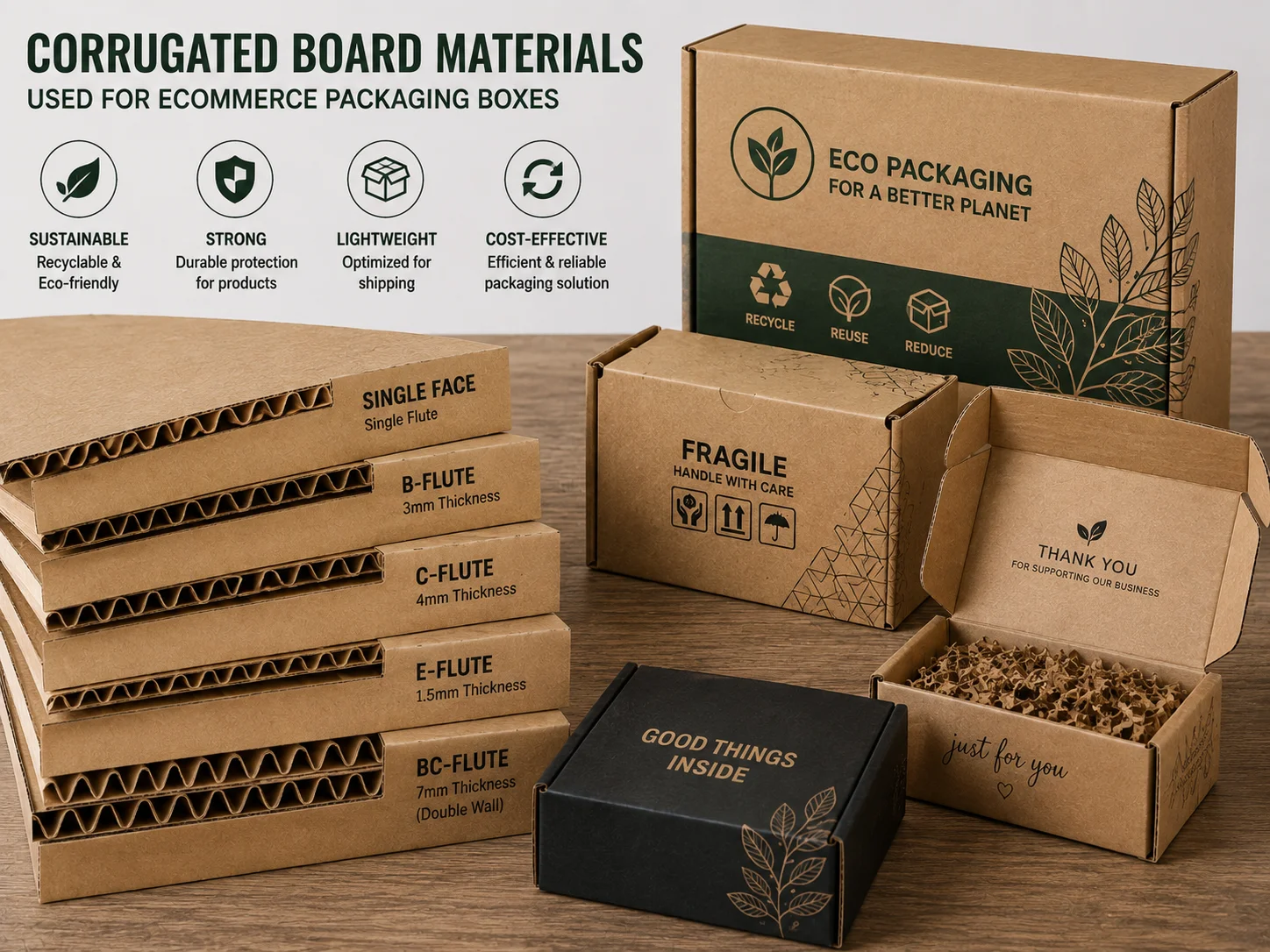
Board performance comes from the complete construction and box design. A heavier grade can add material and cost without solving poor fit or internal movement.
The completed load affects the strength required from the base, walls and closure.
Fragile contents may need tighter internal control alongside the outer box.
Storage and courier networks can expose parcels to compression from other packages.
Handling frequency and distribution conditions should be part of the final board specification.
These factors should be reviewed together before the board grade is finalised.
Ecommerce packaging starts working before courier collection. Flat storage, assembly, product loading, closure, shipping labels and customer opening can all influence the most practical structure.
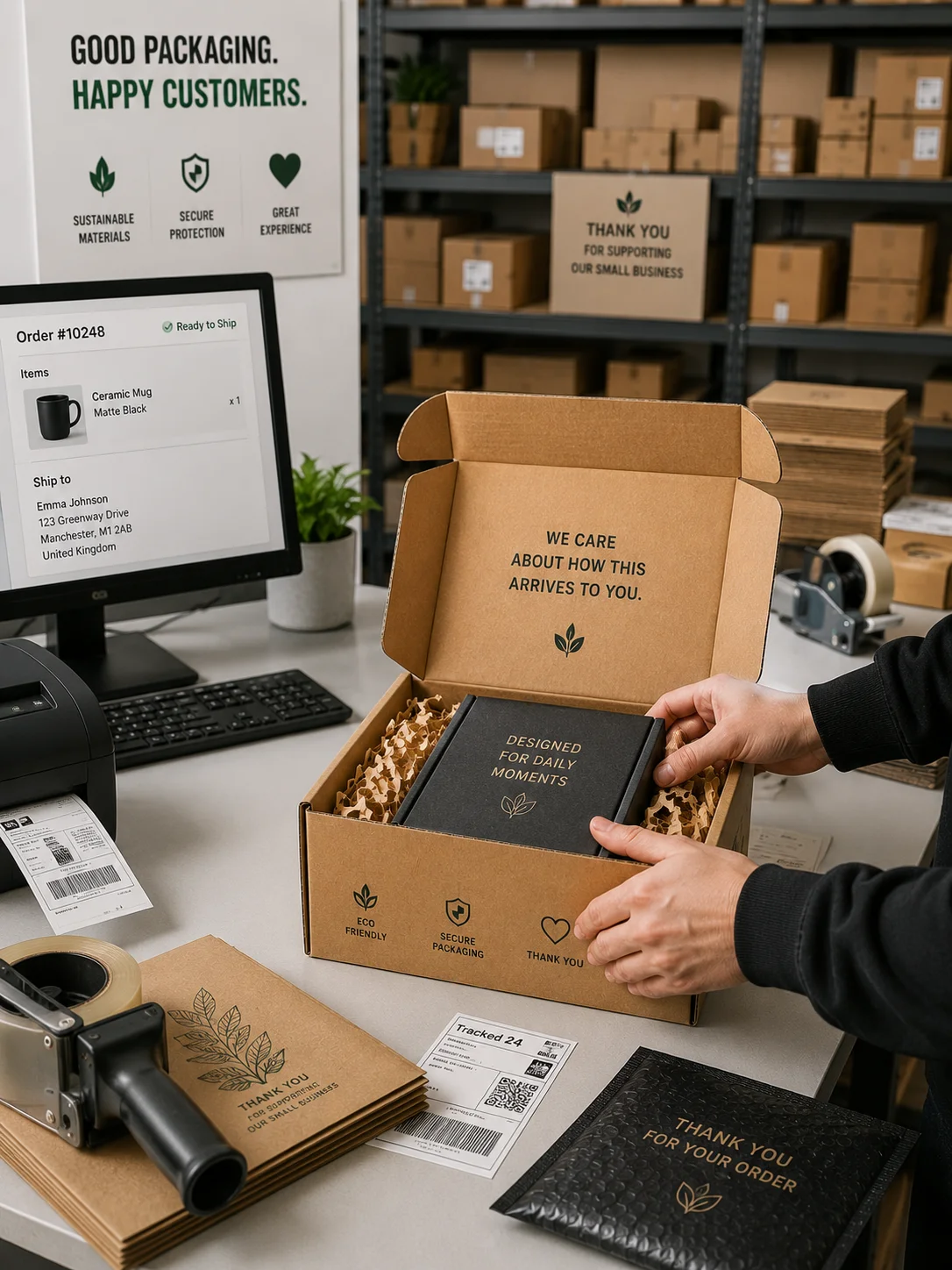
Consider how much warehouse space unassembled boxes occupy before they reach the packing bench.
Structures and inserts should provide the required protection without creating unnecessary packing steps.
Leave suitable surfaces for closures, courier labels and operational information.
Opening features should be easy to use without weakening the pack during the delivery journey.
If returns are common, consider whether the selected structure can remain practical for a return journey.
Where possible, use a controlled set of formats for recurring product and basket types.
Ecommerce packaging can carry the brand from dispatch to opening, but print should work around the box structure, shipping labels and fulfilment process rather than making the pack harder to use.
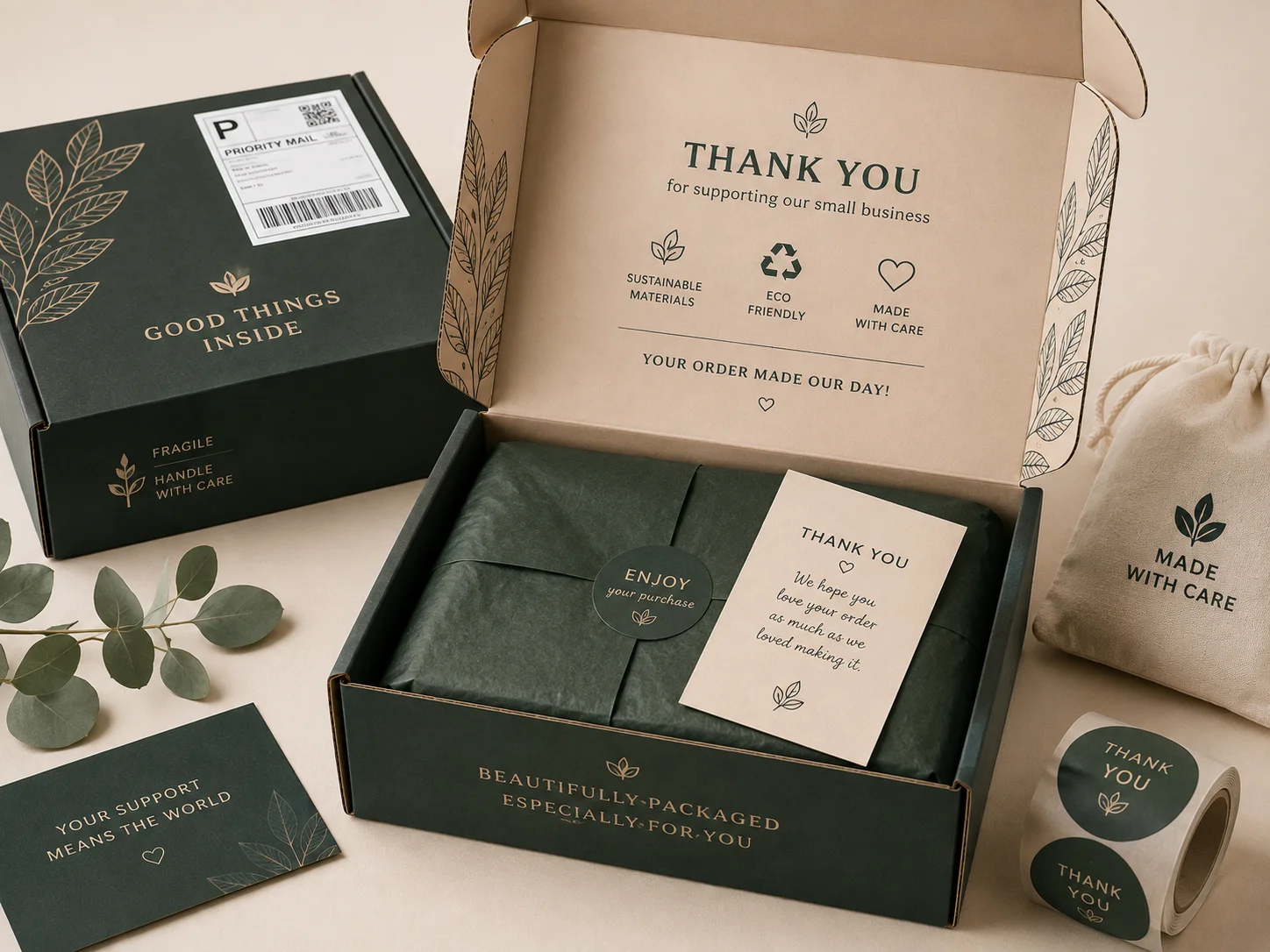
Use logos, colour and restrained graphics while preserving practical areas for shipping labels and courier information.
Inside panels can carry messages, instructions or campaign content where the structure and print method support it.
CMYK or Pantone references can be planned around the selected board surface and printing process.
Decorative finishes should be selected only where they add useful presentation value and remain suitable for the delivery route.
Lower material use is only useful when the finished parcel still protects the order. Right-sizing, suitable board strength and simpler components should be assessed as one packaging system.
Reduce unnecessary board area and void space while retaining the clearance needed for safe packing.
Specify strength around the real packed load and delivery conditions rather than defaulting to the heaviest option.
Better product fit and purposeful inserts can reduce reliance on loose void fill.
Outer box, inserts, labels, coatings, adhesives and other components can affect the appropriate end-of-life route.
Repeat orders are easier to manage when dimensions, structure, board and artwork references are controlled. Quantities and SKU artwork can then change without rebuilding the complete packaging specification each time.
Retain the approved format where the product and order profile remain unchanged.
Record the agreed construction for repeat orders with the same delivery requirement.
Keep approved inserts or dividers linked to the product configuration they were designed for.
Maintain approved colour references, recurring graphics and artwork setup.
Plan volume around realistic usage, storage space and expected reorder frequency.
Control product variants and seasonal designs separately when the structure stays the same.
Review the packaging when order combinations or packed weight change significantly.
Recheck the specification if carrier, return or fulfilment requirements change.
Product dimensions, packed weight, order quantity, typical basket size, fragility, insert requirements, preferred format, fulfilment method, delivery route, return requirements and artwork status provide a practical starting point for a quotation.
Real packaging work produced for customer brands.
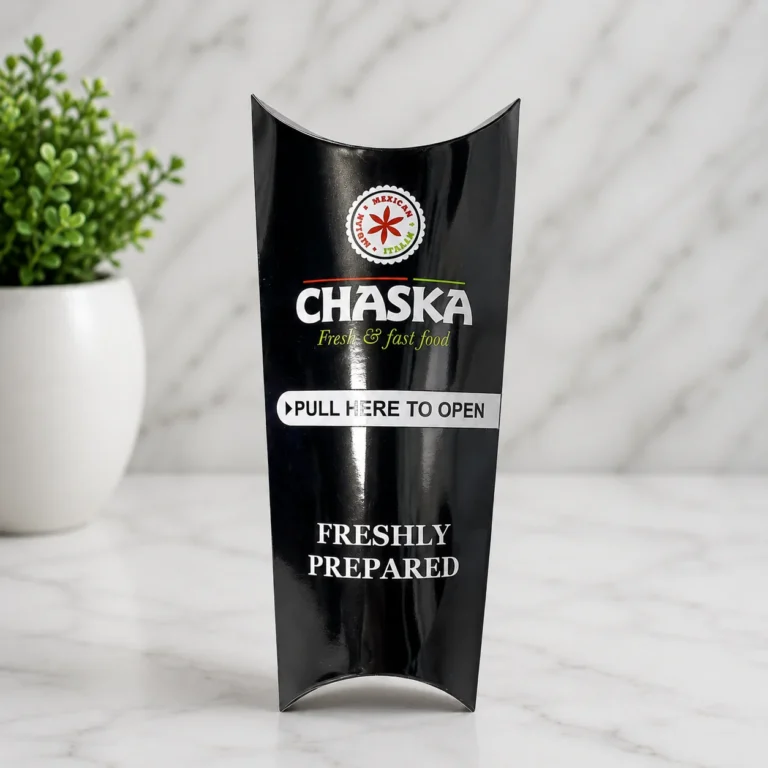
Healey Packaging produced custom pillow-style shawarma sleeves for CHASKA using 300gsm food-safe BSB card, full-colour CMYK...
View Case Study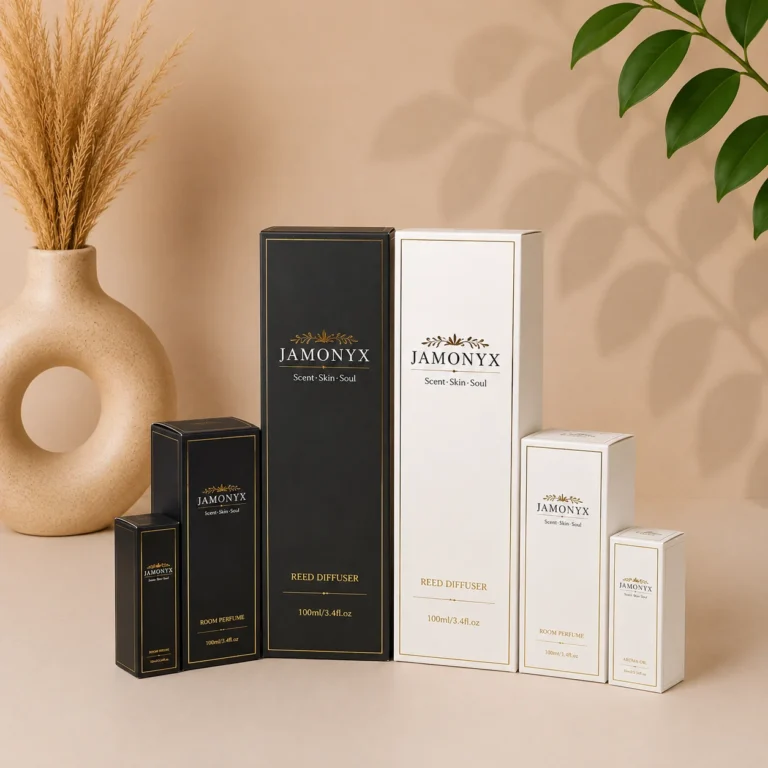
Healey Packaging produced 1,200 luxury reverse tuck boxes for JAMONYX across two black-and-white designs, three sizes,...
View Case Study
Fourmula started with 10 physical sample boxes for a compact supplement product, then moved toward a...
View Case StudyShare product size, quantity, use case and artwork status.
The right size, board and box style are reviewed.
A digital proof is prepared before production begins.
Boxes are printed, cut, folded and finished to specification.
Finished packaging is checked for structure and print quality.
Completed packaging is packed and delivered to your business.
We have been using Healey for years and are always impressed by the service, quality and speed.
Harry GeorgeThe packaging is of high quality, strong cardboard. I will definitely be using them again.
Amanda NewmanGreat communication, quick and good product. I really recommend.
JOON Plant Based AtelierEcommerce packaging is packaging designed for products sold online and delivered to customers. It can include mailer boxes, shipping cartons, subscription boxes, inserts and other protective formats developed around fulfilment, transit and customer presentation.
The best ecommerce packaging depends on the product size, weight, fragility, order profile and delivery route. Corrugated mailer and shipping boxes are widely used because they offer good structural strength, efficient packing and reliable protection during transit.
The box should be sized around the packed product, including any insert, divider or protective material required. A good fit helps reduce movement during shipping and avoids unnecessary empty space, oversized parcels and excessive void fill.
Protection comes from the full packaging specification rather than the outer box alone. Box structure, corrugated board strength, product fit, closure method and any inserts or cushioning all work together to reduce movement and help protect goods during delivery.
Yes. Ecommerce packaging can be printed with your logo, brand colours, instructions, promotional messaging and other artwork. Depending on the specification, options can include CMYK or Pantone printing together with selected finishing choices that support brand presentation.
Many fibre-based ecommerce packs can be recyclable, but this depends on the full construction. Coatings, laminates, adhesives, inserts and mixed-material components can affect the end-of-life route, so the packaging should be reviewed as a complete system.
Packaging for fulfilment should support storage, quick assembly, efficient packing and reliable delivery performance. For repeat dispatch operations, consistent sizes and formats can also help improve packing speed, stock control and operational efficiency.
Yes. Ecommerce packaging can be developed for subscription formats where recurring deliveries need consistent dimensions, dependable protection and strong brand presentation. Subscription boxes are often designed to balance fulfilment efficiency with a more premium opening experience.
Yes. Healey Packaging supplies ecommerce packaging for both growing brands and established businesses. With no minimum order, packaging can be developed for test runs, product launches and ongoing repeat supply.
To prepare an accurate quotation, it helps to provide the product dimensions, packed weight, quantity required, typical order profile, fragility level, preferred box style, artwork status and whether inserts or additional protection are needed. Fulfilment and delivery requirements should also be shared at the start.
Share your product, size, material and quantity requirements. Our team will help you choose the right structure, print and finish.
Tell us your product, target look, and how you ship. We'll recommend the right board, print, and finish for performance.
 Apparel Packaging
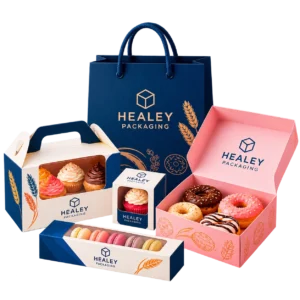 Bakery Packaging Boxes
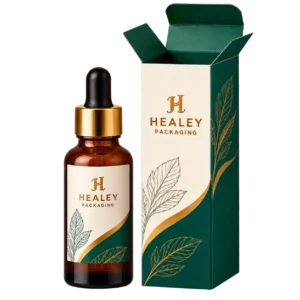 Bottle Packaging Boxes
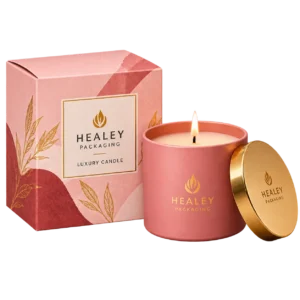 Candle Boxes
 CBD Packaging Boxes
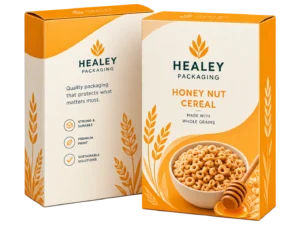 Cereal Packaging Boxes