
 Popular
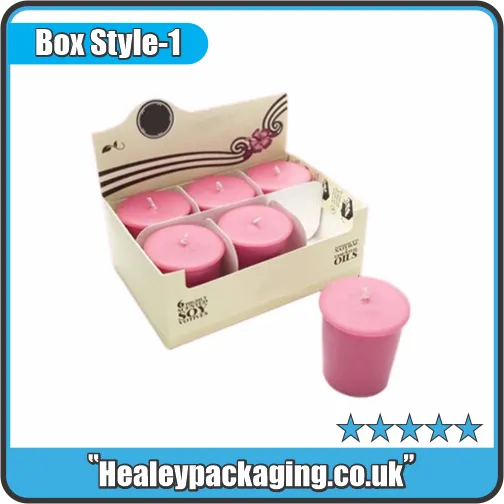
Candle Display Boxes
Candle display boxes often become an issue once they reach the counter....
View Candle Display BoxesCustom display packaging designed around your product dimensions, unit count and retail placement. Choose counter, shelf-ready, tray, dispenser and promotional formats with bespoke sizing, printed branding and suitable board specifications for UK brands and retailers, with no minimum order.
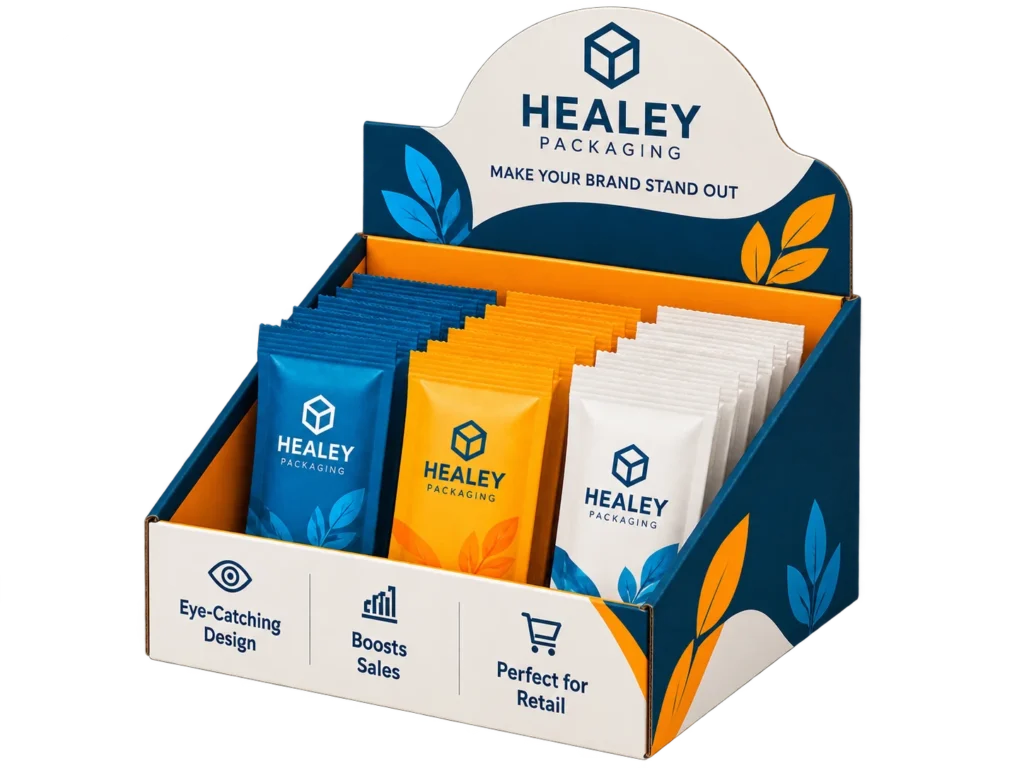
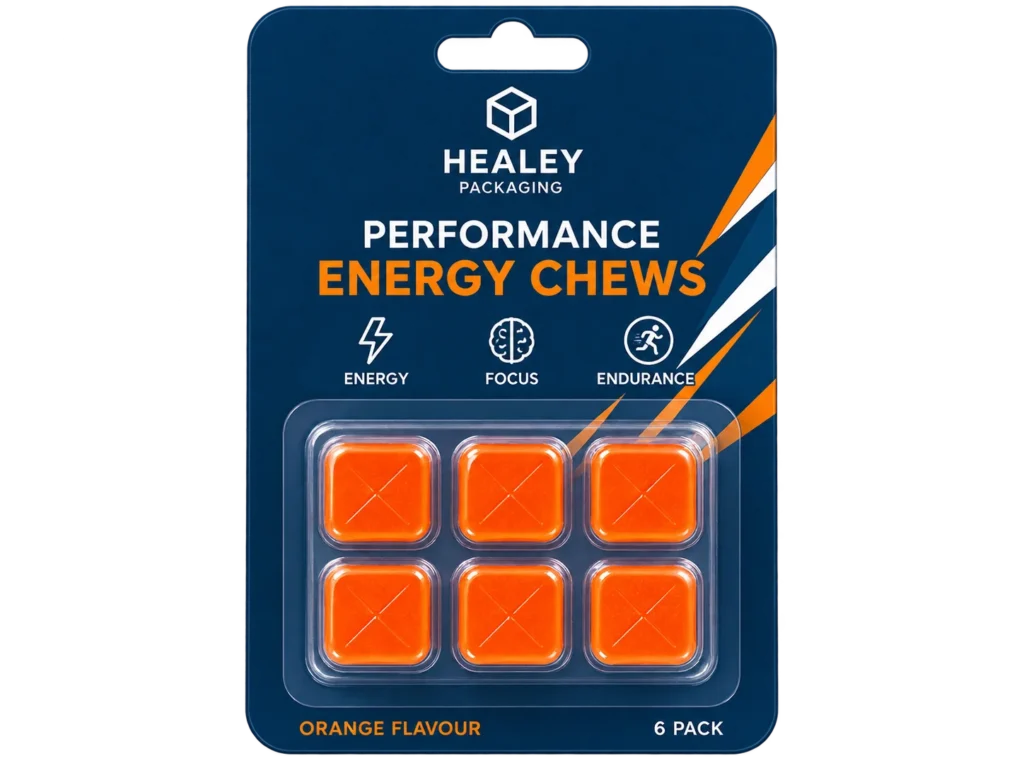
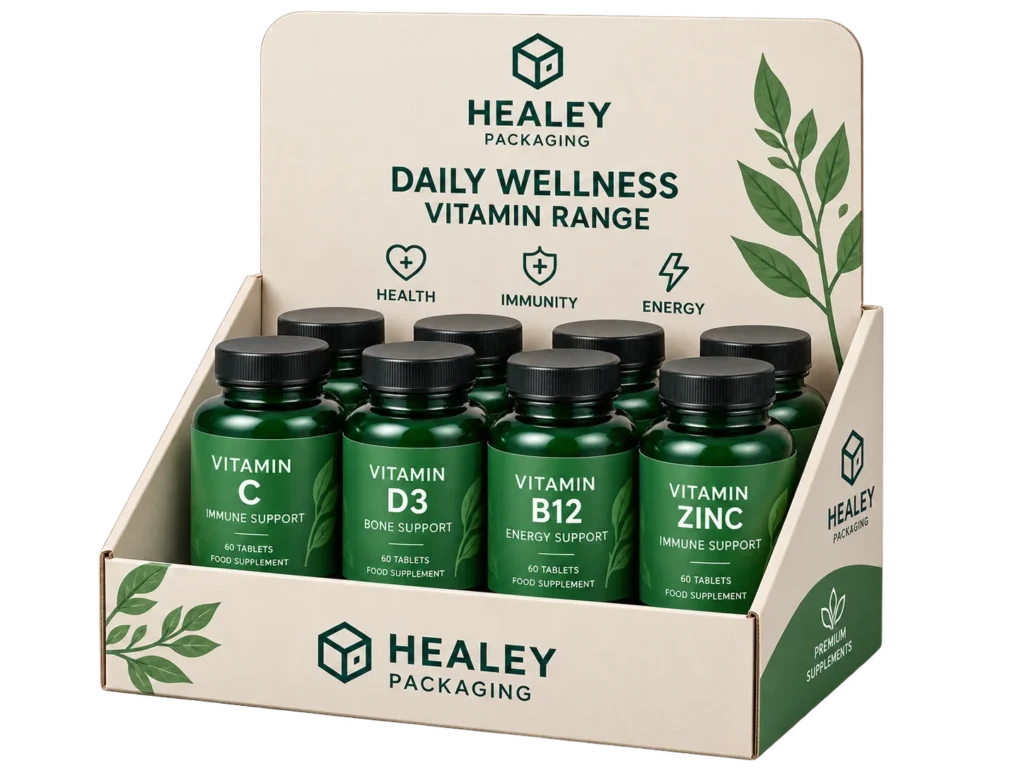

Browse display boxes for shelves, counters, retail promotions and product visibility.
Popular
Candle display boxes often become an issue once they reach the counter....
View Candle Display Boxes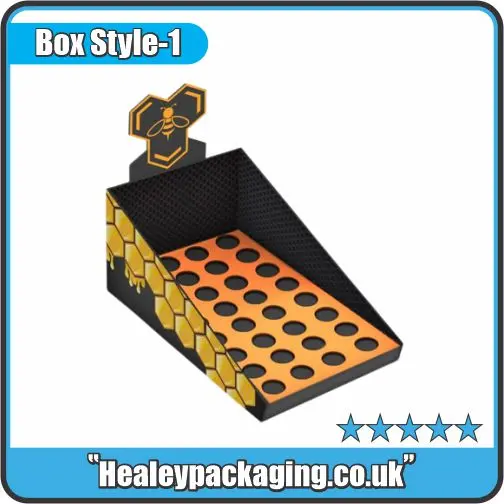 Best Seller
Retail CBD doesn’t sell from the back shelf. It sells from eye...
View CBD Display Boxes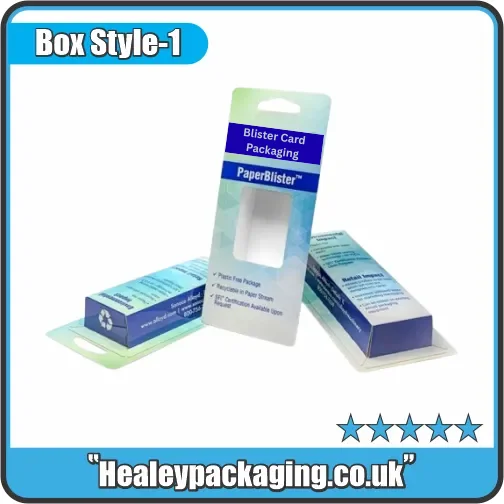 Most Ordered
Pick up a pack of tablets, a set of batteries, or even...
View Custom Blister Cards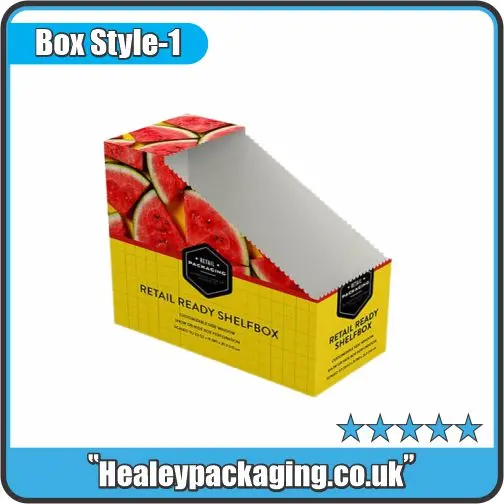 Custom
Exhibiting and showing off their products most effectively and in the most...
View Custom Counter Display Boxes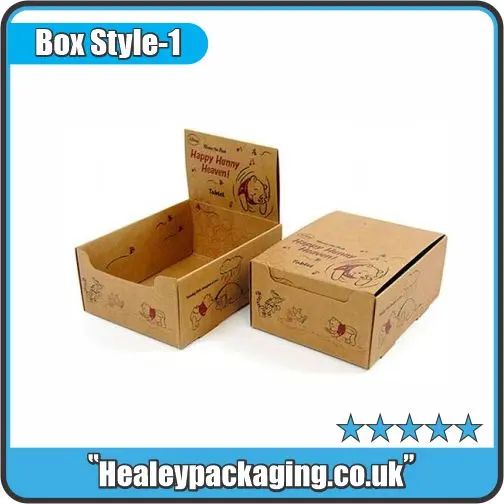 Premium
When your product hits the shelf, you’ve got just a few seconds...
View Custom Display Boxes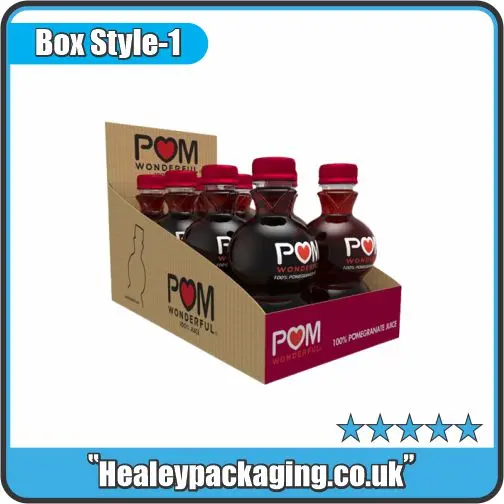
Retail products are often placed in display units rather than standard cartons,...
View Custom Pop Up Display Boxes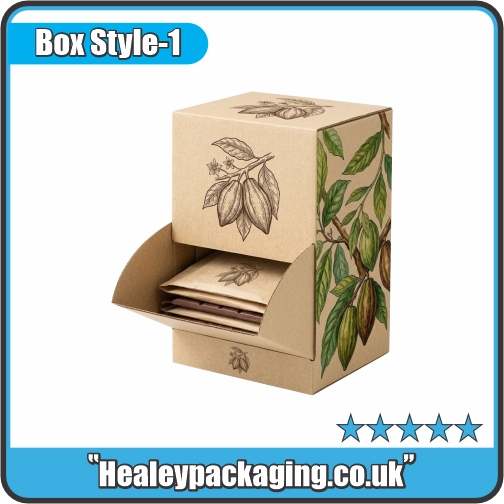
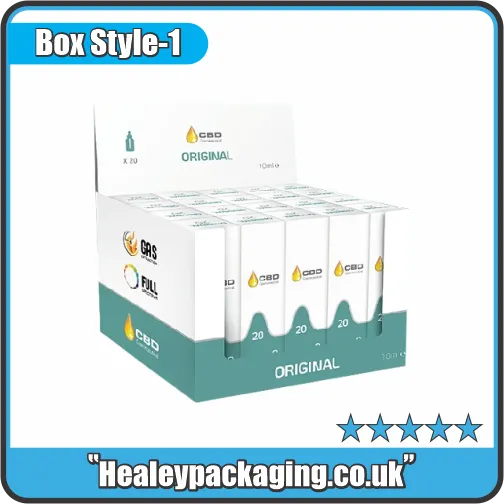
Products do not get much time to catch attention in retail spaces....
View Retail Display Boxes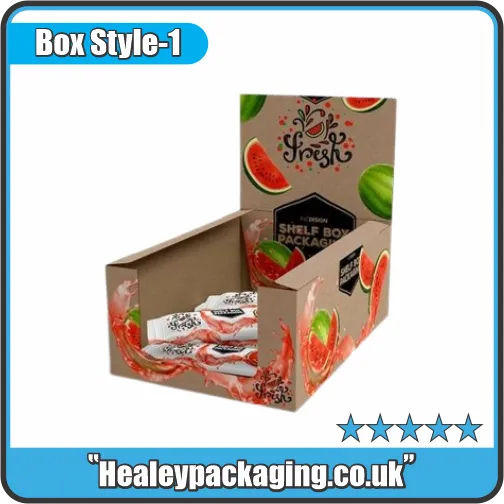
Retail packs are not always unpacked before going on shelves. In many...
View Shelf Ready Packaging BoxesDisplay packaging has to present, organise and hold stock as customers interact with it. Start with the retail location, product dimensions and unit count before deciding on the final structure, board or artwork.
Compact footprints, fast product access and clear front-facing branding matter where counter space is limited.
Shelf footprint, front opening height and remaining product visibility should be planned together.
Distribution strength and clean in-store opening become equally important when the shipping pack converts into a display.
Total loaded weight, base stability and the allocated retail footprint become more important as the display grows.
Launches and seasonal promotions need enough branding area without making product access or stability secondary.
Bottles, sachets, cartons and individually packed products need a display geometry matched to their own size and orientation.
The best format depends on where the pack is placed, how products are removed and whether the same structure also has to protect stock through distribution.
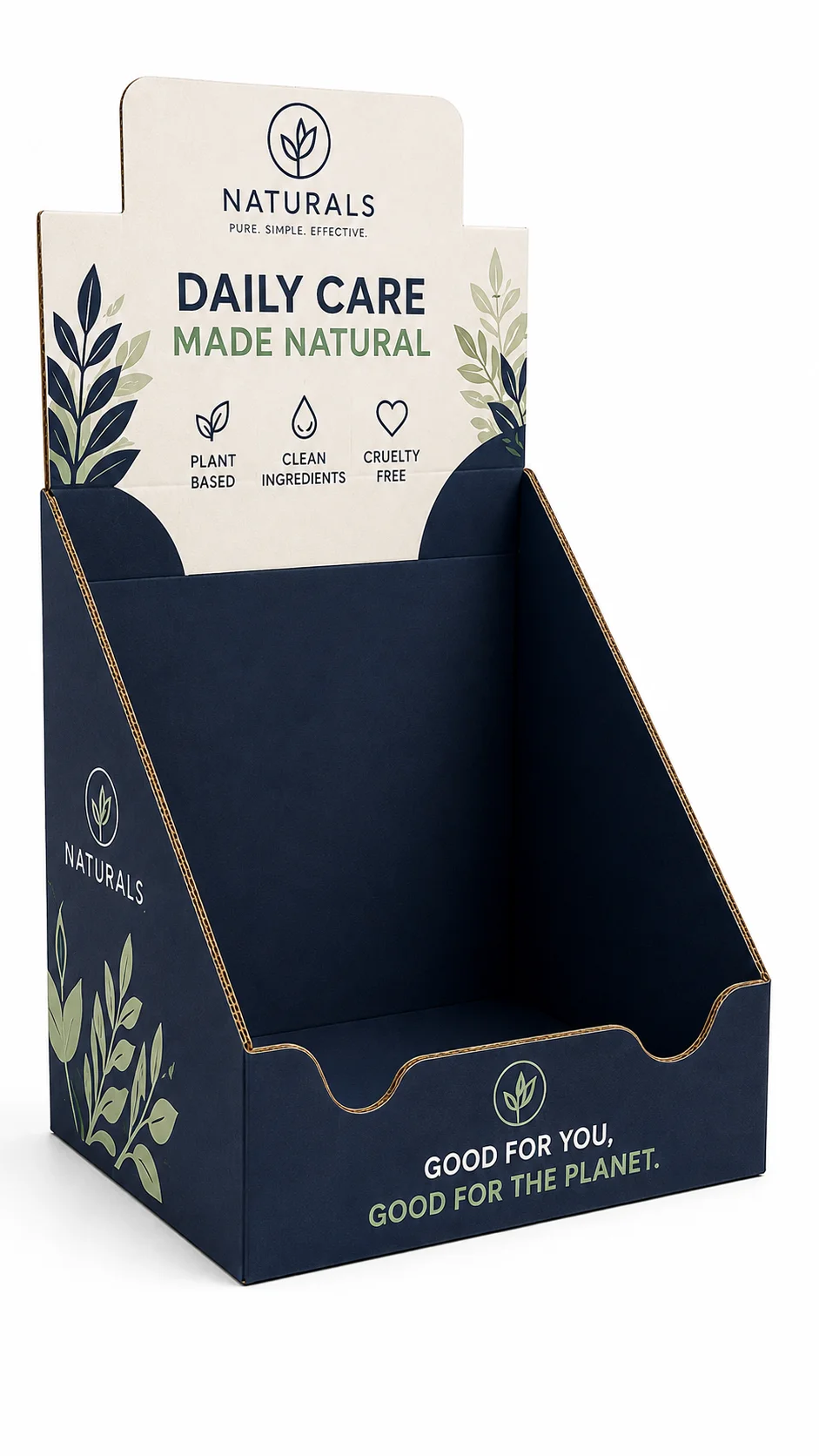
Keep multiple small products organised within a limited countertop footprint.
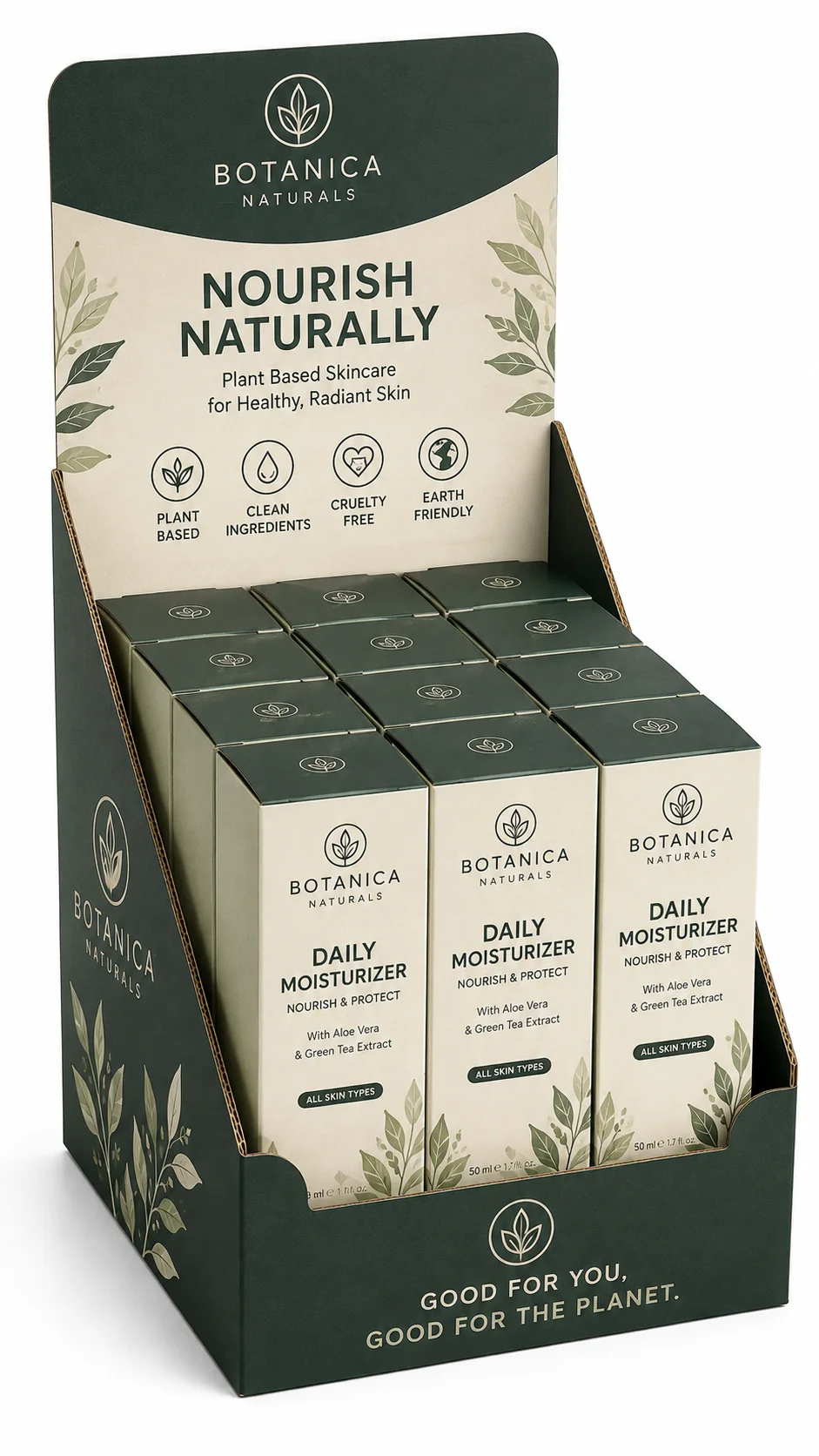
Protects grouped products during distribution before opening into a retail-facing format.
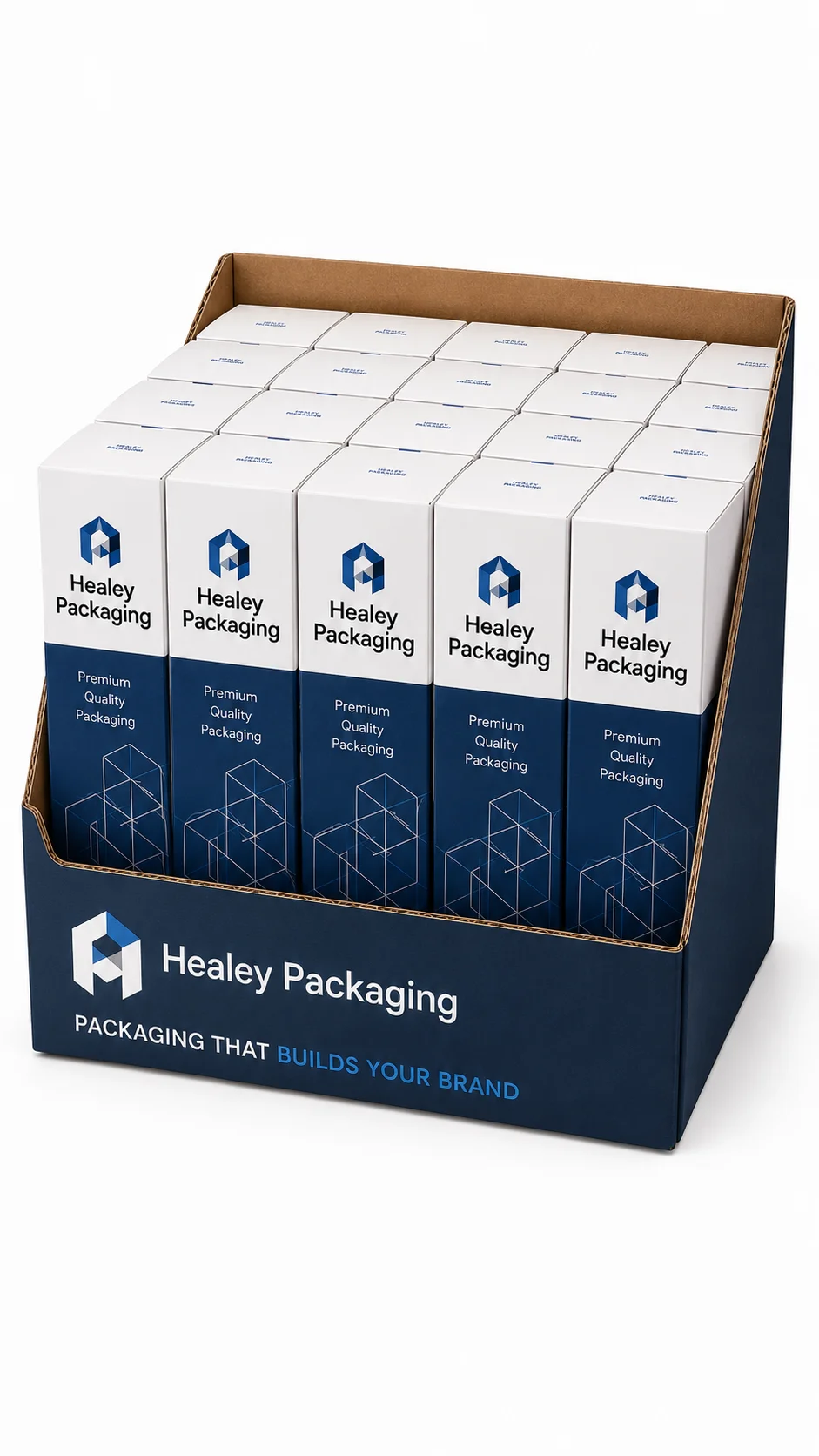
Hold grouped products in position while leaving most of the individual packs visible.
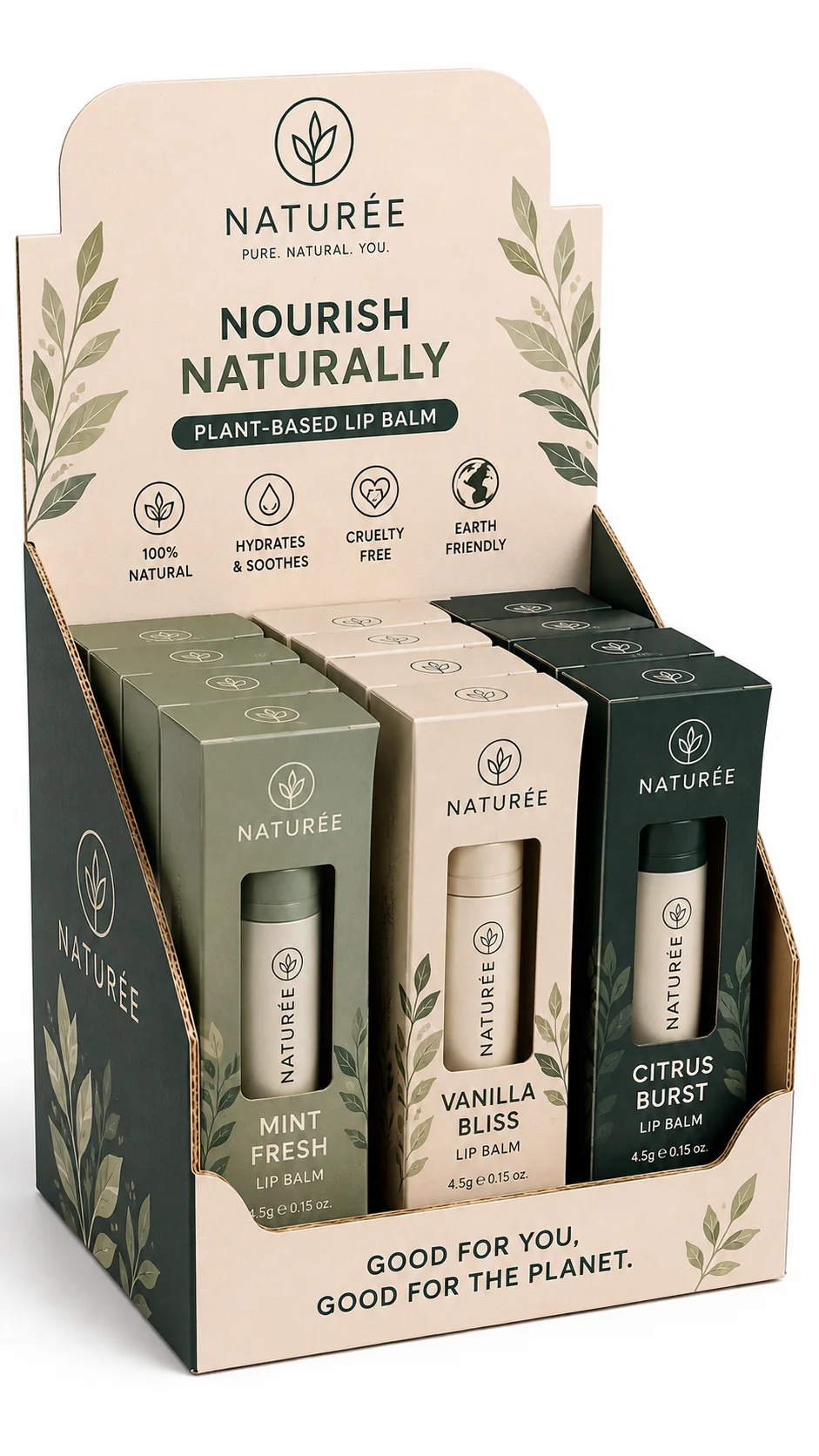
Combine product-holding space with a larger visible area for launches and promotional messages.
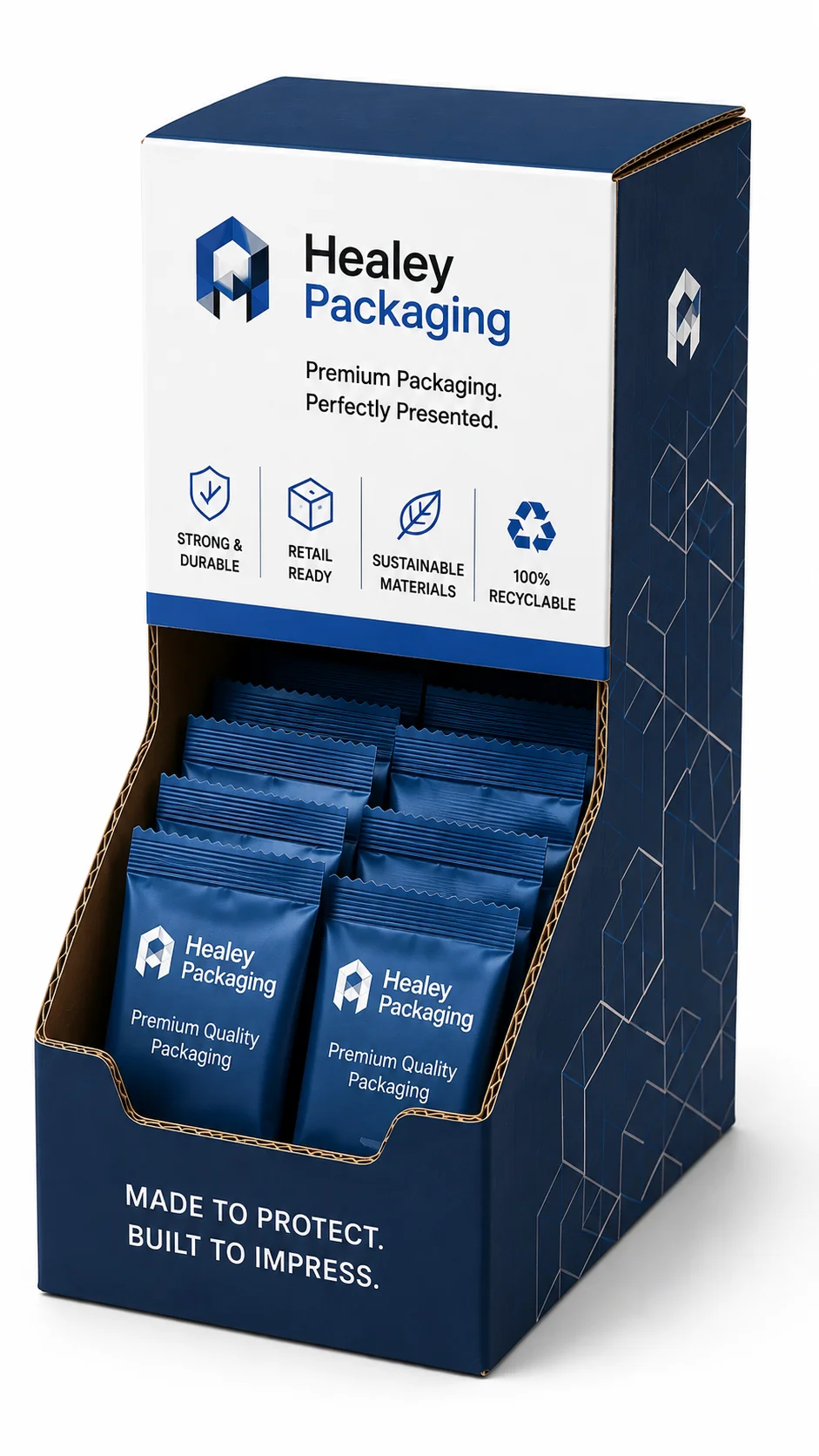
Present small repeat units through an opening that controls access while the remaining stock stays contained.
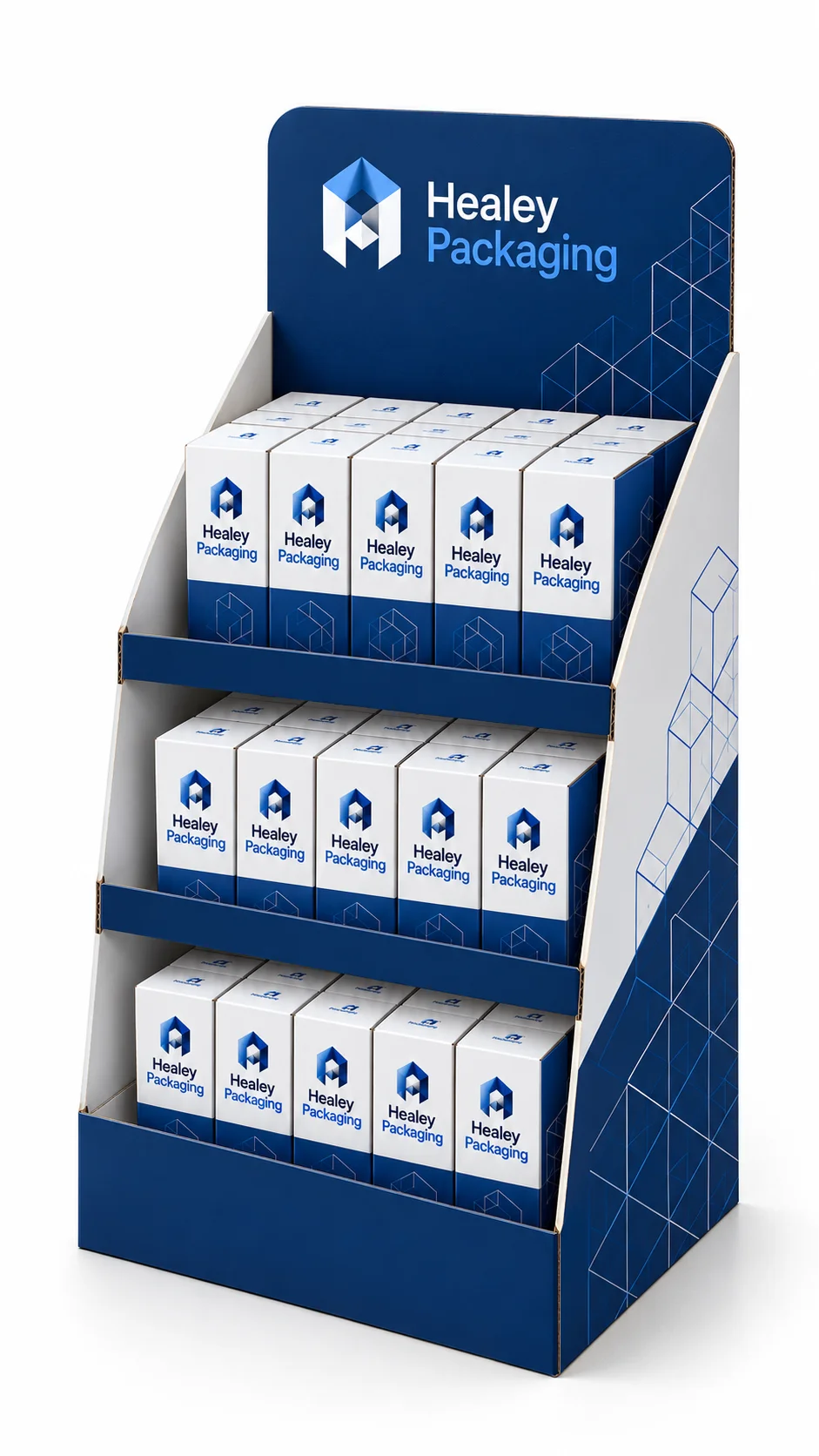
Create a freestanding merchandising area for larger product quantities and multi-SKU ranges.
Board choice should follow the finished load, display geometry and handling conditions. A small lightweight counter display can need a very different specification from a multi-unit floor display.
Useful for smaller display cartons and trays where clean creasing and detailed print presentation are priorities.
Consider: packed weight, wall height and cut-out area.Suitable for larger displays, shelf-ready packs and grouped products where distribution or repeated handling adds structural demand.
Consider: flute/board build, total load and remaining wall area.Can suit lightweight display formats where a natural brown appearance supports the brand and full white-surface colour is not required.
Consider: print contrast and the product load first.Display performance changes as products are removed. The base, front opening, side walls and internal support should continue to hold the remaining units in a useful retail position.
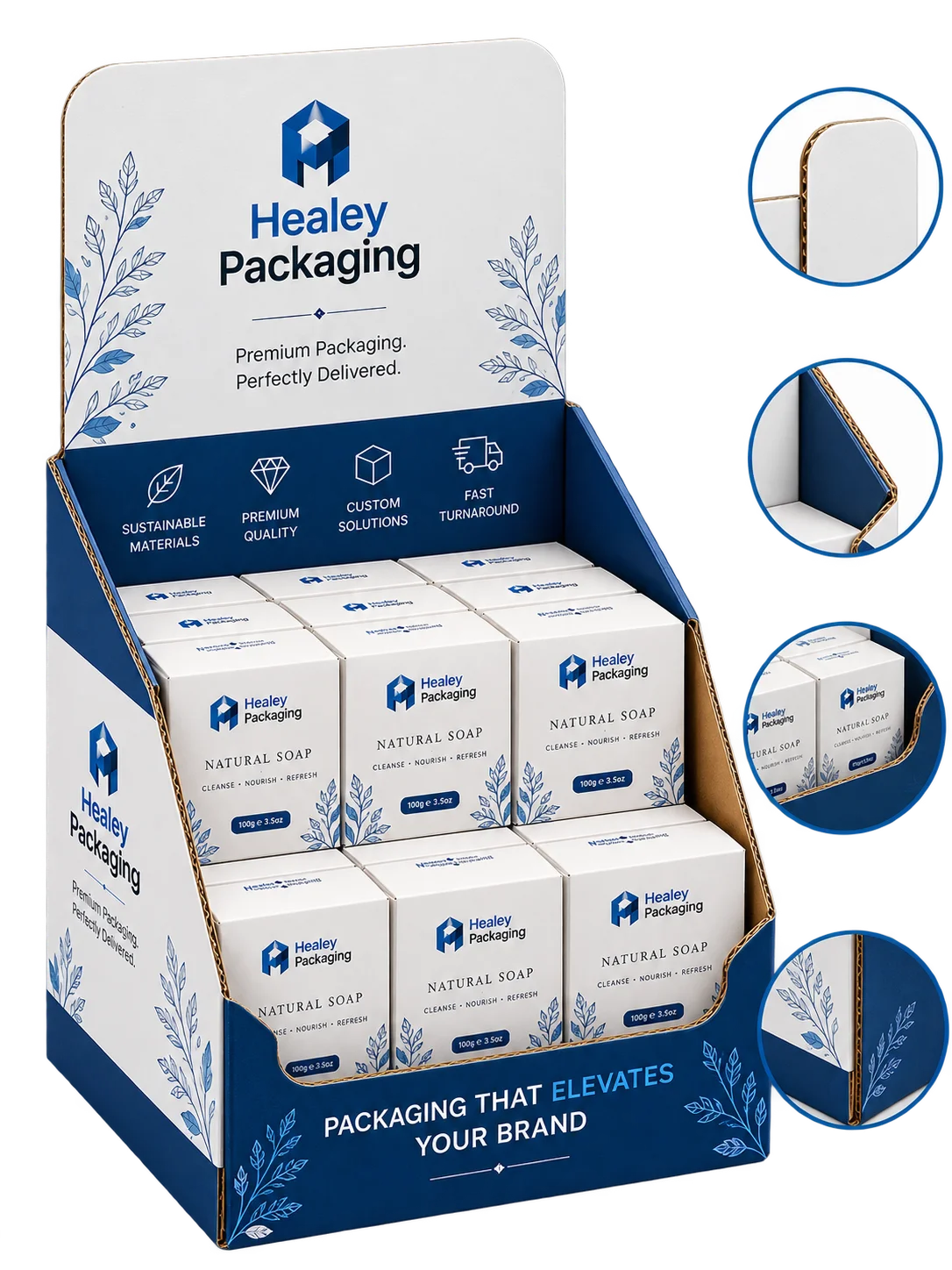
The base and walls need to support the combined product weight rather than a single unit in isolation.
Check: individual weight + total loaded weightBottles, cartons and sachets behave differently when upright, angled or stacked within the same footprint.
Check: centre of gravity + customer accessIncrease product visibility without removing so much board that containment or structural stability is weakened.
Check: visibility + retention + remaining boardDividers or positioning features can help maintain alignment where units would otherwise lean, rotate or collide.
Check: movement + refill methodDimensions should fit the allocated retail space while leaving staff enough access to replenish or replace the display efficiently.
Check: shelf depth + counter width + replenishment routeThe remaining products should stay accessible and presentable as stock levels change.
Check total load and visibility.
Check gaps, leaning and balance.
Check the final units still sit correctly.
Some display packaging has to protect products during distribution and then open into the retail unit. That means transit strength, perforations, opening method and the remaining tray all need to work together.
The closed carton still needs enough strength for the intended storage and distribution route.
Tear-away or perforated sections should open without unintentionally weakening the display that remains.
Once opened, the remaining pack should allow customers and staff to reach the products without disrupting them.
The tray should continue to hold the range neatly as stock is removed and replenished.
Keep the conversion simple enough for staff while preserving the structure needed for the remaining display.
Load products in the intended retail arrangement.
Protect the loaded products through distribution.
Remove the designated panel or transport section.
Use the remaining structure as the retail display.
Shelf-ready dimensions, handling and opening expectations can vary by project. The structure should be developed around the requirements supplied for the intended retail programme rather than a blanket retailer-compliance claim.
Structure controls what customers can see; print controls what they notice first. Build the artwork around the visible header, front lip and side panels once the loaded product position is understood.
Use CMYK for detailed process artwork and Pantone references where the selected production method supports closer brand-colour control.
Place the primary message where it remains visible with the display full, partly stocked and viewed from normal retail angles.
Surface finish changes sheen and colour appearance, so it should follow the board, artwork and retail lighting rather than being added automatically.
Specialist finishes can highlight a logo or key graphic where the material and production method support them, but should not compete with product visibility.
Efficient display packaging uses enough board to hold the loaded product and survive the intended retail life without unnecessary volume or components. Repeat supply is easier when the approved dimensions, board and artwork remain controlled.
Match the display to the intended product count and allocated retail space rather than adding unused volume.
Opening more of the front can improve visibility, but removing too much board can reduce structural support.
Review inserts, coatings, laminates and mixed-material additions against the job they actually perform.
Recycling claims should reflect the finished construction, not only the main paper-based board.
Retain the approved display size and loading pattern where the product range remains unchanged.
Keep the agreed material, cut-outs and support features linked to the correct retail application.
Use approved files to control the visible branding areas across repeat orders and related SKUs.
Review the specification if unit dimensions, weight, quantity, retailer requirements or distribution conditions change.
Product dimensions, individual and total loaded weight, units per display, retail location, shelf or counter footprint, preferred format, distribution route, print requirements and artwork status provide a practical starting point for specification and quotation.
Real packaging work produced for customer brands.
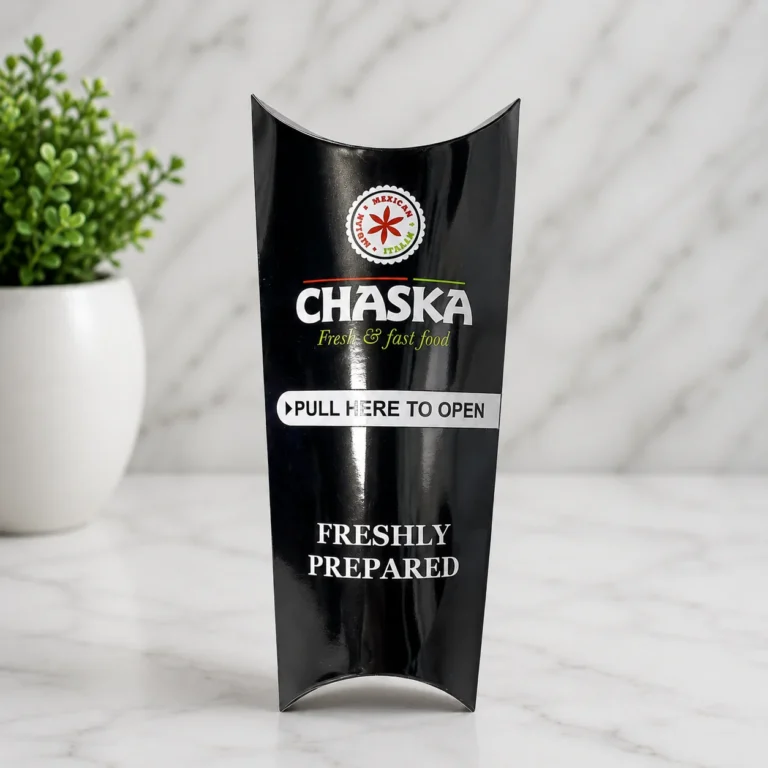
Healey Packaging produced custom pillow-style shawarma sleeves for CHASKA using 300gsm food-safe BSB card, full-colour CMYK...
View Case Study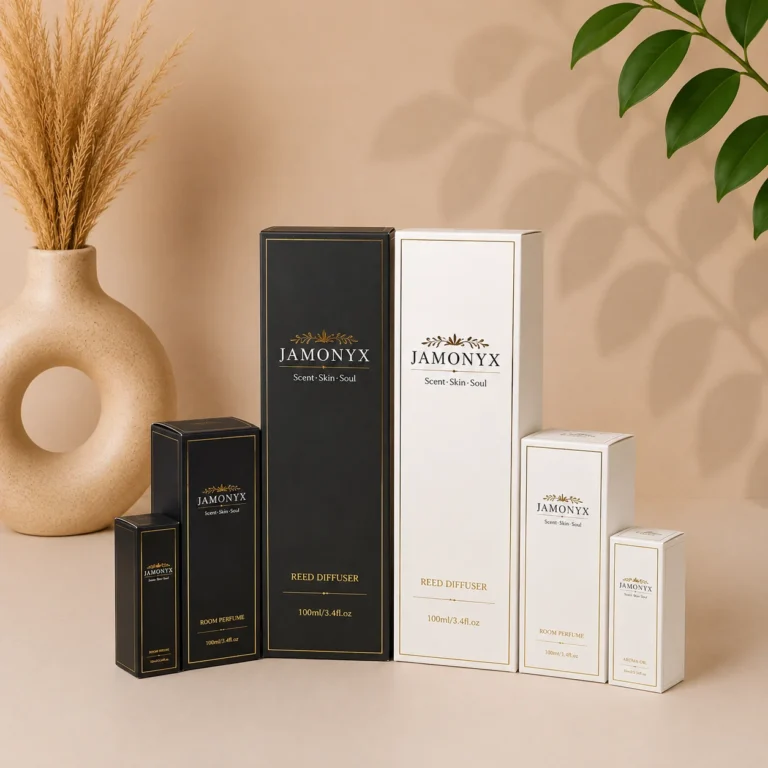
Healey Packaging produced 1,200 luxury reverse tuck boxes for JAMONYX across two black-and-white designs, three sizes,...
View Case Study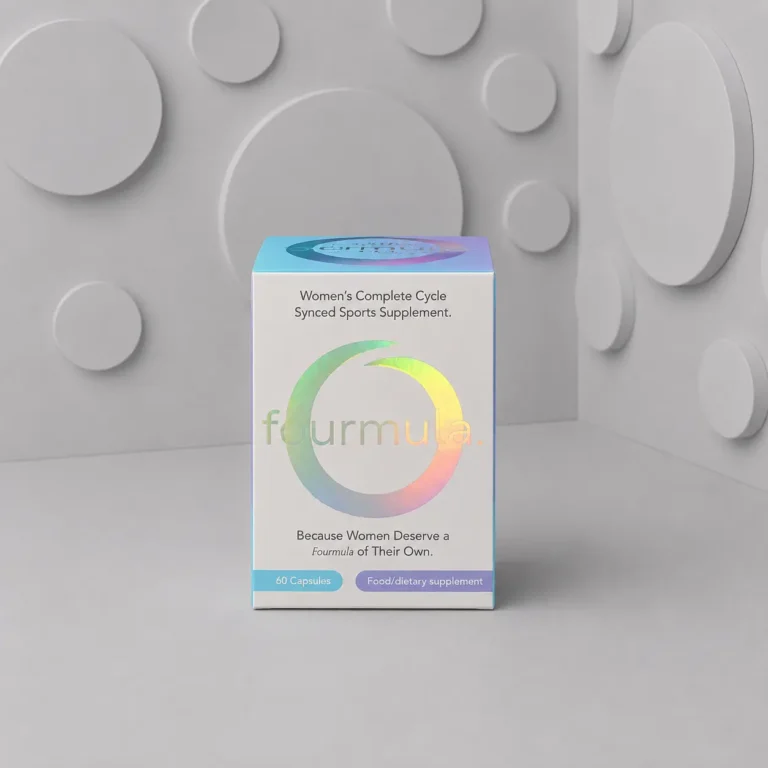
Fourmula started with 10 physical sample boxes for a compact supplement product, then moved toward a...
View Case StudyShare product size, quantity, use case and artwork status.
The right size, board and box style are reviewed.
A digital proof is prepared before production begins.
Boxes are printed, cut, folded and finished to specification.
Finished packaging is checked for structure and print quality.
Completed packaging is packed and delivered to your business.
We have been using Healey for years and are always impressed by the service, quality and speed.
Harry GeorgeThe packaging is of high quality, strong cardboard. I will definitely be using them again.
Amanda NewmanGreat communication, quick and good product. I really recommend.
JOON Plant Based AtelierDisplay packaging boxes hold, organise and present products at the point of sale. They are commonly used on counters, retail shelves and promotional areas where products need to remain visible, accessible and neatly positioned as customers remove stock.
Regular product packaging primarily contains and protects an individual item. Display packaging also performs a merchandising function by presenting one or more products together. Open fronts, raised header panels, display trays, dispensing openings and other structural features can improve visibility and customer access.
Common formats include counter display boxes, shelf-ready packaging, display trays, dispenser boxes, point-of-purchase displays and larger cardboard display stands. The appropriate format depends on the product dimensions, unit count, packed weight, retail location and replenishment method.
Start with the finished dimensions and weight of each product, followed by the number of units required per display. Then consider product orientation, shelf or counter footprint, customer access and any dividers or positioning features. The outer dimensions should be developed around the intended product arrangement rather than selected first.
Folding paperboard can suit lightweight counter displays and smaller retail trays, while corrugated board provides more structural support for larger displays, grouped products and shelf-ready formats. The final board specification should consider total loaded weight, display dimensions, cut-outs, handling and distribution requirements.
Display stability depends on product orientation, total load, tray depth, wall height, front openings and any internal support. A useful specification should consider the display when fully stocked, partly stocked and nearly empty because weight distribution and product support change throughout the selling cycle.
Yes. Custom display packaging can include logos, brand colours, product information and promotional artwork. CMYK printing and Pantone references can be used where appropriate, with selected finishes such as matt or gloss surfaces, foil, Spot UV, embossing or debossing depending on the material and design.
Shelf-ready packaging combines distribution and retail-display functions in one structure. Products travel inside the closed pack, then a panel or outer section can be opened or removed so the remaining structure becomes the retail-facing tray or display. The design needs to balance transit protection with clean in-store opening.
Yes. Some convertible or shelf-ready structures can protect grouped products during distribution and then convert into a retail display. The closed carton needs sufficient strength for the intended journey, while the remaining display must still provide product access, visibility and stability after opening.
Healey Packaging offers no minimum order requirement for custom display packaging. Standard production is typically 7–10 working days after artwork approval, although complex structures, specialist materials, inserts or finishing requirements can affect the final production schedule.
Share your product, size, material and quantity requirements. Our team will help you choose the right structure, print and finish.
Tell us your product, target look, and how you ship. We'll recommend the right board, print, and finish for performance.
 Apparel Packaging
 Bakery Packaging Boxes
 Bottle Packaging Boxes
 Candle Boxes
 CBD Packaging Boxes
 Cereal Packaging Boxes