
 Popular
CD Jackets Printing
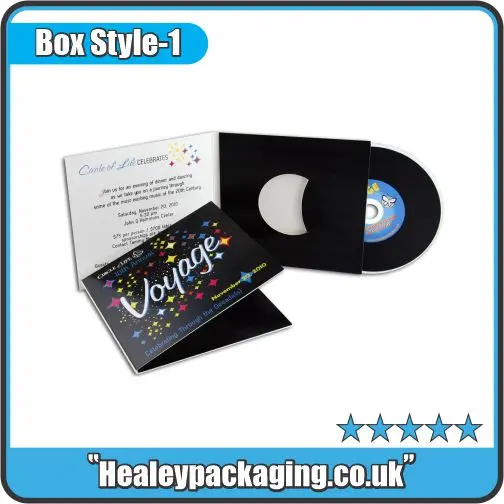
CD jackets are folded cardboard sleeves that hold a disc inside a...
View CD Jackets PrintingGet custom retail packaging made to fit, protect and present your products properly. Choose your box style, size, material, print and finish, with support from initial specification through to production.
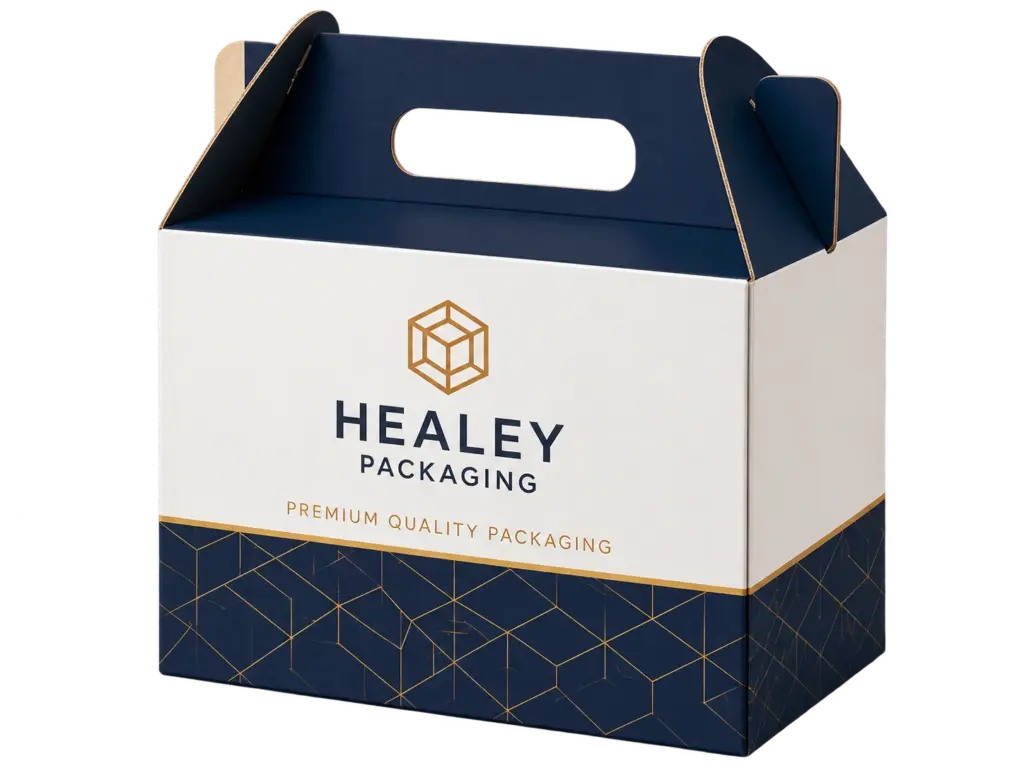
Browse retail boxes built for shelf display, product protection, launch packaging and clear customer presentation.
Printed retail cartons and display formats for products sold in store.
Popular
CD jackets are folded cardboard sleeves that hold a disc inside a...
View CD Jackets Printing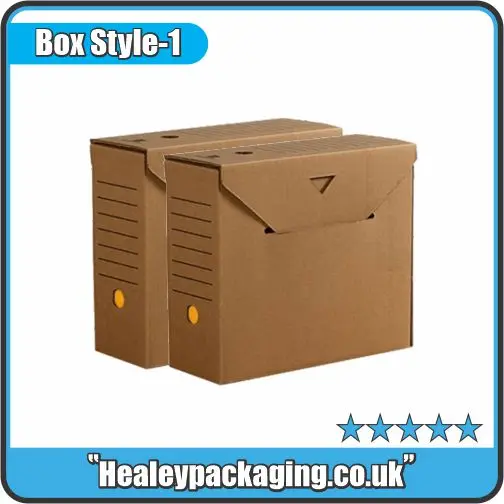 Best Seller
Paper doesn’t complain when it’s damaged. It just fades, bends or tears...
View Custom Archive Boxes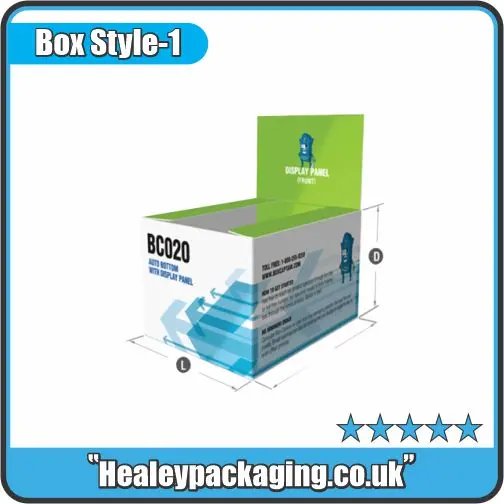 Most Ordered
Auto lock bottom cartons are mainly used where faster assembly and stronger...
View Custom Auto Lock Bottom Boxes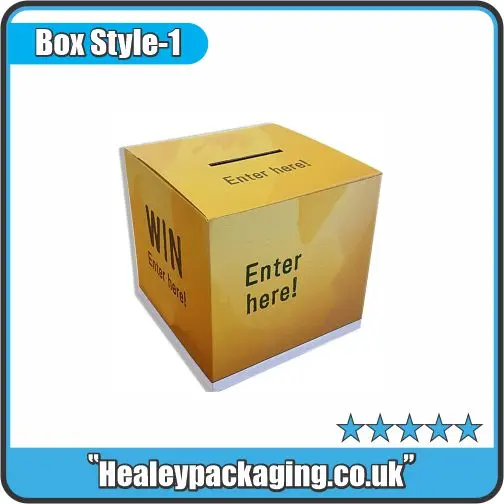 Custom
Ballot boxes are usually ordered for serious reasons. Whether it’s an election,...
View Custom Ballot BoxesMailer and fulfilment styles for direct-to-customer retail orders.
 Premium
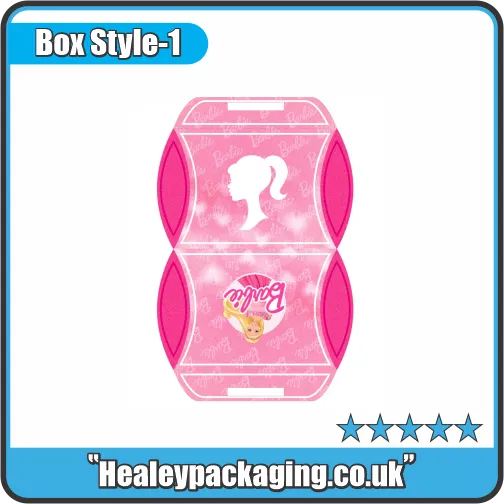
Barbie boxes tend to fail when they are expected to do more...
View Custom Barbie Boxes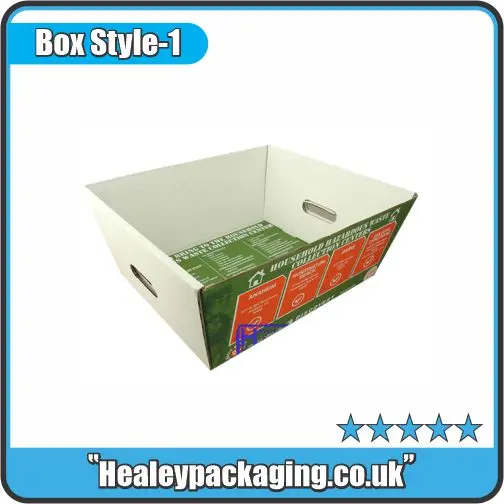
Small parts, tools or retail items are often stored in open cartons...
View Custom Bin Boxes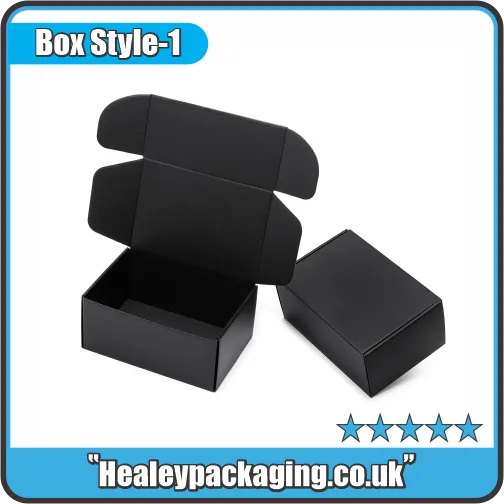
Black boxes are popular for a simple reason: they make products look...
View Custom Black Boxes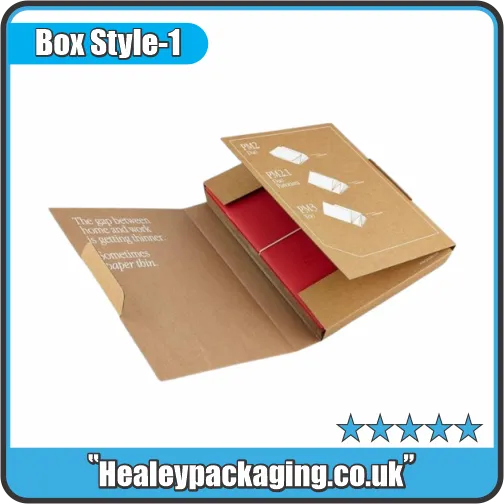
Books can survive years on a shelf, but they are surprisingly easy...
View Custom Book BoxesPremium structures for branded retail launches and higher-value product ranges.
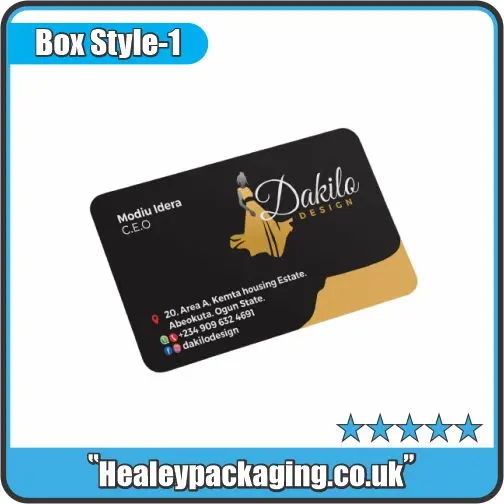
Business cards are small, but they get damaged easily when they are...
View Custom Business Card Boxes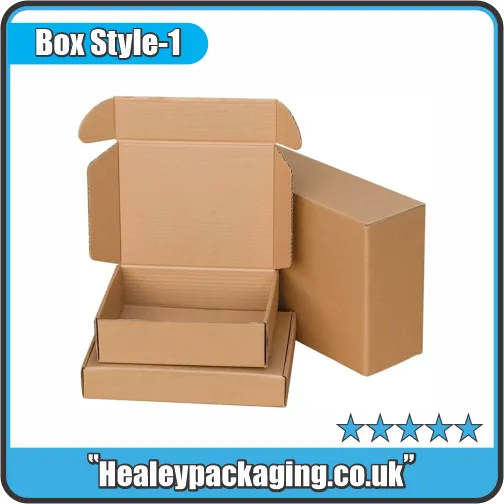
Strong products deserve strong packaging. That’s exactly what our custom corrugated boxes...
View Custom Corrugated Boxes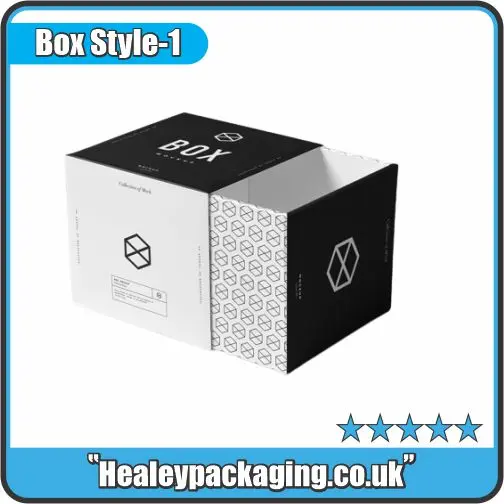
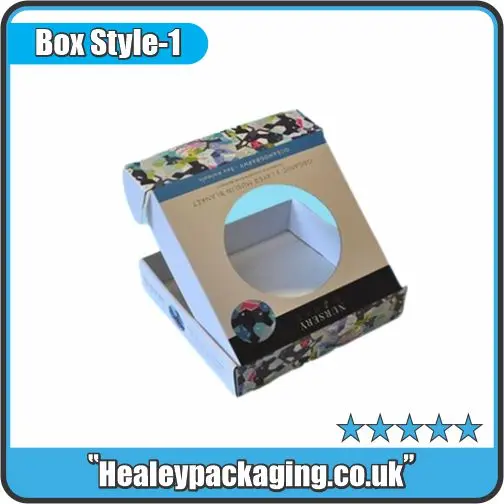
Not every product fits neatly into a standard box — and not...
View Custom Die cut BoxesStrong, cost-effective boxes for everyday retail packing and delivery.

Flap boxes are often chosen because they feel simple, but when they’re...
View Custom Flap Boxes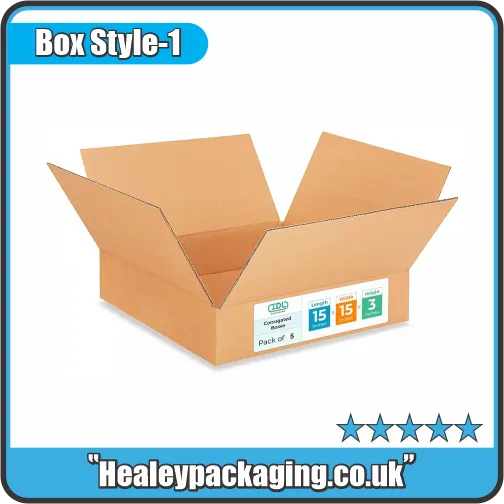
Flat pack boxes are usually chosen for one simple reason: space. When...
View Custom Flat Pack Boxes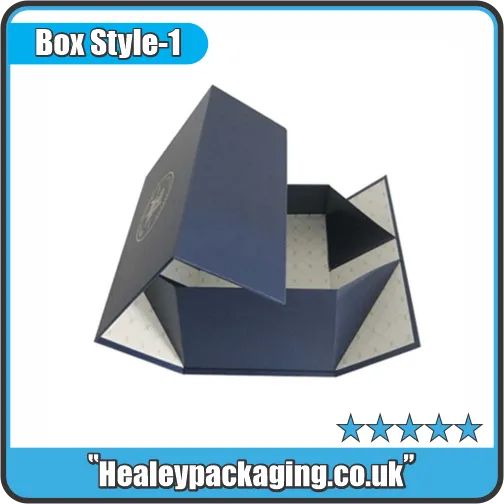
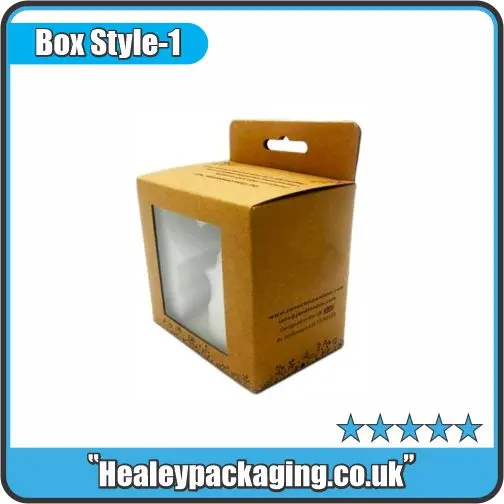
Retail packaging that hangs has one weak point: the tab. If the...
View Custom Hanging Tab BoxesPrinted retail cartons and display formats for products sold in store.
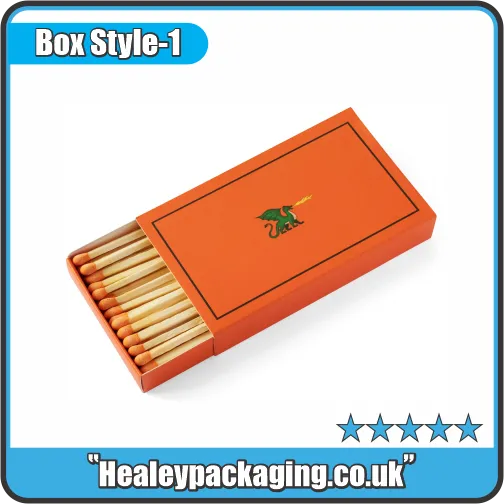
Match boxes rarely get attention until they fail. A loose sleeve, a...
View Custom Match Boxes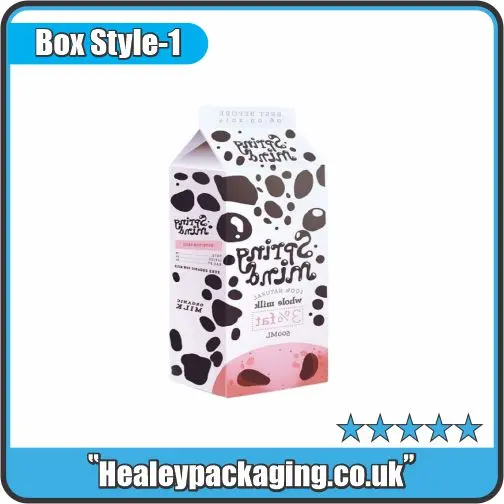
Milk packaging shouldn’t just keep the product fresh — it should also...
View Custom Milk Carton Boxes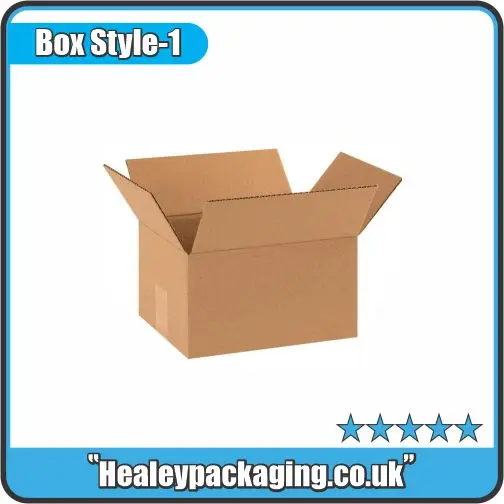
People usually notice moving boxes only when they fail. Split bottoms, soft...
View Custom Moving Boxes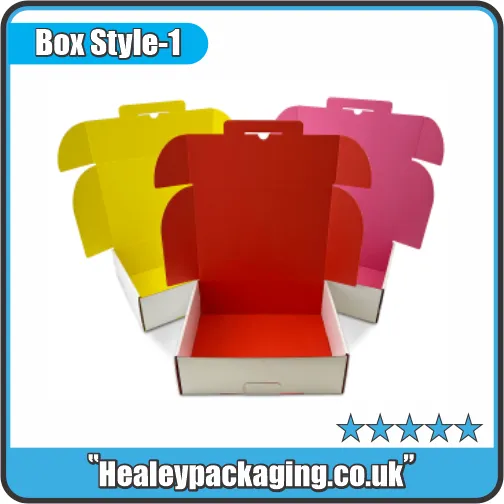
Ever had a parcel show up crushed at the corners, tape peeling,...
View Custom Postal BoxesMailer and fulfilment styles for direct-to-customer retail orders.
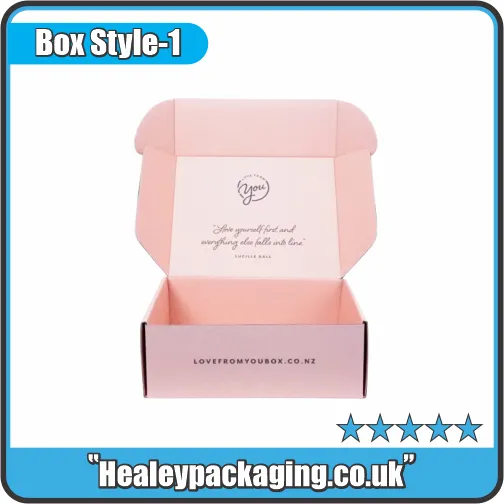
In influencer marketing, the packaging is part of the message. Our custom...
View Custom PR Boxes for Influencers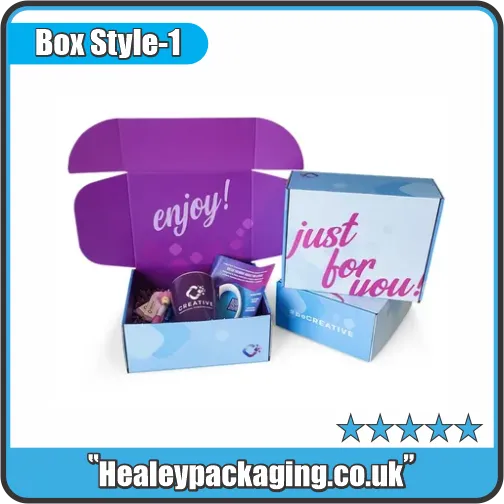
Promotional packaging works best when it feels intentional, not forced. That “small...
View Custom Promotional Boxes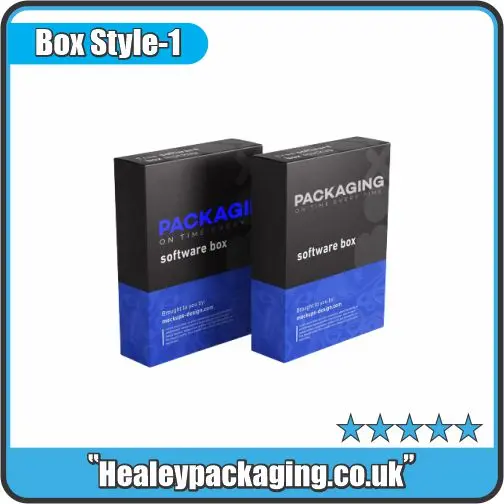
Software used to be sold almost entirely as a boxed product. Even...
View Custom Software Boxes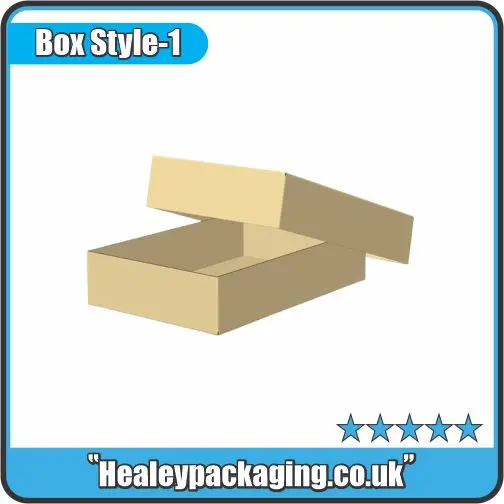
Some products are not suited to single-piece cartons. They need a base...
View Custom Telescoping BoxesPremium structures for branded retail launches and higher-value product ranges.
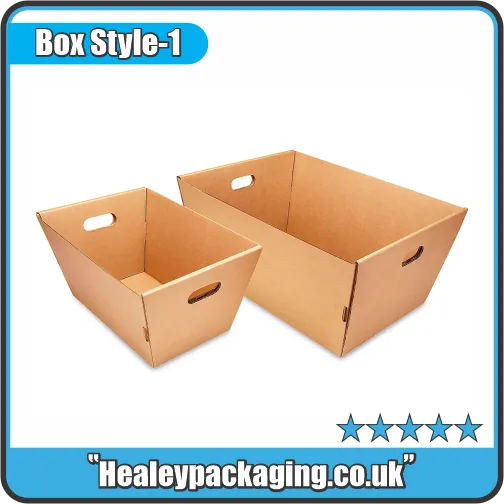
Tote-style boxes are used for carrying and storing items where the same...
View Custom Tote Boxes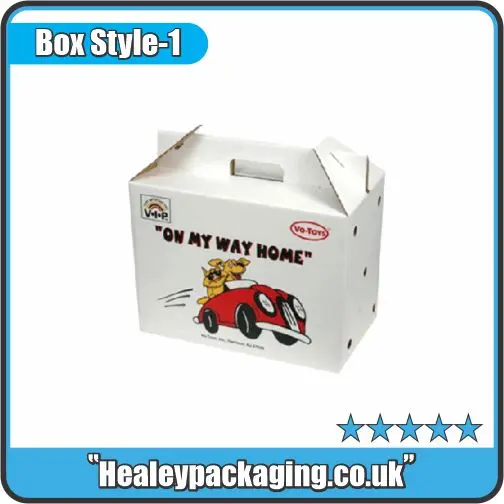
Great toy packaging does more than protect—it becomes part of the play....
View Custom Toy Packaging Boxes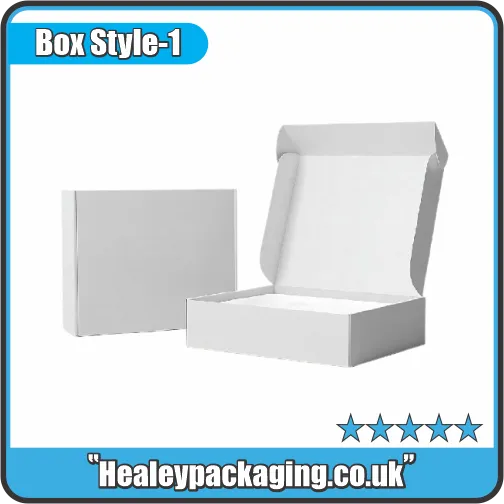
Some products just look better in white packaging. It has that easy,...
View Custom White Boxes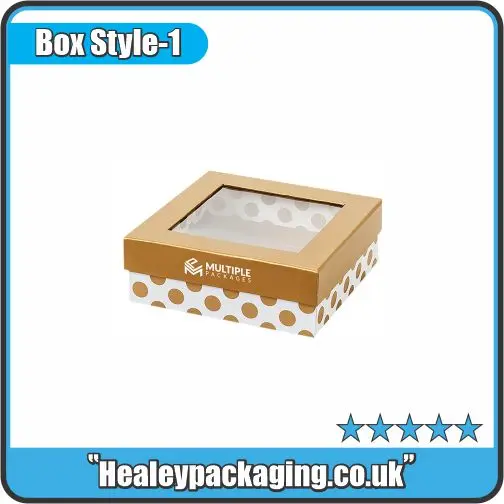
Look, sometimes customers just want to see what they’re getting — and...
View Custom Window BoxesStrong, cost-effective boxes for everyday retail packing and delivery.
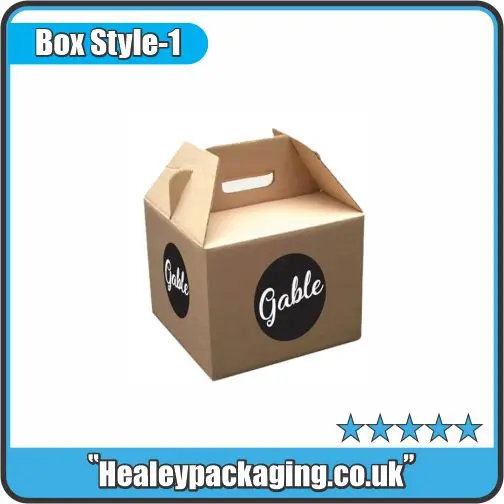
With an amazing style and application, the printed gable boxes are a...
View Wholesale Gable BoxesNo matching products found.
Retail packaging should be planned around the product, sales channel and selling environment before appearance decisions are made. A box for a shelf, counter, hanging display or ecommerce order may need to perform differently even when the product itself is similar.
The packaging needs to work with the intended retail environment and how shoppers see, handle and purchase the product.
Courier handling and transit protection need to be considered separately from the product's retail presentation.
Retail box styles solve different packing, opening, support and display requirements. The right structure should be selected according to how the box needs to assemble, hold the product and perform in the retail environment.
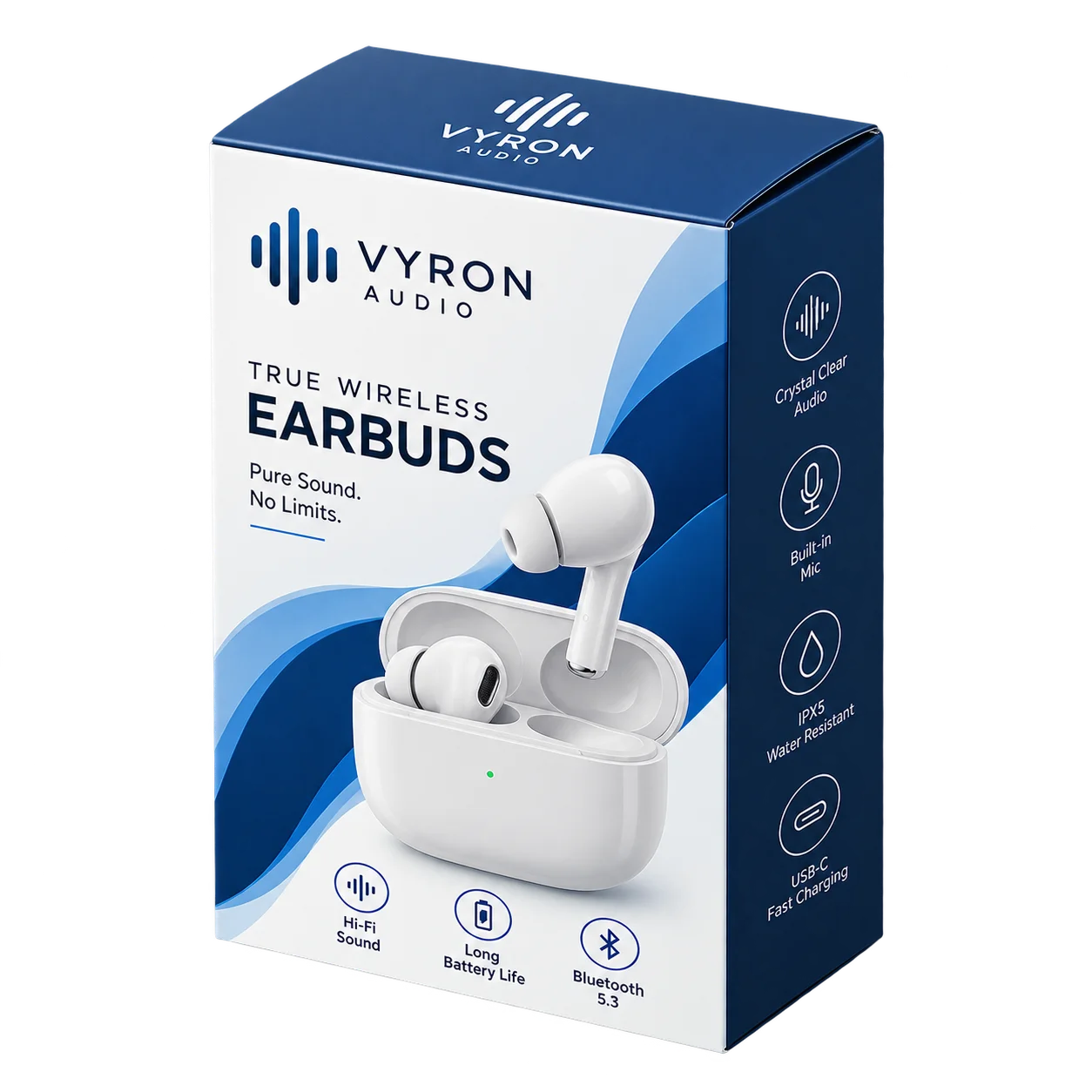
Uses tuck flaps at both ends opening in the same direction, creating a clean folding-carton format with broad printable panels.
Consider: Product weight, tuck depth and required panel orientation.

Uses top and bottom tuck flaps that close in opposite directions, allowing an efficient folding-carton layout.
Consider: Artwork orientation and which end should be opened first.

Uses a pre-glued base that forms as the carton is opened, reducing the manual work needed to close the bottom.
Consider: Product weight, board grade and the packing process.
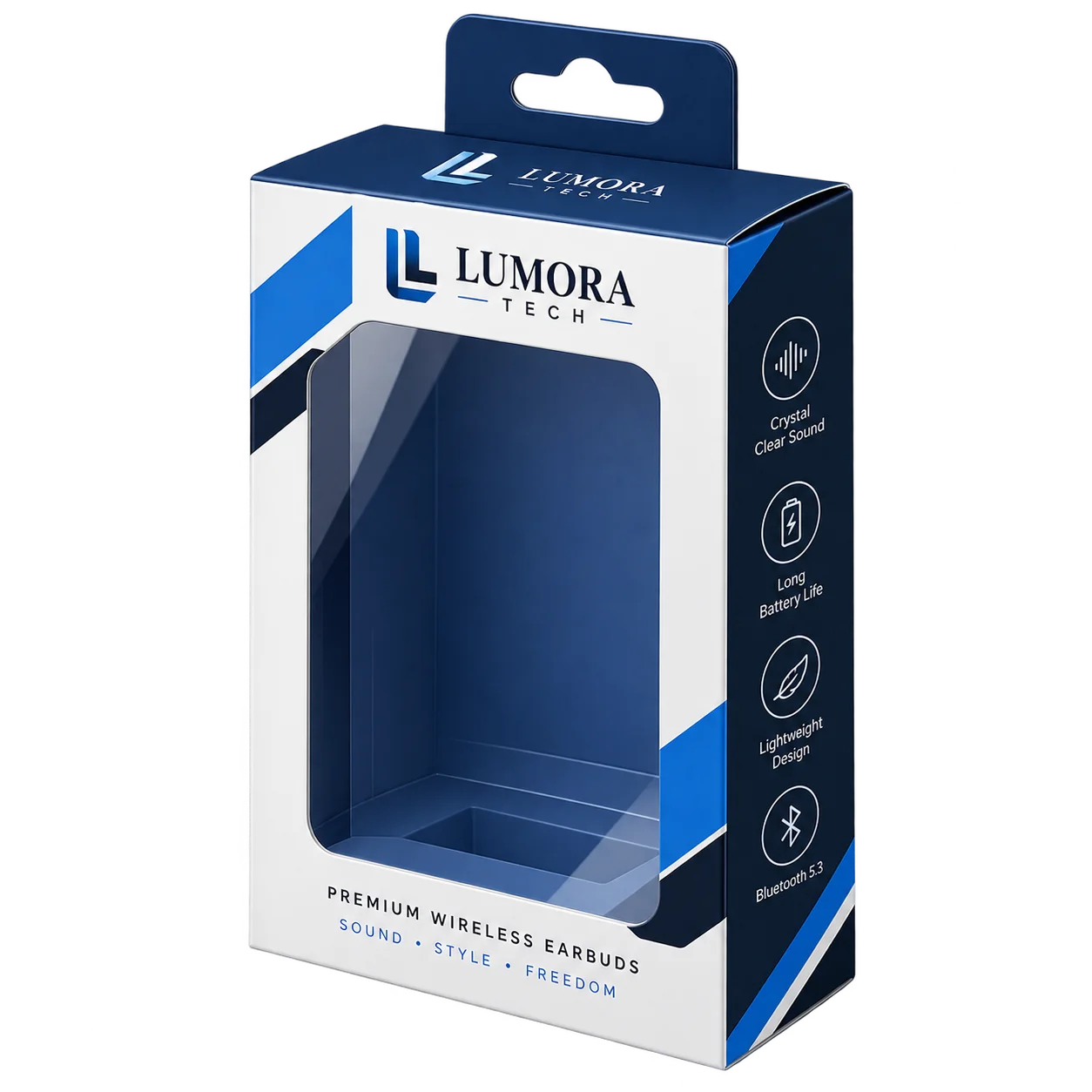
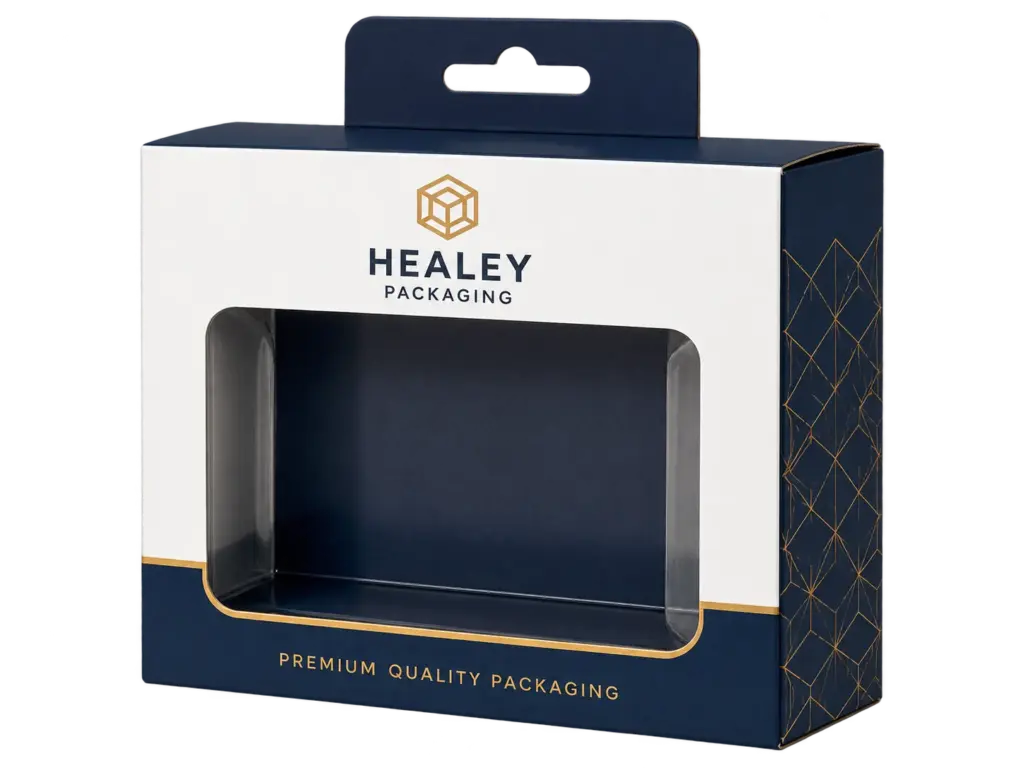
Includes a cut-out viewing area so part of the product remains visible without opening the box.
Consider: Window size, panel strength and the added window material.
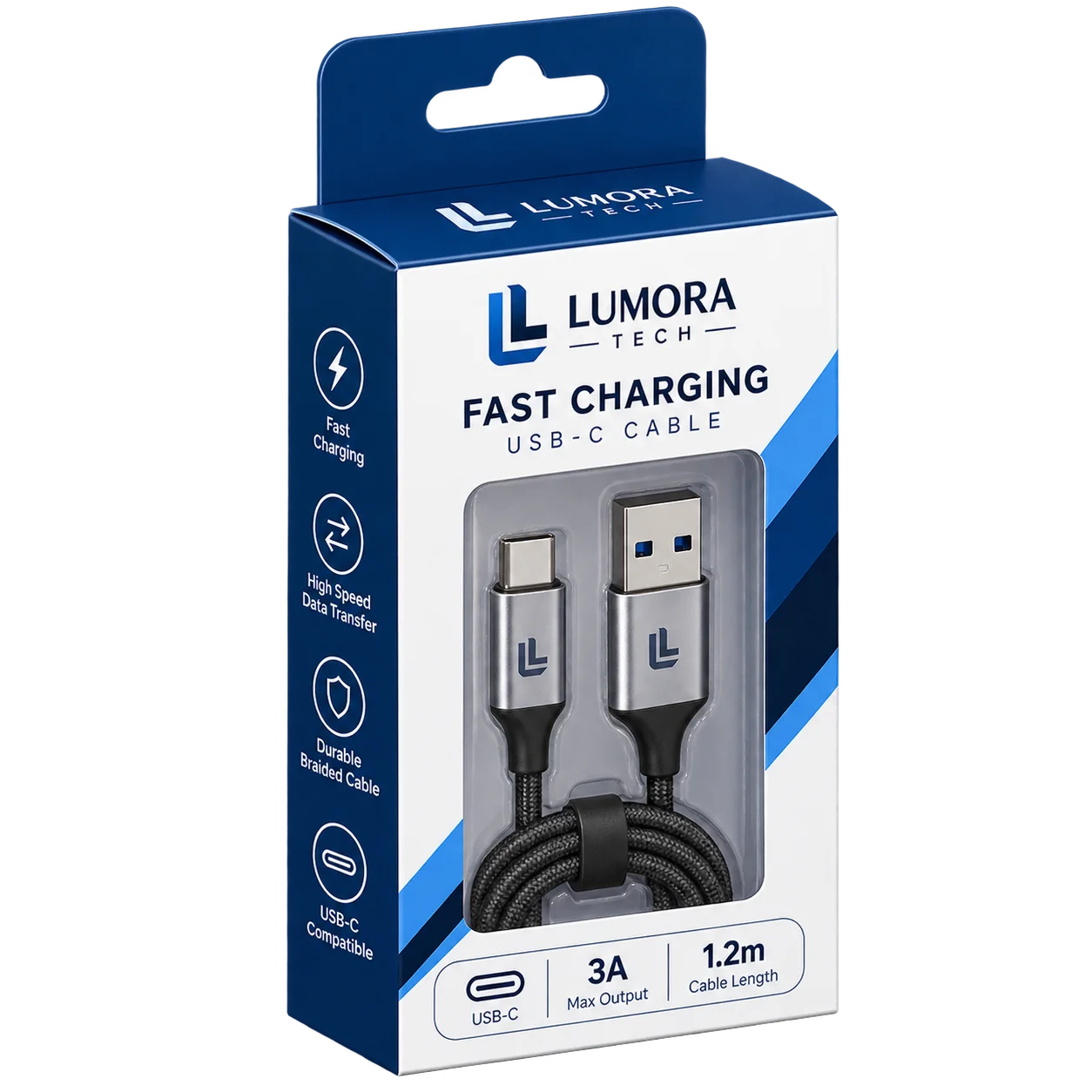
Adds a reinforced header or hanging feature so the carton can be presented on hooks or peg-based fixtures.
Consider: Hanging load, hole position and reinforcement around the header.
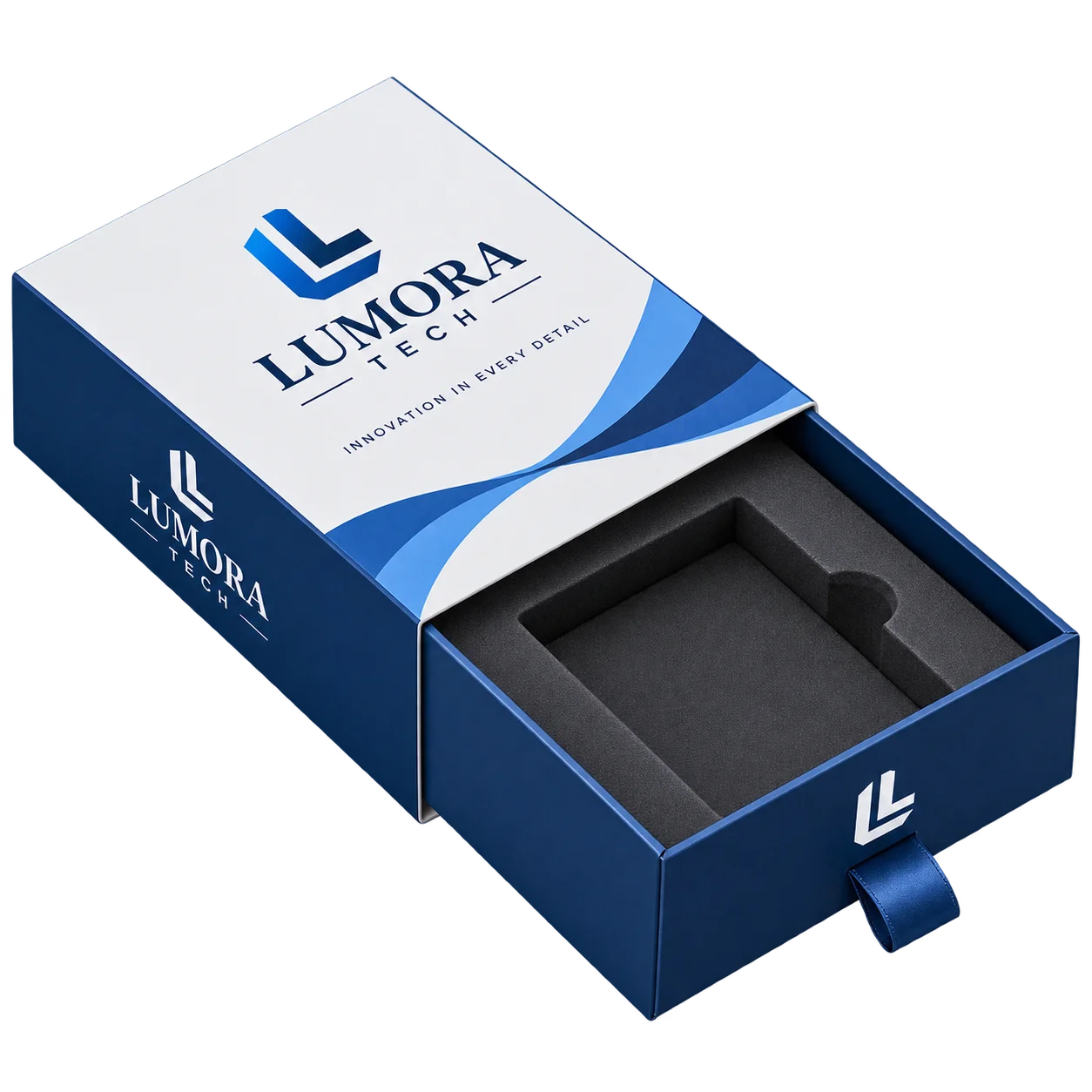
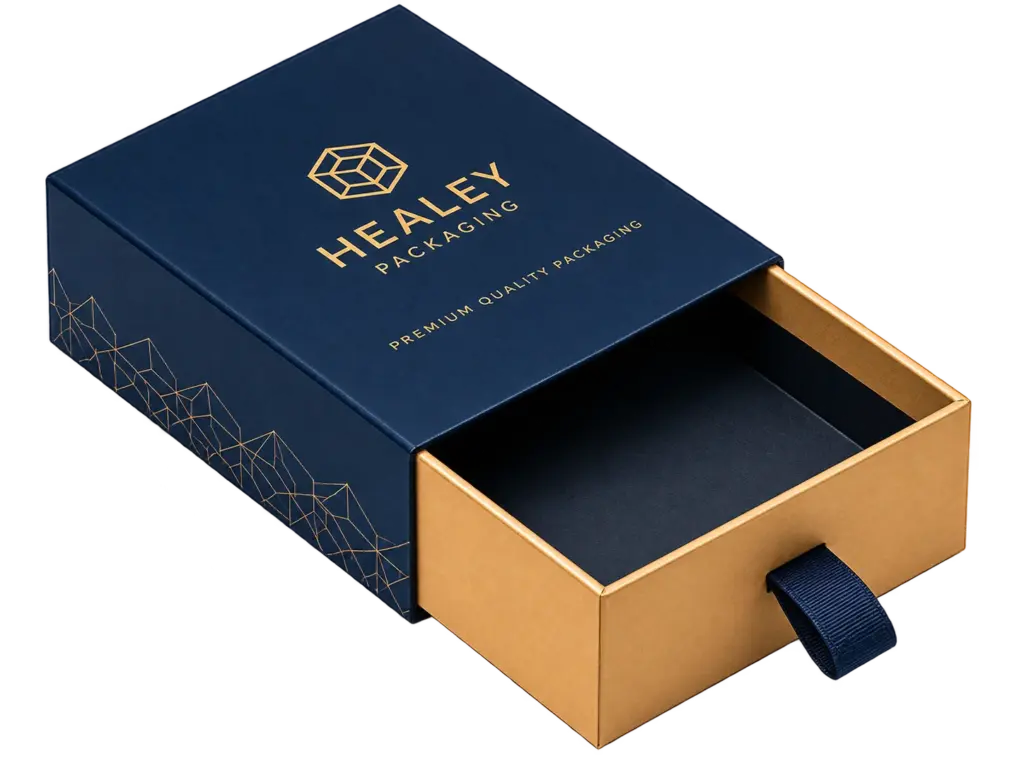
Combines an outer sleeve with an inner tray to create controlled opening and more deliberate product presentation.
Consider: Sliding tolerance, tray depth and product retention.
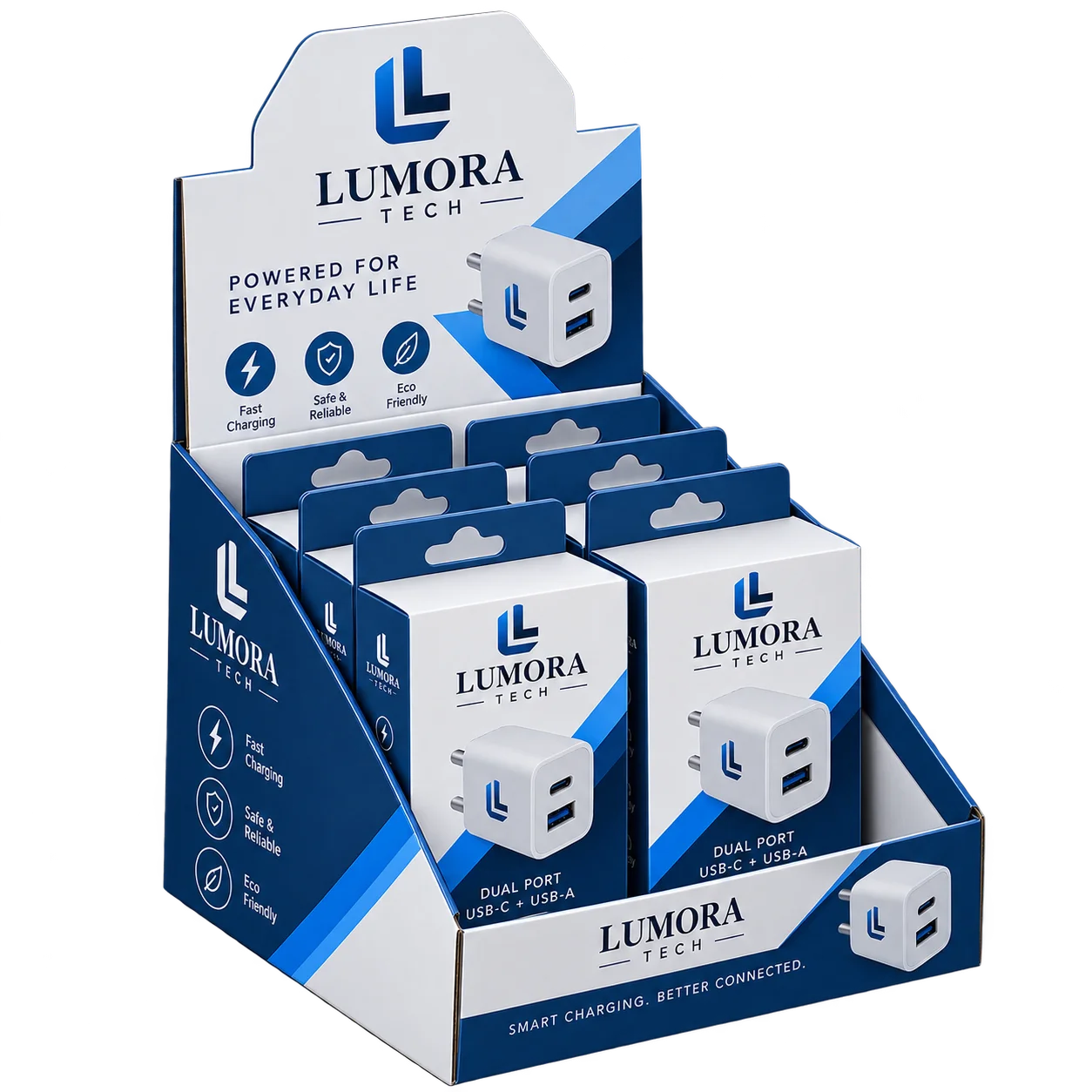
Uses an open-front, tray or convertible construction so products can remain organised while being presented in-store.
Consider: Unit count, display footprint and stability as stock reduces.
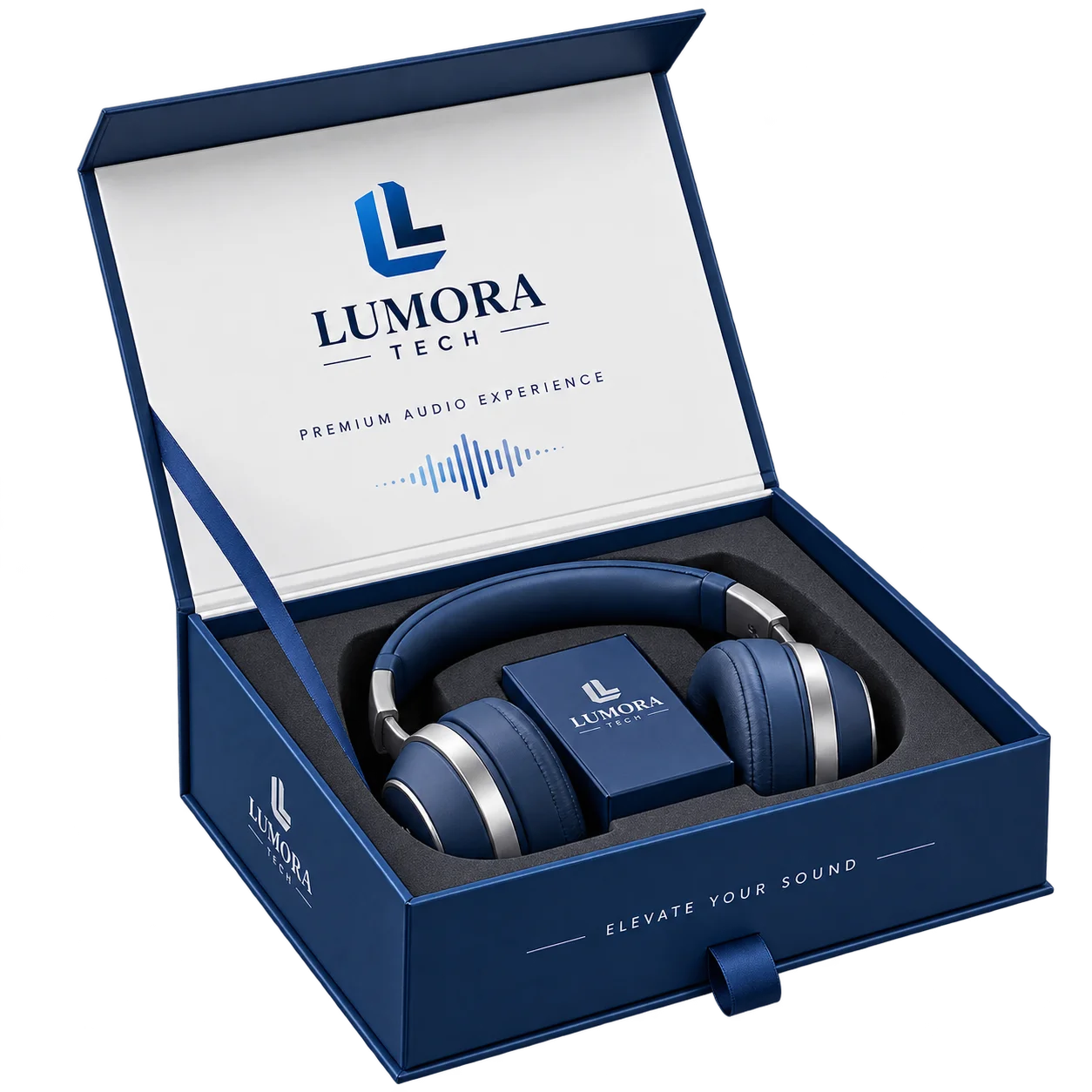
Uses a thicker set-up construction where greater rigidity and a more substantial presentation format are required.
Consider: Storage volume, product weight and whether transit protection is separate.
The same product can need a different box depending on where it will sit, how customers handle it and which retail fixture it needs to work with.
Front-facing area, stacking stability and product visibility.
Header strength, hanging position and loaded pack weight.
Compact footprint, fast product access and efficient use of limited space.
Euro-slot position, header area, tear resistance and loaded weight.
Surface finish, opening experience and controlled presentation.
Packing efficiency, consistent dimensions and repeatable shelf presentation.
Where a retailer provides dimensional, hanging, labelling or packaging specifications, these should be reviewed before the final structure and artwork are signed off.
Board choice affects strength, print quality, folding behaviour and how the finished pack performs in-store. Select the material around product weight, structure and handling requirements first, then develop the required surface appearance.
Lightweight paperboard suited to printed cartons that need clean folds and efficient retail presentation.
Paper-based board with a natural brown appearance, often used where the material itself forms part of the brand look.
Fluted board construction used where retail packaging requires additional rigidity, stacking strength or transit support.
Thick structural board used where a more substantial, premium retail presentation is required.
Decorative papers can change colour, texture and tactile presentation without necessarily providing the main structural strength.
A rigid retail box may use greyboard for strength and a separate printed paper wrap for colour, branding and texture. These should be specified independently.
Review the main packaging materials and their structural applications before confirming the retail box specification.
Print and finish choices affect more than appearance. They influence colour consistency, surface character, tactility, highlighted details and how the pack handles everyday retail use.
Choose the print method around artwork, colour requirements, substrate and production volume.
Four-colour process printing suited to detailed graphics, photography, gradients and artwork containing many colours.
Specified spot colours can be useful when particular brand colours require tighter control than a standard process build.
Useful for suitable shorter runs, prototypes and applications where conventional plate-based production may not be required.
Finishes can change sheen, texture, tactile response, emphasis and surface protection.
Changes surface sheen and the visual character of printed artwork.
Surface appearanceAdds metallic or contrasting detail to selected logos, lettering or graphic elements.
HighlightingRaises or recesses selected areas to introduce physical depth and tactile detail.
TactilityCreates targeted gloss contrast over selected printed areas rather than the entire surface.
Visual emphasisIntroduce texture, colour or functional surface properties depending on the selected material and coating.
Texture & durabilityPrint process and colour specification
Board, paper, matte or gloss treatment
Embossing, debossing and textured papers
Foil, Spot UV and selective details
Suitable coatings and surface treatments
Understand how process and spot colour approaches differ before approving artwork for production.
Retail packaging features should solve a specific requirement: showing the product, holding it securely, fitting a retail fixture or making the pack easier to open, carry and use.
Creates an open viewing area so shoppers can see or sometimes touch part of the product without opening the carton.
Window position, remaining panel strength, product alignment and exposed-product protection.
Adds a transparent film behind a cut-out where product visibility is required with a covered viewing area.
Film specification, adhesion area, required clarity and how the additional material affects end-of-life options.
Helps position products consistently, separate components and reduce unwanted movement inside the outer box.
Product dimensions, removal experience, board thickness, tolerances and movement during handling.
Separates multiple products or components to organise sets and limit direct contact between individual items.
Compartment dimensions, product movement, divider height, board grade and packing sequence.
Uses cut and folded areas of board to locate or retain a product without requiring a completely separate insert.
Product geometry, insertion pressure, removal, board strength and whether the tabs can mark the product.
Extends the carton above the product area to provide space for hanging and additional front-facing communication.
Loaded weight, header depth, board strength, hanging position and available retail fixture space.
Provides a shaped hanging slot for presenting suitable packaged products on retail hooks or peg displays.
Slot dimensions, loaded weight, board strength, product balance and the retailer's fixture specification.
Integrates a carrying point into suitable larger retail packs, gift sets and multi-product cartons.
Packed weight, handle reinforcement, board tear resistance, balance and carrying comfort.
Creates a defined opening route where quicker or more controlled first access is required.
Tear direction, board behaviour, strip position, opening force and whether the box needs to remain usable afterwards.
Extends branding, instructions or product information onto internal panels that become visible during opening.
Artwork orientation, visible panels, print process, fold positions and areas covered after assembly.
Packaging designed for shelf presentation does not automatically provide the protection needed for fulfilment and courier distribution. The complete packed system should match the product's actual journey.
Retail packaging is primarily planned around merchandising, customer handling and clear product communication.
Ecommerce packaging must additionally account for handling, movement, stacking and parcel distribution conditions.
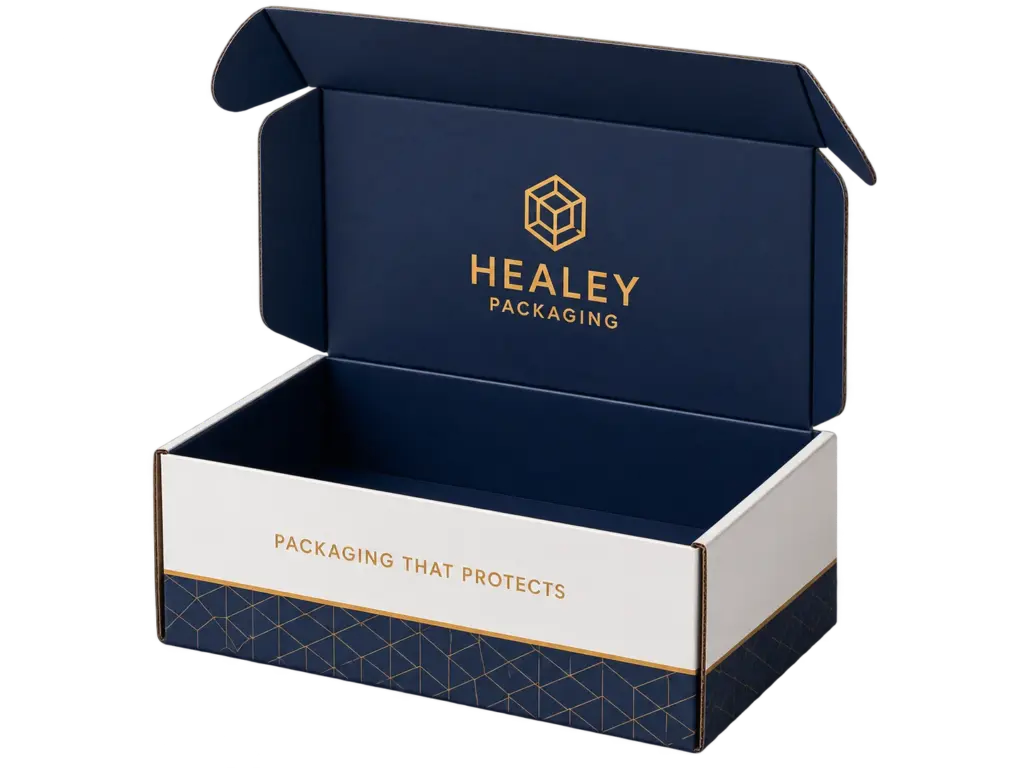
Suitable corrugated mailer constructions can sometimes combine presentation and distribution functions. Lightweight folding cartons and premium presentation boxes may need a separate protective outer carton.
Corrugated retail-ready or mailer-style packaging can sometimes serve both functions. The decision depends on product weight, board grade, internal movement and the expected distribution journey.
Sustainable retail packaging is not defined by one material. Board choice, pack size, inserts, coatings and added components all influence material use and end-of-life options.
Suitable paperboard constructions can support straightforward recycling routes where added components remain compatible.
FSC®-certified board options can support responsible sourcing where the selected material and supply chain are covered.
Recycled-content boards can be considered where structural, print and presentation requirements remain suitable.
Kraft can provide a natural paper-based direction for retail cartons, sleeves and other folding structures.
Reducing unnecessary pack volume can lower material use and avoid excessive empty space.
Paperboard or corrugated inserts can provide product positioning while reducing reliance on some plastic internals.
Windows, inserts and closures can be reviewed to identify where plastic components are genuinely required.
Remove unnecessary layers, oversized panels and decorative components that do not provide a clear function.
Retail packs often combine board with other components. These should be reviewed together before making recyclability or material claims about the finished packaging.
Film or clear panels can introduce another material.
Surface films can change the finished construction.
Barrier or decorative coatings should be considered.
Metallic details add another material or treatment.
Glue type and coverage are part of the complete specification.
Foam or plastic inserts can alter end-of-life options.
Explore material sourcing, recyclability and packaging design considerations before confirming the retail specification.
Effective retail packaging comes from planning product fit, structure, material, artwork and production requirements as one specification rather than treating each stage separately.
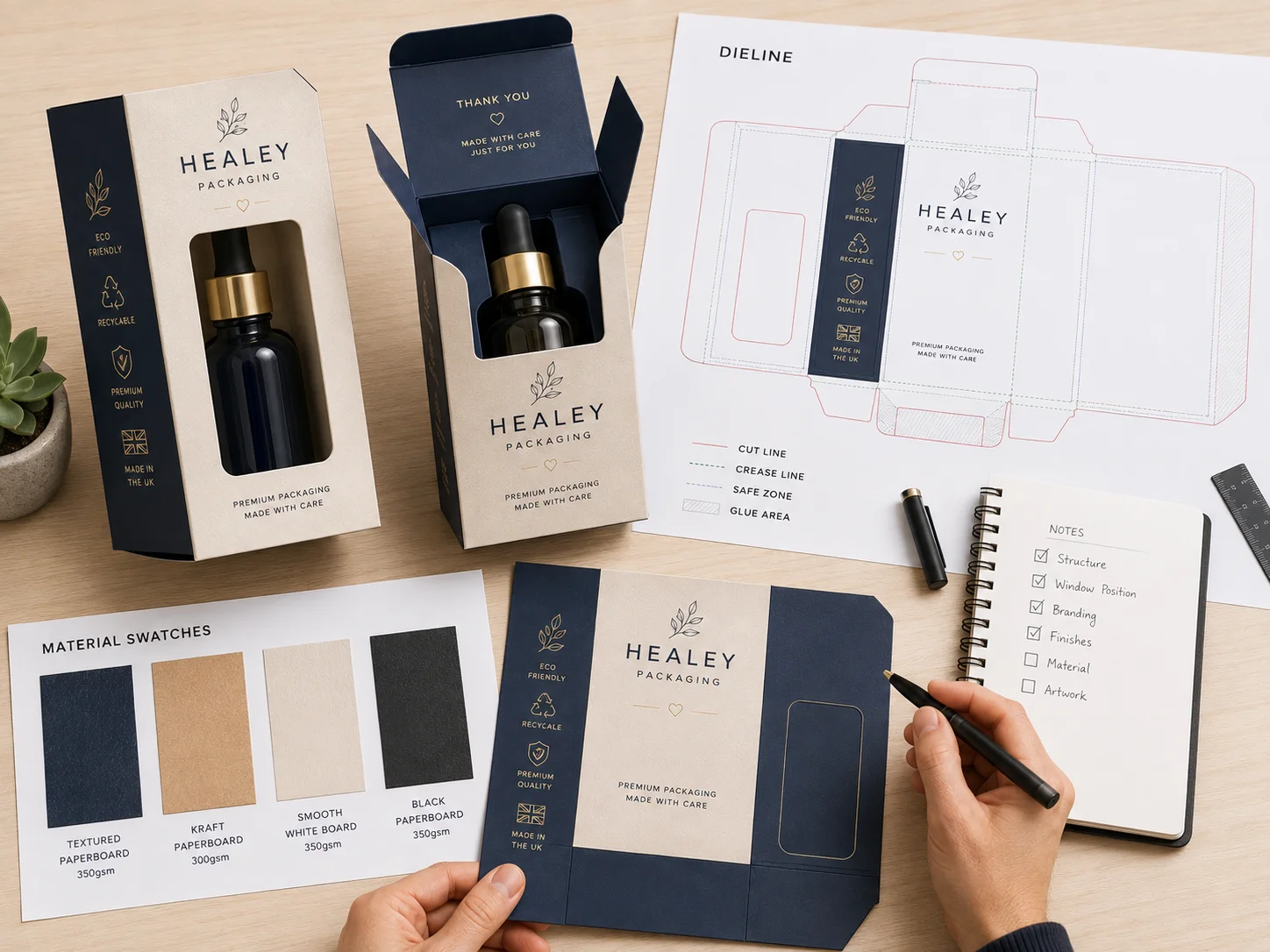
Reviewing the assembled sample alongside the dieline, artwork and material specification helps identify issues before the production run is approved.
Box construction and dimensions are planned around product weight, fit, retail use and packing method.
Board grade and surface material are matched to the required strength, print and presentation.
Inserts, dividers and retaining features can be developed around the actual product dimensions.
Production layouts account for panels, folds, closures, glue areas and final dimensions.
Panel orientation, bleed, safe areas and print positioning are checked against the final structure.
Physical samples help assess product fit, assembly, opening, presentation and structural behaviour.
Print method, colour requirements and finishes are considered before production artwork is approved.
The approved specification is translated into a manufacturable retail packaging format.
Approved dimensions, board and print positioning provide the reference for future production runs.
Packaging design support can bring structure, sizing, inserts, artwork and production requirements together.
Real packaging work produced for customer brands.
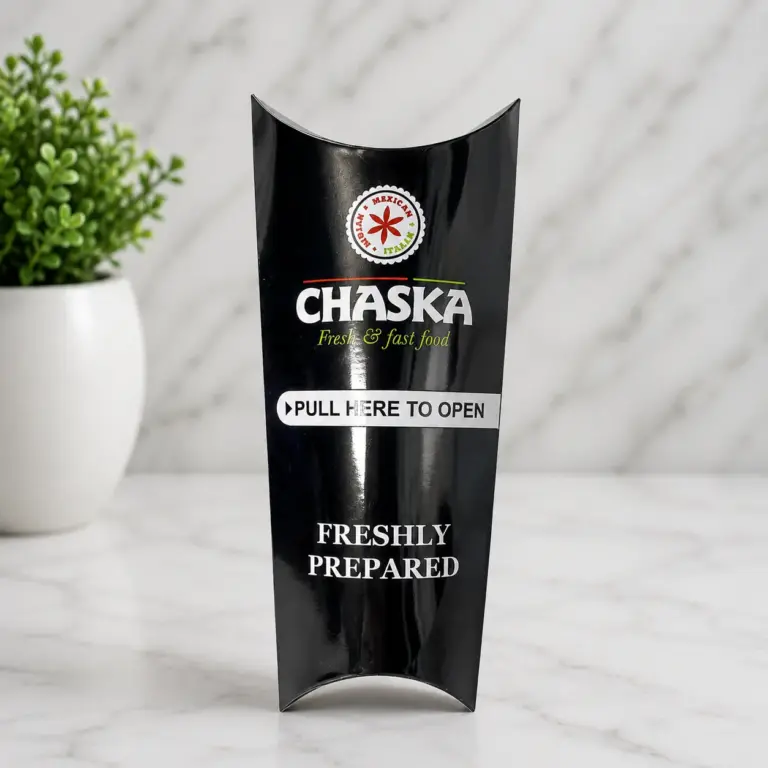
Healey Packaging produced custom pillow-style shawarma sleeves for CHASKA using 300gsm food-safe BSB card, full-colour CMYK...
View Case Study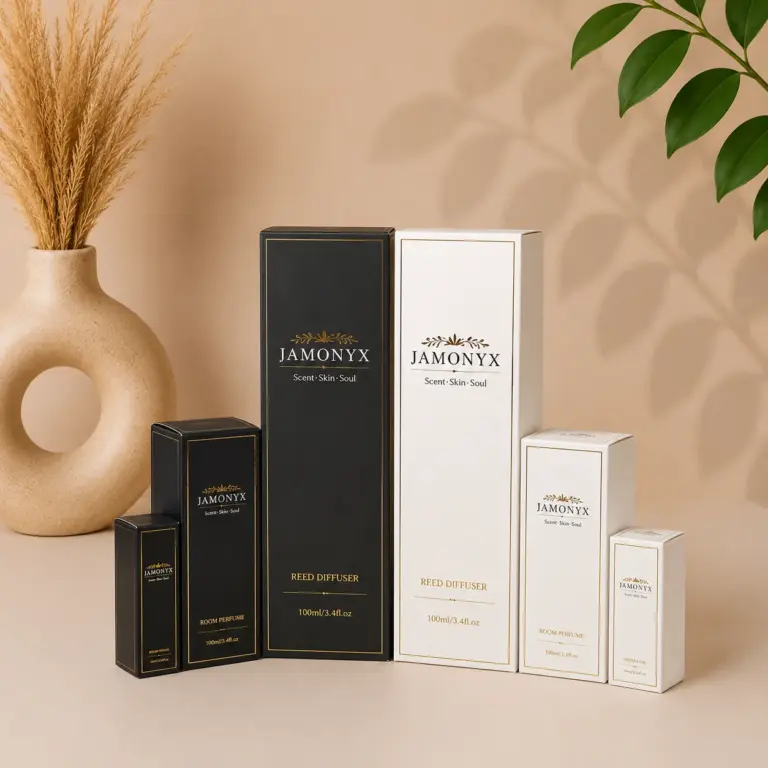
Healey Packaging produced 1,200 luxury reverse tuck boxes for JAMONYX across two black-and-white designs, three sizes,...
View Case Study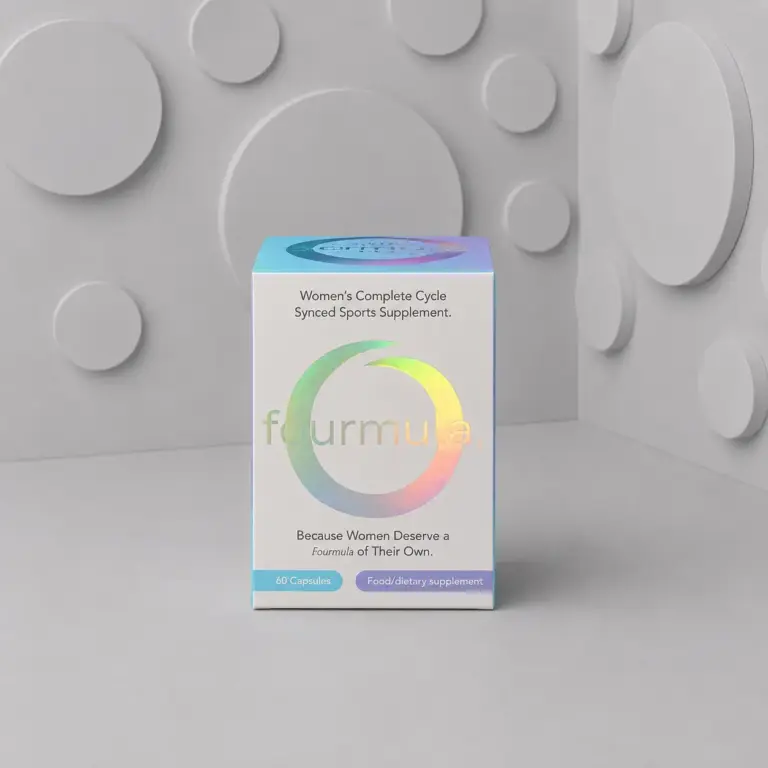
Fourmula started with 10 physical sample boxes for a compact supplement product, then moved toward a...
View Case StudyShare product size, quantity, use case and artwork status.
The right size, board and box style are reviewed.
A digital proof is prepared before production begins.
Boxes are printed, cut, folded and finished to specification.
Finished packaging is checked for structure and print quality.
Completed packaging is packed and delivered to your business.
We have been using Healey for years and are always impressed by the service, quality and speed.
Harry GeorgeThe packaging is of high quality, strong cardboard. I will definitely be using them again.
Amanda NewmanGreat communication, quick and good product. I really recommend.
JOON Plant Based AtelierRetail packaging is the packaging customers see and handle when a product is sold in-store or through a retail channel. It can protect the product, communicate branding and product information, support shelf presentation and make the product easier to identify. Custom retail packaging is normally developed around the product dimensions, weight and intended selling environment.
The best material depends on product weight, required protection and presentation. Folding boxboard is commonly used for lightweight printed retail cartons, kraft board provides a natural paper-based appearance, corrugated board offers greater structural protection, and rigid board is used where a more substantial presentation is required.
Yes. Retail boxes can be developed around the product's length, width and depth rather than relying on standard stock sizes. Correct sizing can improve product fit, presentation and material efficiency, while inserts or dividers can be added where products need additional positioning or separation.
Yes. Retail packaging can carry logos, brand colours, product information, barcodes and other artwork. Depending on the material and project, options can include full-colour printing, spot colours and finishes such as foil, embossing or selected coatings. Artwork should be prepared on the final production dieline so panel positioning and folds are accounted for.
Many paperboard and corrugated retail boxes can be recyclable, but the
needs to be considered. Plastic windows, laminates, foam inserts, coatings and other mixed-material components can affect the appropriate end-of-life route. UK packaging suppliers increasingly offer recyclable and lower-plastic paper-based options.
Sometimes, but not always. A folding retail carton designed primarily for shelf presentation may need an additional protective shipping carton for courier distribution. Corrugated mailer-style constructions can sometimes combine presentation and transit functions. The decision should be based on product weight, movement, compression and the complete distribution journey.
For a new size, structure or product, sampling is useful before committing to a larger production run. A physical sample can help check product fit, assembly, opening, structural stability and presentation, while an artwork proof primarily checks print positioning and design. Sampling and artwork checks are common parts of the custom-packaging buying process.
Share your product, size, material and quantity requirements. Our team will help you choose the right structure, print and finish.
Tell us your product, target look, and how you ship. We'll recommend the right board, print, and finish for performance.
 Apparel Packaging
 Bakery Packaging Boxes
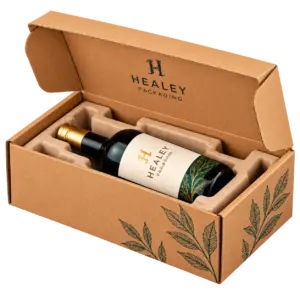 Bottle Packaging Boxes
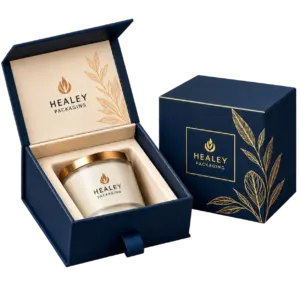 Candle Boxes
 CBD Packaging Boxes
 Cereal Packaging Boxes