
Custom Packaging Printing Built Around Every Production Run
Printing is more than adding colour to a box. The right method affects image quality, colour consistency, production speed, order quantity and overall packaging cost. Whether you need short-run promotional packaging or high-volume retail cartons, Healey Packaging helps you select a process suited to your products, artwork and commercial requirements.
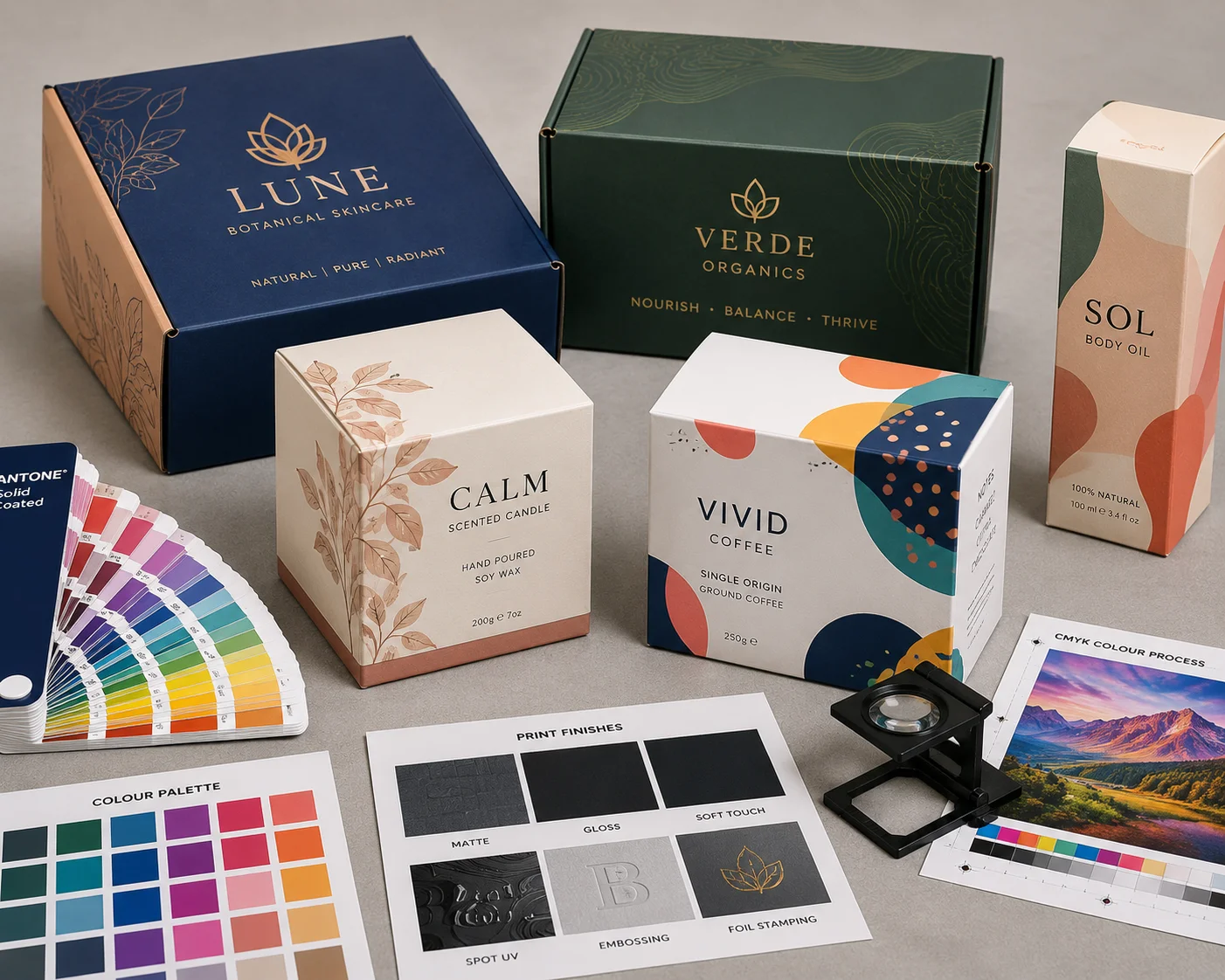
- Digital printing
- Lithographic printing
- Flexographic printing
- Inside and outside printing
- Specialist inks and effects
Which Printing Method Is Best for Packaging?
There isn’t one printing method that’s right for every project. The ideal choice depends on your artwork, order quantity, packaging material, lead time, colour requirements and budget.
At Healey Packaging, we recommend the most suitable printing process after reviewing your packaging specification. Whether you’re producing vibrant retail packaging, premium presentation boxes or economical shipping cartons, we help you balance print quality, production efficiency and commercial cost.
Explore Our Packaging Printing Methods
Every printing process has different strengths. Understanding how each method performs helps ensure your packaging delivers the right appearance, colour consistency, production efficiency and commercial value.
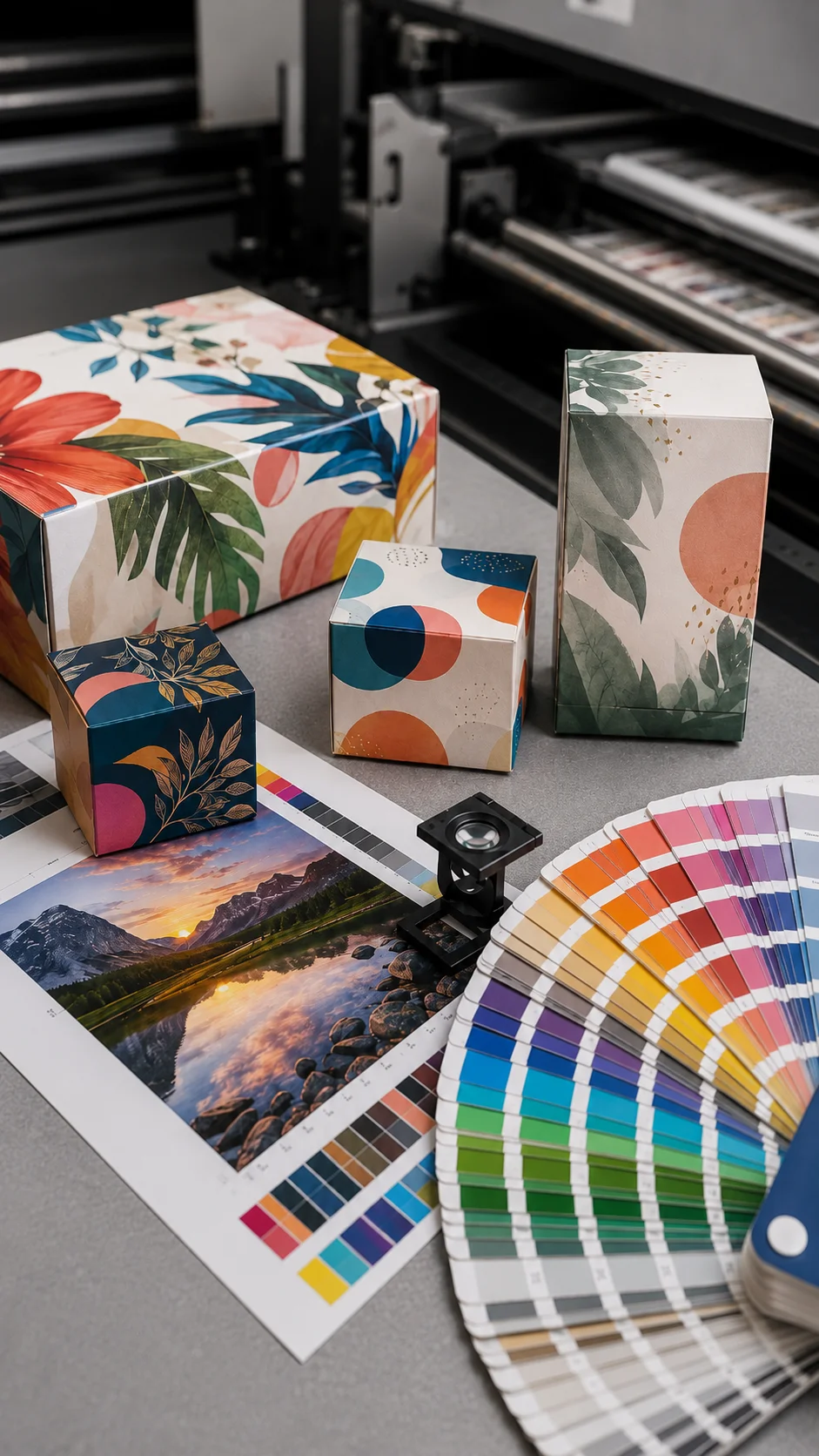 Premium Print Quality
Offset Lithographic Printing
Offset lithographic printing produces exceptional image quality and consistent colour across medium and large production runs. It is widely used for retail packaging, cosmetics, pharmaceuticals, food cartons and premium branded packaging.
- High-volume production
- Premium retail packaging
- Fine typography
- Detailed photography
- Pantone colour matching
- Outstanding print quality
- Excellent colour consistency
- Cost-effective for larger runs
- Supports premium finishes
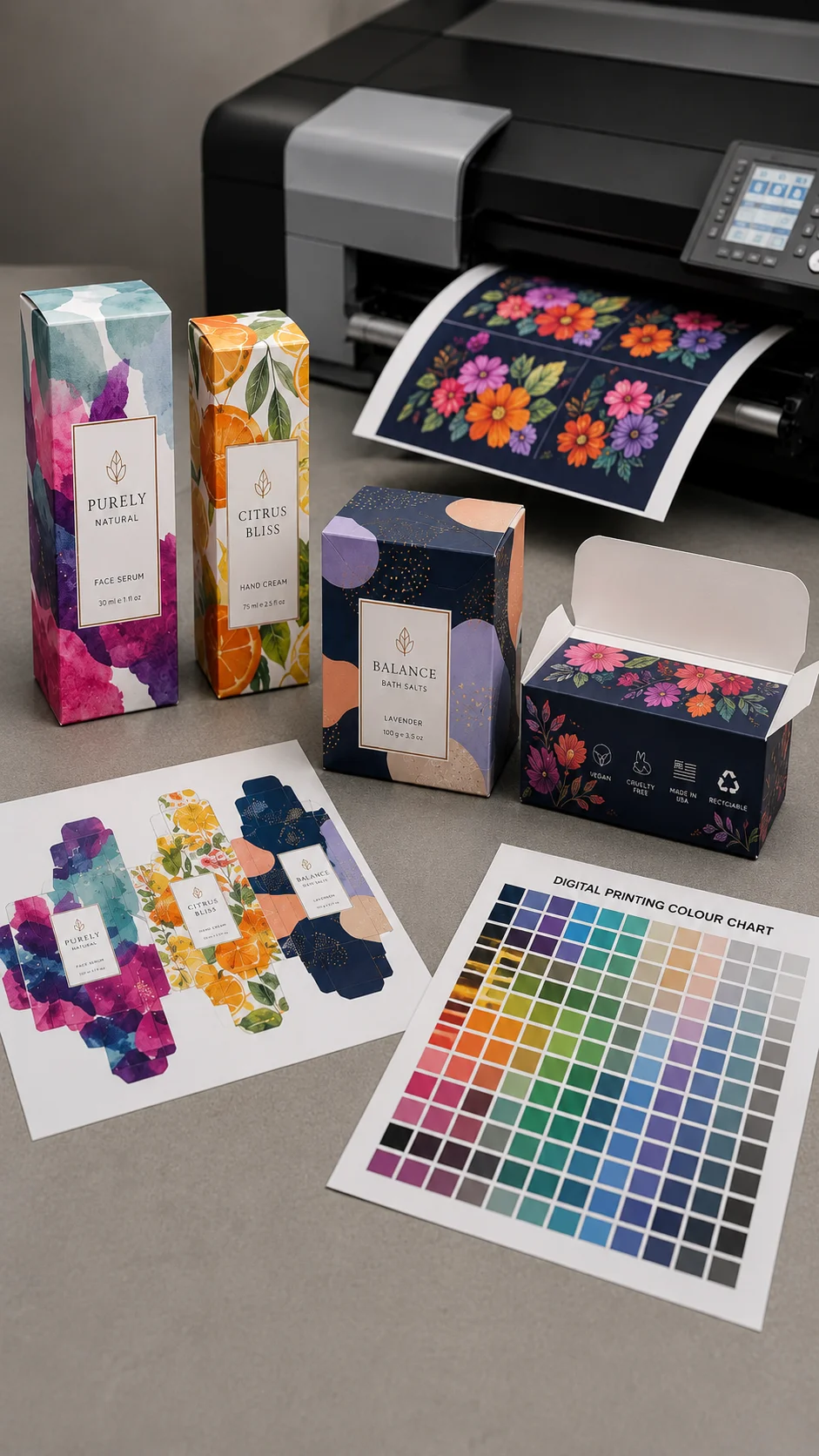 Short-Run Flexibility
Digital Printing
Digital printing allows artwork to be printed directly from digital files without creating printing plates. It is ideal for prototypes, samples, personalised packaging and shorter production runs.
- Low minimum quantities
- Product launches
- Seasonal packaging
- Personalisation
- Rapid-turnaround projects
- Fast production
- No plate costs
- Variable data printing
- Ideal for short runs
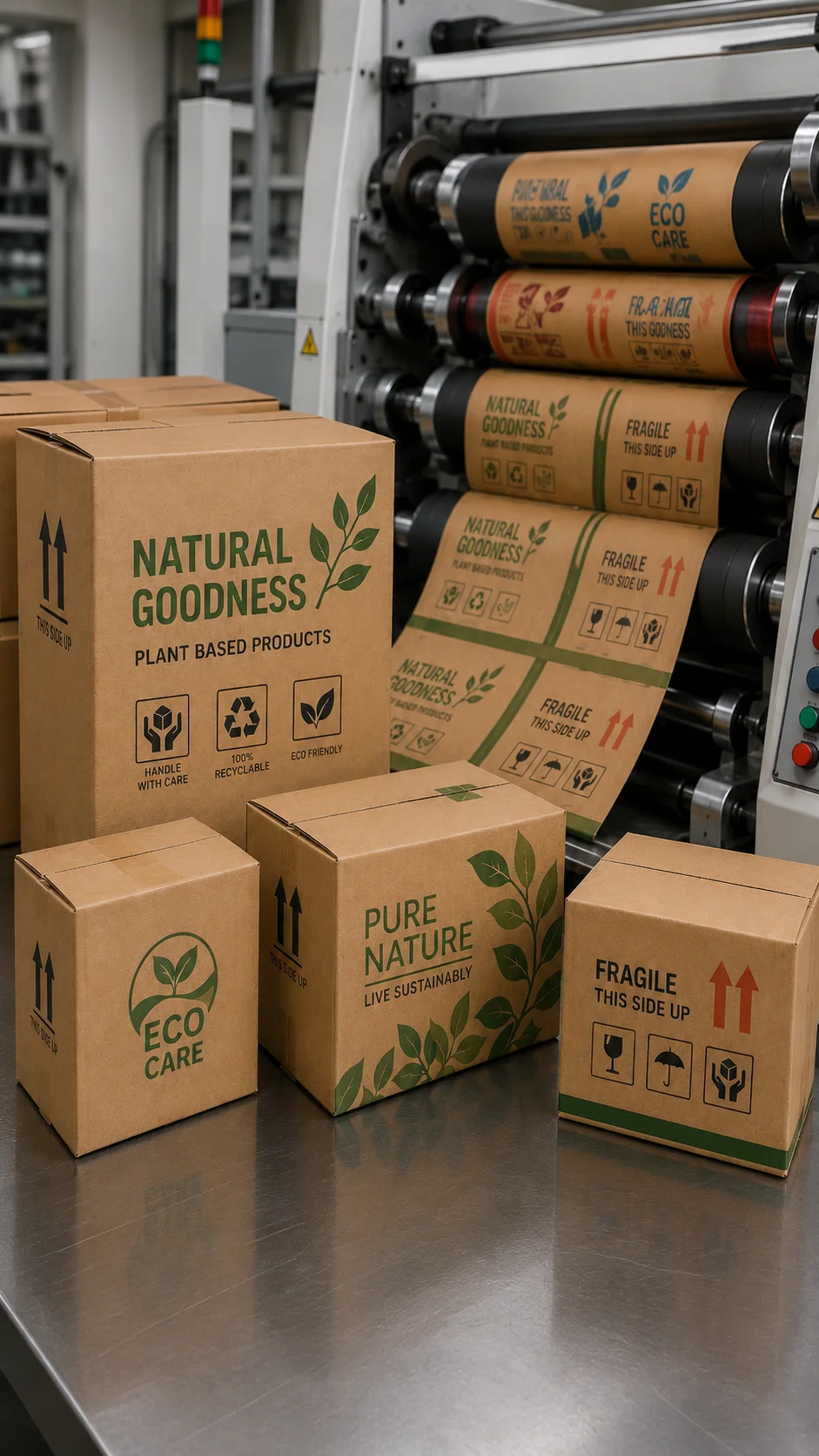 Volume Production
Flexographic Printing
Flexographic printing is commonly used for corrugated packaging, shipping cartons and larger-volume packaging where efficient production and durable printed graphics are important.
- Corrugated boxes
- Transit packaging
- Ecommerce packaging
- Shipping cartons
- Efficient large-scale production
- Suitable for corrugated board
- Good print durability
- Cost-effective at volume
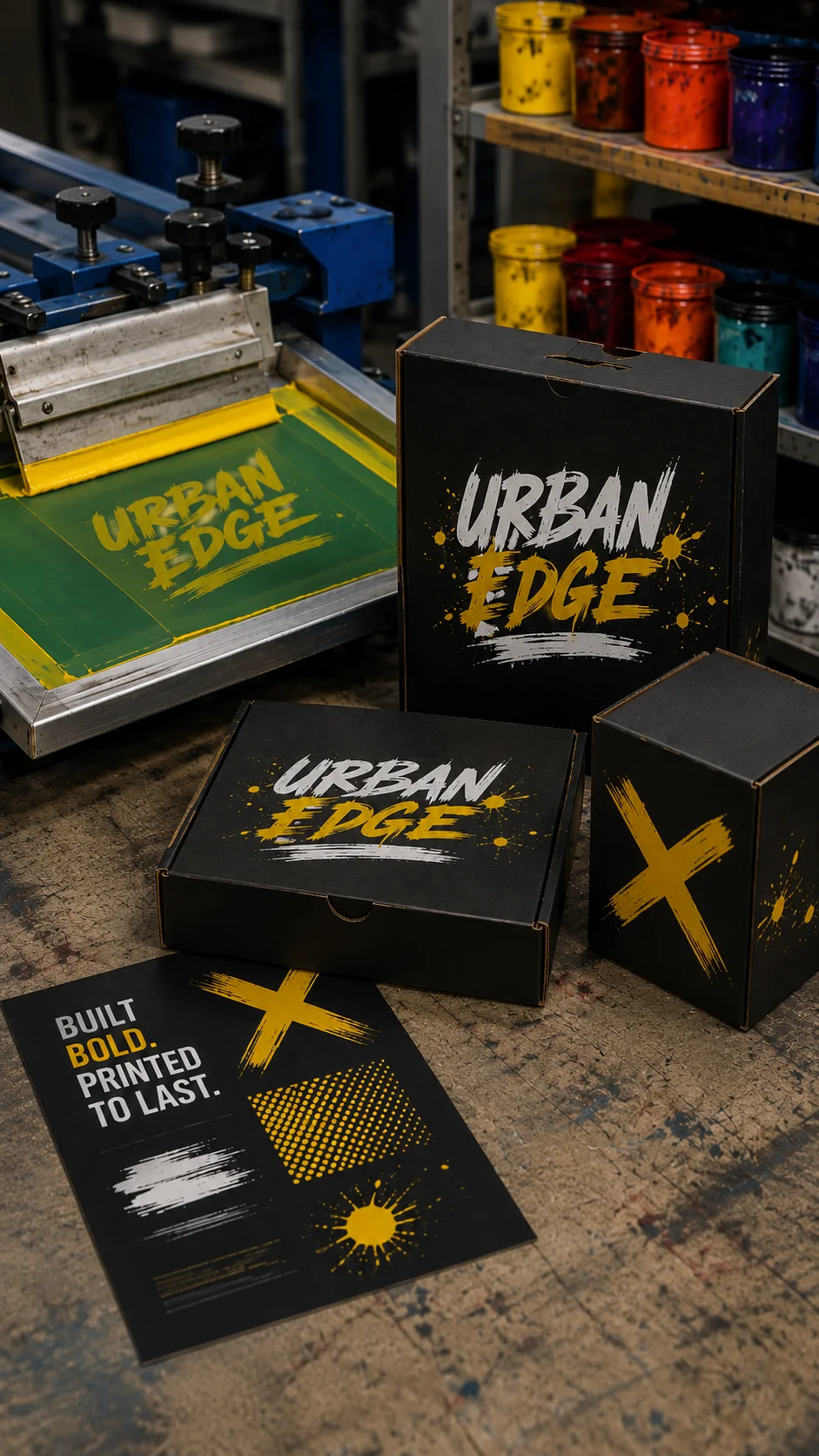 Specialist Ink Effects
Screen Printing
Screen printing applies ink through a mesh stencil to create bold, vibrant colours and specialist decorative effects. It is generally used for selected packaging applications and promotional products rather than high-volume folding cartons.
- Heavy ink coverage
- Speciality packaging
- Promotional products
- Bold decorative effects
- Strong colour coverage
- Specialist ink compatibility
- Distinctive visual effects
- Suitable for selected substrates
Consistent Colours Across Every Production Run
Brand recognition depends on colour accuracy. We help businesses achieve reliable colour reproduction by selecting the appropriate colour system for the chosen printing method and packaging material.
Colour accuracy matters
Consistent colour management helps maintain brand identity, reduces production variations and ensures every packaging run looks professional.
CMYK Printing
Ideal for full-colour photography, gradients and complex artwork.
Pantone® Matching
Recommended when precise brand colours need to remain consistent across multiple production runs.
Spot Colours
Specific colours printed independently to improve colour accuracy and create distinctive branding elements.
Colour Proofing
Digital and production proofing help verify artwork before full manufacturing begins.
What Influences Packaging Print Quality?
Print quality depends on far more than the printing press itself. Material selection, artwork preparation, board surface and finishing specifications all influence how the final packaging looks and performs.
Better Results Begin Before Printing Starts
A strong print result is achieved by matching the artwork, substrate, printing method and finishing process. Our team reviews these elements together before production to reduce avoidable issues and improve consistency.
Packaging Material
Smooth paperboard, corrugated board and kraft materials absorb and reproduce ink differently, affecting detail, colour strength and consistency.
Substrate selectionArtwork Preparation
High-resolution images, correct colour settings, suitable bleed and properly prepared production files help prevent avoidable print problems.
Print-ready filesBoard Surface
Coated boards generally support sharper images and finer detail, while uncoated and textured substrates can create a more natural but less precise appearance.
Coated or uncoatedFinishing Techniques
Laminations, varnishes, coatings and Spot UV can alter colour depth, gloss, contrast, tactile feel and the final visual character of the printed packaging.
Final surface effectPrinting and Finishes Work Together
Printing creates the graphics, while finishing techniques enhance appearance, texture, durability and the overall customer experience. Selecting finishes alongside the printing method helps achieve the best possible result.
Popular Finishing Options
Compatible with selected printing methodsPreparing Artwork for Production
Correct artwork preparation helps prevent production delays, colour issues and unexpected print results. Before manufacturing begins, artwork should be checked against the approved dieline, printing method and finishing specification.
Print-Ready Files Support Accurate Production
Packaging artwork must account for cutting, creasing, folding, print tolerances and specialist finishing areas. Our team can review supplied files and identify common technical issues before the project moves into production.
Bleed Settings
Extend background colours and artwork beyond the cut line to reduce the risk of unprinted edges after trimming.
Safe Areas
Keep important logos, text and design elements away from cutting lines, folds, creases and glue areas.
CMYK Colour Mode
Prepare process-colour artwork in CMYK and identify any Pantone or spot colours separately within the file.
Embedded or Outlined Fonts
Embed fonts or convert text to outlines to avoid substitutions, missing typefaces and layout changes.
Image Resolution
Use suitable high-resolution images at the final printed size to maintain clarity and avoid pixelation.
Separate Finishing Layers
Create clearly labelled artwork layers for Spot UV, foil stamping, embossing, debossing and other specialist finishes.
Which Printing Method Should You Choose?
Every Packaging Project Starts With The Right Questions
Rather than recommending a printing method first, we review your packaging style, material, artwork, production quantity and commercial objectives before selecting the most suitable process.
Offset Printing
Excellent image quality, sharp typography and reliable colour consistency for premium retail packaging.
Offset + Premium Finishes
Ideal for luxury presentation boxes requiring foil, embossing, Spot UV and other decorative finishes.
Flexographic Printing
Efficient production for corrugated shipping cartons, mailer boxes and transit packaging.
Digital Printing
Fast short-run production without plate costs, making it suitable for prototypes and new product launches.
Digital Printing
Supports personalised artwork, seasonal campaigns and variable print designs.
Offset Printing
Usually provides the most economical solution for larger production quantities while maintaining consistent quality.
Responsible Printing Practices
Printing methods can influence material use, production efficiency and manufacturing waste. Responsible printing begins with selecting the right process for the project—not simply the newest technology.
Explore Our Sustainability ApproachAppropriate Production Quantities
The print method should match the required volume to reduce unnecessary setup, excess stock and avoidable production waste.
Efficient Press Setup
Accurate artwork, suitable imposition and controlled setup help reduce make-ready sheets, ink adjustment and avoidable press time.
Ink Selection
Ink systems are considered according to the printing process, packaging material, end use and required visual performance.
Material Compatibility
Matching the print process to the substrate can improve ink coverage, reduce rework and support a more reliable production result.
Packaging Optimisation
Right-sized structures, efficient sheet layouts and suitable board grades can reduce unnecessary material before printing begins.
Suitable Finishing Specifications
Coatings, laminations and decorative effects are reviewed according to performance needs, appearance and the complete packaging construction.
From Artwork to Finished Packaging
Every stage is planned around the approved packaging specification. Artwork, colour, printing, finishing and quality checks are coordinated before the finished packaging is packed and dispatched.
Review Your Artwork
We check supplied artwork against the dieline, colour setup, print requirements and intended finishing specification.
Recommend the Printing Process
The most suitable method is selected according to quantity, material, artwork, colour requirements, lead time and budget.
Prepare Production Files
Files are prepared for production with the required bleed, separations, colour settings and specialist finishing layers.
Colour Proofing
Digital or production proofing is used where appropriate to review artwork, colour expectations and technical details.
Printing
Packaging is printed using the approved process, inks, colour references and production specification.
Apply Finishing Techniques
Approved laminations, coatings, foils, embossing, Spot UV or other finishes are applied after printing.
Quality Inspection
Relevant checks are completed for print consistency, colour, finishing, conversion and overall packaging presentation.
Packing and Dispatch
Finished packaging is packed according to the project requirements and prepared for delivery or collection.
Printing Resources
If you’d like to learn more about packaging printing, artwork preparation and specialist print processes, explore our detailed technical guides.
Digital Printing vs Offset Printing
Compare two of the most widely used commercial printing methods, including quality, production speed, setup costs, quantities and typical packaging applications.
Read GuideTypes of Printing Used in Packaging
Understand how offset, digital, flexographic and specialist printing techniques differ and where each process performs best.
Read GuidePrint-Ready Artwork for Custom Boxes
Learn how to prepare artwork correctly, including bleed, colour settings, image resolution and production-ready file formats.
Read GuidePrinting Expertise Built Around Your Packaging
Choosing a printing method is not simply about selecting a machine. We consider your artwork, packaging material, production quantity, branding requirements, lead time and finishing options before recommending the most suitable solution.
Print Decisions Made Before Production Begins
Whether you are producing luxury presentation boxes, retail cartons or corrugated shipping packaging, our team helps ensure every project delivers the print quality, consistency and commercial performance your brand expects.
Artwork & File Review
We review resolution, colour setup, bleed, dielines and specialist finishing layers before manufacturing.
Printing Method Selection
Digital, lithographic, flexographic and specialist processes are compared according to the complete project.
Colour Management
CMYK, Pantone and spot-colour requirements are considered to support reliable brand reproduction.
Finishing Compatibility
Printing is coordinated with laminations, coatings, foils, embossing and Spot UV for a reliable final result.
Material Compatibility
Printing specifications are matched to paperboard, kraft, corrugated and rigid packaging constructions.
Commercial Planning
Quantity, setup costs, production speed, lead time and budget are reviewed before the final process is approved.
Printing Methods FAQs
Find practical answers about packaging print quality, colour matching, artwork preparation, proofs and selecting the right printing process.
01 Which printing method produces the highest-quality packaging?
Offset lithographic printing generally delivers the highest image quality, colour consistency and fine detail for medium and large production runs. The final result also depends on the packaging material, artwork quality and finishing specification.
02 Is digital printing suitable for custom packaging?
Yes. Digital printing is well suited to prototypes, samples, personalised packaging and shorter production runs where flexibility and faster turnaround are important.
03 What is the difference between offset and digital printing?
Offset printing uses printing plates and is usually more economical for larger quantities. Digital printing transfers artwork directly from a digital file without plates, making it better suited to shorter runs, rapid production and variable designs.
04 Can Pantone colours be matched?
Yes. Pantone colour matching can be specified where consistent brand colours are required across production runs. The achievable result can vary according to the substrate, ink system, print method and surface finish.
05 Which printing method is best for corrugated boxes?
Flexographic printing is commonly used for corrugated packaging because it supports efficient volume production. Litho-laminated printing may be more suitable when detailed graphics, photography or higher retail print quality are required.
06 Can printing be combined with premium finishes?
Yes. Printed packaging can be combined with matte or gloss lamination, Spot UV, foil stamping, embossing, debossing and other specialist finishes, subject to material compatibility and production feasibility.
07 What artwork format should I provide?
Vector-based PDF, Adobe Illustrator or similar print-ready files are generally preferred. Artwork should include the correct dieline, bleed, safe areas, colour settings, embedded or outlined fonts and separate layers for specialist finishes.
View Artwork Guidelines08 Can I receive a proof before production?
Yes. Depending on the project, proofing options may include a digital artwork proof, a physical sample or a production-grade proof. The appropriate option depends on the packaging structure, print method, finishes and level of colour verification required.
Ready to Choose the Right Printing Method?
Whether you’re producing premium retail packaging, ecommerce boxes or luxury presentation packaging, we’ll recommend the most suitable printing process for your artwork, materials and production requirements. Speak with our packaging specialists to discuss your project and request a tailored quotation.
Every Recommendation Is Based On Your Project
- Packaging material compatibility
- Artwork & colour requirements
- Production quantity
- Lead time & budget
- Finishing compatibility
- Consistent print quality