
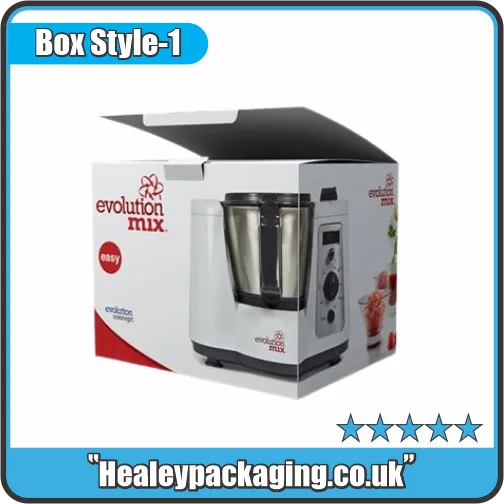
Appliances Packaging
Home appliances are rarely handled gently. They move through warehouses, delivery vans,...
Customise NowProtect devices, components and accessories with custom electronics packaging made around your product. Choose custom dimensions, protective inserts, suitable board materials and branded printing for retail, ecommerce and shipping applications.
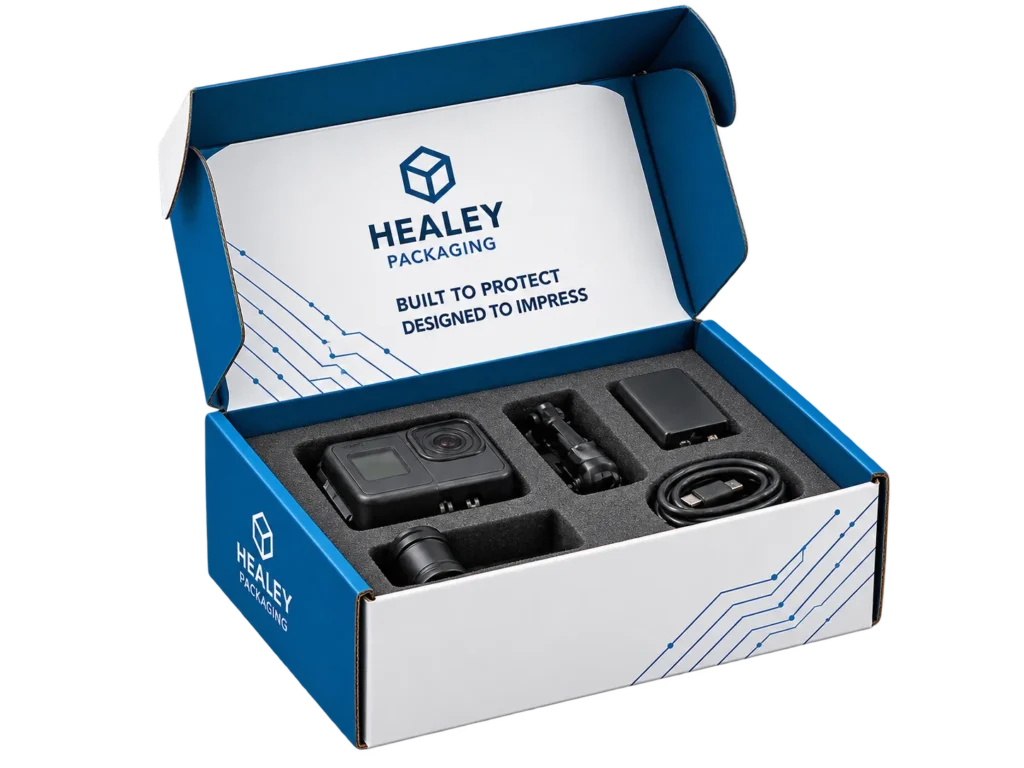
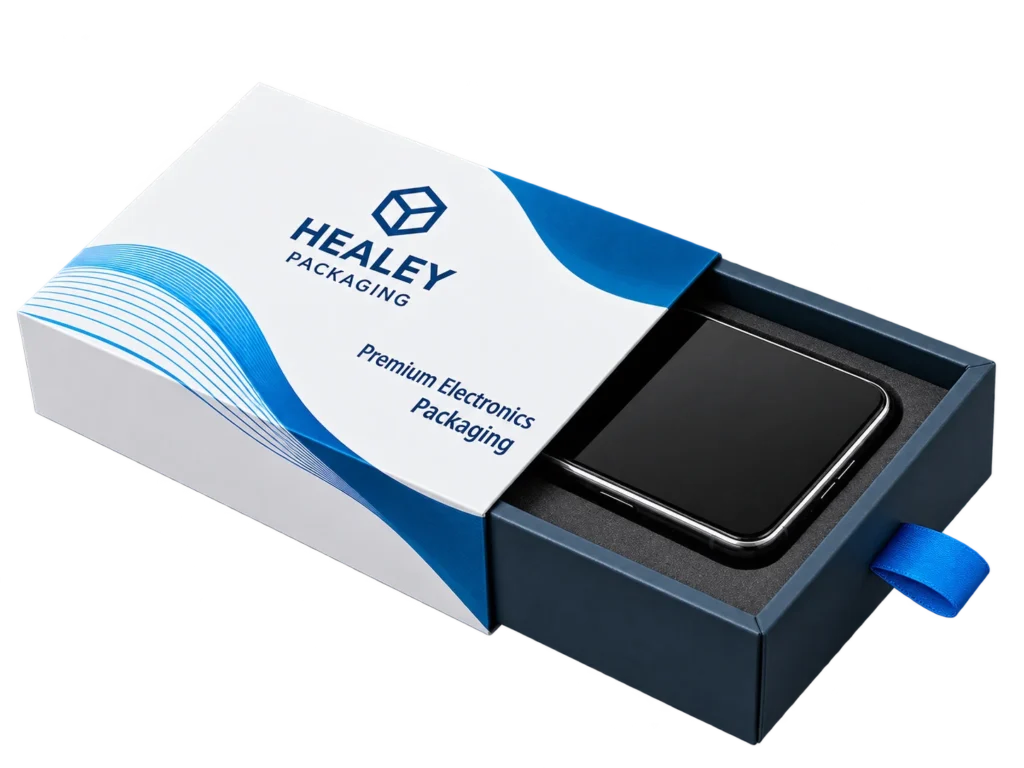
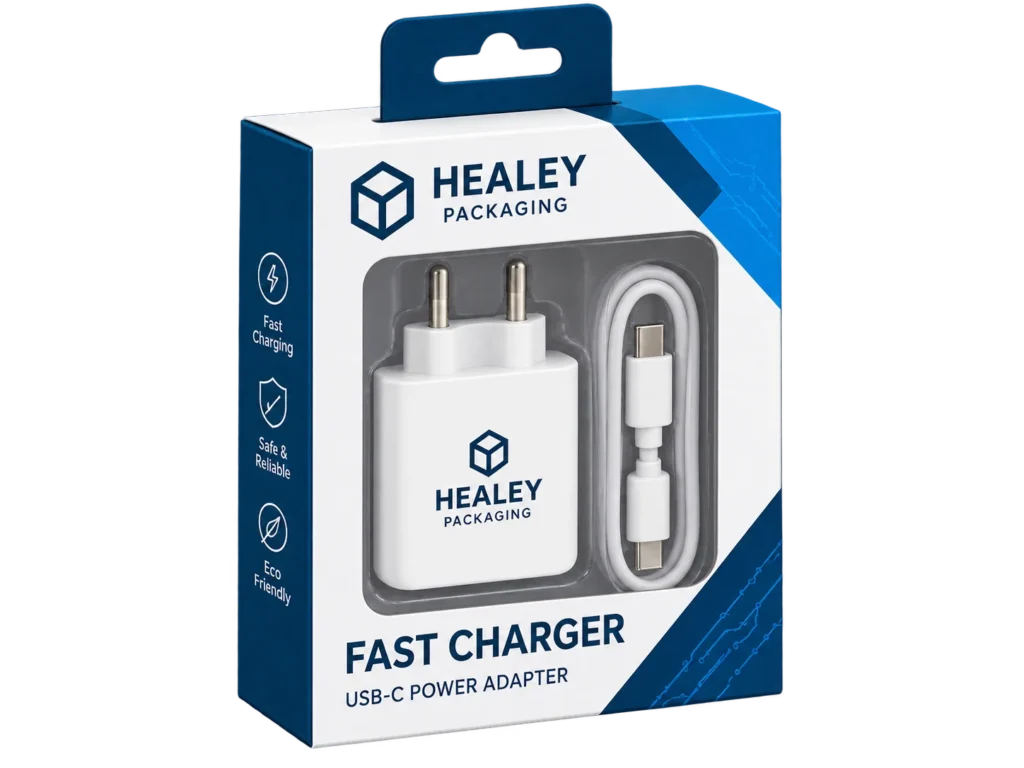

Browse electronics boxes for devices, accessories, inserts, retail display and protective shipping.
Home appliances are rarely handled gently. They move through warehouses, delivery vans,...
Customise Now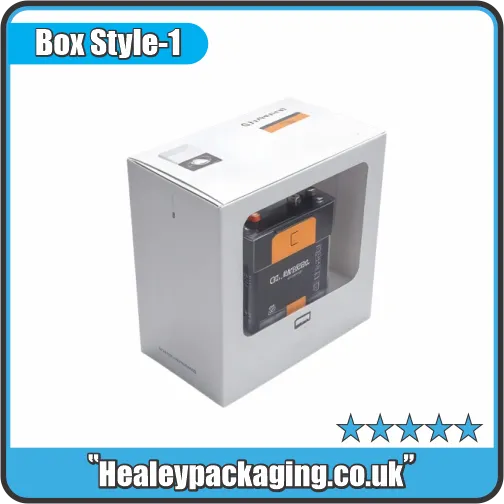
Car batteries create problems long before they reach the end user. They...
Customise Now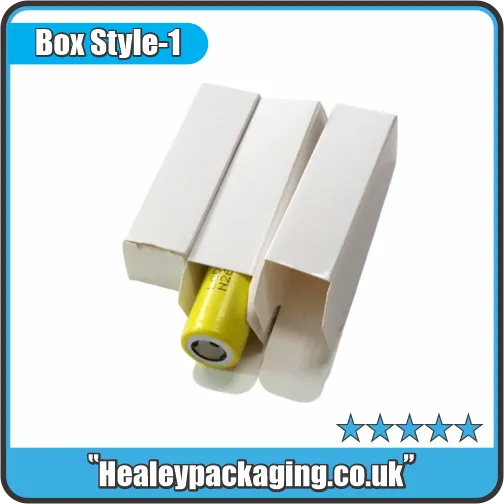
Batteries are dense, heavy and sensitive to movement. If the outer carton...
Customise Now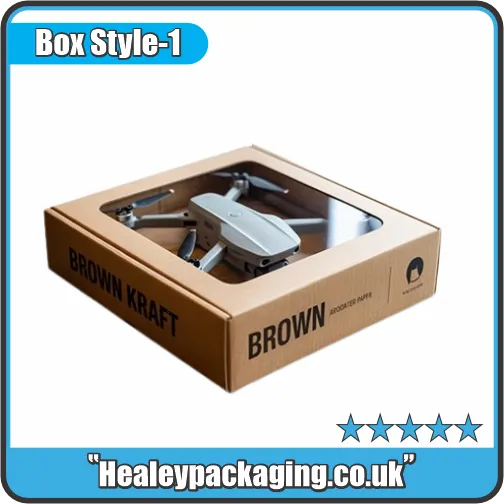
A drone may arrive in a relatively small carton, but inside that...
Customise Now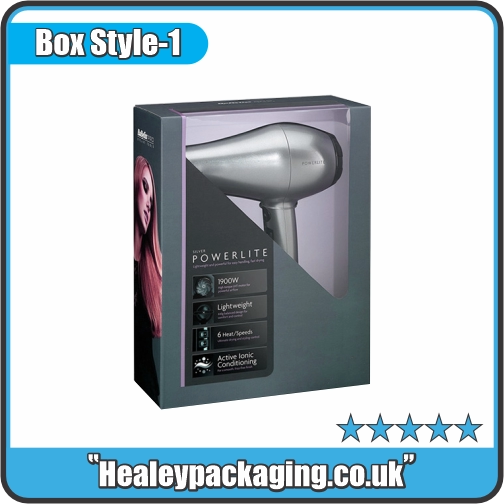
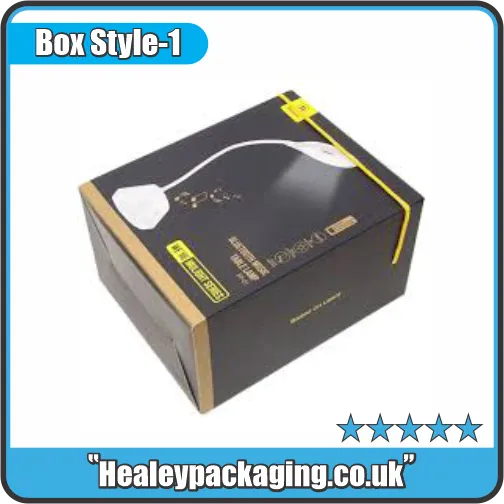
Lamps are not packed like standard products. They vary in height, weight...
Customise Now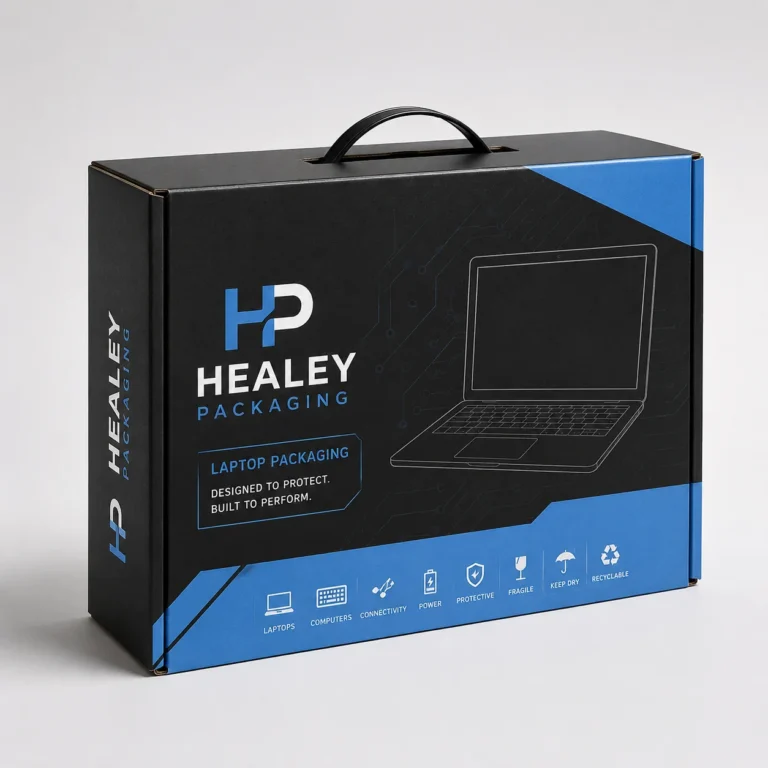
Need packaging that fits your laptops and protects them in transit? Get...
Customise Now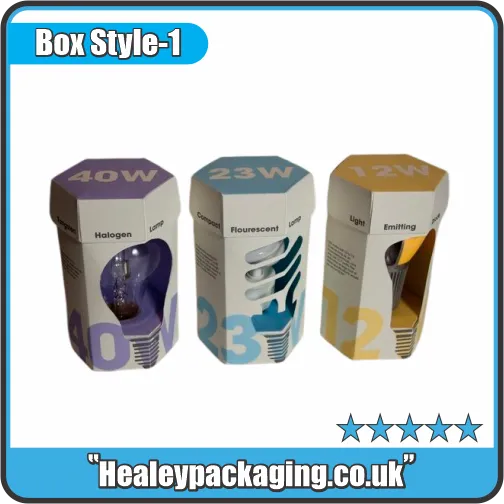
Custom light bulb boxes keep fragile bulbs secure in transit while leaving...
Customise Now
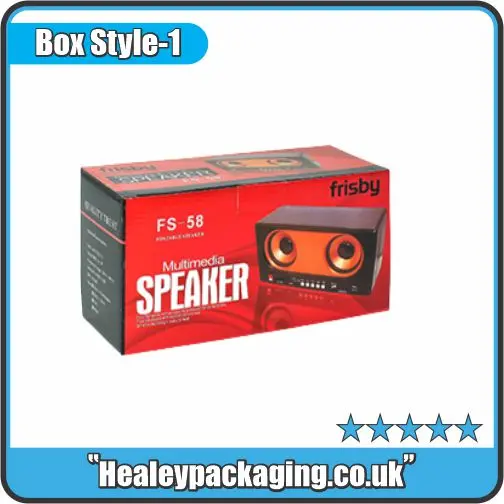
Speakers are heavy, delicate and rarely a simple shape to pack. Our...
Customise Now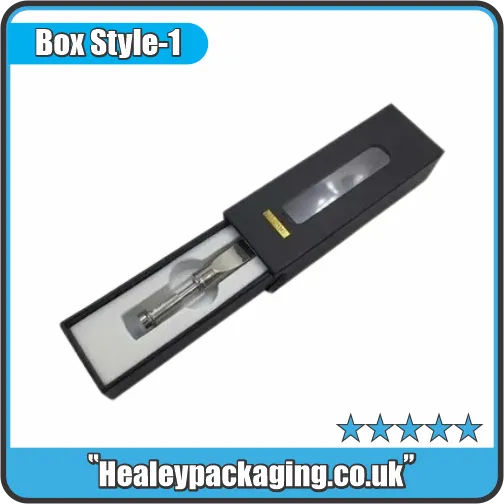
Vape pen packaging is one of those things that looks simple until...
Customise NowElectronics packaging should be specified around the packed product, not just the outside box. Product weight, fragility, supplied accessories, internal movement and the distribution route determine how much structural support is required.
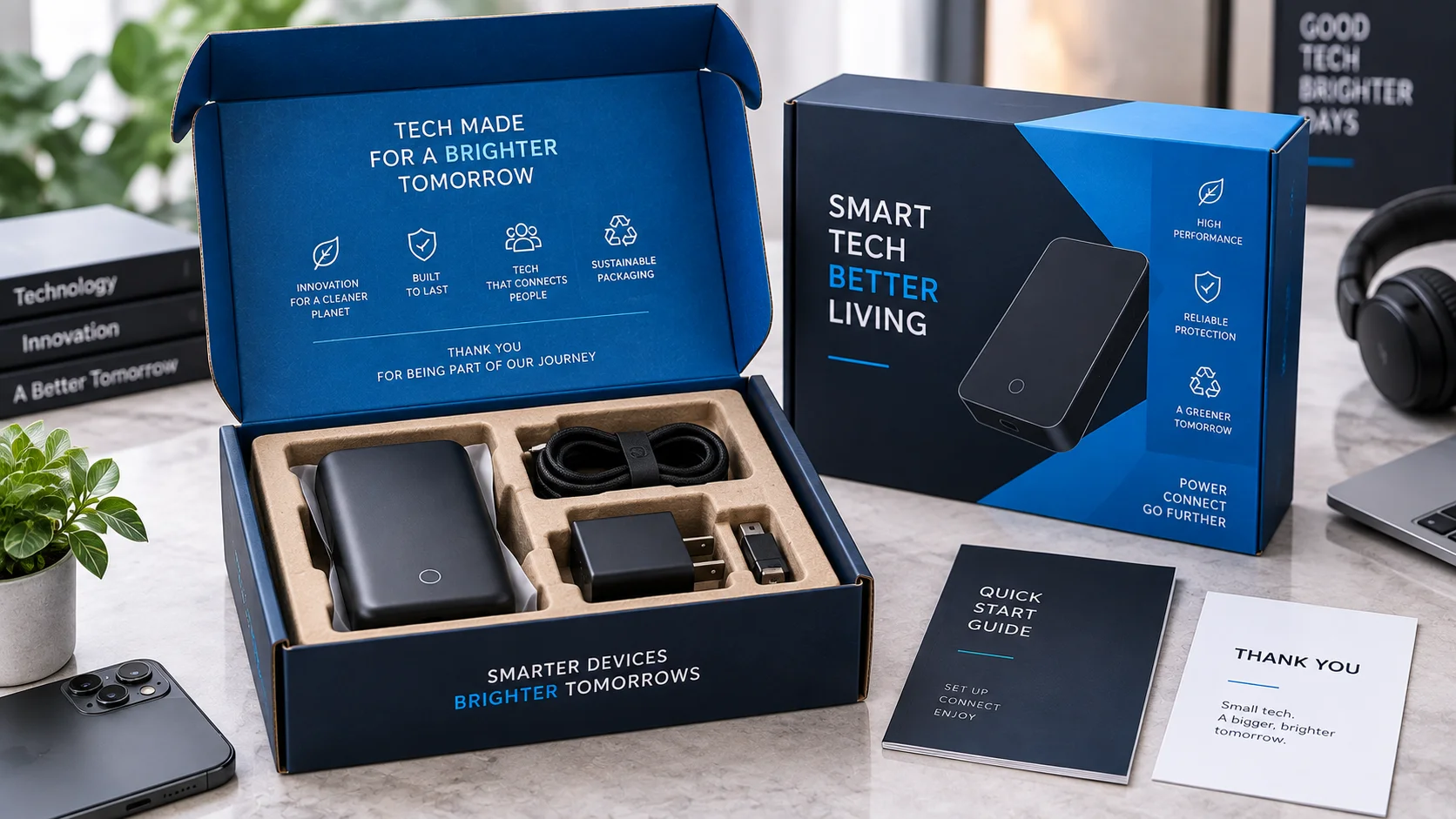
Correct fit reduces free movement and unnecessary contact inside the outer structure.
Free space can allow repeated movement and contact during storage, handling and transit.
Response: accurate sizing and internal restraintDrops and knocks can transfer force through the outer box to the packed product.
Response: inserts and support around vulnerable areasRepeated transport movement can cause rubbing between devices, cables and accessories.
Response: stable fit and component separationStored and transported cartons can carry loads from packs stacked above them.
Response: suitable board and box structureThe same electronic product can need a different specification depending on how it reaches the customer. Retail, ecommerce and trade distribution place different demands on presentation, compression, packing efficiency and parcel dimensions.
An online product may move in master cartons before entering a fulfilment network, while retail electronics may pass through warehouses before reaching the shelf. Specify the packaging around the complete route the product is expected to follow.
Product weight, pack size, fragility, stacking and distribution should be established before choosing the board. Material and structure work together, so a heavier board is not automatically the better specification.
Suitable for lighter electronics, accessories and compact retail cartons where print quality and presentation are important.
Better suited to heavier devices, larger packs and ecommerce applications that need greater resistance to handling and stacking.
Useful where a natural fibre appearance is preferred, provided the selected grade still meets the product and structural requirements.
Box structure, fit, inserts and support can control movement, contact, compression and handling forces.
Sensitive components may need separate static-control materials specified for their electrostatic sensitivity.
Electronics packaging often has to carry product names, features, compatibility information, setup guidance and support details alongside the visual identity. Plan information hierarchy before adding specialist finishes.
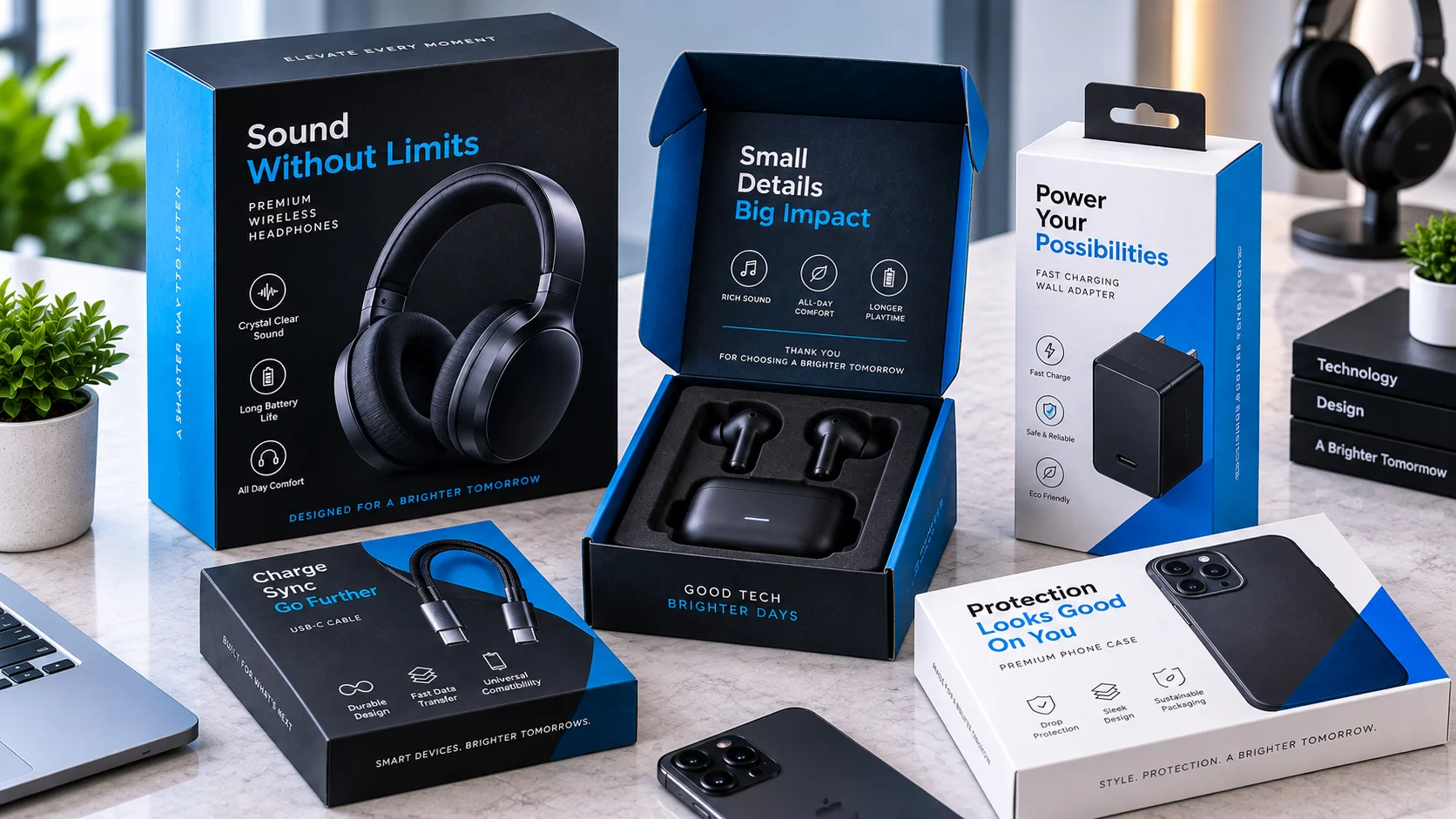
CMYK suits full-colour graphics and photography, while Pantone references can support closer brand-colour control.
Reserve clear panel space for product names, features, compatibility details, instructions and buyer information.
QR codes can connect the physical pack to setup guides, support pages, registration or other relevant digital content.
Matt, gloss, foiling, Spot UV, embossing and debossing should be used selectively where they add visible value.
A lower-material pack is only useful if it still protects the product. For electronics, material reduction should be balanced against the risk of damage, returns and replacement shipments.
Reduce unnecessary void space by sizing the box and internal support around the real packed product.
Avoid treating the insert and outer carton as separate specifications when both contribute to protection.
Remove layers or presentation elements that do not provide a useful protective or commercial function.
Board, inserts, coatings, laminates, foils and adhesives can all affect material use and end-of-life options.
Electronics ranges often share a common packaging system while artwork, product information and quantities change between SKUs. Separating fixed specifications from variable details makes repeat purchasing easier to brief and control.
Retain approved structure, dimensions, board and insert details where the packed product remains unchanged.
Update artwork, messaging, product variant and order quantity where required for the next production run.
Using an established specification makes future orders easier to communicate and helps maintain consistency.
Product dimensions, packed weight, supplied accessories, fragility, distribution route, quantity and artwork status are useful starting points when discussing custom electronics packaging.
Real packaging work produced for customer brands.

Healey Packaging produced custom pillow-style shawarma sleeves for CHASKA using 300gsm food-safe BSB card, full-colour CMYK...
View Case Study
Healey Packaging produced 1,200 luxury reverse tuck boxes for JAMONYX across two black-and-white designs, three sizes,...
View Case Study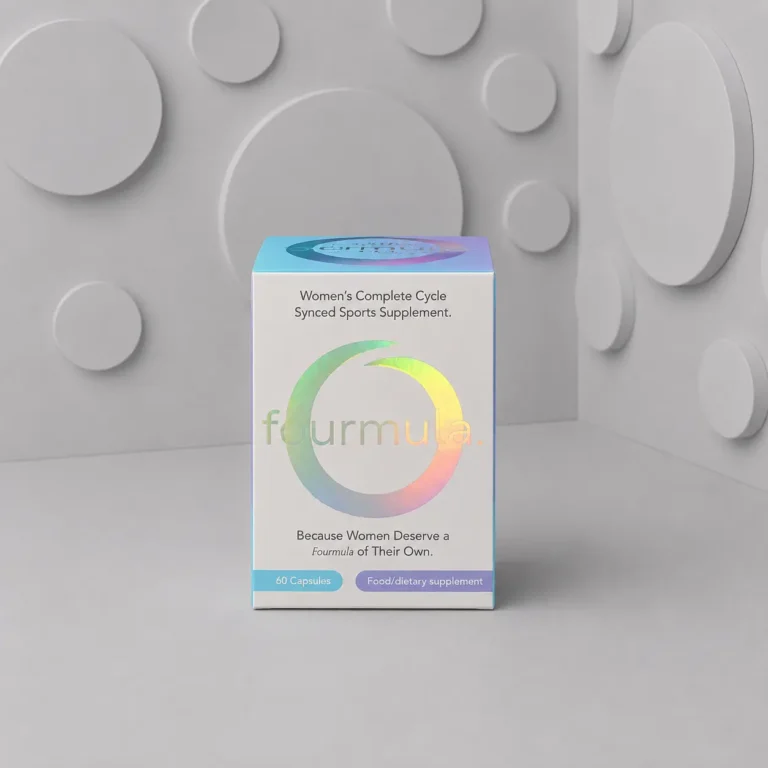
Fourmula started with 10 physical sample boxes for a compact supplement product, then moved toward a...
View Case Study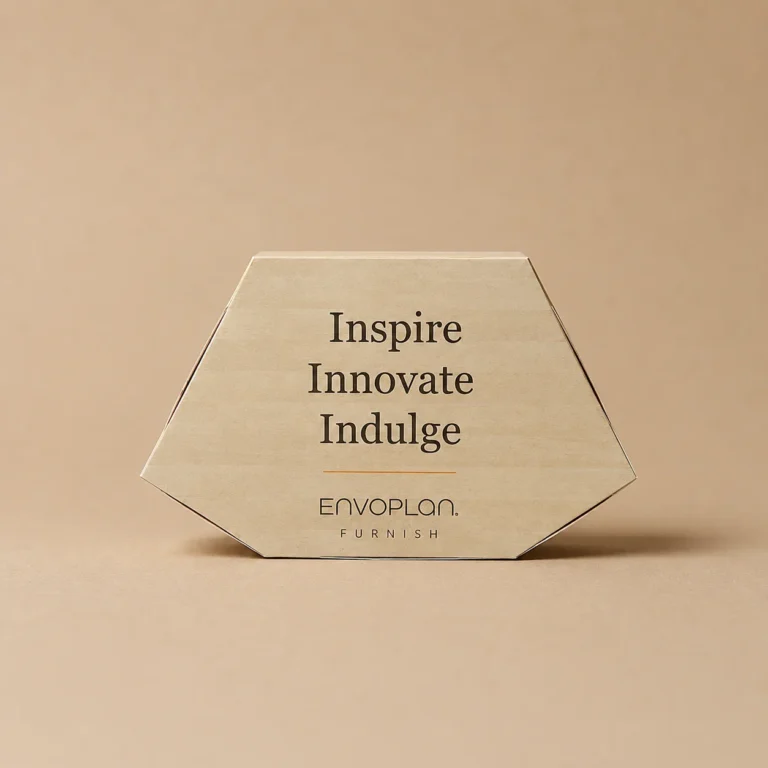
A bespoke shaped sweet box created for Envoplan Furnish events, produced across two 300-box runs with...
View Case StudyShare product size, quantity, use case and artwork status.
The right size, board and box style are reviewed.
A digital proof is prepared before production begins.
Boxes are printed, cut, folded and finished to specification.
Finished packaging is checked for structure and print quality.
Completed packaging is packed and delivered to your business.
From our customers
In our customers’ own words. Selected excerpts from company reviews on Trustpilot.
Review excerpt
Can’t recommend the company enough, especially Alex who worded with me patiently all the way.…
Review excerpt
Quick and thorough responses from Alex. Delivery was also fast, and within the lead time they gave, I would recommend.
Review excerpt
I had a great experience working with Healey Packaging, I love my new candle boxes.…
Review excerpt
We had a deadline they needed to meet for me and they did.…
Review excerpt
Had a very good experience with Healey. This is the second time we have used them…
Review excerpt
Great customer service, needed a quick turn around and assistance for custom packaging for my brand,…
Review excerpt
I looked through about 100 unhelpful suppliers, then found Healey Packaging.…
Review excerpt
Great quality product and excellent service from Alex.
Feedback relates to Healey Packaging and its service, rather than a rating of an individual product.
The best packaging depends on the product's size, weight, fragility, accessories and distribution route. Folding paperboard cartons can suit lightweight accessories and retail electronics, while corrugated board and fitted inserts provide greater structural support for heavier products or packs exposed to more demanding handling conditions.
Electronics packaging should control movement and support vulnerable areas throughout handling and transit. Correctly sized boxes, fitted inserts, dividers and suitable corrugated structures can help reduce unwanted movement, product contact and compression inside the pack.
Some electronic components are sensitive to electrostatic discharge and may require specialist static-control materials. Standard paperboard, cardboard or corrugated packaging should not be assumed to provide ESD protection. Any electrostatic requirements should be identified before the packaging specification is finalised.
Paperboard is suitable for many lightweight retail cartons and accessories, while corrugated board provides greater rigidity for heavier products, larger packs and shipping applications. Kraft board can also be considered where a natural appearance is preferred and the selected grade meets the structural requirements.
Yes. Custom inserts, trays and dividers can be designed around the dimensions and packed arrangement of the product. They can hold devices, cables, chargers and other accessories in defined positions and help reduce movement or contact inside the box.
Yes. Electronics packaging can be developed for retail display, ecommerce delivery, trade distribution or a combination of these routes. The dimensions, board, internal support, printing and overall structure can be specified around how the product will be stored, handled and delivered.
Yes. Packaging can include logos, brand colours, product features, compatibility information, instructions and QR codes. CMYK or Pantone printing can be used depending on the artwork and colour requirements, with finishes such as matt, gloss, foiling, Spot UV, embossing or debossing available where appropriate.
Provide the product dimensions, packed weight, quantity, supplied accessories, packing arrangement, distribution route and artwork status. You should also identify any special protection requirements, including ESD considerations where relevant, before the final packaging specification is approved.
Healey Packaging offers no minimum order requirement for custom electronics packaging. Standard production is typically 7–10 working days after artwork approval, although more complex structures, inserts or specialist finishes can affect the final schedule.
Share your product, size, material and quantity requirements. Our team will help you choose the right structure, print and finish.
Tell us your product, target look, and how you ship. We'll recommend the right board, print, and finish for performance.
 Apparel Packaging
 Bakery Packaging Boxes
 Bottle Packaging Boxes
 Candle Boxes
 CBD Packaging Boxes
 Cereal Packaging Boxes