
 Popular
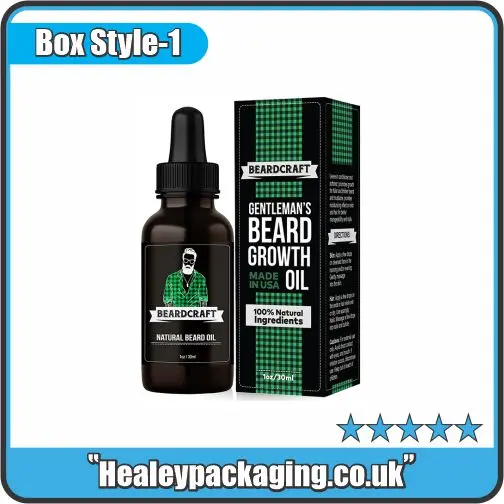
Custom Beard Oil Boxes
Beard oil bottles are small, often glass, and easy to damage if...
View Custom Beard Oil BoxesCustom personal care packaging designed around the product, how it is handled and how it will be sold. Choose custom sizing, suitable board, inserts, printing and finishes for toiletries, grooming, wellness and everyday care products.
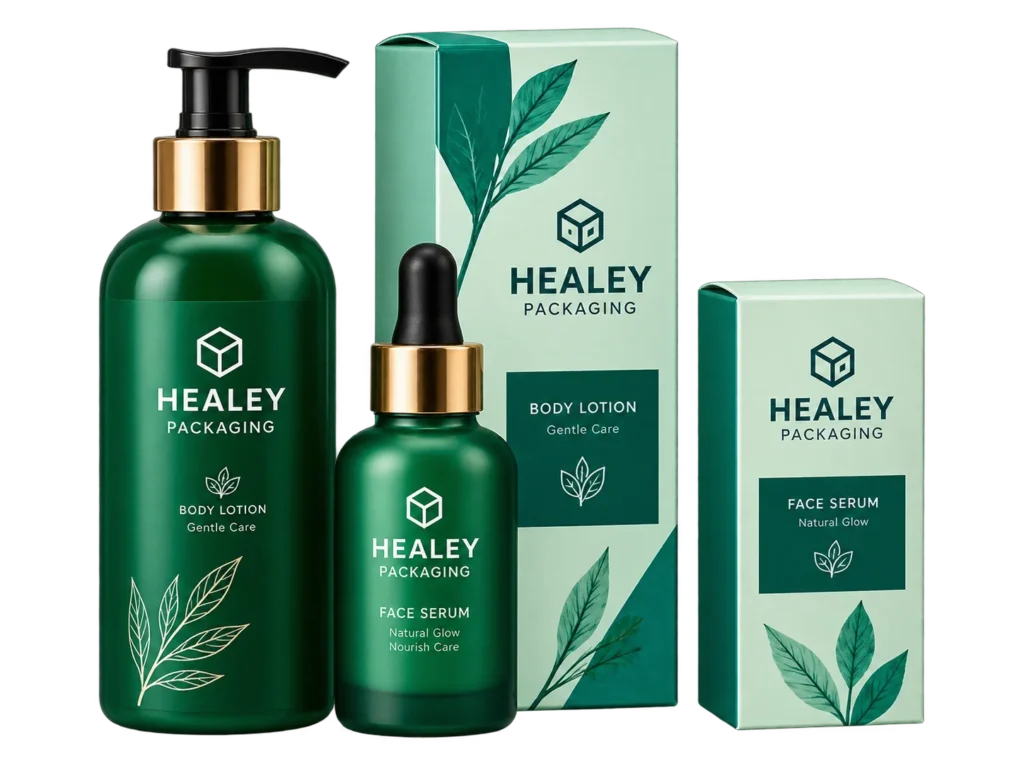
Browse packaging for grooming, wellness, hygiene and self-care products with retail-ready print options.
Popular
Beard oil bottles are small, often glass, and easy to damage if...
View Custom Beard Oil Boxes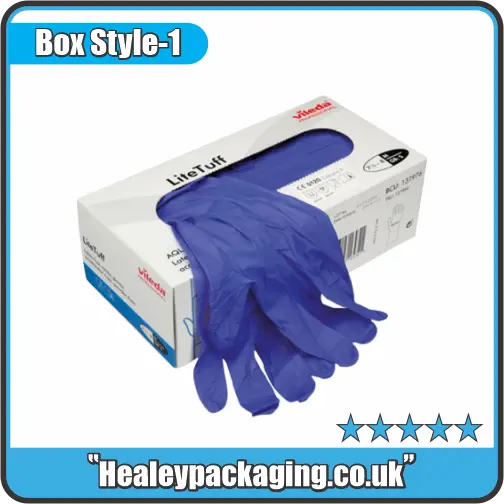 Best Seller
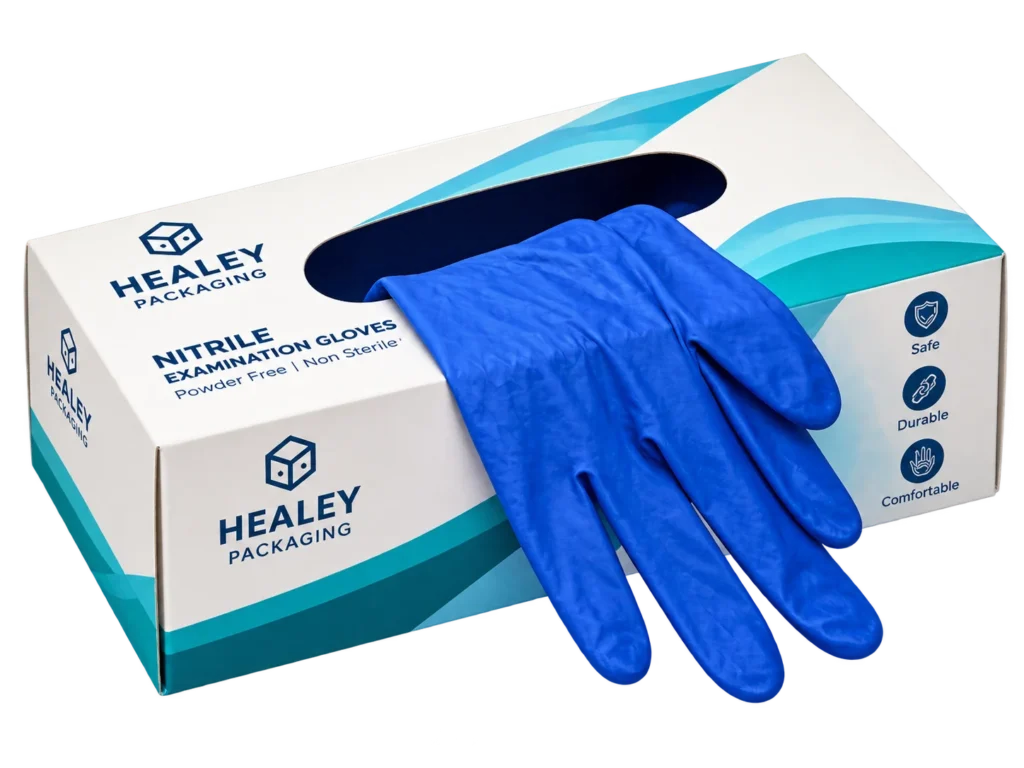
When gloves are used all day, the box becomes part of the...
View Custom Gloves Boxes Most Ordered
Hair oil products are usually packed in bottles, so the outer carton...
View Custom Hair Oil Boxes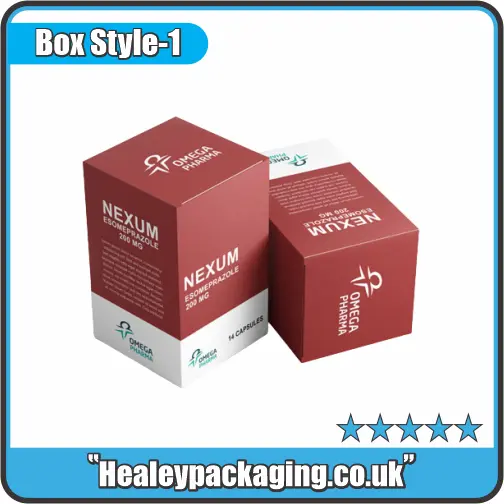 Custom
Medicine packaging carries more responsibility than most cartons. It must protect tablets...
View Custom Medicine Boxes Premium
Tissue boxes are one of those products people touch every day without...
View Custom Tissue Boxes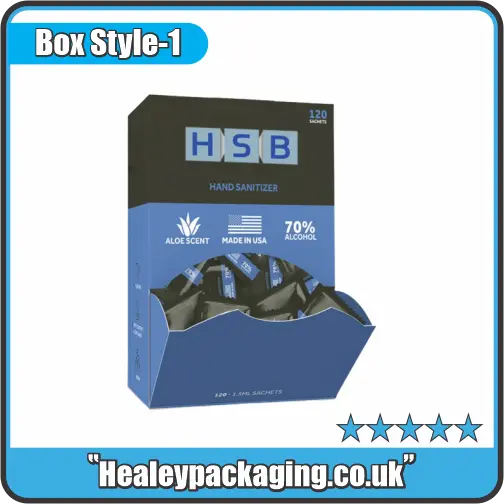
Hand sanitiser products are usually packed in bottles, sprays or dispenser formats,...
View Hand Sanitiser Boxes
You don’t usually notice packaging until something goes wrong. A bottle leaks,...
View Snake Oil BoxesPersonal care products vary widely in weight, container type and handling needs. A lightweight soap carton, glass oil bottle and multi-product grooming set can all require different structures, materials and internal support.
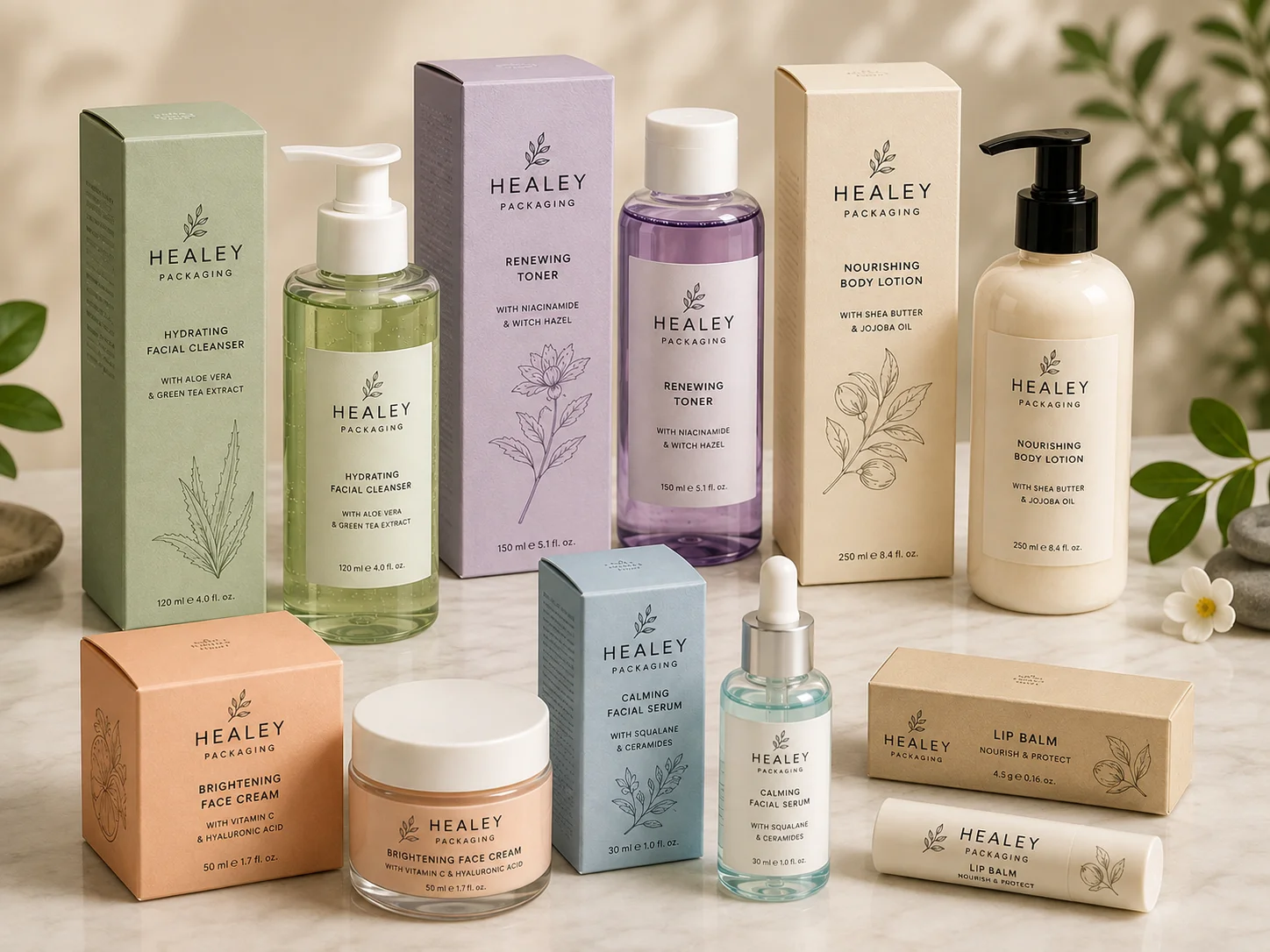
Skincare cartons and body care packaging often need to balance presentation with accurate bottle, jar or tube fit.
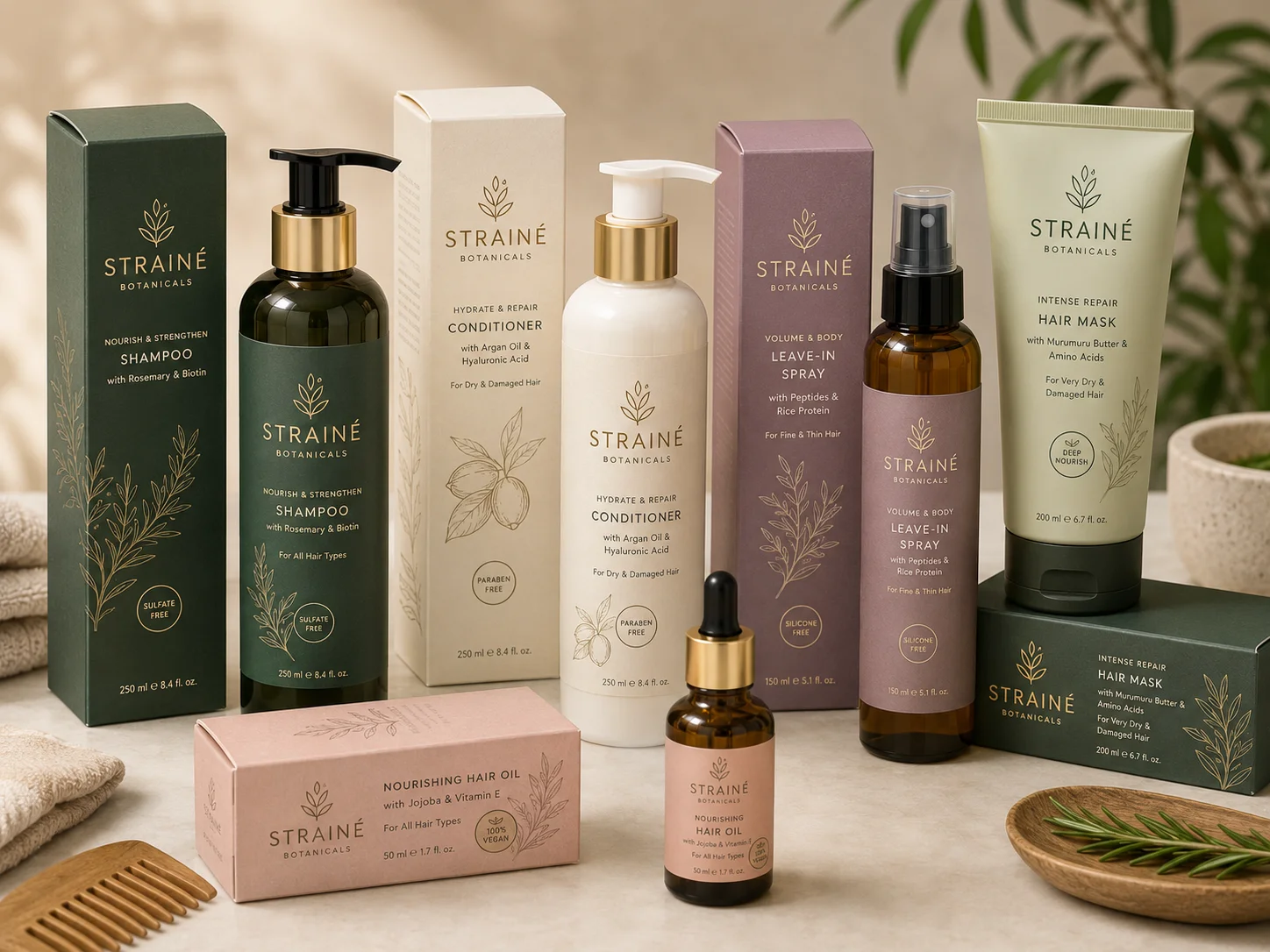
Hair care packaging needs to account for tall bottles, tubes, pumps and how the finished pack will be handled in retail.
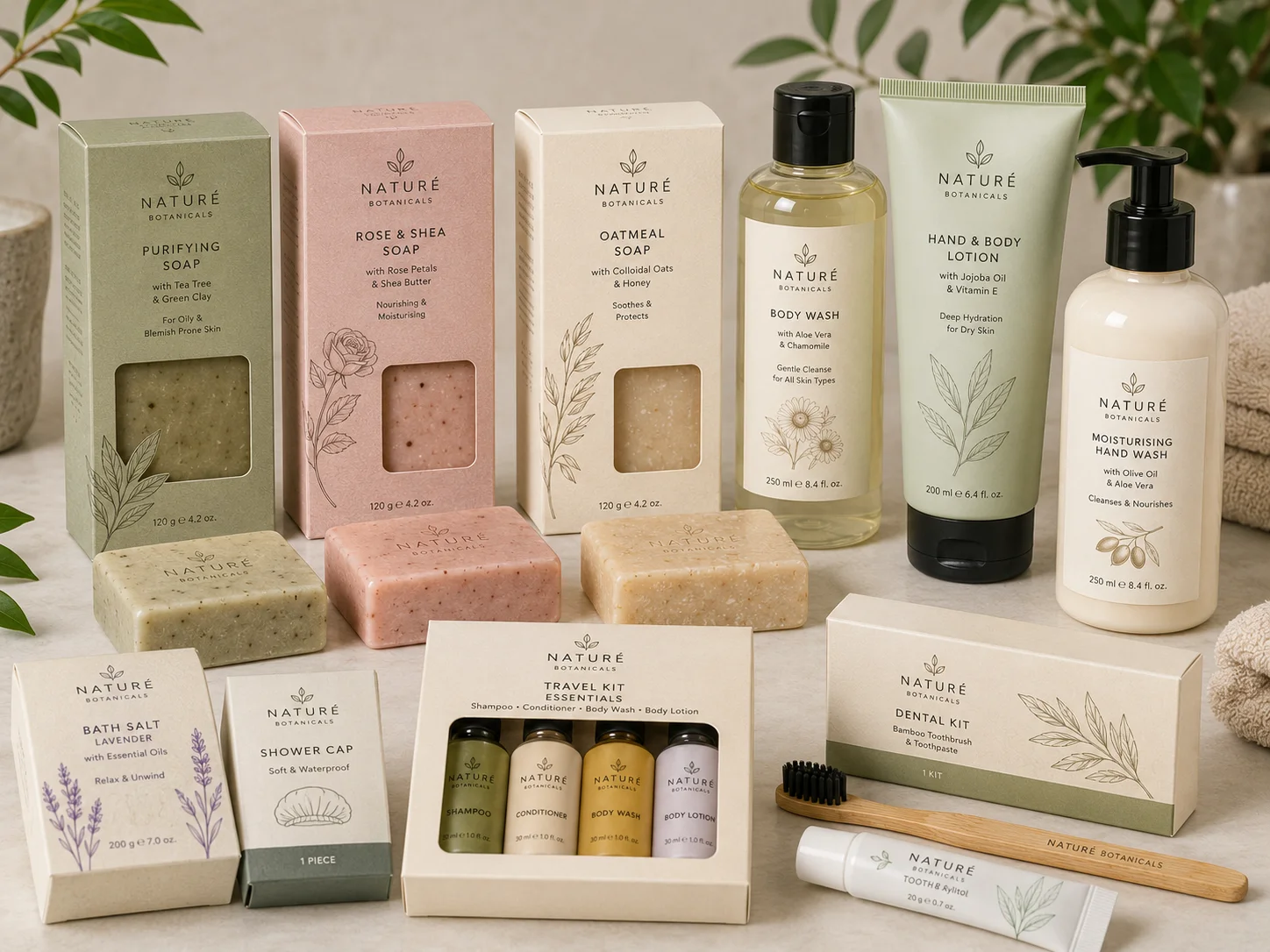
Toiletries packaging usually benefits from efficient carton structures and a material specification suited to the intended storage and handling environment.

Glass bottles and concentrated products often need closer attention to retention, clearance and movement inside the box.
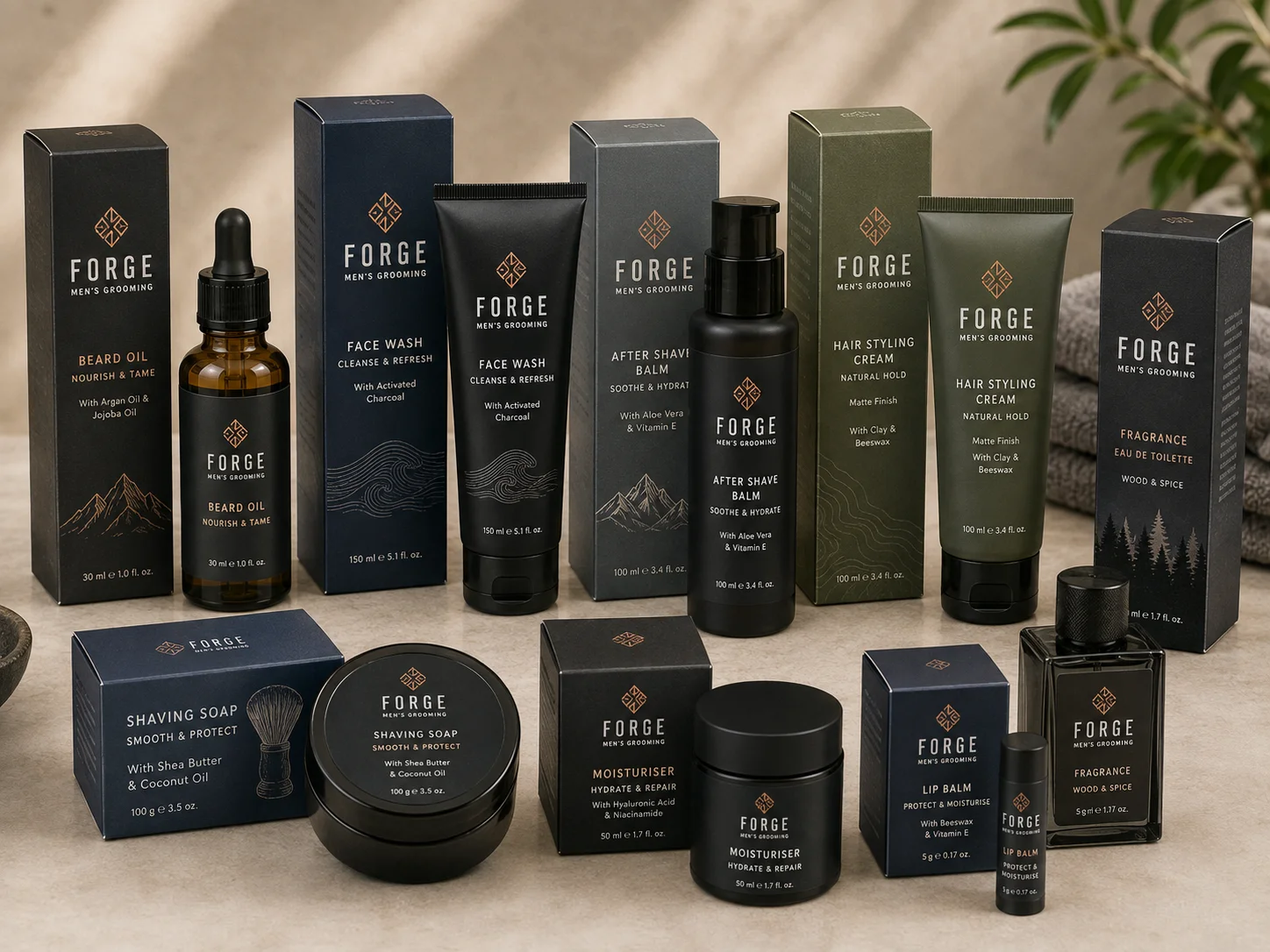
Grooming packaging can need easy product access, controlled positioning and enough presentation space for retail branding.
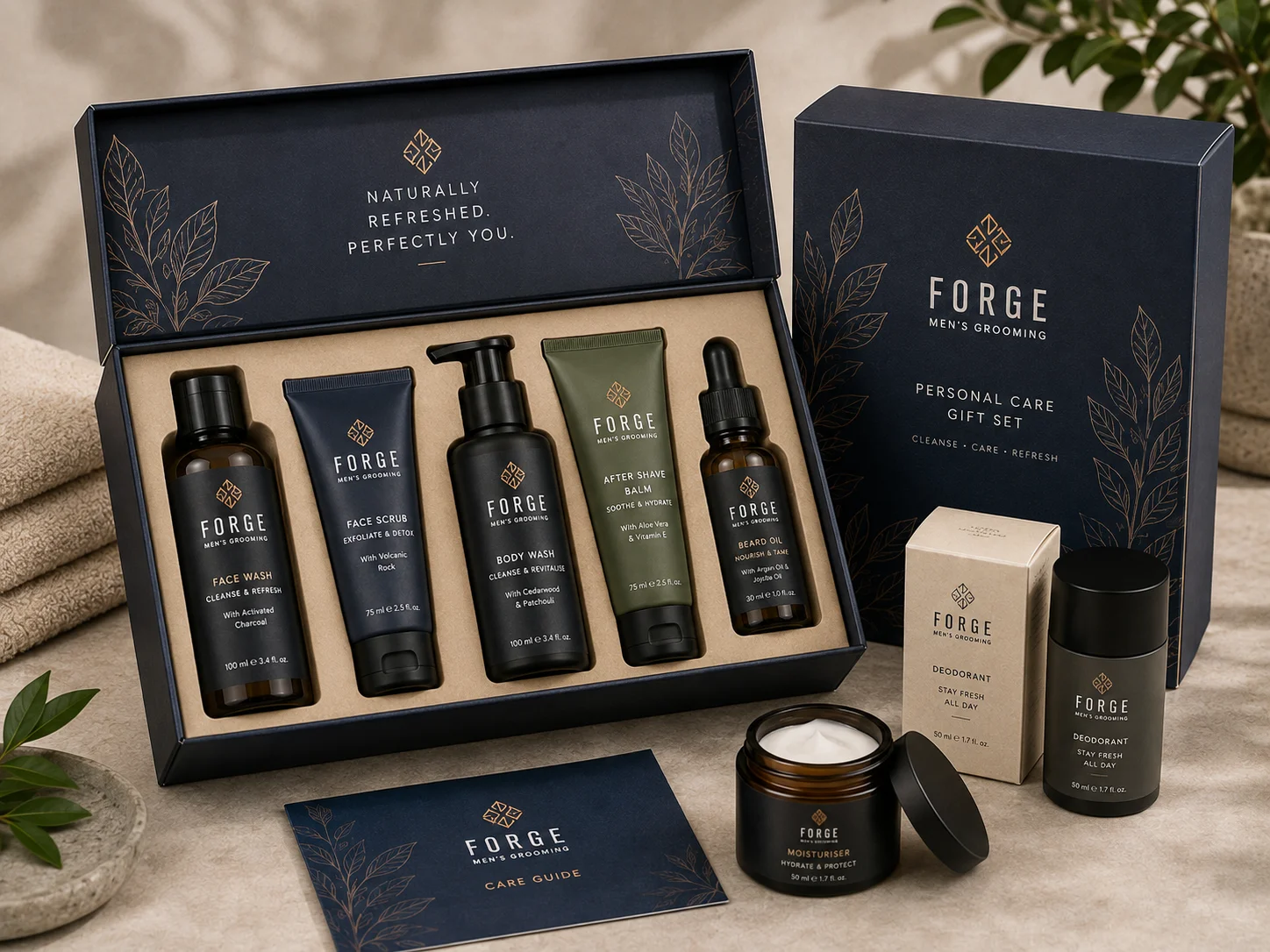
Sets and subscription formats need consistent positioning across several products while maintaining a clean opening experience.
The right personal care box structure depends on product weight, container shape, packing method and how the pack needs to open. Start with function, then refine the presentation.
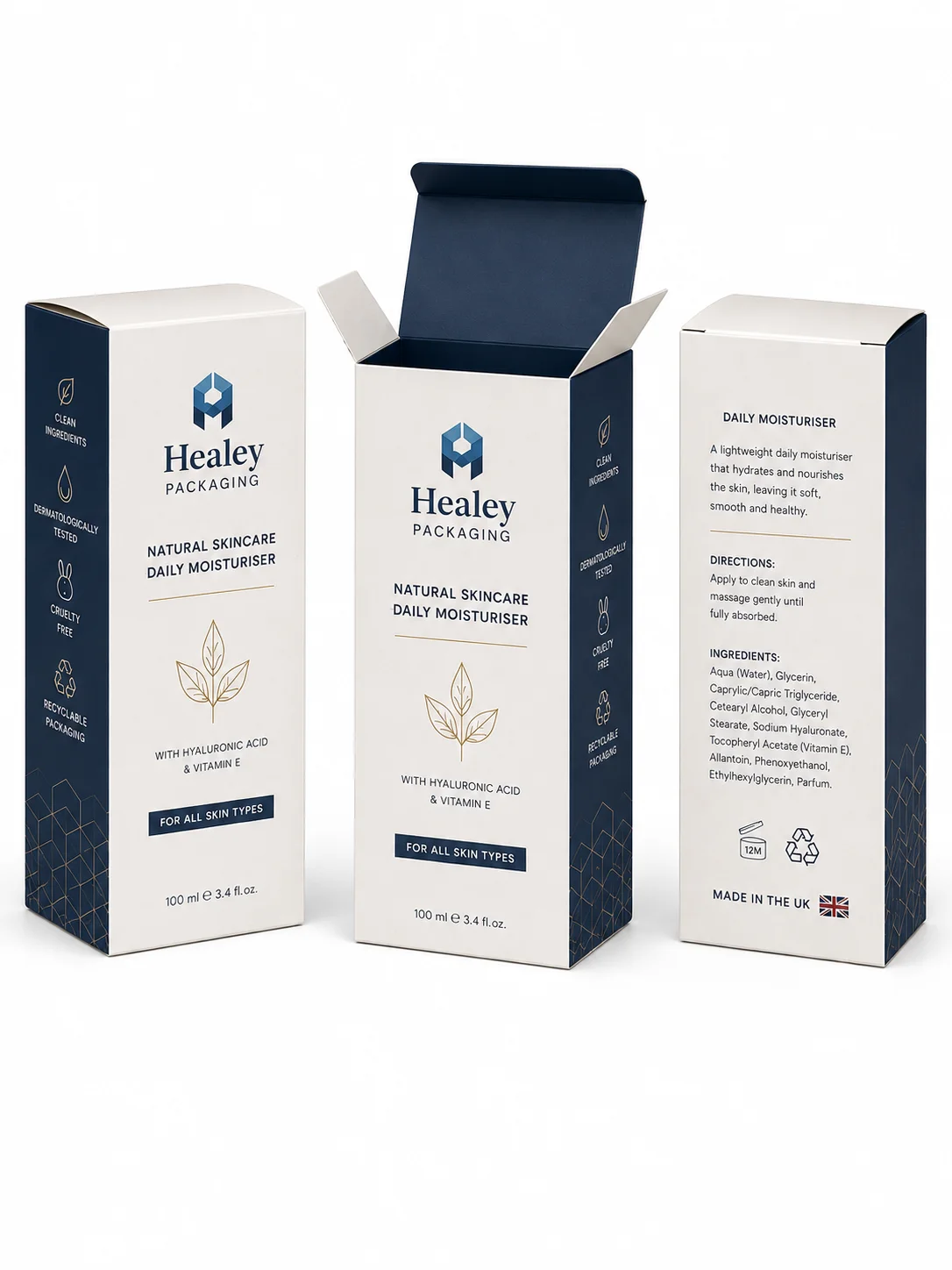
Efficient folding cartons for many lightweight bottles, tubes, soaps and everyday personal care products.
Check: Product weight, tuck depth, carton height and opening direction.
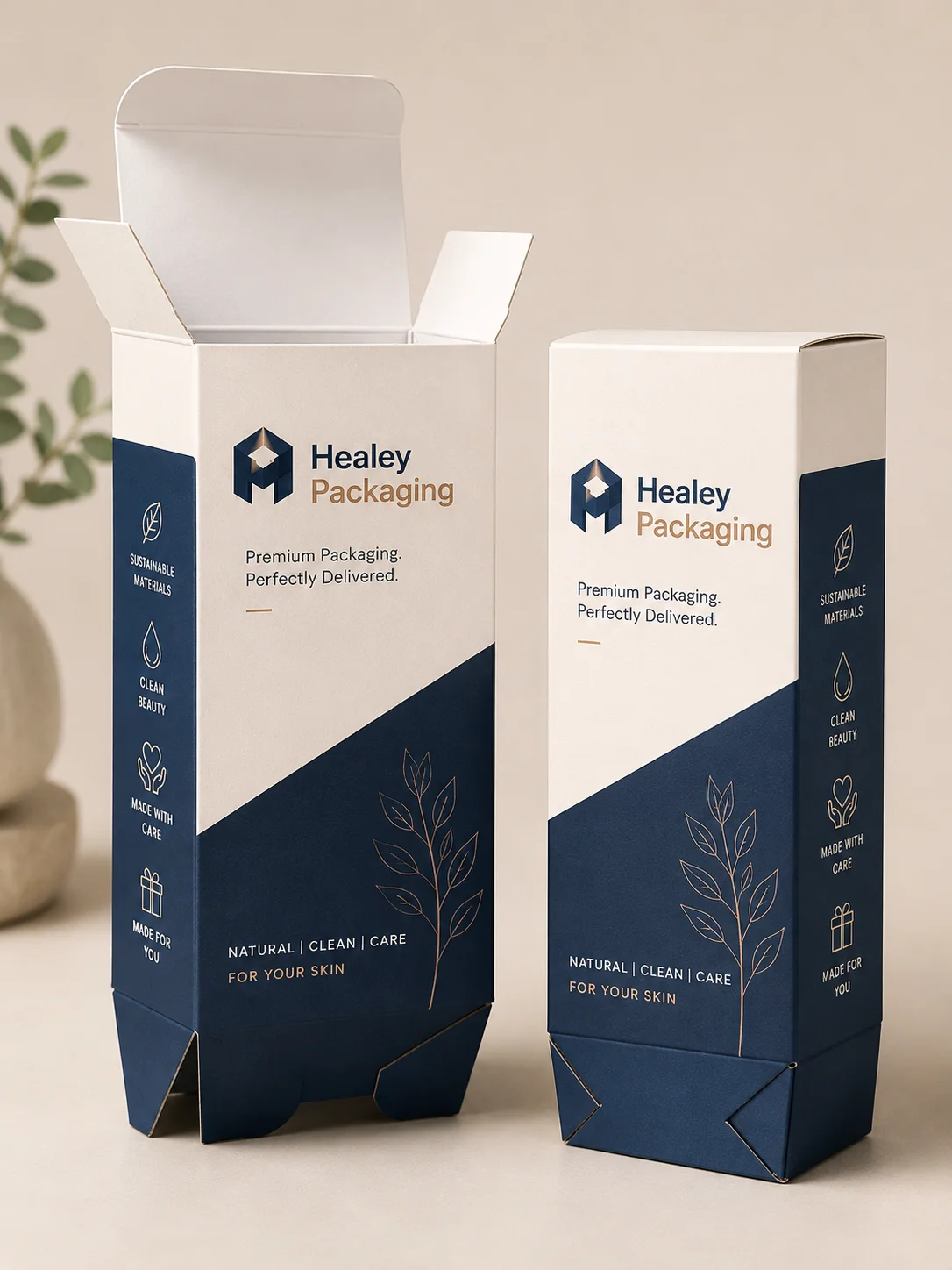
Pre-glued base structures that form quickly and can provide additional support for suitable personal care products.
Check: Packed weight, base dimensions and packing-line requirements.
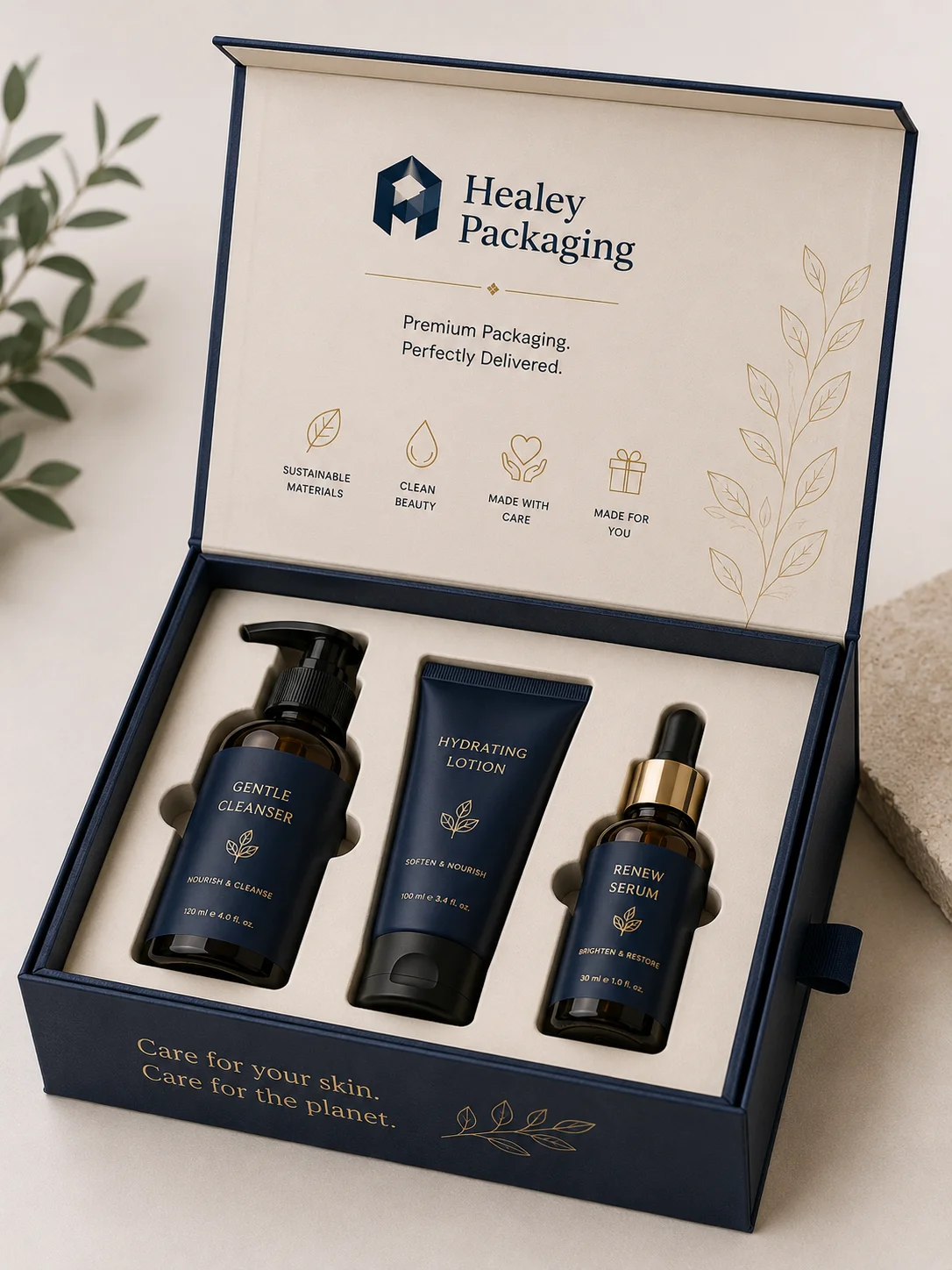
Add internal positioning where bottles, jars, pumps or multiple components need more controlled placement.
Check: Container dimensions, removal experience, tolerances and movement.
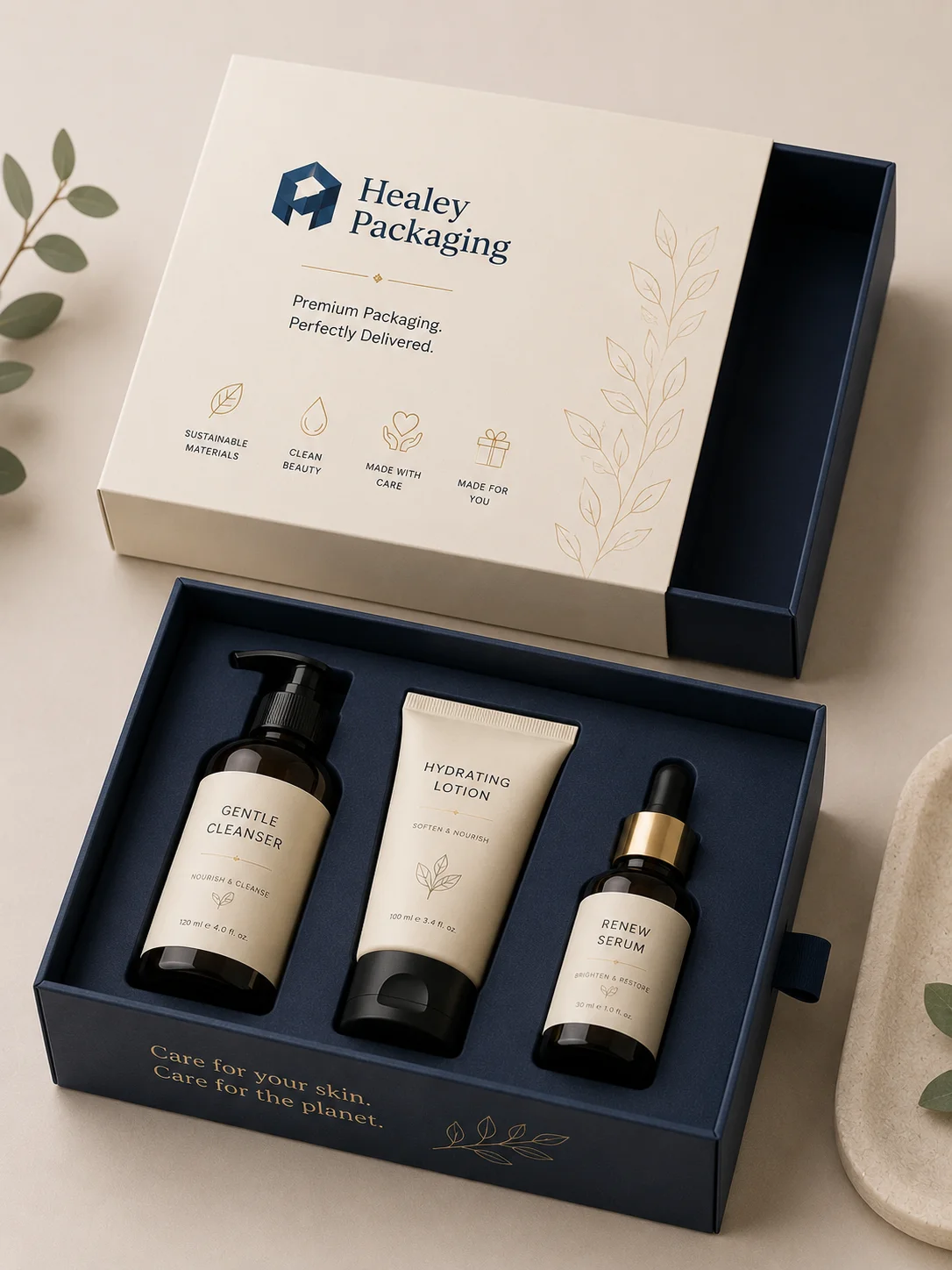
A sliding inner tray creates a controlled reveal for premium products, smaller sets and presentation-led packaging.
Check: Tray depth, sliding tolerance and product retention.
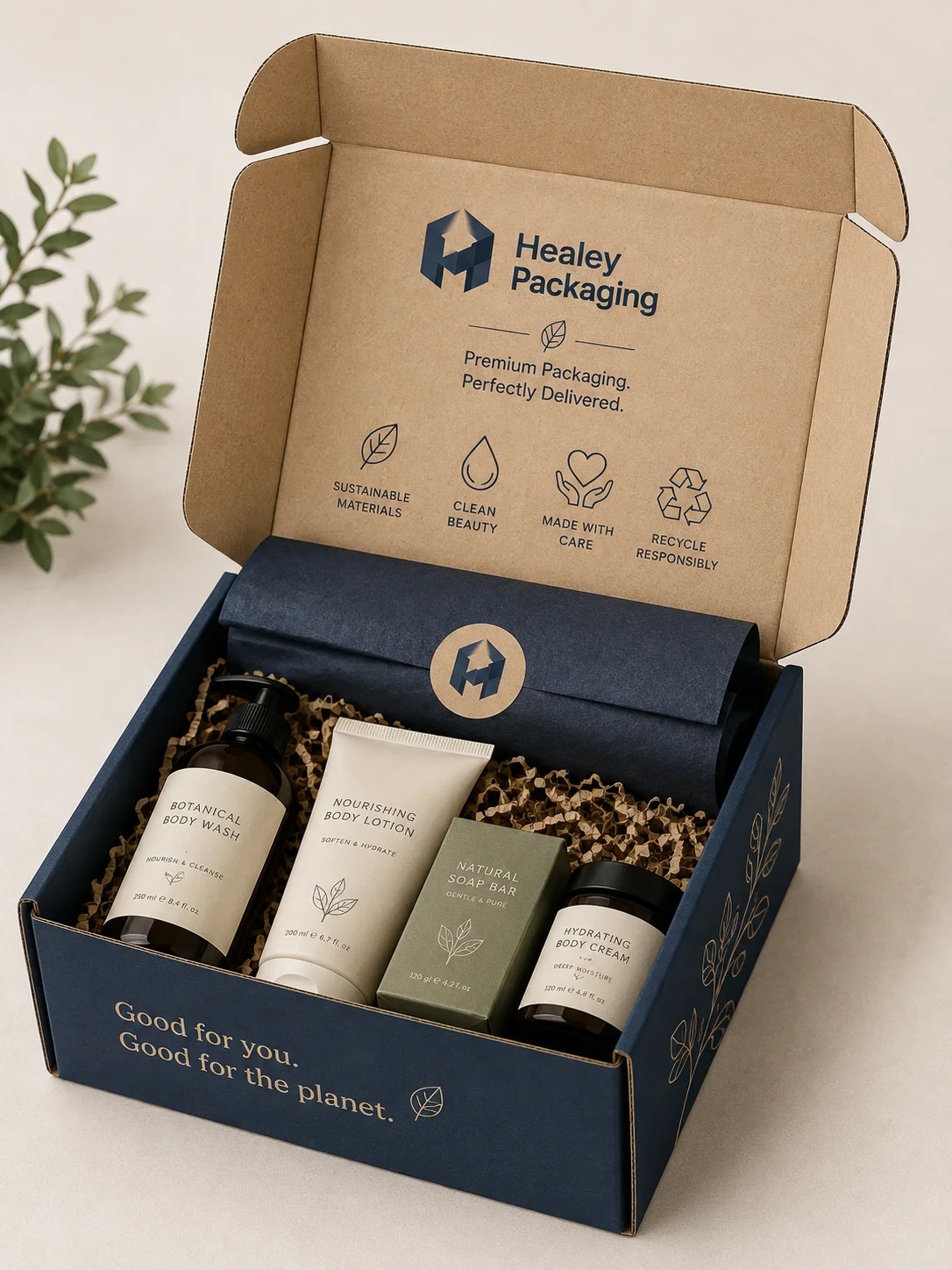
Integrated-lid structures suited to subscriptions, ecommerce sets and direct-to-consumer personal care products.
Check: Product movement, closure security and wider transit protection.
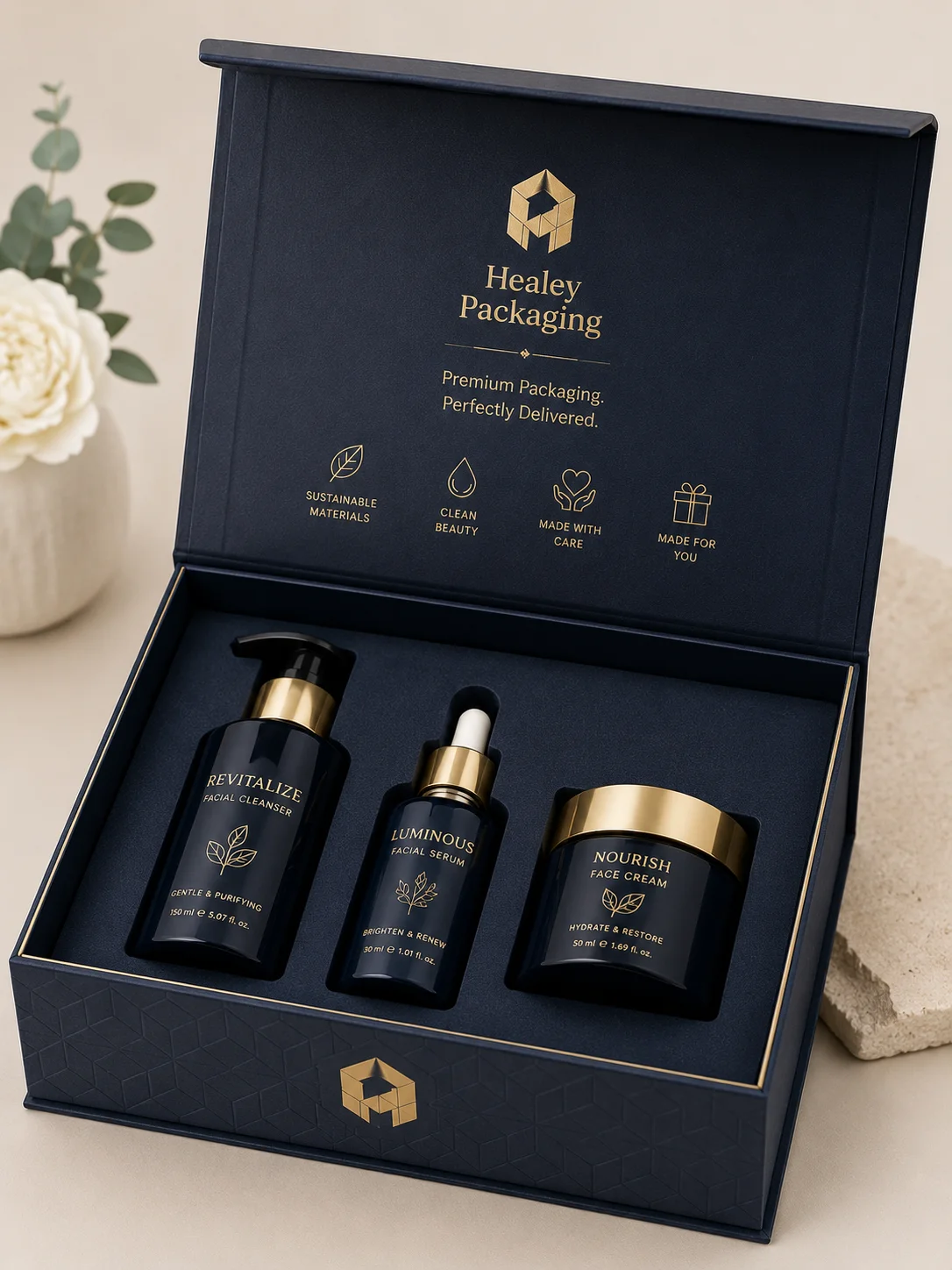
Substantial presentation boxes for premium personal care, gifting and higher-value product collections.
Check: Product weight, insert needs, storage volume and delivery protection.
Bottles, jars, tubes and pumps should sit predictably inside the finished carton. Clearance, retention and closure space need to be planned together so the pack supports the product without making loading or removal unnecessarily difficult.
For oils, serums and other liquids, leak containment depends on the primary bottle, jar, pump or closure system. The outer paperboard carton should not be treated as the liquid barrier.
Help locate bottles, jars or other primary containers where closer positioning is required.
Check: product dimensions, board thickness and removal.Separate several products within one personal care set and reduce direct contact between components.
Check: compartment size, packing order and product movement.Folded or die-cut tabs can retain suitable products without requiring a completely separate insert.
Check: holding pressure, product surface and removal.Positioning should account for the base, shoulders, diameter and weight of the primary container.
Check: orientation, clearance and centre of mass.Closures should not sit under unnecessary pressure from top panels or internal support features.
Check: cap height, pump head and top-panel clearance.Sets should be arranged around product size, visual balance and a practical packing sequence.
Check: spacing, order of loading and presentation.Where product visibility is required, the window should align with the actual packed position rather than an assumed centre point.
Check: product alignment, panel strength and any film specification.Material choice should follow the product, box structure and handling requirements. The surface customers see is important, but it should not determine the structural board on its own.
Everyday retail cartons
Smooth printable surface
Product weight and required rigidity
Natural-looking ranges
Distinct brown paper surface
Colour reproduction on brown board
Sets, mailers and ecommerce
Greater structural protection
Flute grade and overall thickness
Premium personal care sets
Usually wrapped with a separate paper
Storage volume and material complexity
Premium surface treatments
Texture, colour and tactile character
Print and finishing compatibility
Review the main packaging materials before confirming the final personal care box specification.
Personal care packaging often needs to carry strong branding alongside practical product information. Print, finishing and panel layout should therefore be planned together rather than added independently at the end.
Print and finishing choices shape colour, tactility and shelf presentation without changing the product information that still needs to remain clear.
The exact information depends on the product. Allow enough usable panel space for the buyer's approved content and any applicable requirements.
Healey can support carton layout and artwork preparation, but the business placing the product on the market should confirm which product-specific information and regulatory requirements apply.
Primary branding, product name and variant hierarchy.
Instructions, ingredients or other approved product information.
Barcode, batch or other operational information where required.
The same personal care product can place different demands on its packaging depending on where and how it is sold. Structure should account for the complete journey, not only how the carton looks when first packed.
Packaging is primarily working as a retail-facing container, where clear communication and consistent presentation matter throughout handling and display.
Multiple products need to arrive in an organised format while the structure remains practical for repeat packing and a controlled opening experience.
Parcel distribution introduces additional forces beyond normal shelf handling, so movement and protection should be assessed across the wider packed system.
Define whether the printed carton is intended only to contain and present the product, or whether additional packaging will protect it during parcel distribution.
Suitable where the carton is performing its intended retail, containment or presentation role without being relied upon as the courier shipping container.
Adds an outer protective layer where the retail carton alone is not designed for the impacts, compression and handling of parcel distribution.
Sustainability depends on the complete packaging system. Board choice, carton size, inserts, finishes and the primary container should be considered separately rather than treating a paper-based outer box as the whole specification.
Windows, laminates, foils, coatings, adhesives, magnets and mixed-material inserts can influence disposal or recycling routes.
Consider suitable paper-based carton constructions.
Responsibly sourced board can be specified where applicable.
Consider recycled-content boards where performance permits.
Useful where a natural board appearance suits the range.
Reduce unnecessary board and excessive internal space.
Use fibre-based retention where suitable for the product.
Review whether plastic components are actually required.
Avoid unnecessary layers, components and oversized formats.
A sample gives buyers an opportunity to assess the packaging specification before full production. For bottles, jars, tubes and personal care sets, this is particularly useful where fit, clearance, inserts or opening behaviour need checking.
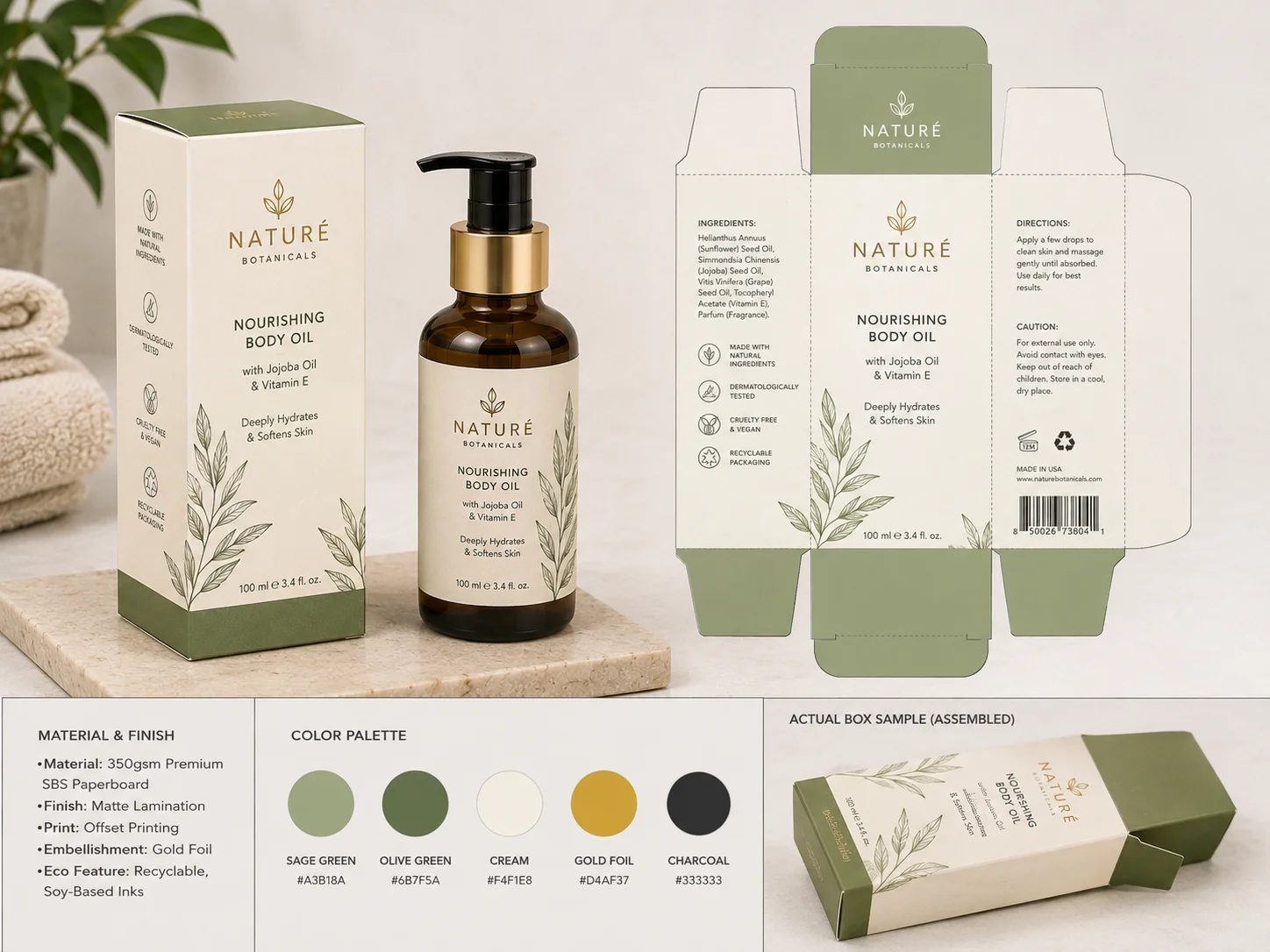
Review the carton, actual product and approved specification together where fit or retention is important.
These checks answer different questions and should not be treated as interchangeable.
Used to review artwork placement, panel orientation and supplied print information before production.
Helps assess dimensions, assembly, container clearance, product fit and the behaviour of inserts or closures.
Personal care packaging works best when the primary container, product fit, box structure, material, artwork and distribution requirements are treated as one specification.
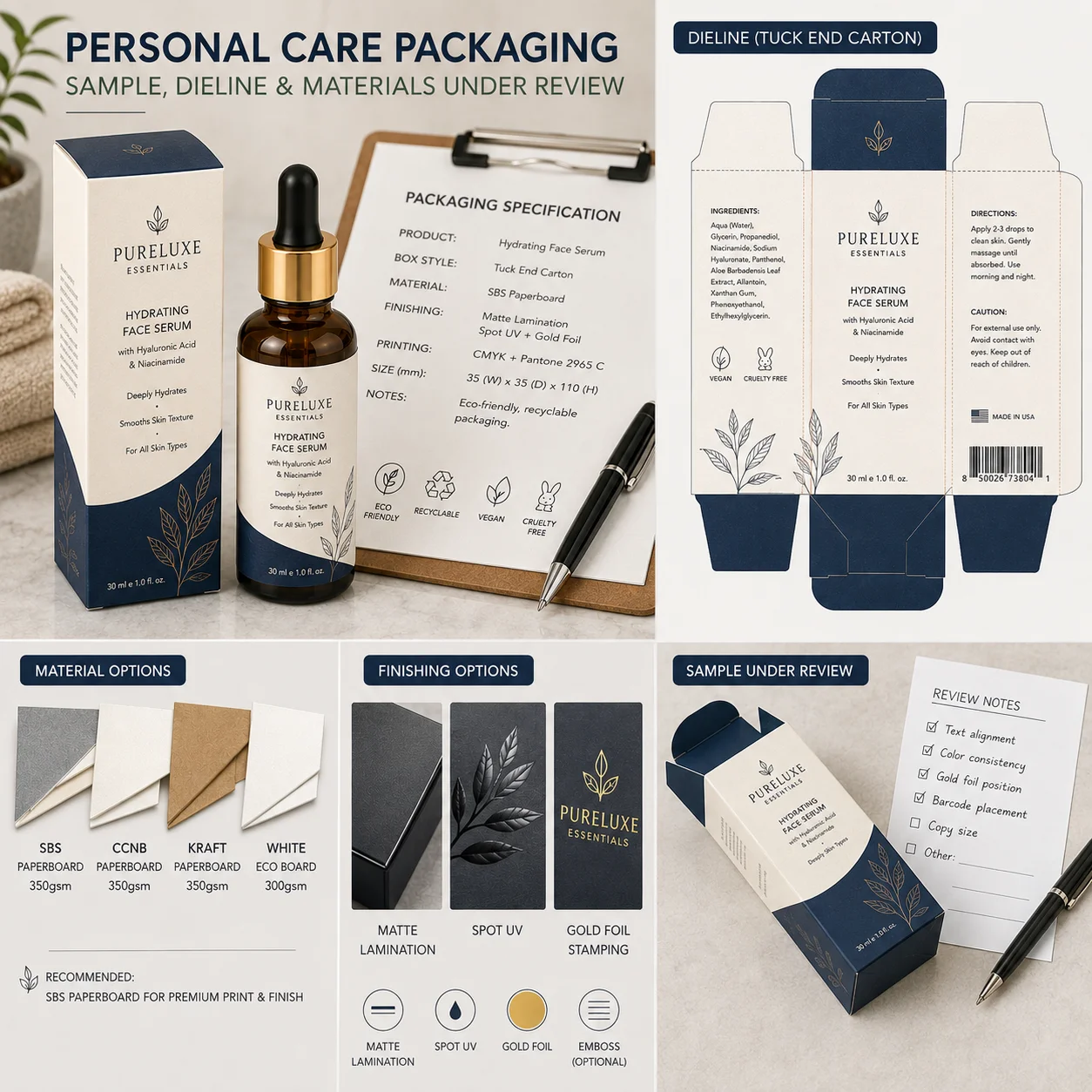
Container dimensions, carton construction, board choice, inserts and printed artwork should work as one production specification.
Container dimensions and weight influence fit and structure; those decisions then inform material, inserts, artwork and production planning.
Structural recommendations
Custom sizing
Material selection
Insert development
Dieline support
Artwork checks
Sampling
Print & finish planning
Production
Repeat-order consistency
Real packaging work produced for customer brands.
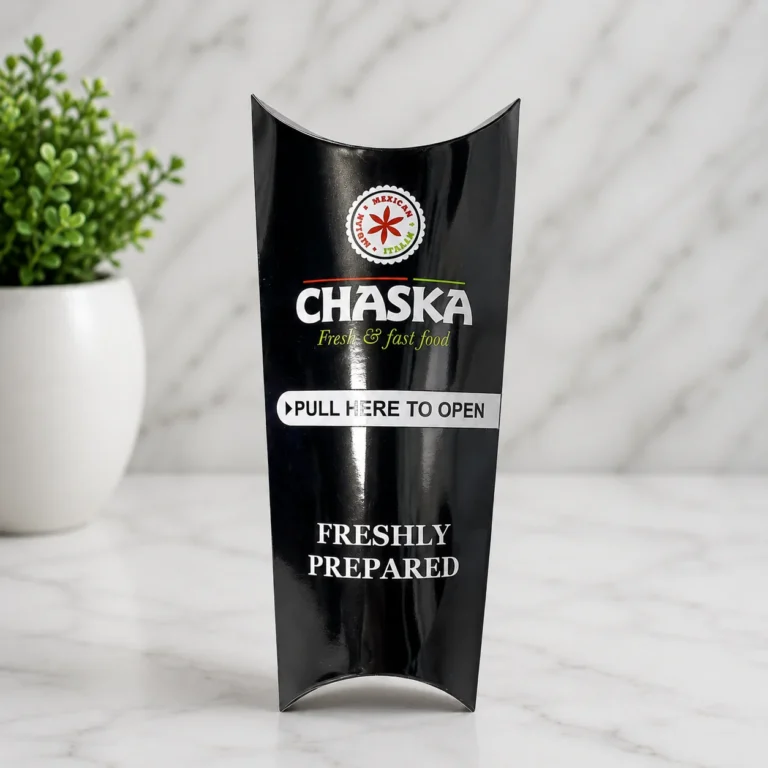
Healey Packaging produced custom pillow-style shawarma sleeves for CHASKA using 300gsm food-safe BSB card, full-colour CMYK...
View Case Study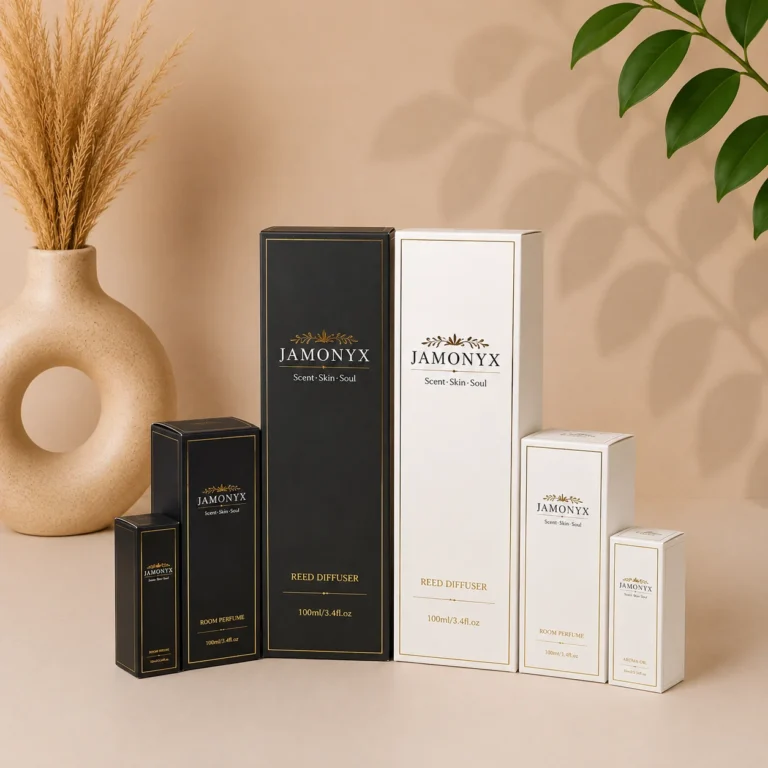
Healey Packaging produced 1,200 luxury reverse tuck boxes for JAMONYX across two black-and-white designs, three sizes,...
View Case Study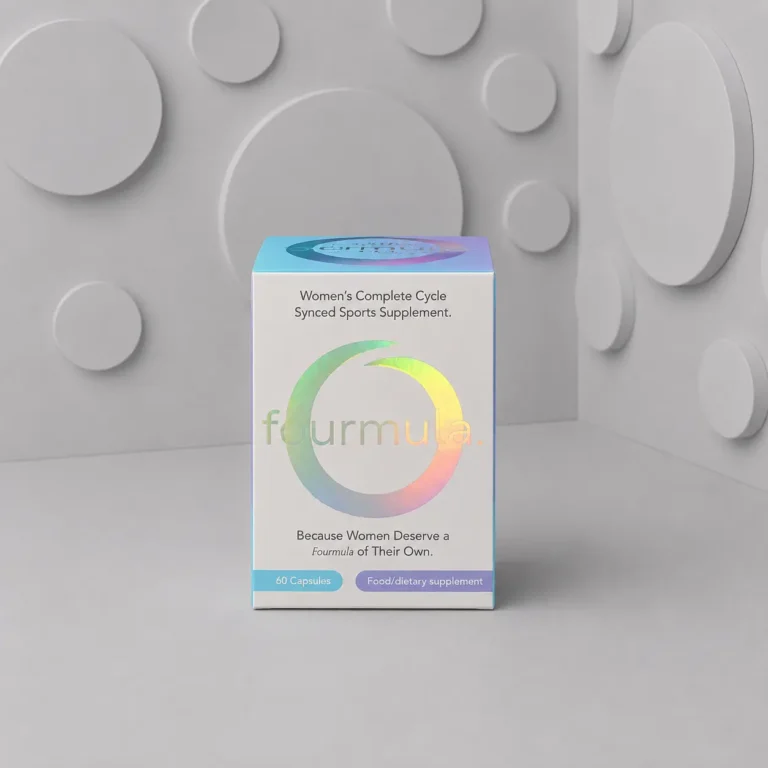
Fourmula started with 10 physical sample boxes for a compact supplement product, then moved toward a...
View Case StudyShare product size, quantity, use case and artwork status.
The right size, board and box style are reviewed.
A digital proof is prepared before production begins.
Boxes are printed, cut, folded and finished to specification.
Finished packaging is checked for structure and print quality.
Completed packaging is packed and delivered to your business.
We have been using Healey for years and are always impressed by the service, quality and speed.
Harry GeorgeThe packaging is of high quality, strong cardboard. I will definitely be using them again.
Amanda NewmanGreat communication, quick and good product. I really recommend.
JOON Plant Based AtelierPersonal care packaging is the outer or secondary packaging used for products such as lotions, soaps, deodorants, grooming products, body care items and wellness products. It can protect the primary container, provide space for branding and product information, and help the product present consistently in retail or ecommerce environments.
Folding boxboard is widely used for lightweight personal care cartons because it provides a smooth printable surface. Kraft board can suit natural-looking ranges, while corrugated board offers greater protection for heavier products or ecommerce distribution. Rigid board may be appropriate for premium sets and presentation-led packaging.
Yes. Boxes can be produced to custom dimensions around bottles, jars, tubes, pumps and other primary containers. Inserts, dividers or retaining features can also be developed where the product needs additional positioning or movement control.
It depends on the product category. For cosmetic products sold in Great Britain, required information can include the Responsible Person, quantity, precautions, batch identification, product function and ingredients. The applicable legal requirements should be confirmed for the specific product before artwork is approved.
Yes. Personal care cartons can use CMYK, Pantone or other suitable printing processes depending on the board, artwork and production requirements. Options can also include foil, embossing, debossing, Spot UV and matte or gloss finishes.
Many paperboard and corrugated constructions can be recyclable, but the complete finished pack should be assessed. Laminates, plastic windows, coatings, adhesives and mixed-material inserts can affect end-of-life options. Where sustainability is important, these components should be considered during specification rather than after the box has been designed.
Not always. Inserts are useful where bottles, jars or multiple components need to remain in a controlled position. Whether one is necessary depends on product dimensions, weight, fragility, presentation and the expected handling or distribution journey.
A sample is particularly useful for a new product, size or structure. It can help confirm product fit, assembly, opening, insert performance and overall presentation before full production. Healey also states that pre-production samples are available for checking structure, colour and finish.
Share your product, size, material and quantity requirements. Our team will help you choose the right structure, print and finish.
Tell us your product, target look, and how you ship. We'll recommend the right board, print, and finish for performance.
 Apparel Packaging
 Bakery Packaging Boxes
 Bottle Packaging Boxes
 Candle Boxes
 CBD Packaging Boxes
 Cereal Packaging Boxes