
Choosing between digital and offset printing affects more than how your packaging looks. The print method can influence setup time, colour control, personalisation options and how economical a particular production run is.
Neither method is automatically better for every project. The right choice depends on your quantity, artwork, substrate, colour requirements, deadline and whether each pack needs identical or variable content. This guide compares both methods so you can discuss the specification more confidently with your packaging supplier.
Digital Printing or Offset Printing: Which Should You Choose?
Digital printing is often well suited to shorter runs, faster setup and variable artwork because it does not require conventional printing plates. Offset printing involves more setup but can become efficient for larger repeat runs and offers strong colour and image control.
The best method depends on the quantity, substrate, artwork, colour requirements, personalisation and production schedule. A packaging supplier should compare those factors before recommending either route.
What is the difference between digital printing and offset printing?
Digital and offset printing are the two most common ways to add artwork to your packaging — but they work differently and suit different needs.
How does digital printing work?
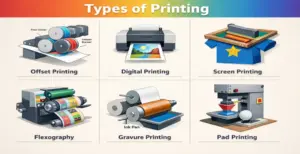
Digital printing lets us take your design and print it straight onto the packaging — no plates, no delay. It’s quick to set up, which makes it perfect for smaller runs or one-off projects. You can even tweak the design on each box, which comes in handy for personalised packaging or limited-edition ranges.
How does offset printing work?
Offset printing uses metal printing plates and ink rollers to transfer your design onto boxes via a rubber blanket. It’s slower to set up, but once running, it’s fast, cost-efficient, and delivers exceptionally sharp, consistent colour output, especially for large orders.
Digital vs Offset Printing at a Glance
- Digital printing has lower setup requirements and is often practical for shorter runs, changing artwork and personalised content.
- Offset printing requires plate setup but can be efficient for larger, repeat production runs.
- Both methods can produce high-quality packaging when matched to a suitable substrate, press and artwork specification.
- Spot colours and colour-critical work may favour offset in some projects, while the capabilities of modern digital presses vary by equipment.
- Variable names, codes and artwork versions are particularly well suited to digital workflows.
- Quantity alone should not decide the method; artwork, board, colour, finishing and turnaround also matter.
Is offset printing better than digital?
It depends on what your packaging needs.
- Offset printing is better for large quantities, where colour matching and fine detail matter.
- Digital printing is better for small runs, tight deadlines, and personalised or seasonal box designs.
At Healey Packaging, we guide clients through this decision every day. For example, a luxury tea brand needing 10,000 boxes for national retail chose offset. But an artisan candle maker launching 300 holiday sets? Digital was faster, cheaper, and more flexible.
Which is a main advantage of digital printing over traditional offset printing?
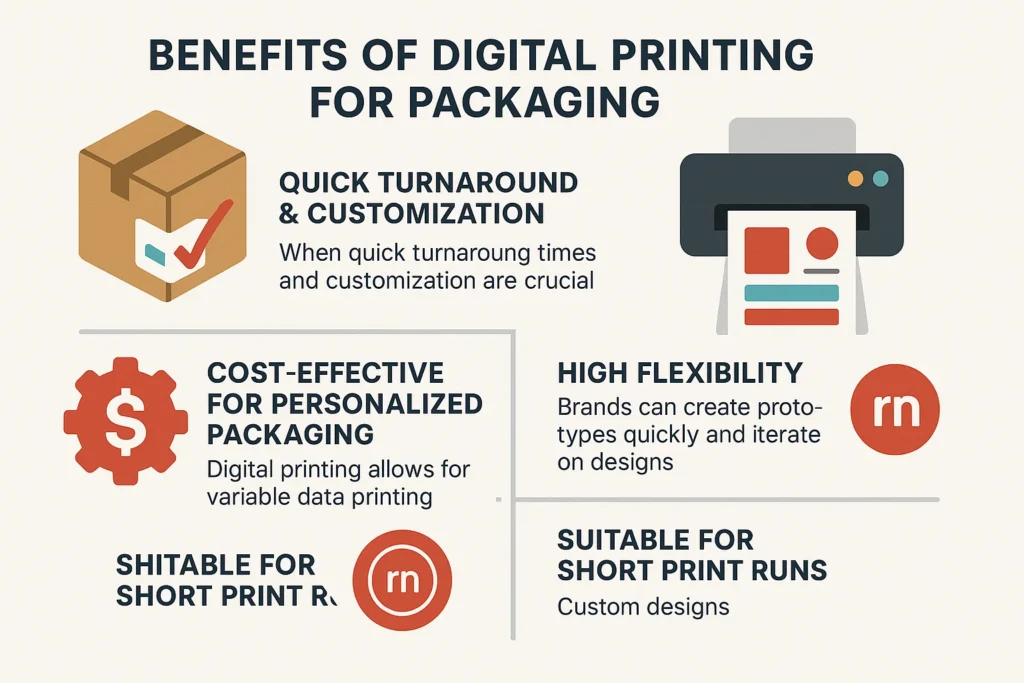
The standout advantage of digital printing is speed and flexibility.
- No plate setup means same-day production in some cases
- Easily update artwork for A/B testing or product lines
- Low minimum orders make it startup-friendly
- Ideal for packaging with variable text like QR codes or individual customer names
This is why digital is often the go-to for e-commerce sellers, influencers launching product boxes, and anyone with frequently changing SKUs.
How can you tell if a print is offset or digital?
It’s not always obvious, but here are a few ways:
- Offset prints often feel smoother, especially on coated board. The ink sits within the paper, giving it a refined look.
- Digital prints may show tiny inkjet dots under magnification and sometimes a slightly raised texture on uncoated stock.
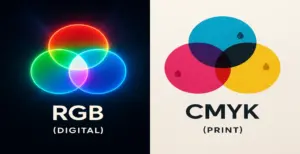
- Offset allows Pantone spot colours, while digital is almost always CMYK only
- If the colour is consistent across 10,000 boxes, it’s probably offset
At Healey Packaging, we’re happy to send print samples so you can see and feel the difference before placing your order.
When should you choose offset vs digital for your packaging boxes?
| Packaging Requirement | Method Often Worth Considering |
|---|---|
| Short or test production run | Digital printing |
| Large repeat production run | Offset printing |
| Fast setup required | Digital printing |
| Variable names, codes or artwork | Digital printing |
| Spot-colour or colour-critical specification | Offset may be suitable, depending on the press and substrate |
| Lower unit cost at higher volume | Offset can become more economical once setup is spread across the run |
What type of print does Healey Packaging recommend?
We don’t push one method over the other—we recommend what fits your product, timeline, and budget.
We also handle print file setup, advise on substrate choices, and offer FSC®-certified materials for both methods.
Expertise You Can Trust
Healey Packaging has supported UK brands with premium packaging since 2010. Our in-house print specialists and designers know the ins and outs of both digital and offset systems. We’re happy to help you:
- Choose the best printing method for your business
- Format your artwork for sharp print results
- Balance visual quality with production cost
- Order printed samples to compare results
We don’t guess—we guide.
Digital vs Offset Printing: Common Questions
Practical answers about quantities, colour, personalisation, costs and choosing a printing method for custom packaging.
What is the main difference between digital and offset printing?
Digital printing sends artwork to a compatible digital press without conventional plate setup. Offset printing transfers ink from printing plates through a blanket before it reaches the print surface. This difference affects setup, production economics and the types of artwork each workflow handles efficiently.
Is digital printing better for small packaging runs?
It often is because setup requirements can be lower, but there is no universal quantity at which digital becomes the best option. The box material, artwork, press capability, finishing and production schedule also affect the decision.
Is offset printing better for large orders?
Offset can become economical for larger repeat runs because its setup cost is distributed across more units. The point at which it becomes preferable varies by specification and supplier, so quotations should be compared rather than relying on a fixed quantity threshold.
Which printing method is best for Pantone colours?
Offset printing is commonly used when specified spot colours are an important part of the job. Digital press capabilities vary, however, so colour requirements should be discussed using the actual press, substrate and approved colour reference rather than assuming every digital system works in the same way.
Can digital printing personalise every box?
Compatible digital workflows can support variable data such as individual names, codes, numbering or changing artwork. The variable data needs to be prepared correctly and checked before production.
Which method gives better print quality?
Both digital and offset printing can produce high-quality packaging. Results depend on the printing equipment, substrate, artwork, resolution, colour management and finishing requirements. The better method is therefore the one matched to the specific job.
Final Thoughts: Choosing the Right Printing Method
There is no single printing method that is best for every packaging project. Digital printing can be particularly useful when you need shorter runs, fast artwork changes or variable content, while offset printing can become attractive for larger repeat runs and colour-critical specifications.
The final choice should be based on the complete job: quantity, substrate, artwork, colour requirements, finishes, production schedule and budget. At Healey Packaging, we can compare these requirements before production and recommend a printing route that suits the packaging rather than forcing the project into one method.