
Custom Packaging Finishes Designed for Impact and Performance
Enhance the appearance, feel and functionality of your custom packaging with carefully selected finishes and add-ons. From protective coatings and premium foils to windows, inserts and practical opening features, we help you choose options that suit your product, branding, budget and packaging requirements.
What Are Packaging Finishes and Add-ons?
Packaging finishes are treatments applied during or after printing to change the appearance, texture or surface performance of packaging. Common options include lamination, varnishes, Spot UV, foil stamping, embossing and soft-touch coatings.
Packaging add-ons are structural or functional features incorporated into the pack, such as custom inserts, windows, handles, tear strips and adhesive closures.
The right specification depends on the packaging material, product, production quantity, distribution environment, budget and intended customer experience.
Read our complete guide to packaging finishes for a detailed overview of coatings, laminations, decorative effects and practical finishing considerations.
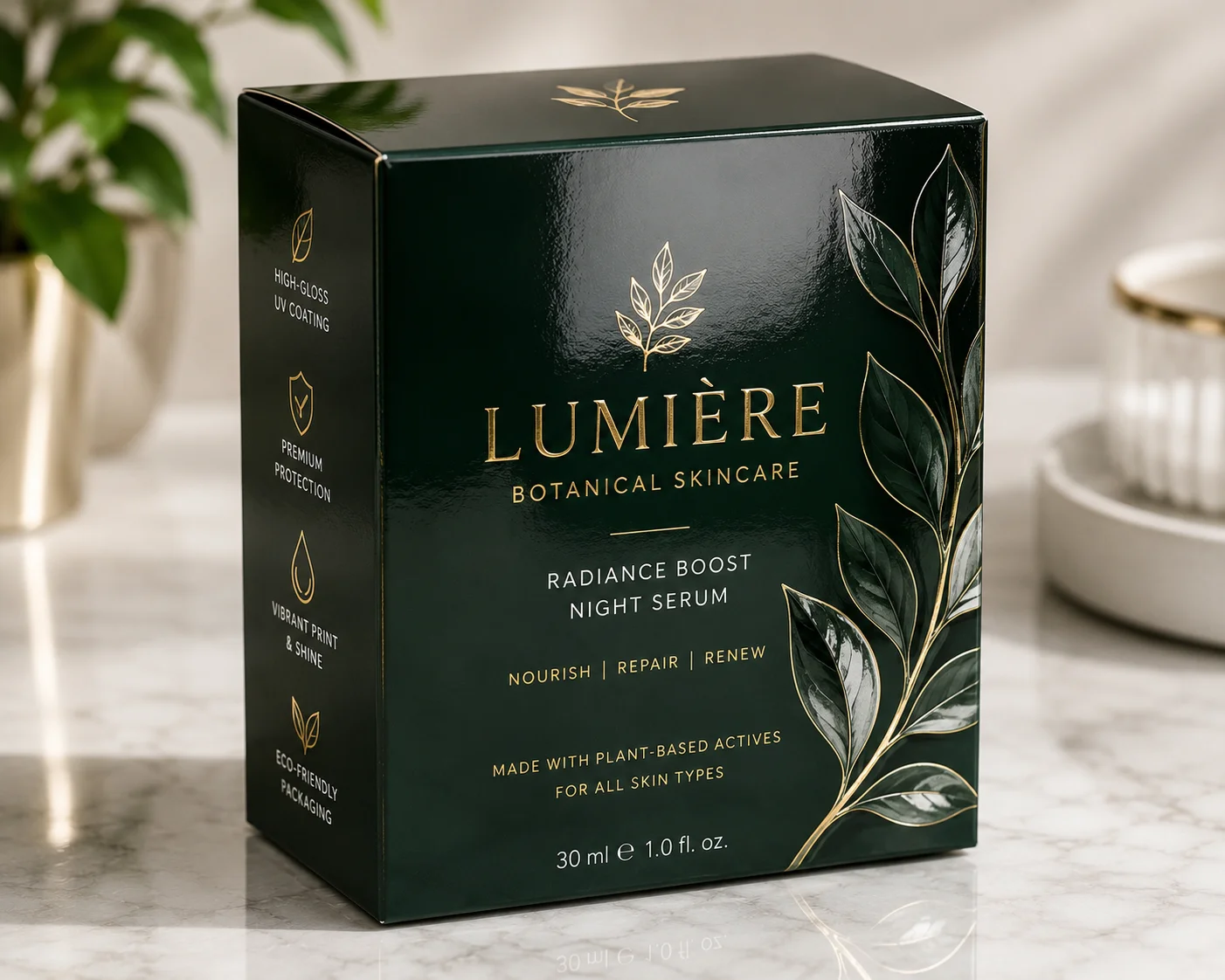
Add Detail, Texture and Visual Impact
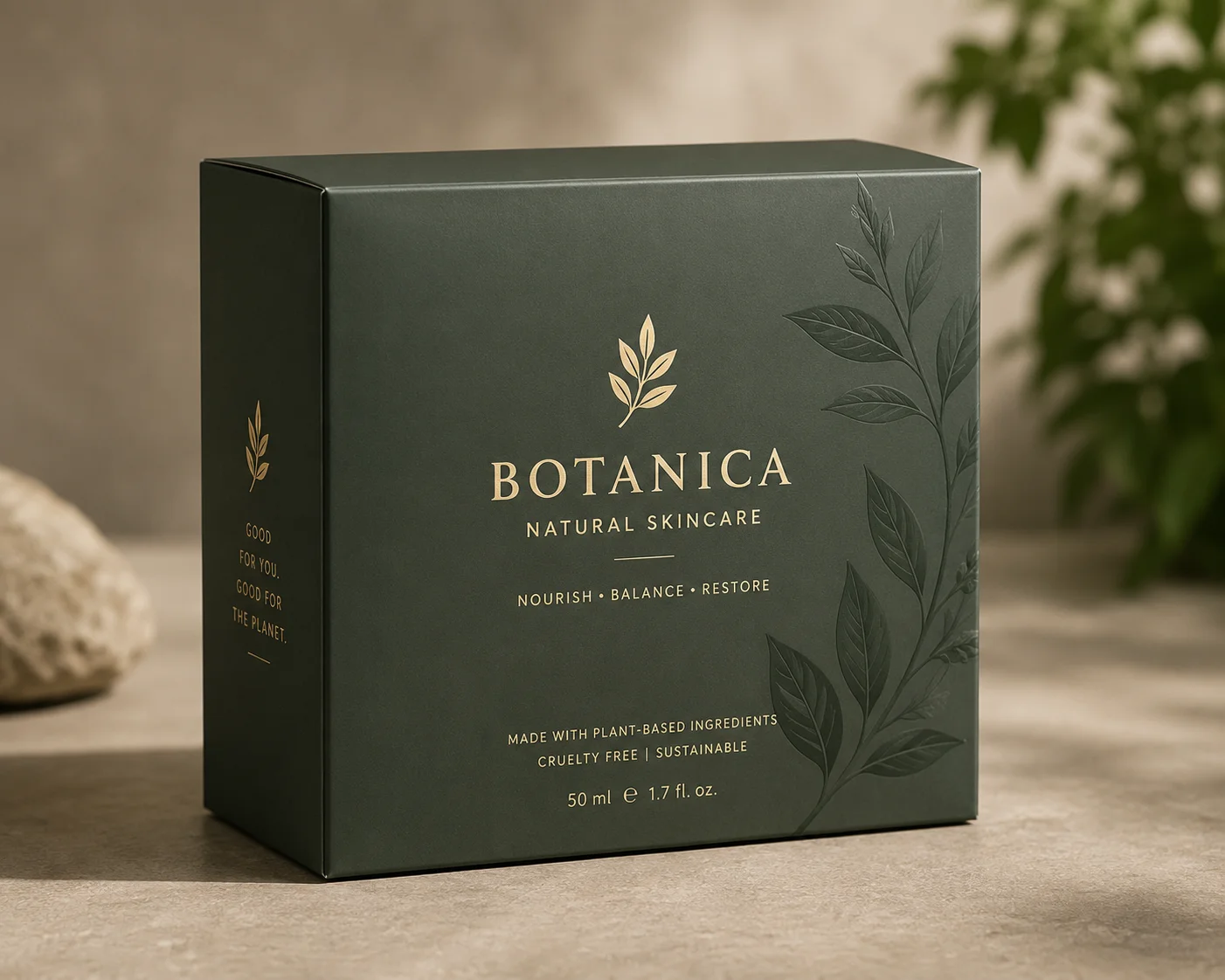
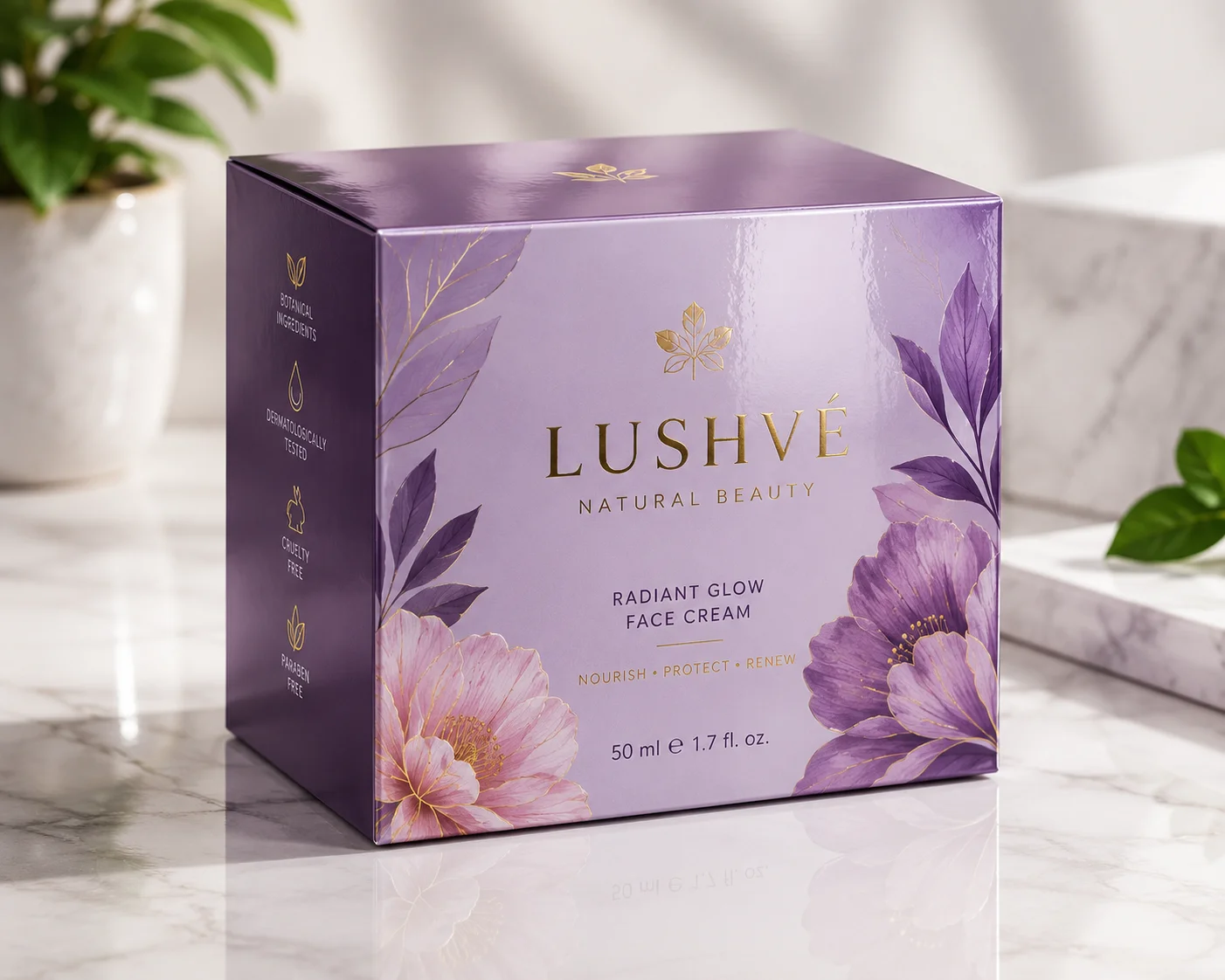
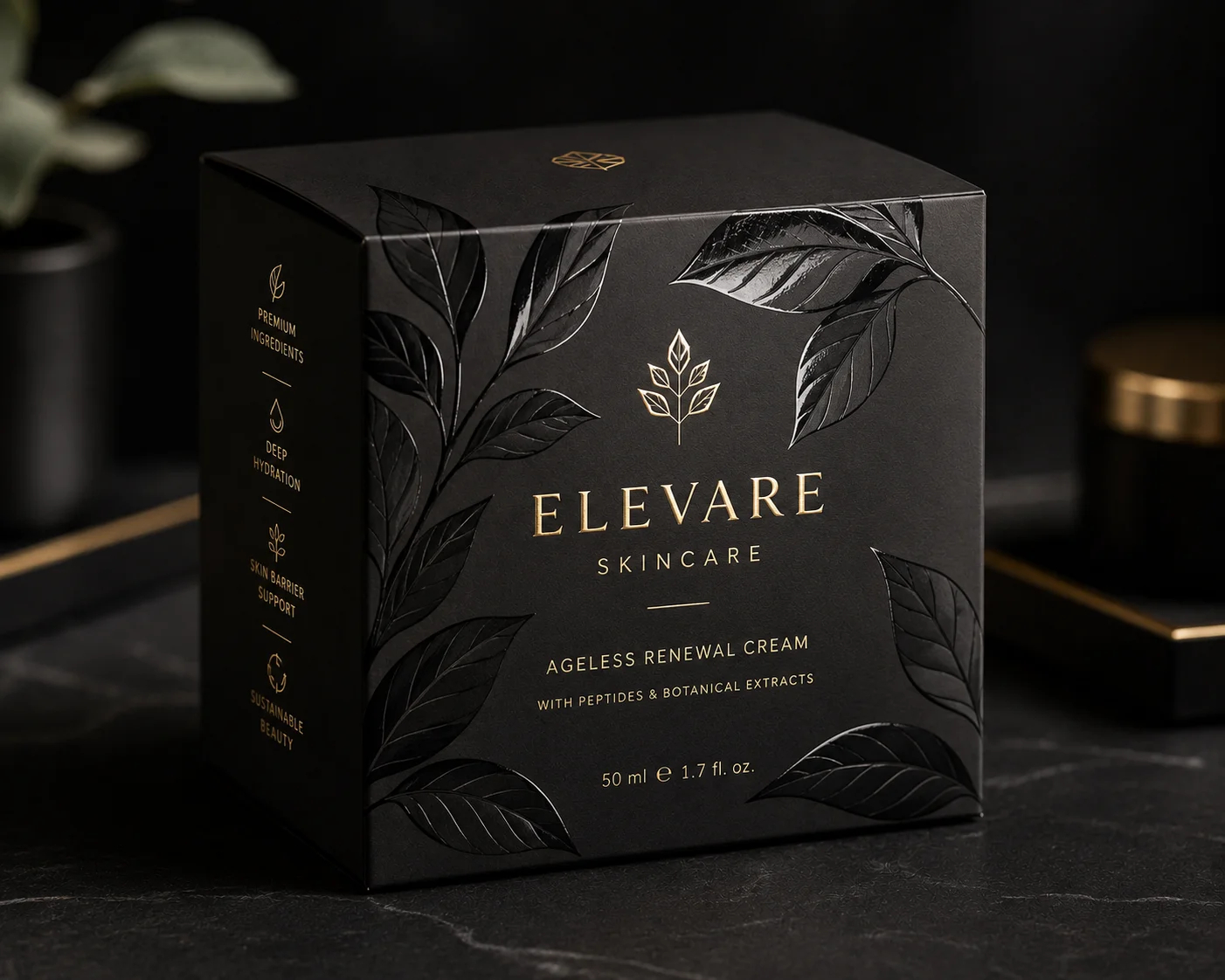
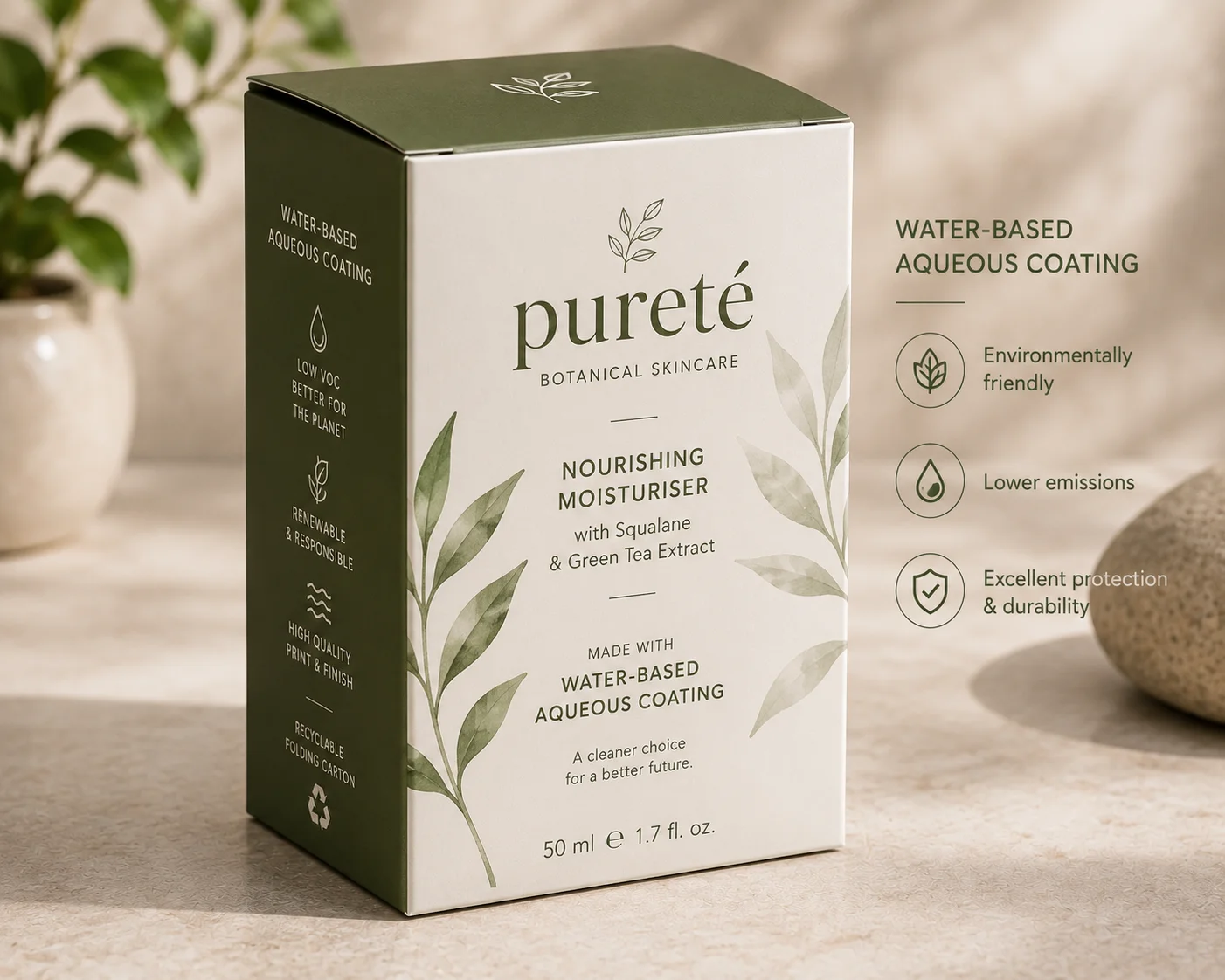
Decorative finishing techniques can emphasise selected elements of your packaging design and create a more distinctive customer experience.
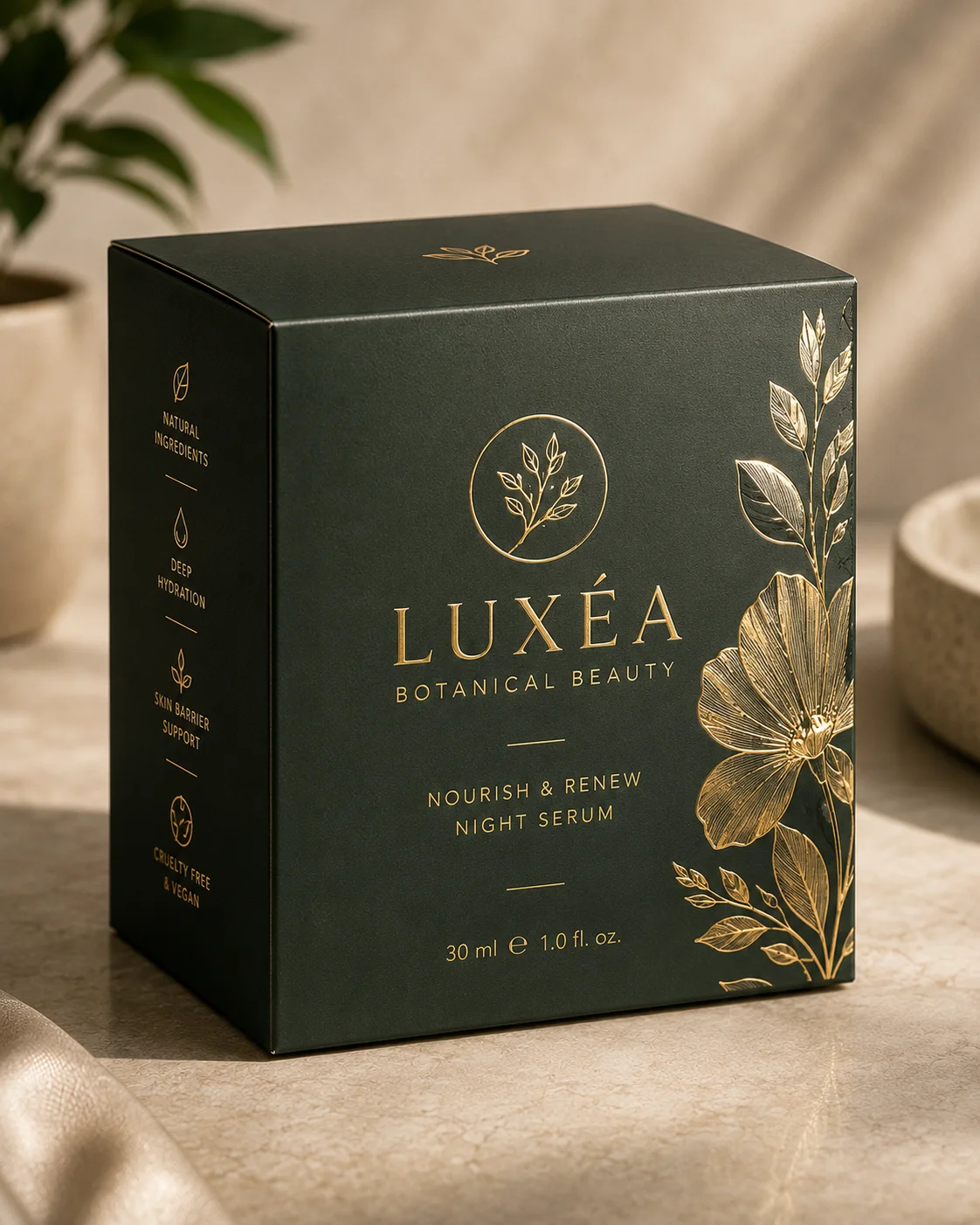 Metallic Detail
Foil Stamping
Metallic or pigmented foil is transferred to selected areas using heat and pressure to create a reflective decorative effect.
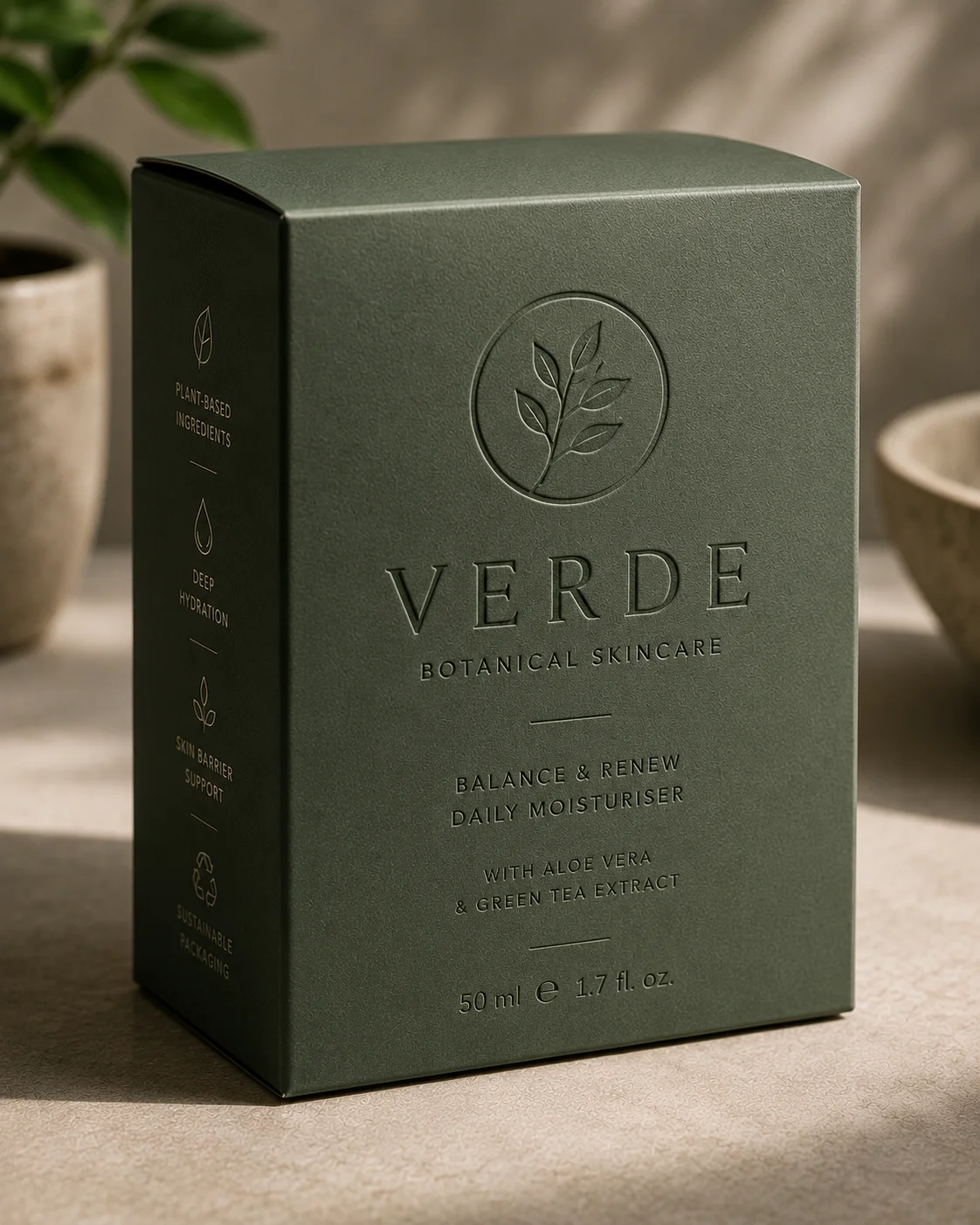 Raised Impression
Embossing
Selected artwork is raised above the packaging surface to create visible and tactile depth.
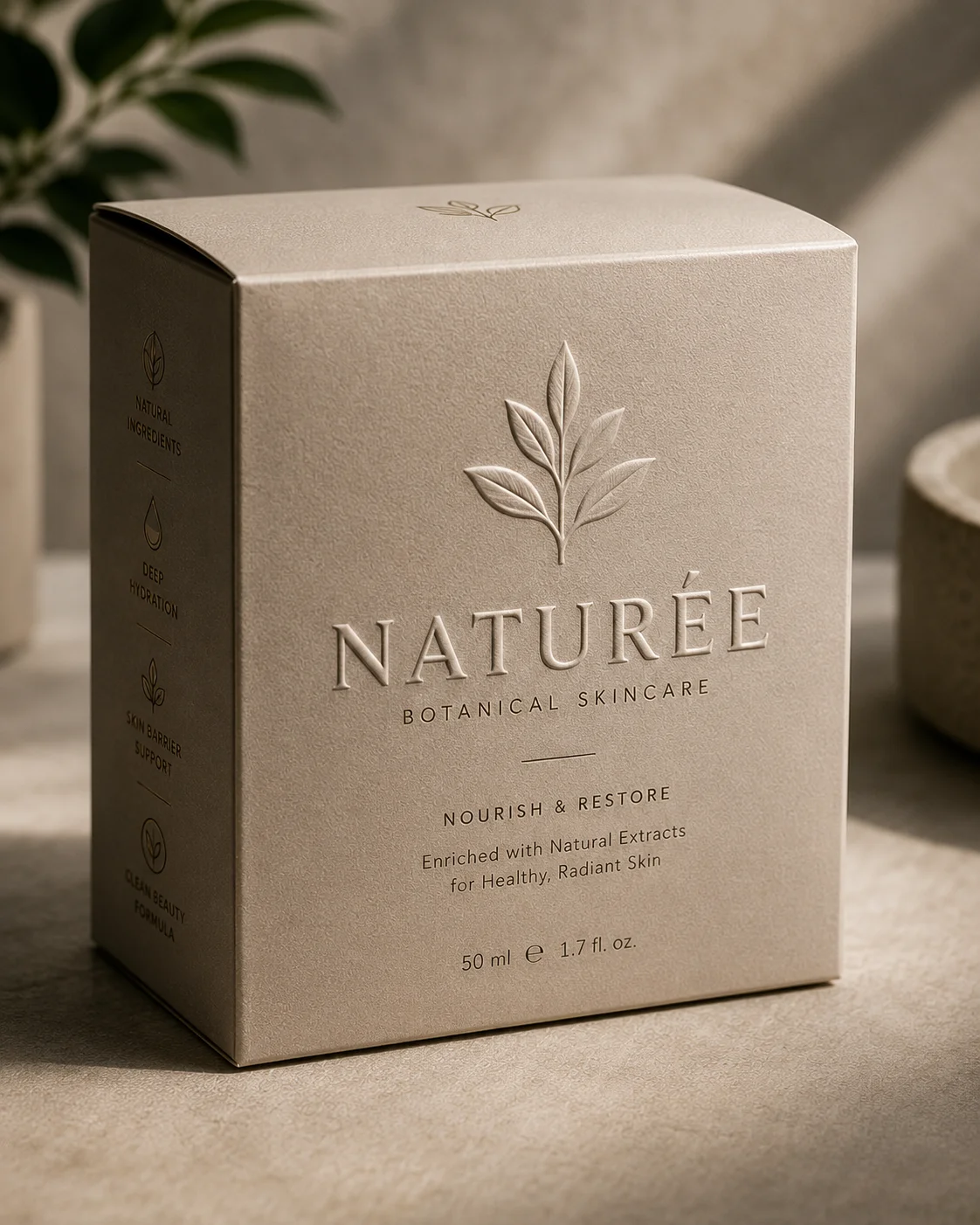 Recessed Detail
Debossing
Artwork is pressed below the surface of the packaging material to create a recessed impression.
 Tactile Gloss
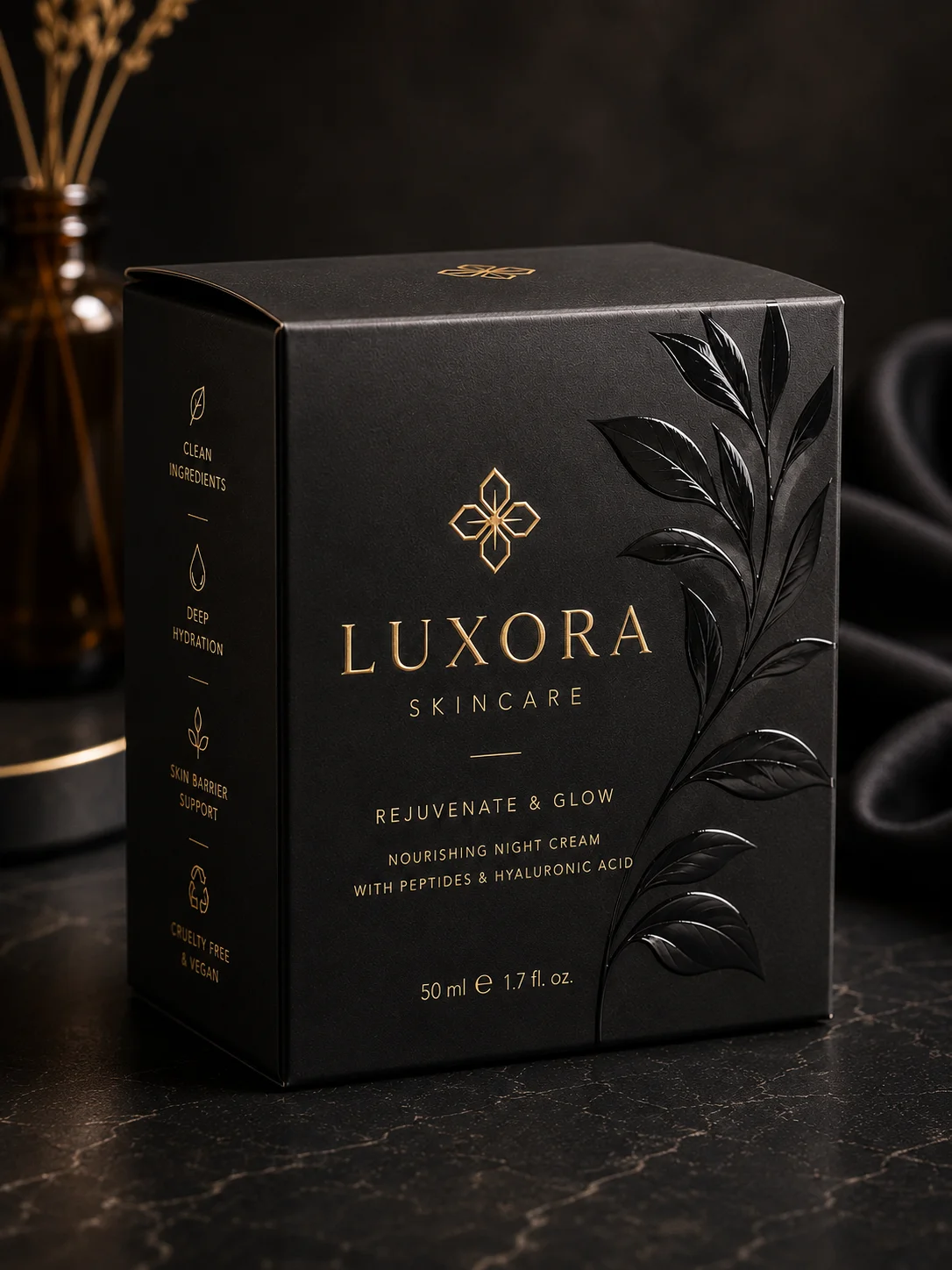
Raised Spot UV
A thicker UV coating applied to selected artwork areas creates noticeable surface depth, gloss and tactile contrast.
 Colour-Shifting Effect
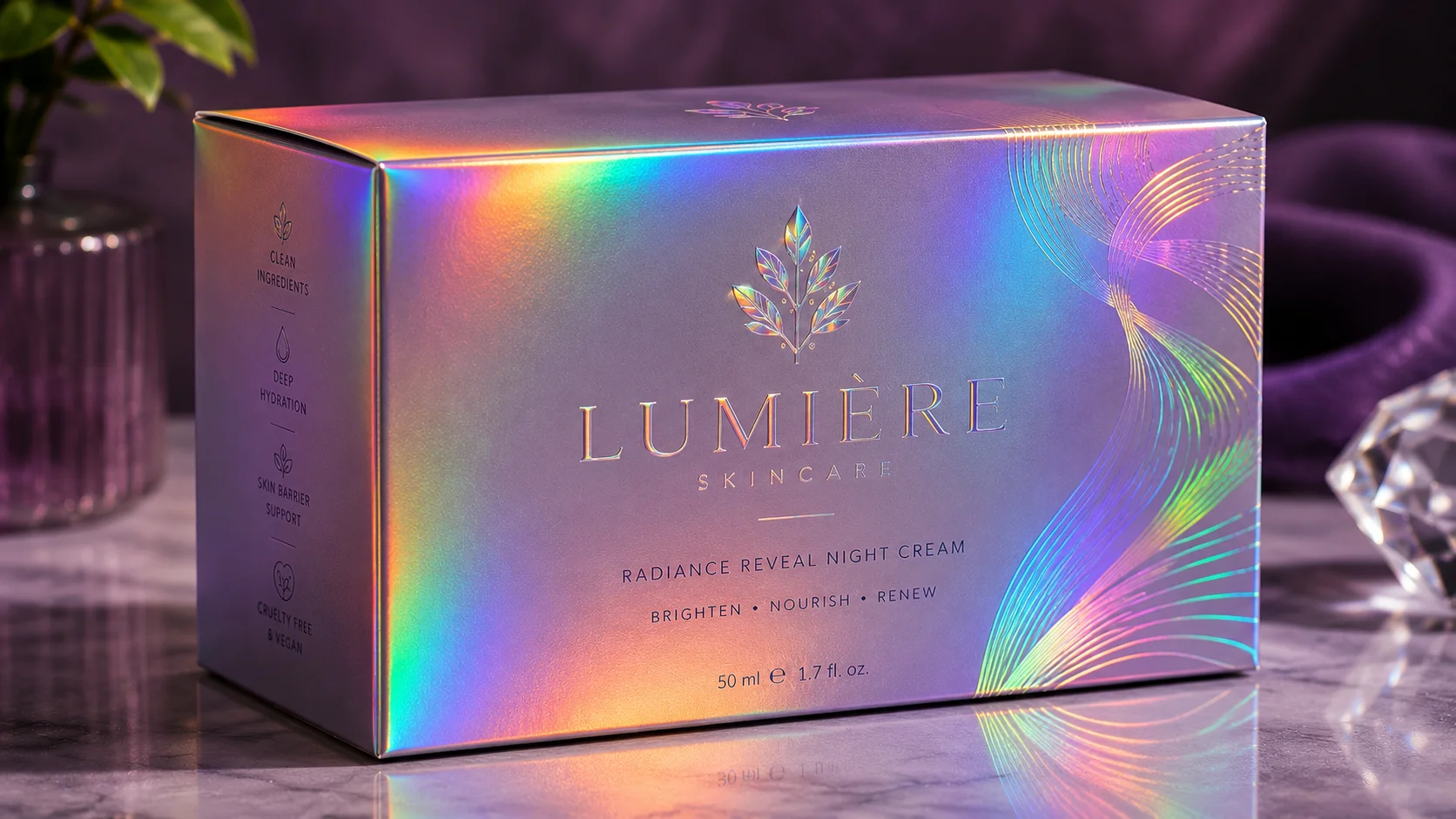
Holographic Effects
Specialist foils and films can produce colour-shifting or reflective effects for packaging requiring distinctive shelf presence.
Choosing Finishes Around Your Packaging Requirements
The most expensive finish is not automatically the best option. We consider your material, artwork, product, production quantity and supply chain before recommending suitable finishing techniques.
Start With the Packaging Requirement, Not the Finish
A finish should support the packaging material, product, production process and intended customer experience. Selecting finishes in context helps avoid unnecessary cost, unsuitable specifications and production complications.
Packaging Material
Paperboard, kraft board, corrugated materials and speciality papers respond differently to coatings, laminations and decorative finishes.
Brand Presentation
Consider whether your packaging should feel natural, understated, highly reflective, tactile or visually distinctive.
Handling & Distribution
Packaging that experiences frequent handling, stacking or distribution may require different surface protection from presentation packaging used primarily at the point of sale.
Production Quantity & Budget
Some finishing processes require specialist tooling, setup or minimum production quantities. We help clients compare the visual benefit against production costs.
Add-ons Designed Around Your Product
Packaging add-ons can improve product protection, organisation, presentation, opening and convenience. The appropriate features should be considered during structural design rather than added as an afterthought.
 Product Protection
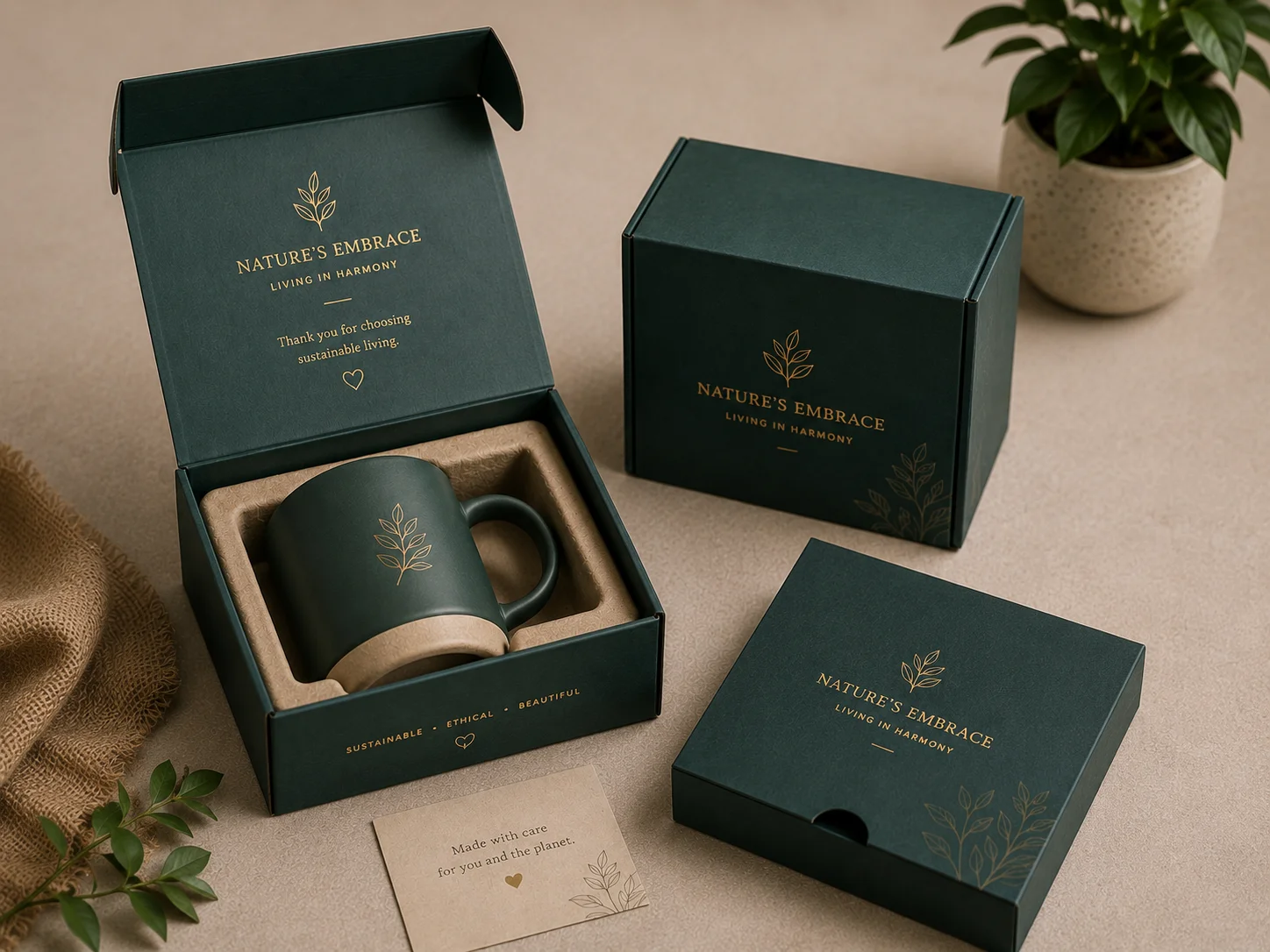
Custom Inserts
Paperboard, corrugated, moulded pulp and other insert options can help hold products securely, improve presentation and reduce unnecessary movement.
 Product Visibility
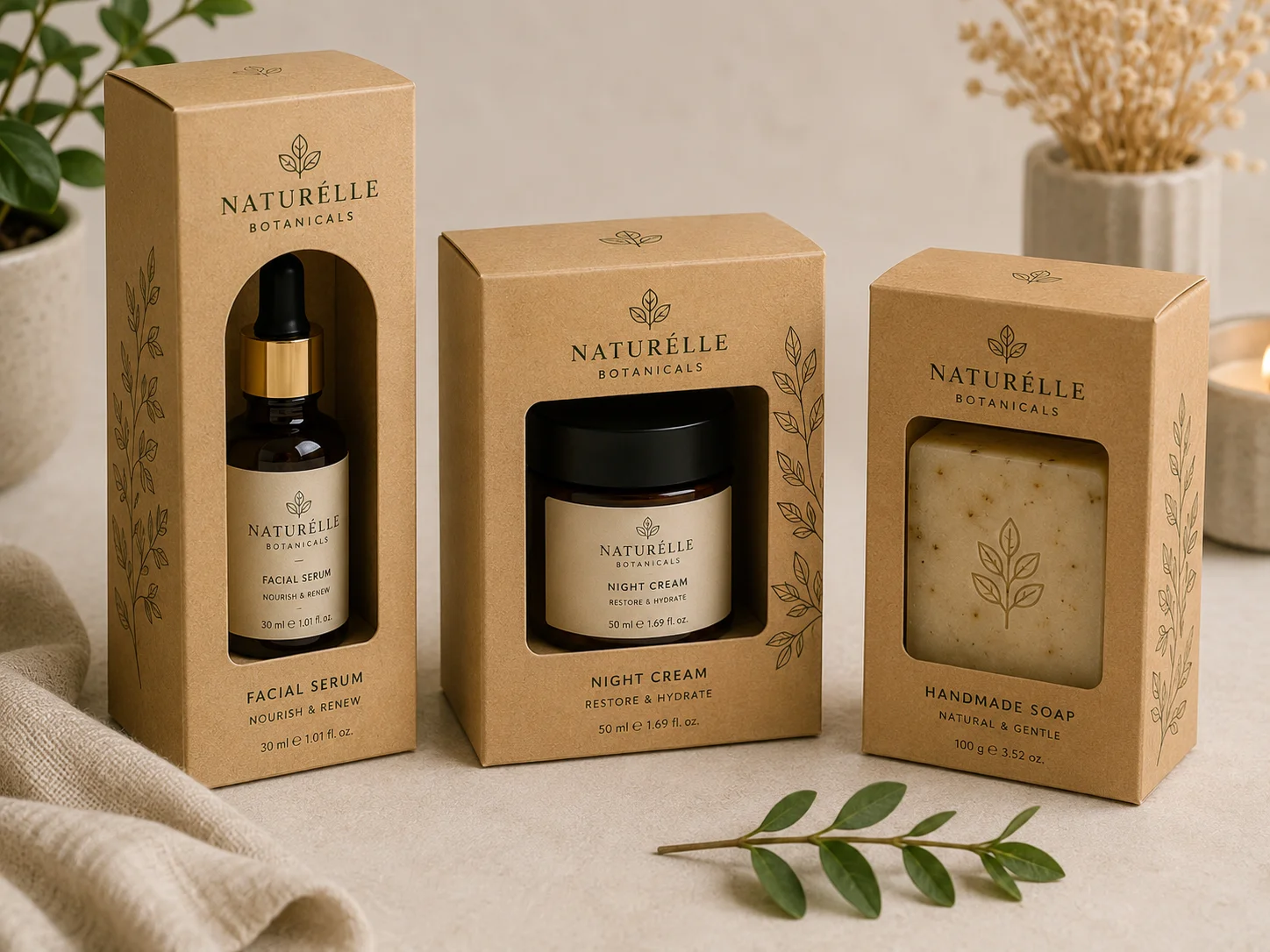
Die-Cut Windows
Custom-shaped windows allow customers to view the product while maintaining the overall packaging structure. Window films may be added where a transparent barrier is required.
 Carrying Convenience
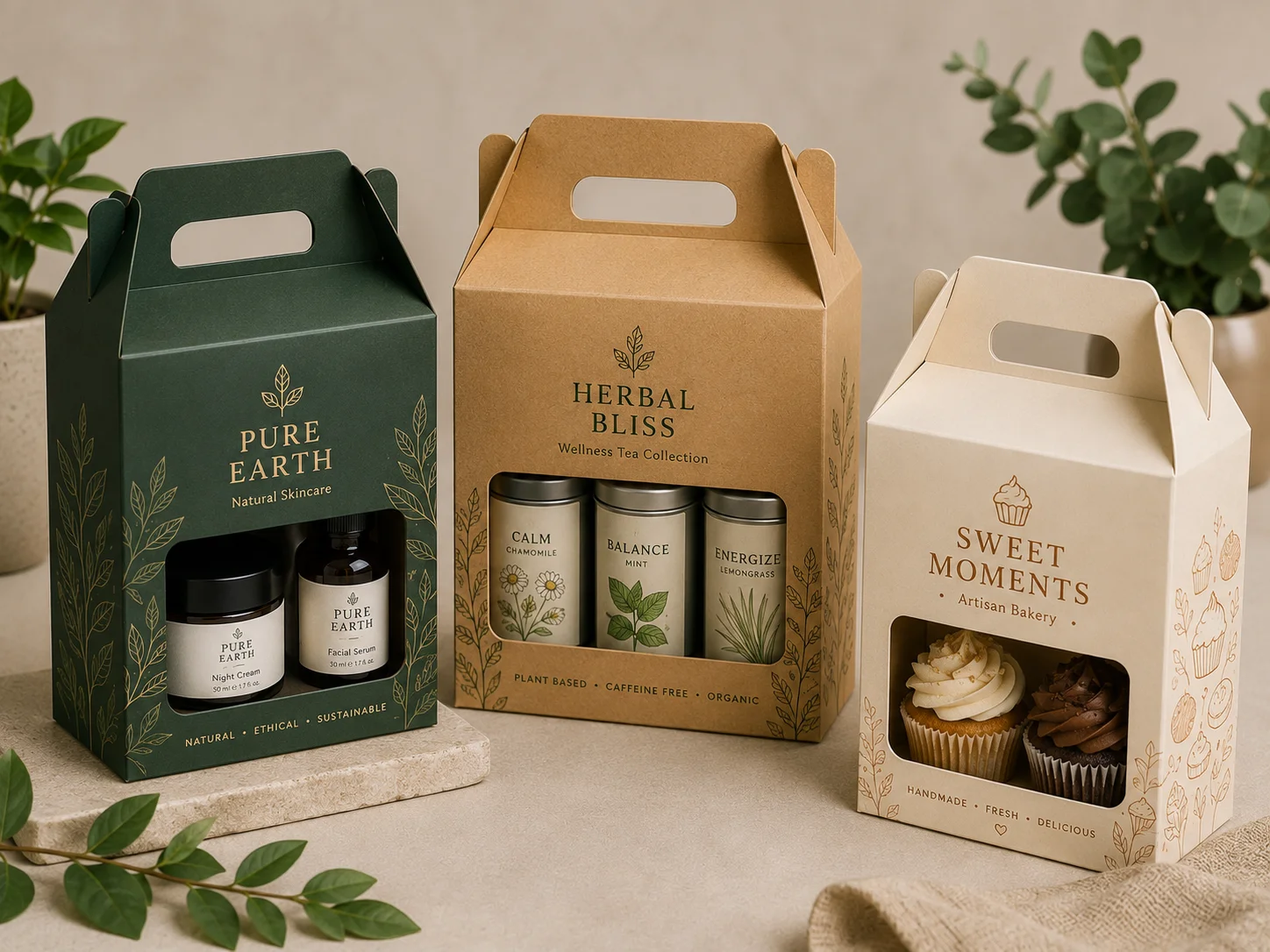
Handles
Integrated or attached handles can improve carrying convenience for suitable retail, food, gift and promotional packaging.
 Controlled Opening
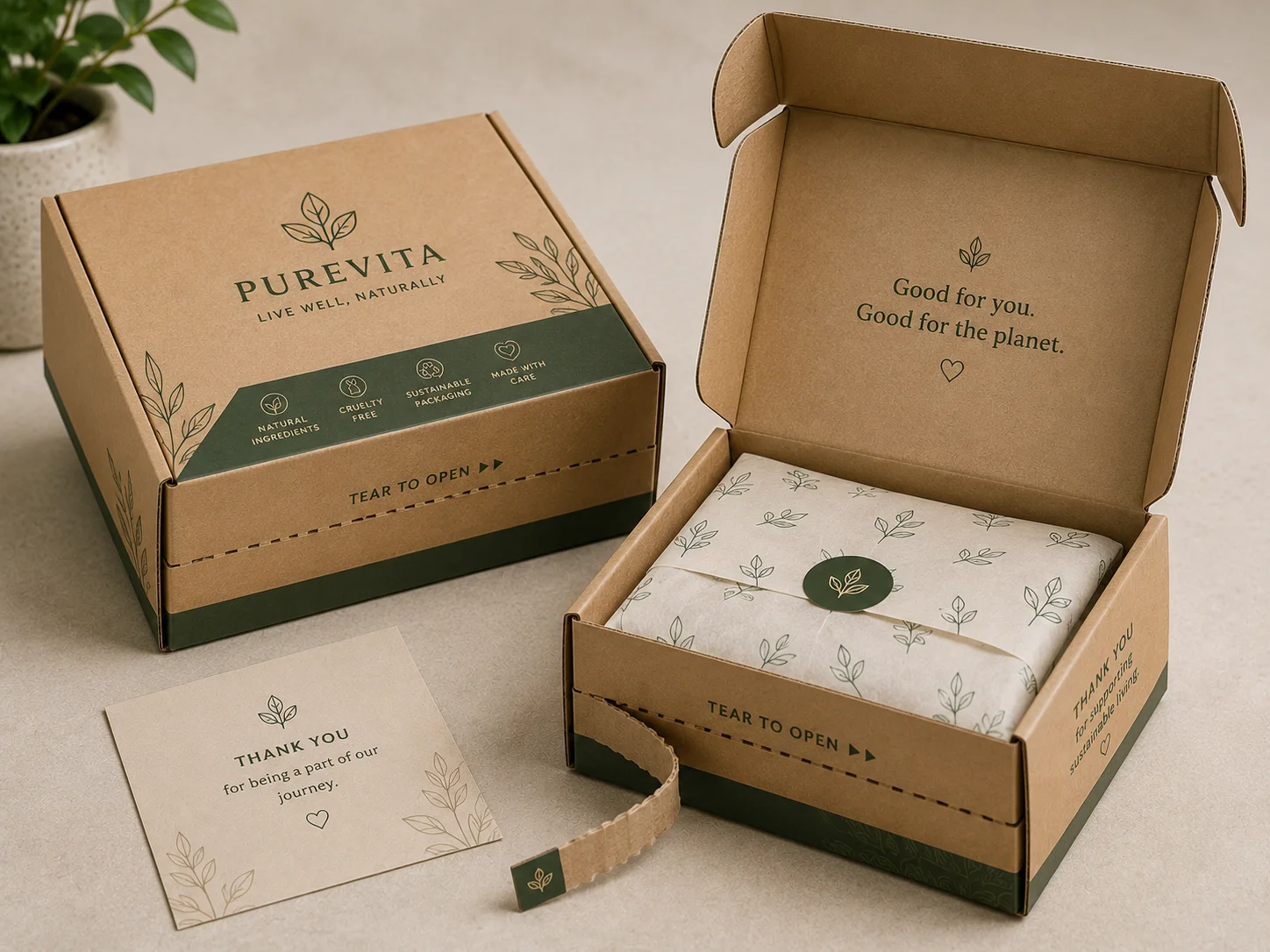
Tear Strips
Built-in tear strips provide a controlled opening method and can improve the customer experience for ecommerce and shipping packaging.
 Structural Access
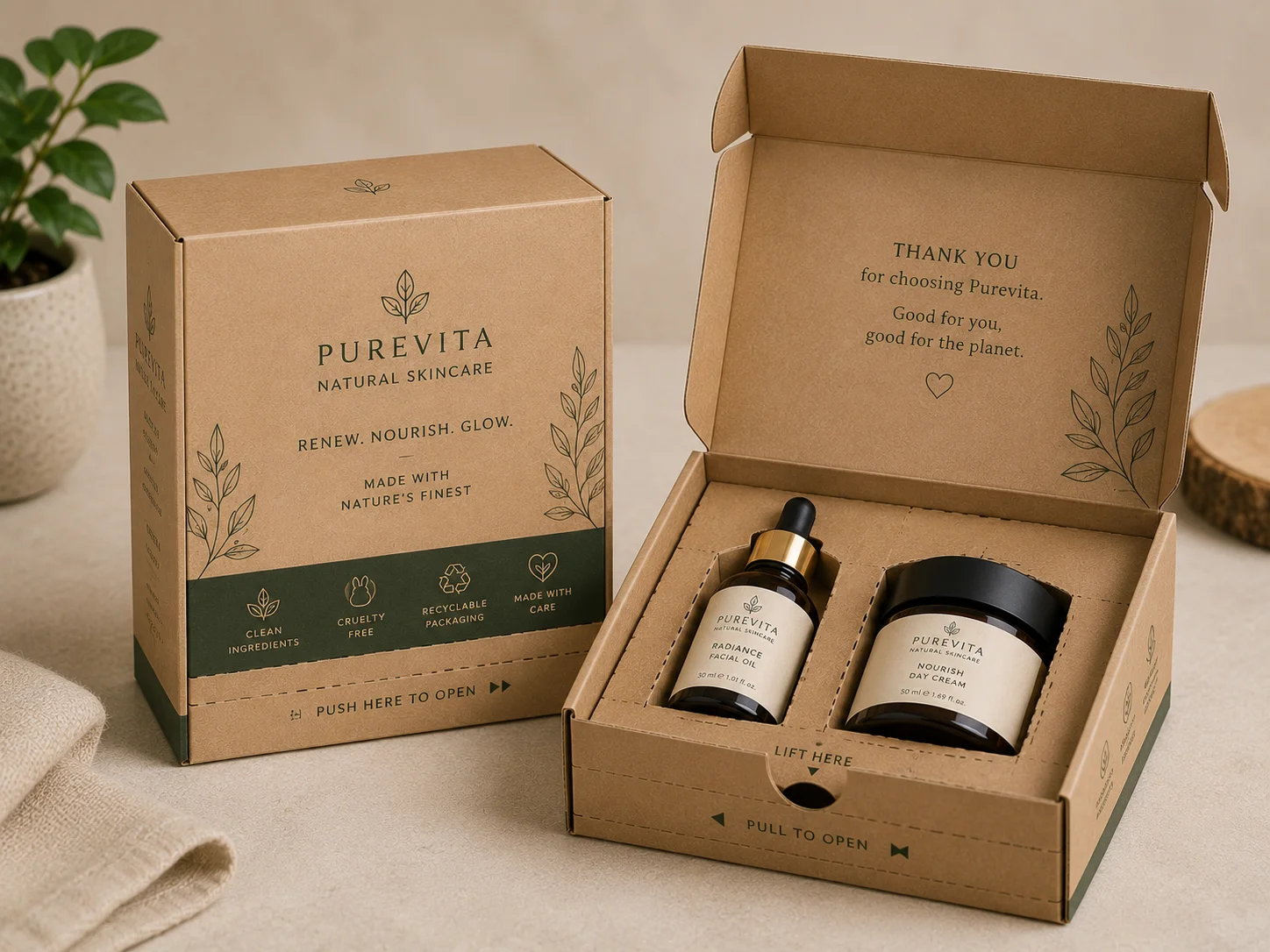
Perforations
Precisely positioned perforations can create removable sections, dispensing openings, access panels and easier-opening features.
 Faster Packing
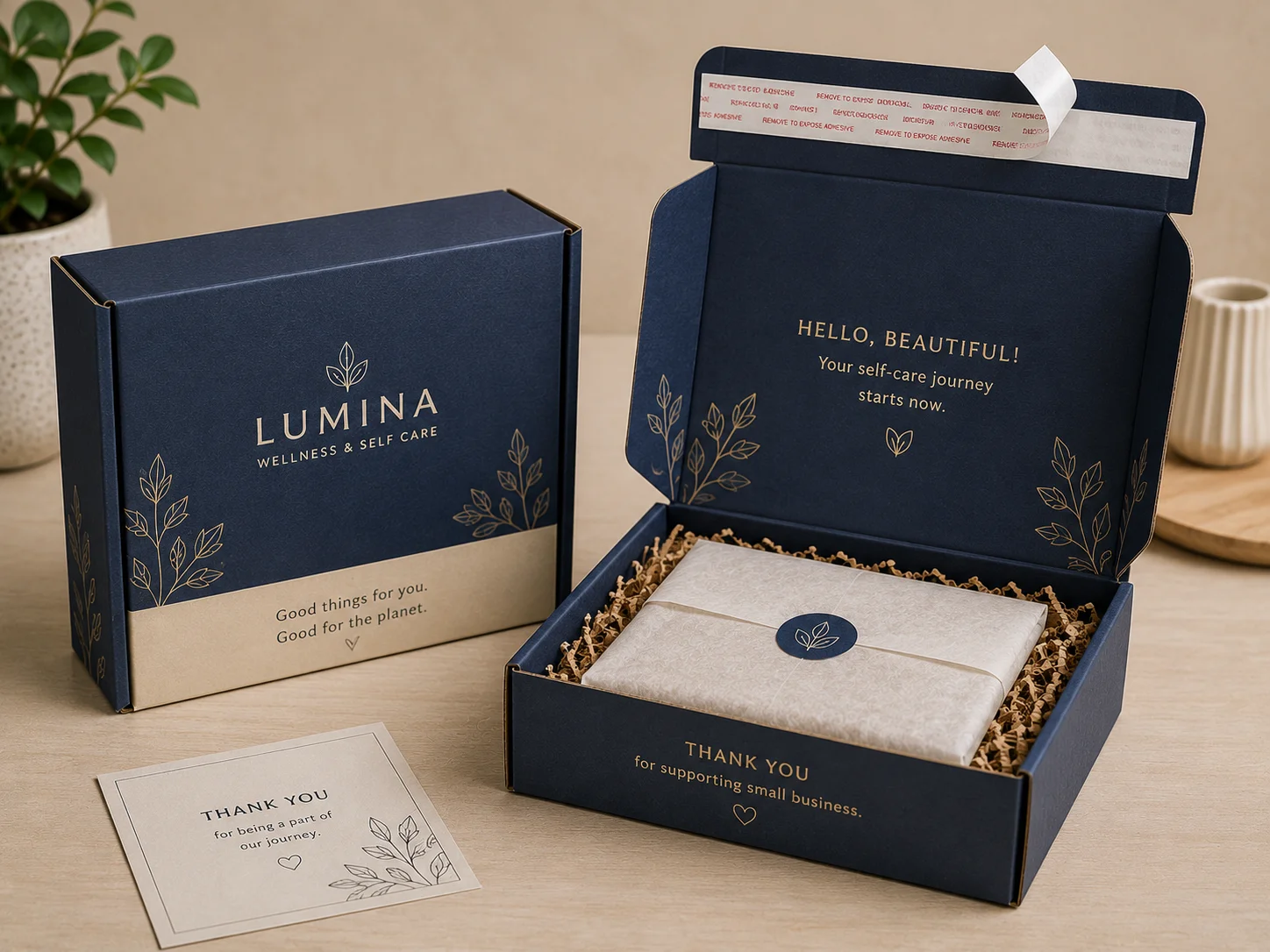
Adhesive Strips
Peel-and-seal closures can simplify packing operations and provide a convenient closure system for ecommerce and mailing boxes.
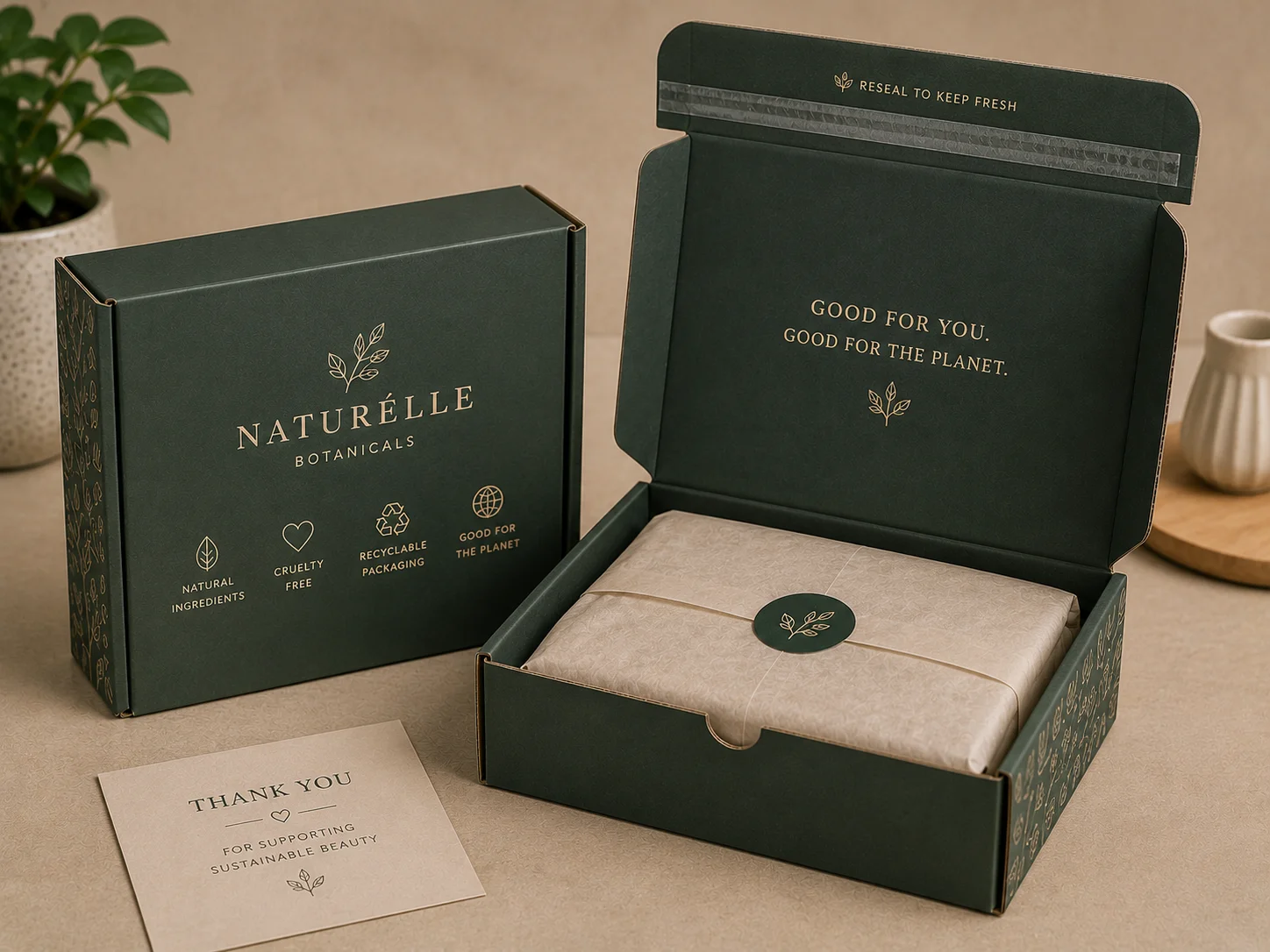 Repeated Opening
Resealable Closures
Secondary adhesive strips, tabs and other structural solutions can support return shipping or repeated opening where required.
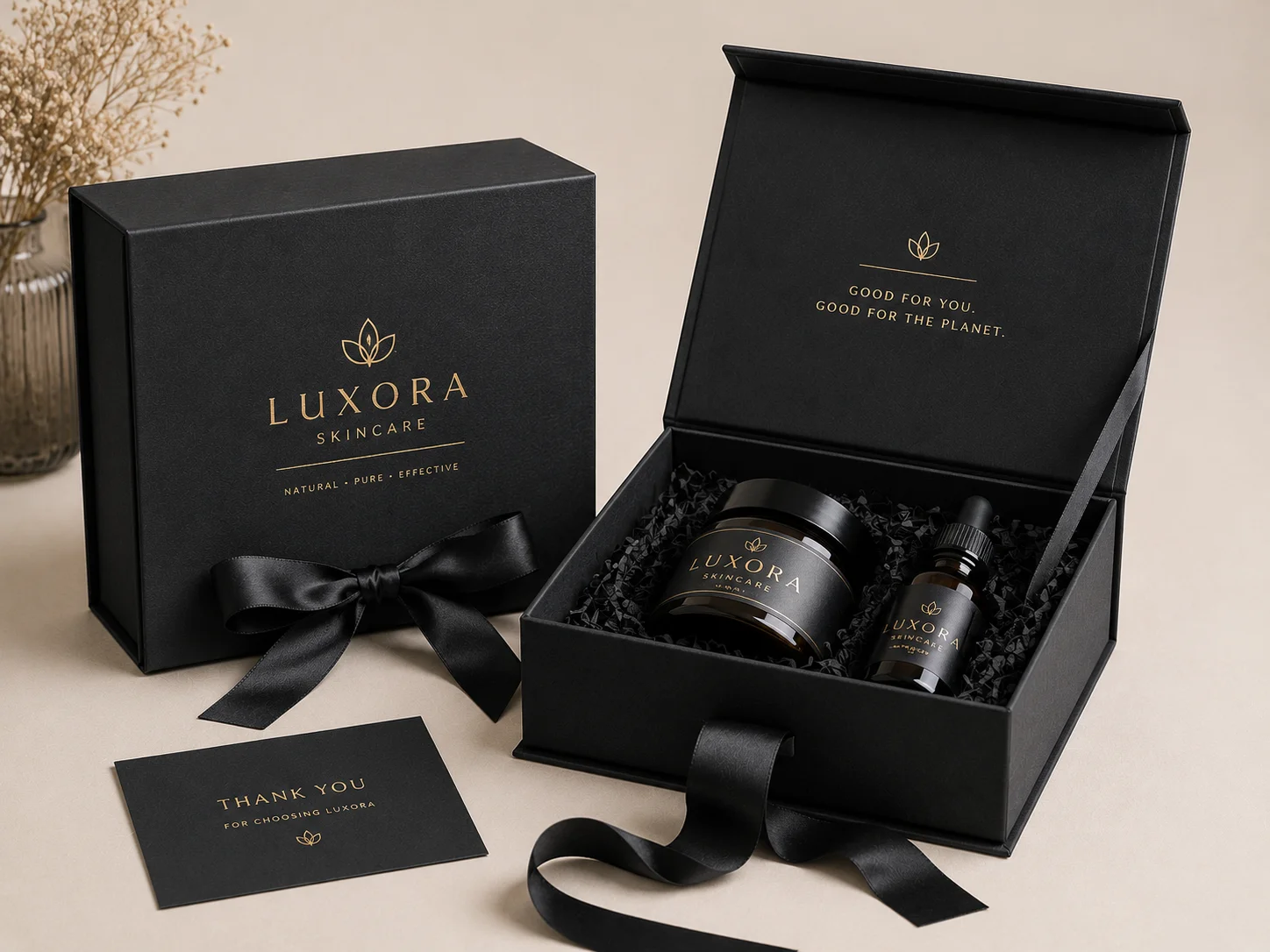 Premium Presentation
Ribbon Closures
Ribbon pulls and closures can add functionality and presentation value to selected rigid boxes and premium packaging structures.
Keep Products Secure and Well Presented
A well-designed insert can protect products, improve organisation and strengthen the unboxing experience. Our structural designers develop inserts around the dimensions, weight, fragility and presentation requirements of your product.
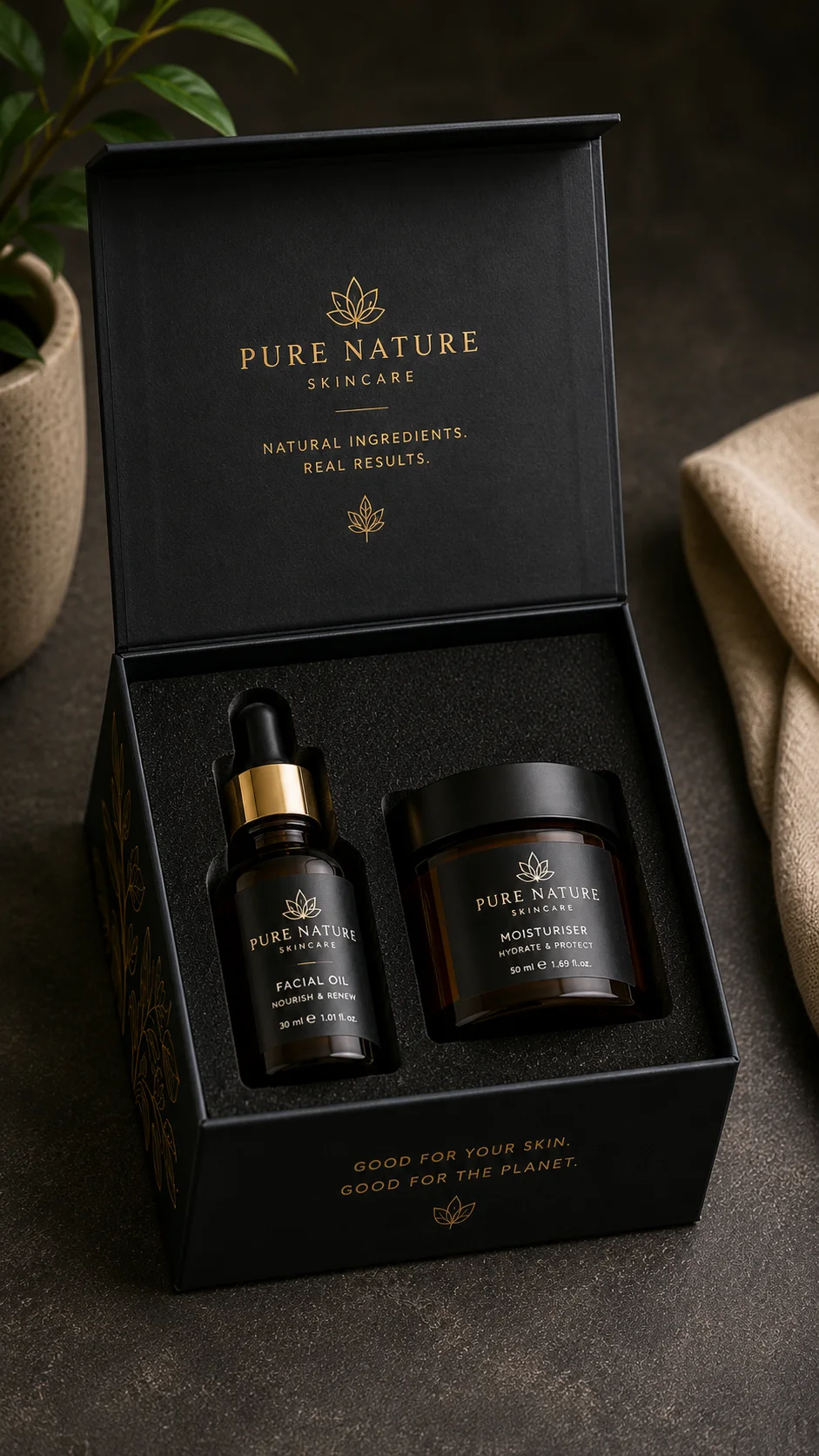
Protection, Separation and Presentation
Insert selection depends on product weight, fragility, presentation goals, distribution conditions and material preferences. We compare practical options before finalising the packaging structure.
Paperboard Inserts
Folded and die-cut inserts suitable for lightweight products, retail goods and presentation packaging.
Corrugated Inserts
Stronger paper-based solutions for products requiring additional separation, cushioning or structural support.
Moulded Pulp Inserts
Fibre-based inserts formed around the product and suitable for selected applications where cushioning and paper-based material recovery are priorities.
Foam Inserts
Precision-cut foam can provide protection and presentation for fragile or high-value products where paper-based alternatives do not provide suitable performance.
Compare common insert materials, product-protection uses and the factors involved in developing an insert around your product.
Consider the Complete Packaging Construction
Finishes and add-ons should be evaluated as part of the complete packaging system. A paper-based box does not automatically remain straightforward to recycle after additional films, windows, coatings or mixed-material components are introduced.
Areas We Can Help You Evaluate
Packaging recyclability depends on the complete construction and the collection and processing infrastructure available after use.
How Finishes and Add-ons Are Planned
Finishing requirements are considered before production begins to help ensure artwork, materials, tooling and structural features work together correctly.
Plan Specialist Finishes Before Manufacturing Begins
Foils, coatings, embossing, windows, inserts and opening features can affect artwork preparation, material selection, tooling and conversion. Reviewing these requirements early helps reduce production complications and keeps the finished packaging aligned with the approved specification.
Project Requirements
We review your product, packaging structure, artwork, budget, quantity and intended finishing effects.
Material Compatibility
Suitable boards, inks, coatings and finishing processes are considered according to the project specification.
Artwork & Technical Setup
Foil, Spot UV, embossing and other specialist finishes require correctly prepared artwork layers and production files.
Proofing & Approval
Artwork and specifications are reviewed before production. Physical samples or production proofs may be recommended depending on project complexity.
Printing & Finishing
Packaging is printed before the specified coatings, laminations, decorative processes or structural add-ons are applied.
Conversion & Quality Checks
Finished sheets are die-cut, creased, folded and assembled as required before relevant quality checks and dispatch.
Matching Finishes to Different Products and Markets
The most suitable finish depends on how the packaging will be presented, handled, opened and distributed. We help businesses select finishing options that support both brand presentation and practical packaging performance.
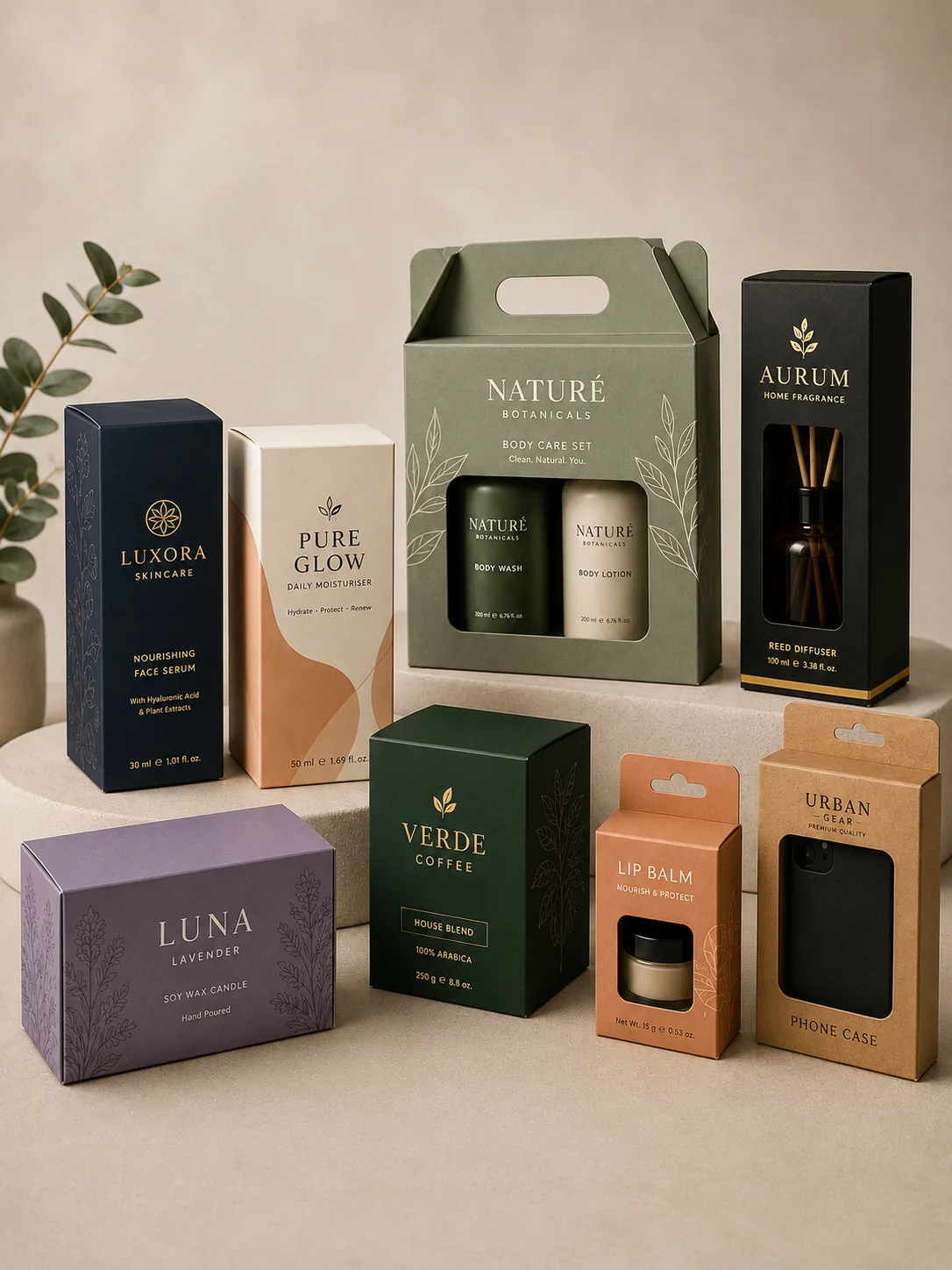 Shelf Presentation
Retail Packaging
Lamination, Spot UV, foil stamping, embossing and die-cut windows can strengthen shelf presentation and highlight important branding elements.
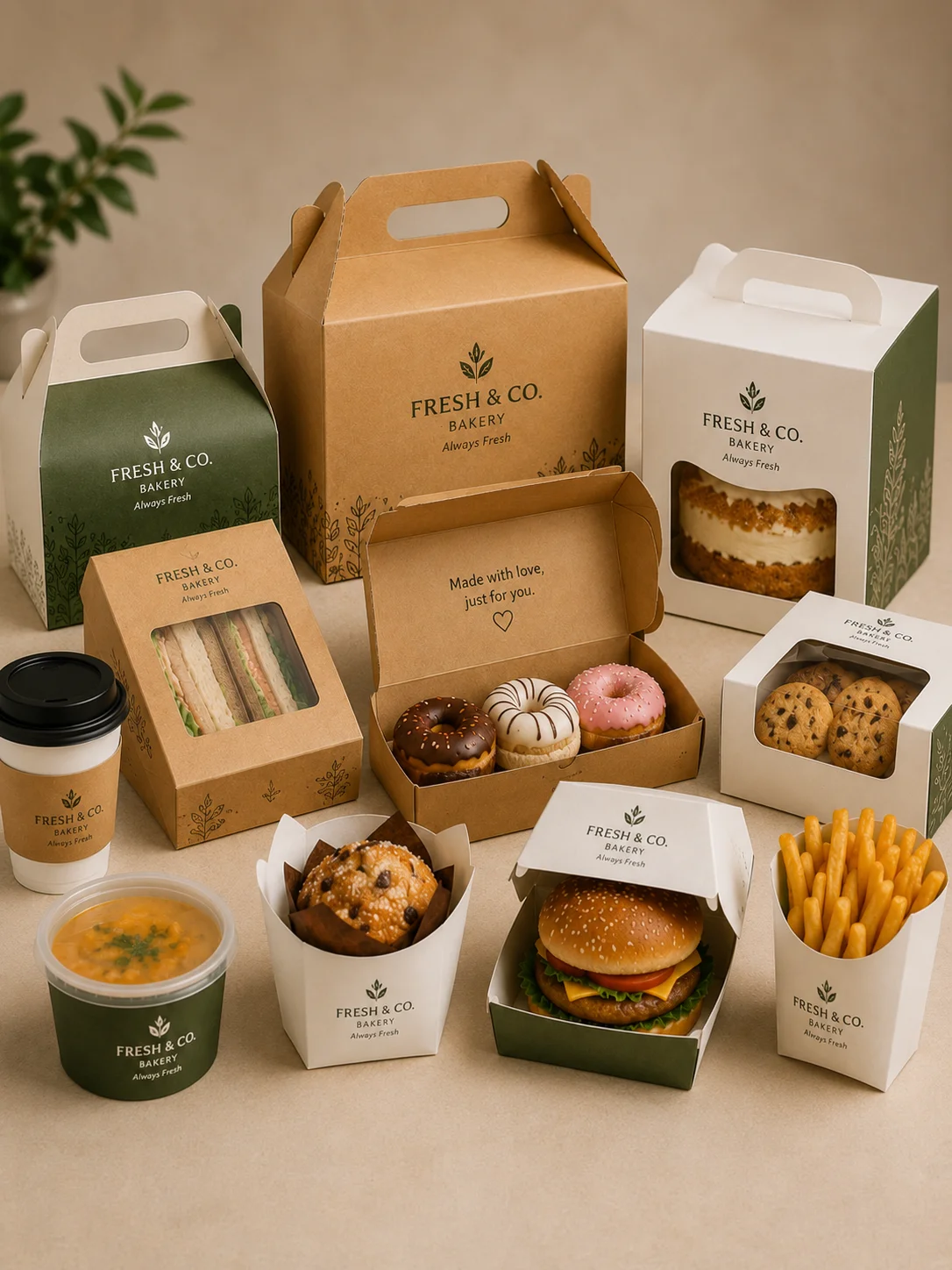 Product Protection
Food & Bakery Packaging
Suitable coatings, grease-resistant barriers, windows and practical opening features can be specified according to the food product and packaging requirements.
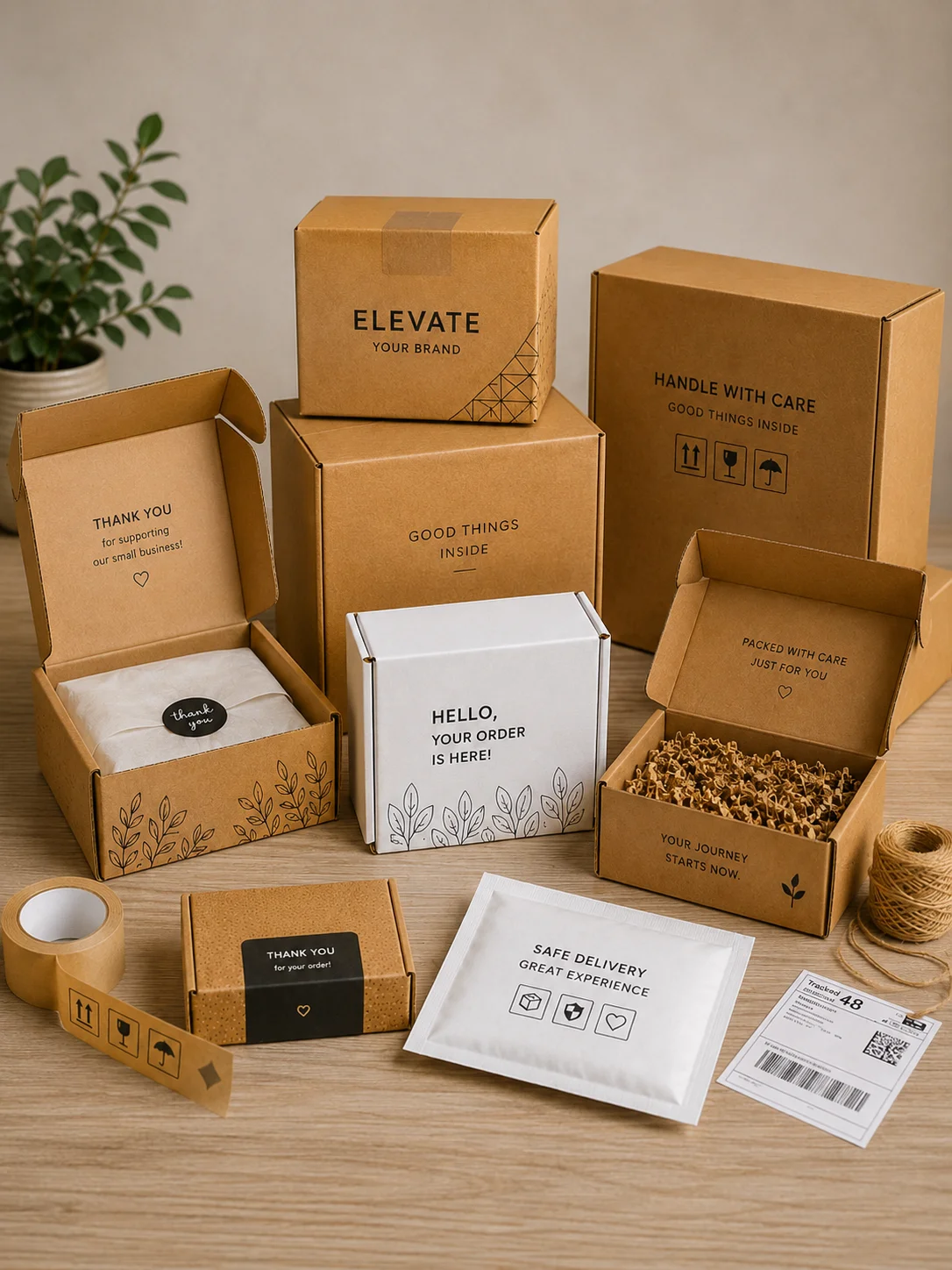 Packing Efficiency
Ecommerce & Shipping
Tear strips, peel-and-seal closures, return strips, corrugated inserts and protective coatings can improve packing efficiency and customer experience.
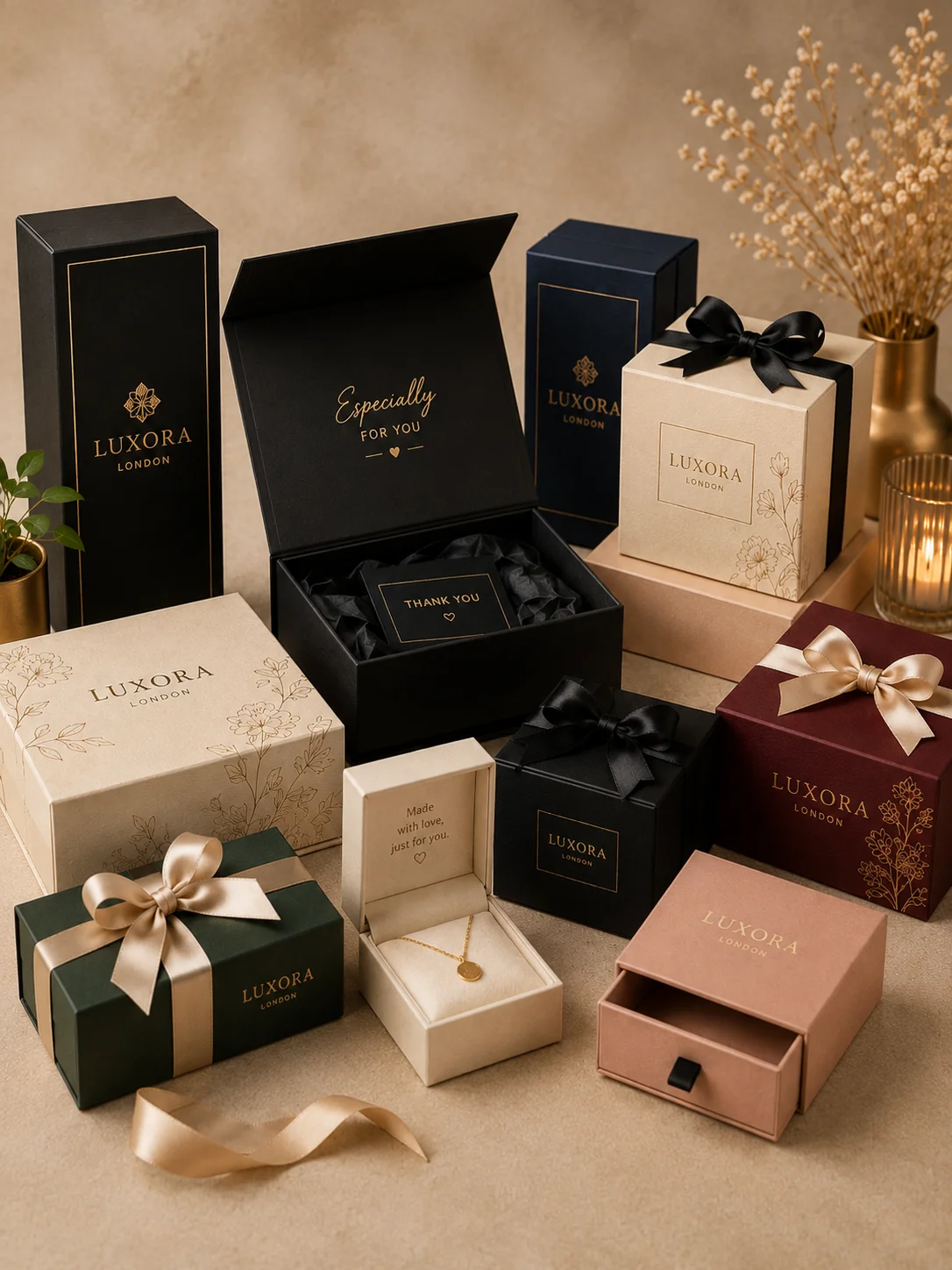 Premium Presentation
Luxury & Gift Packaging
Soft-touch surfaces, foil stamping, embossing, debossing, ribbons and precision inserts can create distinctive presentation packaging.
Finishing Expertise From Specification to Production
Choosing packaging finishes involves more than selecting an effect from a catalogue. Materials, printing processes, artwork, structural design, tooling, quantities and commercial requirements must work together.
Practical Finishing Support Built Around Production
Our team helps businesses specify custom packaging with suitable finishing and add-on options from initial concept through artwork preparation and production.
Material & Process Guidance
Recommendations based on packaging construction, print requirements and intended use.
Custom Finishing Combinations
Combine printing, coatings, decorative effects and structural features around your brand requirements.
Artwork Support
Guidance for preparing separate layers and files required for specialist finishing processes.
Production-Focused Advice
Clear consideration of tooling, quantities, lead times, costs and technical feasibility before manufacturing begins.
Packaging Finishes & Add-ons FAQs
Find clear answers about finishing techniques, structural add-ons, custom inserts, artwork preparation, sampling and production lead times.
What is the difference between a packaging finish and an add-on?
A finish changes the appearance, texture or surface performance of packaging. Examples include lamination, coatings, foil stamping and embossing. An add-on is a structural or functional feature, such as an insert, window, handle or tear strip.
Which finish is best for custom packaging?
The best finish depends on the packaging material, artwork, product, budget, production quantity and desired appearance. Our team can help compare suitable options before production.
Can I combine several finishes on one box?
Yes. Packaging can combine techniques such as matte lamination, foil stamping, embossing and Spot UV, subject to material compatibility, artwork requirements and production feasibility.
Do packaging finishes affect recyclability?
Some finishes and mixed-material components can affect how easily packaging can be recycled. Films, laminations, plastic windows and certain coatings should be considered as part of the complete packaging construction.
Can you create custom inserts for my products?
Yes. Custom inserts can be developed around your product dimensions, weight, fragility and presentation requirements. Available options can include paperboard, corrugated, moulded pulp and foam inserts.
Do specialist finishes require separate artwork files?
Usually, yes. Processes such as foil stamping, embossing and Spot UV generally require separate artwork layers identifying the areas where each finish will be applied.
Can I see a sample before full production?
Sampling options depend on the packaging structure, finish, quantity and project requirements. Our team can advise whether a plain prototype, digitally printed sample or production-grade sample is appropriate.
Do finishes and add-ons increase production lead times?
They can. Specialist tooling, multiple finishing processes, complex assembly and custom inserts may require additional production time. Estimated lead times are confirmed after the complete packaging specification has been reviewed.
Find the Right Finishes for Your Custom Packaging
Tell us about your product, packaging structure, artwork and the appearance or functionality you want to achieve. Our packaging specialists can help you compare finishing techniques and add-ons, check technical compatibility and develop a specification ready for production.