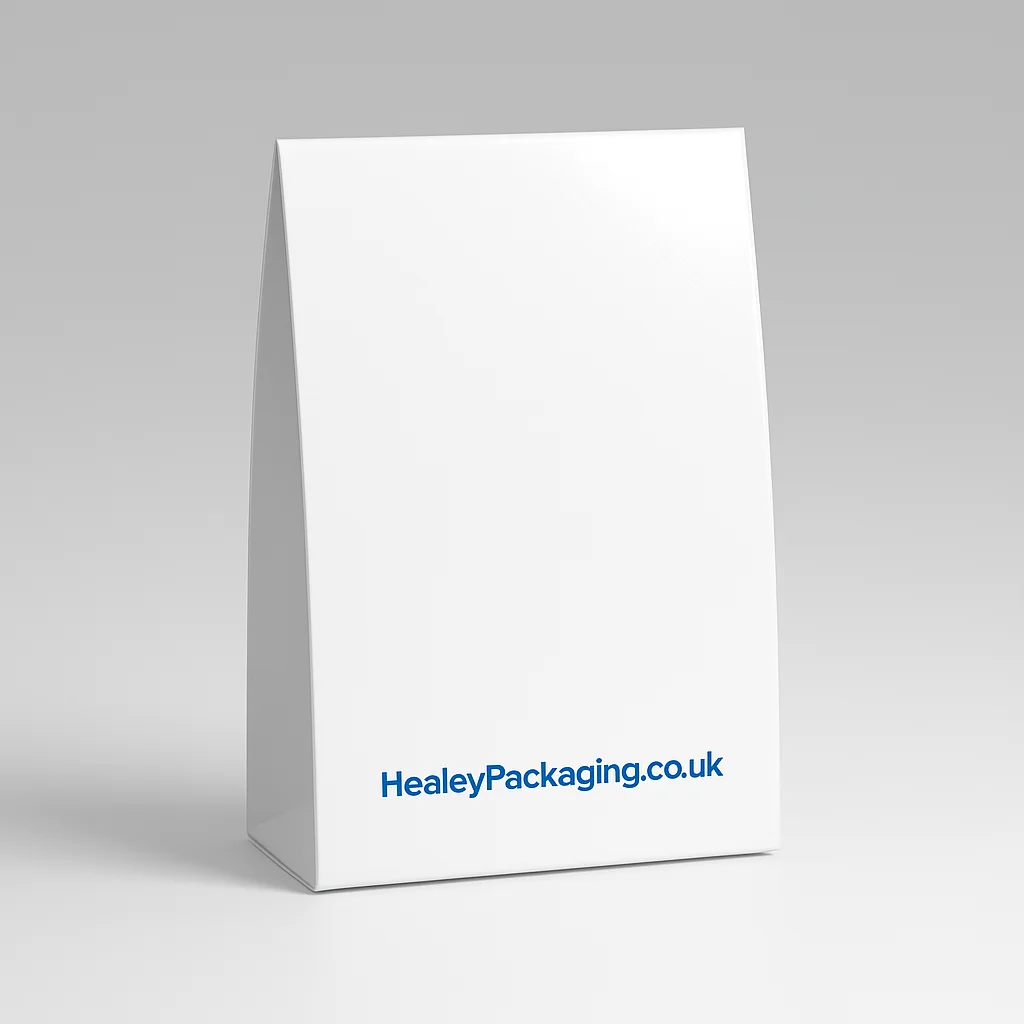
SBS Board
Smooth white board for premium printed retail packaging.
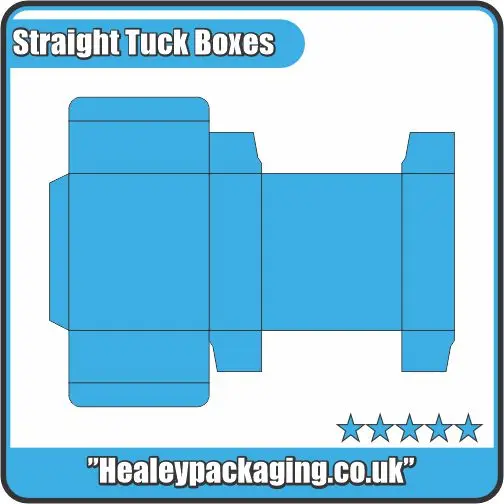
Straight tuck end boxes give retail products a clean, secure structure with aligned closures, efficient packing and uninterrupted branding. Made to size, they suit UK brands and wholesale orders.
Product details
Straight tuck end boxes are folding cartons with top and bottom tuck flaps positioned on the same face of the pack. This aligned closure creates a clean front and rear presentation, making the style especially useful where branding, shelf appearance and straightforward packing all matter.
The carton is normally supplied flat and formed when required. A glued side seam creates the body, while the upper and lower tuck flaps fold into the carton from the same direction. Compared with more complex structures, the design is uncomplicated, efficient to store and familiar to packing teams.
It is one of several functional structures available through our packaging box styles hub, where businesses can compare cartons according to opening method, base construction, product access and display requirements.
The defining feature is the relationship between the two main closure flaps. Both are attached to panels on the same side of the carton and tuck inward in the same direction. Dust flaps sit at either side of each opening, helping guide the main flap into place and reducing gaps around the ends.
Once erected, the carton provides:
The simple structure works particularly well for upright products that are loaded from the top or bottom. It is generally intended for lightweight and moderate-weight goods rather than products requiring a reinforced load-bearing base.
This style is worth considering when your product needs a conventional retail carton without a complicated assembly sequence. It is commonly selected for bottles, tubes, jars, small devices and other products with a regular shape.
Typical applications include:
The structure also gives designers a relatively clear panel arrangement. The main front, rear and side panels can be planned as a continuous visual system, while closure information can be kept on the top or bottom flap.
For a wider comparison of tuck-based cartons, browse our custom tuck end box styles.
The main advantage of a straight tuck carton is not that it is unusually complex. Its value comes from doing the basic jobs of a retail carton efficiently.
Because both major closures sit on the same side, the opposite face remains free from a second tuck edge. This can make the carton look tidier when the visible panel orientation is planned correctly.
The cartons arrive flat, allowing substantial quantities to be stored without taking up the space required by pre-assembled packaging. This is useful for brands, contract packers and fulfilment operations handling several product lines.
Packing teams do not need to learn an unusual locking sequence. The carton is opened into shape, the lower end is closed, the product is inserted and the upper flap is tucked into position.
The upper tuck flap can usually be opened without destroying the entire carton. This makes the style suitable for products customers may return to their packaging after the first use.
Although the basic folding pattern remains recognisable, the dimensions and smaller components can be adjusted around the product.
Possible adaptations include:
A window changes how the product is presented without replacing the underlying straight tuck construction. Businesses that need visible product display can compare this page with our straight tuck boxes with window.
Before approving a dieline, it is important to consider how the carton will be filled in practice. A technically accurate box may still slow down production if the flap depth, product clearance or loading direction does not suit the packing line.
Useful checks include:
For manual assembly, a well-proportioned tuck flap should enter smoothly without excessive force. If it is too short, the closure may feel loose. If it is too long or the fit is overly tight, packing becomes slower and the flap edge may distort.
These structures are often confused because both use tuck closures at the top and bottom.
With a straight tuck carton, both main flaps tuck from the same side. With a reverse tuck design, the two closures are attached to opposite faces and fold in opposite directions.
A straight tuck style may be preferable when:
A reverse tuck structure may be considered when its opposing flap arrangement works better with the intended dieline, assembly method or sheet layout. Explore our reverse tuck end boxes for a closer comparison.
A standard tuck base is not always the best answer. Heavier products or packs that place pressure on the lower closure may need an interlocking or pre-glued bottom.
For faster base formation and added support, consider tuck end auto bottom boxes. Their base opens into position as the carton is erected, making them more suitable for certain higher-volume packing operations and products requiring greater support underneath.
Choosing between the two should be based on product weight, packing speed, storage priorities and the level of base security required.
Artwork for straight tuck end boxes should be designed around the assembled carton rather than treated as a flat rectangle. Important information must remain clear of crease lines, glue areas and flap edges.
When arranging the design:
A physical or digital prototype is particularly useful when the design wraps from one panel to another. It allows the relationship between the top, front, sides and rear to be checked before production.
| Dimension (L + W + H) | All Custom Sizes & Shapes |
|---|---|
| Quantities | No Minimum Order |
| Paper Stock | SBS, Kraft, Corrugated, Rigid Board |
| Printing | CMYK, PMS, Digital, Offset |
| Finishing | Matte, Gloss, Foil, Embossing, Debossing, Spot UV |
| Included Options | Die Cutting, Gluing, Scoring, Perforation |
| Additional Options | Eco-Friendly, Recyclable, FSC Options |
| Proof | Flat View, 3D Mock-up, Physical Sampling On Request |
| Turnaround | 7–10 Working Days After Artwork Approval |
| Shipping | Free UK Shipping |
Choose the options for your packaging. Final materials, printing and other details are confirmed with your quote.
Smooth white board for premium printed retail packaging.
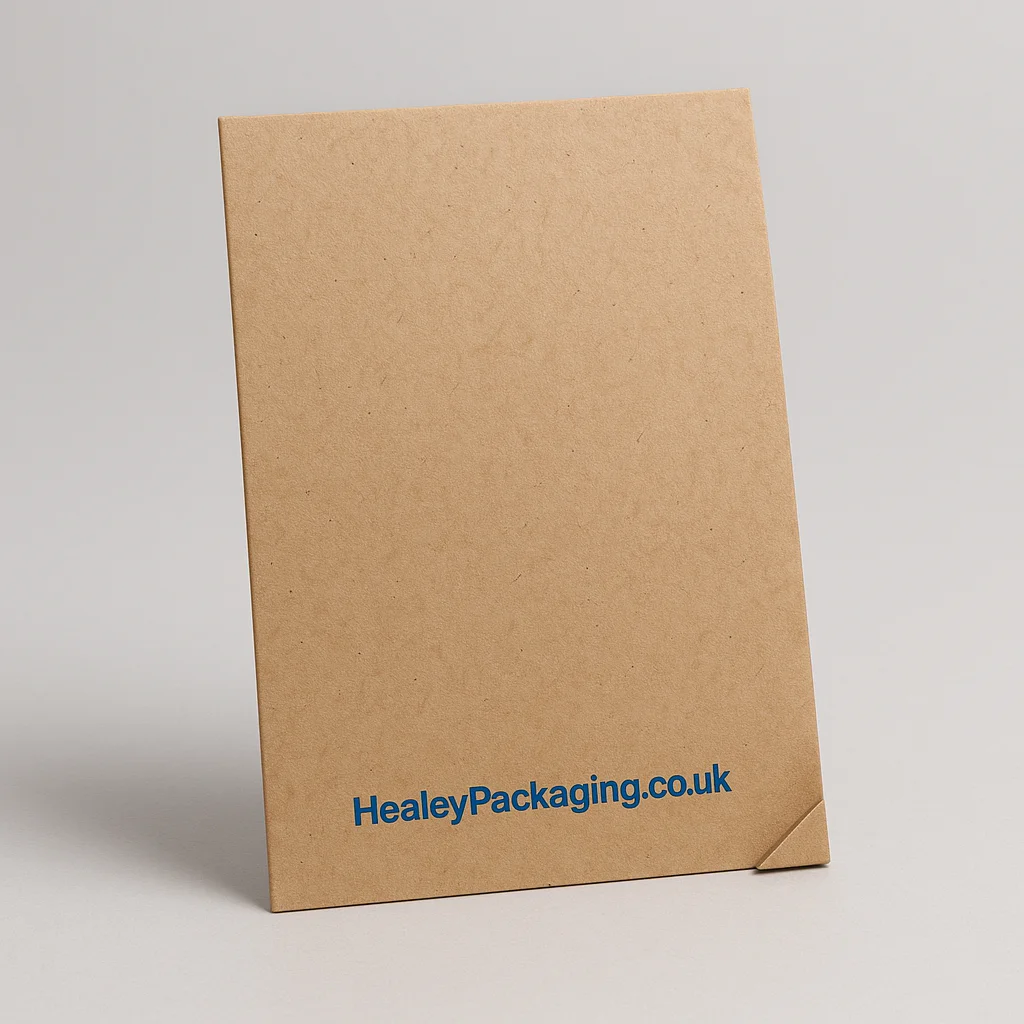
Natural board for recyclable, earthy and understated packaging.
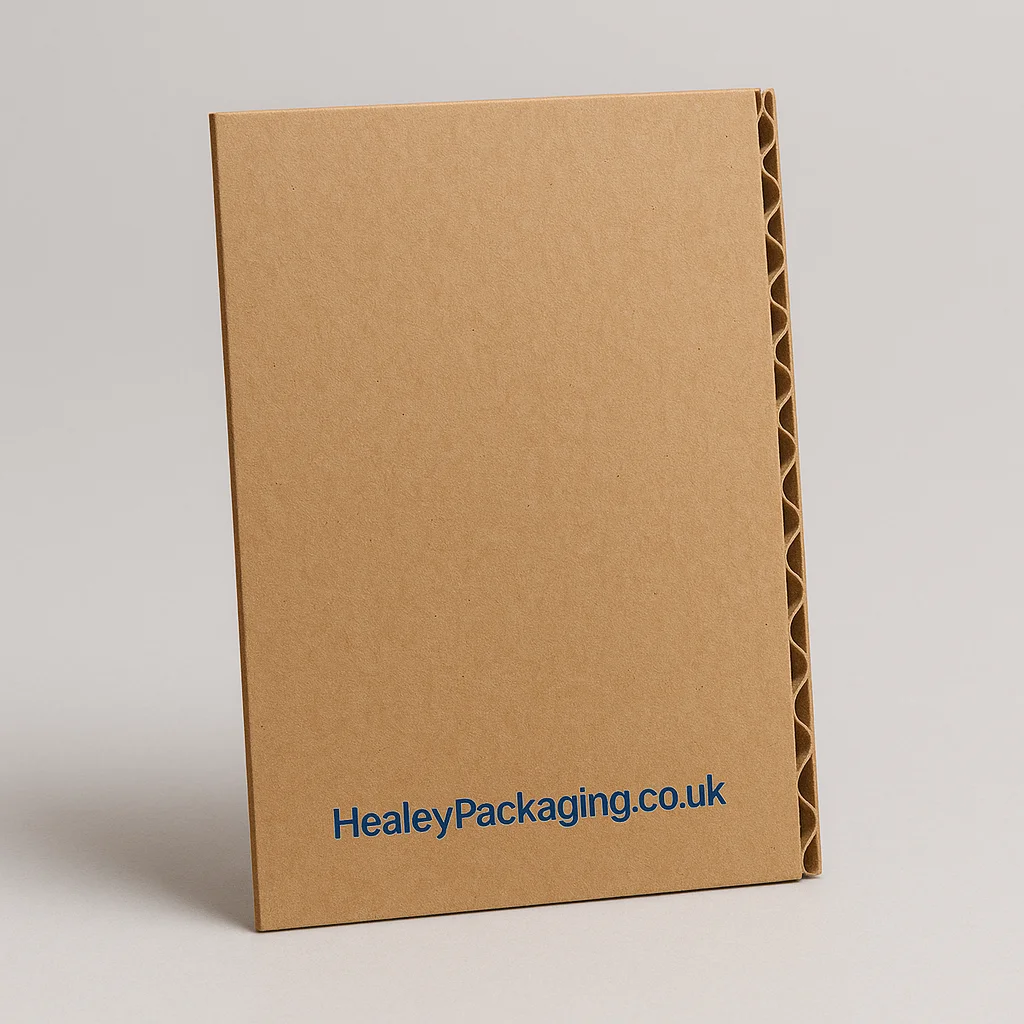
Fluted board for ecommerce, shipping and added product protection.
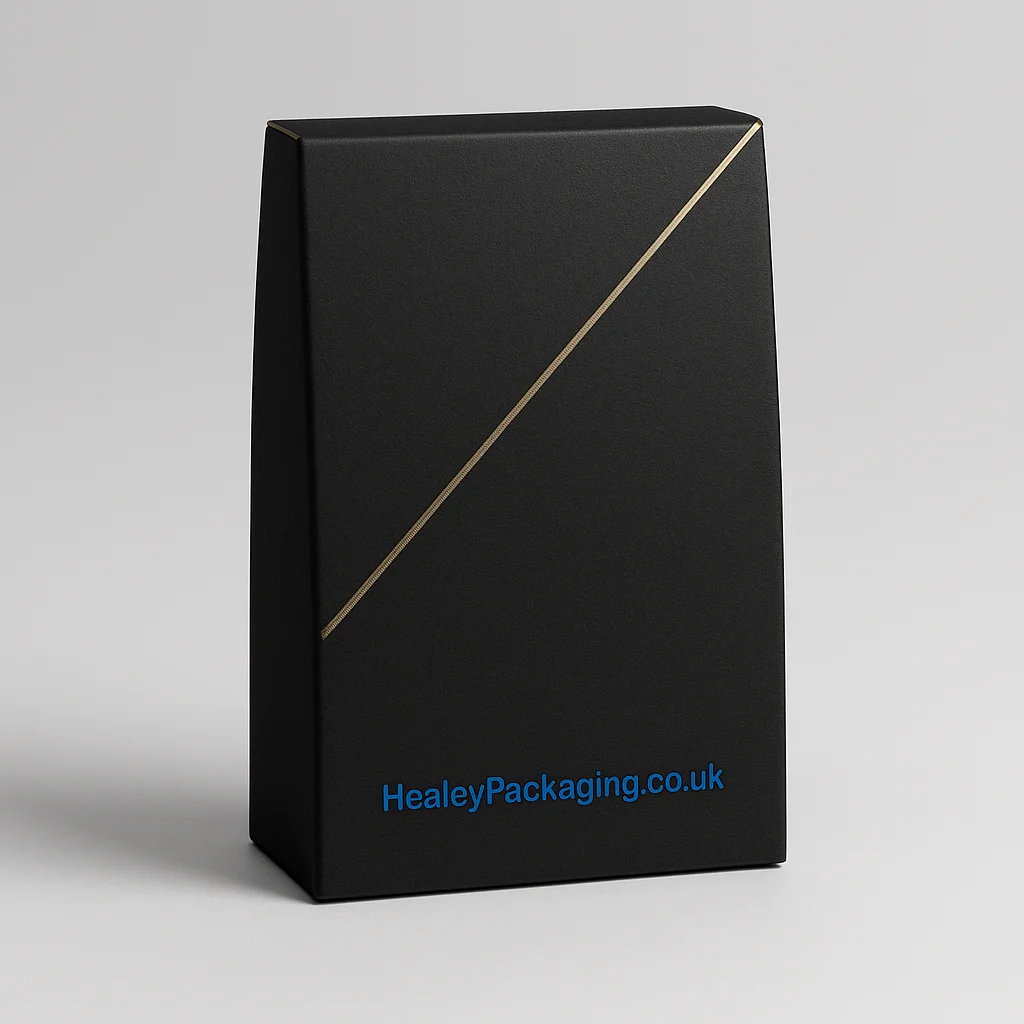
Premium stock for gift, luxury and presentation packaging.
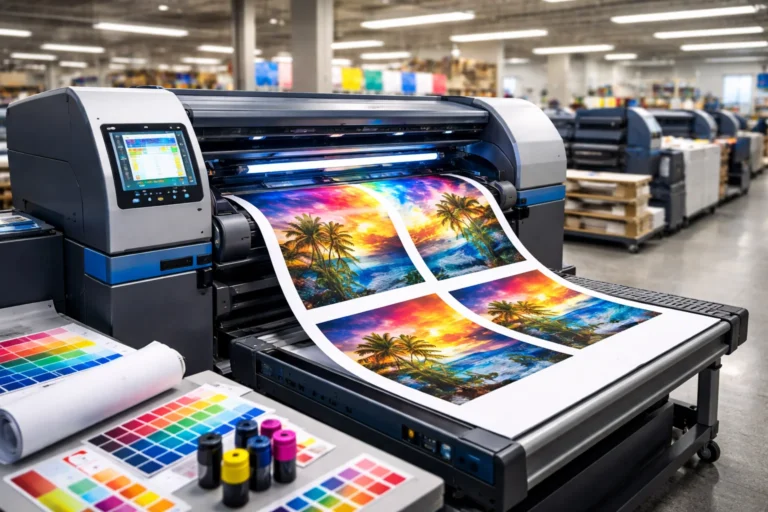
Fast setup, great for smaller quantities and designs that change frequently. Strong colour output without plate costs.
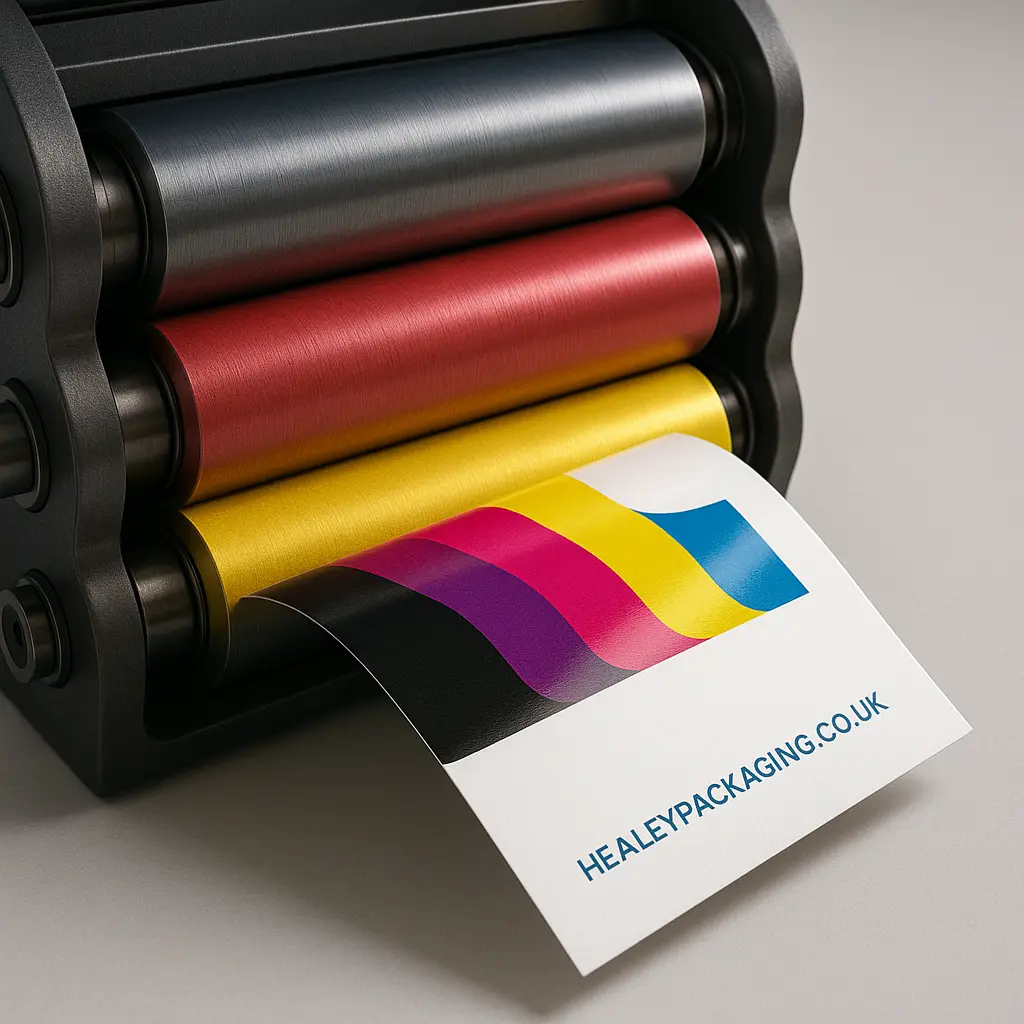
Best for scale. Consistent results run after run, especially when brand tones and fine detail matter.
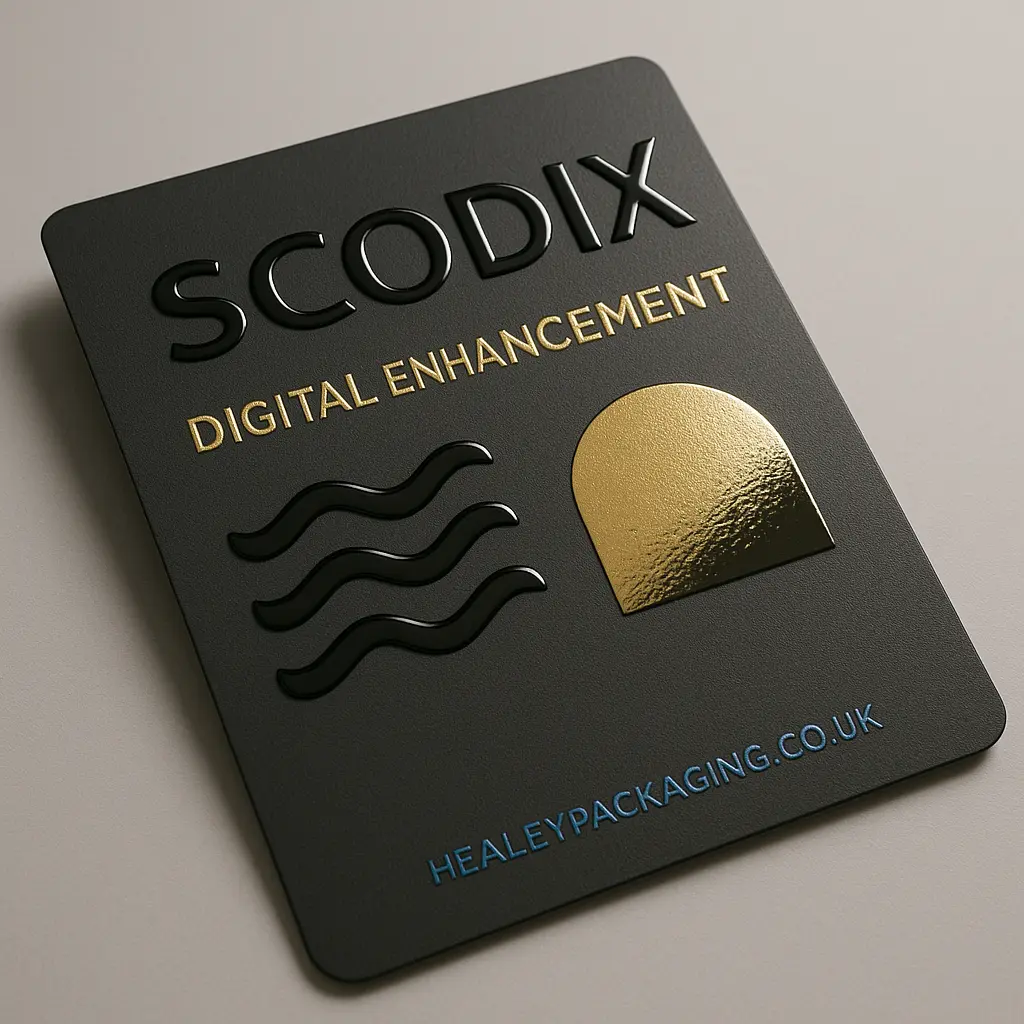
Adds raised UV and tactile highlights to chosen areas. Ideal when packaging needs a premium touch people notice instantly.
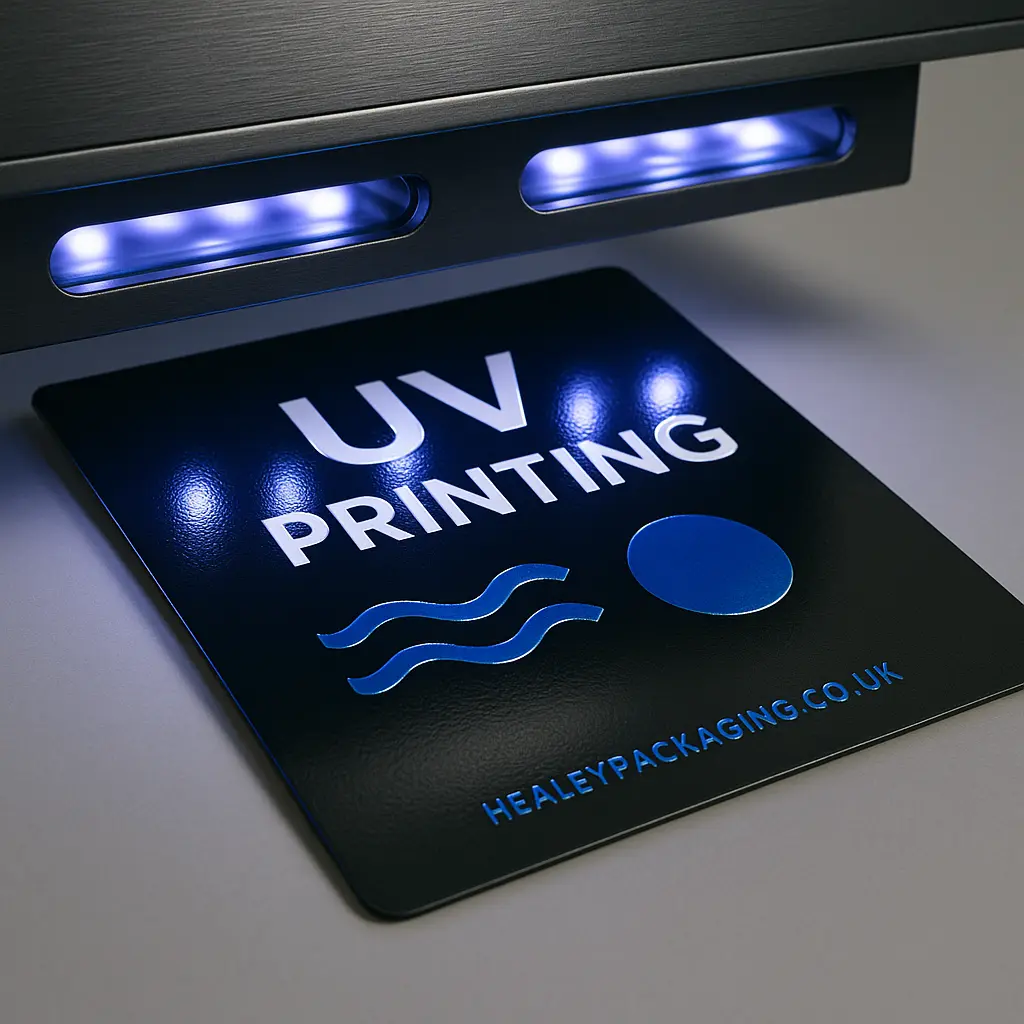
UV-cured inks dry instantly and hold colour density well. Great for coated boards and vibrant retail graphics.
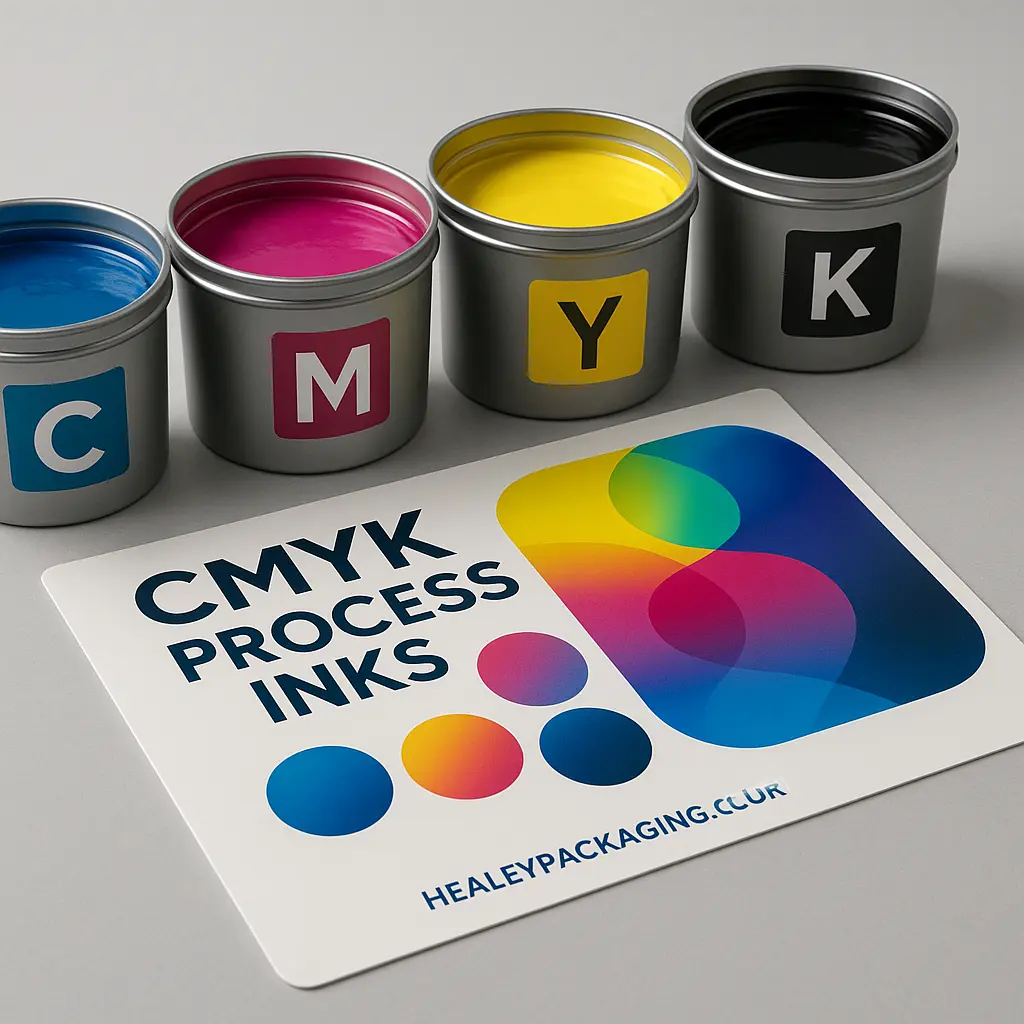
The go-to for full colour artwork, photography, and complex graphics. Great base before special effects.
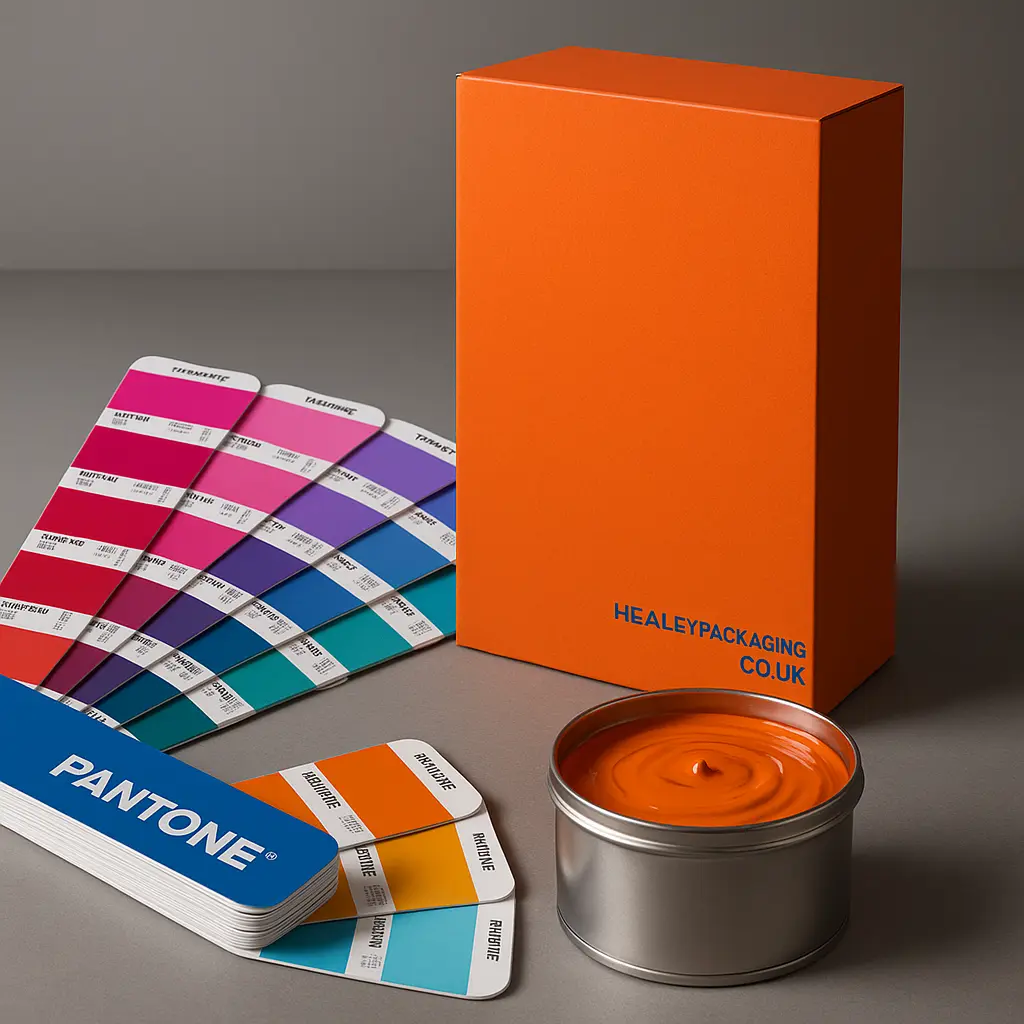
When consistency is non-negotiable. Locks in signature brand colours across materials and runs.
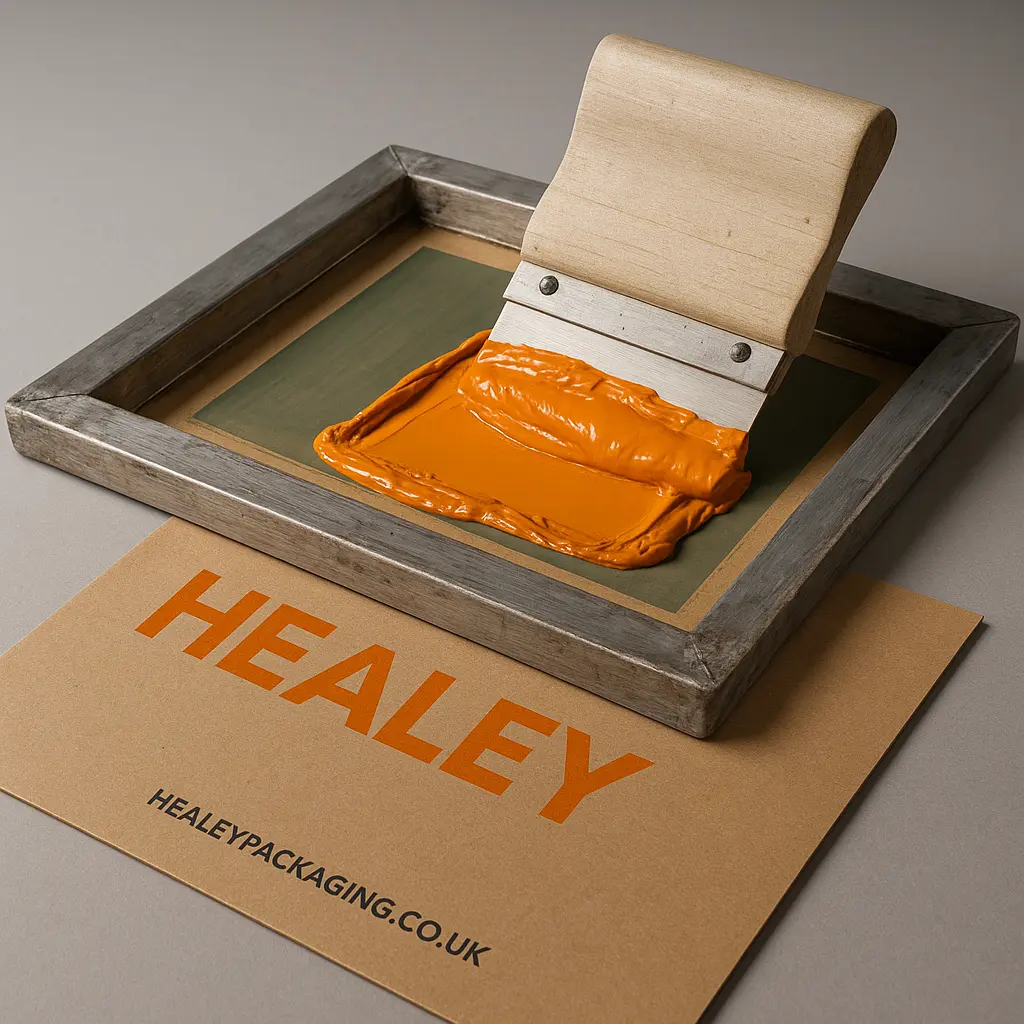
A heavier ink laydown for bold logos and high opacity. Great for darker stocks and simple, confident marks.
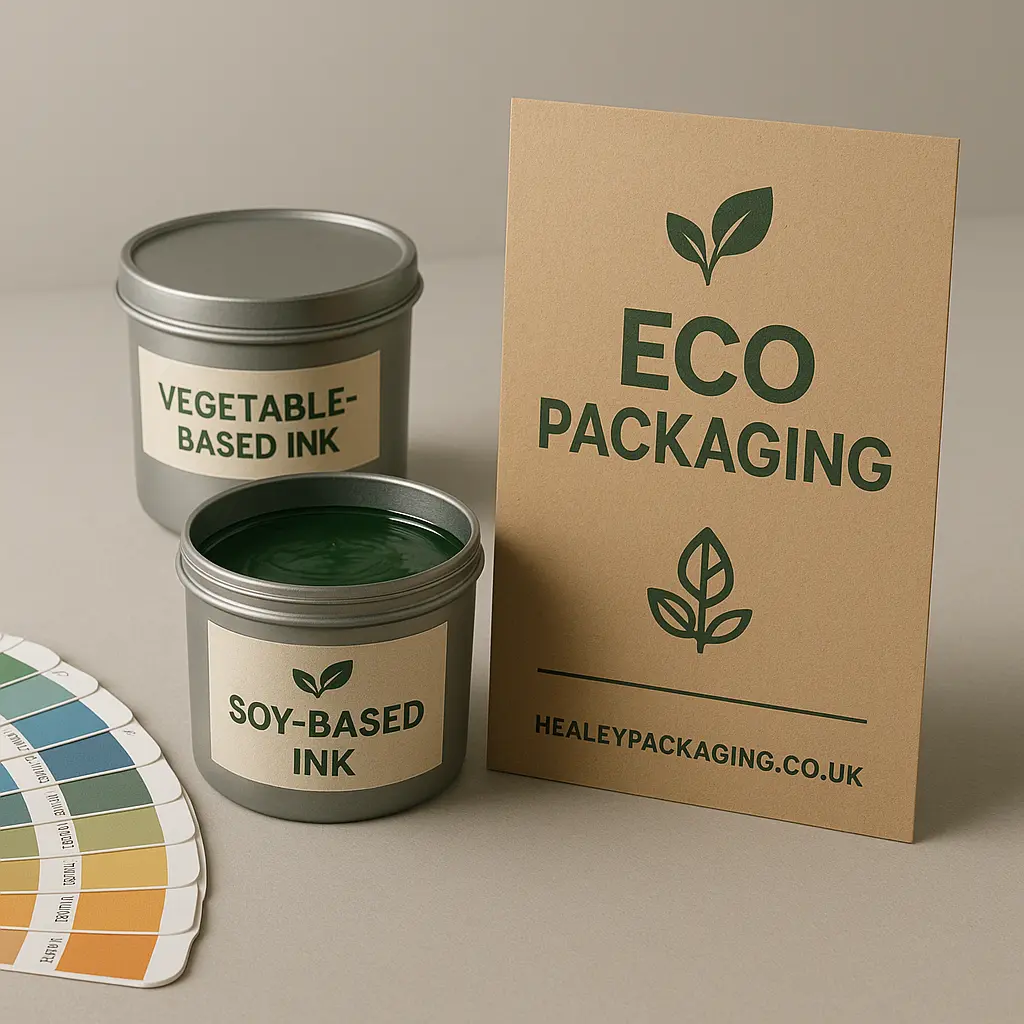
A cleaner alternative often paired with kraft stocks and minimal design. A solid fit for eco-led packaging projects.
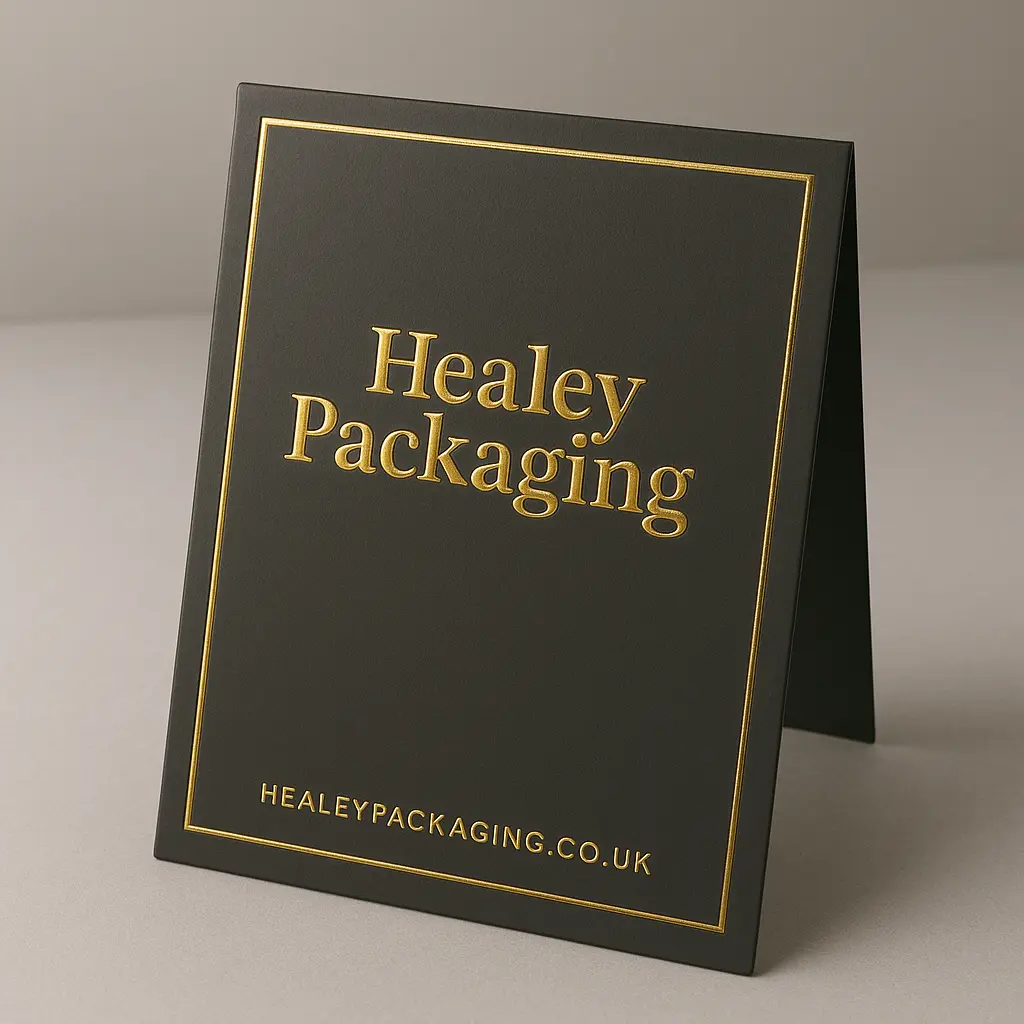
Warm metallic detail for logos, names and premium accents.
Clean metallic highlight for luxury and technical branding.
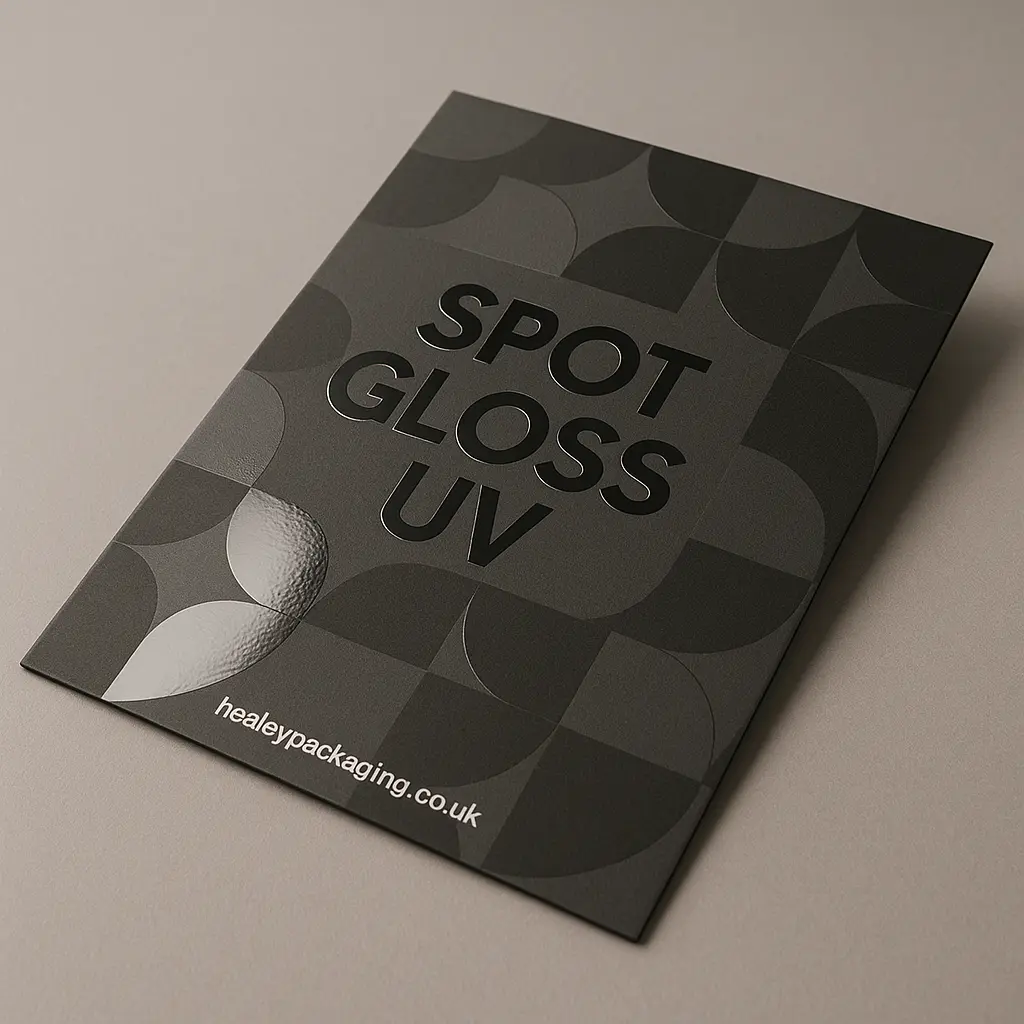
Gloss contrast applied to selected artwork areas.
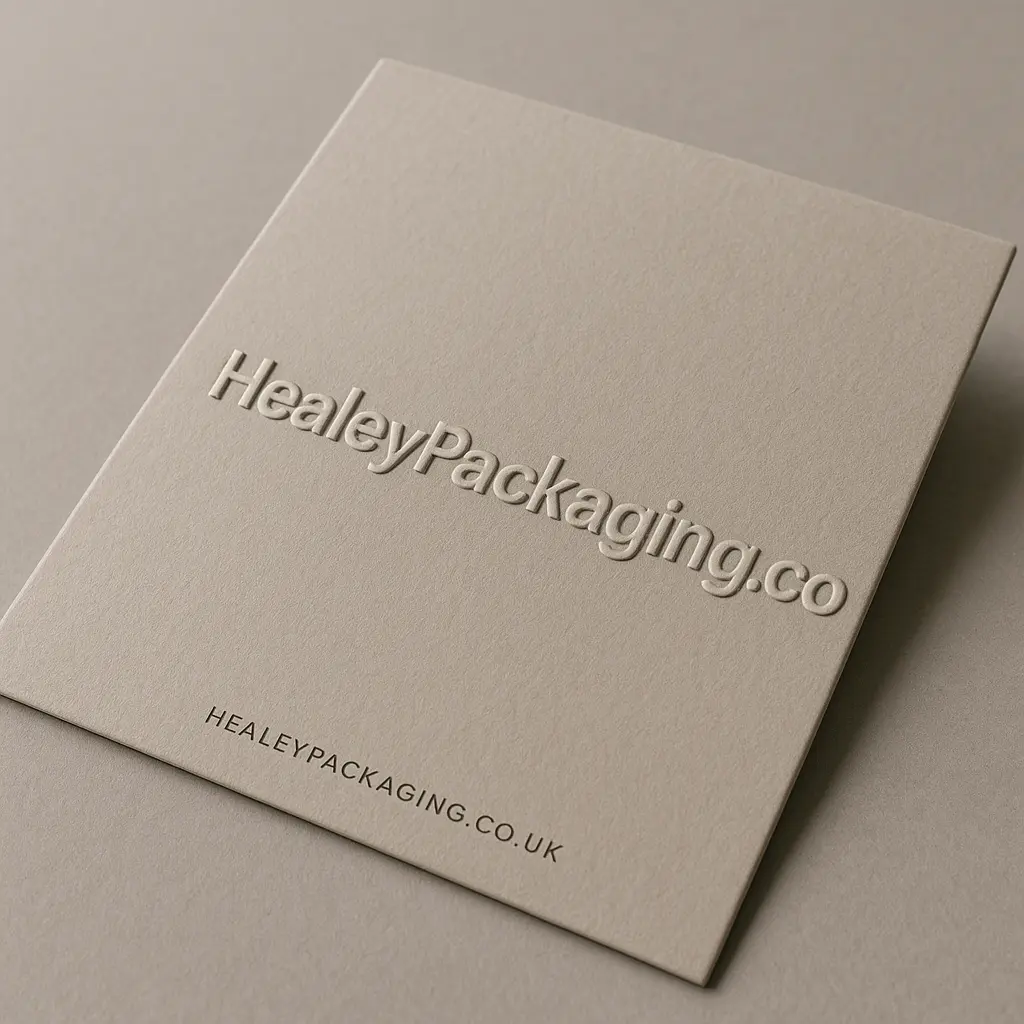
Raised texture for tactile logos and brand marks.
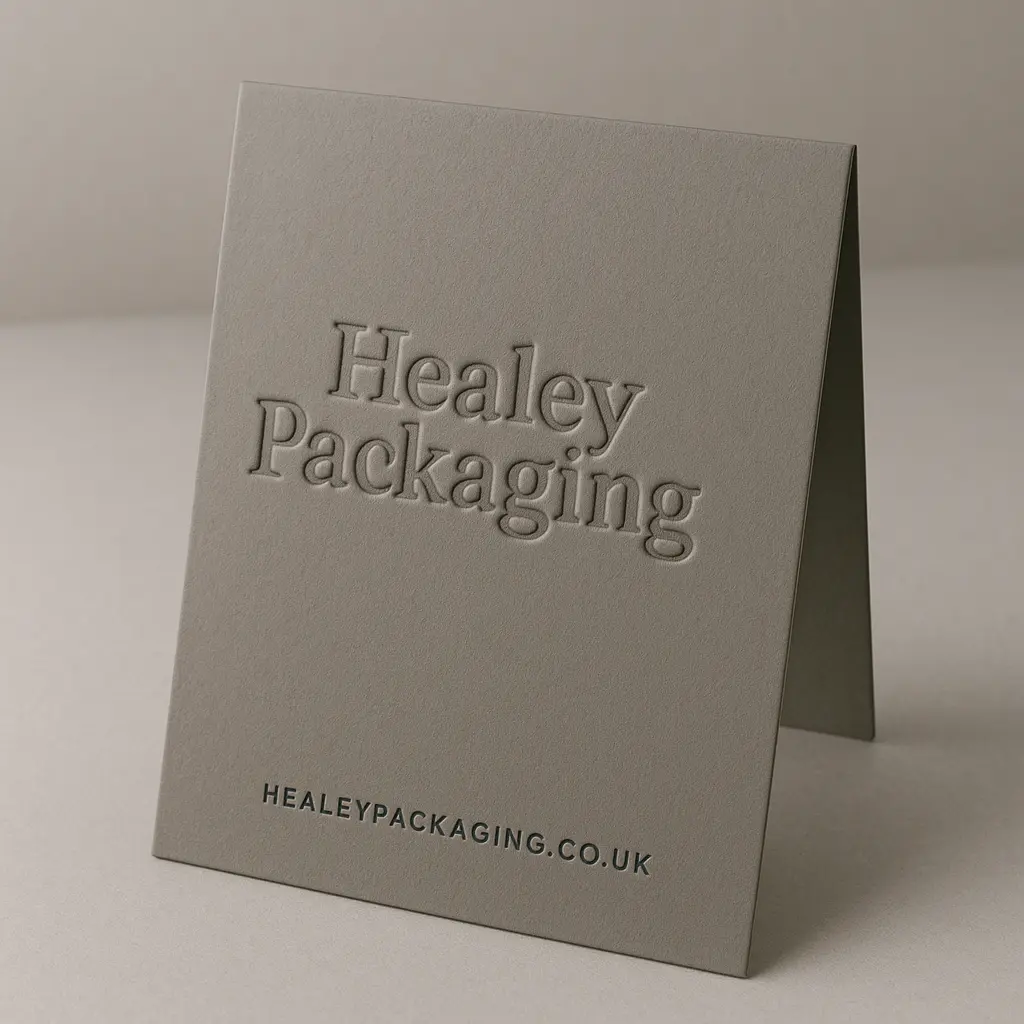
Pressed detail for understated depth and texture.
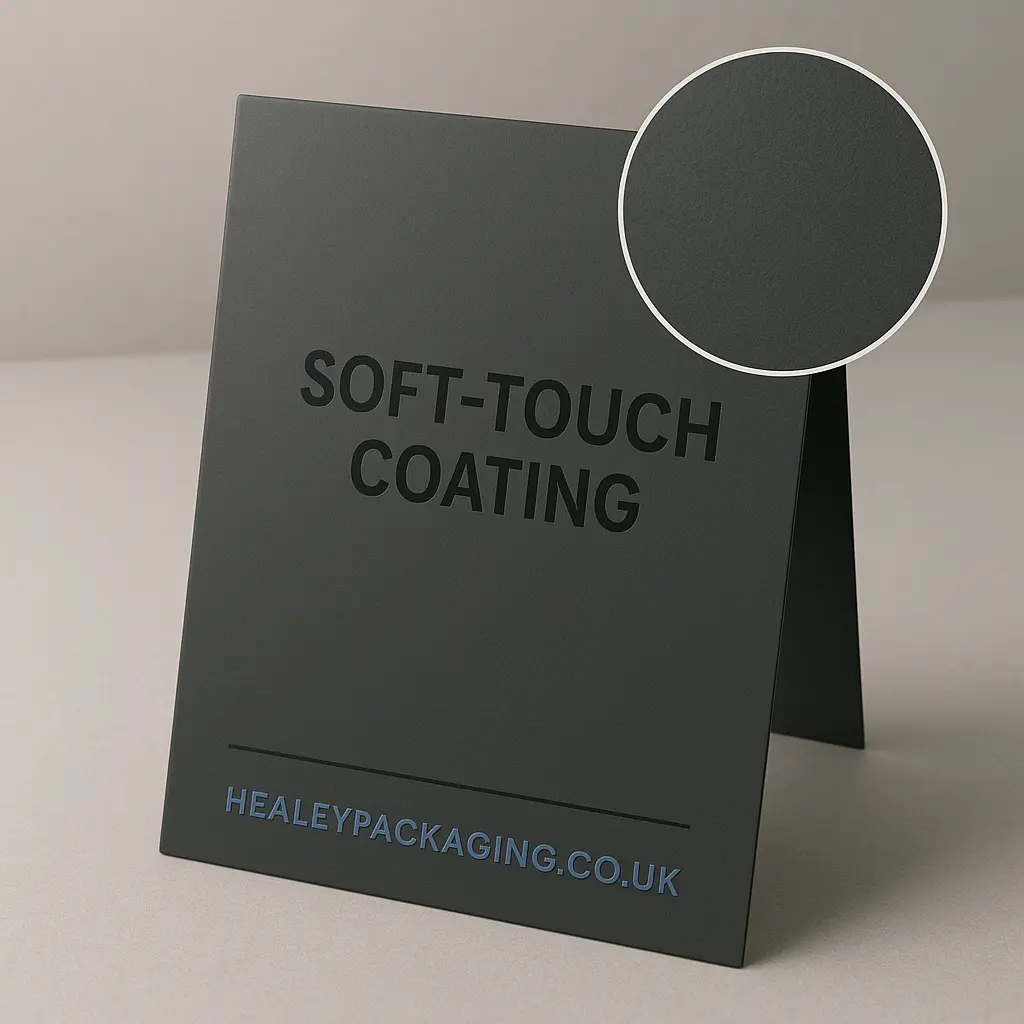
Smooth tactile coating for premium handling.
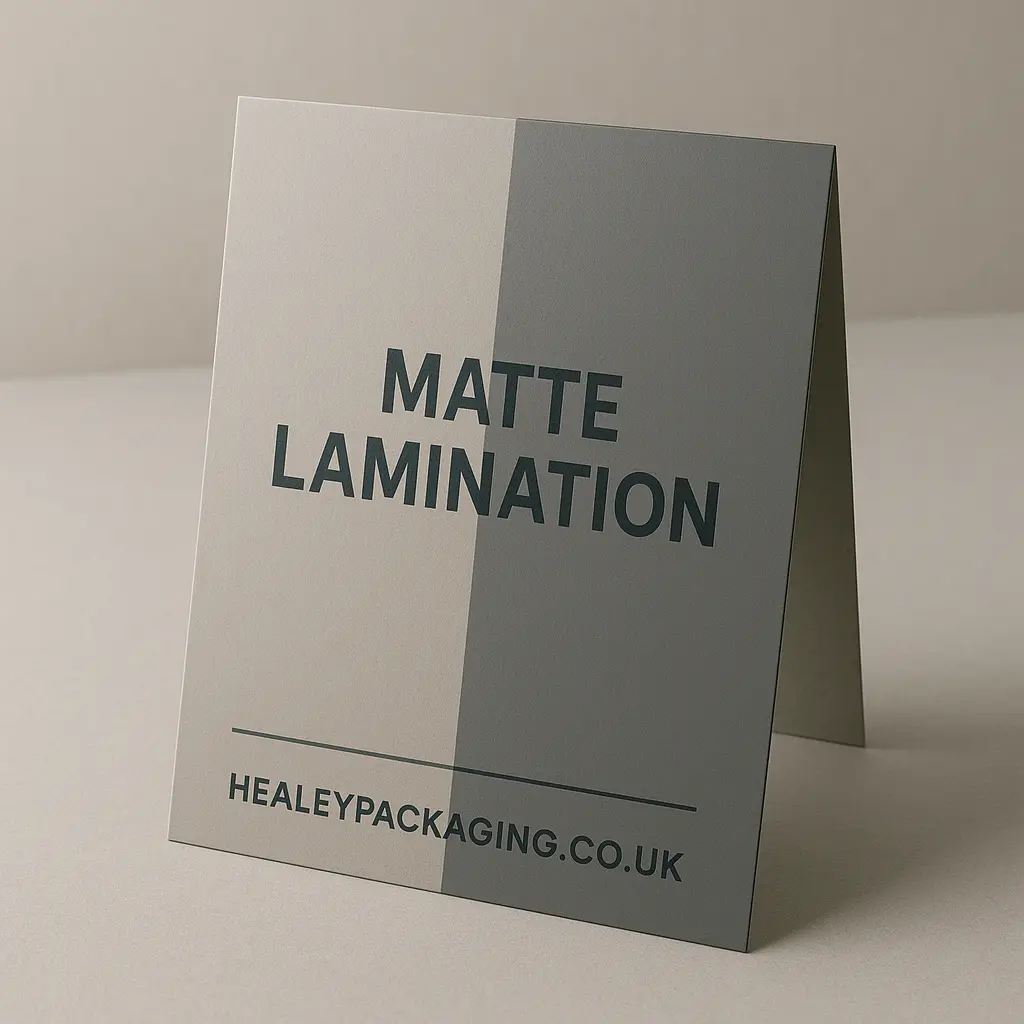
Low-shine surface for modern, refined packaging.
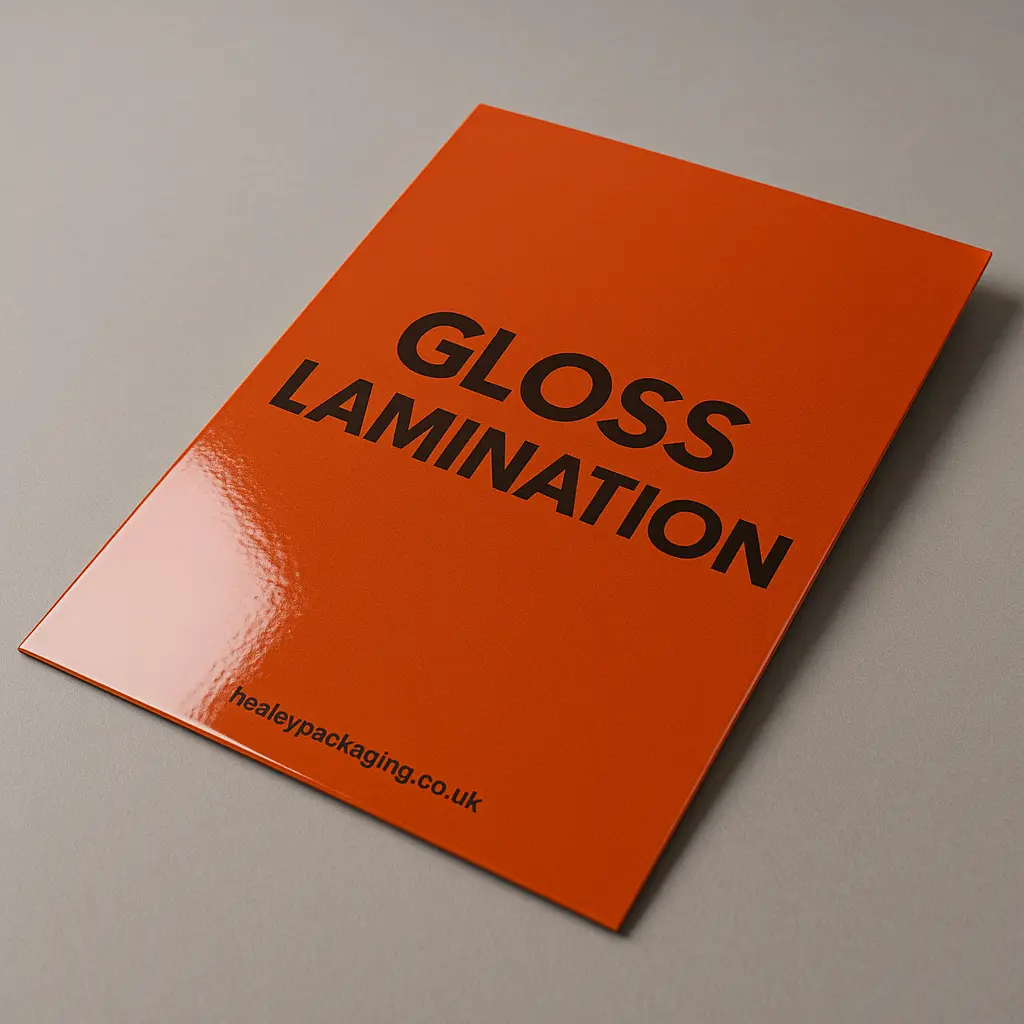
Bright protective surface for stronger colour impact.
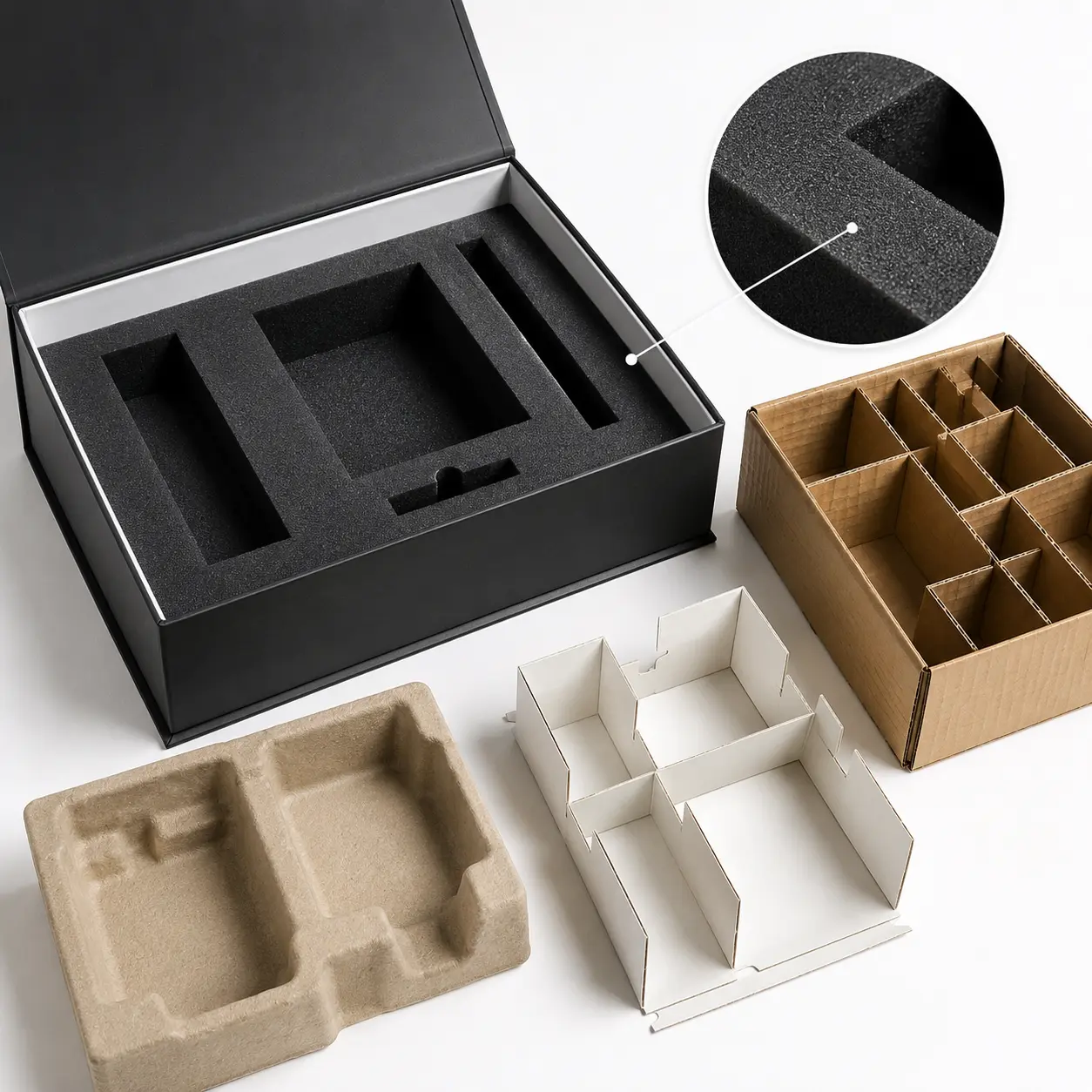
Hold products neatly in place during display and shipping.
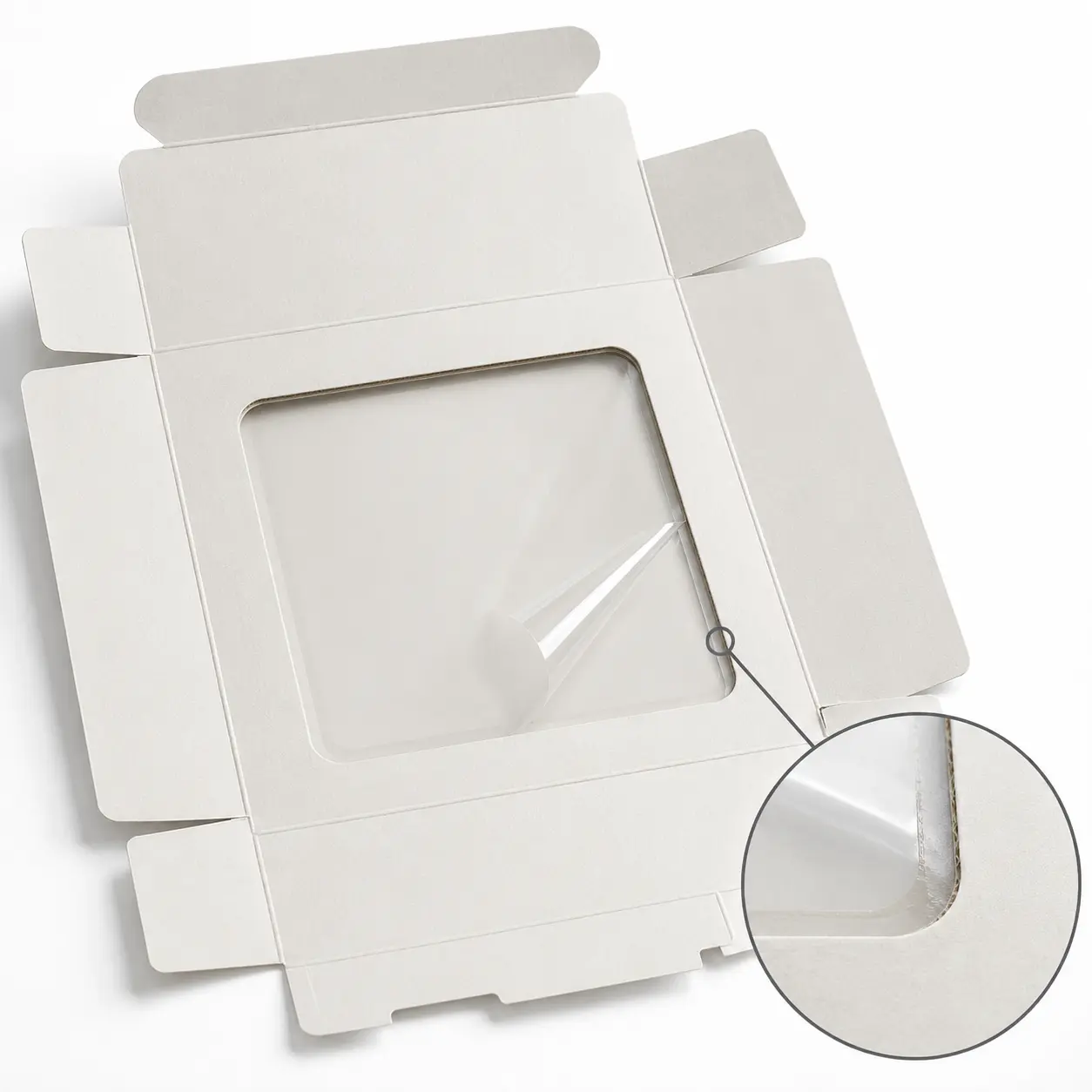
Show the product while keeping packaging structured.
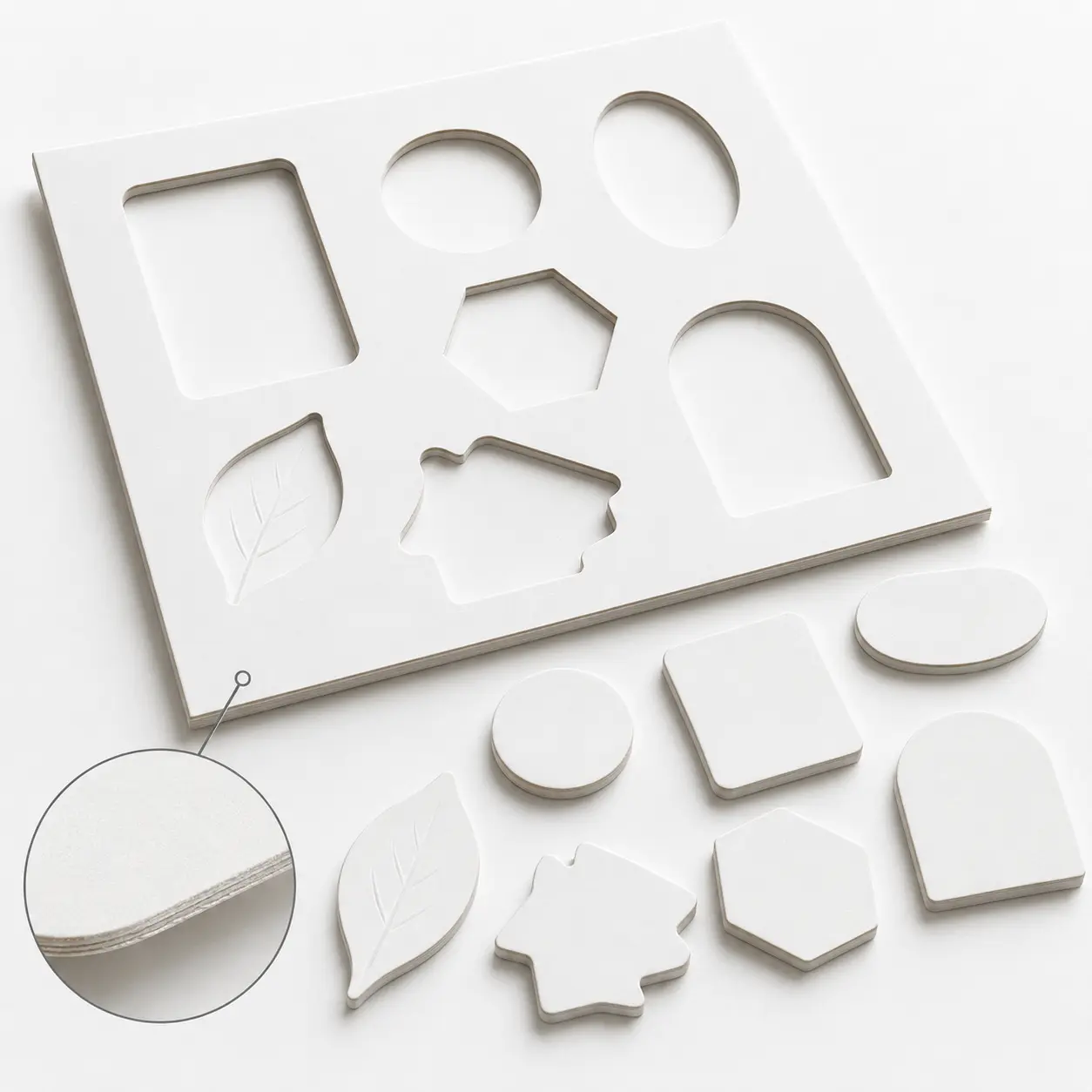
Create custom openings, contours and display details.
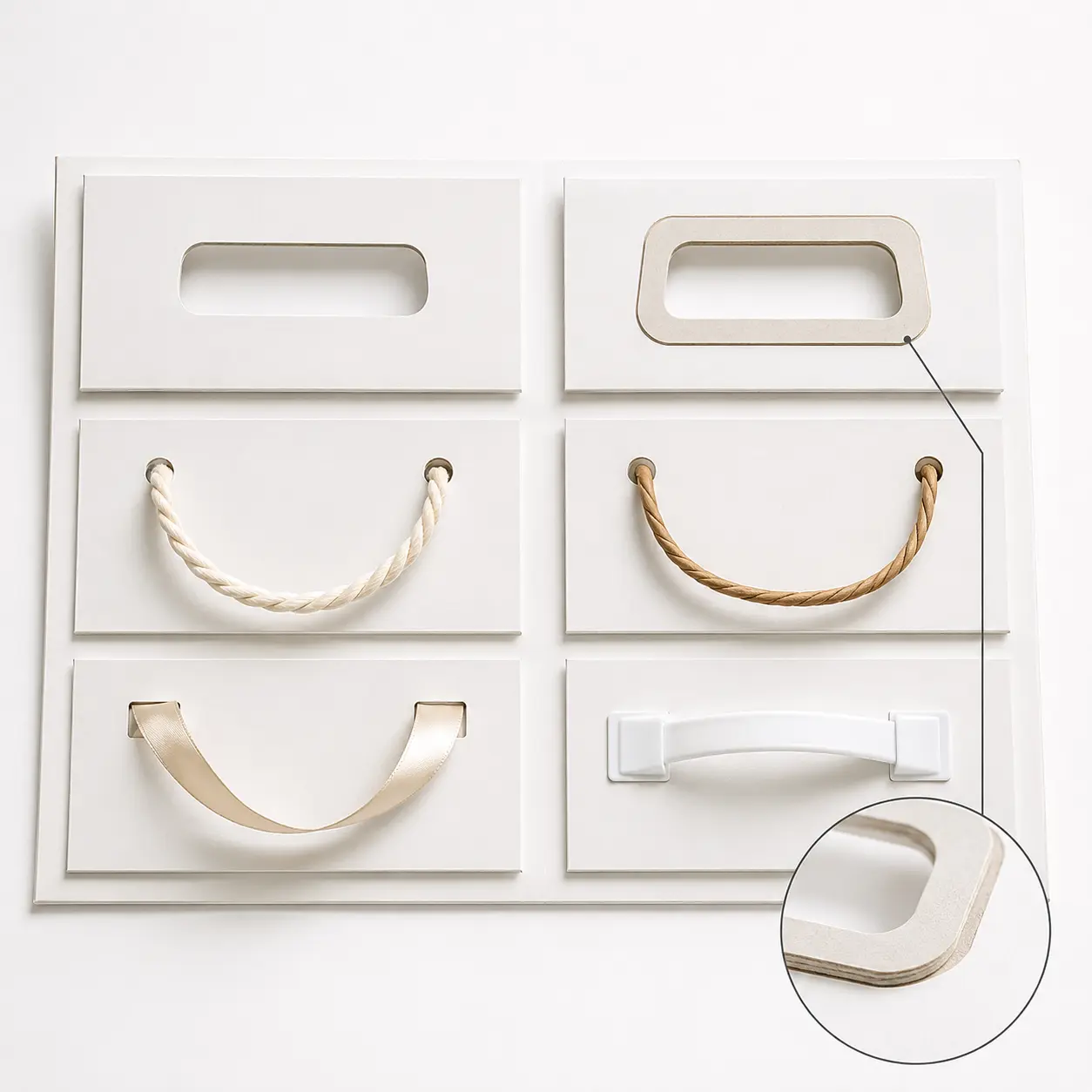
Add carry-friendly structure for selected box styles.
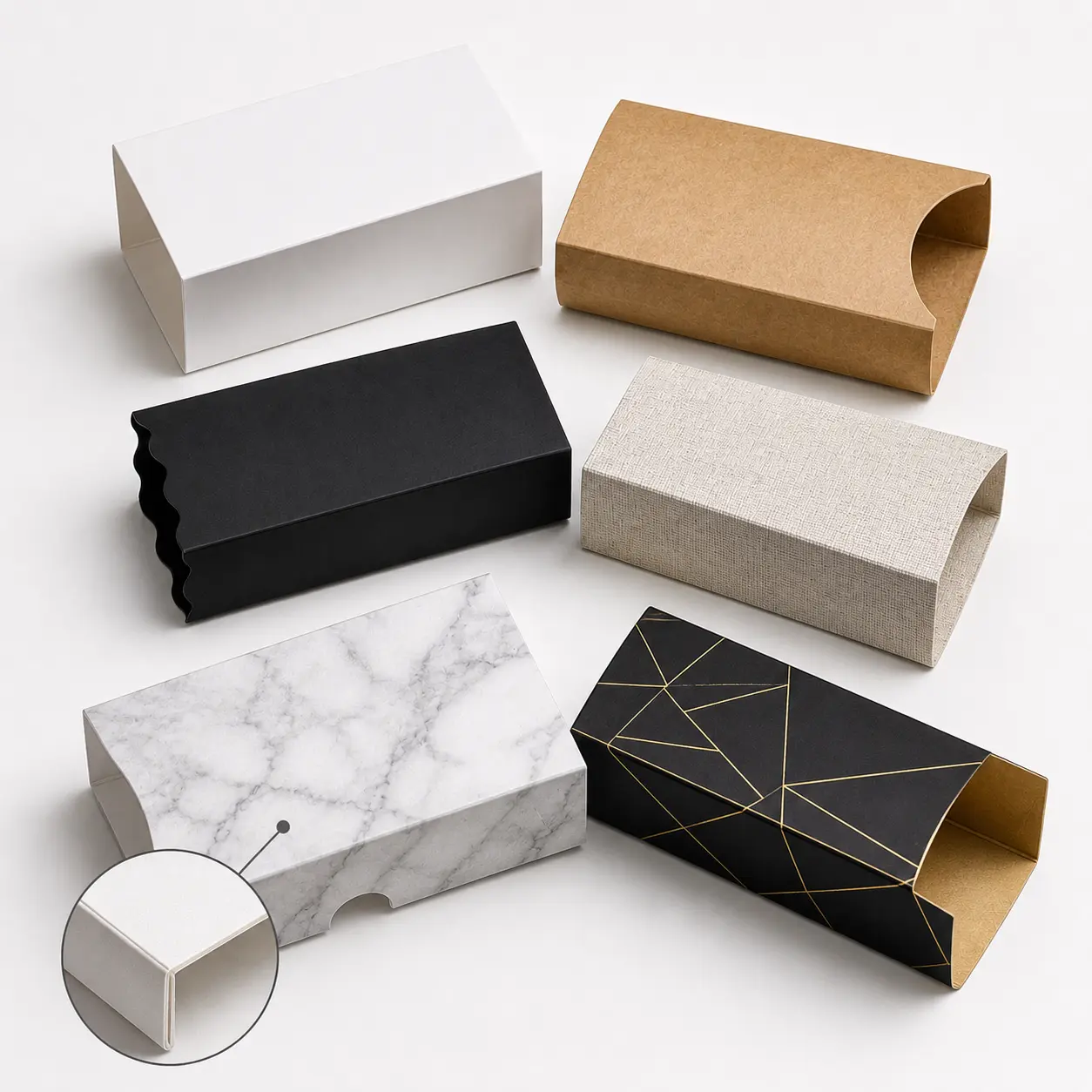
Add a branded outer layer around trays, boxes or products.
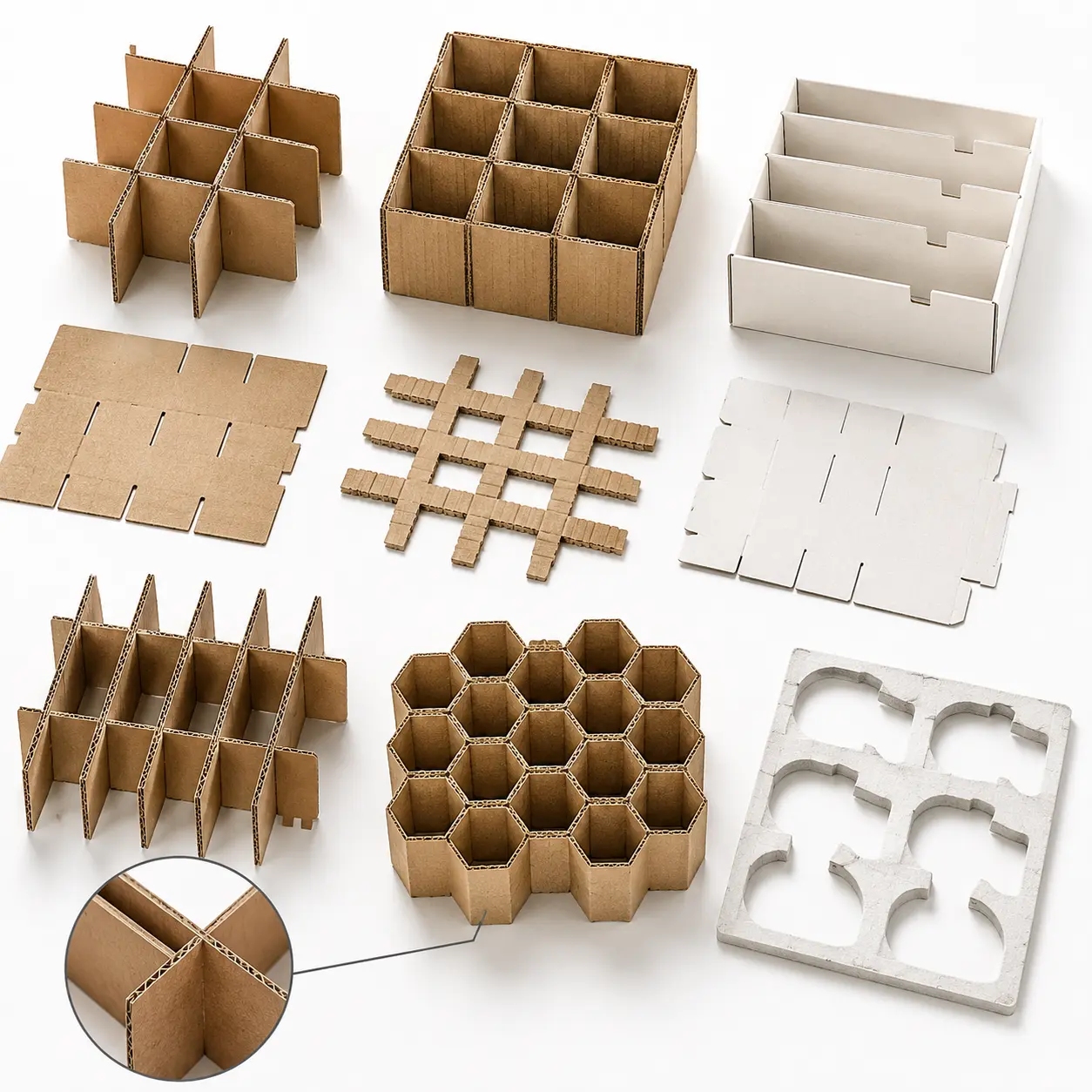
Separate multiple items inside one package.
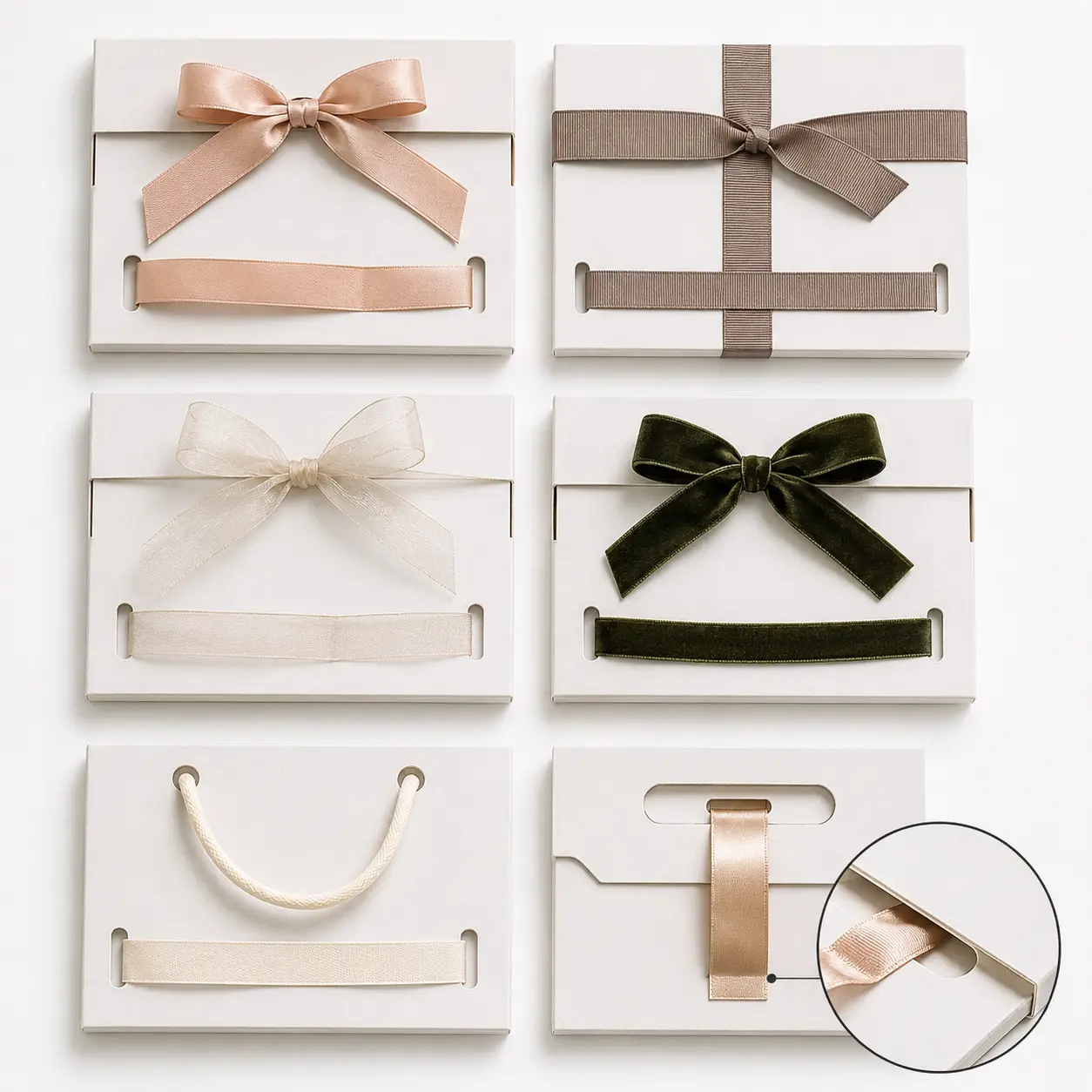
Add a gift-ready finishing detail where suitable.
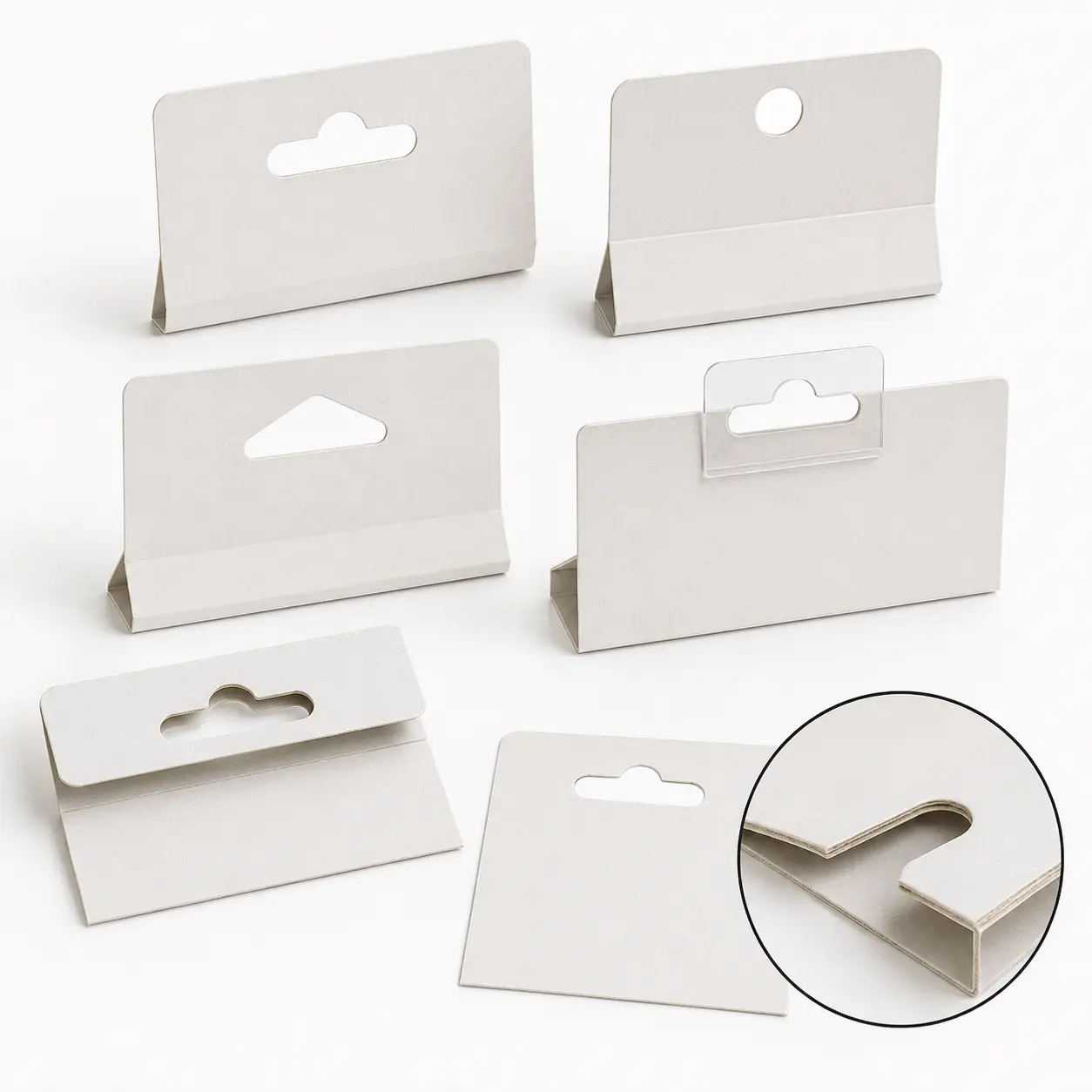
Support selected retail display requirements.
The side seam is normally glued during manufacture. The top and bottom tuck closures are then formed during packing without needing additional glue for standard applications.
Yes. Their collapsible construction keeps storage and inbound transport efficient before the cartons are erected and filled.
Yes. A folded-board platform, divider or retaining insert can be designed around the product, provided the internal dimensions allow enough space.
They are better suited to lightweight and moderate-weight goods. A reinforced or auto-bottom structure may be more appropriate when the product places significant pressure on the base.
A hanging tab can be incorporated when the board, carton dimensions and retail display method are suitable. The tab area may require reinforcement depending on the packed weight.
The manufacturer will usually need the product’s accurate dimensions, weight, orientation, loading method and any required clearance. A physical sample is useful for products with irregular caps, shoulders or projecting parts.
Visit our complete packaging templates and box styles collection to compare tuck-end, auto-bottom, tray, display, hanger and double-wall constructions.
Work through the size, material and print details with Healey Packaging before your order moves into production.
Share your product dimensions, quantity and delivery requirements when requesting a quote.
Choose dimensions and a packaging format around your product and packing method.
Compare material options for presentation, product weight and day-to-day handling.
Specify your colours, artwork and finishing details for a coordinated printed pack.
Check dielines, print areas and artwork requirements before approving production.
No minimum order. Share the quantity you need when requesting your quote.
Tell us your delivery postcode and deadline so we can plan your order.
From our customers
In our customers’ own words. Selected excerpts from company reviews on Trustpilot.
Review excerpt
Can’t recommend the company enough, especially Alex who worded with me patiently all the way.…
Review excerpt
Quick and thorough responses from Alex. Delivery was also fast, and within the lead time they gave, I would recommend.
Review excerpt
I had a great experience working with Healey Packaging, I love my new candle boxes.…
Review excerpt
We had a deadline they needed to meet for me and they did.…
Review excerpt
Had a very good experience with Healey. This is the second time we have used them…
Review excerpt
Great customer service, needed a quick turn around and assistance for custom packaging for my brand,…
Review excerpt
I looked through about 100 unhelpful suppliers, then found Healey Packaging.…
Review excerpt
Great quality product and excellent service from Alex.
Feedback relates to Healey Packaging and its service, rather than a rating of an individual product.
Recent packaging work
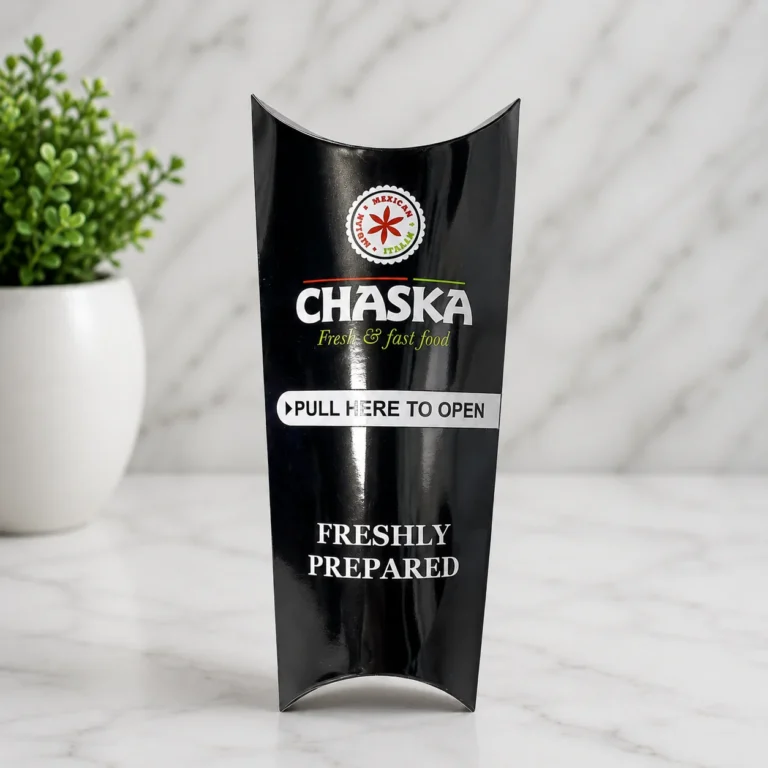
Pillow-style sleeve for Shawarma
CHASKA needed a custom pillow-style sleeve for shawarma packaging with a shaped structure, food-safe material, branded outside print,…
View Project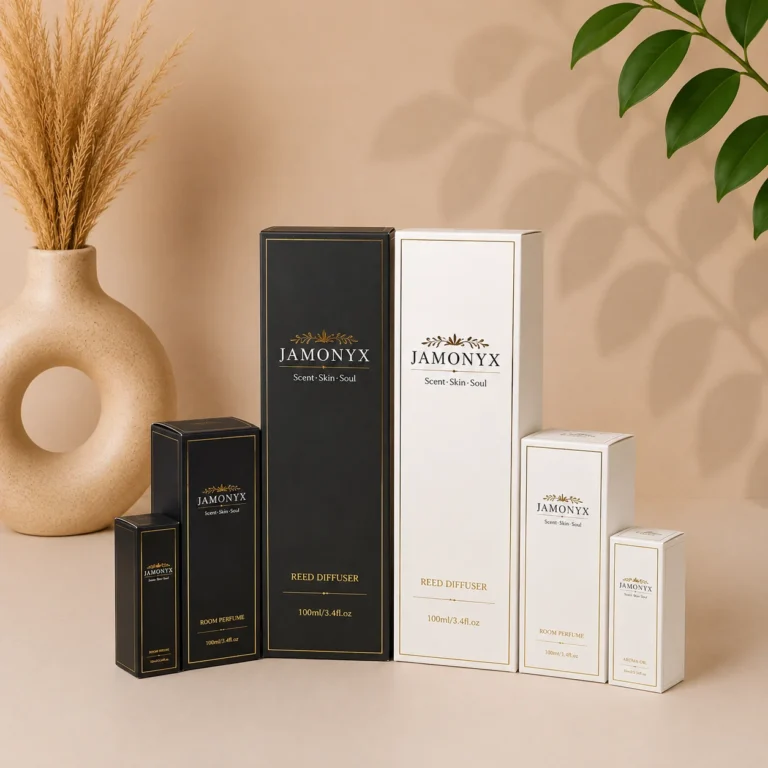
Style Reverse Tuck Box
JAMONYX needed premium reverse tuck folding carton boxes for a luxury fragrance and self-care product range. Healey Packaging…
View Project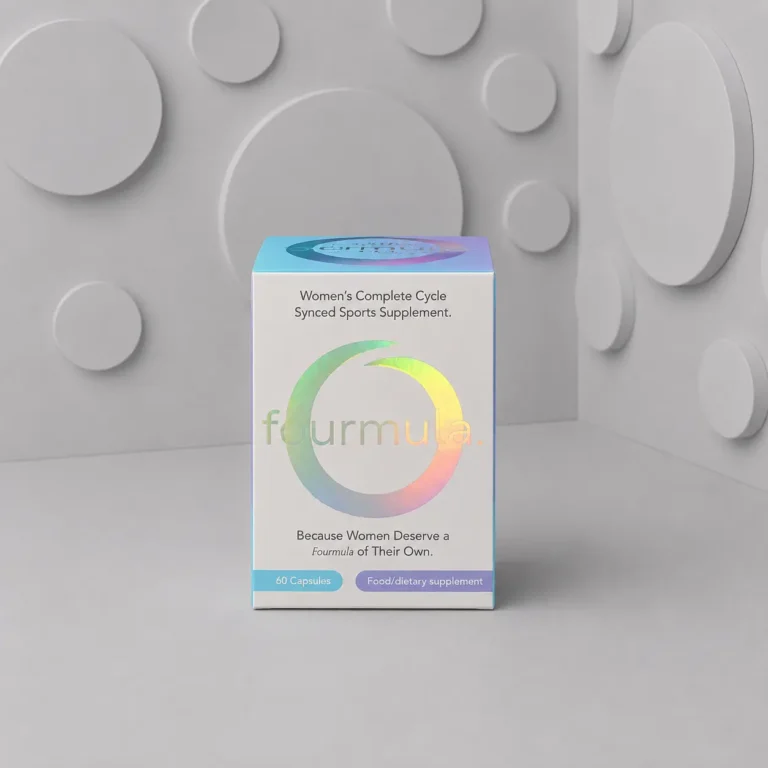
Custom folding carton / supplement box
Fourmula needed compact supplement boxes with premium holographic detailing, starting with physical samples before moving into a 1,000-box…
View Project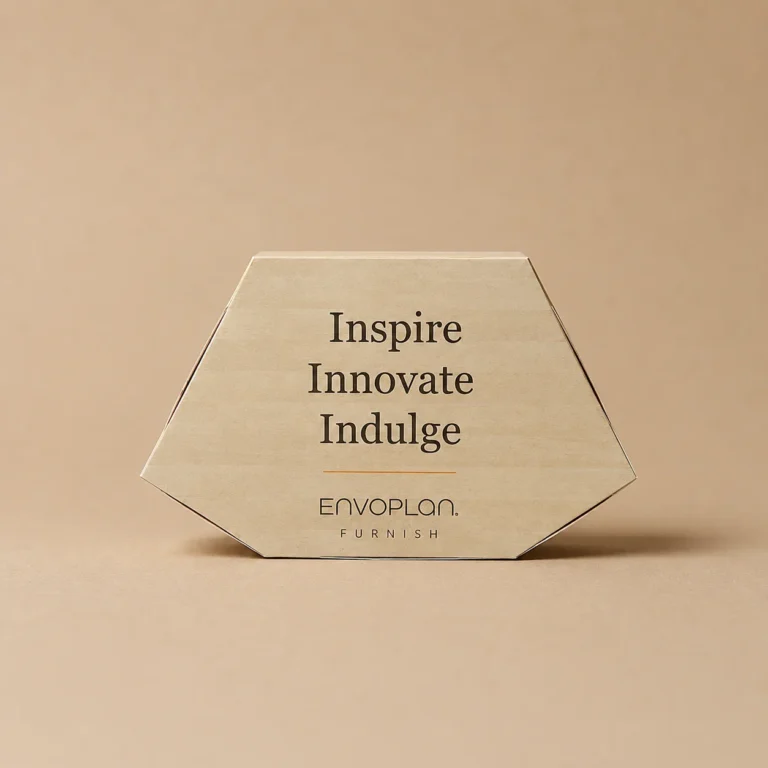
Custom shaped folding sweet box / polygon event giveaway box
Envoplan Furnish needed a bespoke shaped box to hold sweets for events and client handouts. Healey Packaging helped…
View ProjectRelated packaging styles
Get premium packaging that protects your product and supports your brand.
Tell us your product, target look, and how you ship. We'll recommend the right board, print, and finish for performance.