
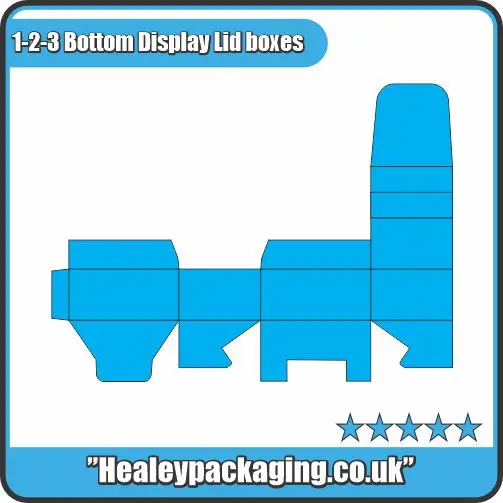
1-2-3 Bottom Display Lid Boxes
1-2-3 bottom display lid boxes combine a strong locking base with an...
Customise NowBrowse 50+ box templates and structural packaging styles for retail, ecommerce, food, gifting and display applications. Compare tuck-end, auto-lock, mailer, tray, sleeve and specialist structures, then adapt the selected style around your product dimensions, board, artwork and packing requirements.
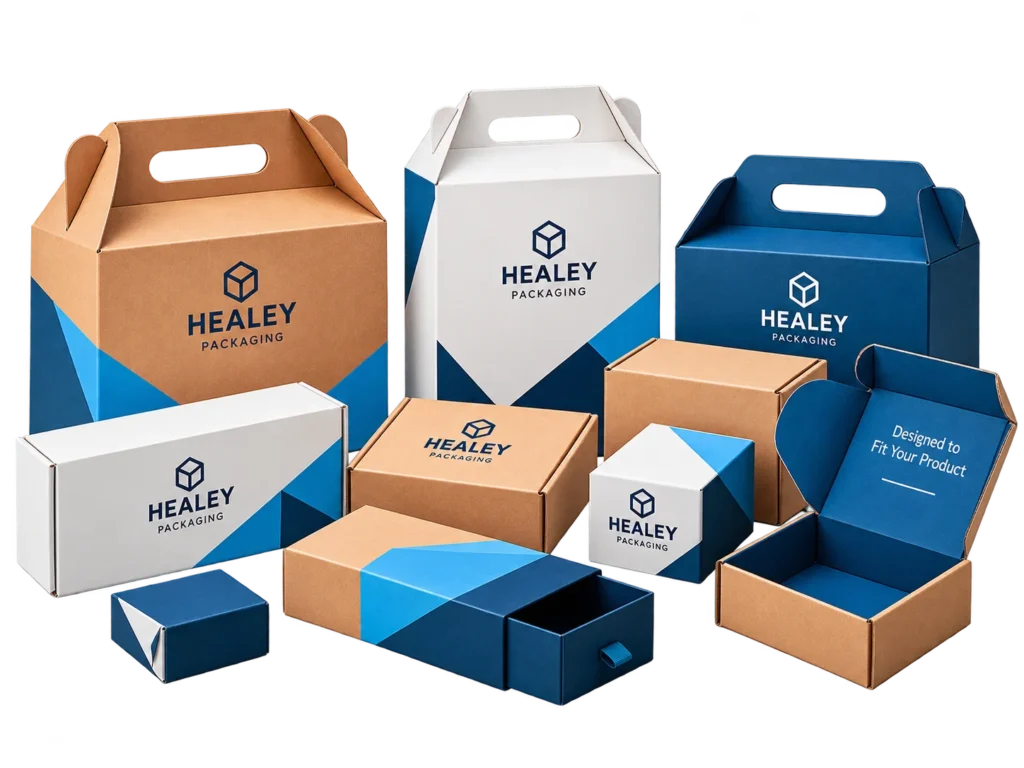
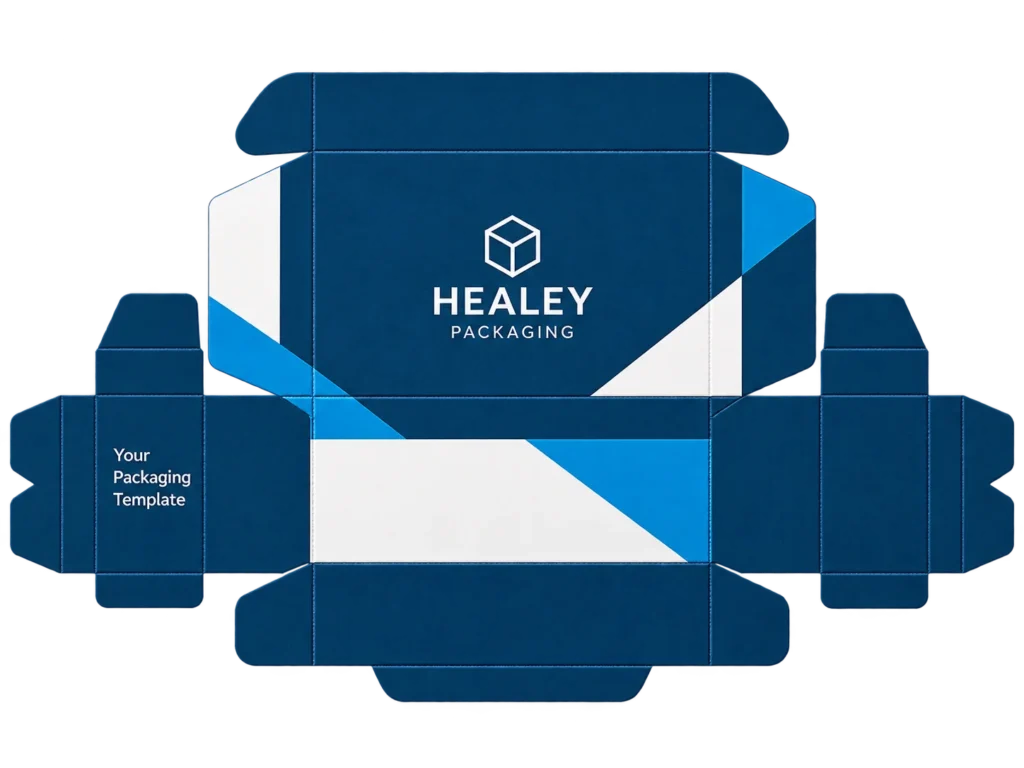
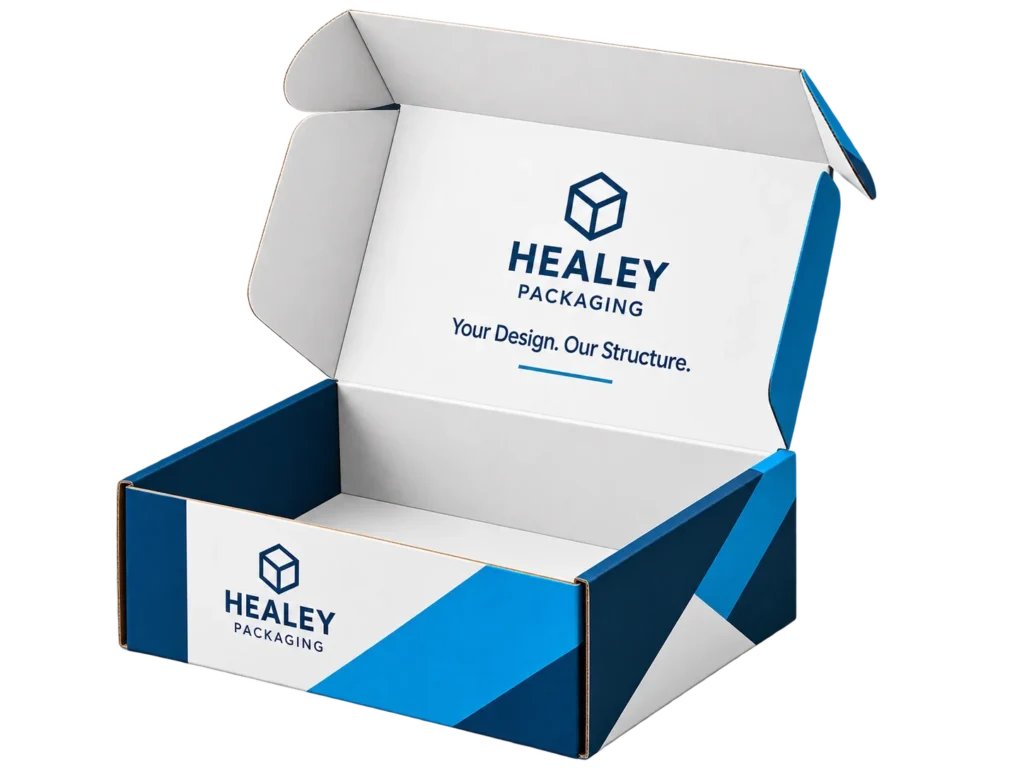
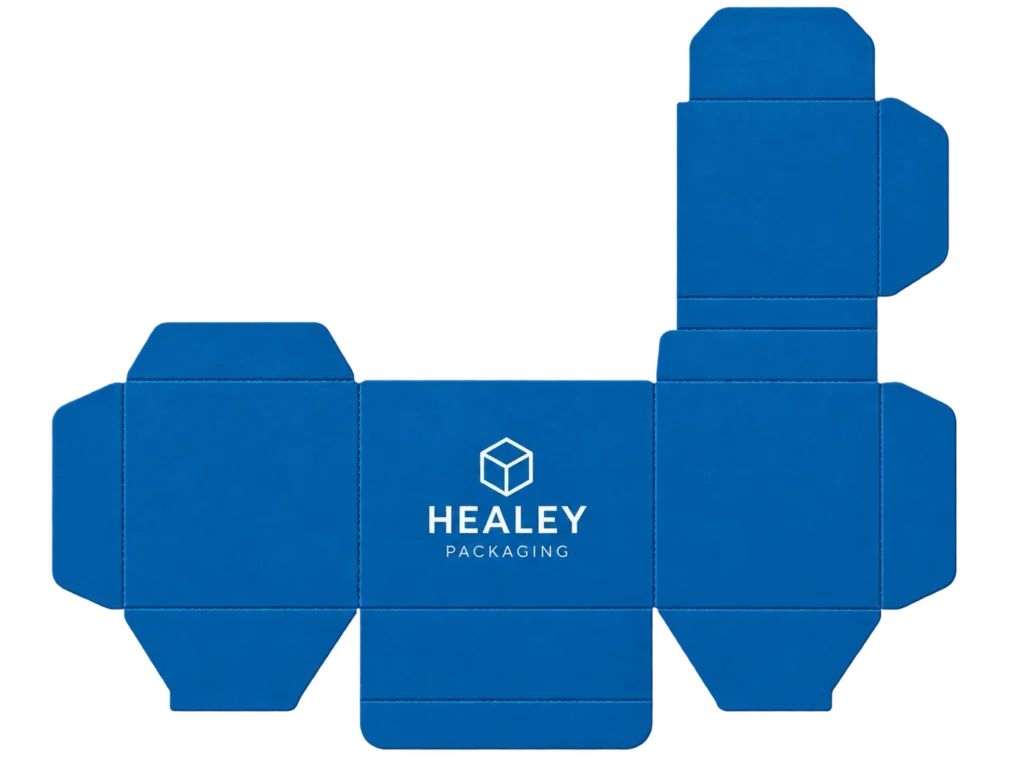
Choose from ready-made structural styles, then customise the dimensions, board, printing and finishing around your product.
1-2-3 bottom display lid boxes combine a strong locking base with an...
Customise Now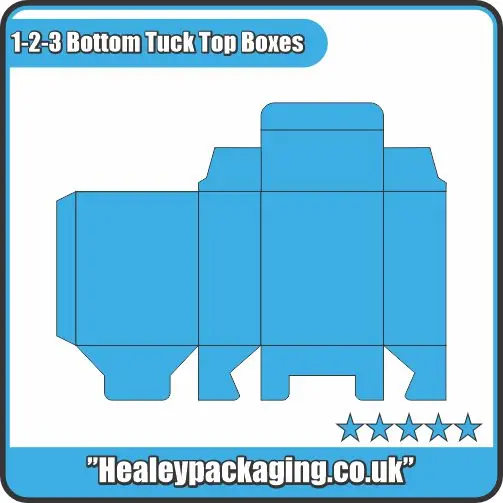
1-2-3 Bottom Tuck Top Boxes combine a secure interlocking base with a...
Customise Now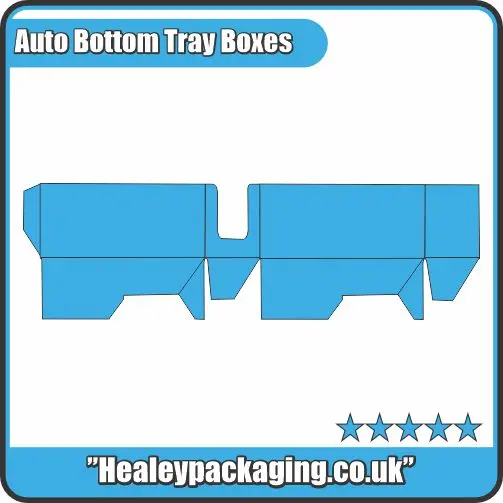
Auto bottom tray packaging combines rapid assembly with a pre-glued base, creating...
Customise Now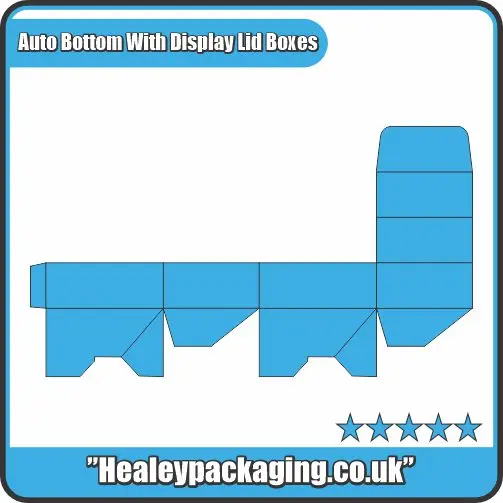
Auto bottom with display lid boxes combines a pre-glued locking base with...
Customise Now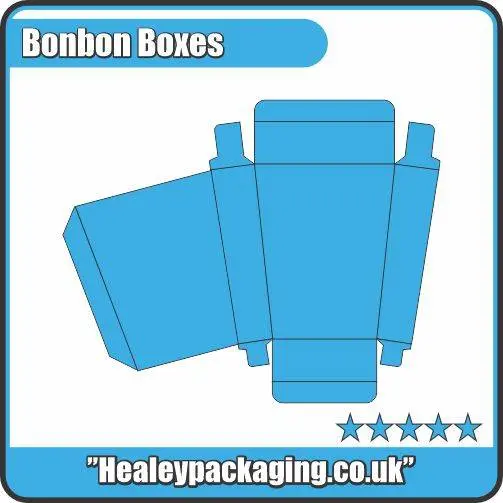
Bonbon boxes only look simple until something goes wrong. A loose fit,...
Customise Now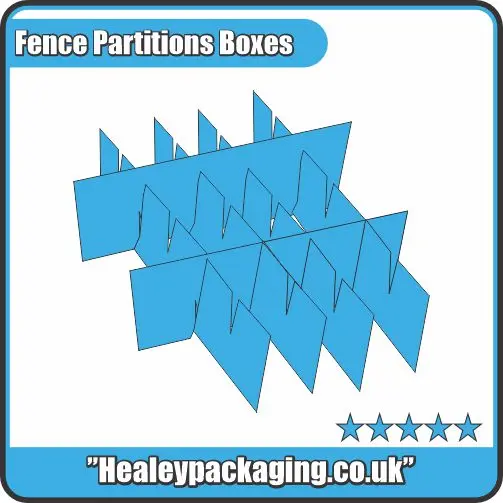
Custom fence partitions separate products inside an outer box using interlocking board...
Customise Now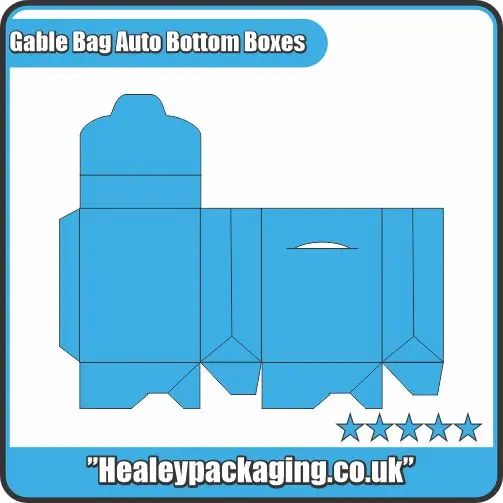
Custom gable boxes from Healey Packaging feature built-in handles for easy carrying,...
Customise Now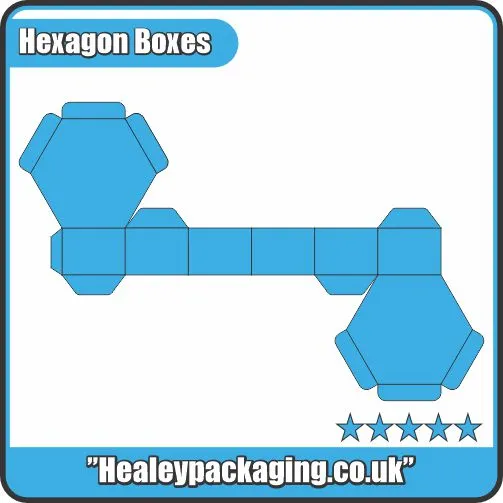
Custom hexagon boxes from Healey Packaging help UK brands stand out with...
Customise Now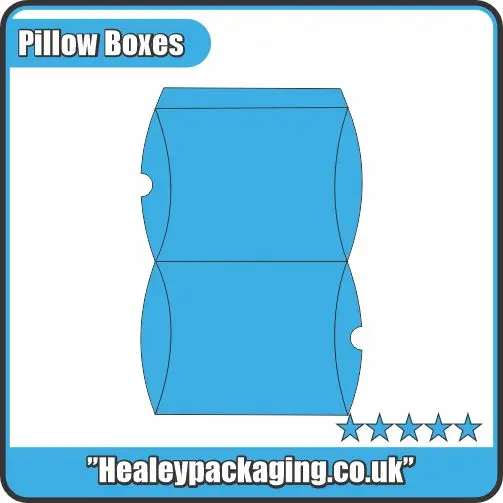
Custom pillow boxes are basically simple rectangular box with a curved top....
Customise Now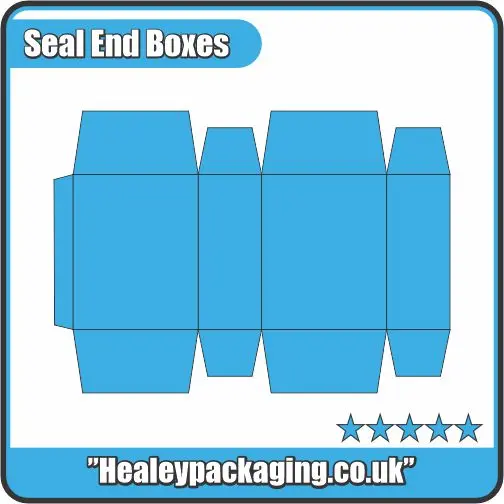
Custom seal end boxes provide secure glued closures, efficient packing and reliable...
Customise Now
Tuck end boxes are everywhere for a reason: they’re quick to assemble,...
Customise Now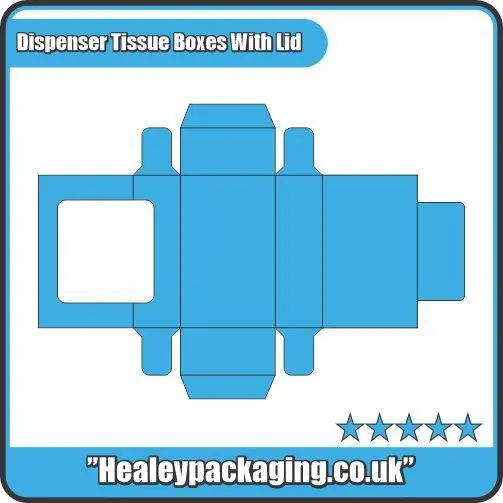
Dispenser tissue boxes with lid combine an accessible dispensing opening with a...
Customise Now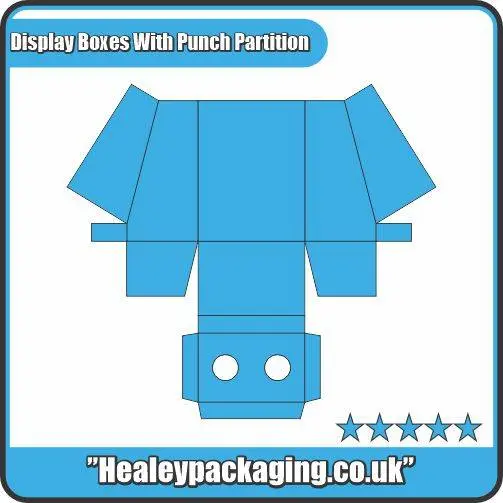
Display boxes with punch partition combine retail-ready presentation with die-cut product positioning,...
Customise Now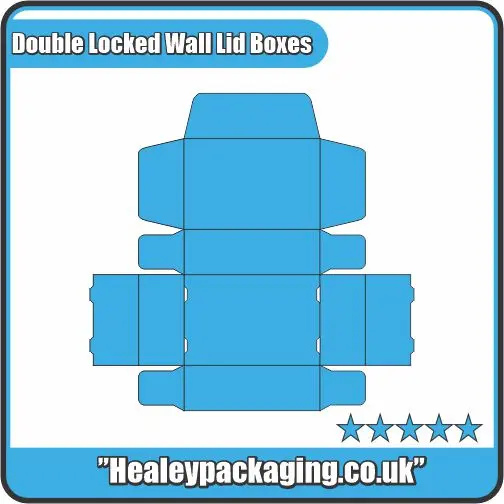
Double locked wall with lid boxes combines reinforced side walls with a...
Customise Now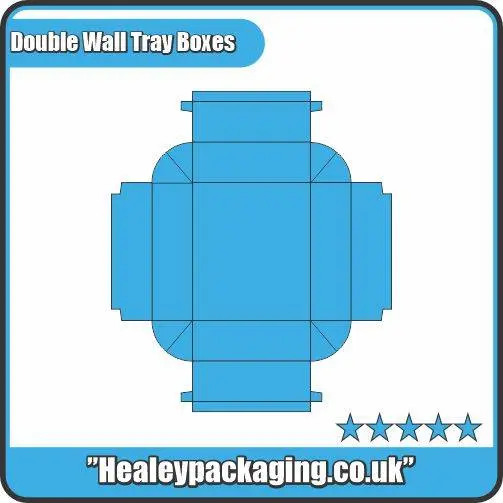
Double wall tray packaging uses folded wall sections to create a more...
Customise Now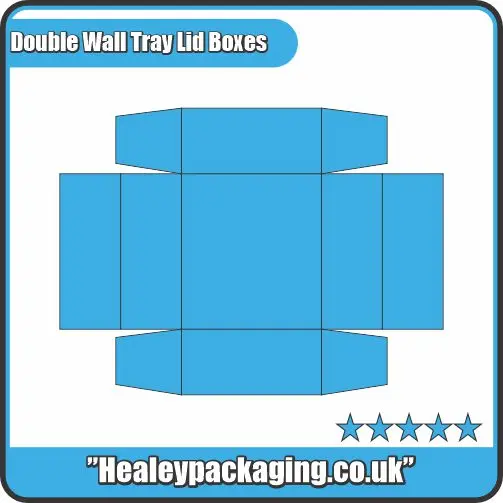
Double wall tray lid boxes combine a reinforced tray with a separate...
Customise Now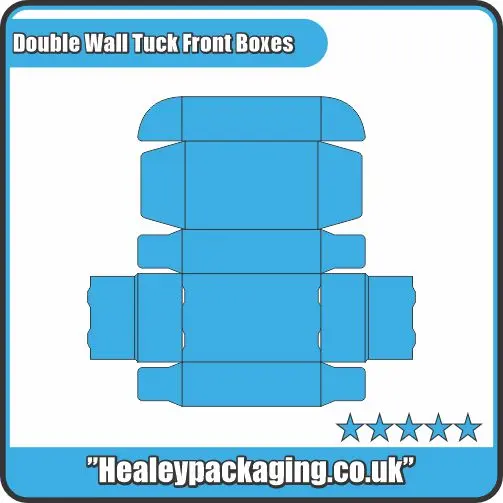
Double wall tuck front boxes combine reinforced side walls with a secure...
Customise Now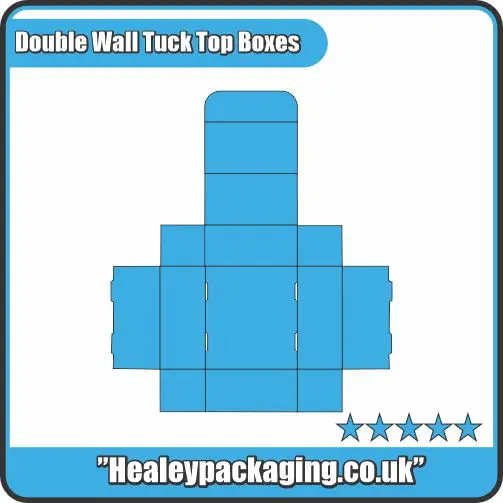
Double wall tuck top boxes combine reinforced side walls with an easy...
Customise Now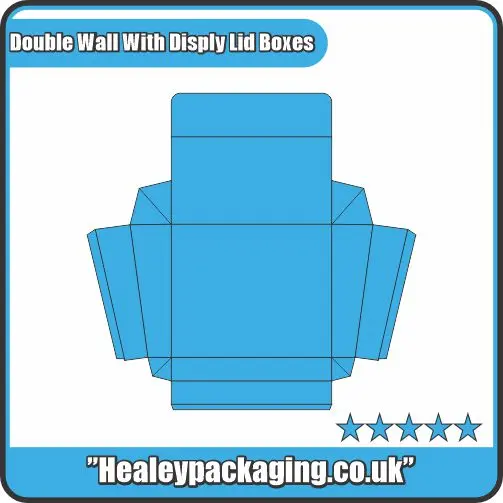
Double wall with display lid boxes combine reinforced walls with a built-in...
Customise Now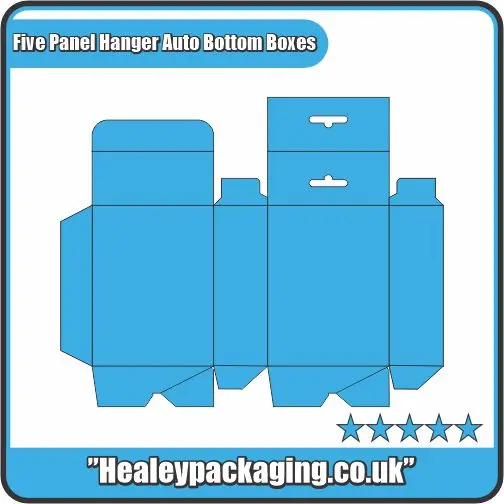
Five panel hanger auto bottom boxes combine hook-ready retail display with a...
Customise Now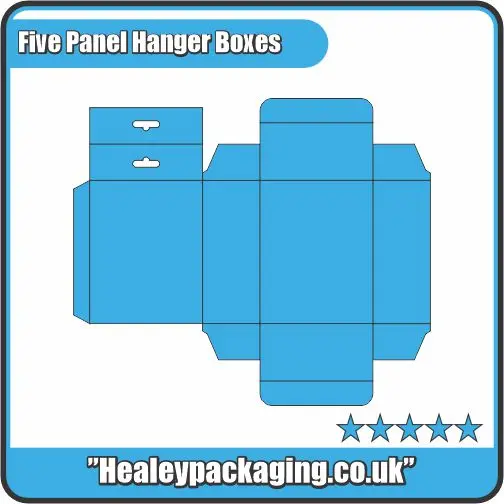
Custom five panel hanger boxes combine an enclosed folding carton with an...
Customise Now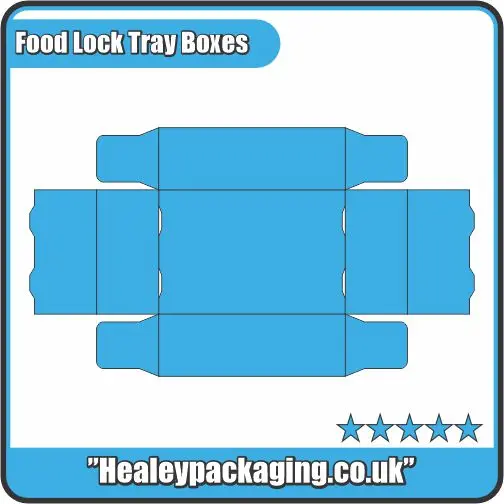
Foot lock tray packaging uses interlocking tabs at the base to create...
Customise Now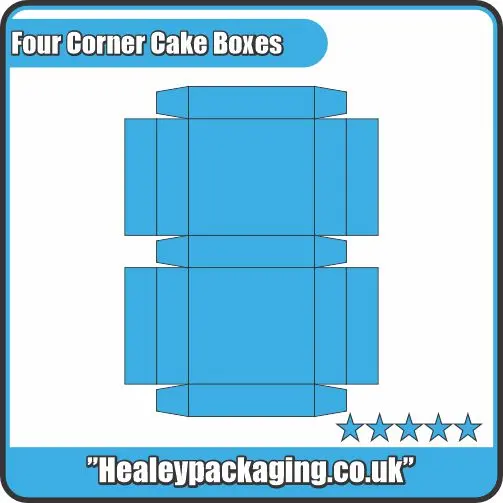
Four Corner Cake Boxes provide a quick-assembly tray design that protects cakes,...
Customise Now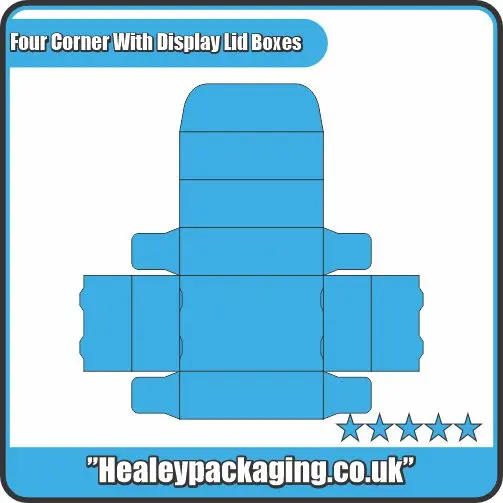
Four corner with display lid packaging combines a quick-forming tray with an...
Customise Now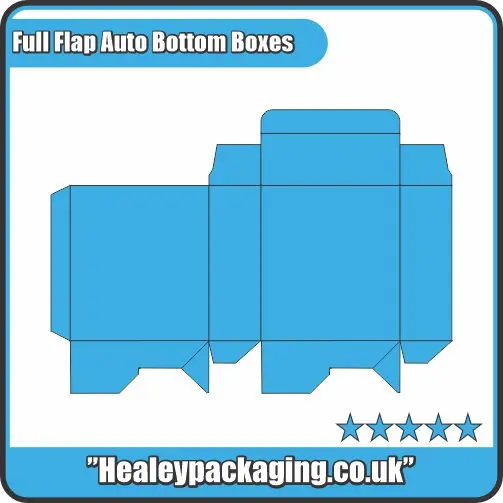
Full flap auto bottom packaging combines a fast-forming pre-glued base with overlapping...
Customise Now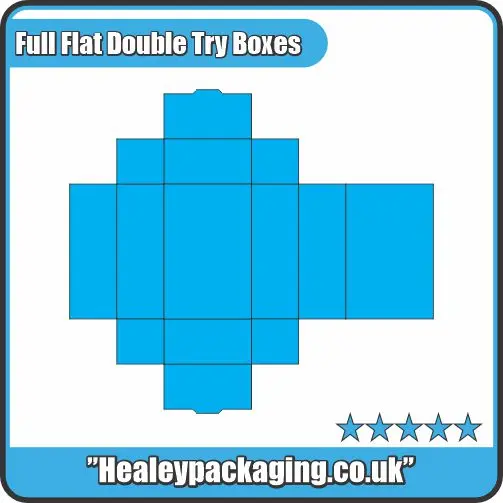
Full flat double tray packaging uses two flat-folding tray components to create...
Customise Now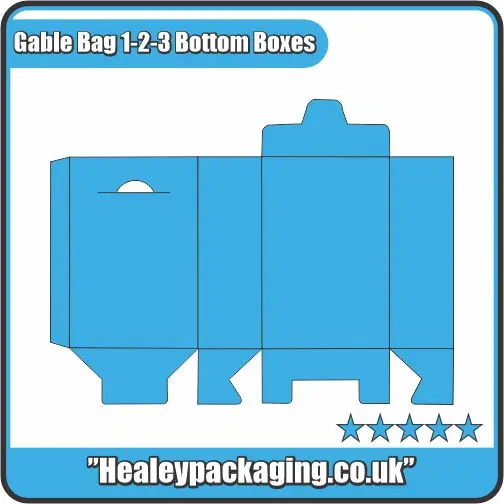
Gable bag auto bottom packaging combines the familiar carry-handle shape of a...
Customise Now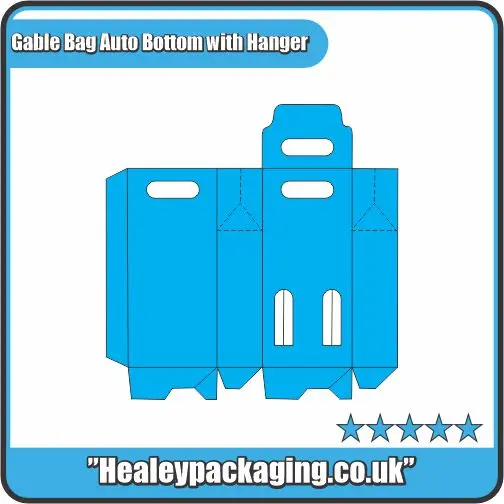
Gable bag auto bottom with hanger packaging combines a carry-handle profile, fast-forming...
Customise Now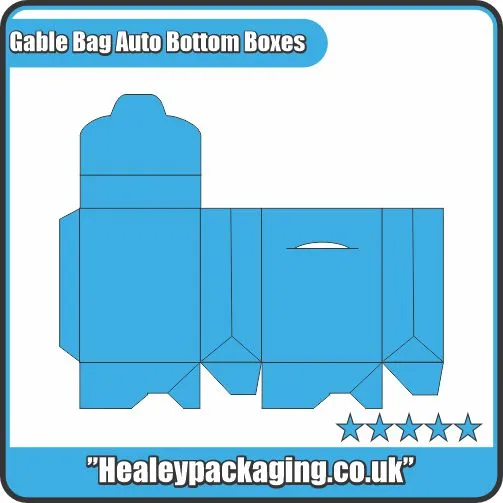
Gable box auto bottom packaging combines the distinctive gable-top profile with a...
Customise Now
Glass carrier packaging uses an integrated handle and internal separation to keep...
Customise Now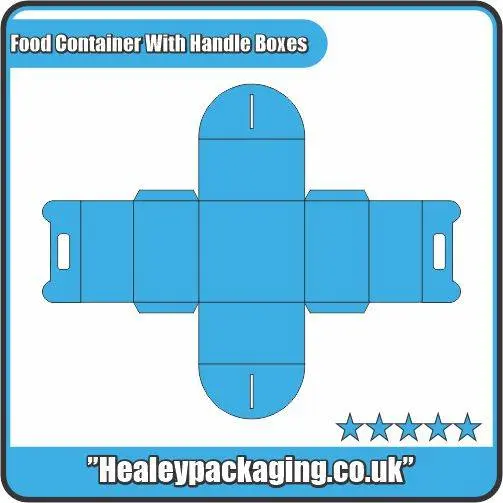
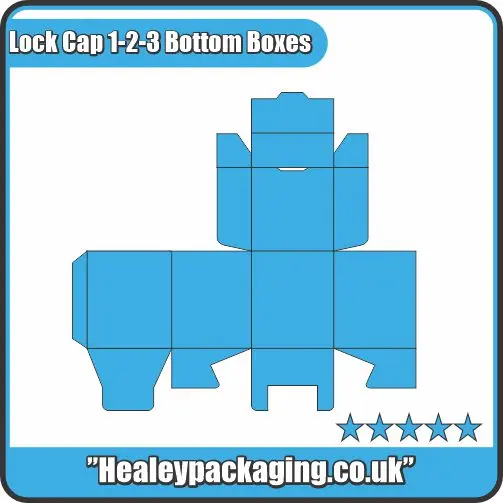
Lock cap 1-2-3 bottom boxes combine a secure interlocking base with a...
Customise Now
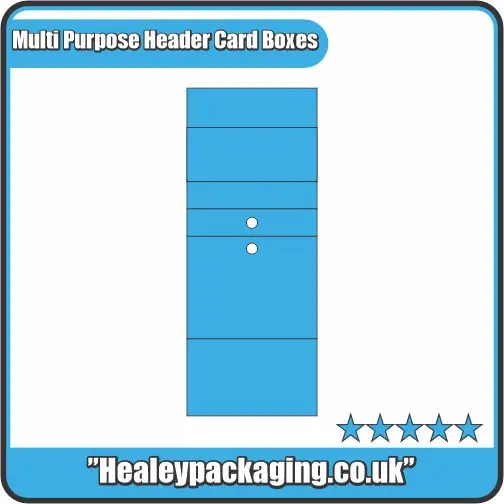
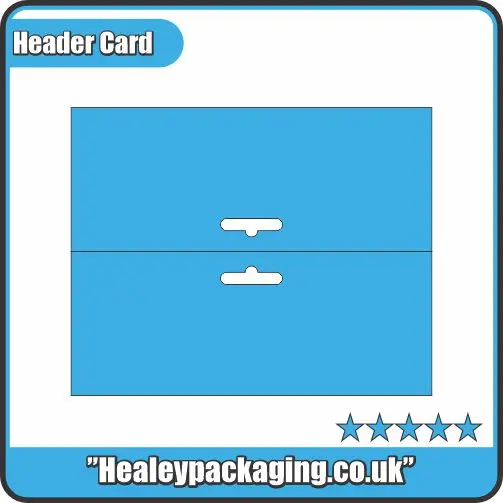
Multi purpose header cards are available in different types and sizes. Popular...
Customise Now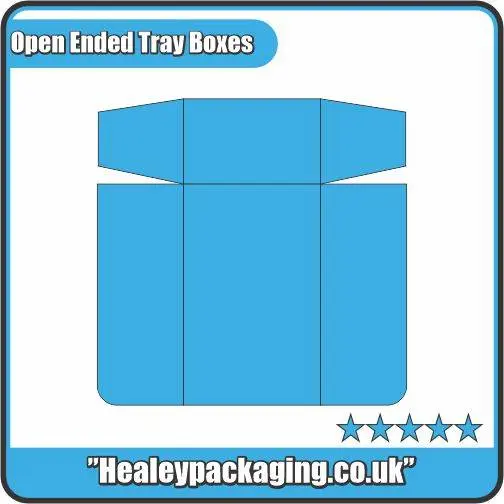
Open ended tray boxes provide quick product access, organised presentation and efficient...
Customise Now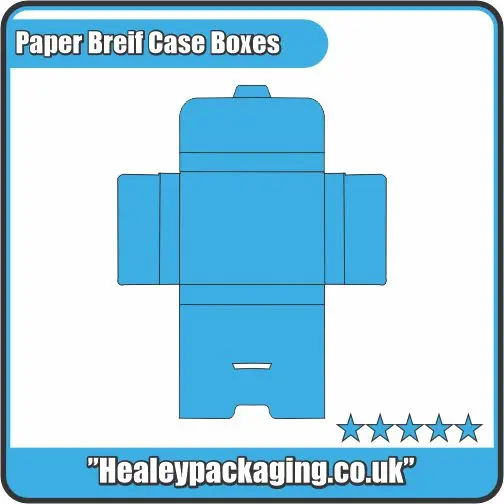
Paper briefcase boxes combine professional presentation with practical carrying convenience. Custom-made for...
Customise Now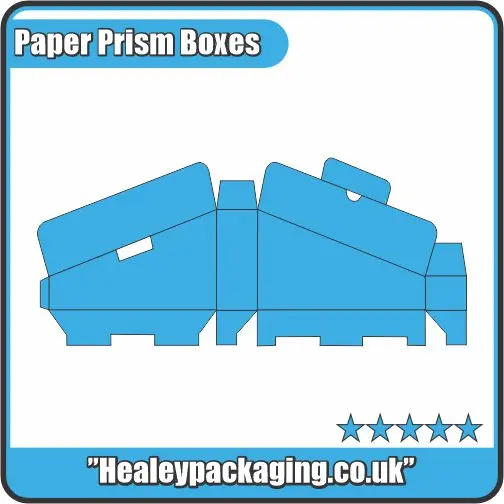
Prism boxes in appealing prism shapes are modern, custom-designed packaging! Unlike regular...
Customise Now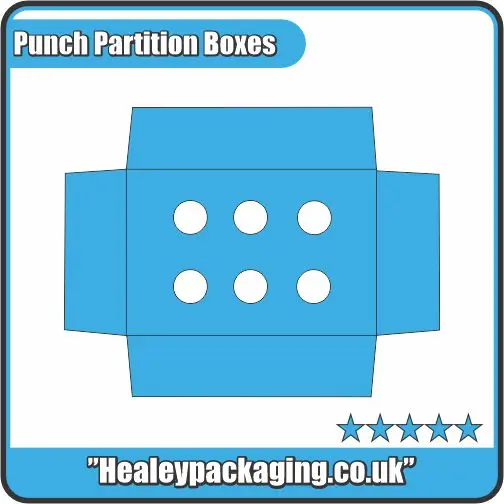
Punch partition packaging uses die-cut openings to locate and separate products inside...
Customise Now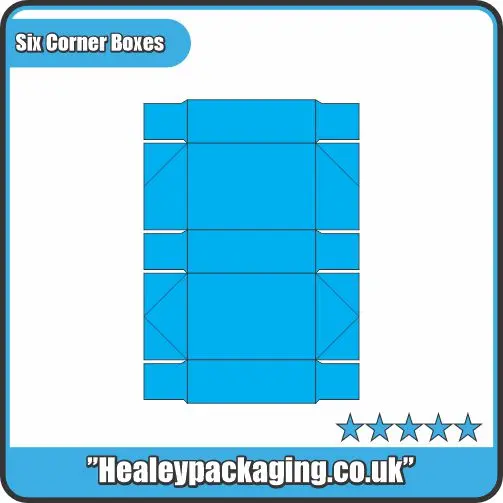
Regular six corner boxes use six reinforced corner points to form a...
Customise Now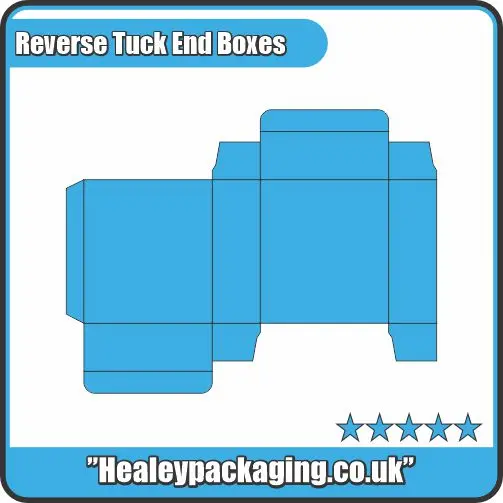
Reverse tuck end boxes offer quick assembly, compact flat storage and tidy...
Customise Now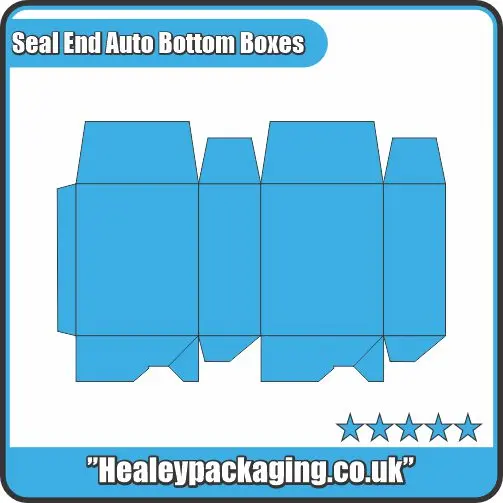
Seal end auto bottom packaging combines a pre-glued, fast-forming base with a...
Customise Now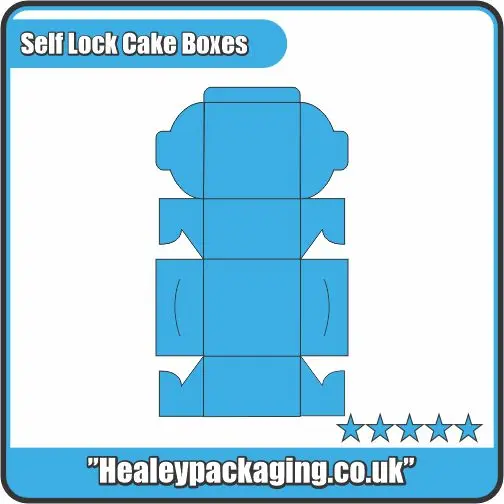
Self lock cake boxes use folding tabs and locking panels to create...
Customise Now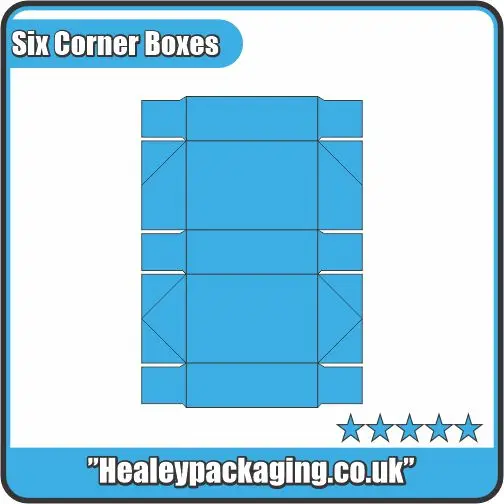
Side lock six corner packaging uses six formed corners with mechanical side-locking...
Customise Now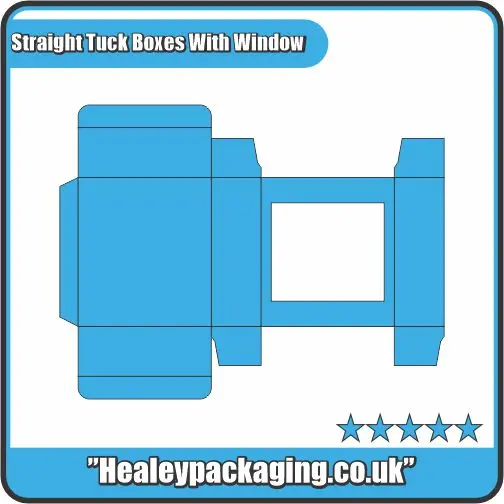
Straight tuck boxes with window combine aligned tuck closures with a product-viewing...
Customise Now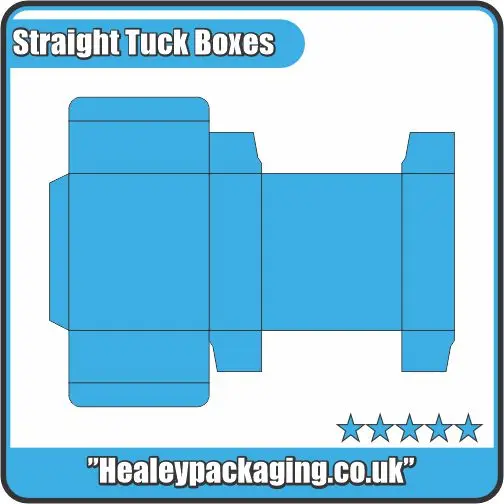
Straight tuck end boxes give retail products a clean, secure structure with...
Customise Now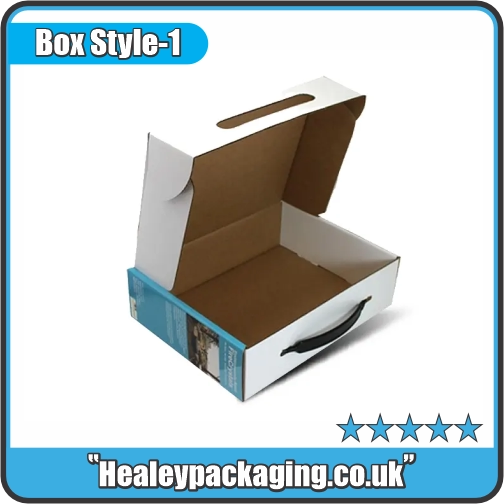
Custom suitcase boxes bring a carry-handle format to gifts, retail products and...
Customise Now
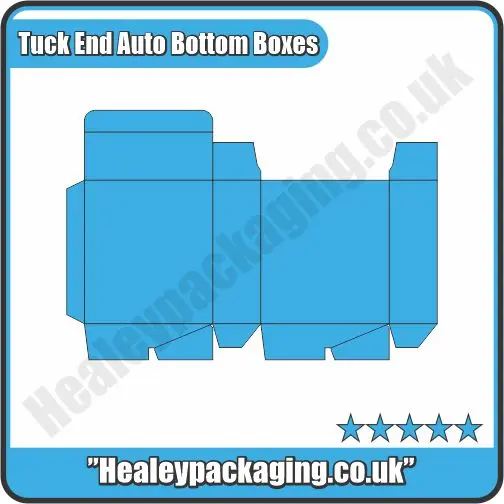
Tuck end auto bottom packaging combines a familiar tuck-top closure with a...
Customise Now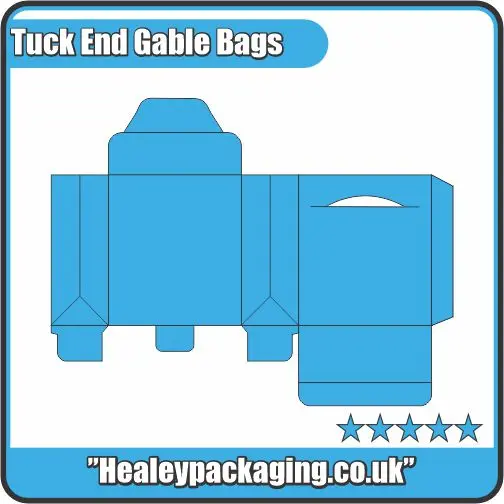
Tuck end gable bag packaging combines a carry-friendly gable profile with a...
Customise NowA box style should be selected around the product and packing process, not simply the appearance of the finished carton. Start with the product dimensions and weight, then consider how the box will be assembled, closed, opened, displayed and transported.
Confirm the finished size and packed weight so the structure has enough internal space and base support.
Decide whether simple manual folding, faster auto-lock assembly or a reinforced base is more appropriate.
Choose the closure around how the customer, packer or retailer needs to open and reclose the packaging.
Retail display, gifting and ecommerce can require different panel arrangements, protection and presentation.
The full box-style directory can then be used to compare the individual constructions that fit the job.
A structural box template describes how the packaging works. A production dieline converts that structural choice into the exact flat layout needed for the approved dimensions, board and artwork.
Defines the construction: panels, flaps, opening method, base style and general structural arrangement.
Use it to decide: which type of box best suits the product and packing job.Defines the exact flat layout, including panels, cut lines, crease lines, glue areas and artwork positioning.
Use it to prepare: the final artwork and production specification for the approved box.A structural style is not a fixed stock size. The finished product, board, required clearance, closure geometry and any internal support can all change the final production layout.
Measure the product in the condition in which it will actually be packed, including primary packaging where relevant.
Weight can affect board grade, base construction and whether a lightweight folding format is appropriate.
Allow enough space for practical packing and product removal without creating unnecessary movement or empty volume.
Locking tabs, tuck flaps, inserts or reinforced areas should follow the actual load and use of the finished pack.
Material construction affects folding behaviour, clearances and structural performance. The same box family may therefore need a different production layout when the board changes substantially.
Suitable for many printed folding cartons where precise creasing, compact construction and retail presentation are priorities.
Check: packed weight · closure · panel dimensionsCan suit folding cartons and sleeves where a natural brown surface supports the brand and the structure remains appropriate for the load.
Check: print contrast · folds · structural useUsed where the pack needs more rigidity, protection or distribution strength, with larger allowances around folds and closures.
Check: flute/build · clearances · locking detailsIt can affect crease allowance, panel clearance and closure geometry. Review the structural specification before transferring an existing dieline to a substantially different material. Compare packaging materials.
Artwork review and structural review answer different questions. The approved dieline should control print placement, while a physical sample can be useful where fit, assembly or opening behaviour needs to be assessed.
Sampling is especially useful when product fit, unusual closures or a new structure need practical confirmation.
Once a structure works, consistency becomes valuable. Retaining the approved dimensions, material and dieline helps reduce unnecessary changes across repeat orders, while related SKUs can reuse the same structural logic where product requirements allow.
Keep the approved internal and external dimensions linked to the correct product.
Retain the agreed material and closure construction unless the product requirement changes.
Use the approved version so artwork and structural details stay aligned.
Revisit fit, base strength and clearance when the packed product changes.
Review folds and closure geometry when board construction changes materially.
New assembly, delivery or display requirements may justify a different structure.
Packaging design support can help move a product requirement from structural concept to a manufacturable specification.
Real packaging work produced for customer brands.
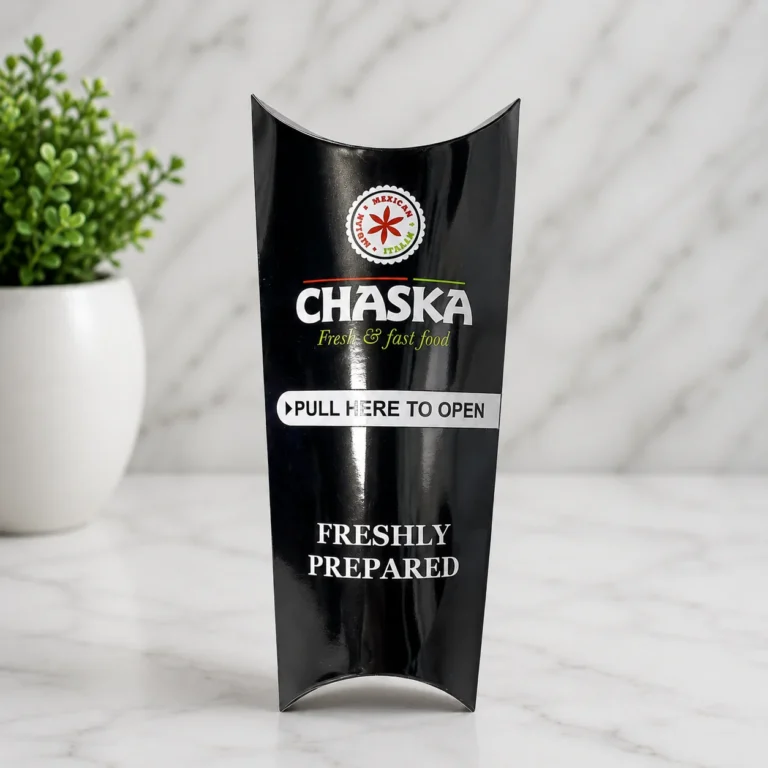
Healey Packaging produced custom pillow-style shawarma sleeves for CHASKA using 300gsm food-safe BSB card, full-colour CMYK...
View Case Study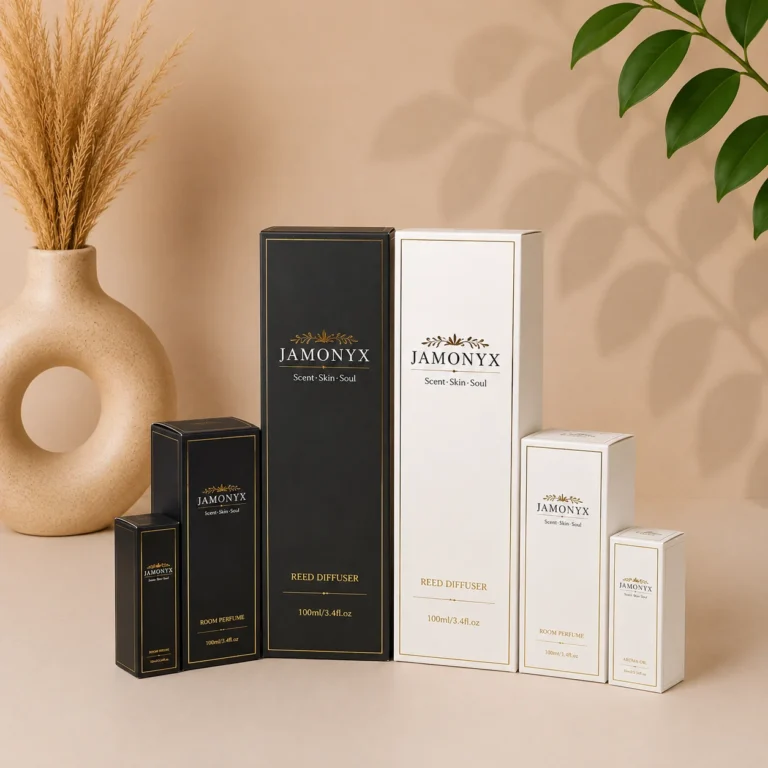
Healey Packaging produced 1,200 luxury reverse tuck boxes for JAMONYX across two black-and-white designs, three sizes,...
View Case Study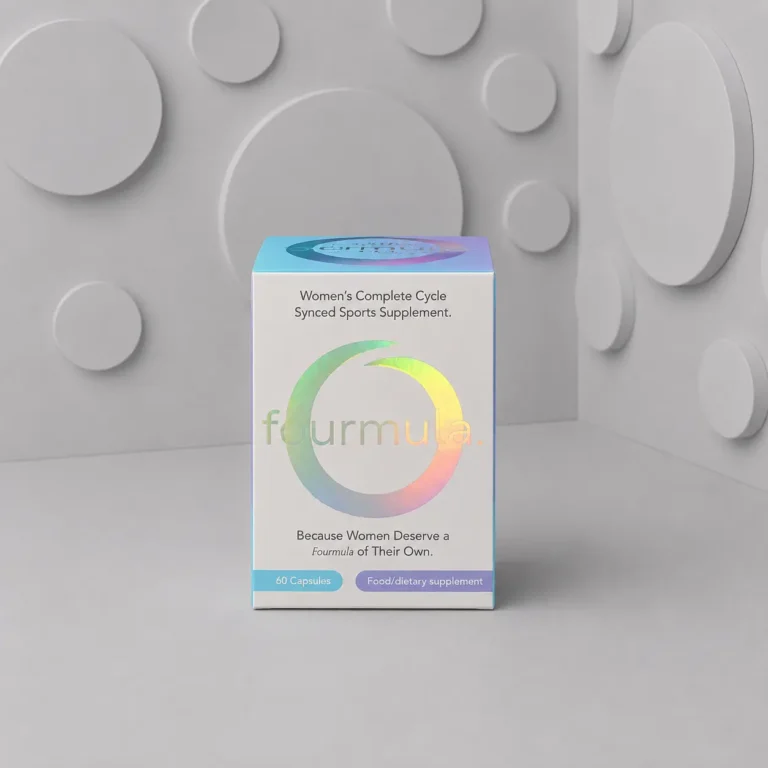
Fourmula started with 10 physical sample boxes for a compact supplement product, then moved toward a...
View Case Study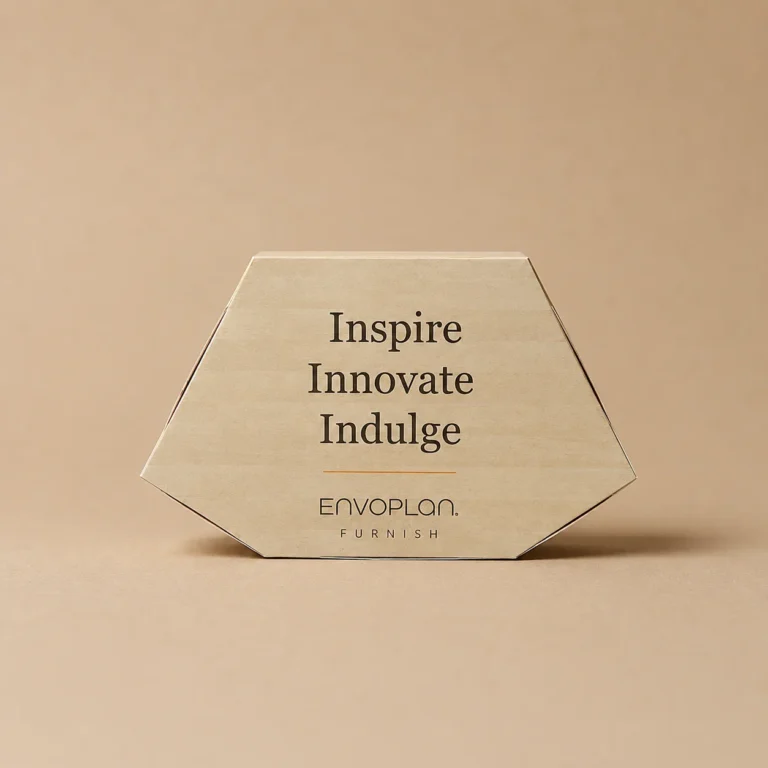
A bespoke shaped sweet box created for Envoplan Furnish events, produced across two 300-box runs with...
View Case StudyShare product size, quantity, use case and artwork status.
The right size, board and box style are reviewed.
A digital proof is prepared before production begins.
Boxes are printed, cut, folded and finished to specification.
Finished packaging is checked for structure and print quality.
Completed packaging is packed and delivered to your business.
From our customers
In our customers’ own words. Selected excerpts from company reviews on Trustpilot.
Review excerpt
Can’t recommend the company enough, especially Alex who worded with me patiently all the way.…
Review excerpt
Quick and thorough responses from Alex. Delivery was also fast, and within the lead time they gave, I would recommend.
Review excerpt
I had a great experience working with Healey Packaging, I love my new candle boxes.…
Review excerpt
We had a deadline they needed to meet for me and they did.…
Review excerpt
Had a very good experience with Healey. This is the second time we have used them…
Review excerpt
Great customer service, needed a quick turn around and assistance for custom packaging for my brand,…
Review excerpt
I looked through about 100 unhelpful suppliers, then found Healey Packaging.…
Review excerpt
Great quality product and excellent service from Alex.
Feedback relates to Healey Packaging and its service, rather than a rating of an individual product.
A packaging box template describes the structural construction of a box, including its panels, flaps, opening method, base and closure arrangement. Once the required size and material are confirmed, the selected structure can be developed into a production dieline for artwork and manufacturing.
A box template describes the general structural style, such as straight tuck end, auto-lock bottom, sleeve or tray. A production dieline is created for a specific size and specification and shows the exact panels, cut lines, crease lines, glue areas and artwork positions required for manufacture.
Start with the finished product dimensions and weight, then consider packing speed, protection, opening method, presentation and distribution. Lightweight retail products may suit tuck-end cartons, while auto-lock bottoms can reduce assembly time and reinforced or corrugated structures may be more appropriate where additional support is required.
Yes. Structural styles can be adapted around the finished product rather than being limited to a fixed stock size. The final dimensions should also account for board thickness, practical clearance, closure geometry and any inserts or internal support required.
Straight tuck end, reverse tuck end, auto-lock bottom, sleeve, tray, lid-and-base and display structures can all suit retail applications. The best option depends on product weight, shelf presentation, packing method, customer access and the required opening experience.
Yes. Board construction and thickness can affect crease allowances, panel clearances, closure fit and locking features. A dieline developed for lightweight folding board should therefore not automatically be transferred unchanged to substantially thicker board or corrugated material.
Artwork should be positioned after the structure, dimensions and material have been confirmed and the production dieline has been prepared. Designing against the final dieline helps ensure logos, text, barcodes and graphics are correctly positioned around panels, folds and cut edges.
Yes. An existing dieline or structural concept can be reviewed against the intended product and specification. Dimensions, folds, panel construction, material suitability and artwork positioning should be checked before sampling or production rather than assuming an existing file is immediately production-ready.
Yes, where the products have compatible dimensions, weights and packing requirements. Keeping an approved structure consistent across related SKUs can simplify repeat production, while artwork or dimensions can be adjusted where the individual product requires it.
Healey Packaging offers no minimum order requirement for custom packaging. Standard production is typically 7–10 working days after artwork approval, although specialist structures, materials, sampling or finishing requirements can affect the final schedule.
Share your product, size, material and quantity requirements. Our team will help you choose the right structure, print and finish.
Tell us your product, target look, and how you ship. We'll recommend the right board, print, and finish for performance.
 Apparel Packaging
 Bakery Packaging Boxes
 Bottle Packaging Boxes
 Candle Boxes
 CBD Packaging Boxes
 Cereal Packaging Boxes