Selecting the right packaging materials is integral to ensuring the protection, presentation, and sustainability of products across industries. From safeguarding fragile items to addressing the growing demand for eco-friendly packaging, the choices businesses make today significantly impact their supply chain effectiveness and environmental impact.
This guide explores the main types of packaging materials, their uses, strengths and limitations, helping businesses compare suitable options for storage, retail presentation and transport. By understanding the wide array of options, brands can make informed decisions, enhancing product integrity and consumer trust.
What Are the Main Types of Packaging Materials?
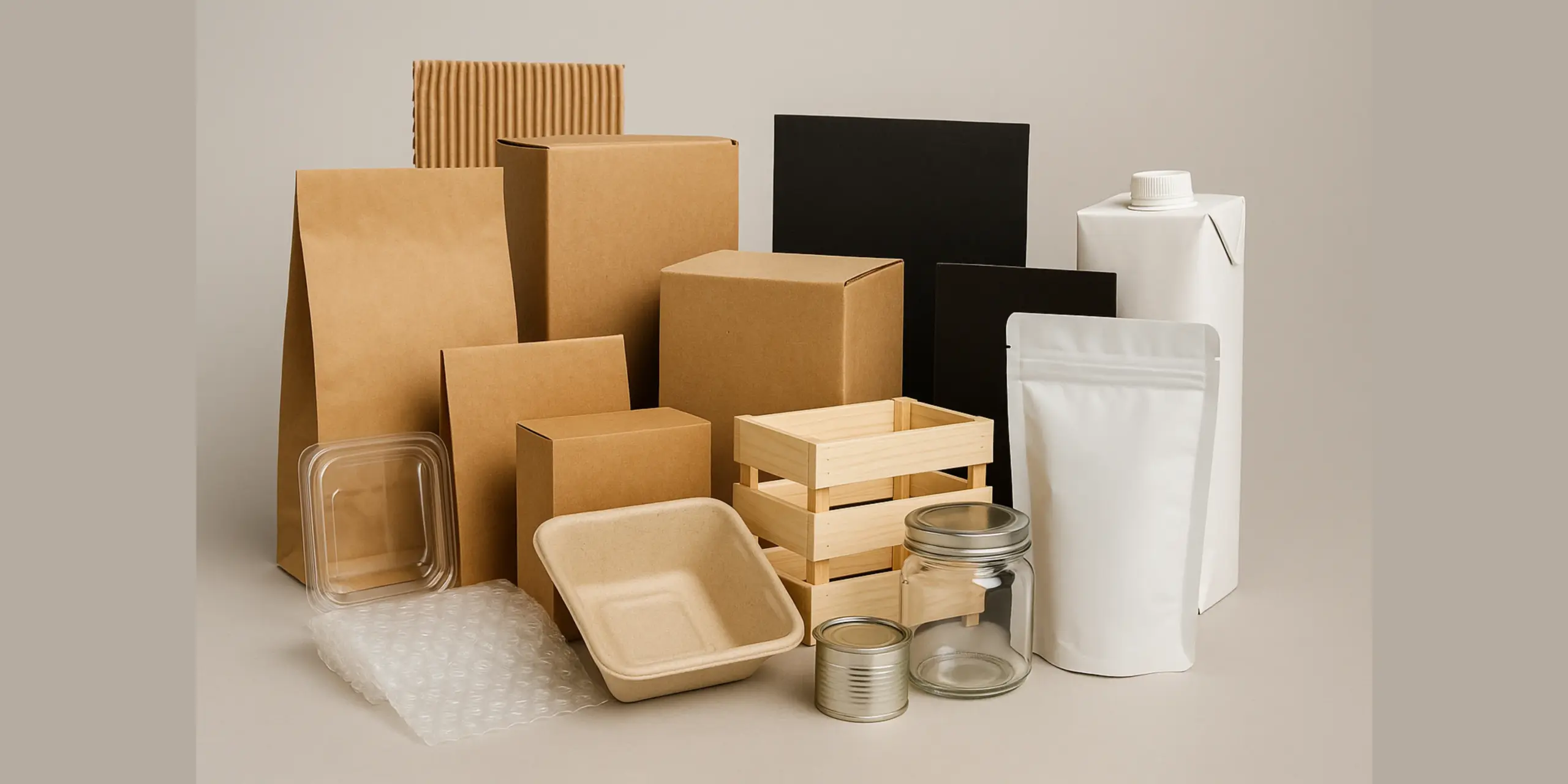
Common packaging materials include cardboard, corrugated board, kraft paper, solid bleached board, plastics, glass, metal and wood, alongside protective materials such as bubble wrap and newer fibre-based or compostable alternatives.
The right choice depends on what the packaging needs to do. Consider product weight and fragility, moisture or food-contact requirements, shipping conditions, print quality, cost, storage and how the finished packaging can be reused, recycled or otherwise managed after use.
The Importance of Packaging Materials in Industries
Packaging materials do more than protect a product. They influence how well goods survive storage and transport, how efficiently they can be packed, how the brand is presented, and how much material is used overall.
Different products also need different levels of strength, moisture resistance, print quality and cushioning. Lightweight retail items may only need paperboard, while heavier or fragile products often require stronger solutions such as corrugated boxes.
Choosing the right material helps businesses balance product protection, presentation, cost and end-of-life considerations. The best option is therefore not simply the cheapest or most sustainable-looking material, but the one that is genuinely fit for the product and its supply chain.
Choosing Packaging Materials at a Glance
- Cardboard and paperboard work well for lightweight retail packaging where print quality and presentation are important.
- Corrugated board provides greater cushioning and structural strength for e-commerce, shipping and heavier products.
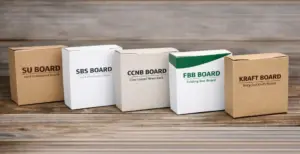
- Kraft board offers a natural appearance, while SBS provides a smoother white surface for detailed printing and premium presentation.
- Material choice should consider product protection, transport, storage, printing, cost and end-of-life requirements rather than appearance alone.
- Recyclability and environmental performance depend on the complete packaging construction, including coatings, laminates, adhesives and other components.
Plastic Packaging
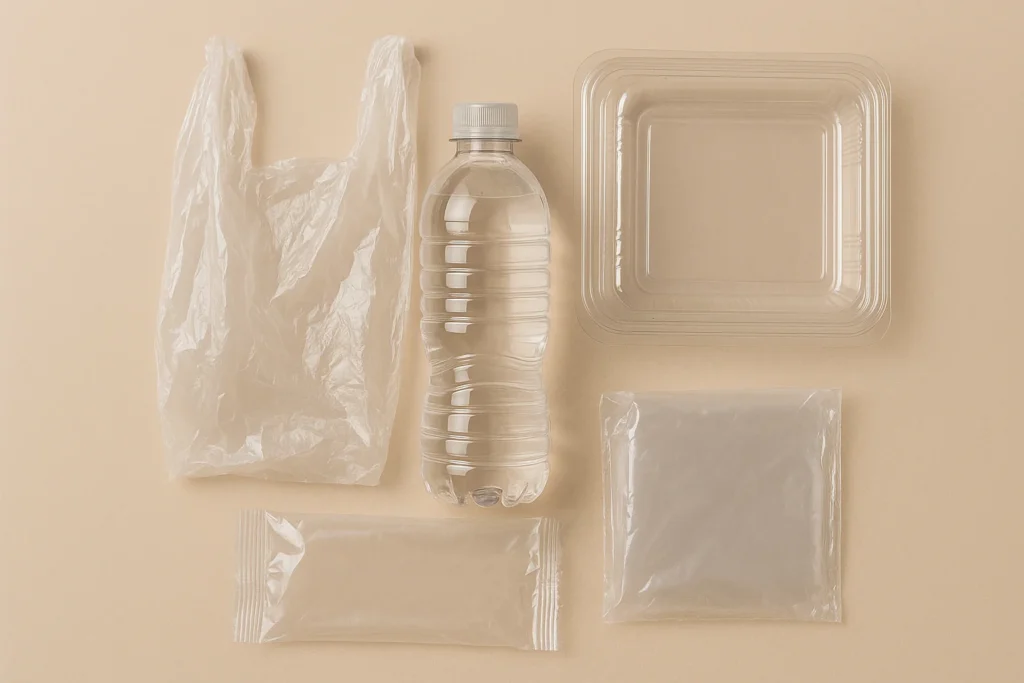
Plastic remains widely used in both consumer and industrial packaging due to its lightweight, durable, and versatile nature. From trays to shrink wraps, it’s relied on for both protective and display purposes.
However, plastic’s environmental reputation has led to the growth of biodegradable plastics and recyclable plastic films. In many sectors, especially food and retail, plastic is being replaced with alternatives such as plant-based films, sugarcane polymer, or recycled PET.
Cardboard

Cardboard is lightweight, recyclable, and easy to customise. It’s widely used across industries—from fashion and e-commerce to food and stationery.
Use Cases
- Subscription boxes, retail packaging, takeaway cartons
- Perfect for brands seeking recyclable material with good structural integrity
Benefits
- Made from renewable and recycled materials
- Available in finishes like laminated, kraft, and SBS (solid bleached sulfate)
- Many paper and cardboard packaging formats can be collected for recycling, although coatings, food contamination and mixed-material components can affect acceptance and recyclability.
Corrugated

Corrugated packaging consists of fluted cardboard sandwiched between liner boards, offering excellent shock absorption and strength. They are typically used for packaging heavier, fragile items such as glassware or appliances.
Common Uses
- Shipping fragile items
- E-commerce packaging
- Food delivery and logistics
Advantages
- Corrugated board is widely recyclable where suitable collection and reprocessing systems are available, although coatings, liners and other added components can affect the finished pack.
- Ideal for industrial composting in its raw form
- Can be customised with kraft or black card liners for enhanced branding
Their durability also makes them an eco-friendlier choice as they can be reused multiple times before recycling.
Kraft Card

Kraft card is a brown paper-based material made from wood pulp. It’s a popular biodegradable material known for its rustic aesthetic and environmentally friendly credentials.
Ideal Uses
- Bakery boxes, eco-friendly fashion packaging
- Product sleeves, tags, and bags
Why It Works
- Strong and tear-resistant, with a natural unbleached appearance. Its end-of-life options depend on coatings, inks, adhesives and the overall packaging construction.
- Reinforces a natural, ethical brand image
- Easily paired with black card for contrast in luxury products
Solid Bleached Sulfate (SBS)

SBS board is a premium, white-coated paperboard made from bleached virgin fibres. It is widely used for high-end packaging where print quality matters.
Applications
- Cosmetics, confections, medical and pharmaceutical boxes
Strengths
- Excellent surface for printing, embossing, or foiling
- Stiff yet lightweight—great for retail-ready displays
- Often paired with laminates or spot UV for enhanced aesthetics
Glass

Glass packaging, often used for beverages, cosmetics, and luxury food items, stands out for being non-reactive and 100% recyclable. It preserves taste and product integrity better than most other materials.
Although heavier and more fragile, its aesthetic value makes it ideal for brands targeting premium markets. Many glass containers are now produced using post-consumer recycled glass, reducing energy use and CO₂ emissions.
Metal

Metals like aluminium and tinplate are commonly used in cans, tins, and aerosols. Their strength and airtight seal make them ideal for products requiring long shelf life, such as beverages, canned foods, and cosmetics.
Aluminium is not only lightweight and strong but also infinitely recyclable without losing quality—one of the reasons it’s favoured by brands aiming for low-impact custom packaging solutions.
Bubble Wrap

When shipping fragile items, few materials match the good-old bubble wrap. Its cushion-based protection absorbs shocks effectively. Though it’s a form of plastic, bubble wrap deserves its own category due to its unique shock-absorbing structure.
Sustainability concerns have led to new versions made from recycled plastic, paper-based alternatives, or biodegradable options, helping reduce its environmental footprint without sacrificing performance.
Biodegradable Packaging

Biodegradable packaging materials like plant-based plastics and compostable films align with the global push for greener alternatives.
Biodegradable and compostable materials can suit certain applications, but their environmental benefit depends on the material, certification and whether suitable collection or treatment infrastructure is available. Businesses should avoid assuming that “biodegradable” automatically means recyclable or suitable for home composting.
Wooden Crates

Used predominantly in agriculture, art transport, and industrial shipping, wooden crates provide robust protection and can be reused multiple times. They’re also gaining popularity in premium gift packaging, where presentation matters.
Responsibly sourced wood, especially FSC-certified, enhances the material’s sustainability profile. And although bulkier than alternatives, wooden crates are often seen as high-value packaging by recipients.
Pouches

Lightweight and flexible, pouches are commonly seen in food packaging, such as for snacks, sauces, or pet food.
Benefits:
- Minimal storage space
- Frequently resealable, adding convenience
These materials like mylar or foil-backed plastic are highly adaptable, making them a versatile option across sectors.
Tetra Pak

Best known for its applications in the beverage sector, Tetra Pak combines paper, plastic, and foil layers.
Key Features:
- Long shelf life for perishable food items
- Lightweight and less space-consuming
Being recyclable further enhances its appeal in the modern packaging industry.
Sustainable Innovations
Emerging materials such as mushroom-based packaging, edible films, and seaweed derivatives are pushing the boundaries of sustainable packaging.
Benefits:
- Zero waste production
- Fully biodegradable solutions
Industries are rapidly adopting these for their reduced environmental impact and futuristic appeal.
How to Select the Right Packaging Materials?

When selecting the right packaging, consider factors like:
- Product type – What are you packaging? Fragile items demand different protection than liquids.
- Brand identity – Does the packaging align with your brand values, such as innovation or sustainability?
- Cost-effectiveness – Ensure materials meet performance needs within budget.
Wrapping It All up
Understanding the types of packaging materials available is key to making informed decisions that benefit consumers, the environment, and your bottom line. Whether it’s corrugated boxes for industrial use or eco-friendly packaging to resonate with green-minded customers, the options are vast and evolving.
Looking to upgrade your packaging supplies? Contact Healey Packaging today to explore sustainable, cost-effective solutions tailored to your business needs!
Common Questions About Packaging Materials
Practical answers to common questions about choosing, protecting and improving the environmental performance of packaging.
What factors should I consider when choosing packaging materials?
Consider the product’s size, weight and fragility, how it will be stored and transported, moisture or food-contact requirements, print quality, budget and the intended end-of-life route. The material should provide enough protection without adding unnecessary weight or complexity.
How can I make my packaging more environmentally responsible?
Start by using only the material needed to protect the product. Where suitable, choose packaging that can be reused or recycled through established collection systems, reduce unnecessary mixed materials and consider recycled or responsibly sourced fibre. Coatings, laminates and other components should also be considered because they can affect recyclability.
Why is sustainable packaging important?
Well-designed packaging can reduce unnecessary material use and make recovery or recycling easier while still providing the protection a product needs. For UK businesses, packaging design is also becoming increasingly connected with producer-responsibility and recyclability requirements.
What is the role of bubble wrap in packaging?
Bubble wrap provides cushioning around fragile products and helps absorb impacts during handling and transport. Its use should be based on the level of protection required, and businesses can also consider suitable paper-based cushioning or corrugated inserts where these meet the same performance needs.
What is the difference between cardboard and corrugated packaging?
Cardboard or paperboard is generally a solid sheet material used for cartons and retail boxes. Corrugated board combines liner sheets with a fluted inner layer, giving it greater cushioning and compression strength for shipping and heavier products.
Which packaging material is best for shipping?
Corrugated board is widely used for shipping because its fluted structure provides cushioning and stacking strength. The correct flute, board grade and box construction should still be selected according to product weight, fragility and distribution conditions.