
AI for Small-Business Packaging at a Glance
- AI can help generate early packaging concepts and artwork variations, but final files still need technical and production checks.
- Forecasting tools can use sales and inventory data to support packaging stock planning and reorder decisions.
- AI can help compare packaging options, but material performance, recyclability and compliance claims should be verified independently.
- Personalisation tools can support different artwork versions, campaigns and customer segments when the print process allows variable content.
- QR codes, RFID and sensors are smart-packaging technologies; AI can work with the data they generate, but the technologies themselves are not automatically AI.
- Small businesses usually get more value by applying AI to one defined packaging problem first rather than trying to automate the whole process.
Introduction: The AI Shift Every Small Business Should Know
AI isn’t just a buzzword reserved for Silicon Valley. It’s already transforming how small businesses package, present, and sell their products. From intelligent design tools to predictive inventory systems, AI is making once-complex tasks simpler and more affordable.
In a world where every detail of your packaging affects how customers perceive your brand; AI is no longer optional — it’s your competitive edge. Whether you’re a startup selling handmade candles or an established online boutique, this blog will show you how AI can enhance your packaging process, reduce costs, and delight your customers.
How Can Small Businesses Use AI for Packaging?
Small businesses can use AI to support packaging tasks such as early design concepts, artwork variations, demand forecasting, stock planning, customer personalisation and data analysis. It can reduce repetitive work and help teams compare options more quickly.
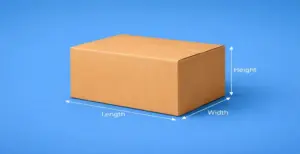
AI should support rather than replace packaging expertise. Final dimensions, dielines, materials, print specifications, legal requirements and production proofs still need to be checked before packaging goes into manufacture.
What Does “AI in Packaging” Actually Mean?
AI in packaging refers to the use of artificial intelligence tools to optimise packaging design, production, logistics, and marketing. This includes:
- AI-driven design tools that generate dielines, 3D mockups, and artwork ideas
- Smart material selection for sustainability and cost-efficiency
- Predictive analytics for ordering packaging stock
- Personalised customer experiences via variable data printing and interactive features
It also covers smart packaging with embedded tech such as QR codes, RFID tags, and freshness sensors that connect packaging with data.
Why AI Is a Game-Changer for Small Businesses?
The myth that AI is costly or only for big brands is outdated. Today, cloud-based AI tools are plug-and-play, often integrated into platforms small businesses already use.
Here’s how AI benefits SMEs:
- Cost efficiency: Reduces design errors and material waste
- Speed: Automates packaging design and production workflows
- Personalisation: Enables dynamic, custom packaging for different markets
A local candle brand used AI-generated mockups to test packaging designs, cutting the turnaround time from 5 days to just 1.
How AI Can Transform Your Packaging Process?
A. AI-Driven Packaging Design
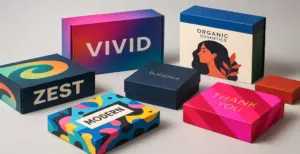
Tools like Canva AI or Esko Automation Suite can generate packaging dielines, suggest colour palettes, and create brand-consistent artwork in minutes.
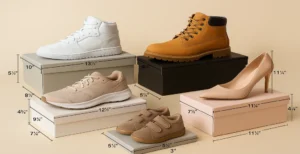
- Auto-resizing based on product dimensions
- Predictive style matching for target audiences
- Realistic 3D mockups for faster approvals
B. Smart Material Selection
AI tools can now analyse environmental impact, price, and durability of packaging materials. For eco-conscious businesses, it can recommend recyclable or biodegradable options like kraft paper or corrugated board.
- Suggests optimal wall strength to reduce waste
- Finds cost-saving alternatives to plastic wraps
C. Inventory & Demand Forecasting
By tracking sales trends and customer behaviour, AI predicts when and how much packaging you’ll need.
- Prevents over-ordering or running out of stock
- Reduces storage costs and material waste
D. AI for Marketing & Personalisation
Using AI tools, businesses can:
- Personalise packaging with customer names or themes
- Use QR codes to link to exclusive content
- Print unique designs per customer segment or region
E. Sustainable Packaging Through AI
AI helps you stay compliant with UK/EU eco regulations while enhancing your brand’s green credentials:
- Evaluates the carbon footprint of each packaging option
- Suggests alternatives based on lifecycle analysis
The Rise of Smart Packaging (AI Meets Functionality)
Beyond the box, AI powers interactive and intelligent packaging features:
- QR codes for digital storytelling or instructions
- NFC/RFID tags for tracking shipments
- Sensors to detect freshness or tampering
“In 2026, smart packaging isn’t just cool — it’s expected.”
Real-World Examples: AI Packaging in Action
- Food brand: Used AI to redesign packaging shapes and cut shipping costs by 12%.
- Beauty brand: AI-generated labels led to a 25% rise in customer engagement.
- eCommerce brand: AI reorder tools eliminated last-minute box shortages.
Insight Box
Small businesses using AI packaging tools report 20–40% faster workflows and stronger customer retention.
Common Myths About AI in Packaging
| Common Assumption | More Useful Reality |
|---|---|
| AI is always expensive | Entry-level and subscription tools are available at different price points, so costs depend on the task and platform. |
| AI replaces creativity | AI can support ideation and repetitive tasks, while brand, structural and production decisions still require human judgement. |
| AI is only useful for large brands | Small businesses can use AI for focused tasks such as concept development, forecasting and content preparation. |
| AI automatically makes packaging better | AI output still needs to be checked against product dimensions, materials, print specifications and manufacturing requirements. |
How to Get Started with AI Packaging (Step-by-Step)
- Identify your biggest packaging challenge (e.g., time, cost, waste)
- Try a free AI design tool (e.g. Canva, Adobe Firefly)
- Start with one SKU or seasonal product
- Track time saved and print accuracy
- Scale once you see results
Future Outlook: The AI-Powered Packaging Industry in 2026
Expect these changes:
- On-demand printing using AI-driven templates
- AI systems that recommend optimal box sizes per order
- AI-integrated eco audits before material sourcing
“The brands that embrace AI today will lead tomorrow.”
Common Questions About AI in Packaging
Practical answers for small businesses using AI for packaging design, planning, personalisation and production workflows.
What does AI in packaging mean?
AI in packaging refers to using artificial-intelligence tools to support tasks such as concept development, artwork preparation, demand forecasting, inventory planning, data analysis and personalisation. Its role depends on the specific packaging workflow rather than one universal application.
Can small businesses use AI for packaging design?
Yes. AI tools can help generate visual directions, colour ideas, artwork variations and early mock-ups. However, production artwork should still be checked against the approved dieline, dimensions, bleed, print process and supplier requirements before manufacture.
Can AI create a print-ready packaging dieline?
AI can assist with concepts and preliminary structural ideas, but a production dieline should be based on the actual product dimensions, board specification, box style and manufacturing tolerances. Final structural files should be checked by the packaging supplier or designer before production.
How can AI help with packaging stock and ordering?
Forecasting systems can analyse information such as previous sales, seasonality and stock movement to support reorder planning. The quality of the recommendation depends on the data supplied, so lead times, minimum production requirements and unexpected demand changes still need human oversight.
Can AI choose more sustainable packaging materials?
AI can help organise and compare information about materials, weight, cost and environmental criteria, but it should not be treated as proof that a pack is recyclable, compostable or compliant. Those claims should be verified against the actual material specification, finished construction and relevant requirements.
Are QR codes and RFID tags examples of AI packaging?
Not by themselves. QR codes, RFID and NFC are technologies used to connect packaging with digital information, identification or tracking systems. AI may analyse or act on the data generated by those systems, but the tag or code itself is not artificial intelligence.
Will AI replace packaging designers?
AI is better treated as a supporting tool. Packaging still requires decisions about product fit, structure, materials, print production, brand requirements and manufacturing feasibility that need informed human review.
Final Thoughts: Smarter Packaging, Stronger Brand
AI is changing the way we think about packaging. It’s not just a backend tool — it’s a brand builder. By combining automation, personalisation, and sustainability, small businesses can punch far above their weight.