
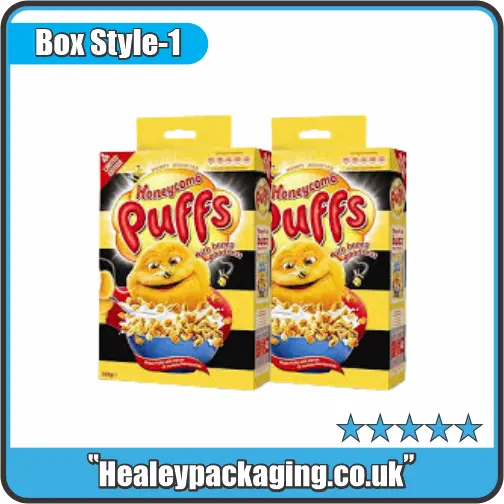
 Popular
Breakfast Cereal Boxes
A cereal carton looks simple until it reaches a filling line. If...
View Breakfast Cereal BoxesCereal packaging should fit the filled inner bag while supporting shelf presentation and handling. Our custom cereal boxes are made to your required dimensions, with suitable board structures and custom printing for retail, ecommerce and wholesale cereal ranges across the UK.
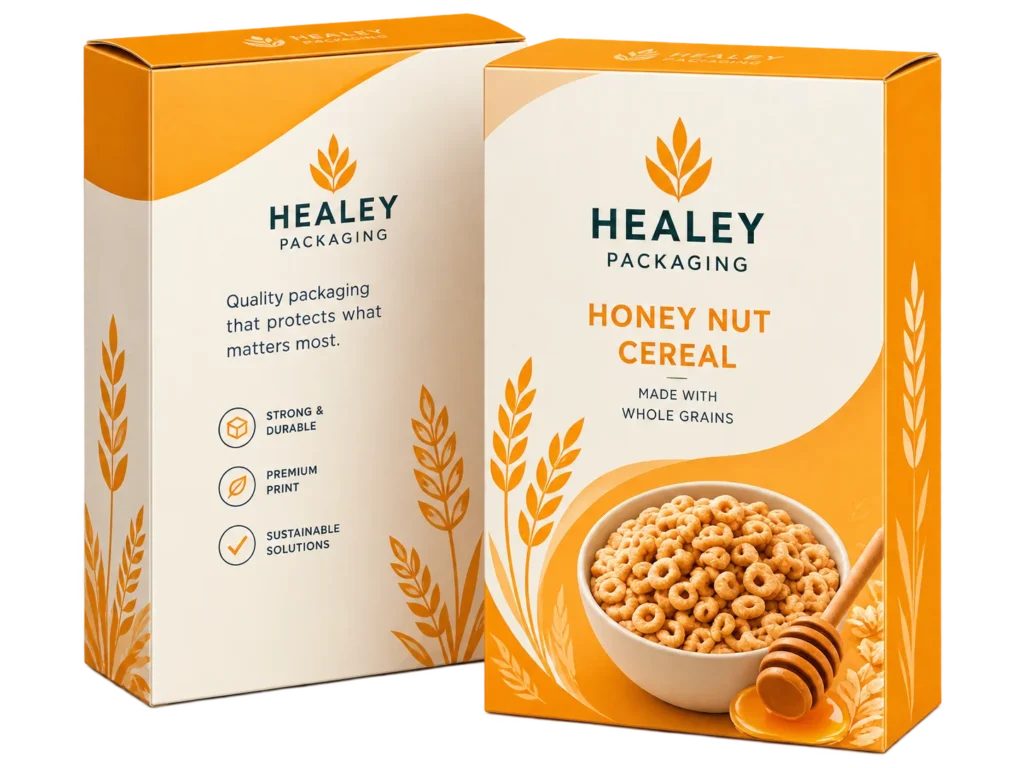
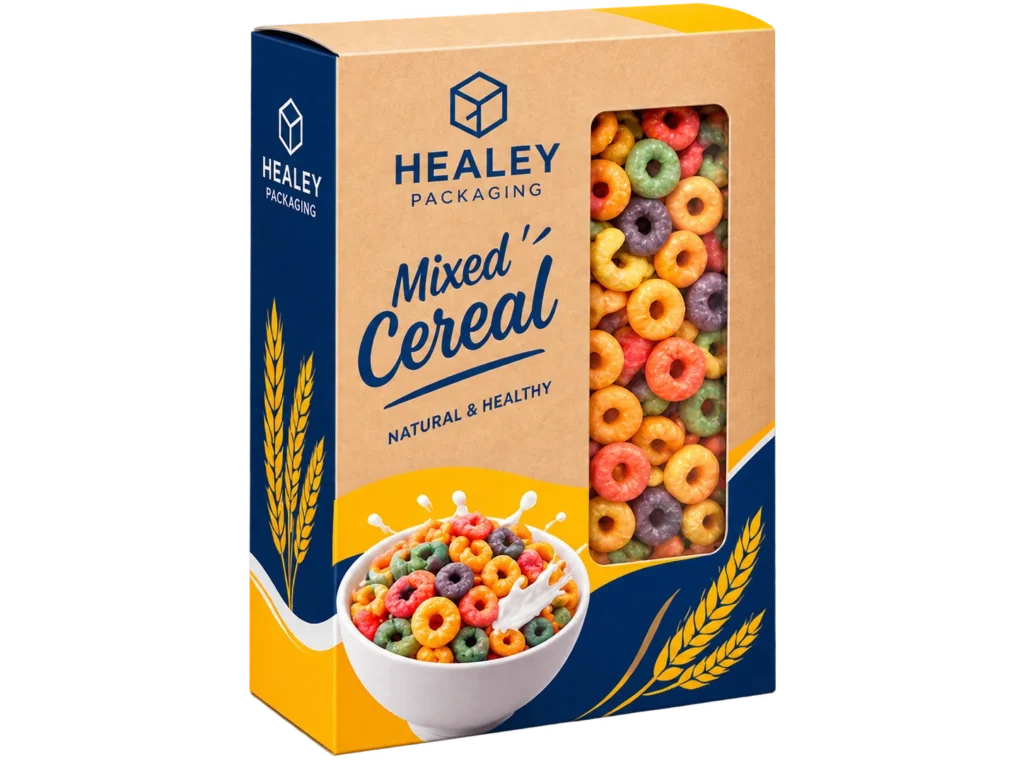
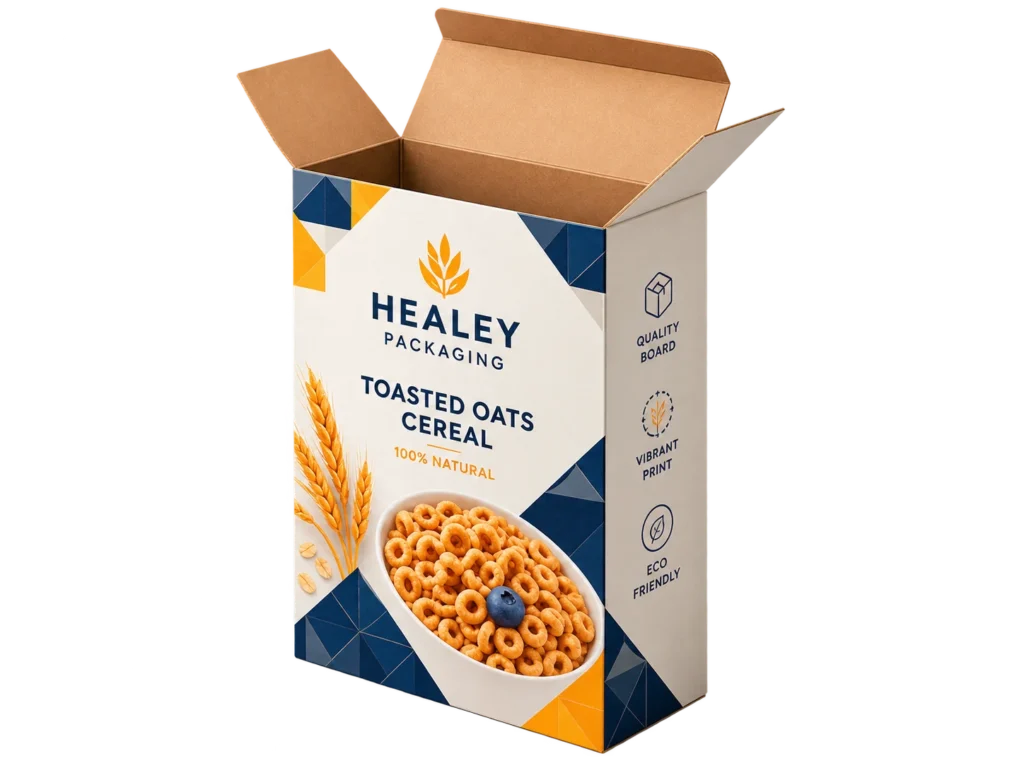
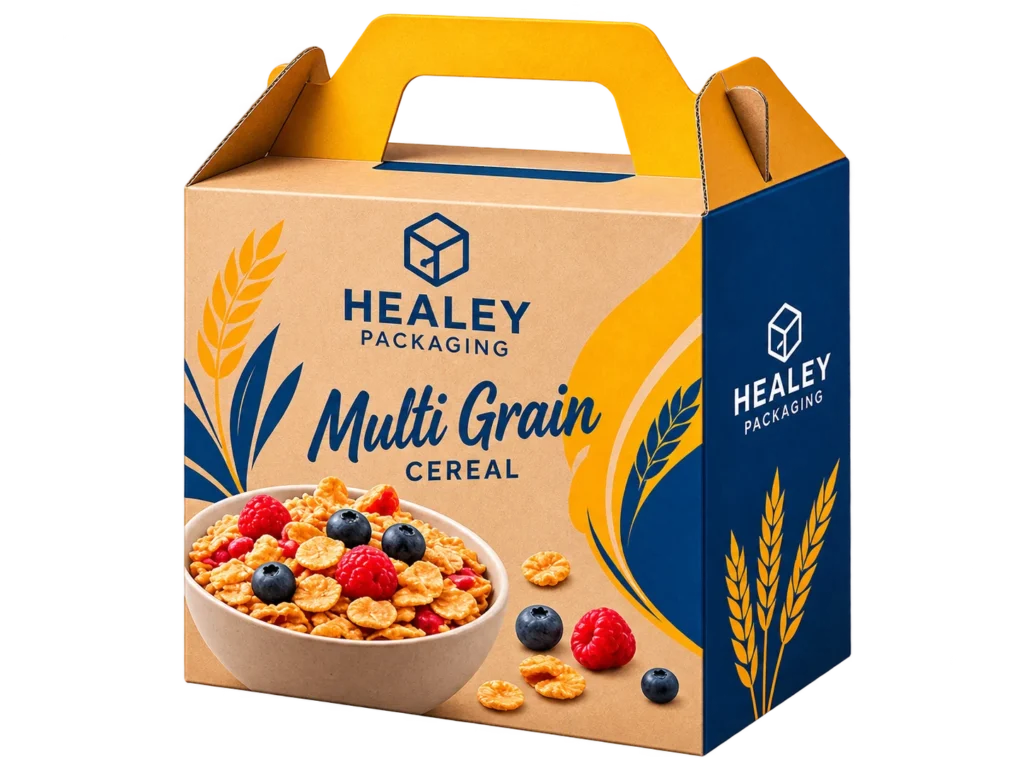
Browse cereal boxes and food cartons for dry goods, breakfast products and retail shelf display.
Popular
A cereal carton looks simple until it reaches a filling line. If...
View Breakfast Cereal Boxes Best Seller
Cornflakes look light in a bowl, but they’re fragile in transit. If...
View Corn Flakes Cereal Boxes Most Ordered
Cereal boxes look simple, but anyone selling breakfast products knows they can...
View Custom Cereal Cardboard Boxes Custom
Cereal brands spend months refining recipes, flavours, and nutrition panels. The box...
View Custom Gable Cereal Boxes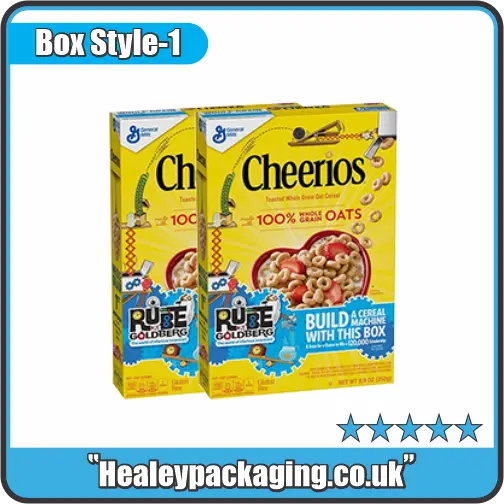 Premium
Rube Goldberg cereal boxes are not standard cartons. They are often made...
View Custom Rube Goldberg Cereal Boxes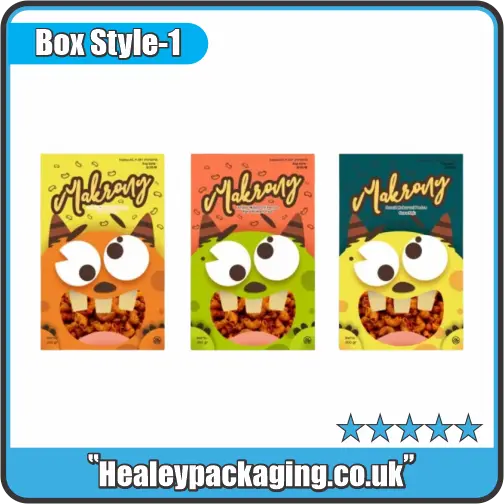
Most cereal boxes look fine on screen, then struggle once they hit...
View Custom Unique Cereal Boxes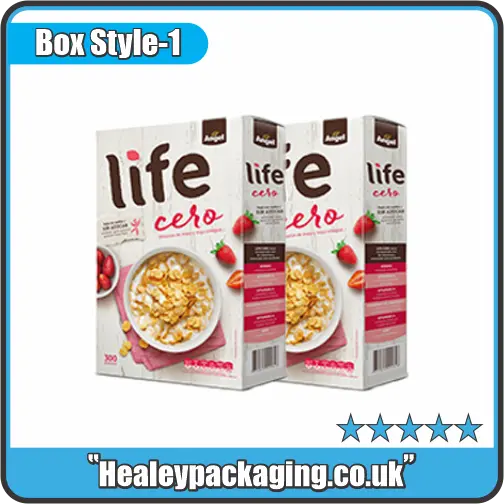
White cut cereal cartons are used when brands want a clean base...
View Custom White Cut Cereal Boxes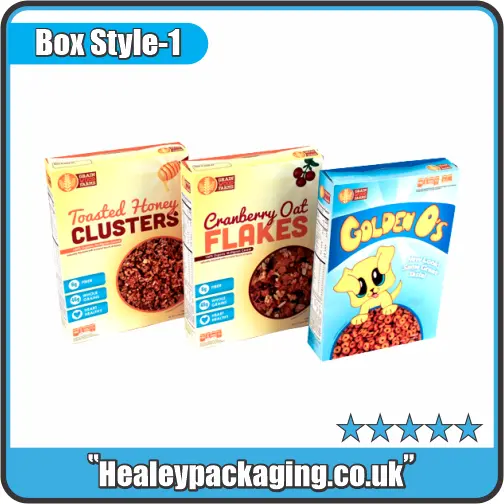
Some cereal cartons include cut sections instead of full panels. These are...
View Die Cut Cereal BoxesCereal cartons should reflect the filled inner pack, product density, serving format and route to market. Lightweight flakes, dense granola and family packs can share one brand system without needing the same carton dimensions or board grade.
Standard retail cartons need enough depth for the filled inner bag while remaining stable and easy to merchandise on shelf.
Higher product density can increase finished pack weight while using less volume, so carton stiffness and headspace should be checked together.
These ranges often need a clear information hierarchy so product type, variant and nutrition-led messaging remain easy to distinguish.
Use recognisable range graphics, clear flavour differentiation and accessible product naming without overcrowding the front panel.
Outer cartons can be planned around individual sachets, inner bags or larger family formats, depending on pack count and serving format.
Small packs need efficient case packing, while multipacks should hold individual units in a predictable arrangement for handling and display.
An empty film bag can look much smaller than it does after filling. Use the real packed shape, including gussets, seals, product settling and loading clearance, before the cereal carton dieline is finalised.
The final footprint is shaped by more than flat film width and height.
Use the widest point after filling. Side or bottom gussets can significantly change the carton depth and overall footprint.
Dense granola can occupy a different volume from flakes or puffed cereal at the same declared weight.
Allow enough room for sealing and insertion without creating unnecessary empty carton volume or uncontrolled movement.
Hand-packing and automated cartoning can require different tolerances, opening behaviour and dimensional consistency.
Test the structure against a representative filled inner bag wherever possible. Our packaging design services can translate confirmed pack dimensions into a practical carton structure.
Surface appearance matters, but structural performance comes first. Select the board family and grade around the carton dimensions, finished pack weight, printing requirement and expected handling.
Smooth folding boxboard suits many retail cereal cartons where clean graphics, fine text and consistent brand colour are important.
Kraft provides a natural fibre appearance for artisan or wellness-led ranges. Artwork should be planned around the darker substrate.
Recycled grades can be considered where recycled content is a project priority, provided the chosen surface and stiffness suit the artwork and packed load.
Corrugated structures suit ecommerce, multipacks and outer distribution packaging where handling strength matters more than a conventional folding-carton profile.
The sealed primary pack and printed secondary carton do different jobs. Treating them as one system helps avoid expecting paperboard to provide freshness or direct food-contact performance it was not specified to deliver.
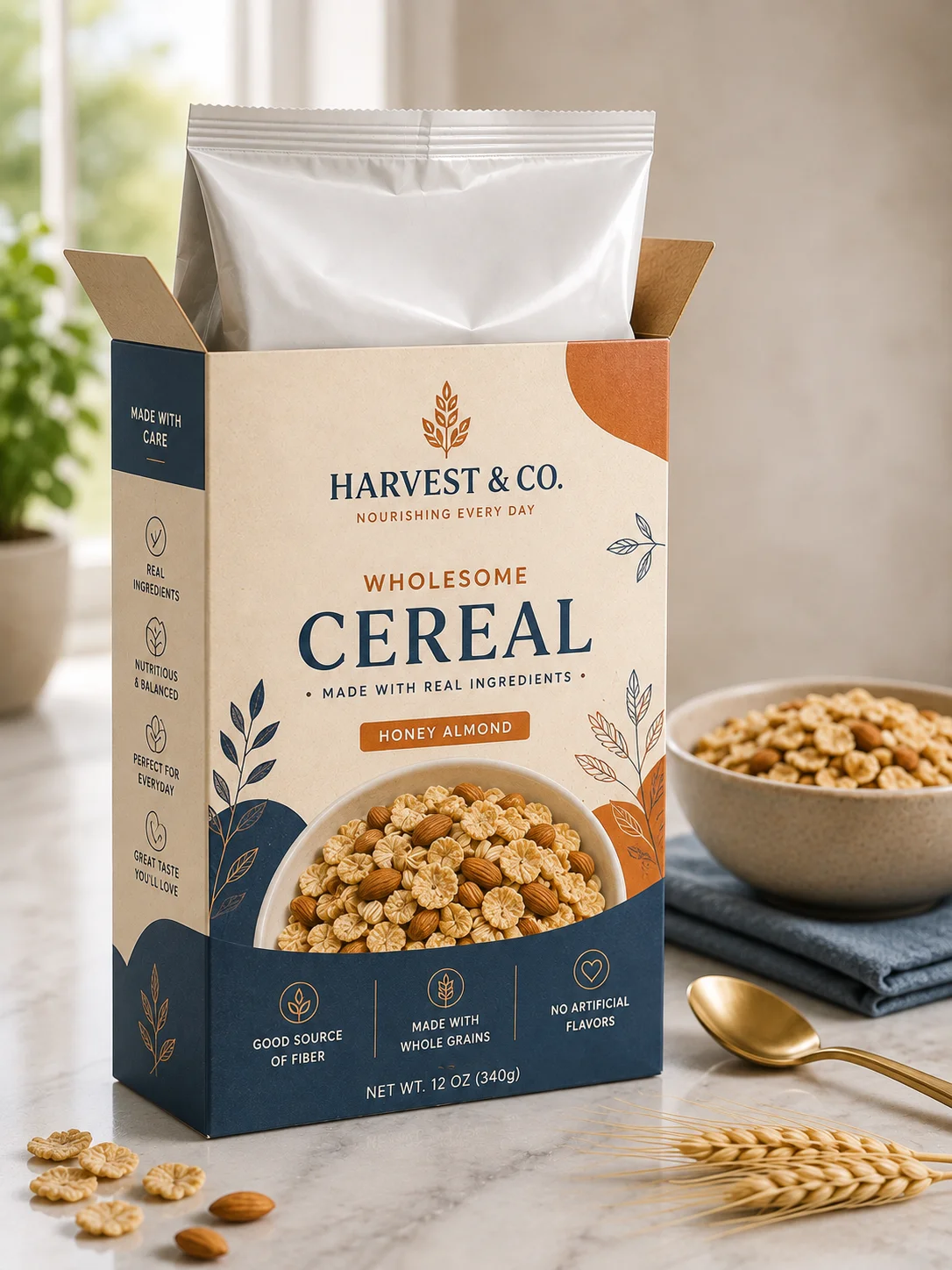
The sealed inner bag or other primary pack normally manages direct contact, the required barrier performance and seal integrity.
The printed carton adds structure, stacking support, information space and retail presentation around the sealed inner pack.
Humidity, compression, handling and warehousing conditions can still affect carton stiffness and the performance of the complete pack.
Product formulation, primary barrier packaging, seal integrity, filling conditions and storage all contribute to shelf-life performance.
Cereal packaging needs to establish the brand, distinguish variants and leave enough room for product information. Build that hierarchy first, then use finishes selectively where they support the pack rather than compete with it.
Keep the main brand, cereal type and core front-panel hierarchy recognisable across the range.
Use controlled colour, naming and graphic systems to distinguish variants without making related products look disconnected.
Reserve practical panel space for approved product, nutrition, ingredient, barcode and retail information before decorative layers are added.
CMYK, Pantone references, matt or gloss surfaces, foil and Spot UV can be considered according to the selected board and brand direction.
Retail shelves, point-of-sale display and ecommerce place different demands on the structure. Use the main packaging job, filled weight and packing method to narrow the format before artwork begins.
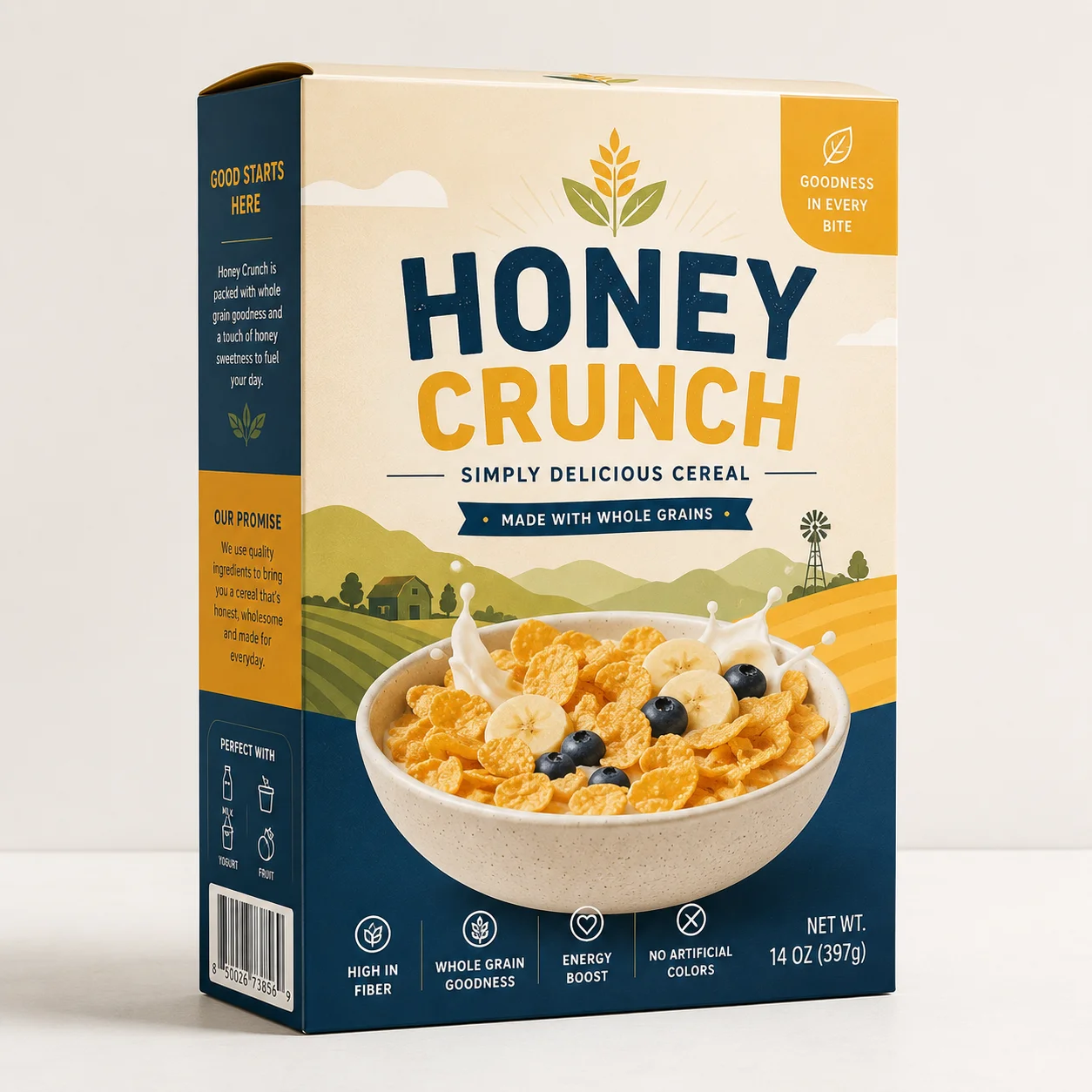
Straight or reverse tuck formats suit many lighter cereal packs where flat storage, efficient conversion and clear shelf presentation matter.
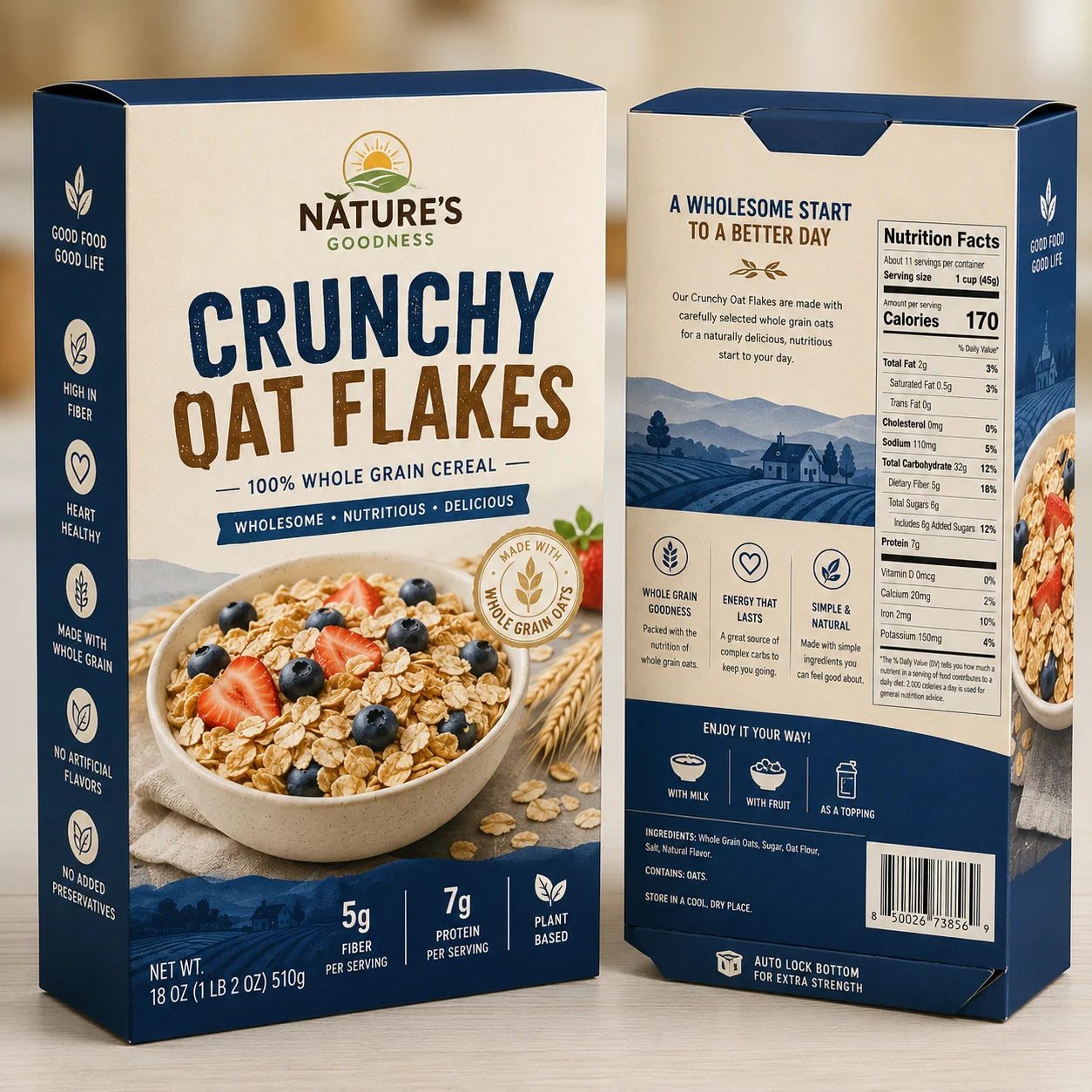
Stronger base structures can support denser granola, muesli or larger packs where the lower carton carries more load.
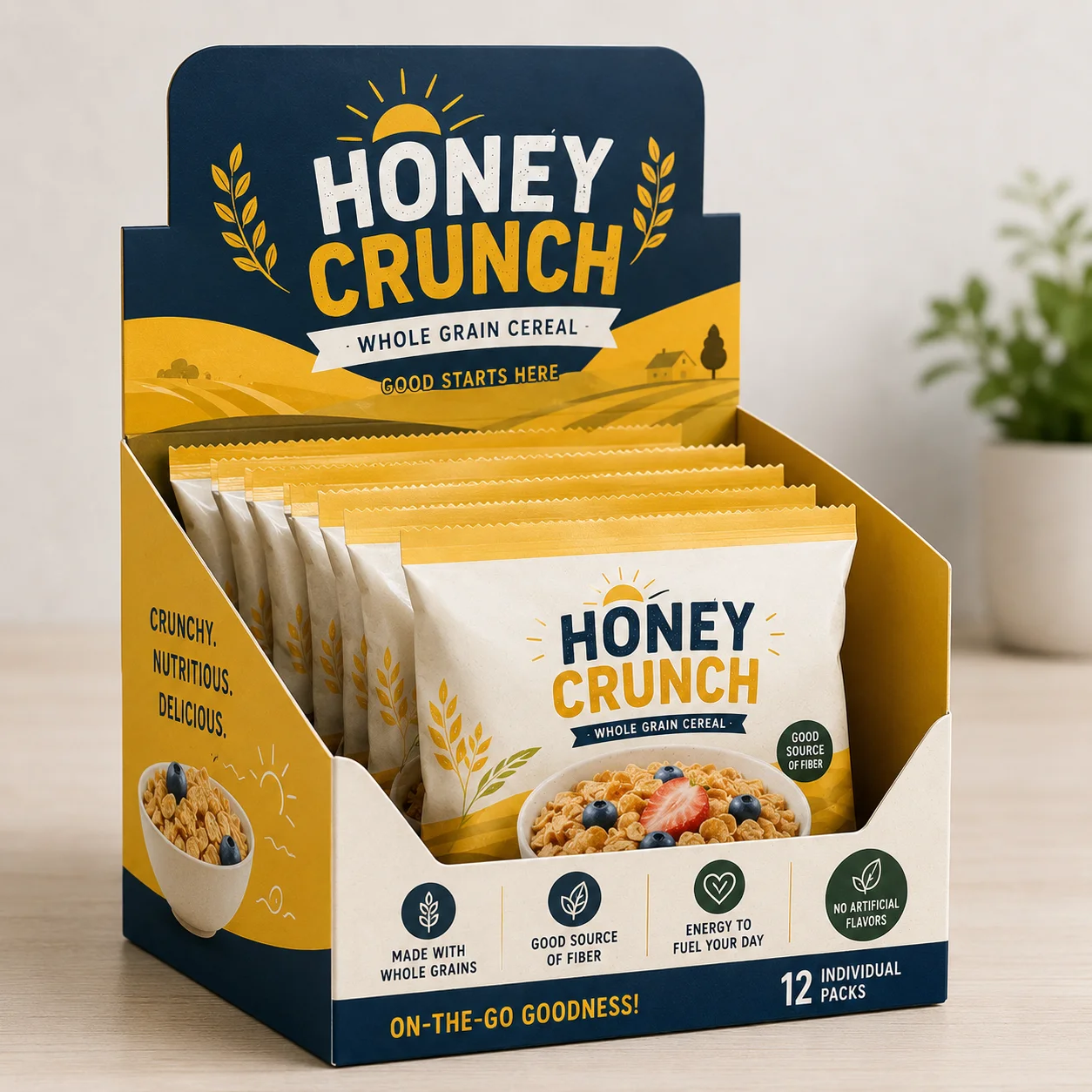
Counter displays, window formats and gable-style packs can support single-serve products, launch kits and promotional bundles where presentation changes the buying context.
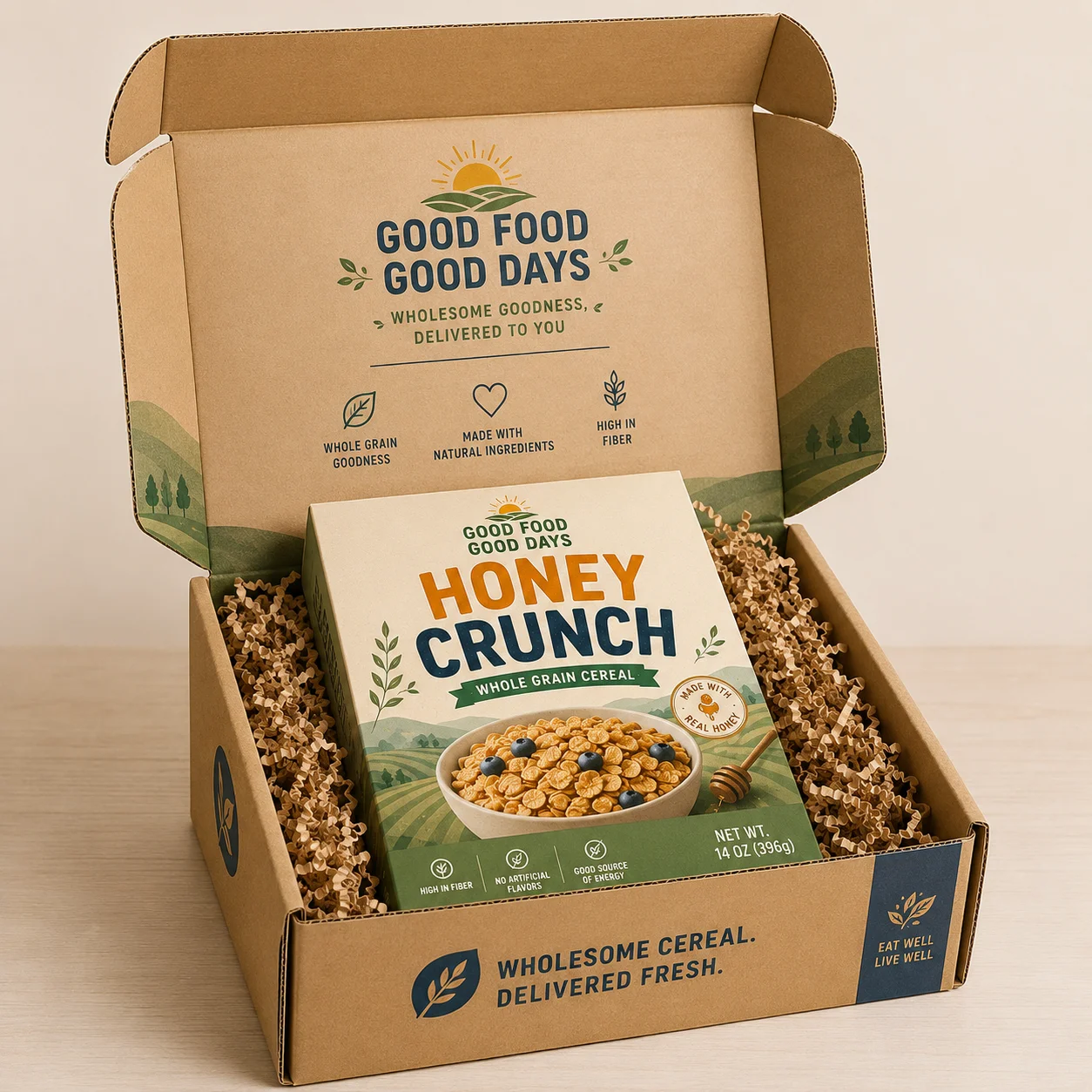
Corrugated structures are better suited to parcel handling, subscriptions and grouped products where distribution strength is required.
Efficient cereal packaging uses only the material the job requires and keeps approved specifications easy to repeat. This is especially useful when several flavours or recipes share the same inner-pack dimensions.
Match the outer dimensions to the filled inner bag instead of carrying unnecessary void space.
Avoid adding stiffness that the actual packed weight and handling route do not require.
Use windows, coatings, laminates and inserts only where they serve a defined function.
Recyclability and other environmental claims depend on the finished structure and local collection routes.
Keep one structure where the inner pack and filled volume genuinely remain unchanged.
Change flavour, recipe or variant information while retaining common brand rules.
Different bag dimensions, weights or counts can require a separate structural specification.
Confirmed structural and artwork references make repeat orders easier to brief.
Filled inner-pack dimensions, finished weight, quantity, number of SKUs, packing method, selling route, preferred structure and artwork status provide a practical starting point for an accurate cereal packaging quotation.
Real packaging work produced for customer brands.
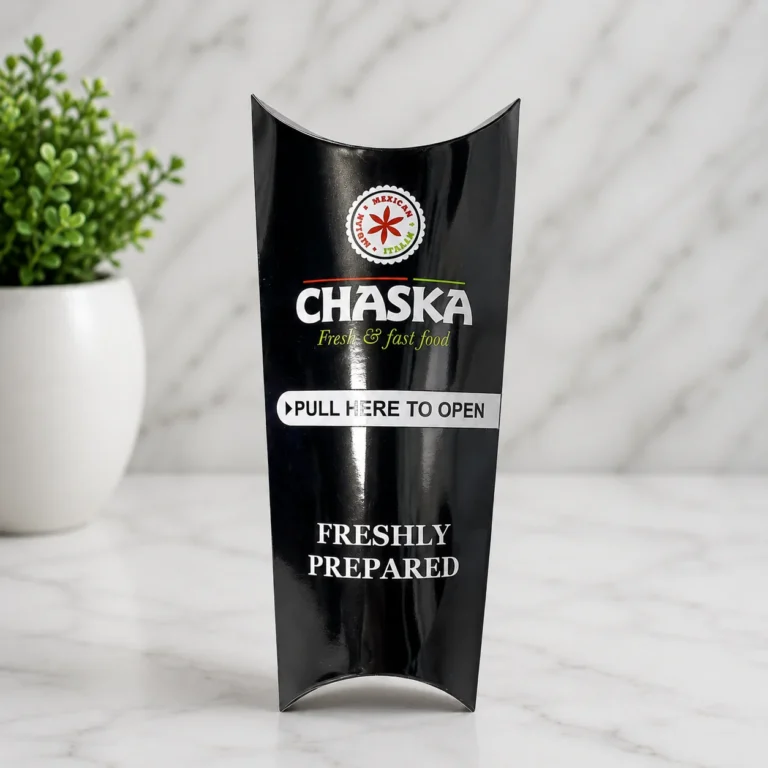
Healey Packaging produced custom pillow-style shawarma sleeves for CHASKA using 300gsm food-safe BSB card, full-colour CMYK...
View Case Study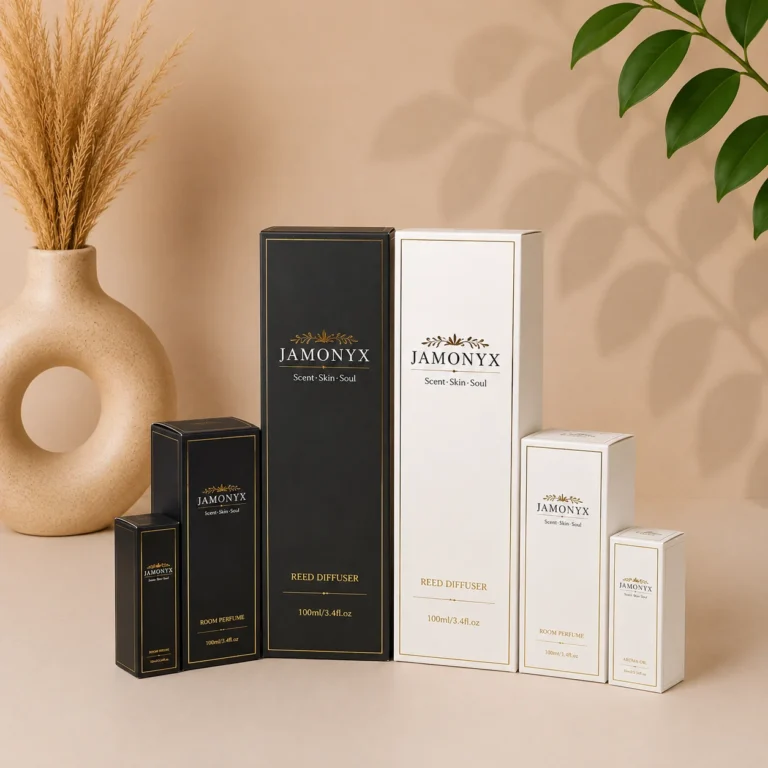
Healey Packaging produced 1,200 luxury reverse tuck boxes for JAMONYX across two black-and-white designs, three sizes,...
View Case Study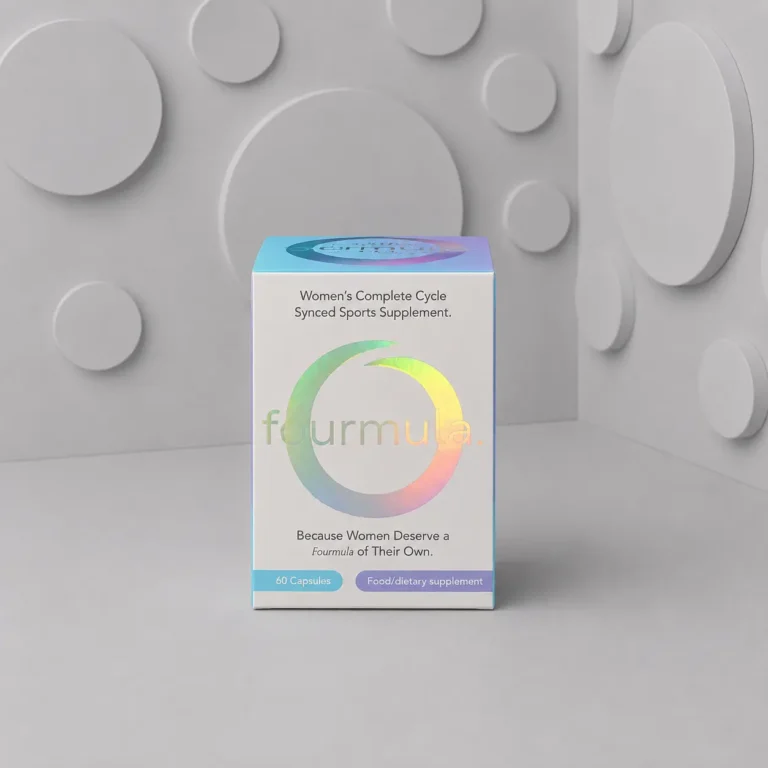
Fourmula started with 10 physical sample boxes for a compact supplement product, then moved toward a...
View Case StudyShare product size, quantity, use case and artwork status.
The right size, board and box style are reviewed.
A digital proof is prepared before production begins.
Boxes are printed, cut, folded and finished to specification.
Finished packaging is checked for structure and print quality.
Completed packaging is packed and delivered to your business.
We have been using Healey for years and are always impressed by the service, quality and speed.
Harry GeorgeThe packaging is of high quality, strong cardboard. I will definitely be using them again.
Amanda NewmanGreat communication, quick and good product. I really recommend.
JOON Plant Based AtelierCustom cereal boxes can be produced for breakfast cereals, granola, muesli, oats, porridge, cornflakes, protein cereals, family ranges and single-serve products. The carton should be designed around the actual inner pack, filled weight and intended retail or distribution format rather than using one standard cereal box size.
Use the dimensions of the filled inner bag, including its maximum width, filled height, gusset depth and required headspace. Product density, packing method and shelf orientation can also affect the final carton dimensions. Testing the structure with a representative filled pack helps avoid both excessive void space and difficult loading.
Common options include folding boxboard for mainstream retail cartons, kraft board for natural-looking ranges, recycled paperboard where recycled fibre is suitable for the specification, and corrugated board for ecommerce, multipacks and distribution. The final board grade should match the carton dimensions, filled weight, print requirements and handling conditions.
Cereal is commonly sealed inside a suitable primary food-contact bag or liner, while the printed carton acts as secondary packaging for structure, information and presentation. If any paperboard, insert or other component will directly contact the cereal, that component should be specified for its intended food-contact use.
Straight tuck end and reverse tuck end cartons work well for many standard retail cereals. Heavier granola or larger family packs may benefit from reinforced or auto-lock bottom structures, while display formats can suit single-serve products and corrugated mailers can be used for ecommerce or grouped packs.
Yes. Cereal cartons can be printed with logos, brand colours, product names, variant information, approved nutrition and ingredient information, barcodes, QR codes and other retail artwork. The layout should reserve practical space for essential information before decorative finishes are added.
Yes, where the inner bag dimensions, filled volume and packed weight remain consistent. The same structural format can then use different artwork, colours, flavour names or recipe information across several SKUs. If the inner pack size or weight changes, the carton dimensions and board grade may need to be reviewed.
Cereal packaging can use CMYK printing, Pantone colour references and finishes such as matt or gloss lamination, foil, embossing, debossing and Spot UV where appropriate. The best combination depends on the board surface, artwork, retail environment and desired brand presentation.
Yes. Material use can be reduced through right-sized cartons, appropriate board grades, recycled-fibre options where suitable and simplified components. Recyclability and other environmental claims should be assessed against the complete finished pack, including coatings, laminates, windows and local collection routes.
Healey Packaging offers no minimum order requirement for custom cereal packaging. Standard production is typically 7–10 working days after artwork approval, although complex structures, specialist materials or finishing requirements can affect the final production schedule.
Share your product, size, material and quantity requirements. Our team will help you choose the right structure, print and finish.
Tell us your product, target look, and how you ship. We'll recommend the right board, print, and finish for performance.
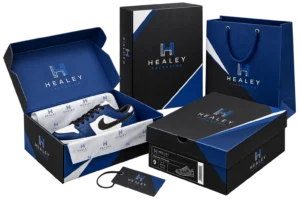 Apparel Packaging
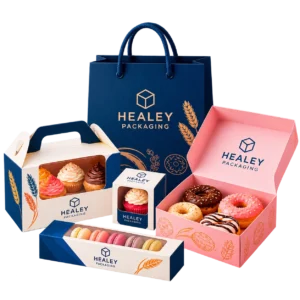 Bakery Packaging Boxes
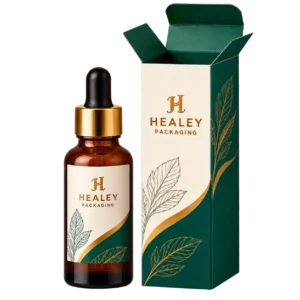 Bottle Packaging Boxes
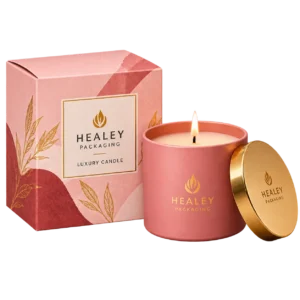 Candle Boxes
 CBD Packaging Boxes
 Christmas Boxes