
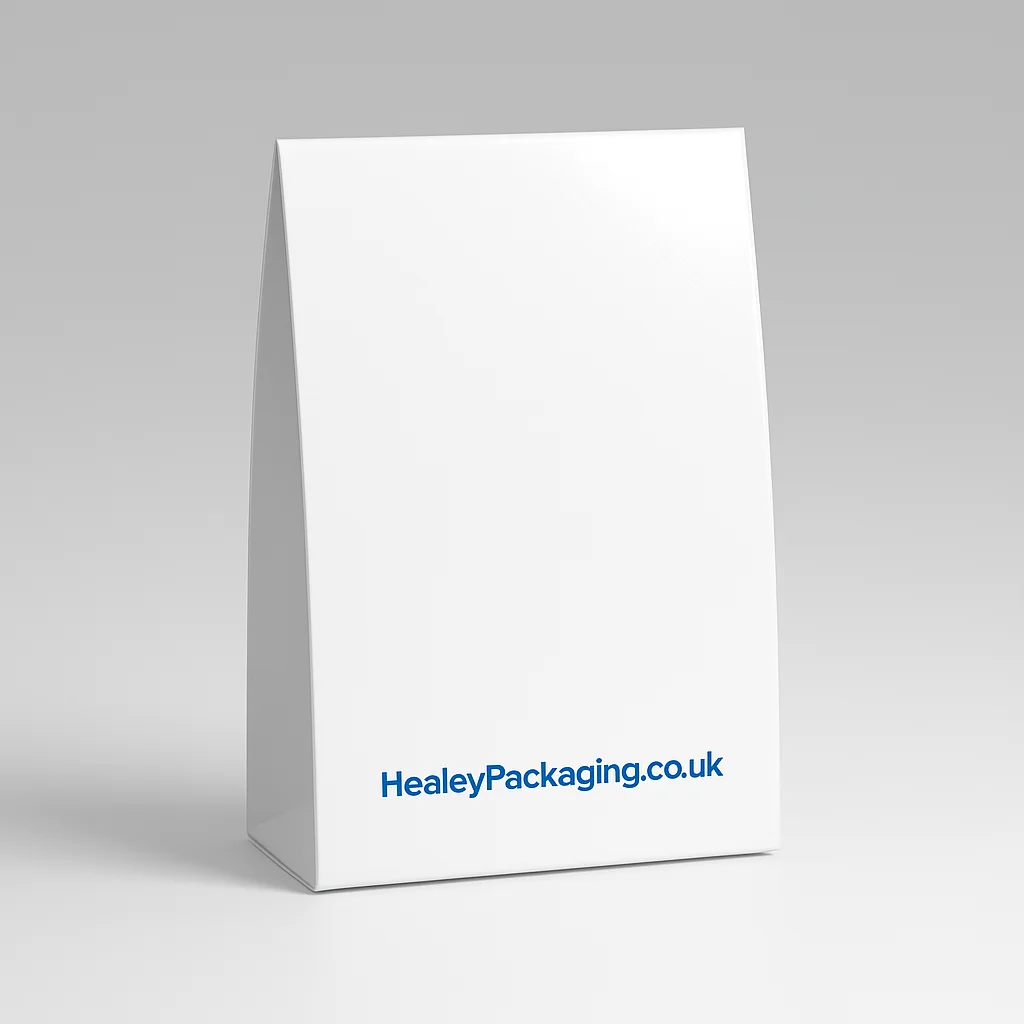
SBS Board
Smooth white board for premium printed retail packaging.
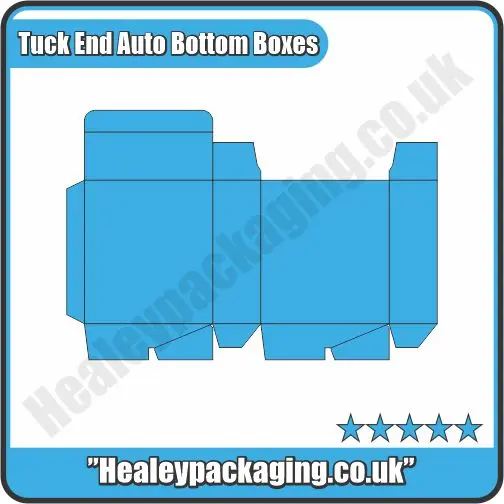
Tuck end auto bottom packaging combines a familiar tuck-top closure with a pre-glued base that forms as the carton is erected, reducing packing steps while providing dependable bottom support for retail products.
Product details
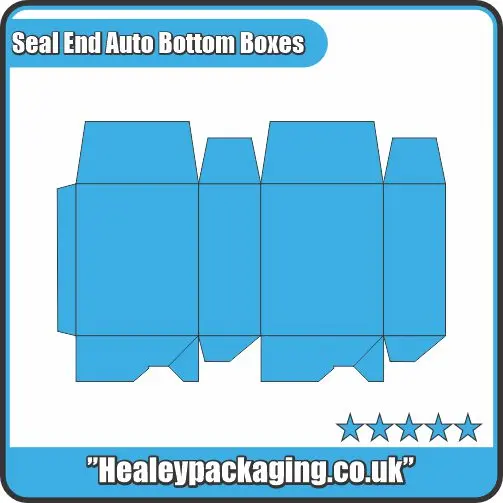
A tuck end auto bottom is a folding carton with a tuck closure at the top and a pre-glued automatic base. When the flat carton is opened, the connected bottom panels move into position, creating a ready-to-load base without requiring the packer to manually interlock several flaps.
This structure is particularly useful when packing speed matters but the product still needs a conventional carton format with straightforward top access. It can be compared with other automatic and locking constructions in our packaging box styles library.
This style makes sense for products that benefit from quick carton erection and more bottom support than a basic tuck-end closure may provide.
Typical applications include:
It is especially relevant for repeat packing runs where manually forming the bottom of every carton adds unnecessary handling time. For lightweight products where an automatic base is not required, straight tuck end boxes provide a simpler folding-carton alternative.
The base panels are folded and glued during manufacture. The finished cartons can still be supplied flat for storage. When an operator opens the carton body, the connected panels move into their erected position and form the bottom. The product can then be loaded through the open top before the tuck flap is closed.
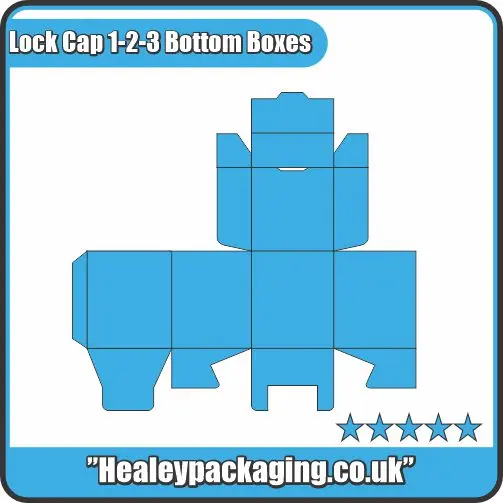
This differs from 1-2-3 bottom tuck top boxes, where the bottom flaps are manually folded and interlocked in sequence during packing. For larger packing runs, removing these repeated assembly steps can make the auto-bottom format more operationally efficient.
Both structures use a pre-glued automatic base, but the bottom configuration is not identical. A standard tuck end auto bottom provides the convenience of automatic erection for many everyday retail applications. Full flap auto bottom boxes use extended overlapping bottom panels to increase board coverage beneath the product.
The full-flap version may therefore be worth considering for denser products or loads requiring greater base coverage. Final suitability still depends on carton dimensions, board grade, product weight and distribution conditions.
An automatic base can provide more practical bottom support than some basic folding closures, but “auto bottom” is not a weight rating. Before specifying the structure, consider:
For bottles or jars packed together, internal separation may also be necessary. Custom fence partitions can create individual cells where products need to be kept apart inside the carton. Sampling with the actual packed product is advisable where bottom performance is critical.
Start with the finished product dimensions and packing process rather than selecting a carton purely by external size. Confirm the required internal dimensions, product weight, loading direction and top clearance. Also consider whether an insert is needed to restrict movement and whether operators will pack the cartons manually or through a more organised filling process.
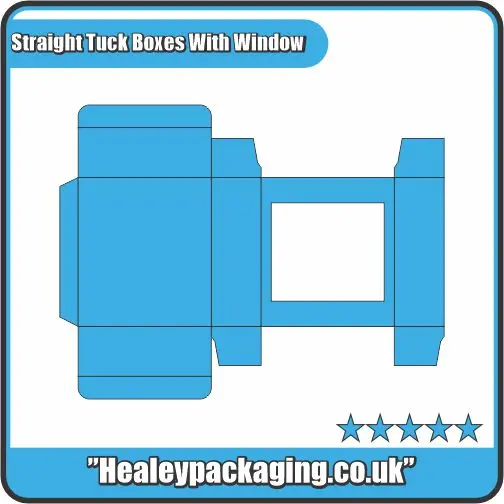
If product visibility is important, the position of any window should be assessed alongside the structure. Straight tuck boxes with window provide a useful reference for balancing tuck-carton construction with a viewing aperture.
| Dimension (L + W + H) | All Custom Sizes & Shapes |
|---|---|
| Quantities | No Minimum Order |
| Paper Stock | SBS, Kraft, Corrugated, Rigid Board |
| Printing | CMYK, PMS, Digital, Offset |
| Finishing | Matte, Gloss, Foil, Embossing, Debossing, Spot UV |
| Included Options | Die Cutting, Gluing, Scoring, Perforation |
| Additional Options | Eco-Friendly, Recyclable, FSC Options |
| Proof | Flat View, 3D Mock-up, Physical Sampling On Request |
| Turnaround | 7–10 Working Days After Artwork Approval |
| Shipping | Free UK Shipping |
It is a folding carton with a tuck-top closure and a pre-glued bottom that forms as the carton is opened.
Yes. The automatic base is glued during manufacture while the cartons remain collapsible for efficient storage.
No additional base-gluing step is normally required because the automatic bottom has already been glued during manufacture.
It generally requires fewer manual erection steps because the base forms as the carton is opened rather than being interlocked flap by flap.
Yes. Internal inserts or dividers can be developed around the product where additional positioning or separation is required.
Customisation choices
Mix and match materials, printing methods, inks, finishes and add-ons.
Smooth white board for premium printed retail packaging.
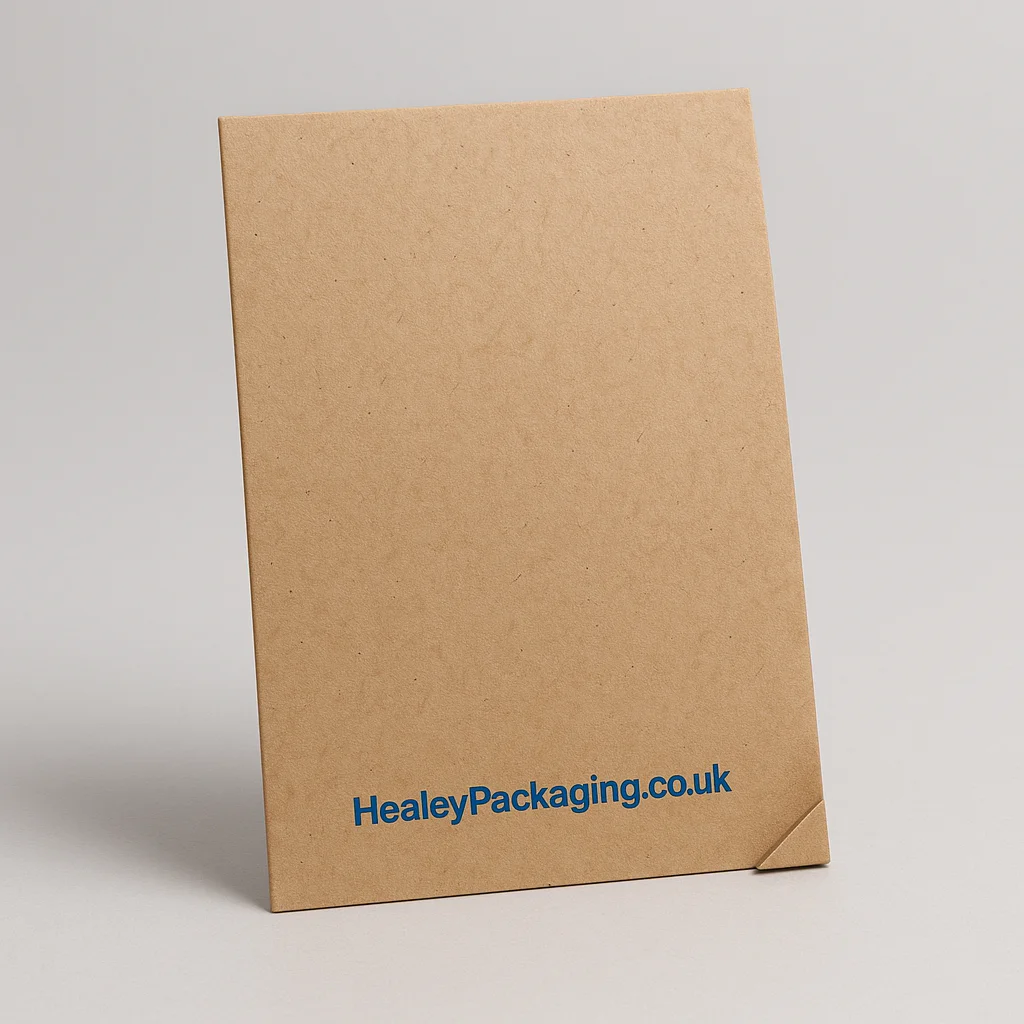
Natural board for recyclable, earthy and understated packaging.
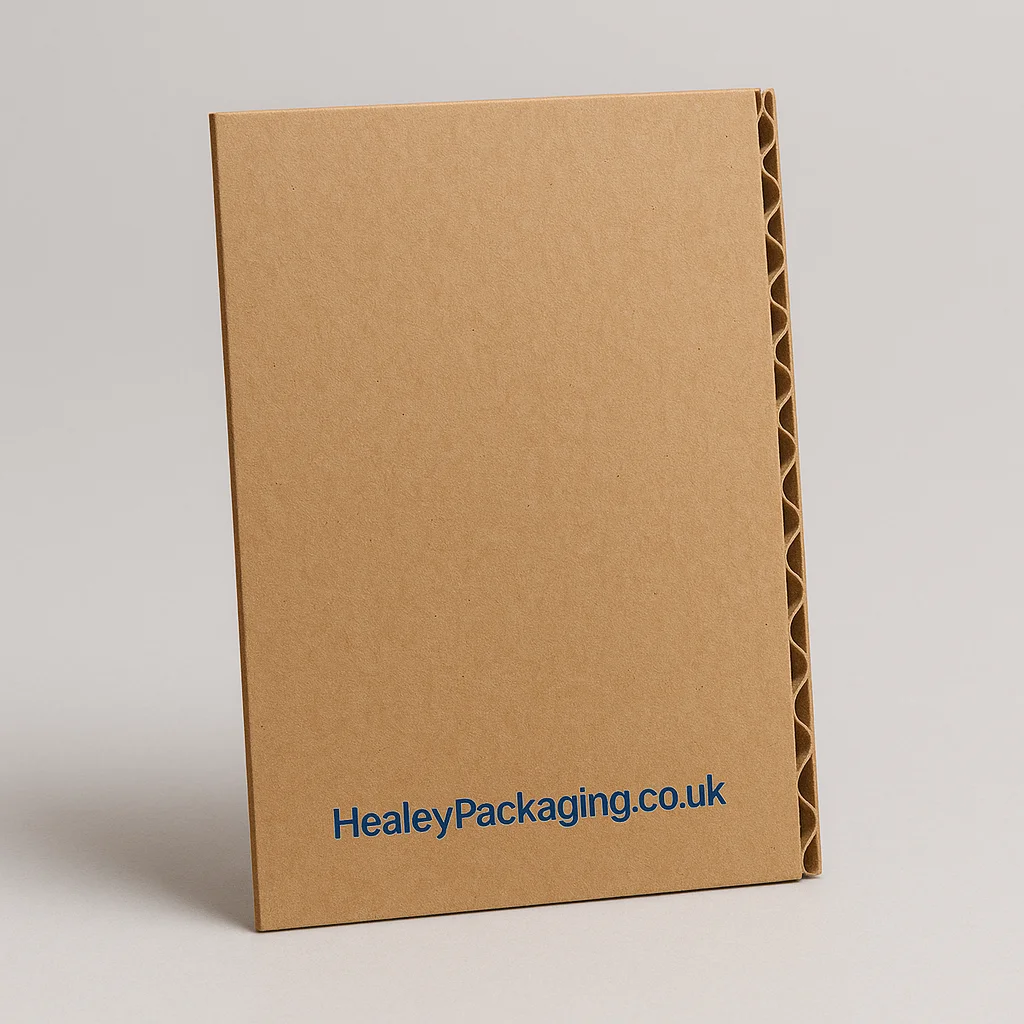
Fluted board for ecommerce, shipping and added product protection.
Premium stock for gift, luxury and presentation packaging.
Fast setup, great for smaller quantities and designs that change frequently. Strong colour output without plate costs.
Best for scale. Consistent results run after run, especially when brand tones and fine detail matter.
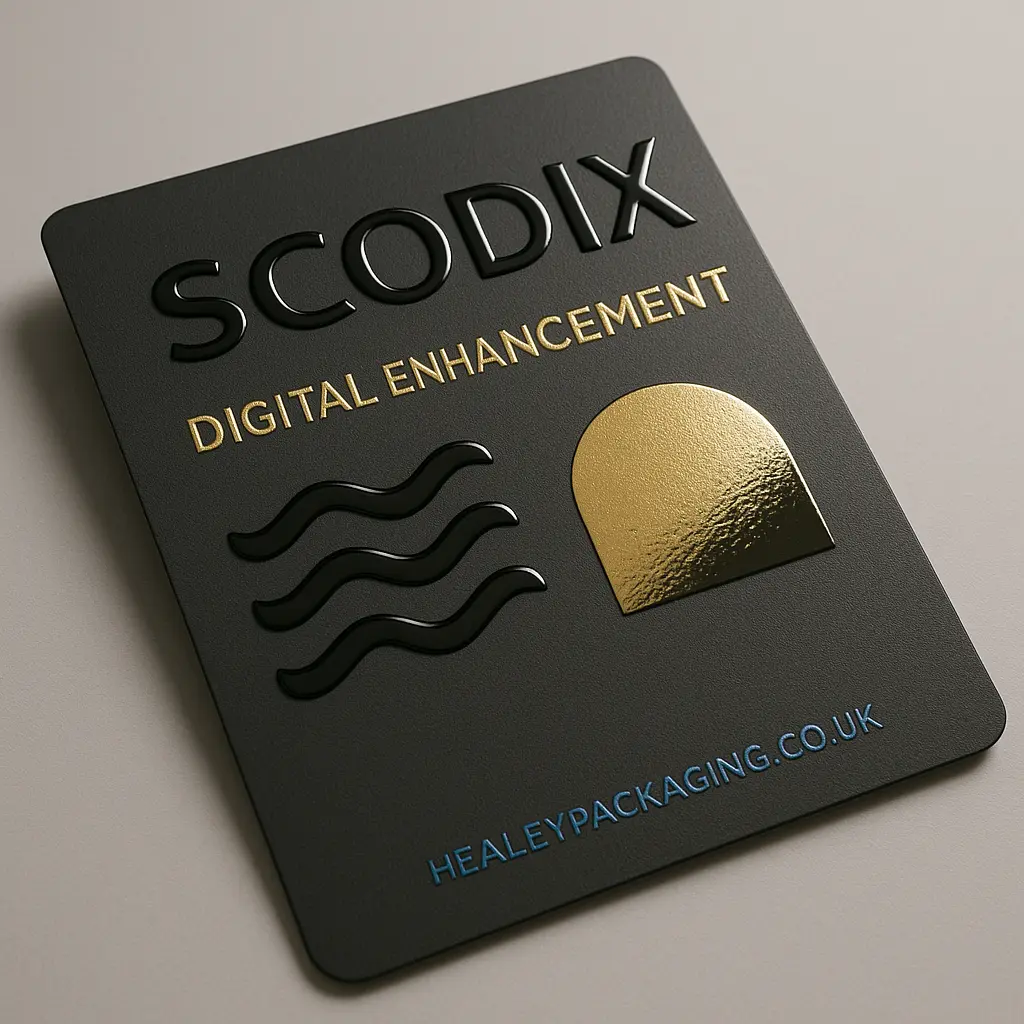
Adds raised UV and tactile highlights to chosen areas. Ideal when packaging needs a premium touch people notice instantly.
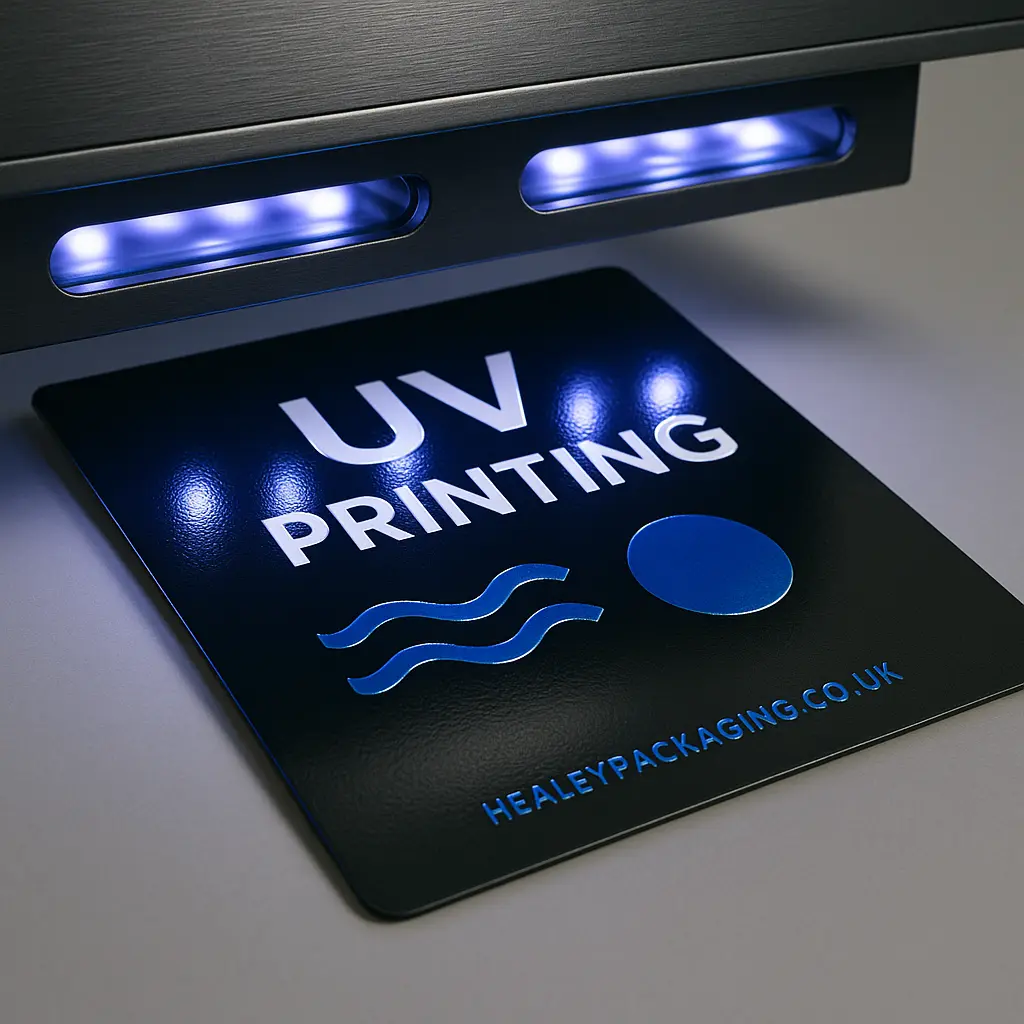
UV-cured inks dry instantly and hold colour density well. Great for coated boards and vibrant retail graphics.
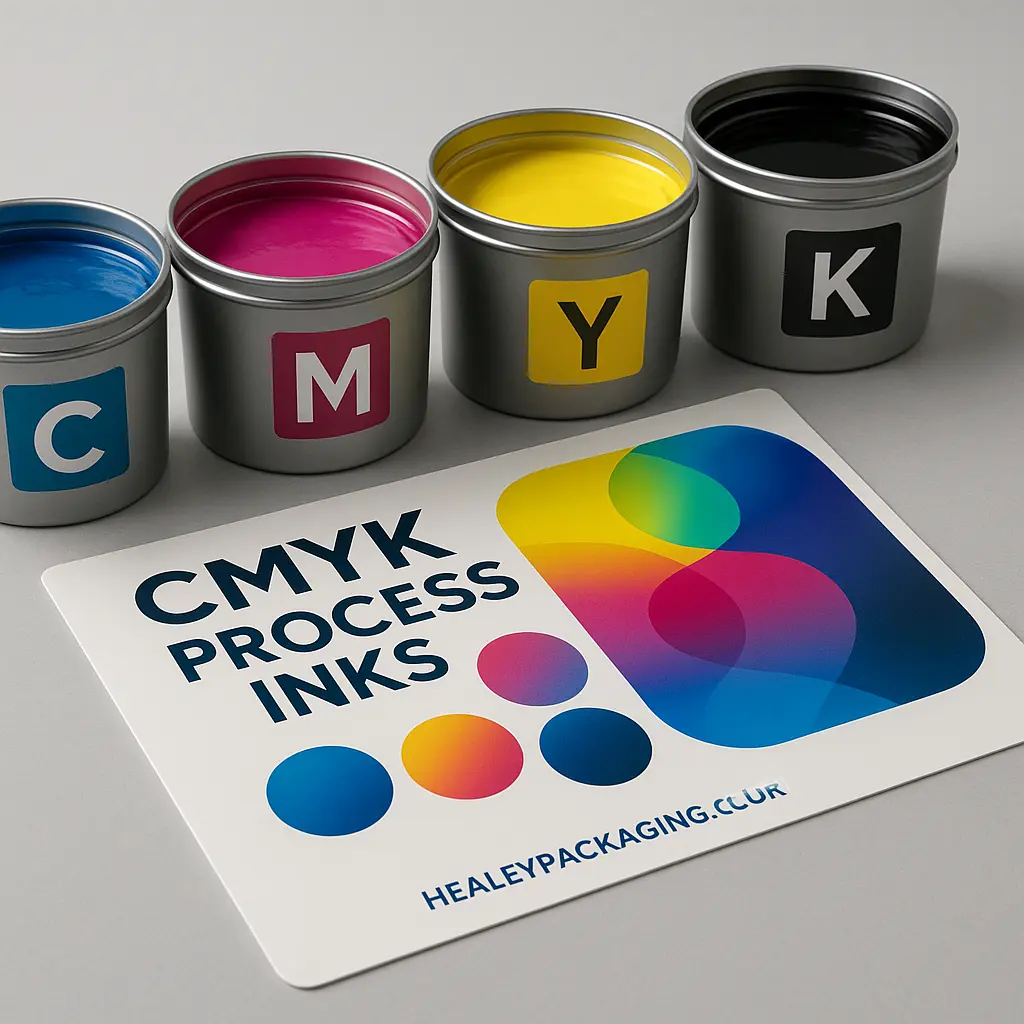
The go-to for full colour artwork, photography, and complex graphics. Great base before special effects.
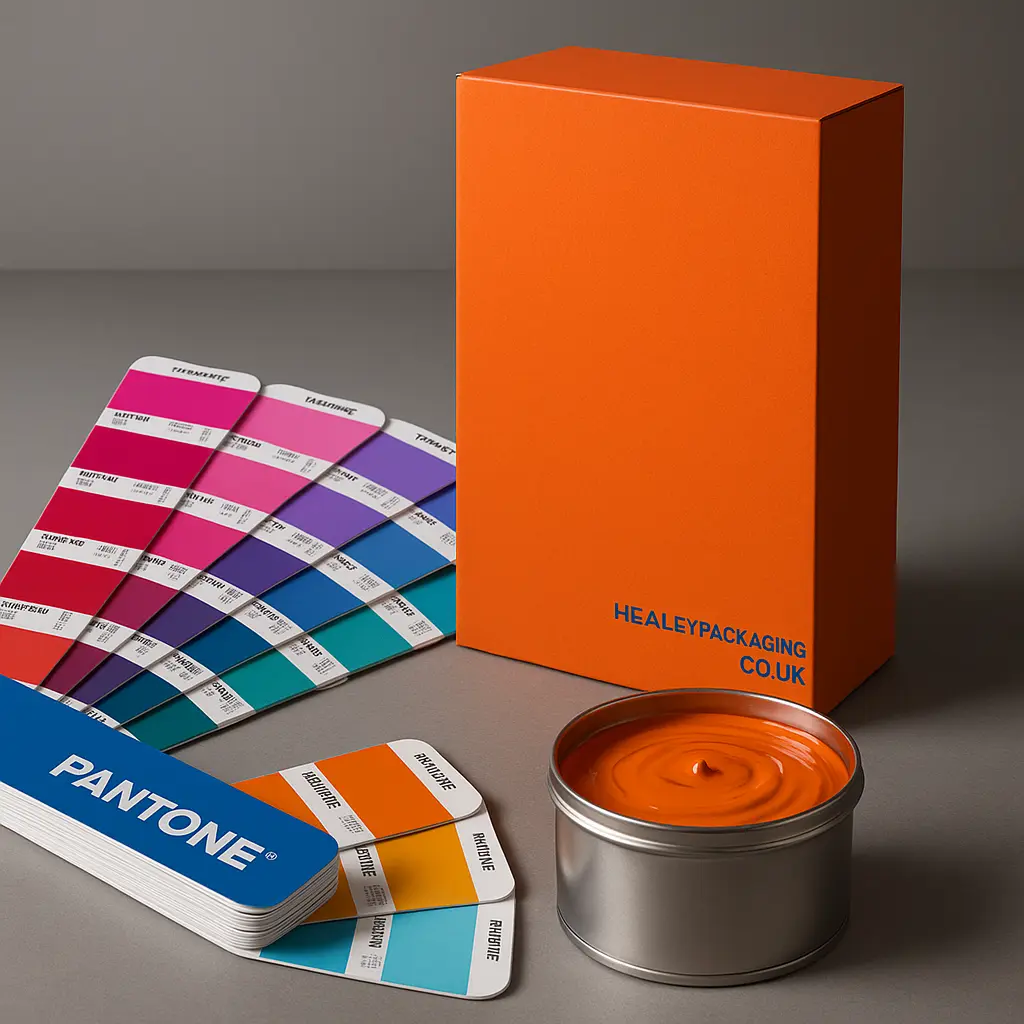
When consistency is non-negotiable. Locks in signature brand colours across materials and runs.
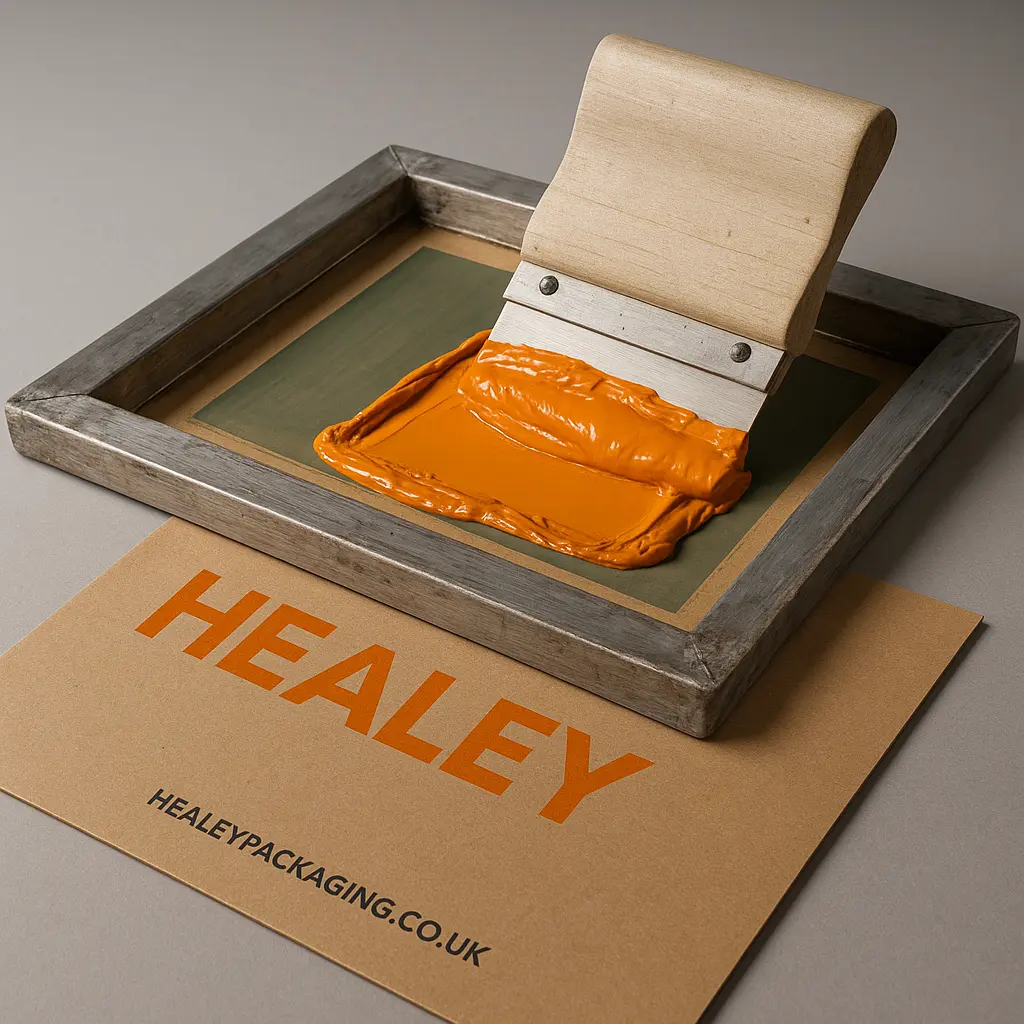
A heavier ink laydown for bold logos and high opacity. Great for darker stocks and simple, confident marks.
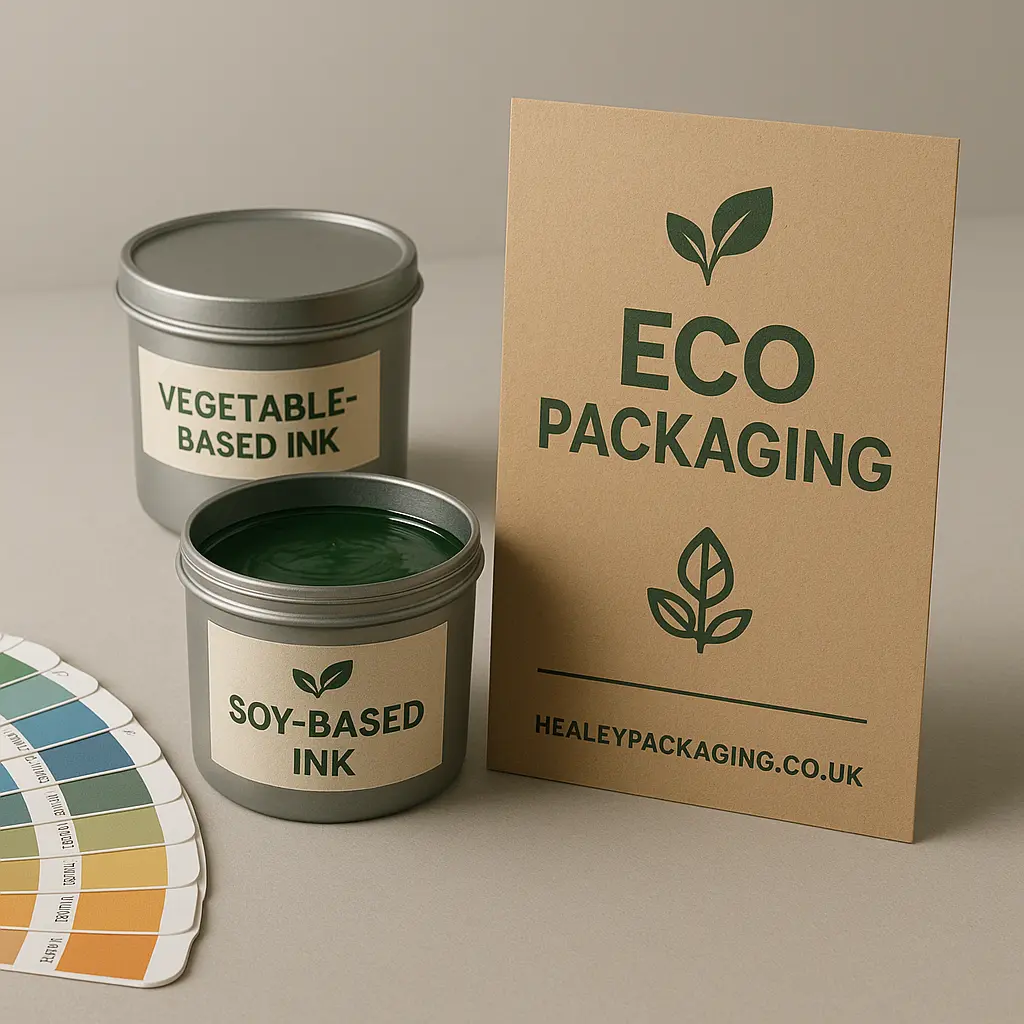
A cleaner alternative often paired with kraft stocks and minimal design. A solid fit for eco-led packaging projects.
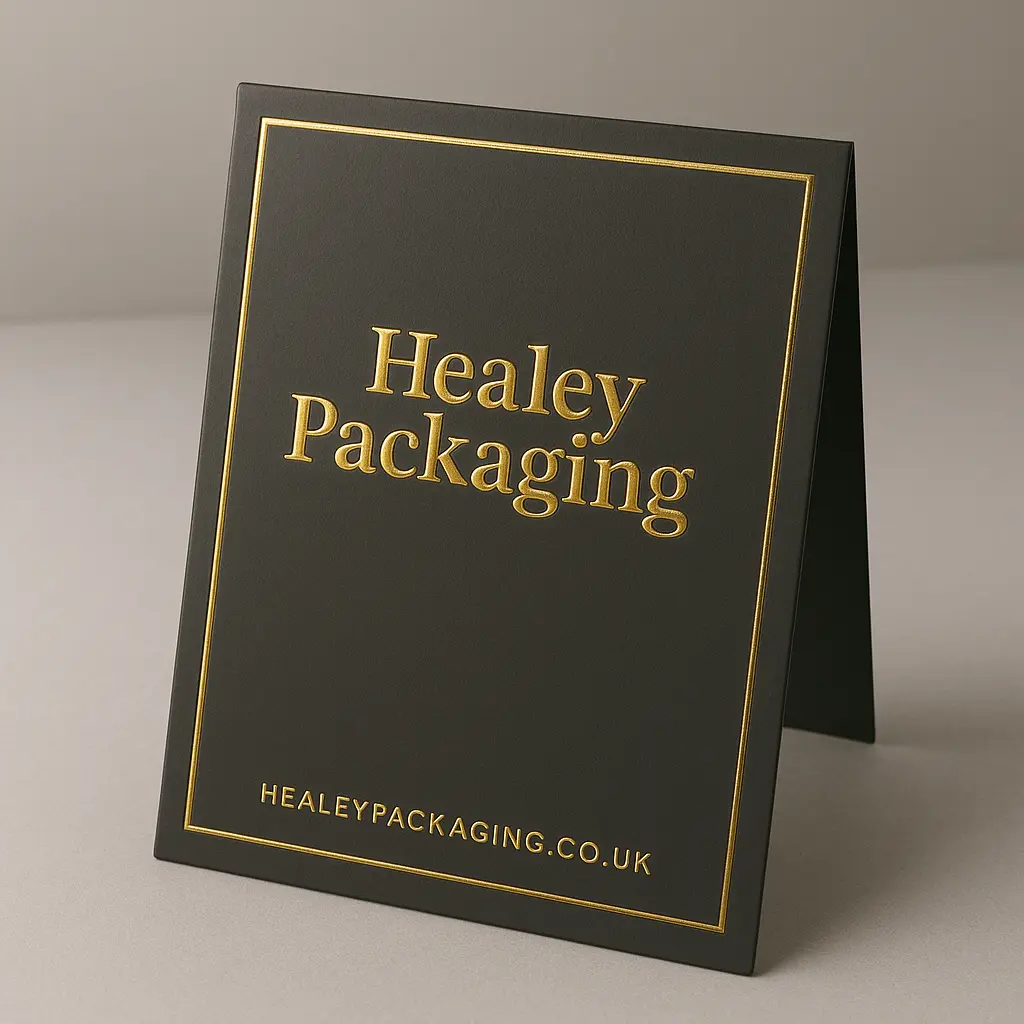
Warm metallic detail for logos, names and premium accents.
Clean metallic highlight for luxury and technical branding.
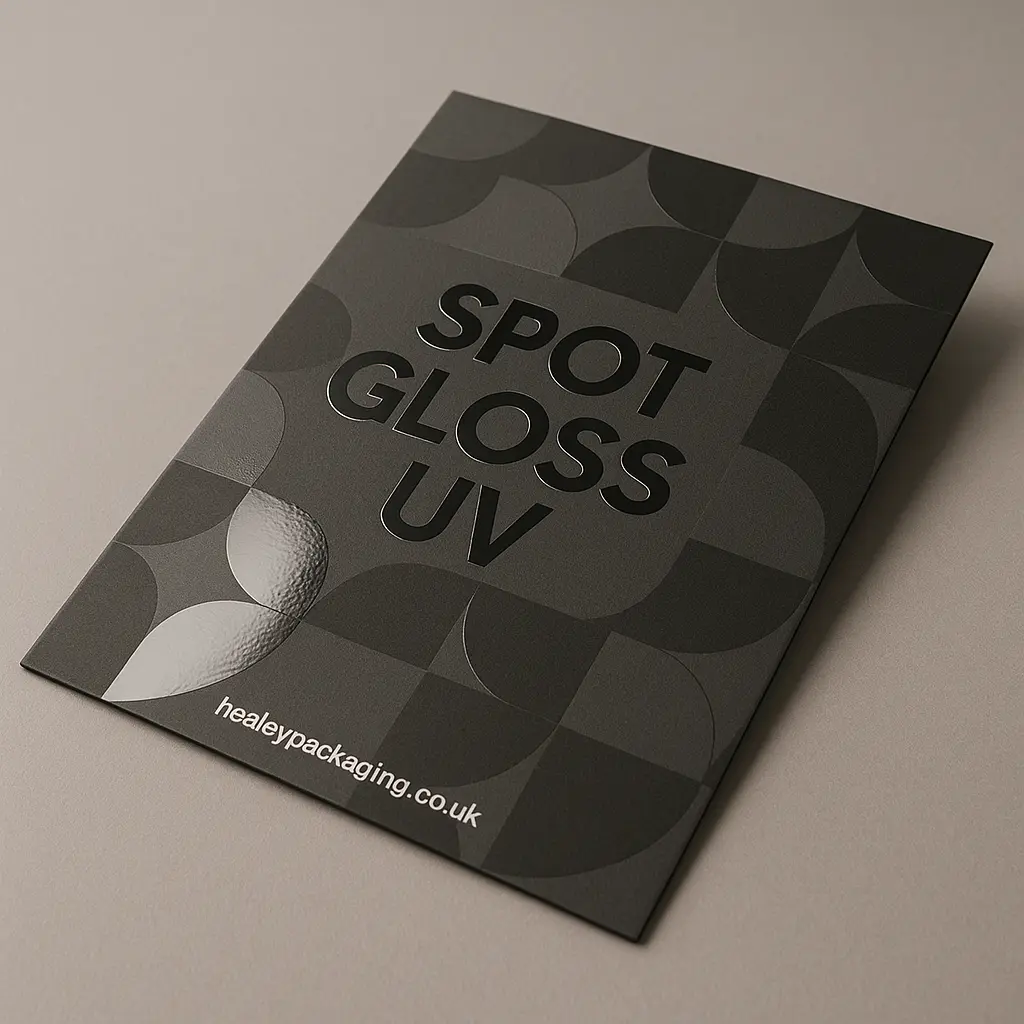
Gloss contrast applied to selected artwork areas.
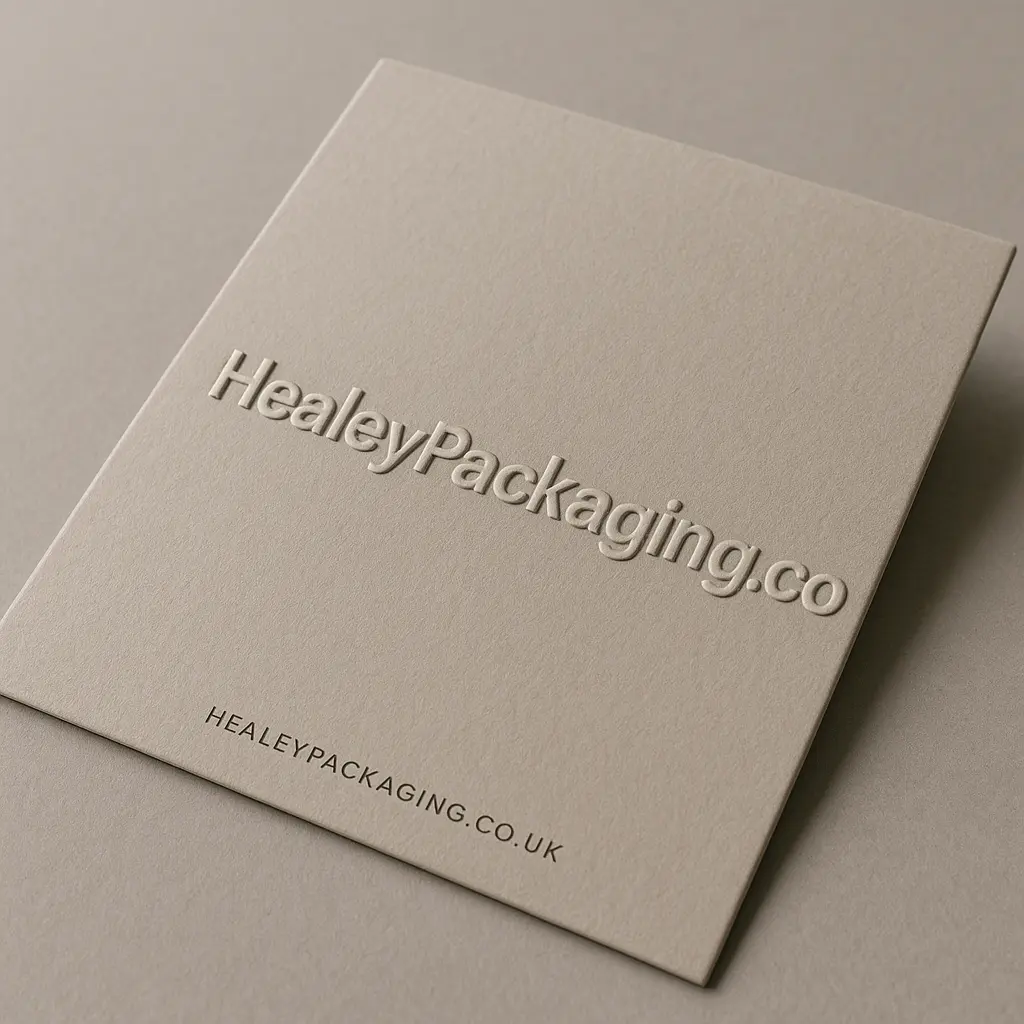
Raised texture for tactile logos and brand marks.
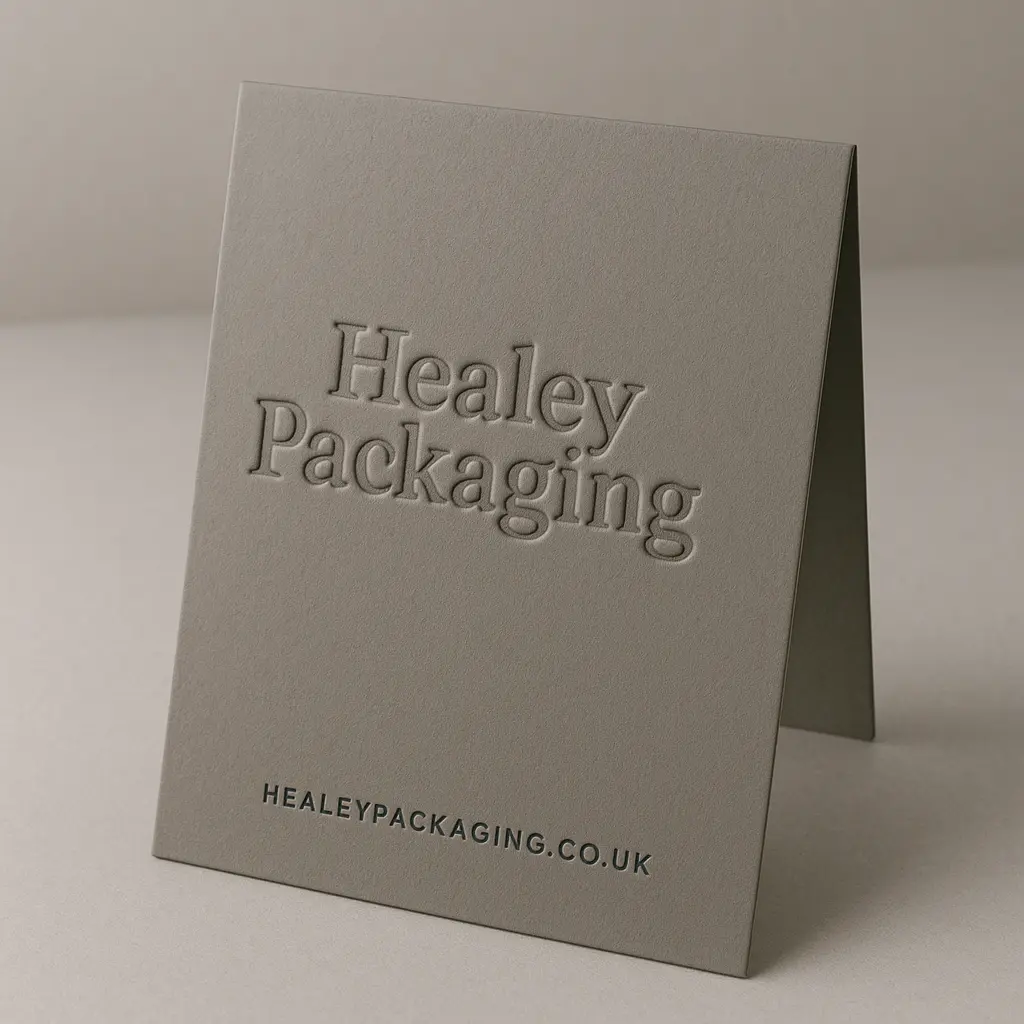
Pressed detail for understated depth and texture.
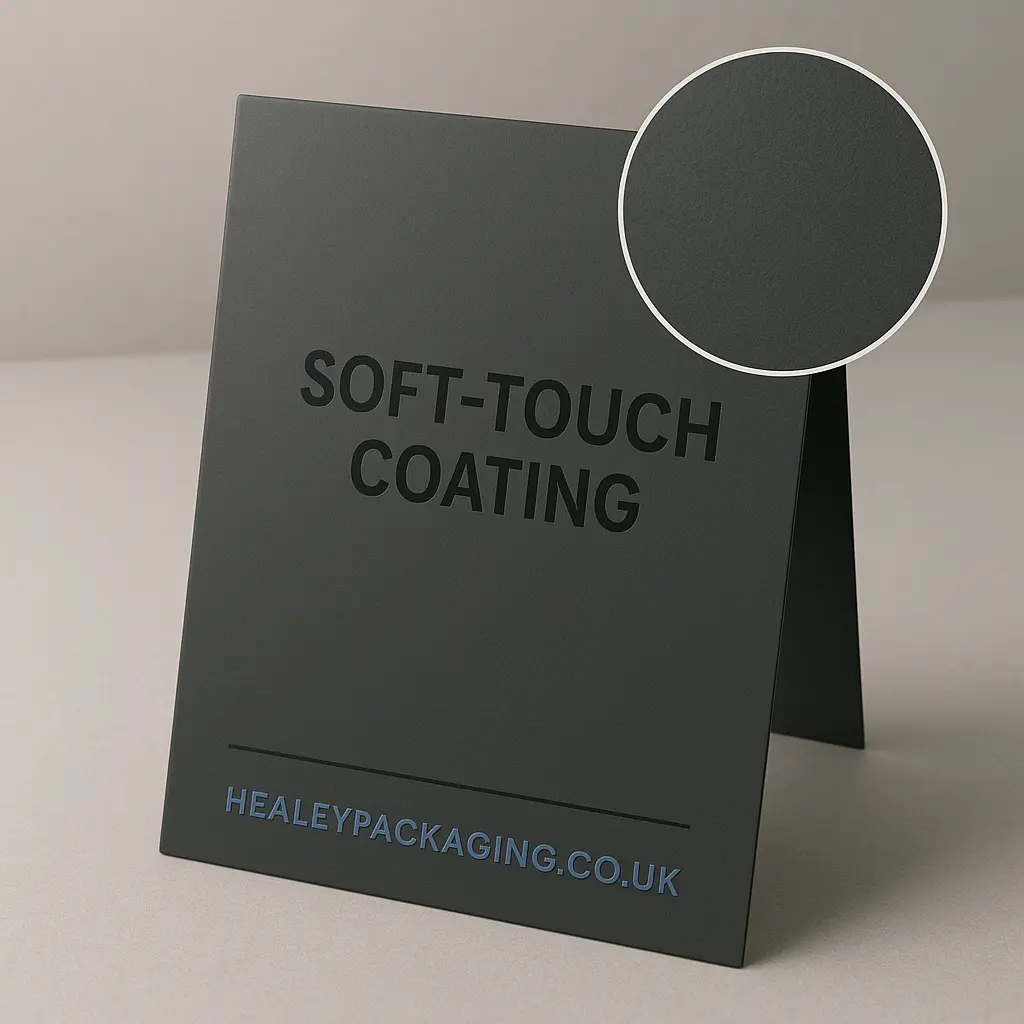
Smooth tactile coating for premium handling.
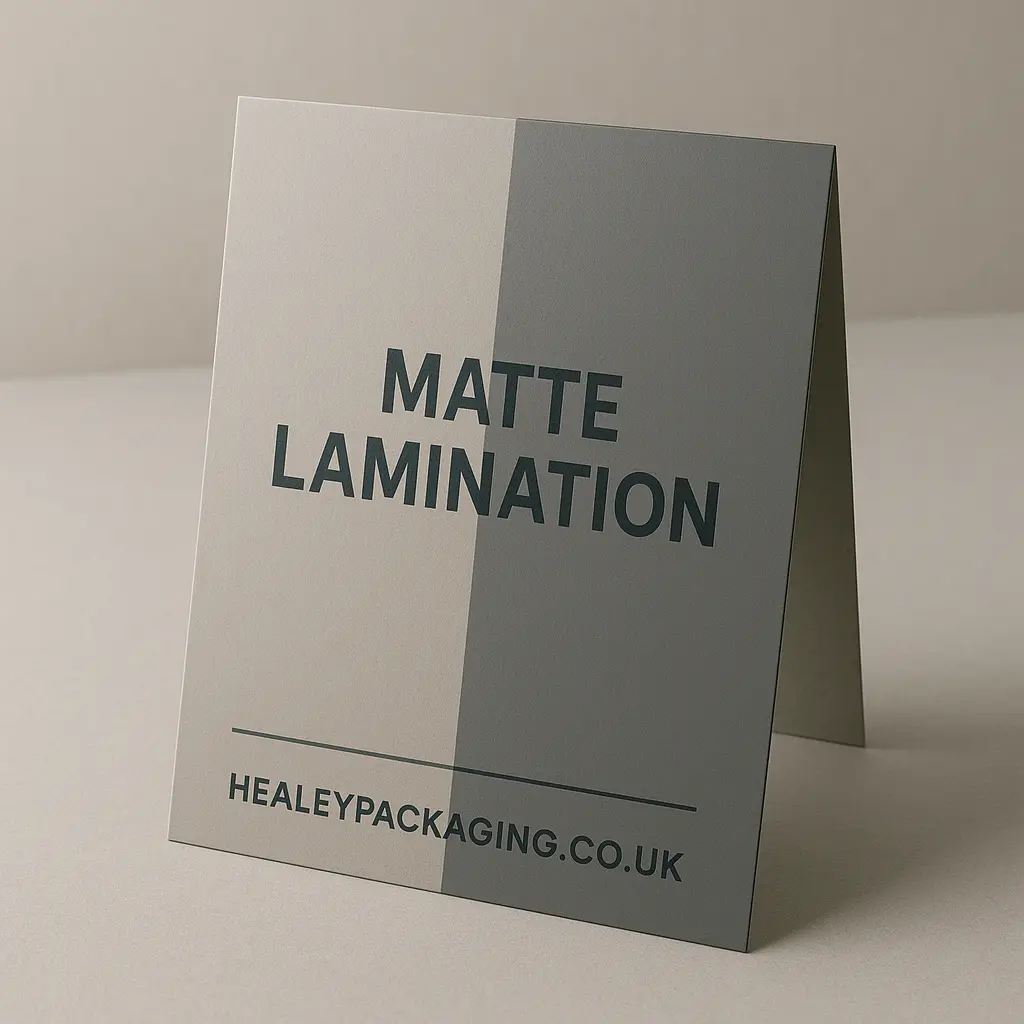
Low-shine surface for modern, refined packaging.
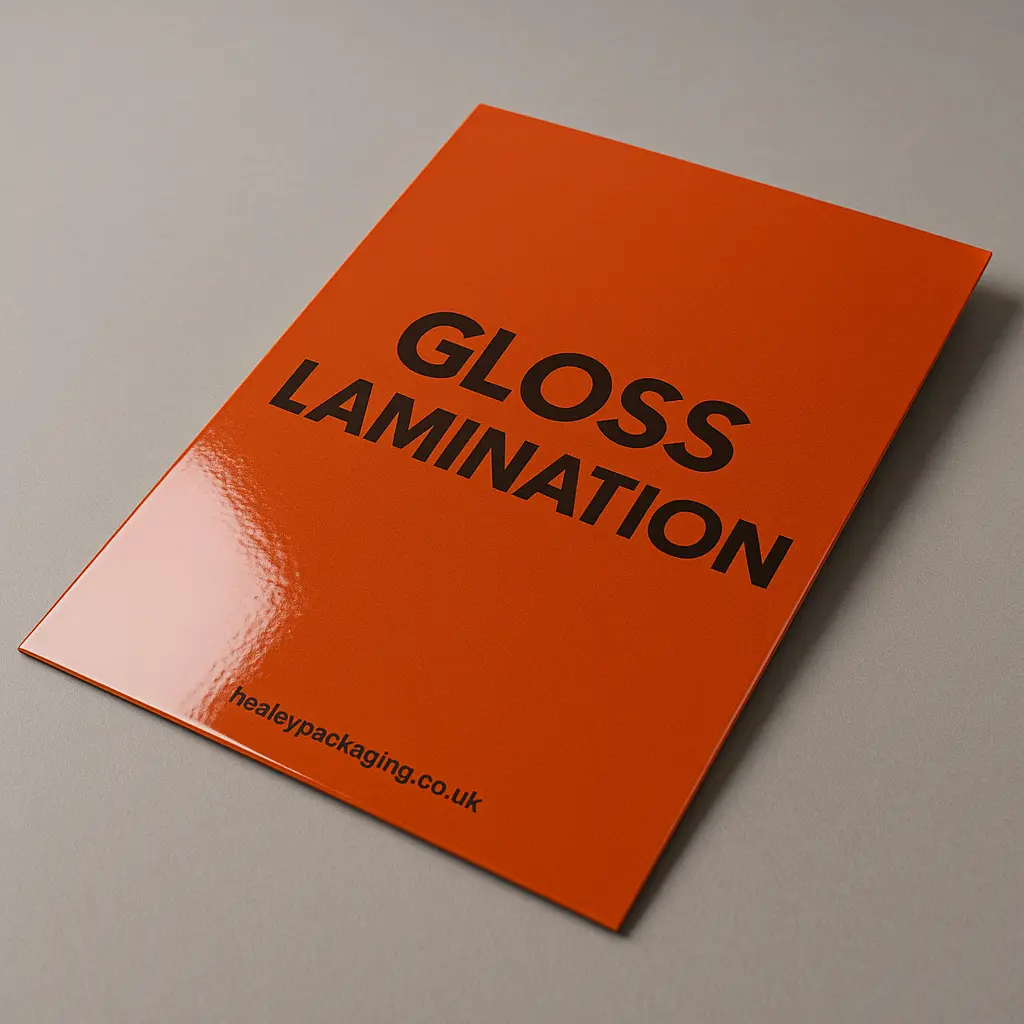
Bright protective surface for stronger colour impact.
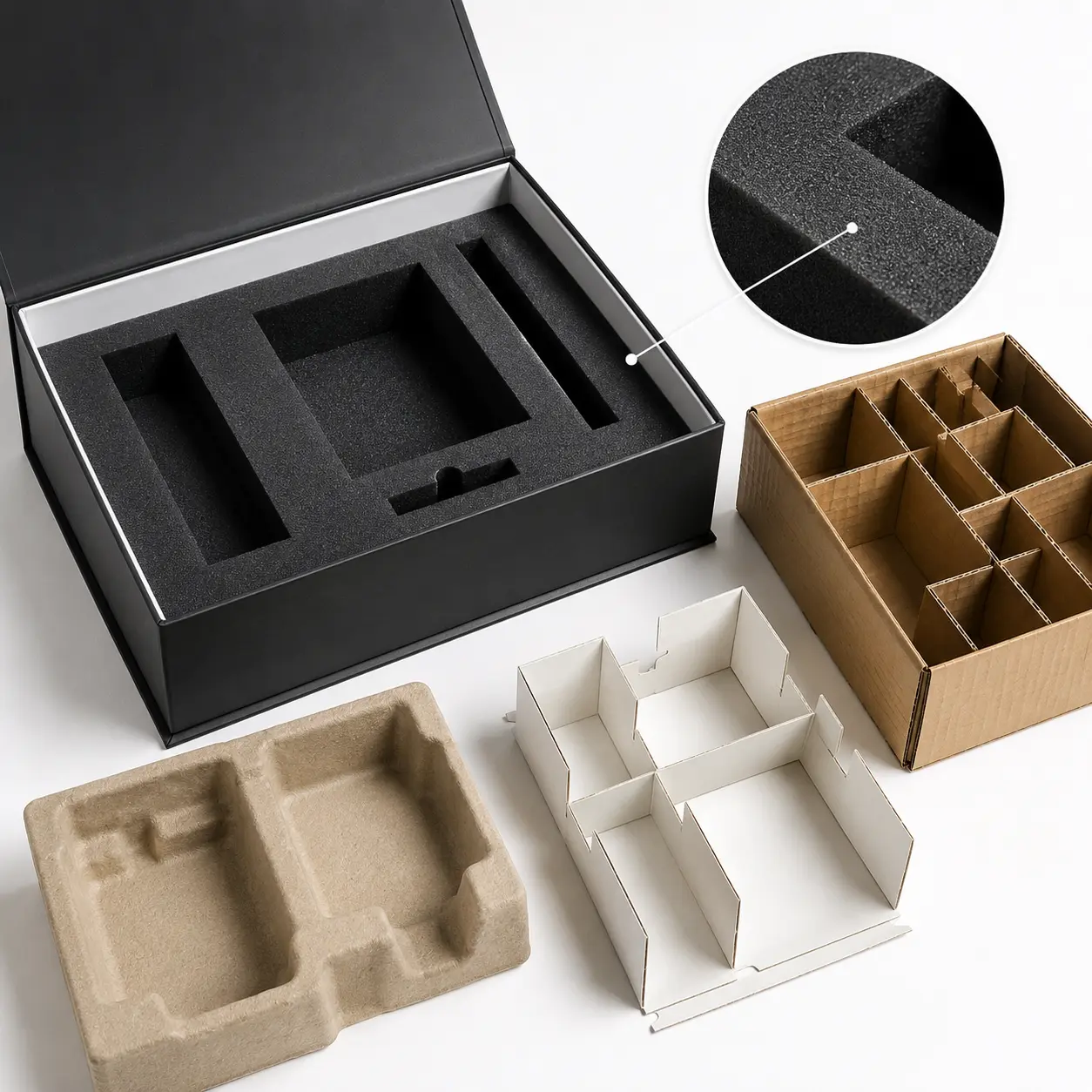
Hold products neatly in place during display and shipping.
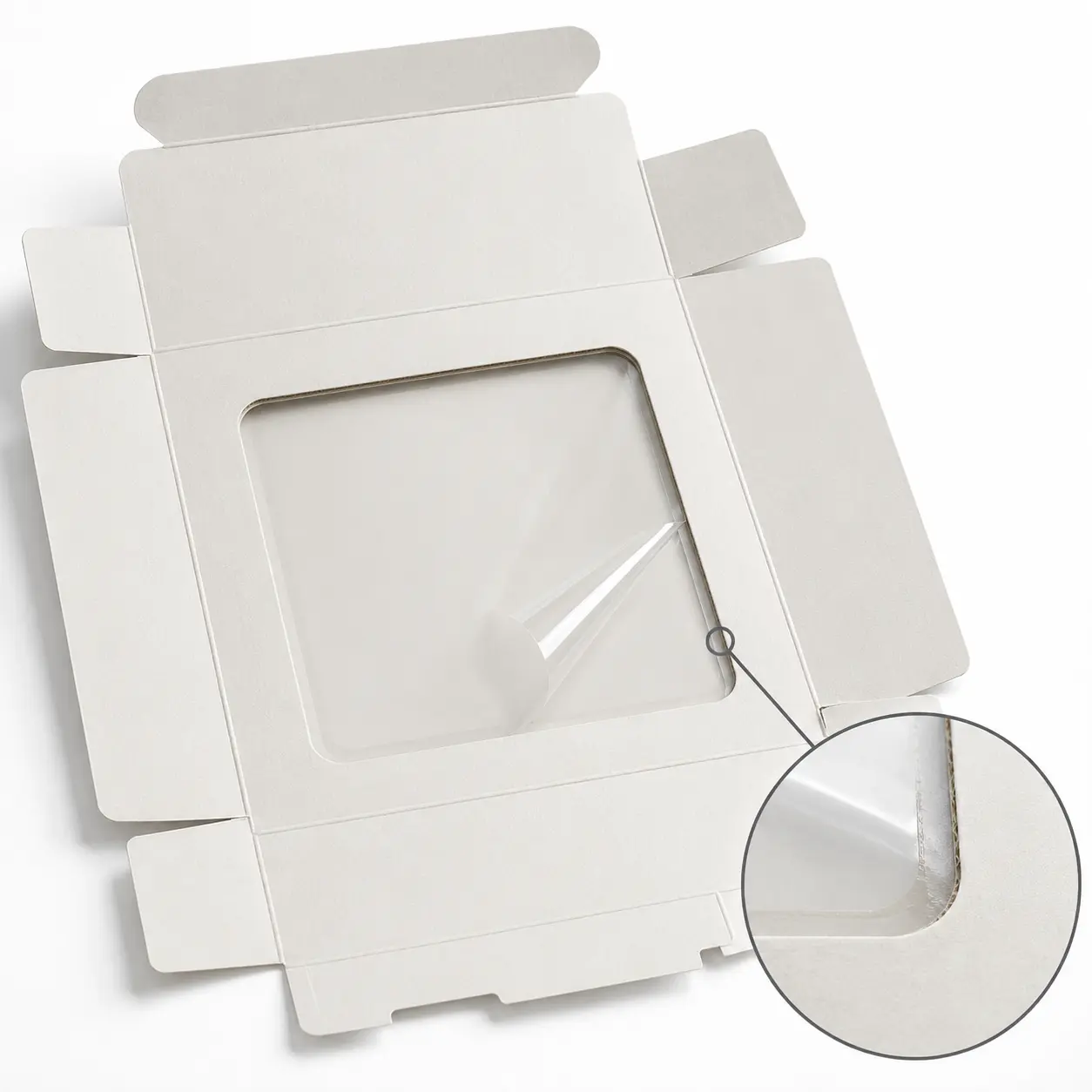
Show the product while keeping packaging structured.
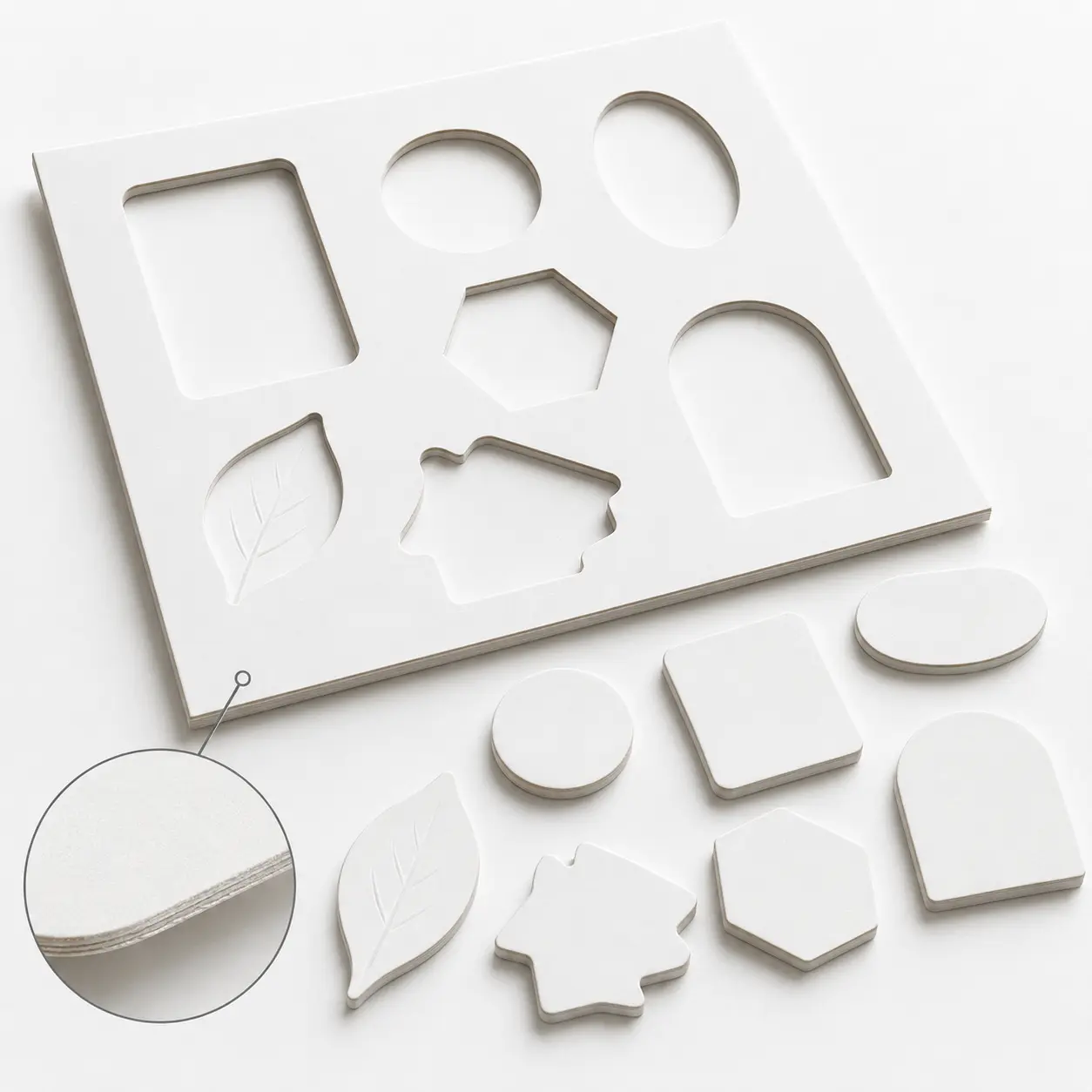
Create custom openings, contours and display details.
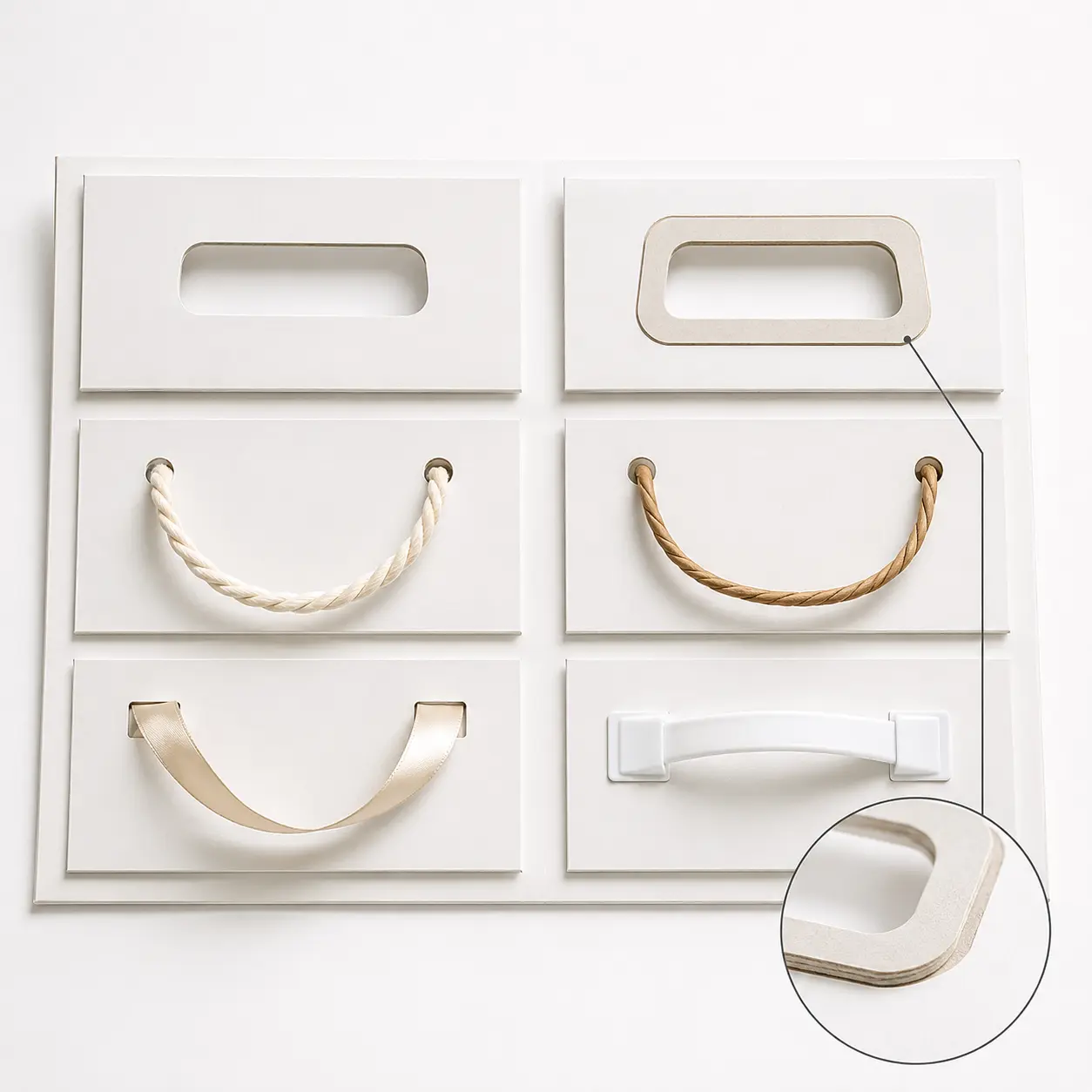
Add carry-friendly structure for selected box styles.
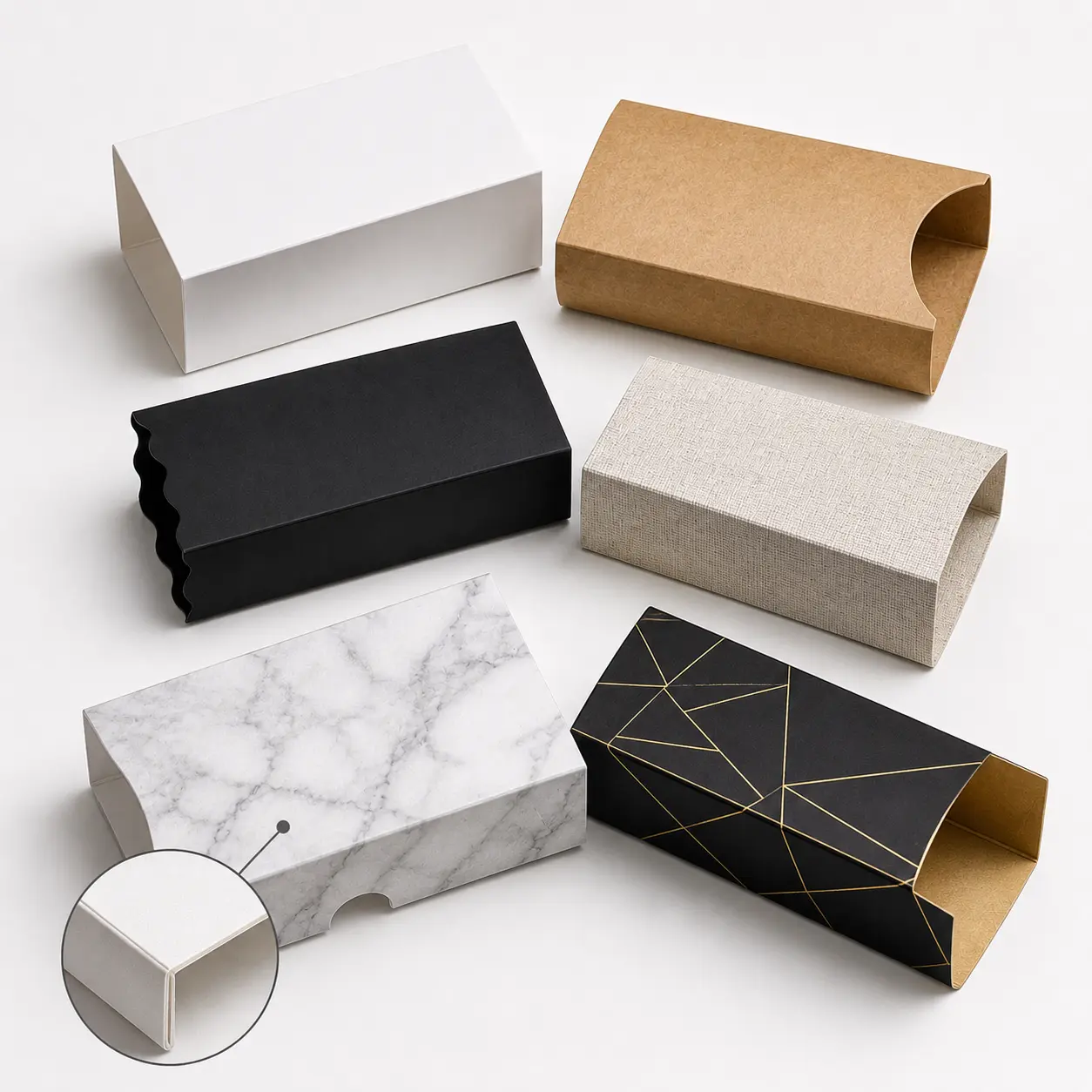
Add a branded outer layer around trays, boxes or products.
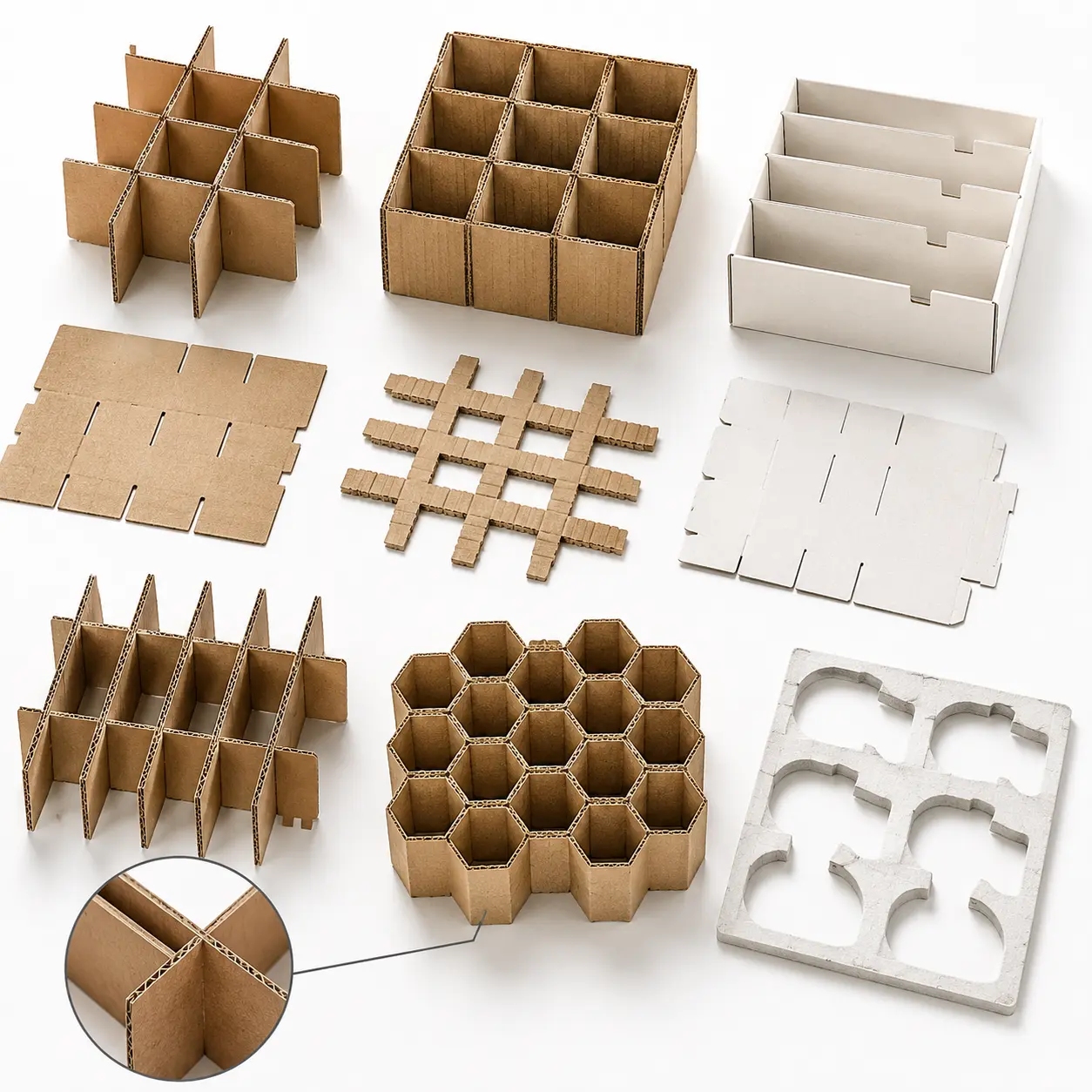
Separate multiple items inside one package.
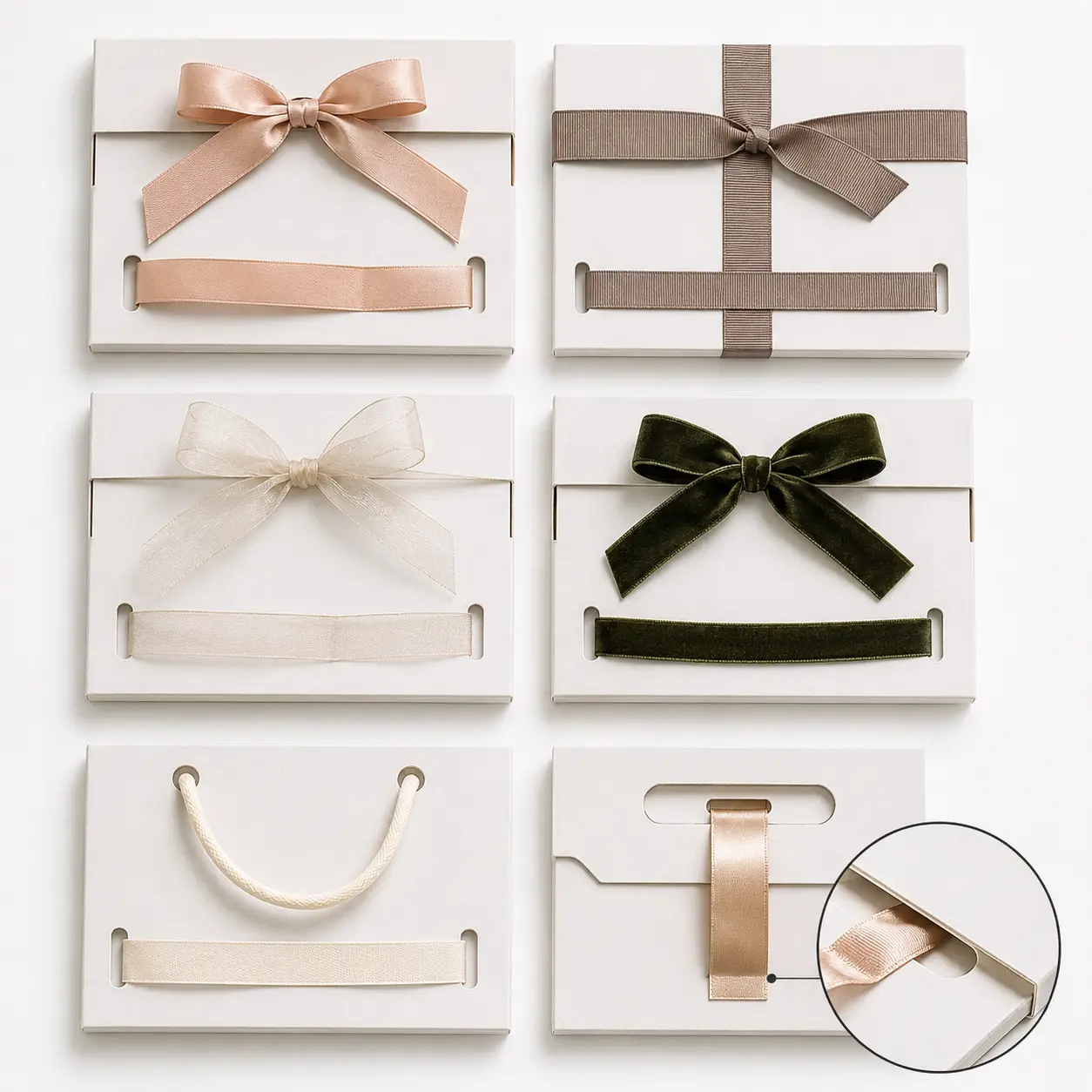
Add a gift-ready finishing detail where suitable.
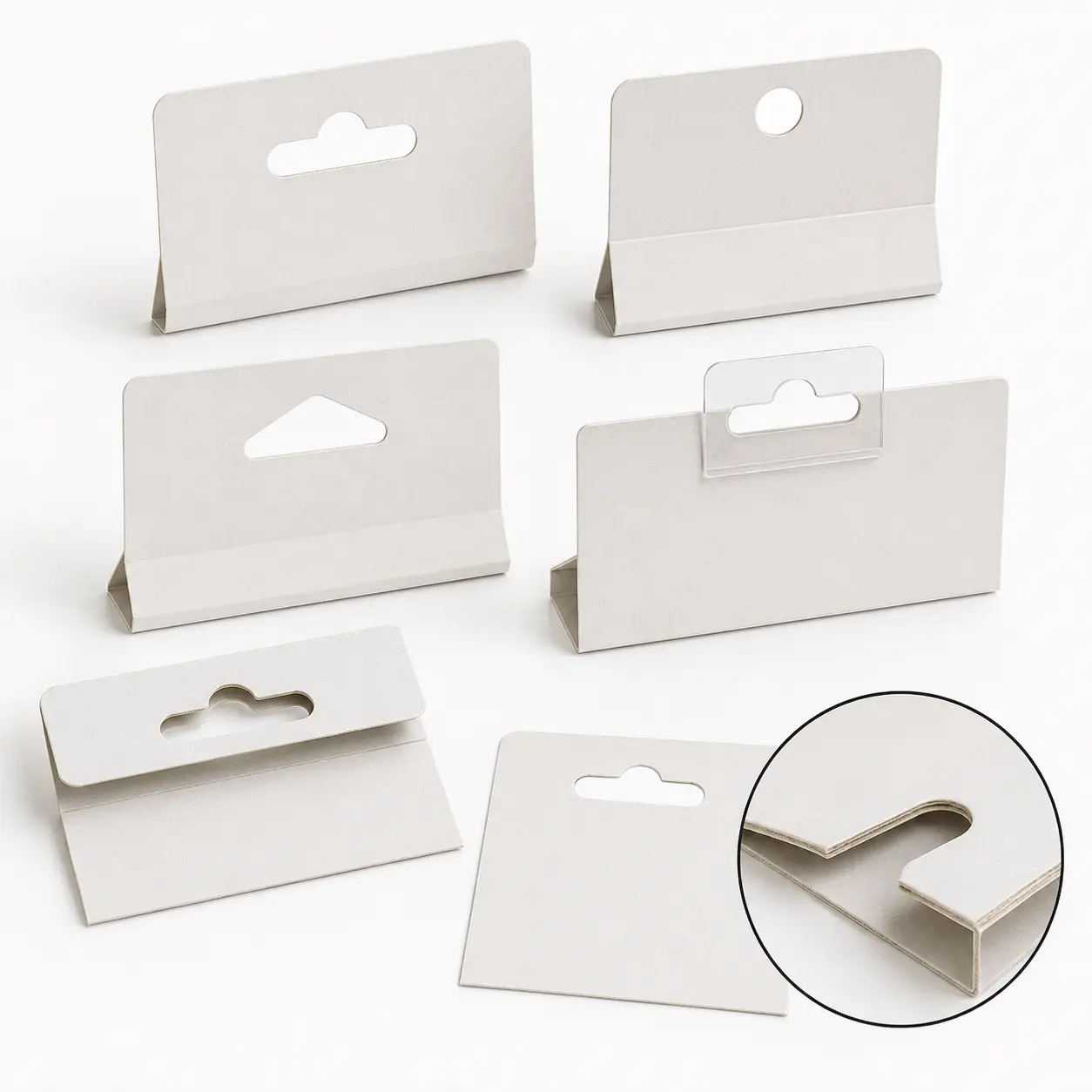
Support selected retail display requirements.
Recent packaging work
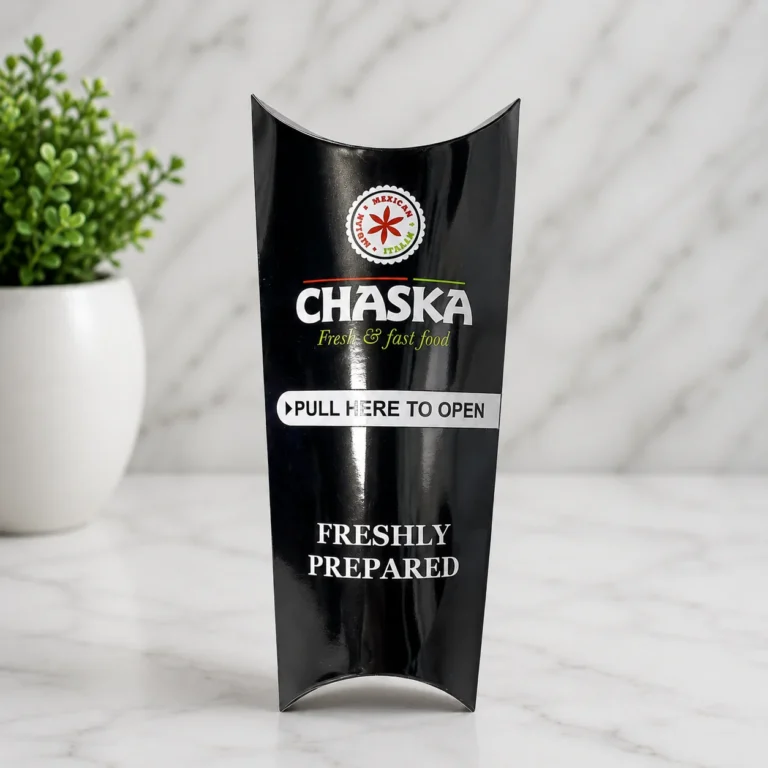
Pillow-style sleeve for Shawarma
CHASKA needed a custom pillow-style sleeve for shawarma packaging with a shaped structure, food-safe material, branded outside print,…
View Project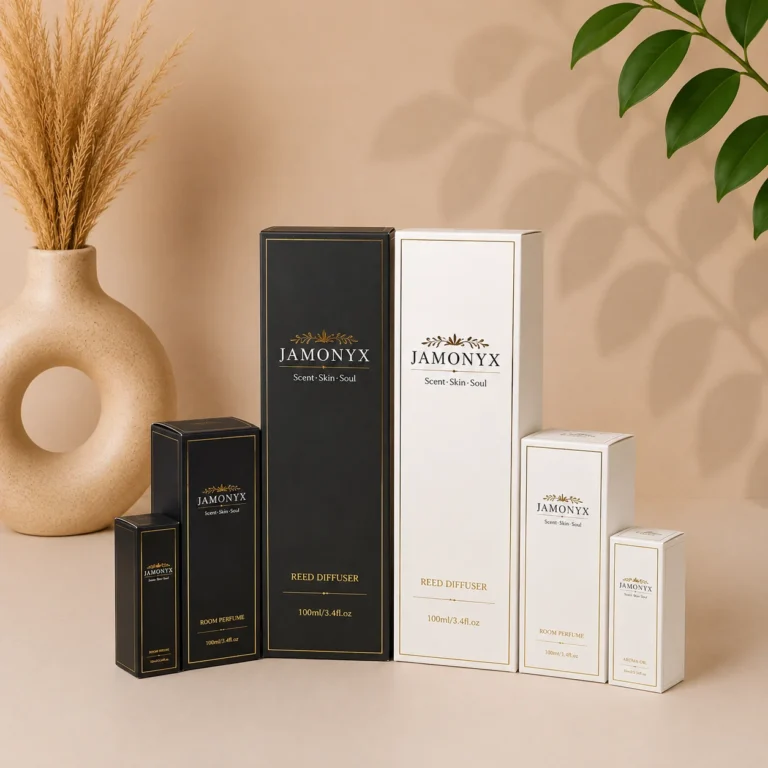
Style Reverse Tuck Box
JAMONYX needed premium reverse tuck folding carton boxes for a luxury fragrance and self-care product range. Healey Packaging…
View Project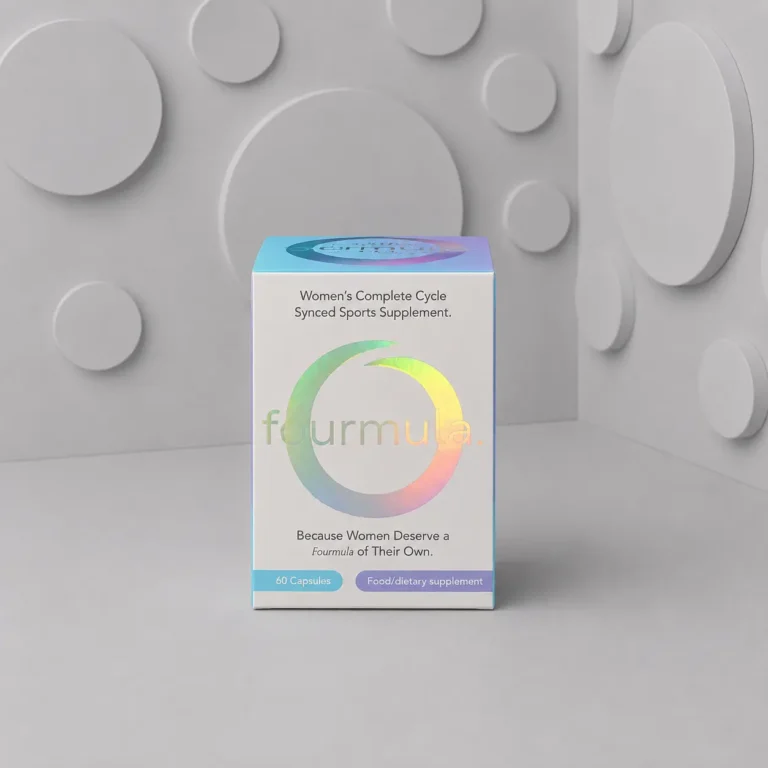
Custom folding carton / supplement box
Fourmula needed compact supplement boxes with premium holographic detailing, starting with physical samples before moving into a 1,000-box…
View Project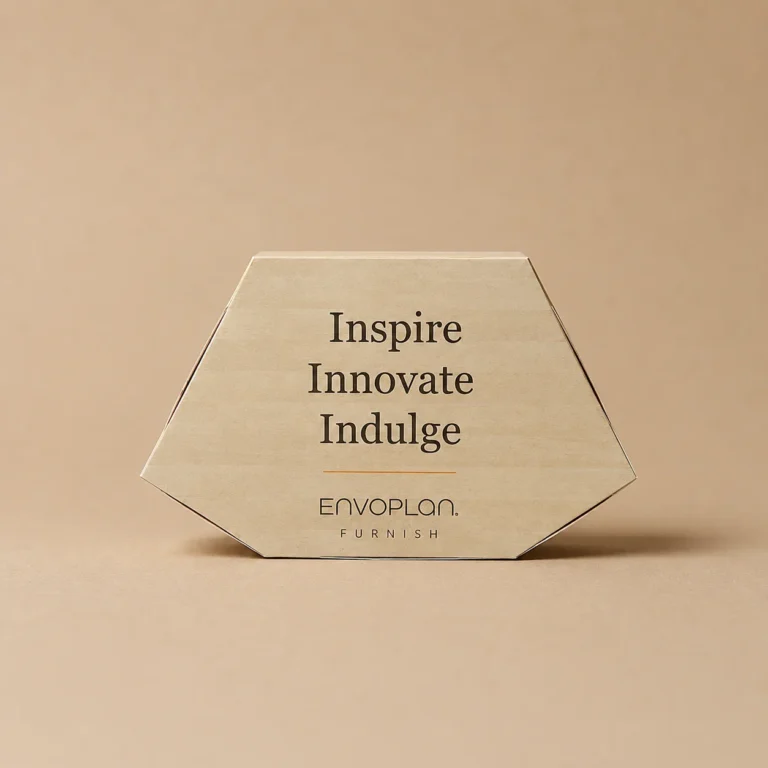
Custom shaped folding sweet box / polygon event giveaway box
Envoplan Furnish needed a bespoke shaped box to hold sweets for events and client handouts. Healey Packaging helped…
View ProjectRelated packaging styles


Get premium packaging that protects your product and supports your brand.
Tell us your product, target look, and how you ship. We'll recommend the right board, print, and finish for performance.