
Card Sleeves
Custom card sleeves wrap card decks, sets and promotional packs in branded...
Customise NowCustom sleeve packaging designed around your finished box, tray or product. Choose printed sleeves, bands and tray-and-sleeve formats with bespoke dimensions, suitable board, branded printing and selected finishes for retail, gifting, food and promotional applications.
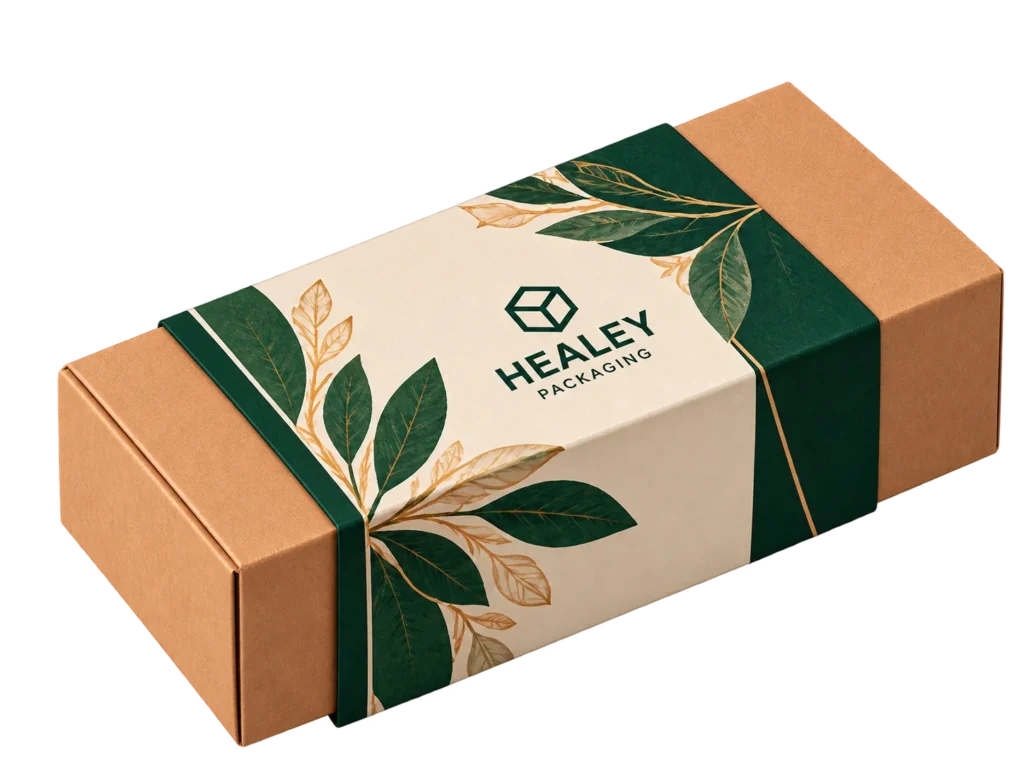
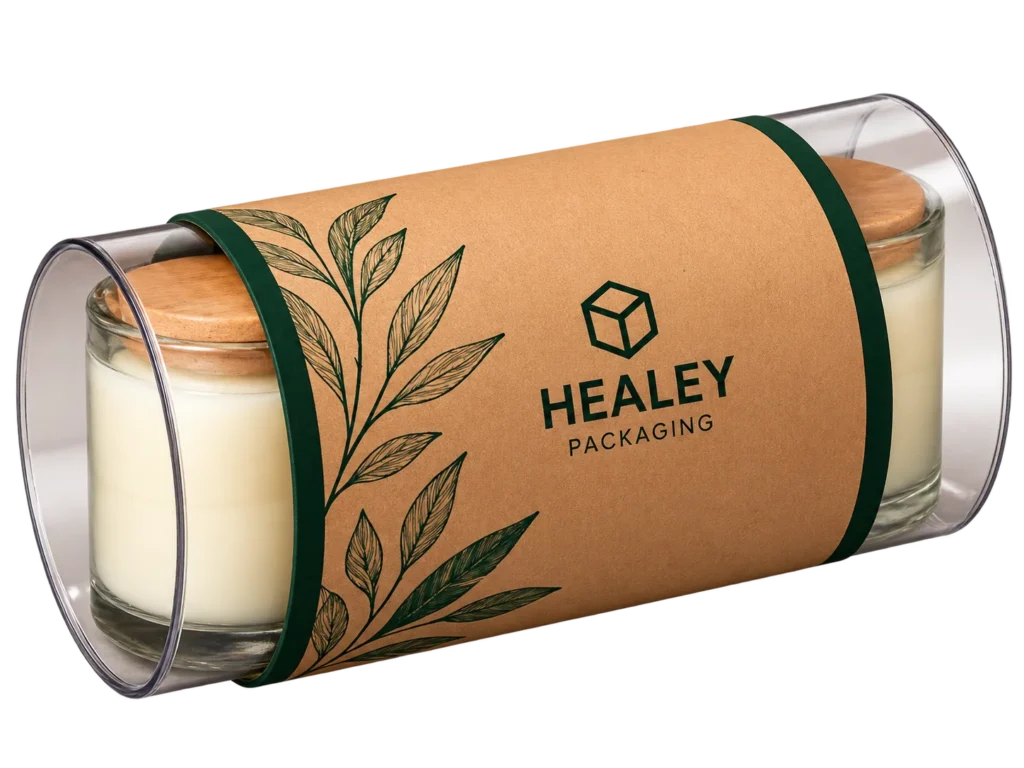
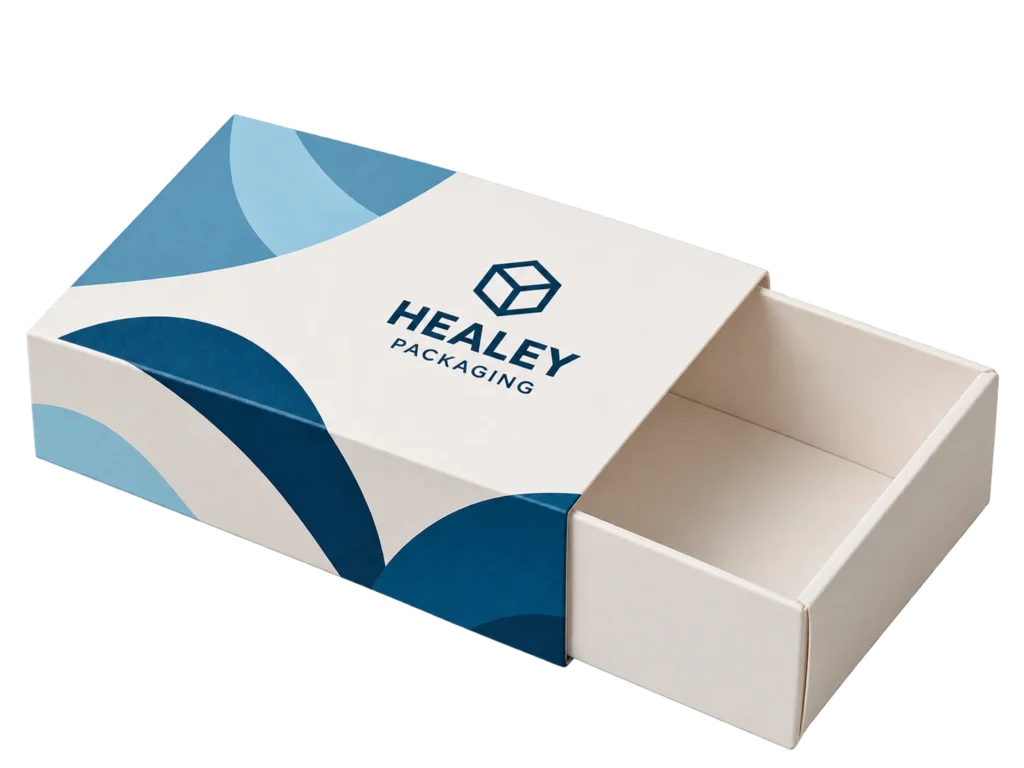
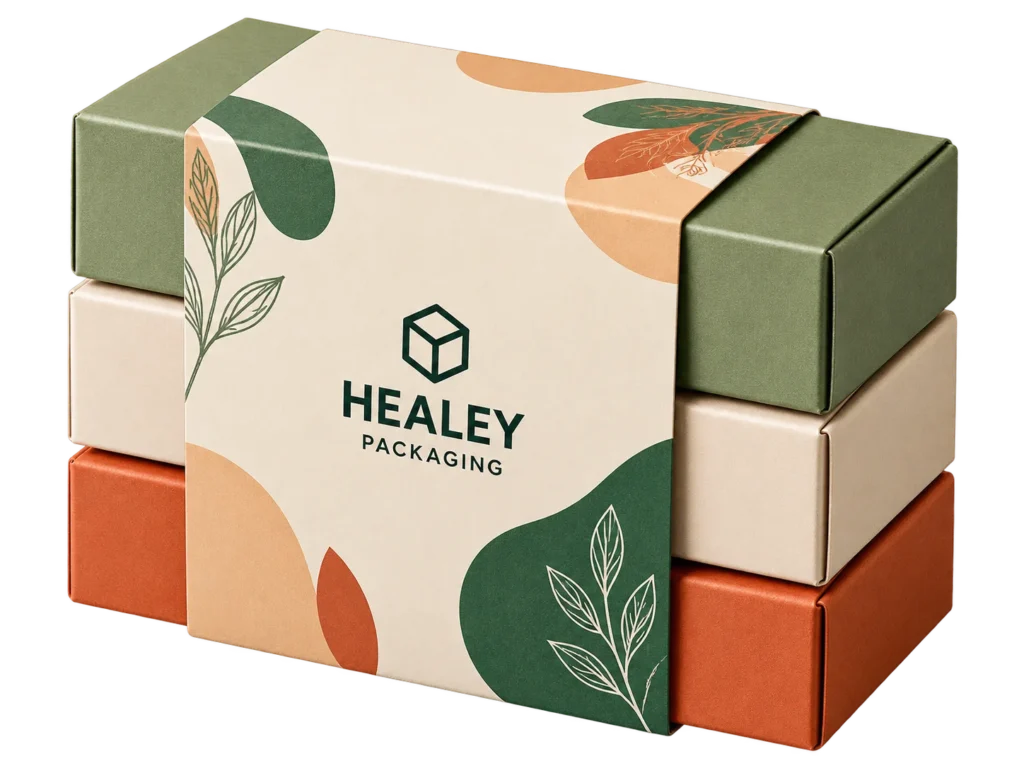
Browse custom sleeves for retail products, food trays, cosmetics, inserts and branded presentation.
Custom card sleeves wrap card decks, sets and promotional packs in branded...
Customise Now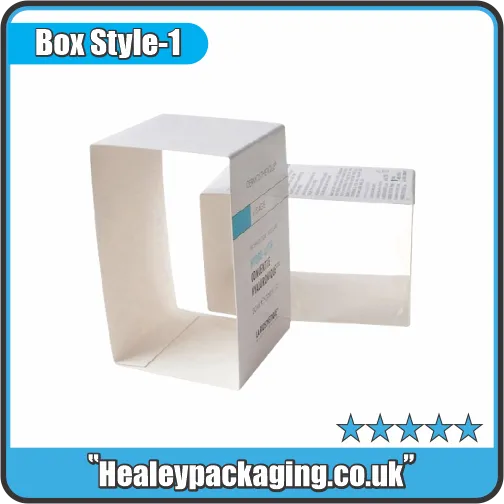
Cardboard sleeves are one of those packaging solutions that look simple, but...
Customise Now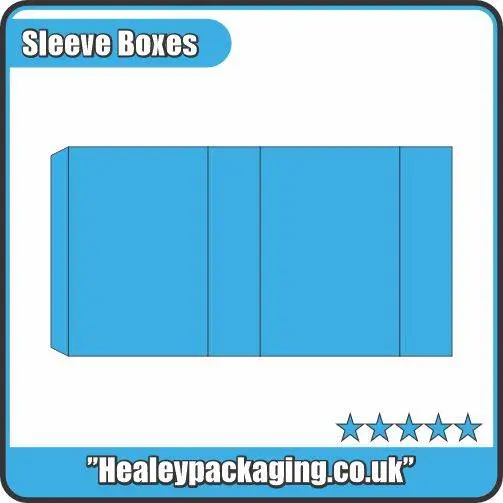
Some products are not packed in a single closed carton. Instead, an...
Customise Now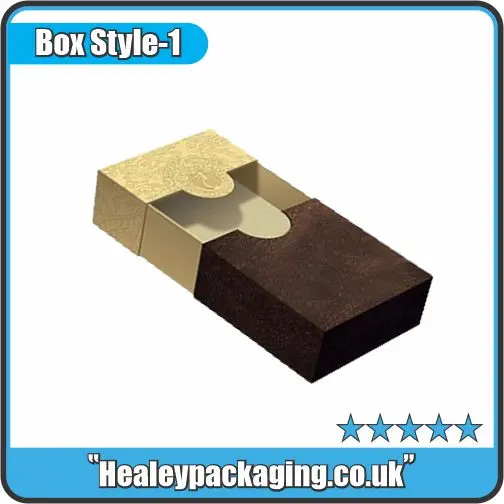
Soap sleeve boxes are very appropriate to hold the shape of soap...
Customise Now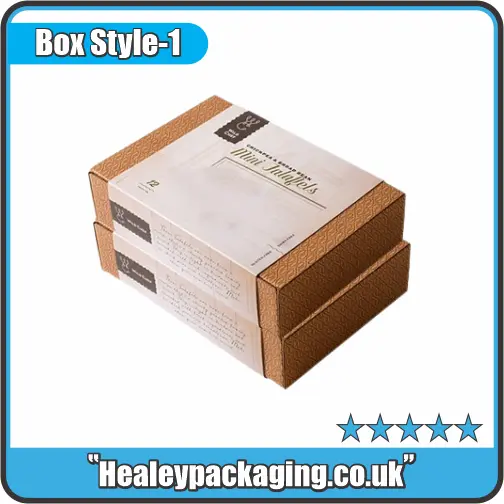
Sleeve cigarette boxes are used to keep multiple packs together during storage...
Customise Now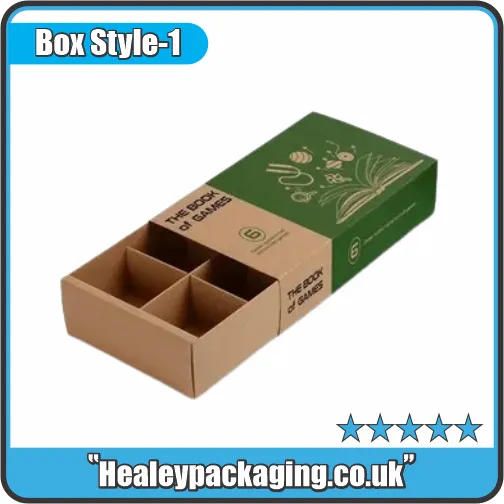
There's a quiet thrill in that perfect slide - when sleeve meets...
Customise NowCustom sleeve packaging can add a printed outer wrap to an existing pack or combine a sliding sleeve with a dedicated inner tray. Start with what is being wrapped and what the sleeve needs to do.
Printed sleeves for soaps, cosmetics, candles, jars and other small packaged goods. Confirm whether the sleeve wraps the product itself or its existing box.
Sleeves around suitable trays, cartons or separately packed food. Confirm food-contact conditions and the packing method before selecting the board and finish.
Outer sleeves around gift boxes or coordinated inner trays, with room for the product arrangement and any positioning insert.
Refresh campaign artwork around an established core pack. Retain the approved fit while changing the visible seasonal or promotional message.
Suitable sleeve structures around books, stationery and presentation products, sized around the complete set and its finished thickness.
Use a shared structural approach across suitable variants, with controlled artwork changes. Recheck the fit when the inner pack or product changes.
It may add branding, partially frame a product, help group an already suitable pack or provide a sliding reveal. Do not assume an outer wrap replaces the protection supplied by a box, tray or transit carton.
Choose an outer sleeve when a suitable inner pack is already in place. Choose a tray-and-sleeve format when the product needs a dedicated tray, controlled positioning or a coordinated opening experience.
A focused branding strip where more of the existing pack should remain visible.
More printed coverage around the pack, with openings and access considered in the structure.
A cut-out can frame the product; assess its effect on panel strength and any added window material.
A tray with suitable positioning features for products that need an organised presentation.
Develop the sleeve around the complete finished inner pack. Board thickness, folds, overlap and product projections all affect how a sleeve fits and how a tray moves through it.
Check the actual inner pack and selected board together. Clearance should support the intended packing and opening method without excessive looseness.
Measure the box, tray or product in the condition in which it will be wrapped, including primary packaging and any insert.
Allow for the selected material and its folds when developing the finished internal sleeve dimensions.
Provide enough clearance for the intended movement without making the sleeve unnecessarily loose.
Include caps, lids, handles and raised parts if the sleeve must pass over or sit around them.
Confirm whether the sleeve is glued, folded or part of a tray-and-sleeve pack. Check overlap, squareness and the intended loading direction.
Where a fit check or sample forms part of the project, use the actual inner pack and representative products. An artwork file alone cannot demonstrate sliding performance.
Select the board around the sleeve’s role, the inner pack and the handling conditions. Confirm fit with that material before finalising the print surface or finish.
A versatile choice for printed retail sleeves and lighter wrap-around formats where clean folds and detailed graphics matter.
A natural-looking brown surface for suitable sleeve structures. Plan colour and contrast around the substrate rather than assuming a white print base.
For larger or more structurally demanding sleeve and tray applications where extra rigidity is needed. The board profile must be included in the fit assessment.
The sleeve is often the main branding surface. Organise the message around the panels customers see when the finished pack is displayed, handled and opened.
Prioritise the logo, product name and variant. Keep the range recognisable while making each SKU easy to distinguish.
Set a clear front-panel message, then use side and back panels for supporting information. Check what remains visible around the inner pack.
Use CMYK for suitable process artwork and Pantone references where the selected printing method supports closer brand-colour control.
Consider foil, Spot UV, embossing or debossing, and matt or gloss finishes where the board and production method support them. Keep the opening and fit practical.
A sleeve that looks right on a shelf may need different fit, positioning or outer protection when used for gifting or online orders. Specify the complete pack for its route to the customer.
Keep product visibility and readable branding in balance. Check the finished pack for stacking, shelf placement and repeated handling.
Plan the opening sequence around a clean sliding movement and a controlled reveal. Keep the product and any insert aligned as the tray opens.
Assess the complete assembly for the intended delivery conditions. Add suitable transit packaging where the product and inner pack require it.
Use a sleeve where it performs a useful job and control the details that make repeat orders fit consistently. Assess material efficiency across the finished pack rather than the sleeve alone.
Reassess clearance and fit when any structural detail changes.
Supply the finished inner-pack dimensions, product type, sleeve role, preferred structure, quantity, material direction, packing method, delivery route and artwork status. For a tray-and-sleeve pack, include the product arrangement and any insert or positioning requirement.
Real packaging work produced for customer brands.
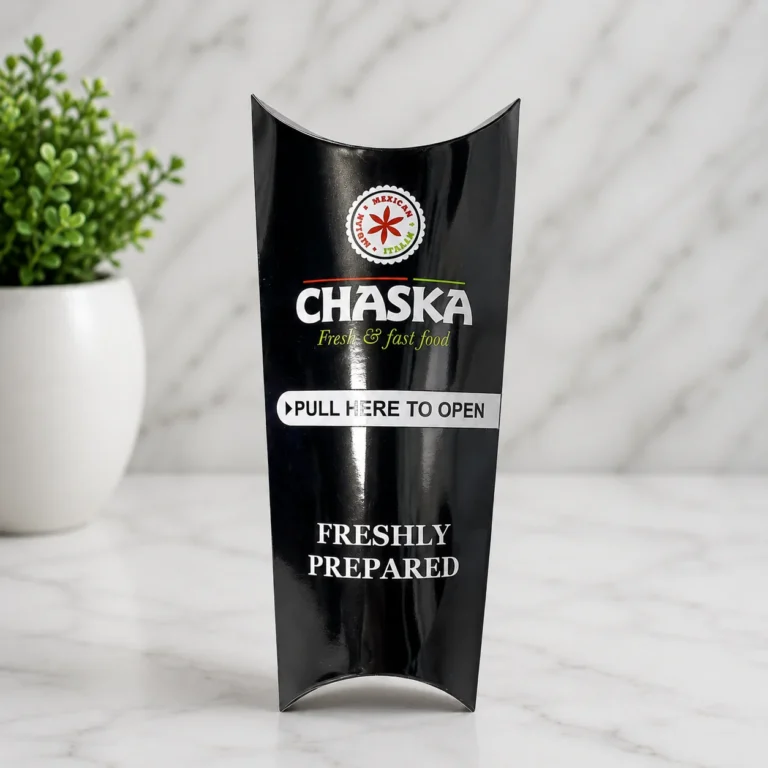
Healey Packaging produced custom pillow-style shawarma sleeves for CHASKA using 300gsm food-safe BSB card, full-colour CMYK...
View Case Study
Healey Packaging produced 1,200 luxury reverse tuck boxes for JAMONYX across two black-and-white designs, three sizes,...
View Case Study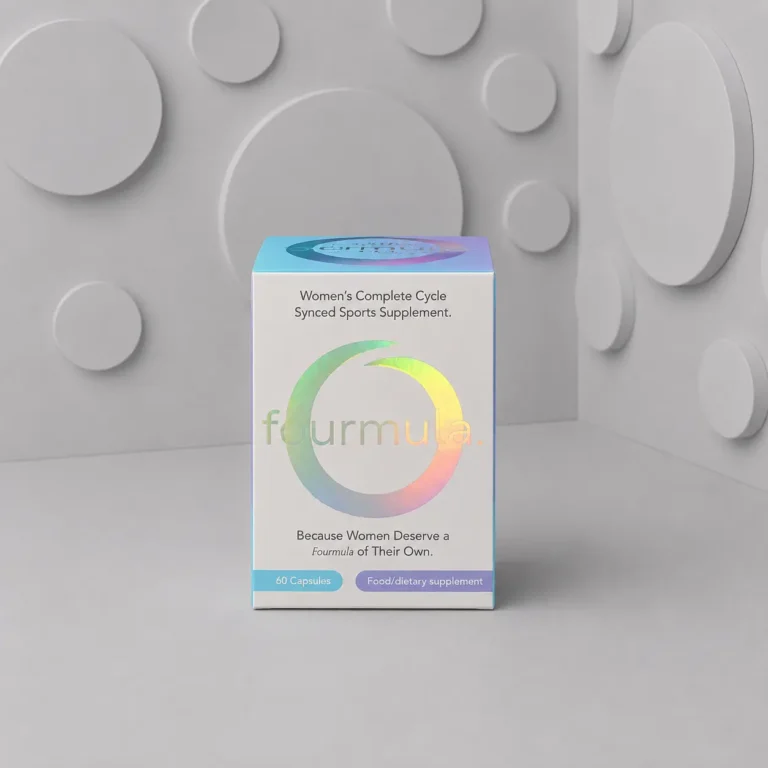
Fourmula started with 10 physical sample boxes for a compact supplement product, then moved toward a...
View Case Study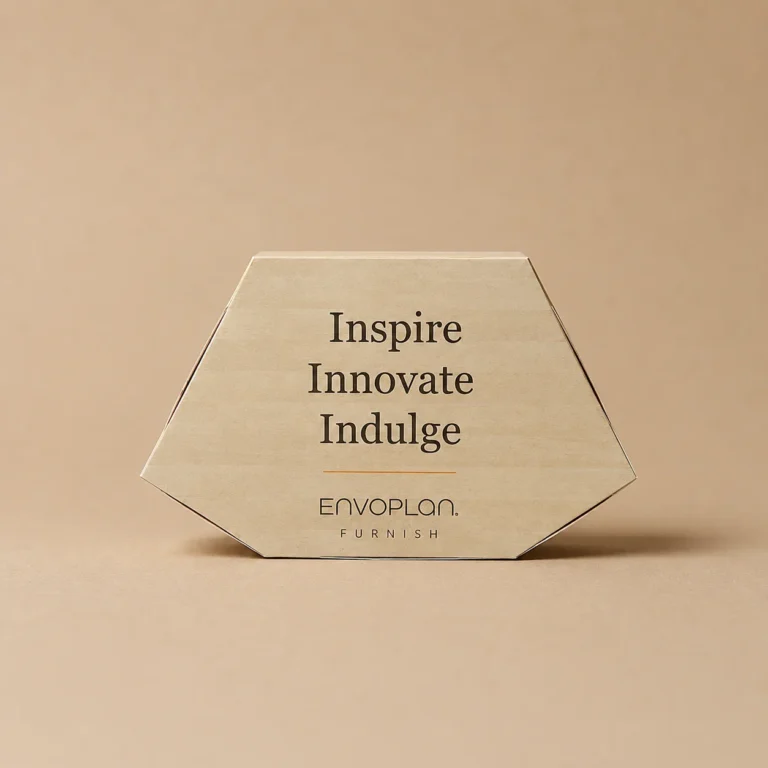
A bespoke shaped sweet box created for Envoplan Furnish events, produced across two 300-box runs with...
View Case StudyShare product size, quantity, use case and artwork status.
The right size, board and box style are reviewed.
A digital proof is prepared before production begins.
Boxes are printed, cut, folded and finished to specification.
Finished packaging is checked for structure and print quality.
Completed packaging is packed and delivered to your business.
From our customers
In our customers’ own words. Selected excerpts from company reviews on Trustpilot.
Review excerpt
Can’t recommend the company enough, especially Alex who worded with me patiently all the way.…
Review excerpt
Quick and thorough responses from Alex. Delivery was also fast, and within the lead time they gave, I would recommend.
Review excerpt
I had a great experience working with Healey Packaging, I love my new candle boxes.…
Review excerpt
We had a deadline they needed to meet for me and they did.…
Review excerpt
Had a very good experience with Healey. This is the second time we have used them…
Review excerpt
Great customer service, needed a quick turn around and assistance for custom packaging for my brand,…
Review excerpt
I looked through about 100 unhelpful suppliers, then found Healey Packaging.…
Review excerpt
Great quality product and excellent service from Alex.
Feedback relates to Healey Packaging and its service, rather than a rating of an individual product.
Sleeve packaging is a printed board wrap that fits around a product, box, tray or other inner pack. It can add branding, product information and presentation without always replacing the main protective packaging. Sleeves can range from simple bands to full wrap-around structures and sliding outer sleeves.
A packaging sleeve is normally an outer wrap or band fitted around an existing product, carton or tray. A tray-and-sleeve box uses two coordinated components: an inner tray that holds the product and an outer sleeve that slides over it. Tray-and-sleeve formats generally provide a more controlled opening and presentation experience.
Sleeve dimensions should be developed around the finished inner product, box or tray rather than nominal product measurements alone. Board thickness, glue overlap, fold allowances and practical clearance all affect the finished fit. For sliding sleeves, enough tolerance is needed for smooth movement without making the sleeve excessively loose.
Folding boxboard is commonly used for lightweight printed sleeves because it provides a smooth print surface and accurate folding. Kraft board can suit brands looking for a natural brown appearance, while corrugated board may be appropriate for larger or more structurally demanding tray-and-sleeve applications. Material choice should follow product weight, structure and print requirements.
Yes. Custom packaging sleeves can include logos, brand colours, product names, instructions, promotional artwork and other approved information. Depending on the material and production method, printing can also be combined with selected finishes such as matt or gloss surfaces, foil, Spot UV, embossing or debossing.
Yes, particularly in tray-and-sleeve packaging where the inner tray can incorporate an insert, divider or custom product holder. Inserts can help position bottles, jars, accessories or several products within a gift set. A simple outer sleeve or band usually relies on the inner packaging for product support.
Yes, sleeves can be used around suitable food trays, cartons or separately packed food products. If the sleeve will have direct food contact, the material and any coating or barrier should be specified for that particular use. A paper-based sleeve should not automatically be described as suitable for direct food contact without confirming the complete specification.
Yes, but the sleeve should not automatically be treated as shipping protection. A printed sleeve can support branding and presentation, while the inner box, tray or an additional transit carton may still be required to protect the product during courier delivery. The complete packed system should be assessed according to the delivery route.
Healey Packaging offers no minimum order requirement for custom sleeve packaging. The appropriate production method can still depend on the dimensions, material, number of artwork versions, printing specification and quantity required.
Standard production is typically 7–10 working days after artwork approval. Bespoke structures, tray-and-sleeve formats, inserts, specialist materials or finishing requirements can affect the final production schedule. Delivery time should be considered separately from the production turnaround.
Share your product, size, material and quantity requirements. Our team will help you choose the right structure, print and finish.
Tell us your product, target look, and how you ship. We'll recommend the right board, print, and finish for performance.
 Apparel Packaging
 Bakery Packaging Boxes
 Bottle Packaging Boxes
 Candle Boxes
 CBD Packaging Boxes
 Cereal Packaging Boxes