
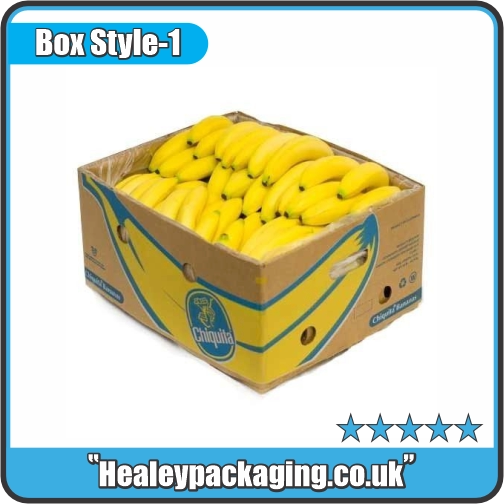
Banana Boxes
Custom banana boxes are built for stacking, handling and produce transport. Manufactured...
Customise NowCustom produce boxes for packing, transporting and displaying fresh fruit and vegetables. Specify the size, corrugated board strength, ventilation and printing around your produce, packed weight and supply chain, with options for growers, wholesalers, food suppliers and retailers across the UK.
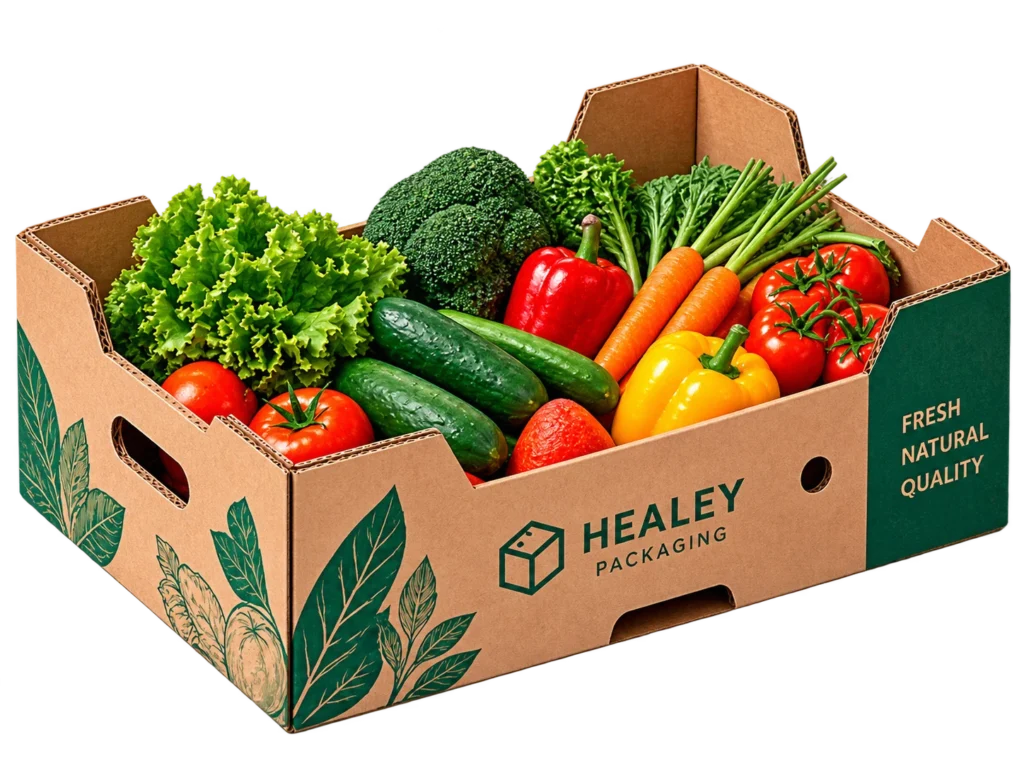
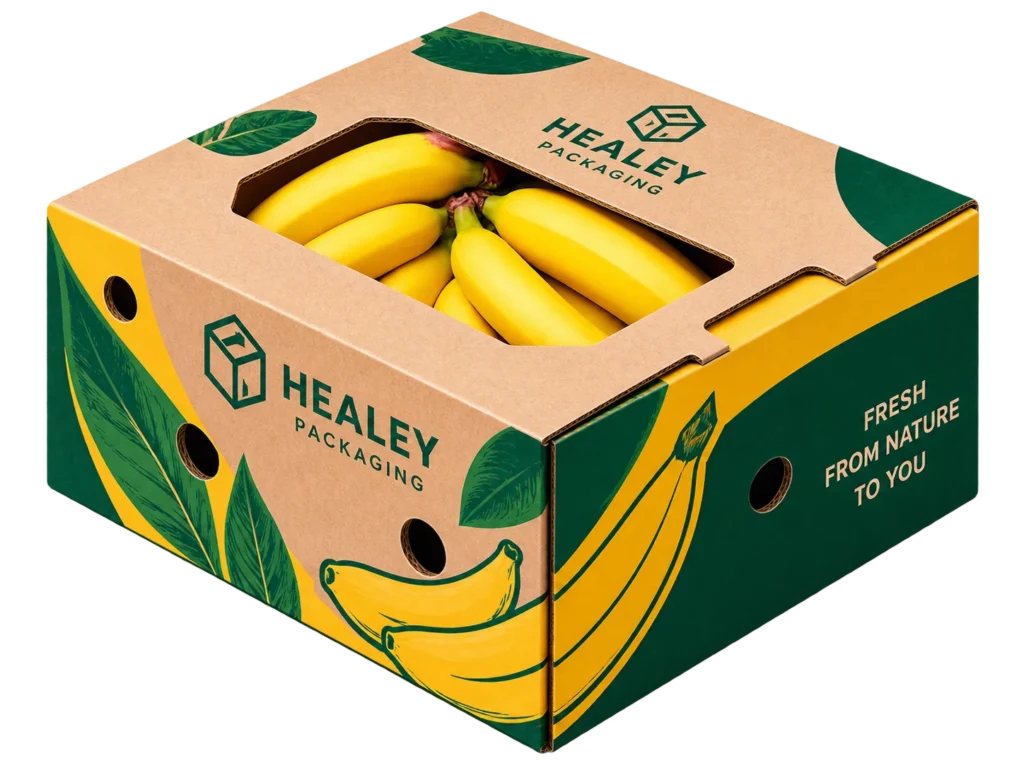
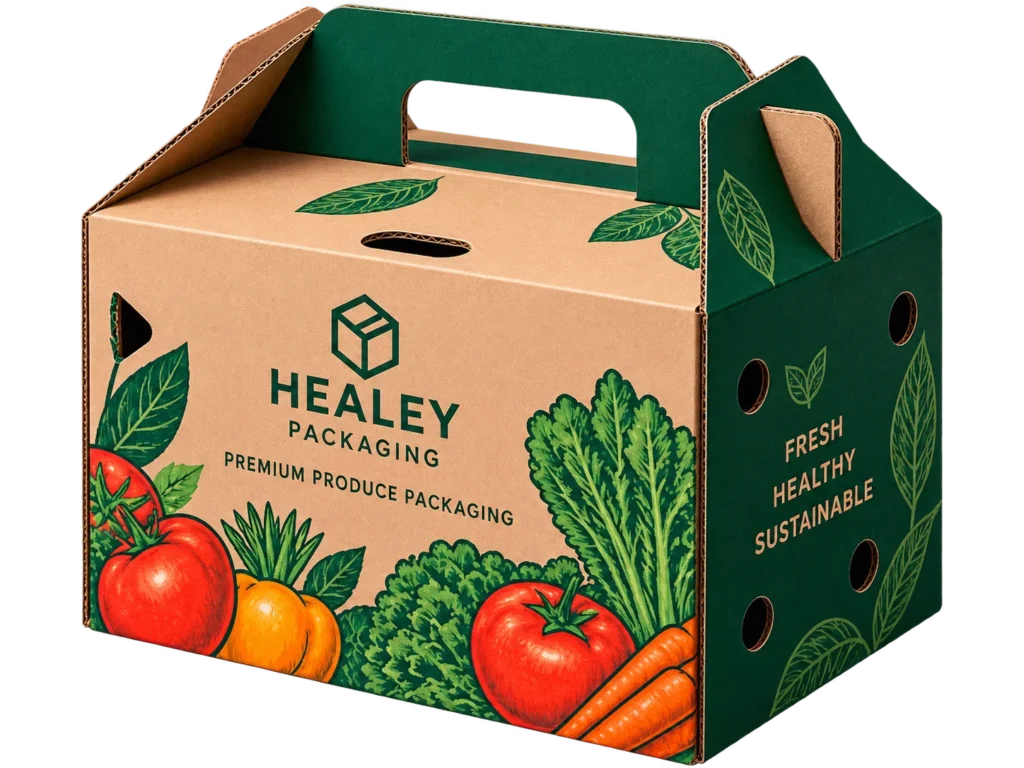
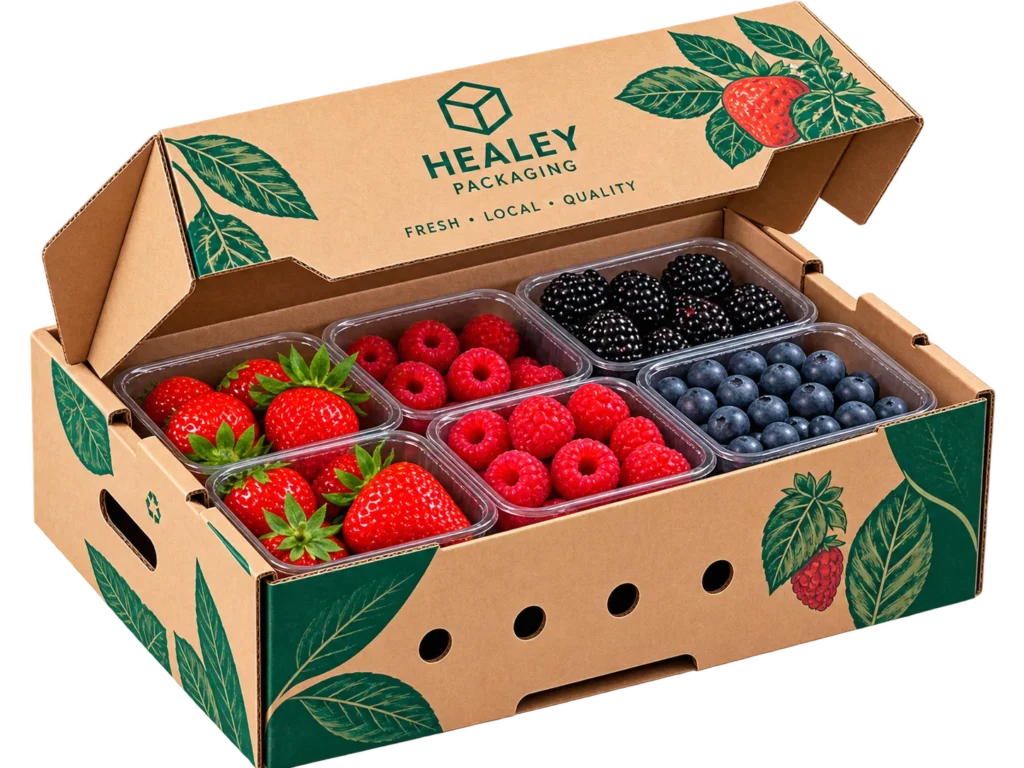
Browse produce packaging for fruit, vegetables, farm products, retail display and delivery.
Custom banana boxes are built for stacking, handling and produce transport. Manufactured...
Customise Now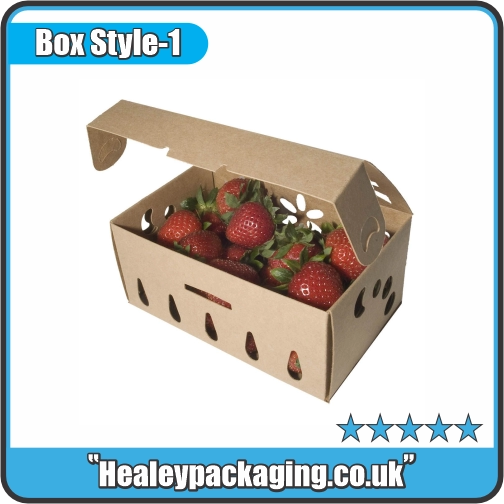
Custom cardboard berry boxes are made to carry delicate fruit from packing...
Customise Now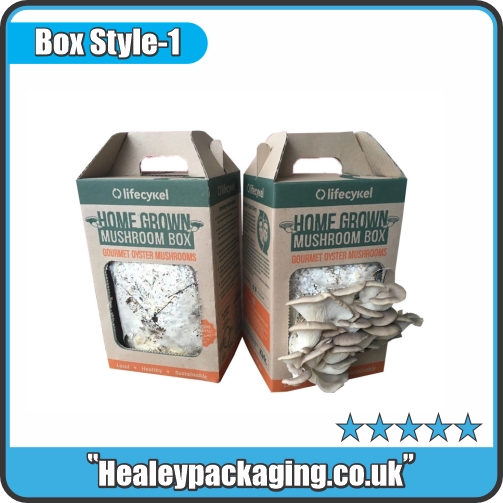
Custom mushroom boxes keep fresh, dried and packaged mushrooms better organised during...
Customise Now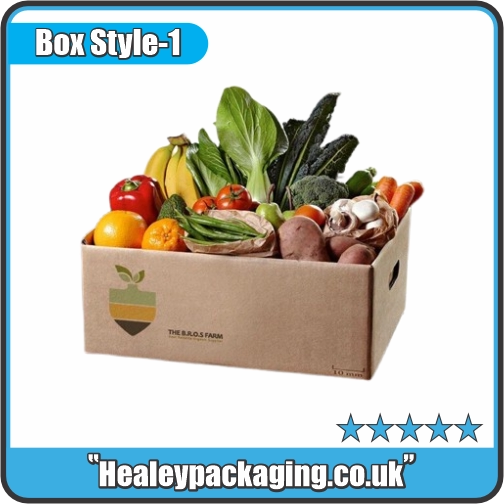
Custom vegetable boxes give growers, wholesalers and produce retailers sturdy packs for...
Customise NowDifferent crops place different demands on packaging. Packed weight, sensitivity to pressure, airflow and handling should all influence the final box specification.
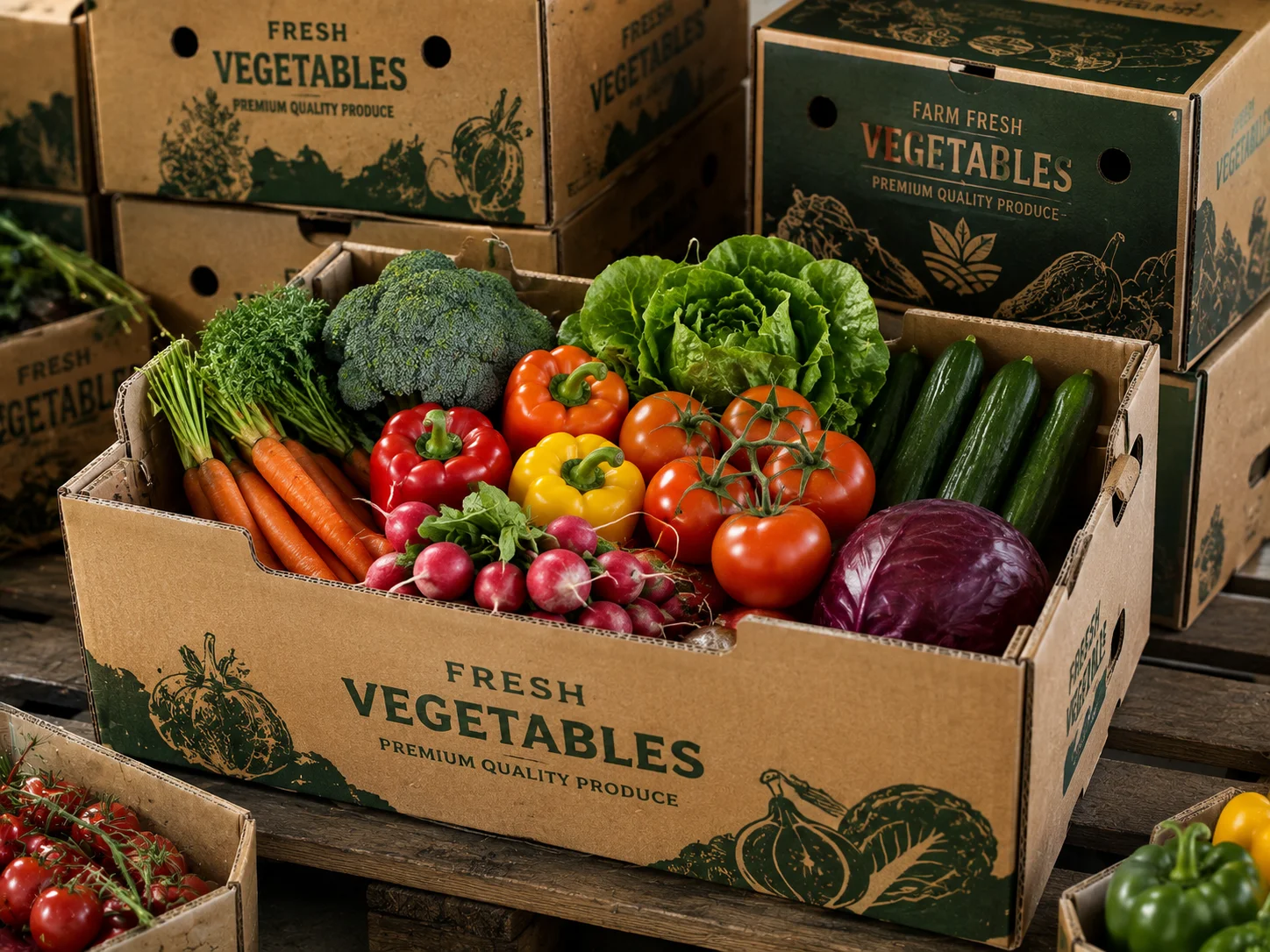 Vegetables
Vegetable boxes may need to accommodate irregular shapes, changing packed weights and different handling conditions. Board strength, ventilation and internal space should be considered around the specific crop.
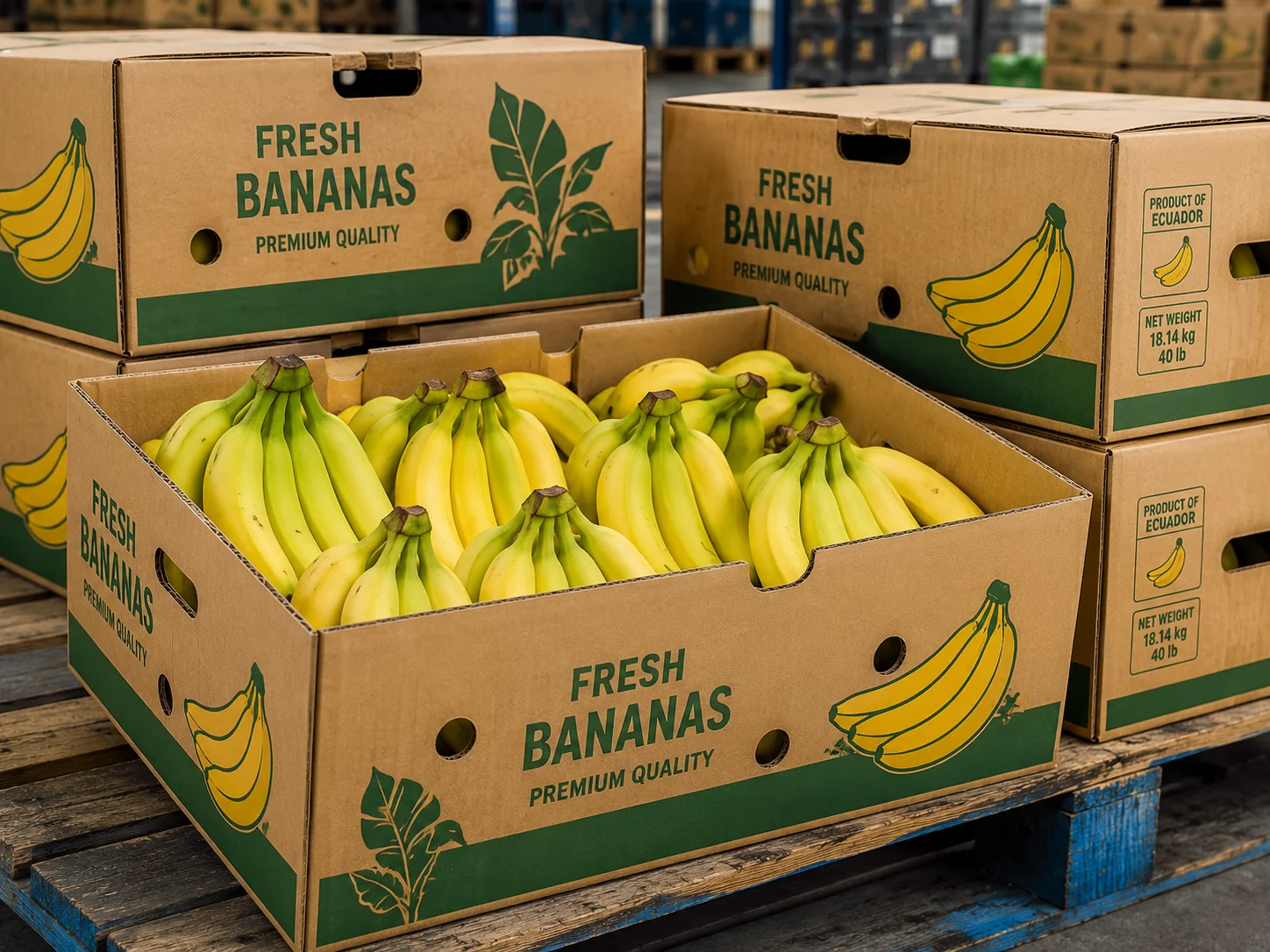
Stronger structures may be required where packed weight, stacking and ventilation are important.
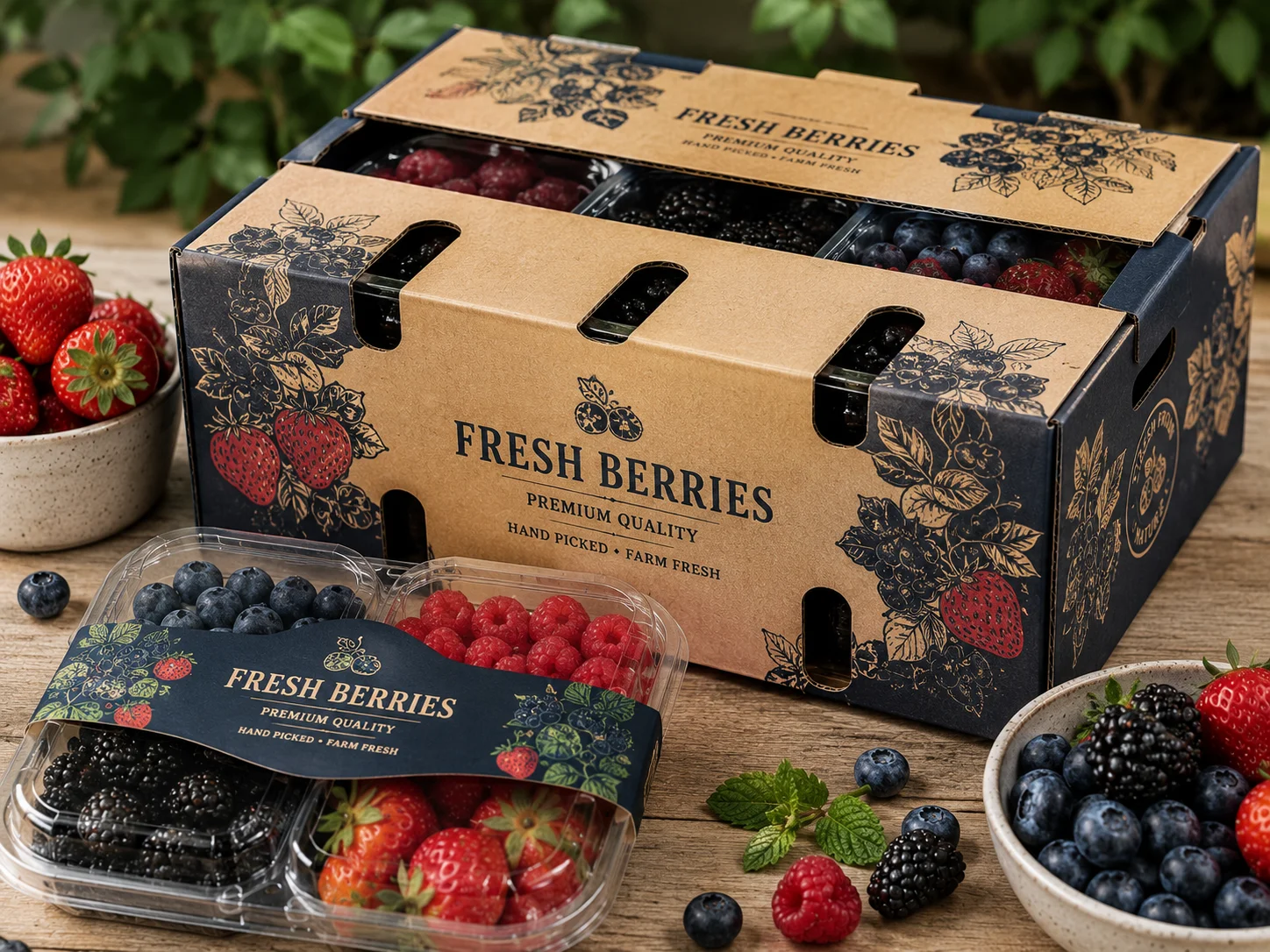
Delicate berries often use smaller primary packs with an outer carton that helps limit movement.
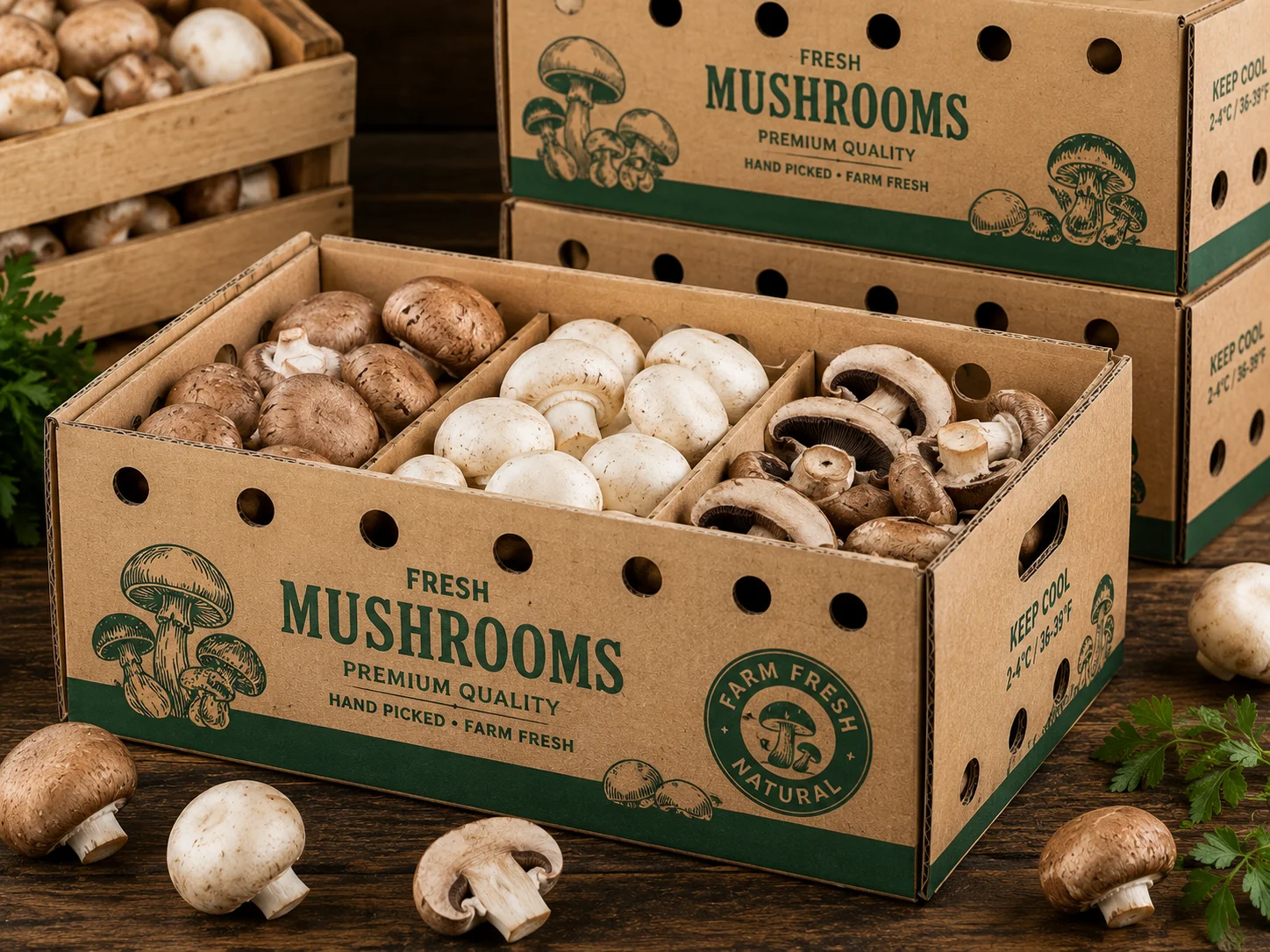
Airflow and moisture conditions should be considered without weakening the box unnecessarily.
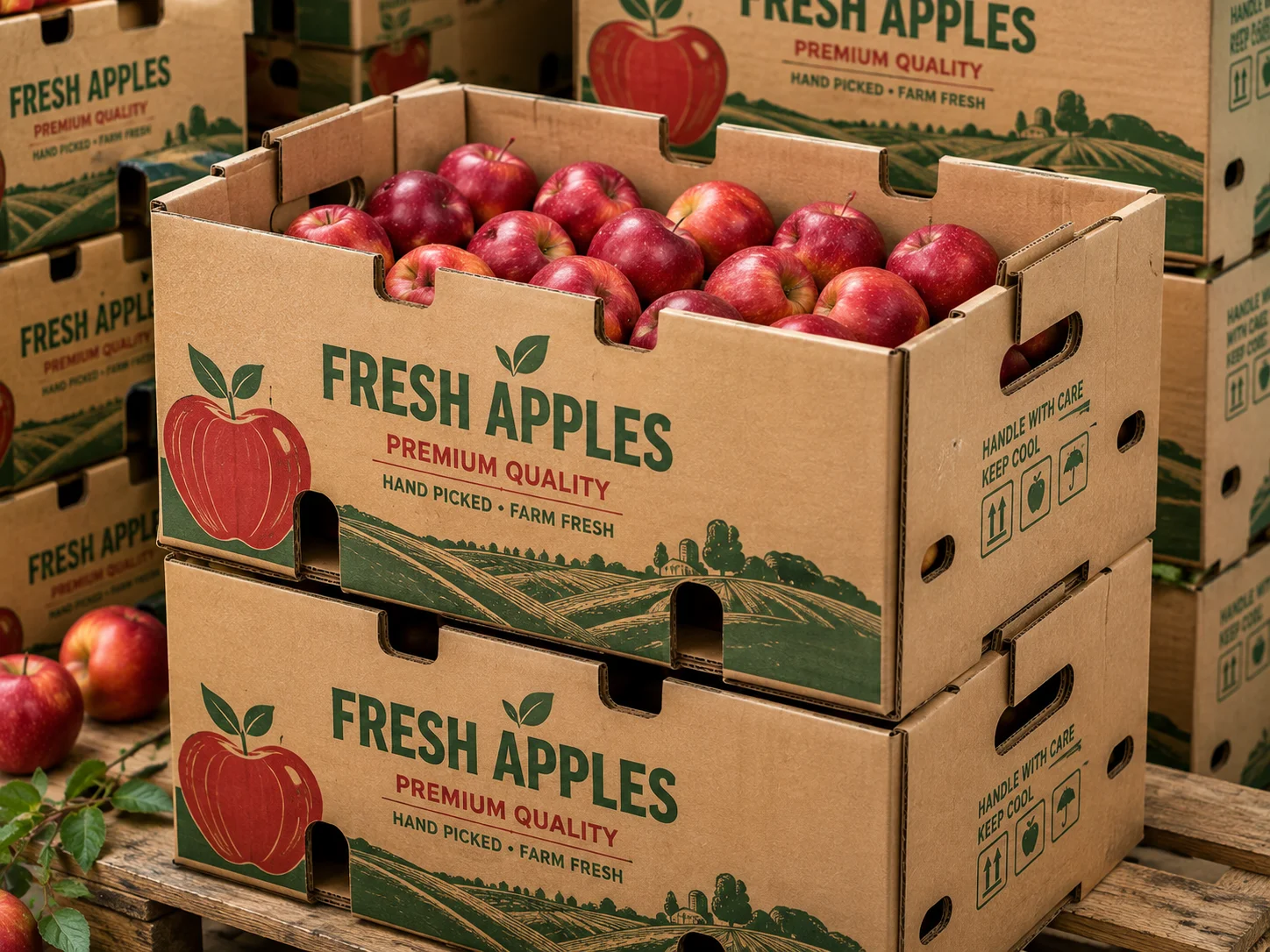
Larger fruit loads may need good stacking strength and control of product movement during distribution.
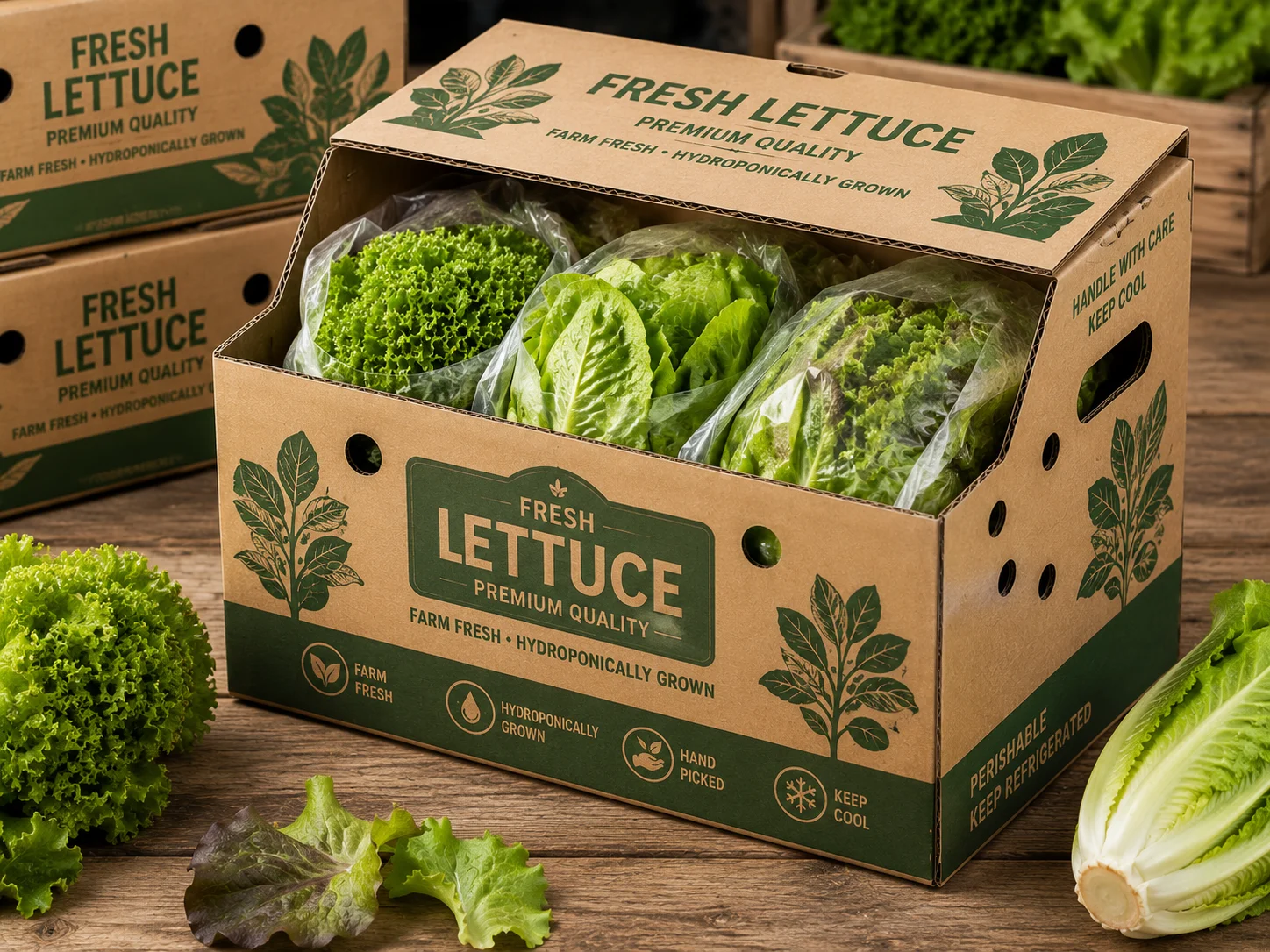
Lettuce, salad leaves and similar produce are lightweight but vulnerable to crushing and poor handling. Packaging should consider airflow, packing speed and distribution time.
Start with the produce: Product weight, sensitivity to pressure, airflow requirements and packed quantity can all affect the box specification.
The right format depends on packed weight, stacking, access, ventilation and the final destination. Structure should be confirmed before decorative print or branding is positioned.
A practical choice where greater structural support is needed for heavier loads, stacking and distribution.
Explore Corrugated BoxesOpen formats suit packing, replenishment and selected shelf-ready uses where quick access matters.
Useful where ventilation openings, hand holes or tailored access features are part of the structural brief.
Suitable where the produce needs to remain accessible during packing, handling or selected retail applications.
Designed for cartons that move through distribution and then support shop-floor presentation with less repacking.
Used around primary produce packs where grouped handling, storage, palletisation or distribution needs extra protection.
Branding should follow the physical requirements of the pack, not replace them.
Dimensions alone do not determine whether a produce carton will perform properly. Specify the box around the finished load, stacking pattern, handling method and distribution conditions.
Use the finished carton weight when reviewing board grade, base support and stacking performance.
Allow usable space for the produce, packing clearance and any required retaining components.
Consider how many cartons may be stacked during storage, palletisation and distribution.
Carton dimensions should support a practical pallet pattern and stable unit load where palletisation is used.
Manual carrying, mechanical movement and repeated transfers can place different demands on the structure.
Dividers, trays or other fitments can control movement where the product arrangement requires them.
A carton can fit the produce correctly but still perform poorly if its footprint, stacking pattern or packed weight does not suit the distribution setup.
These decisions should be reviewed together before the board grade is finalised.
More openings are not automatically better. Ventilation should be considered with the crop, storage conditions and box strength so airflow does not undermine structural performance.
Size, quantity and position of die-cut openings can affect both airflow and compression strength.
Confirm whether the produce and storage conditions benefit from controlled air movement.
Keep openings away from key structural areas unless the design accounts for the strength reduction.
Consider condensation, damp handling and other realistic conditions that may affect board performance.
Delicate produce may need sufficient clearance and support to reduce pressure from neighbouring products or stacked cartons.
Excess movement can contribute to bruising, abrasion or poor presentation during distribution.
Ventilation features should be reviewed alongside board grade, packed weight and expected stacking.
A box used near harvest can face different demands from one intended for palletised distribution, retail display or direct delivery. Define the route before finalising strength, access and presentation.
Prioritise practical assembly, accessible packing and efficient flat storage before use.
Focus: assembly · handling · airflowPacked weight, palletisation, stacking and repeated movement become more important through distribution.
Focus: compression · pallet fit · movementThe outer pack may also need product identification, shelf access and a presentable format at the point of sale.
Focus: access · identification · displayRepeat delivery operations benefit from controlled movement, consistent dimensions and suitable outer protection.
Focus: repeat size · movement · delivery protectionPunnets, liners or other primary packs may contain or portion the produce.
The carton can provide stacking, protection and grouped handling around primary packs.
Some outer cartons are also designed to support retail access and product identification.
Print should make cartons easier to identify, manage and recognise. Keep branding and operational information clear without distracting from the structural and ventilation requirements.
Add farm, supplier, retailer or own-brand identity where the carton needs to remain recognisable through the supply chain.
Use print to distinguish product varieties, grades, seasonal ranges or other operational identifiers.
Include approved orientation, handling or operational information where it helps teams manage packed cartons correctly.
Choose the print approach around the board surface, artwork, colour requirements and quantity rather than finish alone.
Efficient produce packaging uses enough material to protect the crop without adding unnecessary volume or components. For repeat supply, approved dimensions, board and print references should remain easy to reorder.
Reduce unnecessary board and internal volume while keeping practical packing clearance.
Specify strength around the finished load, stacking and actual distribution conditions.
Remove inserts, layers or secondary parts where they do not provide a clear protective or handling function.
Coatings, contamination, adhesives and mixed components can affect the appropriate end-of-life route.
Maintain product fit, pallet patterns and packing-line compatibility.
Retain the agreed board grade and structure for consistent handling performance.
Keep approved brand, product and colour references clear for repeat production.
Recheck the box when produce size, variety, pack count, route or packed weight changes.
Produce type, internal dimensions, packed weight, quantity, stacking requirement, pallet configuration, ventilation needs, packing method, sales route and artwork status provide a practical starting point for a quotation.
Real packaging work produced for customer brands.
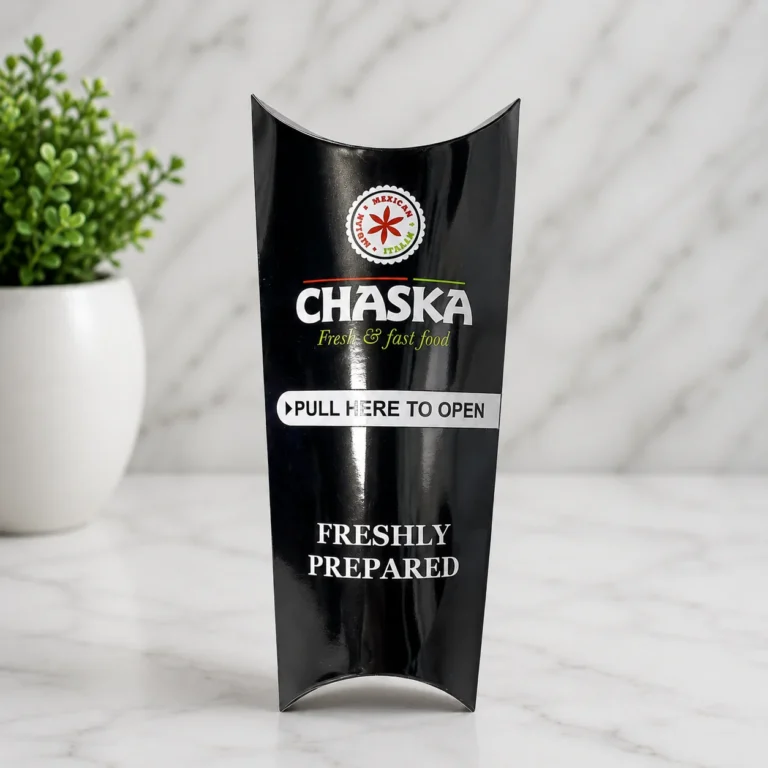
Healey Packaging produced custom pillow-style shawarma sleeves for CHASKA using 300gsm food-safe BSB card, full-colour CMYK...
View Case Study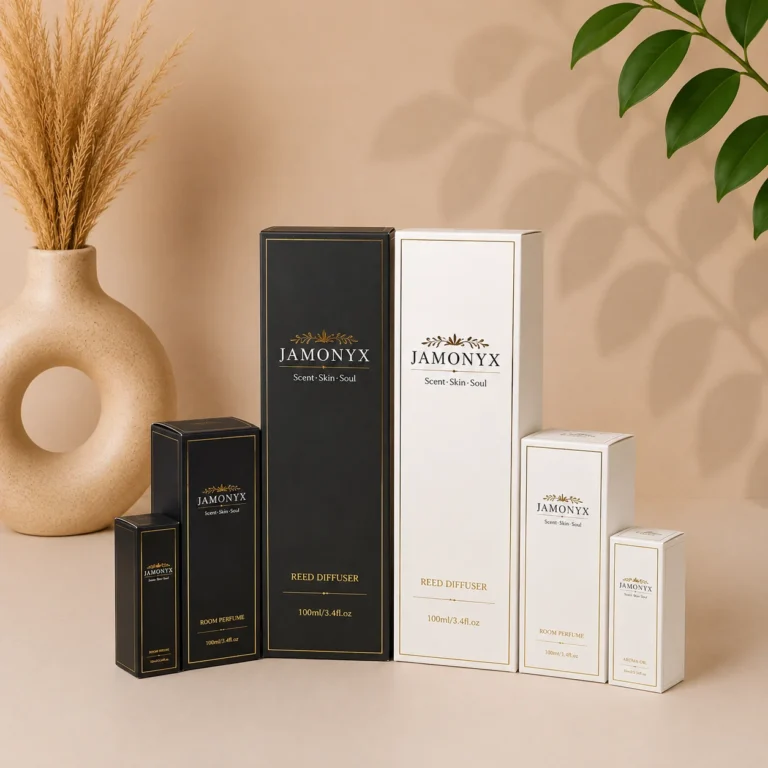
Healey Packaging produced 1,200 luxury reverse tuck boxes for JAMONYX across two black-and-white designs, three sizes,...
View Case Study
Fourmula started with 10 physical sample boxes for a compact supplement product, then moved toward a...
View Case Study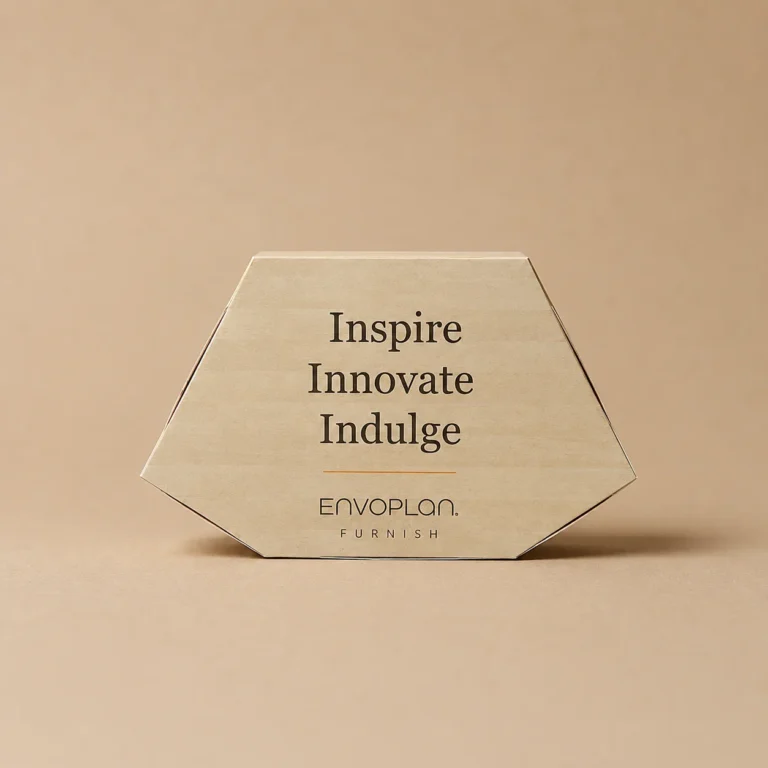
A bespoke shaped sweet box created for Envoplan Furnish events, produced across two 300-box runs with...
View Case StudyShare product size, quantity, use case and artwork status.
The right size, board and box style are reviewed.
A digital proof is prepared before production begins.
Boxes are printed, cut, folded and finished to specification.
Finished packaging is checked for structure and print quality.
Completed packaging is packed and delivered to your business.
From our customers
In our customers’ own words. Selected excerpts from company reviews on Trustpilot.
Review excerpt
Can’t recommend the company enough, especially Alex who worded with me patiently all the way.…
Review excerpt
Quick and thorough responses from Alex. Delivery was also fast, and within the lead time they gave, I would recommend.
Review excerpt
I had a great experience working with Healey Packaging, I love my new candle boxes.…
Review excerpt
We had a deadline they needed to meet for me and they did.…
Review excerpt
Had a very good experience with Healey. This is the second time we have used them…
Review excerpt
Great customer service, needed a quick turn around and assistance for custom packaging for my brand,…
Review excerpt
I looked through about 100 unhelpful suppliers, then found Healey Packaging.…
Review excerpt
Great quality product and excellent service from Alex.
Feedback relates to Healey Packaging and its service, rather than a rating of an individual product.
Produce boxes are cartons, trays and corrugated cases used to pack, handle, transport, store or display fresh fruit and vegetables. The appropriate format depends on the produce type, packed weight, ventilation needs, stacking conditions and route to market.
Corrugated board is commonly used where fresh produce needs greater stacking and distribution strength. Other formats may suit lighter retail or display applications. The final material and structure should be selected around the produce, finished packed weight, moisture exposure, handling and distribution conditions.
Not every produce box requires the same ventilation. Openings can be incorporated where airflow is beneficial for the particular crop and storage conditions. Their size, quantity and position should be considered together with board strength because excessive cut-outs can reduce structural performance.
Yes. Produce boxes can be manufactured around the required internal dimensions rather than relying only on standard sizes. The specification should consider the produce dimensions, quantity per box, packed weight, required clearance, pallet configuration and intended stacking pattern.
Yes, when they are specified for the intended load and distribution conditions. Stacking performance depends on factors such as board grade, flute, box dimensions, packed weight, ventilation cut-outs, pallet pattern and storage conditions.
Yes. Custom produce packaging can include logos, brand colours, variety or grade identification, handling information and other approved artwork. Printing can help growers, suppliers, wholesalers and retailers identify products consistently throughout distribution and at the point of sale.
It depends on the role of the packaging. Fresh produce may be packed directly into a box or may sit inside punnets, liners or other primary packs. If any board, insert or other component will directly contact the produce, its suitability should be confirmed for that intended food-contact use.
Sometimes. Display-ready produce boxes can be designed to move through distribution and then support retail presentation, but the structure still needs to meet the required stacking, handling and access requirements. A transport-only carton may not automatically be suitable for shop-floor display.
Many fibre-based produce boxes may be recyclable, but this depends on the complete finished pack, including coatings, adhesives, contamination and any mixed-material components. Recyclability should therefore be assessed against the actual specification and local collection route rather than assumed from the outer board alone.
Healey Packaging offers no minimum order requirement for custom produce packaging. Standard production is typically 7–10 working days after artwork approval, although bespoke structures, ventilation patterns, specialist materials or additional approval stages can affect the final schedule.
Share your product, size, material and quantity requirements. Our team will help you choose the right structure, print and finish.
Tell us your product, target look, and how you ship. We'll recommend the right board, print, and finish for performance.
 Apparel Packaging
 Bakery Packaging Boxes
 Bottle Packaging Boxes
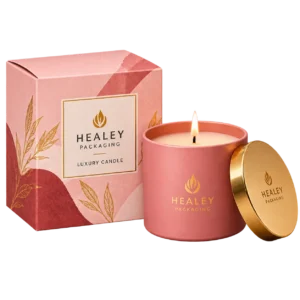 Candle Boxes
 CBD Packaging Boxes
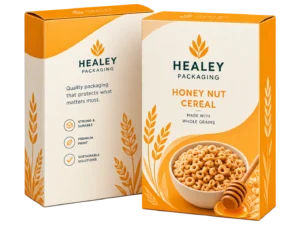 Cereal Packaging Boxes