
 Popular
BAKERY PACKAGING BOXES Packaging Solutions
Custom Bakery Packaging Boxes for Bakers & Food Brands
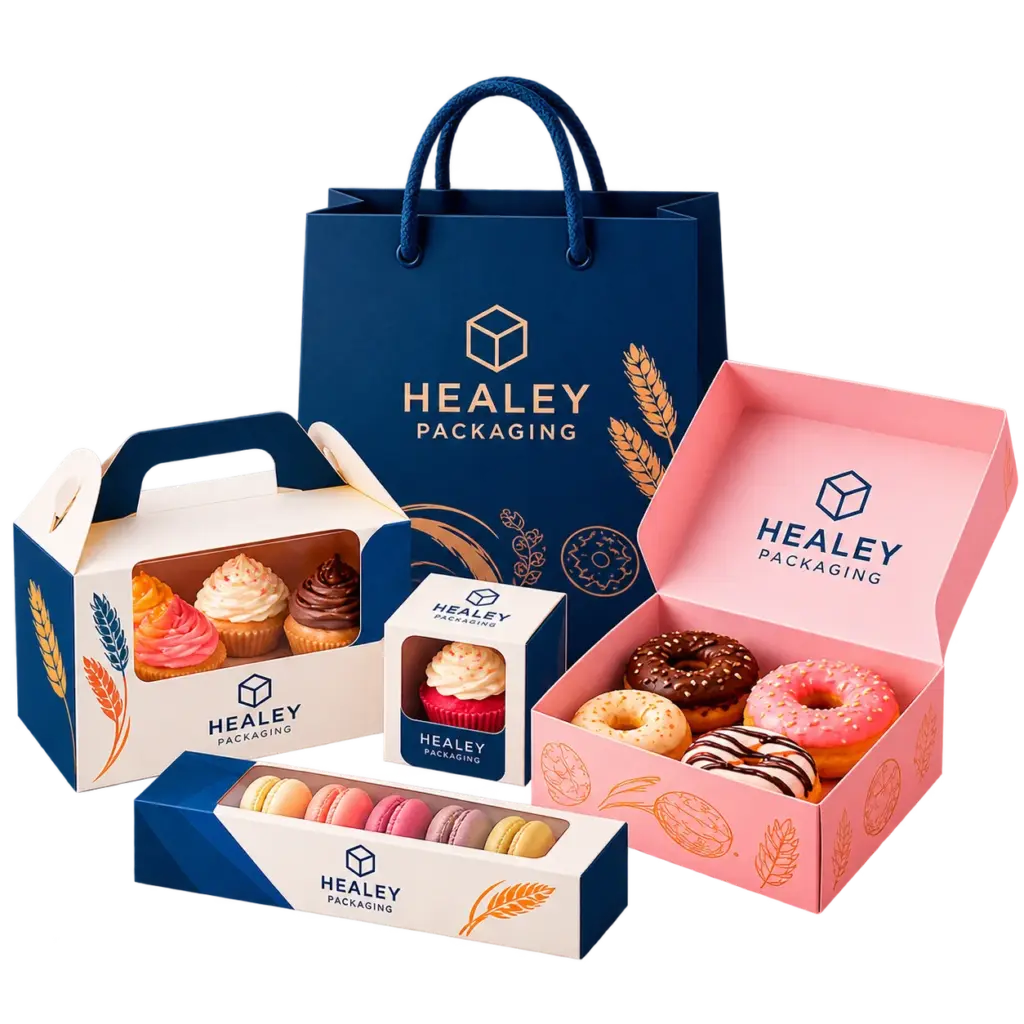
Fresh bakery products need packaging that protects texture, supports presentation and travels well from the bakery to the customer. Our custom bakery packaging boxes are manufactured around your products, with food-safe materials, tailored sizing and premium printing for cakes, pastries, cookies, bread and other baked goods supplied through retail, takeaway and wholesale channels.
Protects ProductsSecure structure for packing and delivery
SustainableRecyclable and responsible options
High Quality PrintCMYK, Pantone and premium finishes
Strong & ReliableDurable materials for safe delivery
Excellent customer feedback on Trustpilot
18+
Packaging
Solutions
Solutions
Not sure which packaging is right for you?
Our team can help match the structure to your product, brand and budget.
Speak to an Expert
Custom DimensionsMade to fit your product precisely.
Low Minimum OrderMOQ from 100 units per design.
Printed to Your BrandCMYK, Pantone and specialist finishes.
Fast Turnaround7-10 working days after artwork approval.
Bakery Packaging Range
Explore Bakery Packaging by Product Type
Browse bakery boxes for cakes, pastries, desserts and takeaway products with food-safe material options.
Product Group 01
4 products
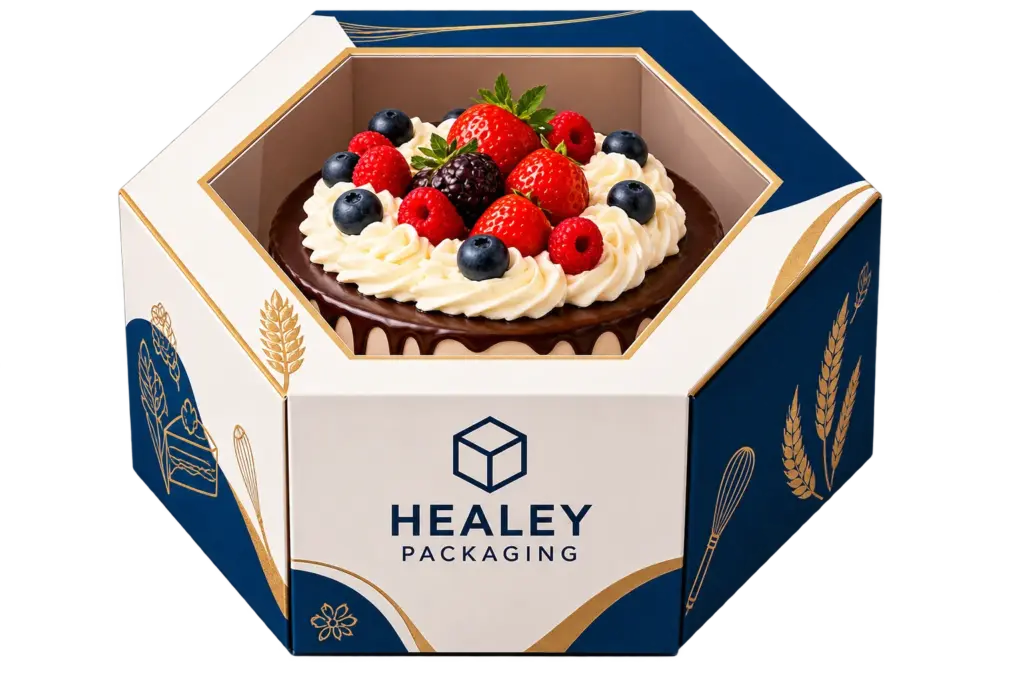
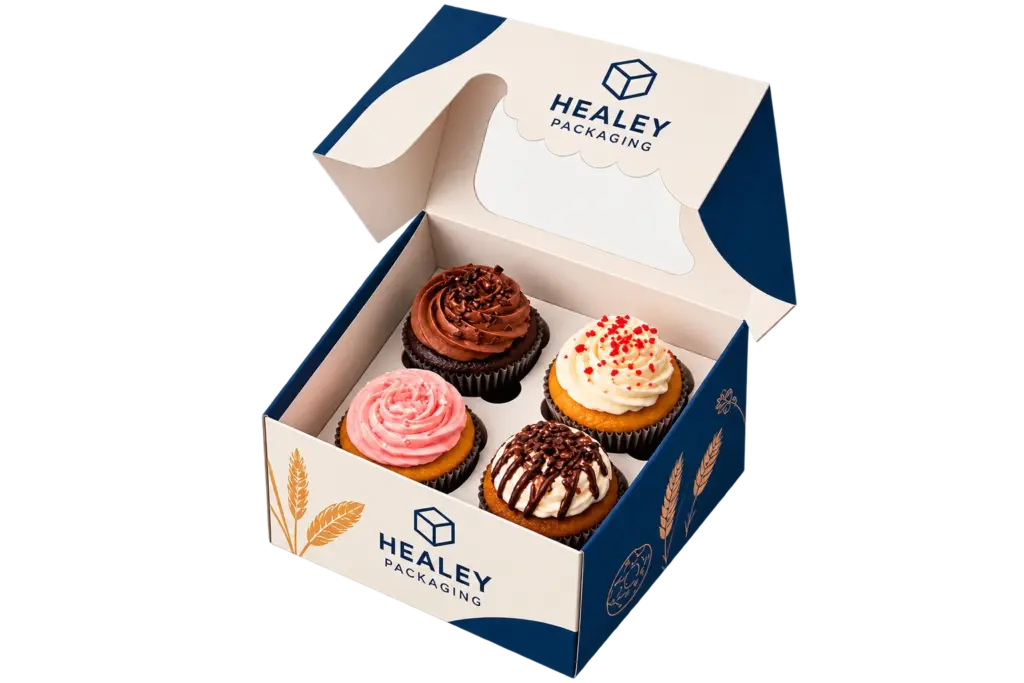
Cake & Dessert Boxes
Food-ready boxes for cakes, cupcakes, pastries and bakery presentation.
Popular
 Best Seller
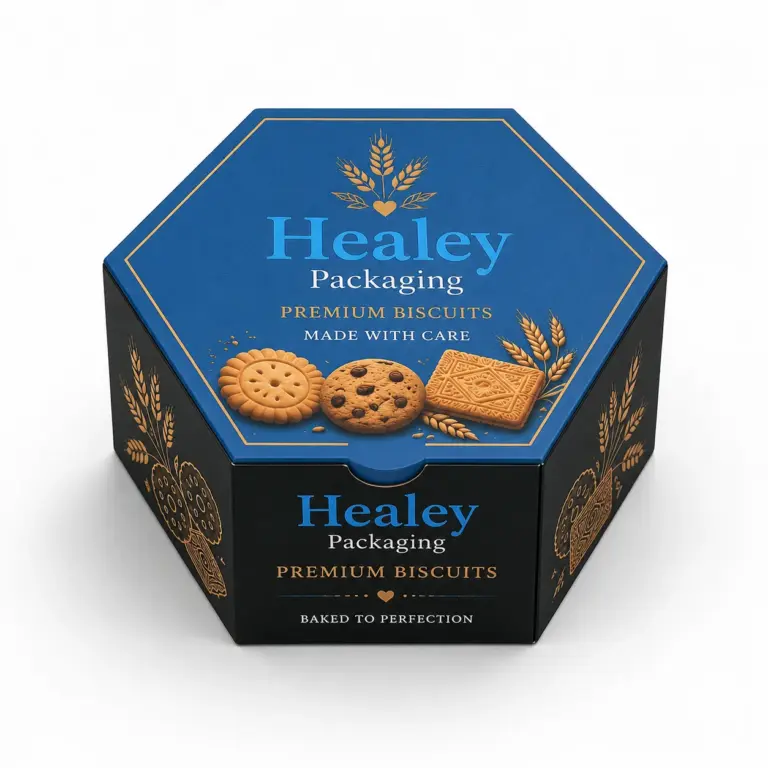
Biscuit Boxes
Biscuits are usually packed in rows, trays or stacks, which means the...
View Biscuit Boxes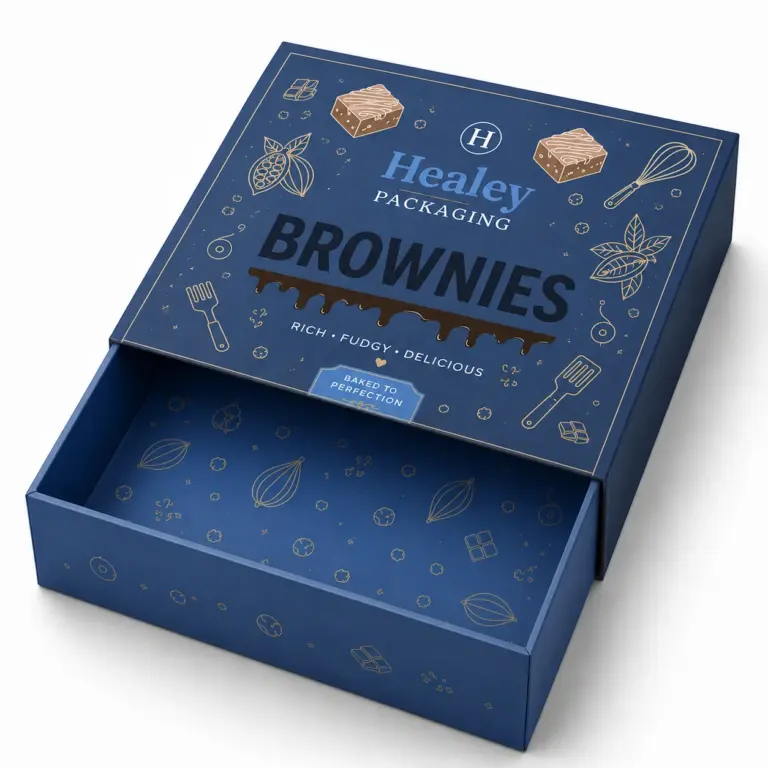 Most Ordered
Brownie Boxes
You’ve put care into every square — the texture, the flavour, the...
View Brownie Boxes Custom
Product Group 02
4 products
Takeaway Bakery Packaging
Practical cartons for counter service, collection and delivery.
 Premium
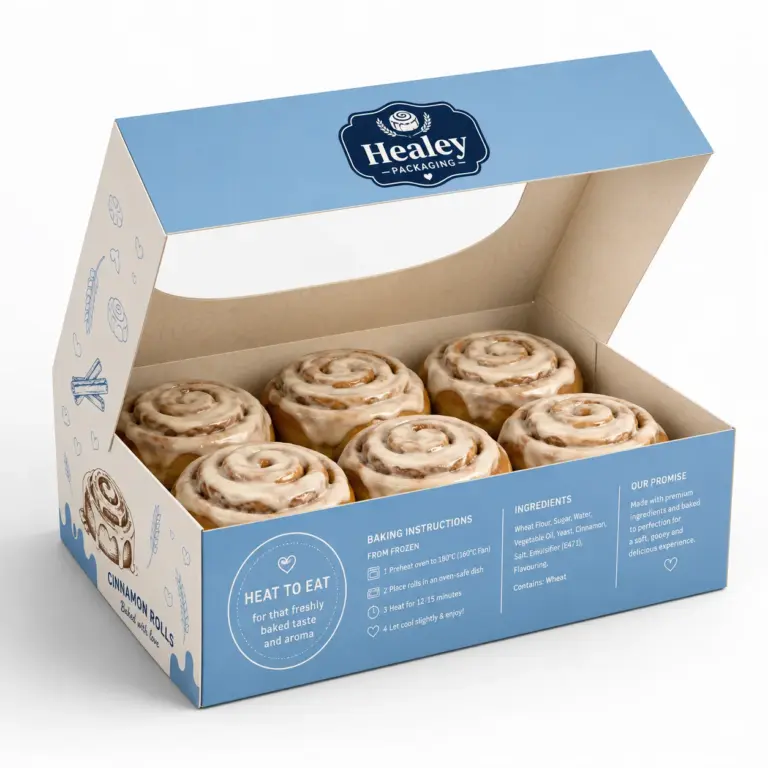
Cinnamon Roll Boxes
Fresh cinnamon rolls don't stay perfect for long. Icing shifts. Rolls lose...
View Cinnamon Roll Boxes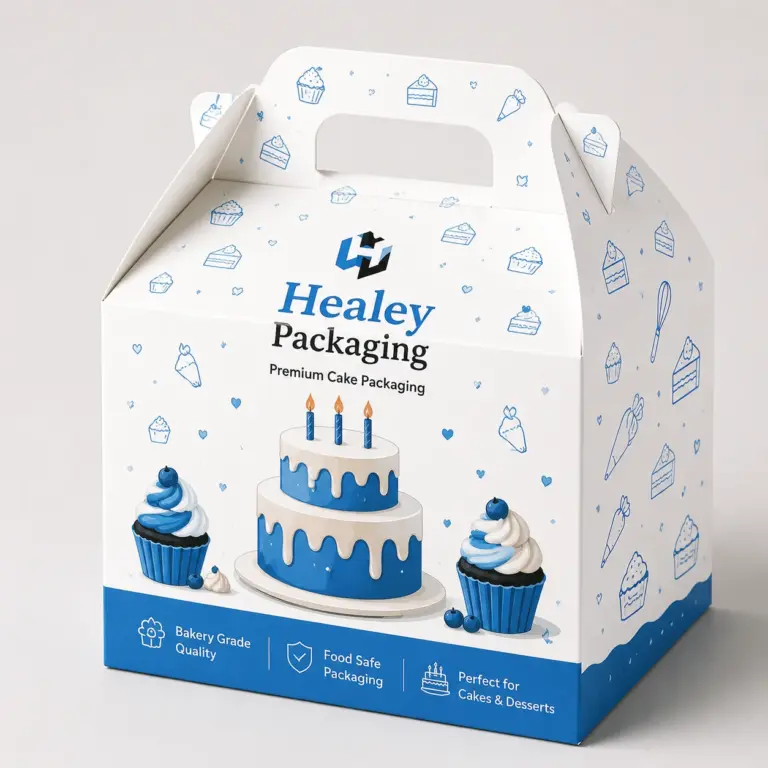
Custom Cake Boxes
Cake isn’t just a product — it’s a moment. Whether it’s for...
View Custom Cake Boxes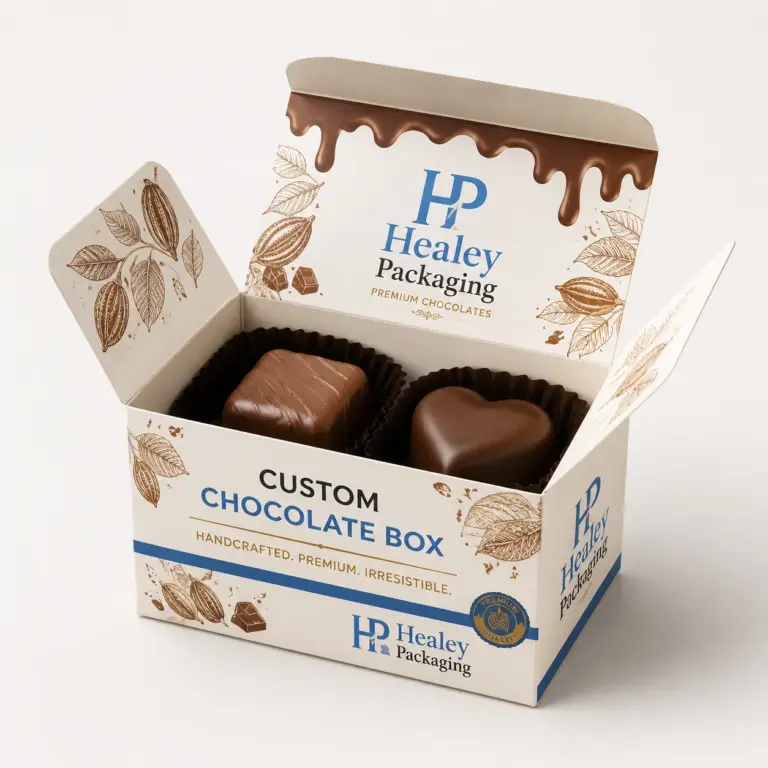
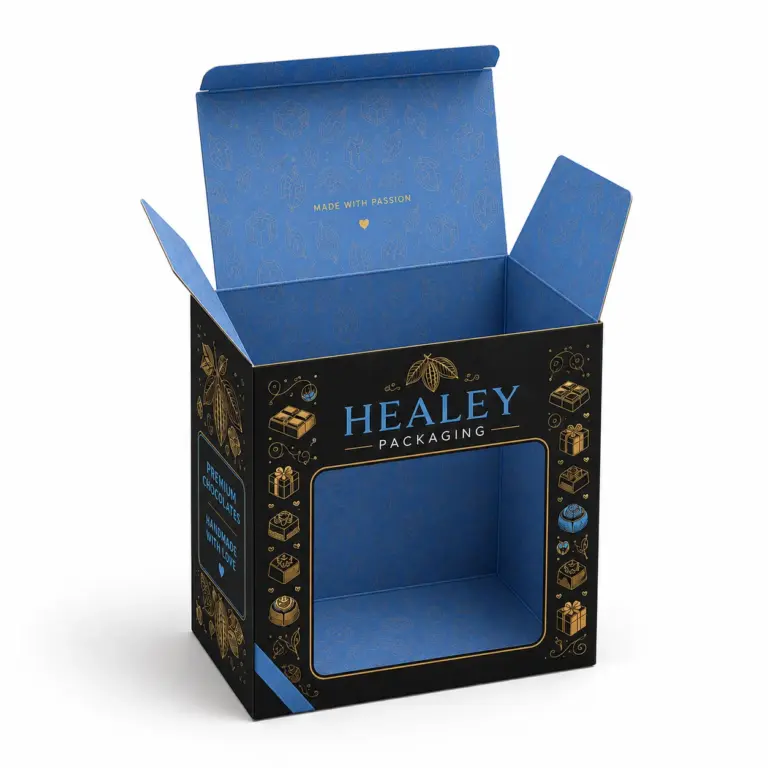
Custom Chocolate Boxes
Whether you’re wrapping handmade truffles, preparing retail-ready slabs, or gearing up for...
View Custom Chocolate Boxes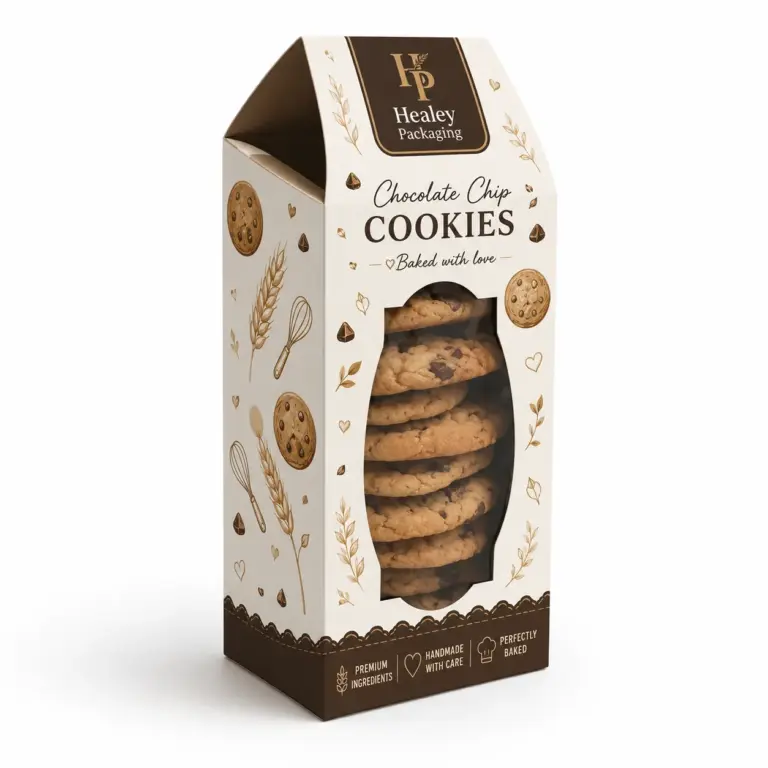
Custom Cookie Boxes
Discover custom cookie boxes designed to protect, impress, and promote your brand....
View Custom Cookie Boxes
Product Group 03
4 products
Window & Display Boxes
Packaging styles that show the product while keeping it protected.
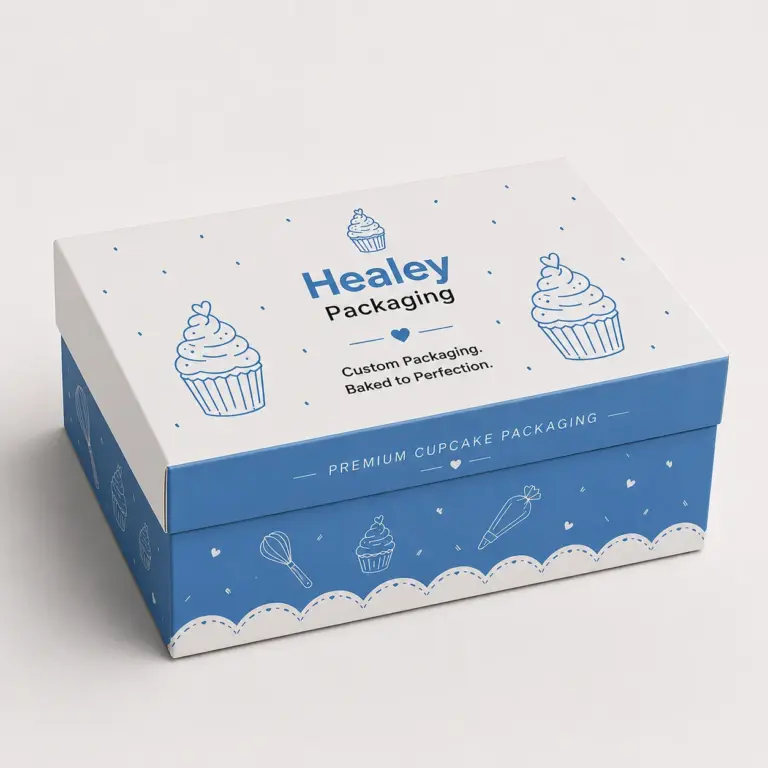
Custom Cupcake Boxes
Cupcakes don’t just taste good — they sell on sight. That’s why...
View Custom Cupcake Boxes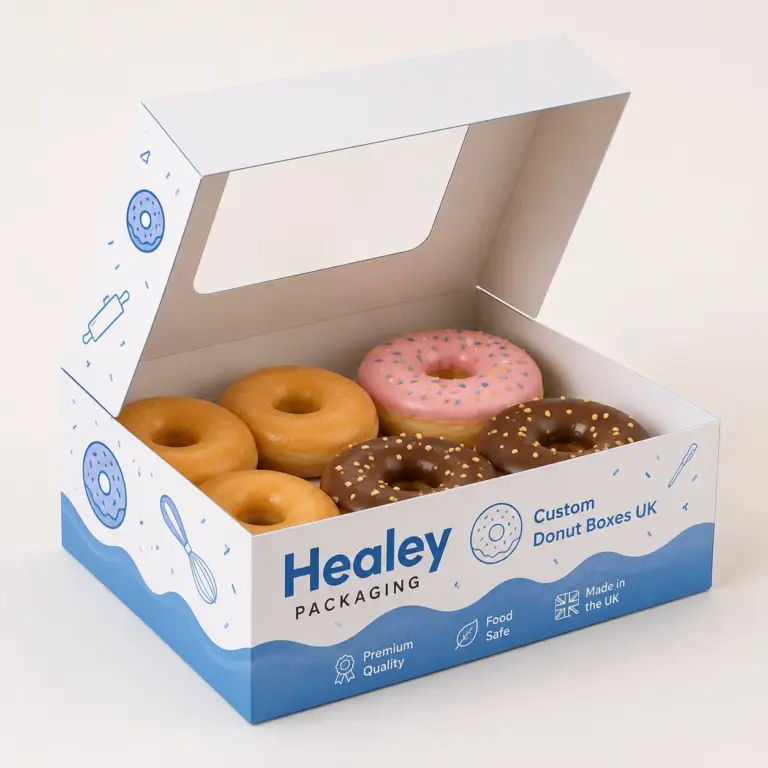
Custom Donut Boxes
Donuts sell themselves, but only if they reach customers looking as good...
View Custom Donut Boxes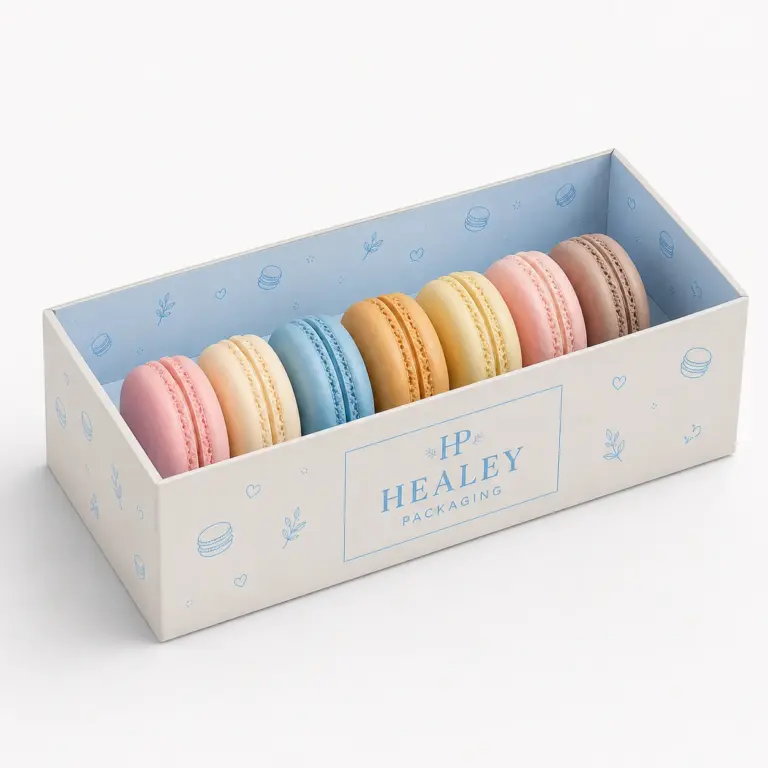
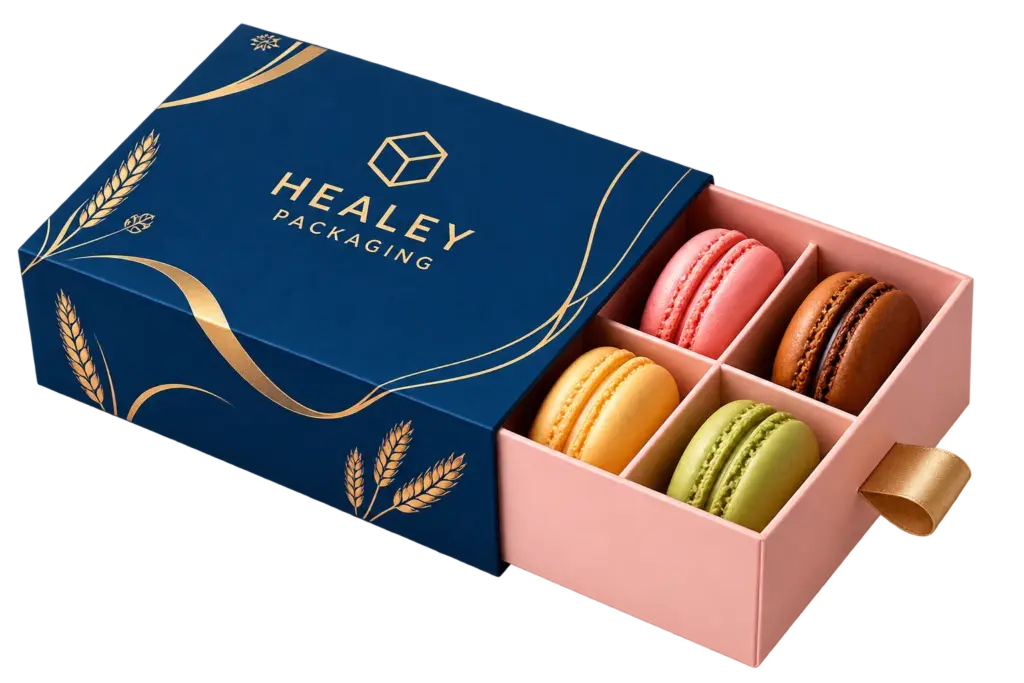
Custom Macaron Boxes
Your macarons are crafted with care—so the box should match that level...
View Custom Macaron Boxes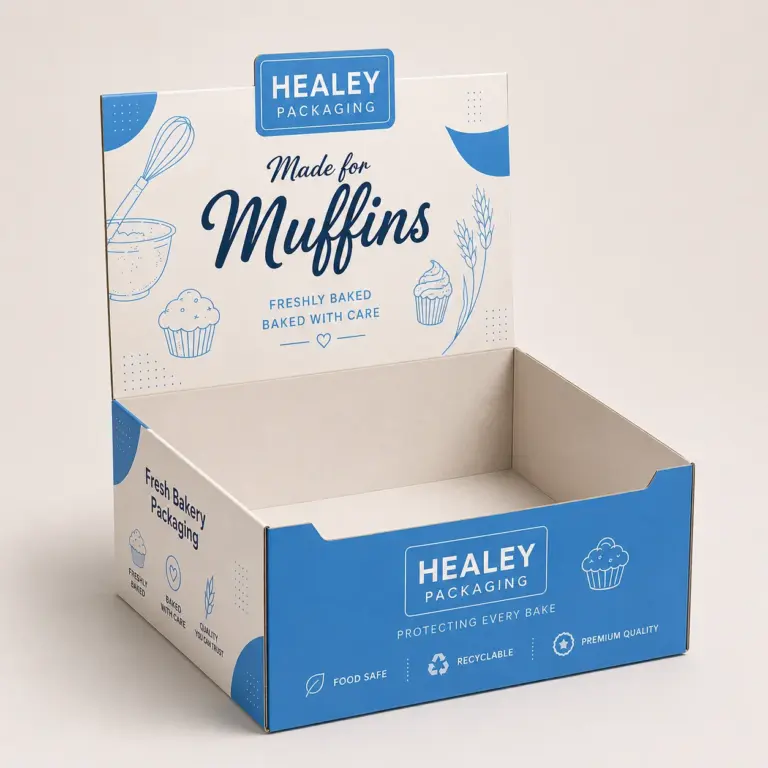
Custom Muffin Boxes
Muffins don’t travel well unless the packaging is built around them, and...
View Custom Muffin Boxes
Product Group 04
4 products
Gift & Seasonal Bakery Boxes
Printed formats for branded treats, events and seasonal bakery ranges.
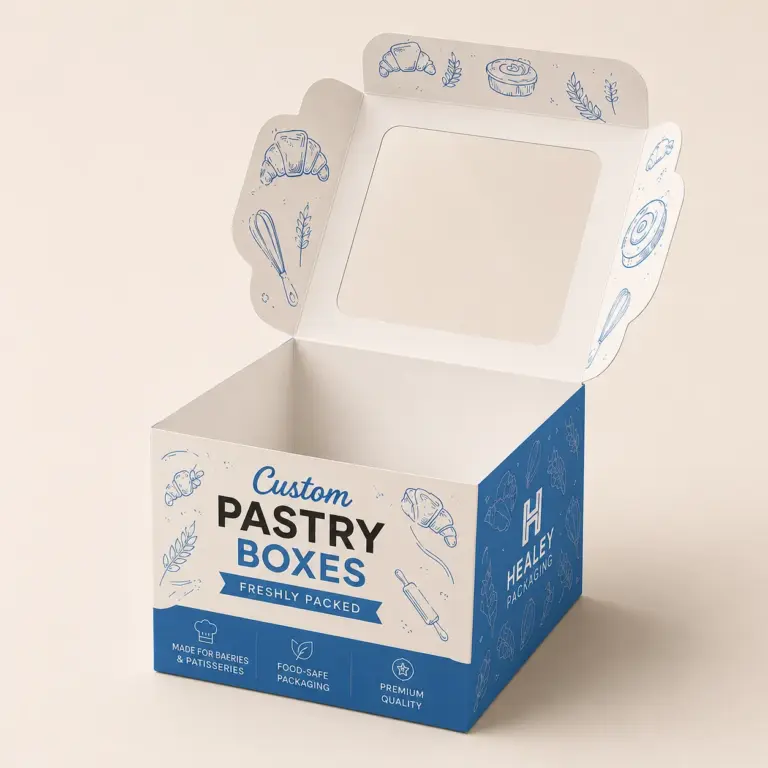
Custom Pastry Boxes
Still using generic pastry packaging? Let’s change that. Our custom pastry boxes...
View Custom Pastry Boxes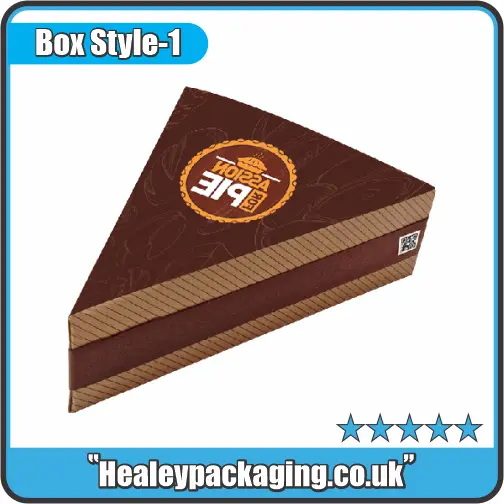
Custom Pie Boxes
You’ve baked it with care — now box it with confidence. Our...
View Custom Pie Boxes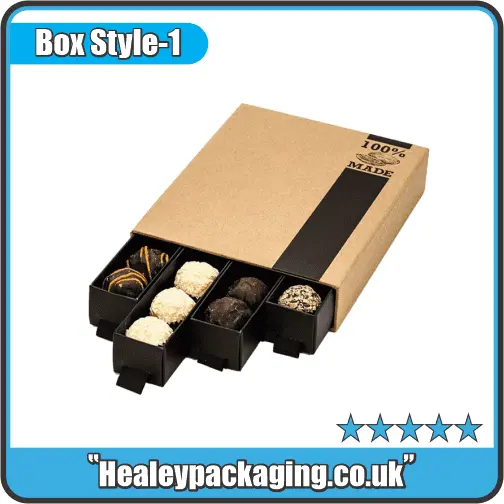
Custom Truffle Boxes
Truffles are delicate, and one small knock can ruin the finish, so...
View Custom Truffle Boxes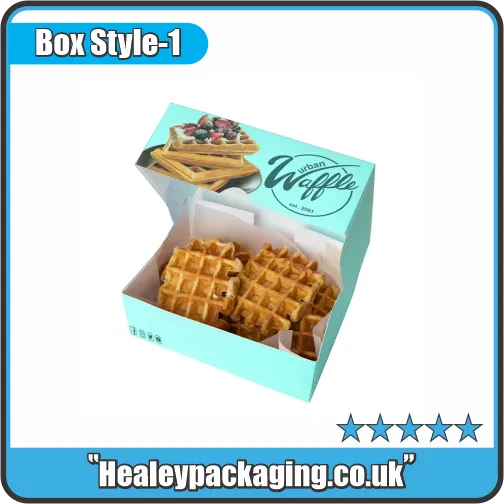
Custom Waffle Boxes
Fresh waffles don’t wait. Once they’re off the iron, the clock starts...
View Custom Waffle Boxes
Product Group 05
2 products
Cake & Dessert Boxes
Food-ready boxes for cakes, cupcakes, pastries and bakery presentation.
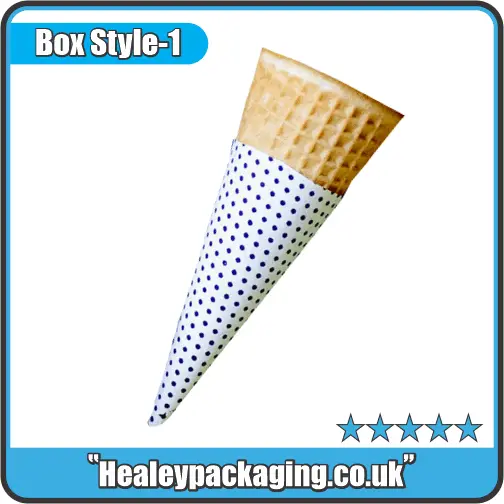
Ice Cream Cone Sleeves
The custom Ice cream cone sleeves come in paper, cardboard or craft...
View Ice Cream Cone Sleeves
Wedding Cake Slice Boxes
Weddings are about memories, and for many guests, that last sweet bite...
View Wedding Cake Slice BoxesNo matching products found.
Bakery Product Guide
Bakery Packaging for Every Product Type
Cakes, pastries, doughnuts and biscuits place different demands on their packaging. Product height, grease content, decoration, serving quantity and transport distance all influence the most suitable format.
The packaging should protect the finished bake without slowing counter service, wasting storage space or hiding the product when display supports the sale.
Product-Led Specification
01
02
03
Start With the Finished Bake, Not a Standard Box Size
A bakery carton should be developed around the product as it leaves the kitchen. Decorations, toppings, liners, boards and the number of items packed together all affect the internal dimensions and support required.
Measure the decorated product
Include icing, toppings, cake boards and anything extending beyond the main product.
Allow for safe loading
The opening should provide enough access to pack the product without touching or marking it.
Plan the handling route
Counter collection, chilled storage and delivery create different packaging demands.
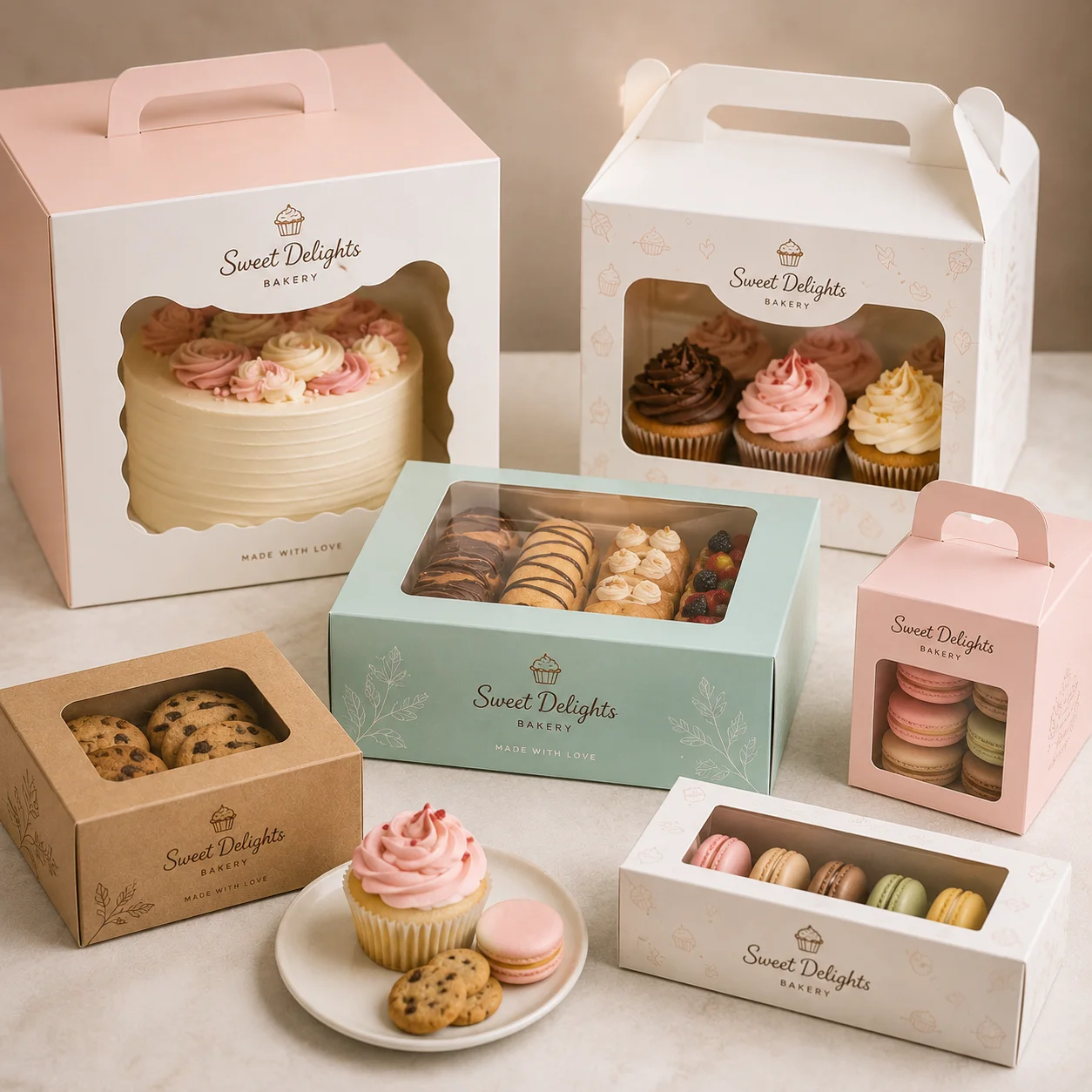
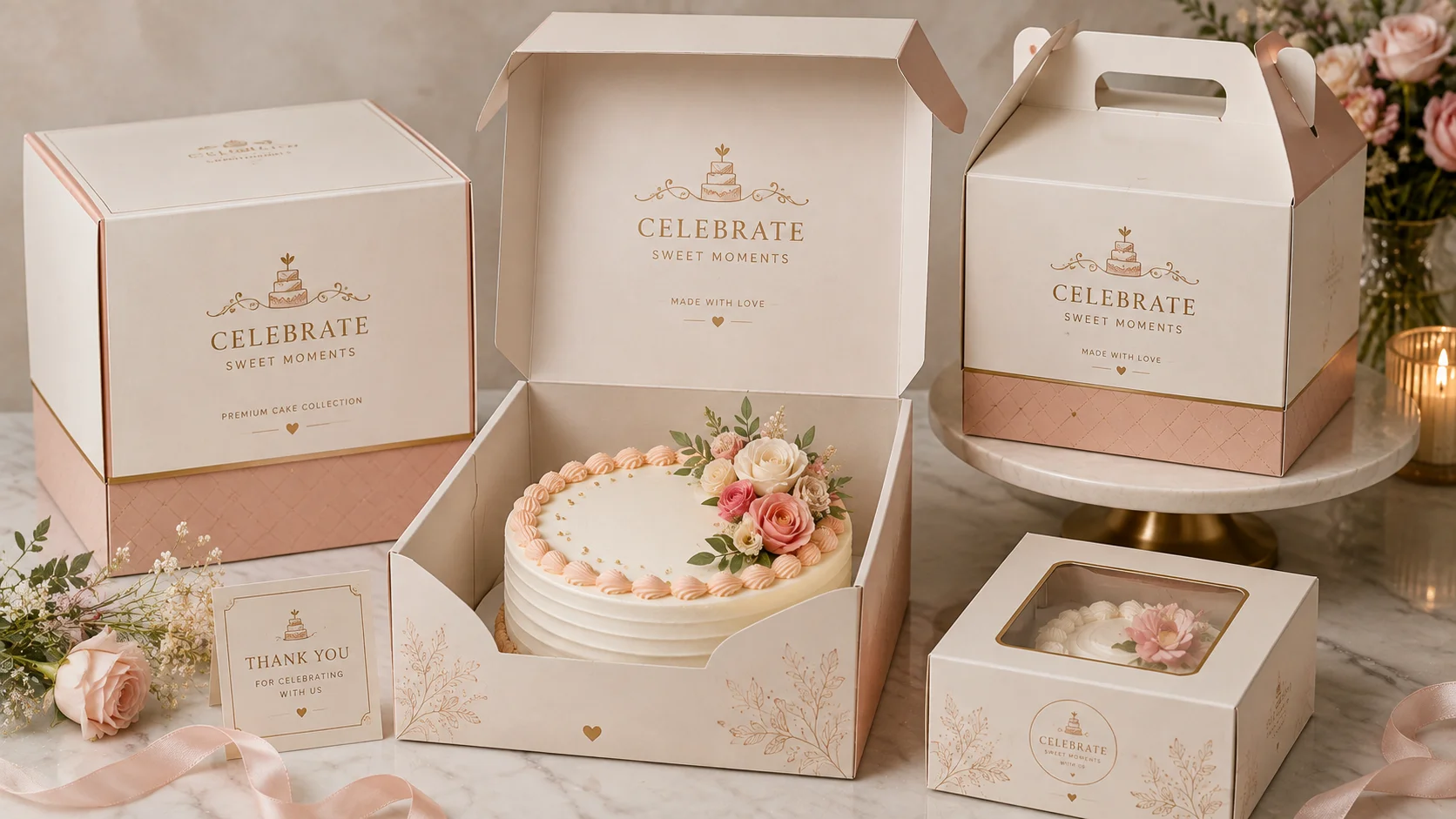 01
01
Cakes
Cake Boxes for Stable Carrying and Clear Headroom
Cake packaging needs enough height to protect icing and decorations while keeping the cake board level. Larger formats may require reinforced bases and secure corners.
Packaging priority
Headroom and base rigidity
 02
02
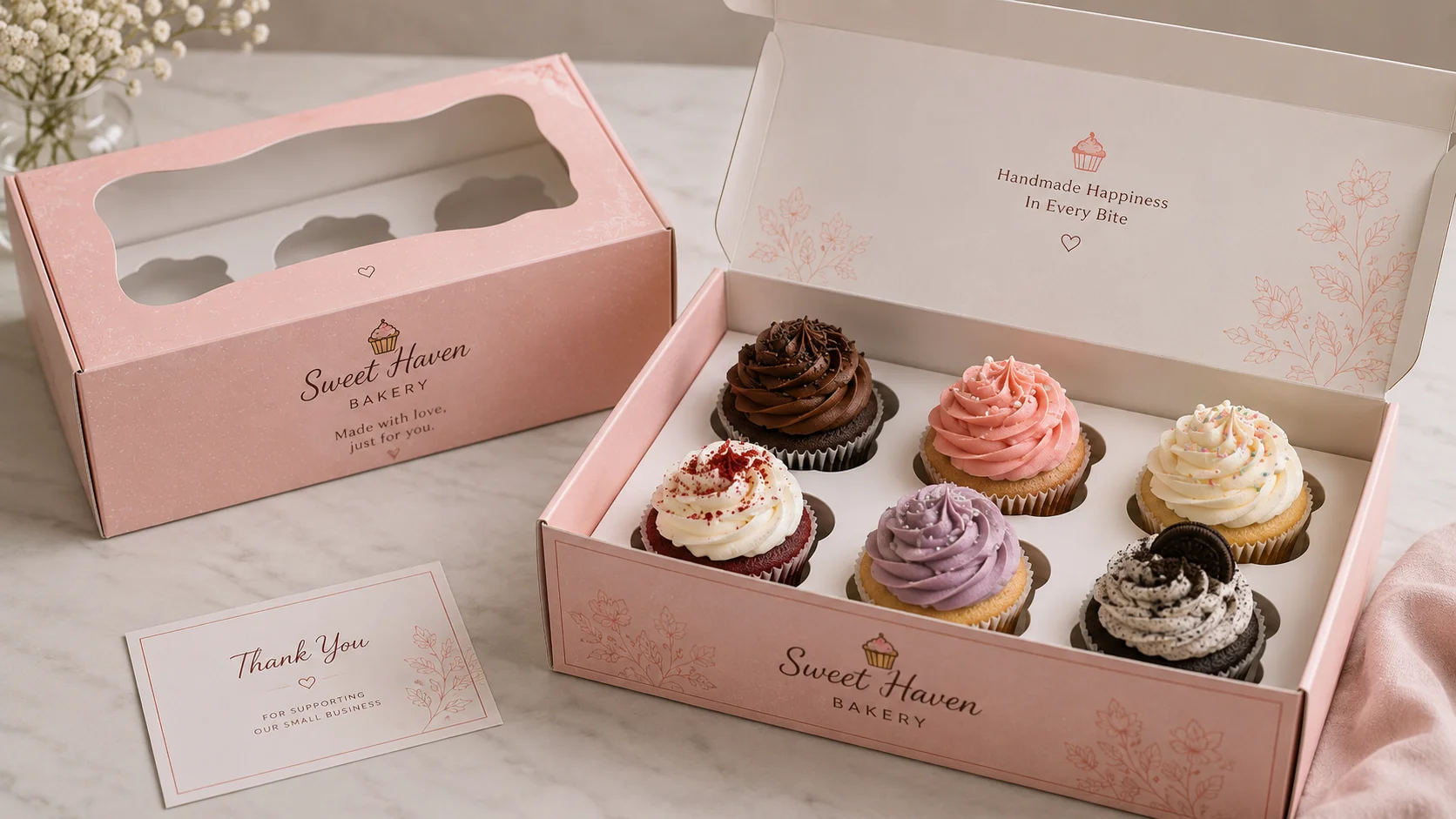
Cupcakes
Cupcake Boxes With Movement-Control Inserts
Cupcakes need cavities that hold the base without touching the frosting. Insert spacing should prevent products from colliding while allowing quick manual loading.
Packaging priority
Insert diameter and topping clearance
 03
03
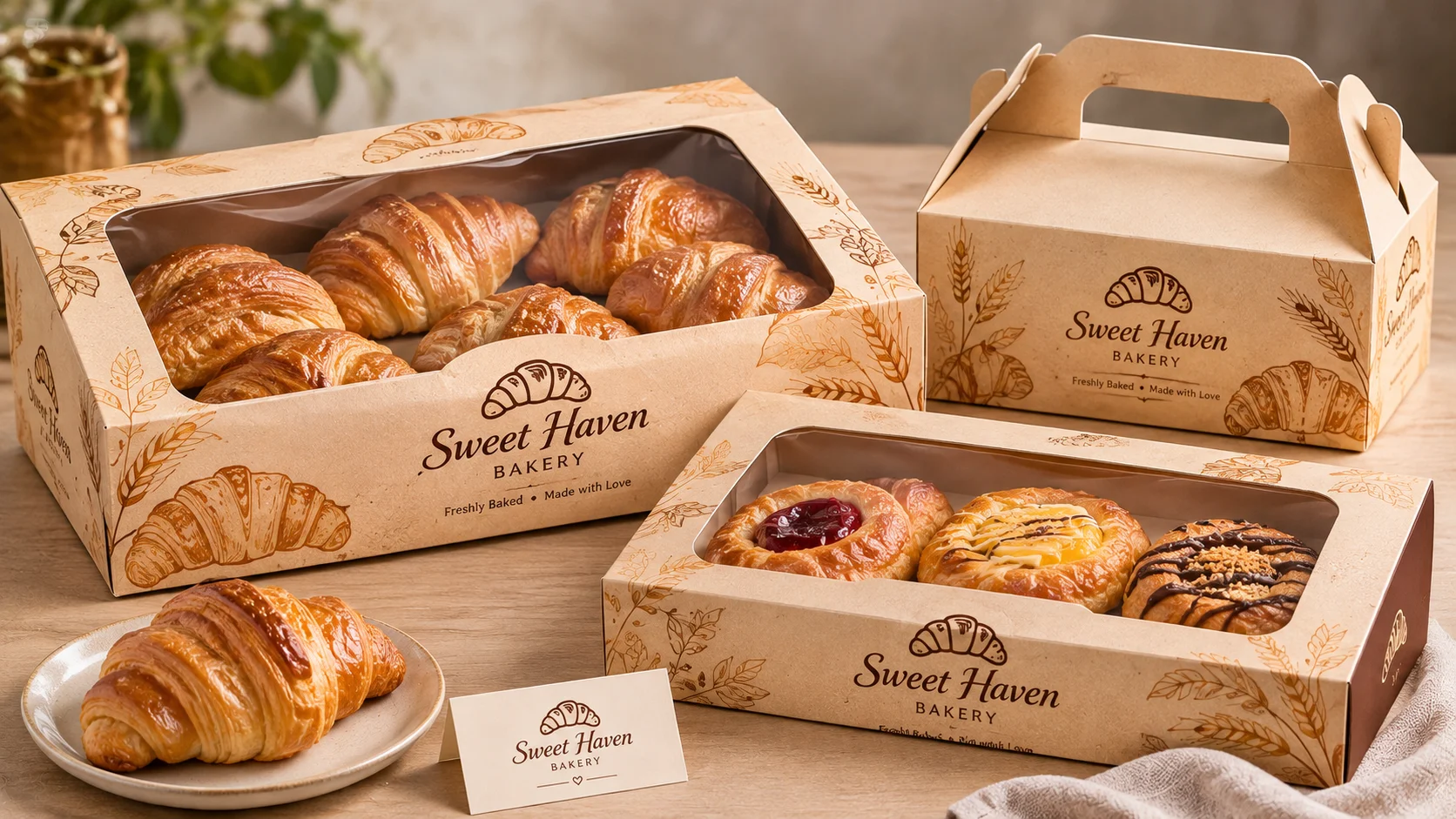
Pastries
Pastry Boxes for Quick Loading and Grease Control
Pastry cartons should open widely enough for efficient counter packing. Board and liner choices must also account for butter, oil and warm products.
Packaging priority
Loading access and grease resistance
 04
04
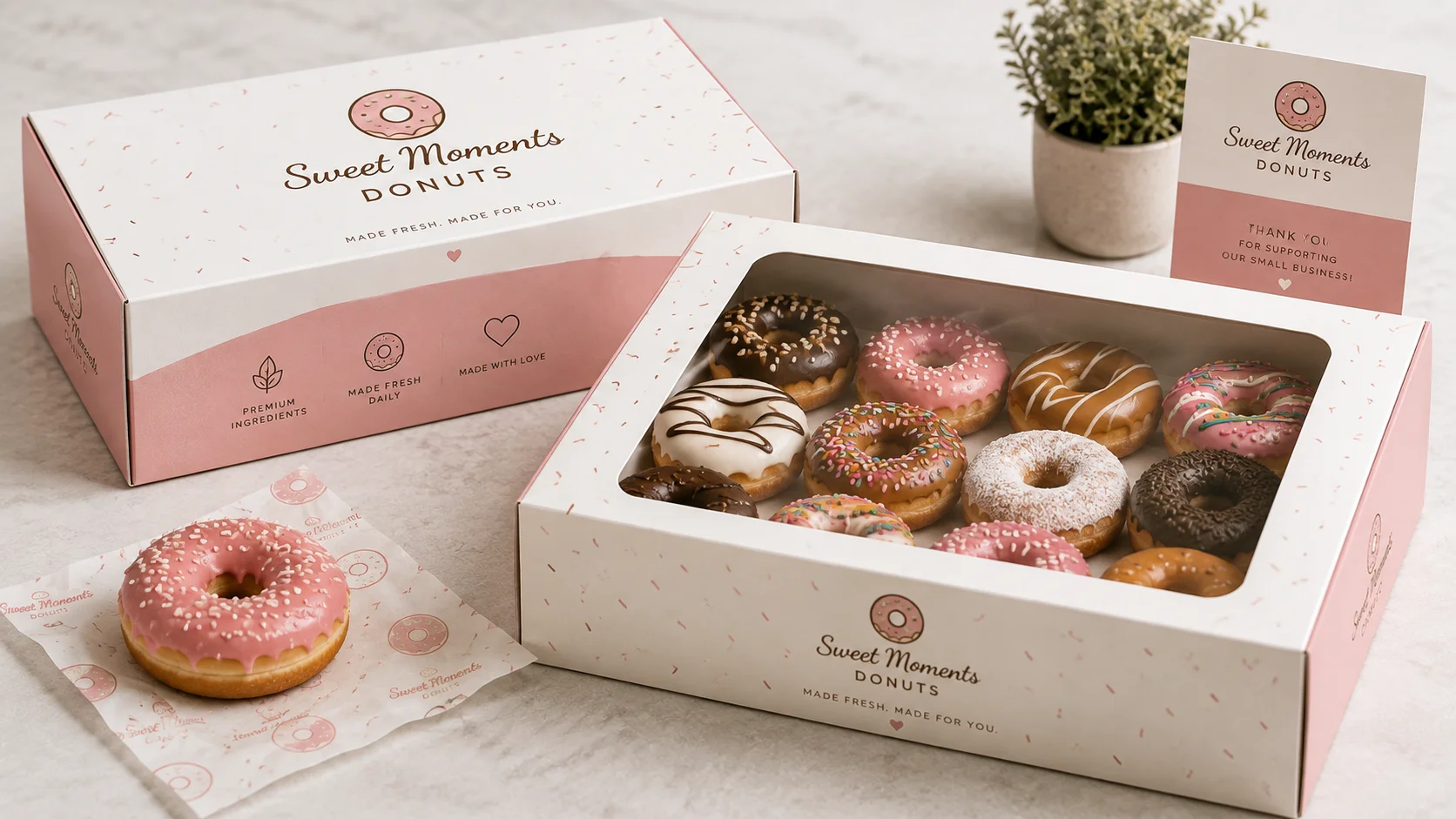
Doughnuts
Doughnut Boxes That Protect Glazes and Toppings
Doughnuts can slide, stick together or contact the lid when clearance is too tight. The footprint should suit the packed quantity without excessive empty space.
Packaging priority
Product spacing and lid clearance
 05
05
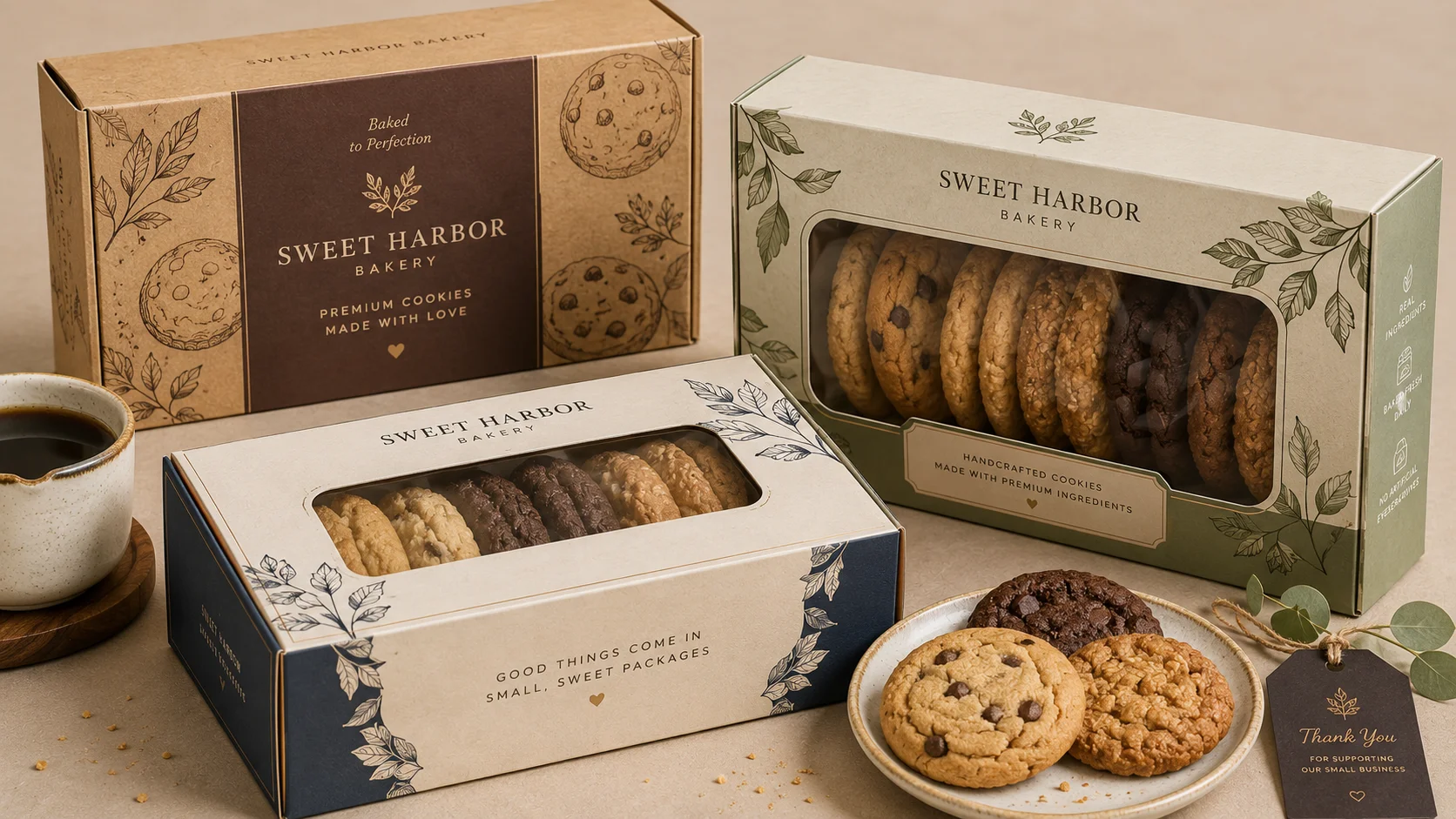
Cookies and Biscuits
Boxes for Stacked, Loose or Divided Products
Cookie packaging may use a single compartment, divider or fitted tray depending on fragility and serving quantity. The format should limit breakage without excess volume.
Packaging priority
Breakage control and efficient stacking
 06
06
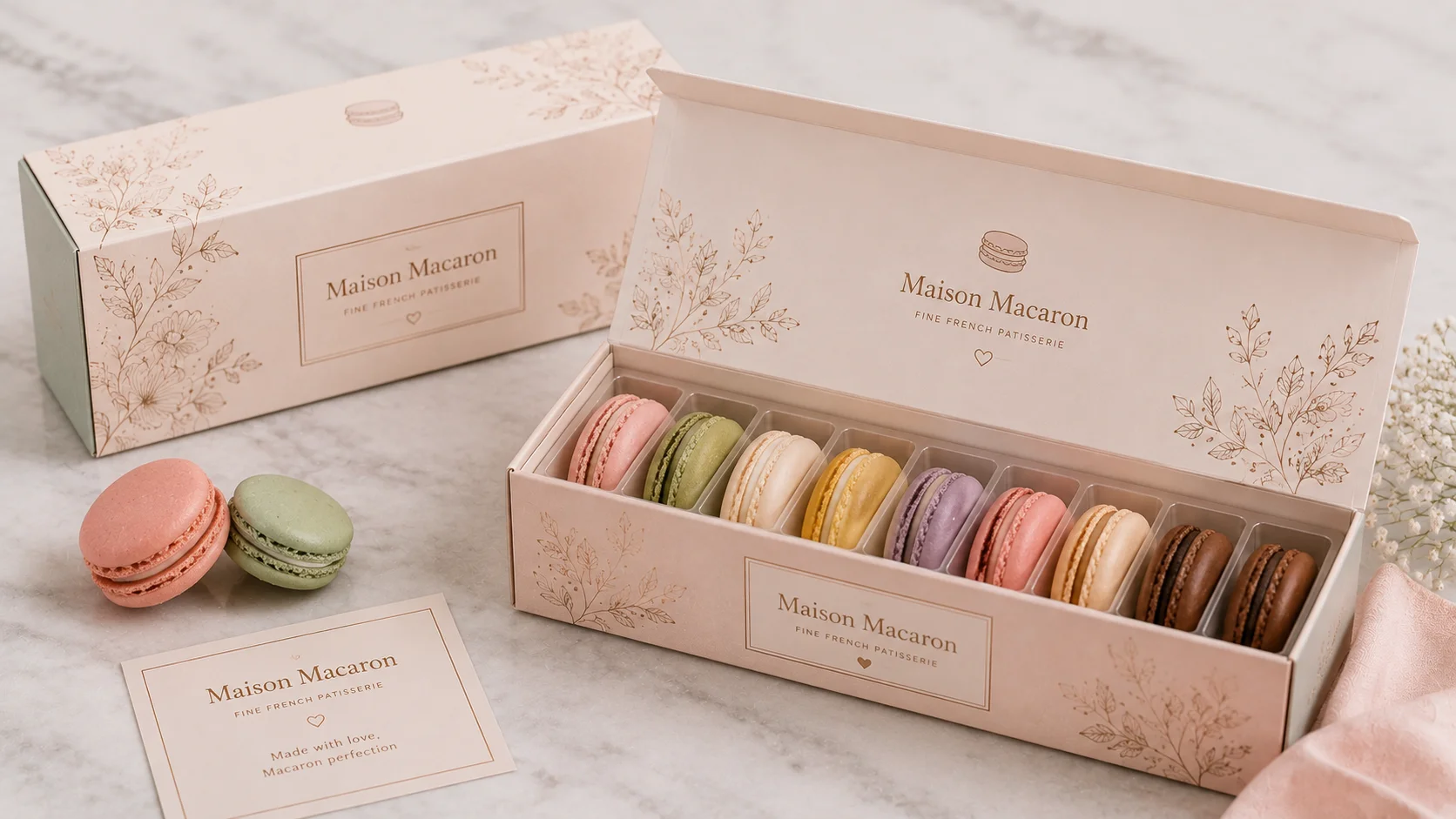
Macarons
Macaron Boxes With Precise Internal Positioning
Macarons are lightweight but easily chipped. Cavities, dividers or narrow trays should keep each piece upright and prevent rubbing during carrying and display.
Packaging priority
Cavity fit and edge protection
 07
07
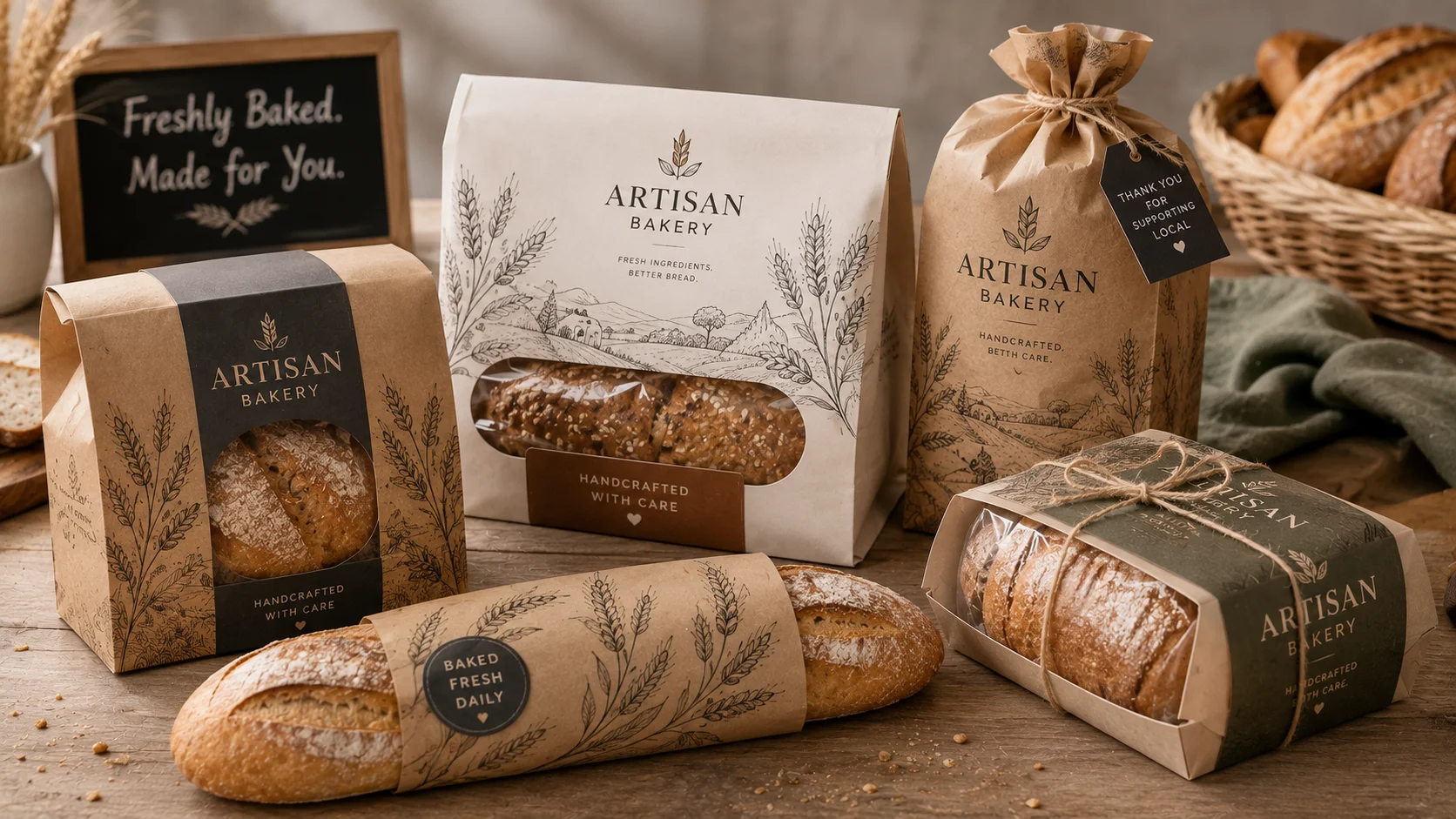
Bread and Loaves
Bread Packaging Planned Around Warmth and Airflow
Fresh bread can release heat and moisture after baking. Packaging should balance protection with airflow so the product is not enclosed while excess steam remains.
Packaging priority
Airflow, moisture and product shape
 08
08
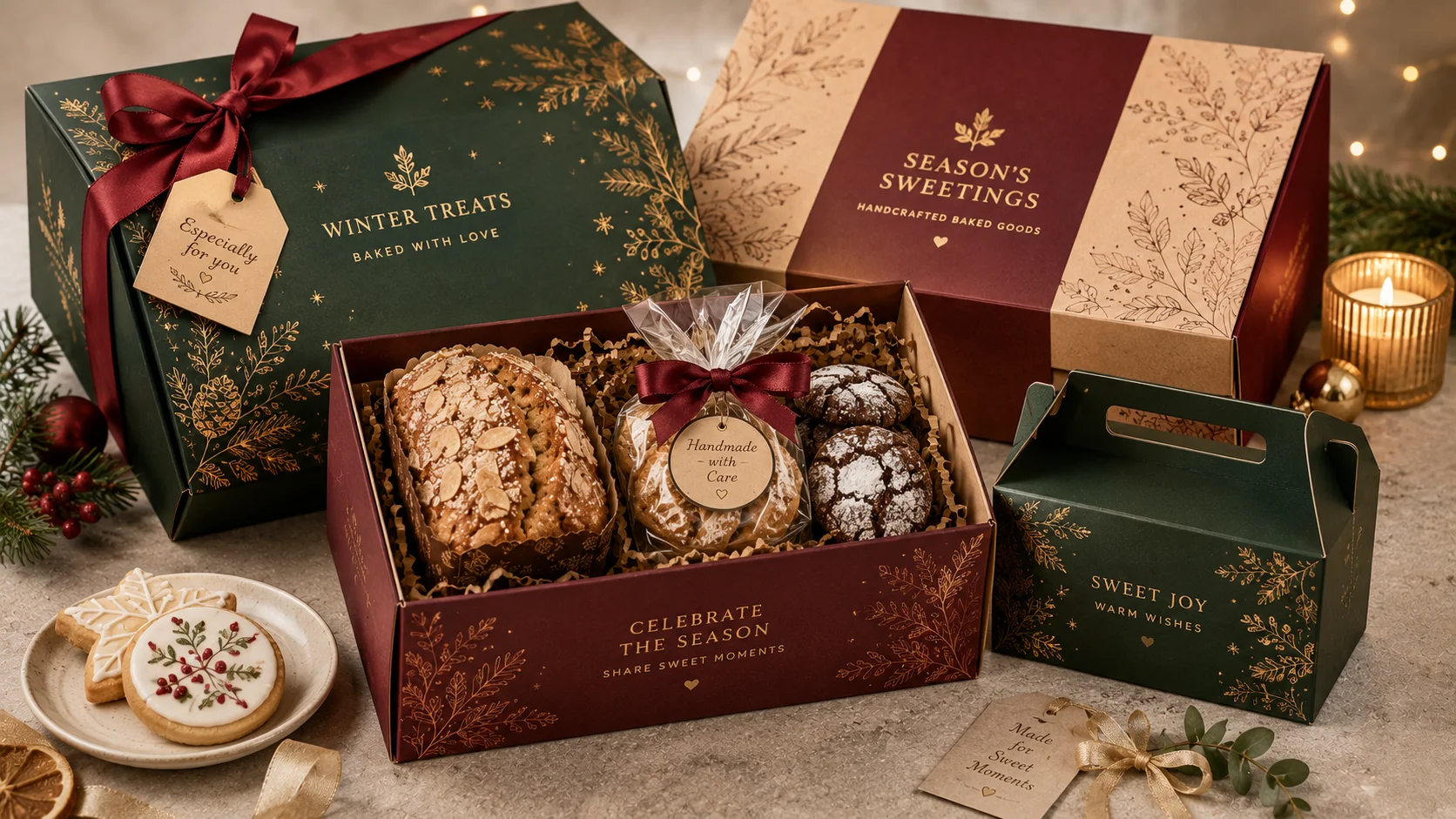
Gifts and Seasonal Ranges
Bakery Gift Boxes for Collections and Seasonal Sales
Gift packaging may combine several products in one presentation. Dividers, trays and sleeves can organise the contents while supporting seasonal branding.
Packaging priority
Mixed-product organisation and presentation
Quick Format Check
What Should Be Confirmed Before Choosing the Box?
Finished dimensions
Measure after decorating and portioning.
Packed quantity
Confirm how many items sit in each pack.
Temperature
Consider whether products are packed warm or chilled.
Sales route
Plan for counter service, collection or delivery.
Product-Led Packaging Design
Design the Packaging Around the Product, Not the Box
The finished bake determines the internal space, opening method and level of support required. A tall celebration cake, delicate pastry and warm loaf should not be packed using the same structural assumptions.
Product weight, decoration, temperature and handling route should be reviewed before board thickness or box style is confirmed.
Specification Starting Point
Define What the Product Needs Before Designing the Carton
The dimensions of the finished product are only the first part of the brief. Decorations, liners, boards, serving quantity and the way the customer carries the pack can all change the required structure.
Finished bake
Product support
Outer carton
Measure after finishing
Include icing, toppings, boards, liners and any decorative details.
Check the packed weight
A large footprint or heavy product may require a stronger base even when the sides appear adequate.
Review the opening method
The product should load and lift out without contact with decorated surfaces.
Product Requirements
Decorated and Tall Products
Protect Height, Icing and Delicate Finishes
Celebration cakes and heavily decorated products require clear headroom and an opening that does not drag across icing, toppers or piped details.
Primary risk
Lid contact and side-wall marking
Design response
Deeper walls and wide loading access
Pastries and Butter-Rich Products
Control Grease Without Slowing Counter Service
Croissants, pastries and slices may transfer butter or oil to untreated board. The box should also open quickly enough for busy takeaway and counter environments.
Primary risk
Grease staining and awkward loading
Design response
Suitable barrier and broad opening
Fragile and Multi-Item Products
Keep Individual Pieces Separated During Carrying
Cupcakes, macarons and decorated biscuits can chip, lean or collide. Cavities and dividers should hold products without gripping them too tightly.
Primary risk
Movement, collision and edge damage
Design response
Fitted cavities or controlled dividers
Warm Bread and Freshly Baked Goods
Balance Protection With Moisture Release
Warm bread and some pastries release heat and moisture after baking. Enclosing them too quickly can create condensation and soften the product surface.
Primary risk
Condensation and trapped moisture
Design response
Appropriate airflow and packing timing
Handling Route
The Same Bake May Need Different Packaging for Collection and Delivery
A product collected directly from a counter may experience limited handling. The same product travelling between kitchens, retail sites or customer addresses needs greater resistance to movement, stacking and compression.
Counter Collection
Prioritise presentation and easy handover
- Simple opening and closing
- Comfortable carrying format
- Clean customer-facing presentation
Local Delivery
Add movement and compression control
- Snug internal dimensions
- Stronger bases and corners
- Stable stacking during transport
Wholesale Supply
Plan for repeat packing and grouped cases
- Consistent dimensions across runs
- Efficient flat storage
- Outer-carton compatibility
Material and Board Selection
Choosing the Right Material for Bakery Packaging
Bakery packaging material should be selected around product weight, grease content, temperature, storage conditions and handling—not appearance alone.
A lightweight biscuit carton, warm pastry box and large cake carrier place very different demands on the board and any food-contact barrier used.
Compare Materials
Select a board type to review its structural role, print performance and common bakery applications.
Printed Retail Material
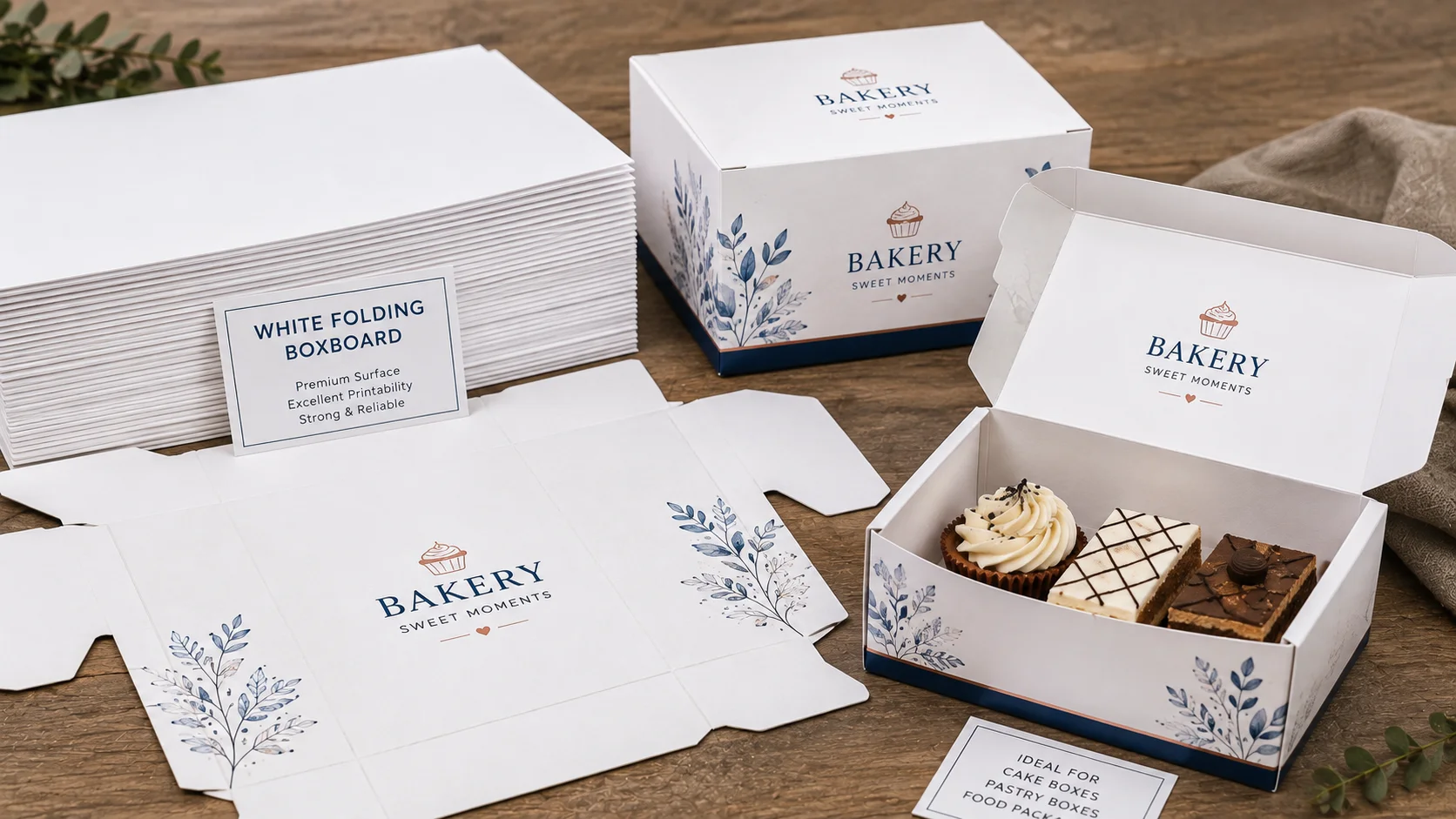
Folding Boxboard
Folding boxboard provides a smooth printable surface and an efficient flat-pack format. It is commonly used for lightweight bakery products that need clean retail presentation without the bulk of corrugated board.
Suitable specifications
- White coated board
- Food-contact compliant grades
- Window cut-outs
- Grease-resistant liners or treatments
Specification note
Increase stiffness as footprint and weight grow
A board that performs well for a small pastry carton may flex beneath a larger selection. Product weight, base area and stacking pressure should be assessed together.
Natural Fibre-Based Material
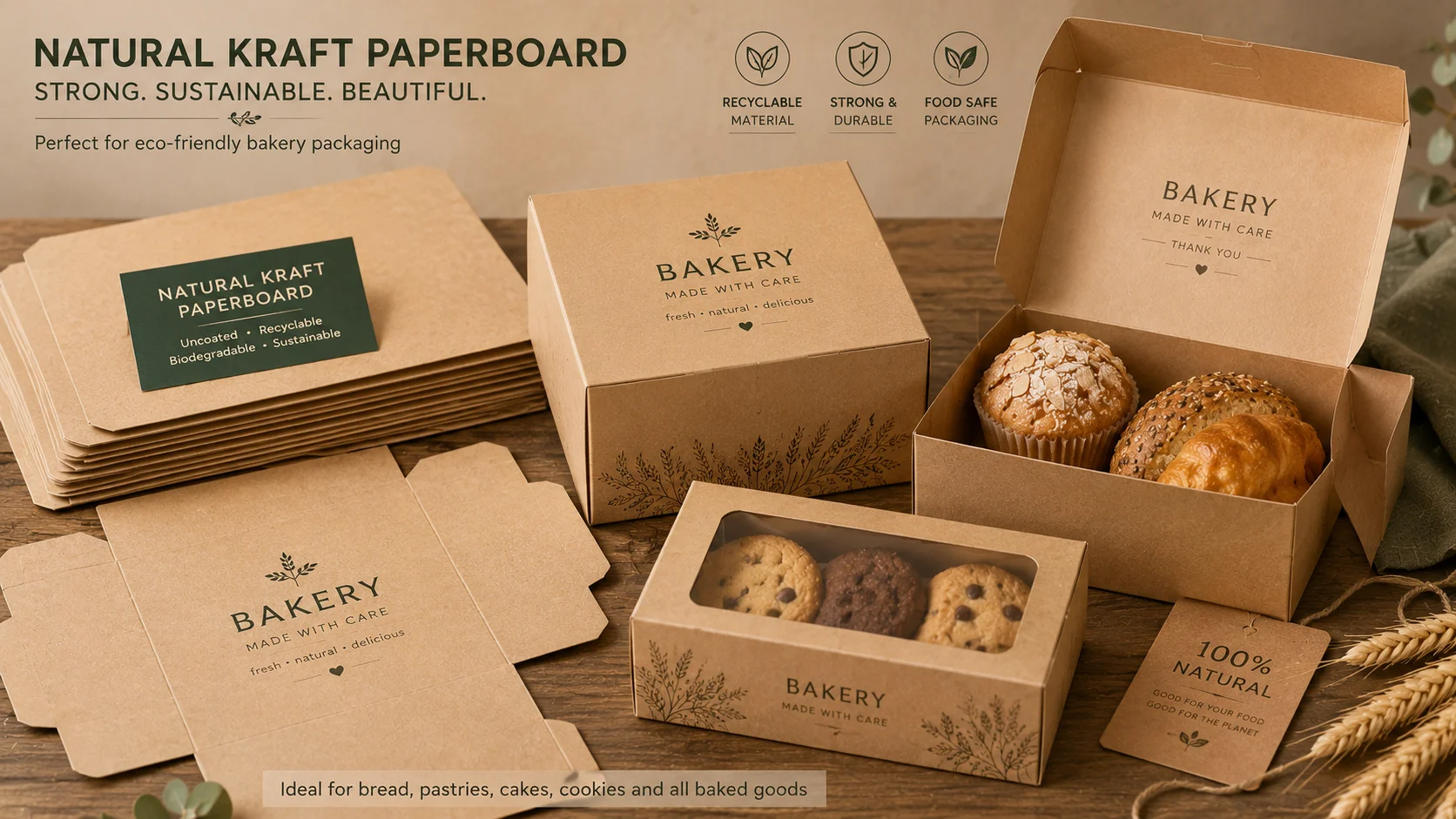
Kraft Paperboard
Kraft board creates a natural, understated appearance suited to artisan bakeries and brands using restrained graphics. Its brown surface affects how colours reproduce, so artwork should be developed specifically for the stock.
Suitable specifications
- Single or limited-colour print
- White ink for contrast
- Embossed brand details
- Paper windows where appropriate
Specification note
Natural board colour changes the printed result
Pale colours and unprinted areas will show the brown fibre beneath. A white underprint may be required where brighter branding or more accurate colour is important.
Protective Structural Material
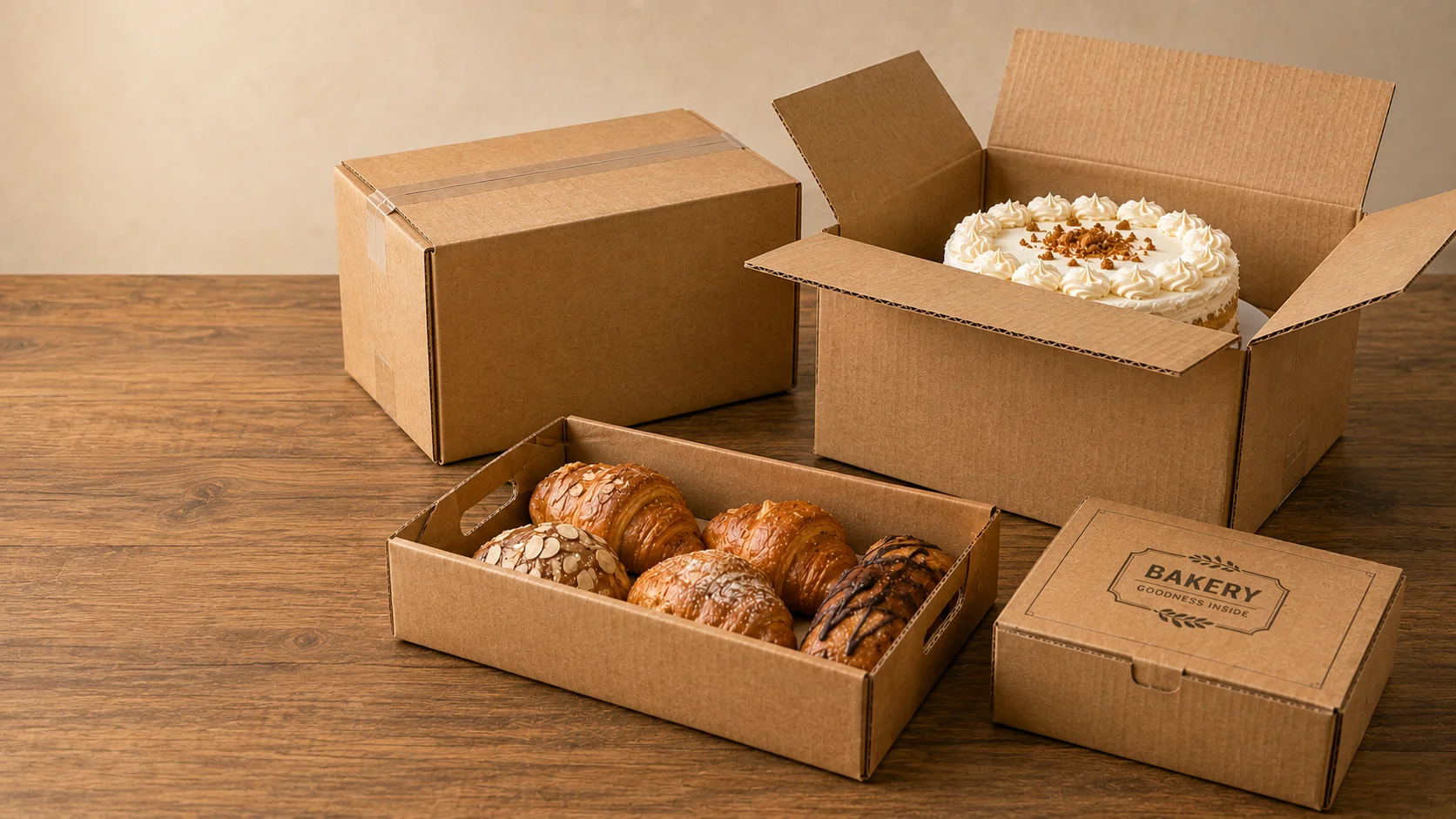
Corrugated Board
Corrugated board adds compression resistance and base strength for larger cakes, grouped bakery orders and products travelling through delivery or wholesale distribution.
Suitable specifications
- Corrugated cake carriers
- Bakery delivery mailers
- Grouped product cases
- Reinforced carrying bases
Specification note
Select the flute around actual packed weight
Flute profile, liner combination and board grade should reflect the load, stacking height and handling route. More board is not automatically better if it adds unnecessary bulk.
Product-Contact Performance
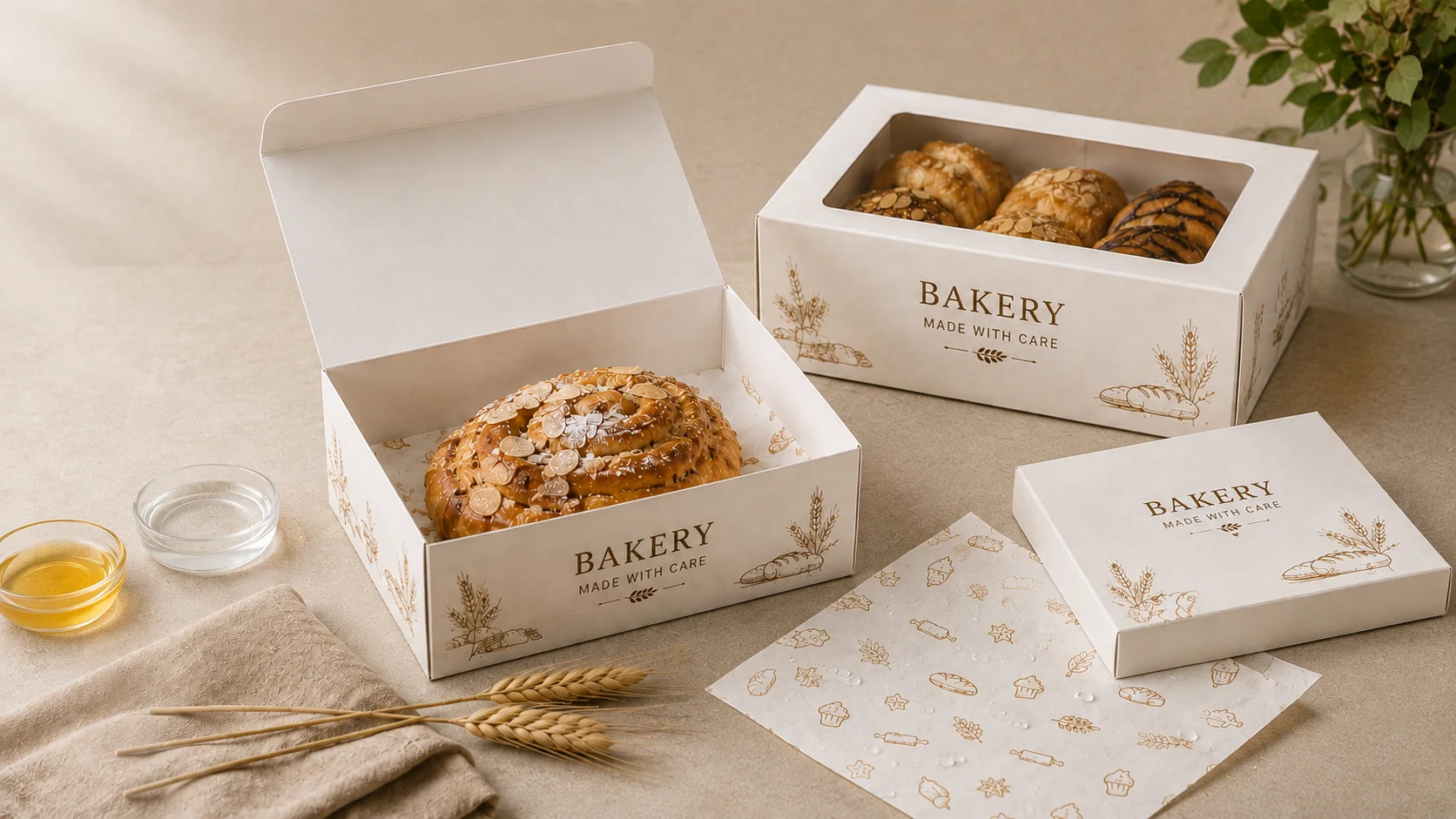
Barrier-Treated Food-Grade Board
Bakery products containing butter, oil, cream or moisture can mark untreated paperboard. A suitable food-contact barrier helps protect the appearance and strength of the carton during its intended use.
Suitable specifications
- Direct food-contact grades
- Grease-resistant inner surfaces
- Separate paper liners
- Application-specific coatings
Specification note
Match the barrier to the actual food and contact time
The appropriate specification depends on oil content, moisture, temperature, duration of contact and whether the product touches the carton directly or sits on a liner or tray.
Quick Material Guide
Match the Board to the Main Packaging Demand
The final specification may combine more than one material, such as a printed retail carton inside a stronger corrugated delivery case.
Best where branding and compact storage are priorities.
Suitable for restrained print and artisan bakery ranges.
Provides greater resistance to stacking and compression.
Helps control staining and loss of board performance.
Product and Food-Contact Performance
Freshness, Grease Resistance and Food Safety
Bakery packaging must do more than hold the product. It should manage oil, moisture, heat and direct food contact for the expected packing, storage and selling period.
The correct specification depends on the recipe, product temperature, contact time and whether the bake sits directly against the carton or on a board, liner or tray.
Condition Control
Plan for What the Product Releases After Packing
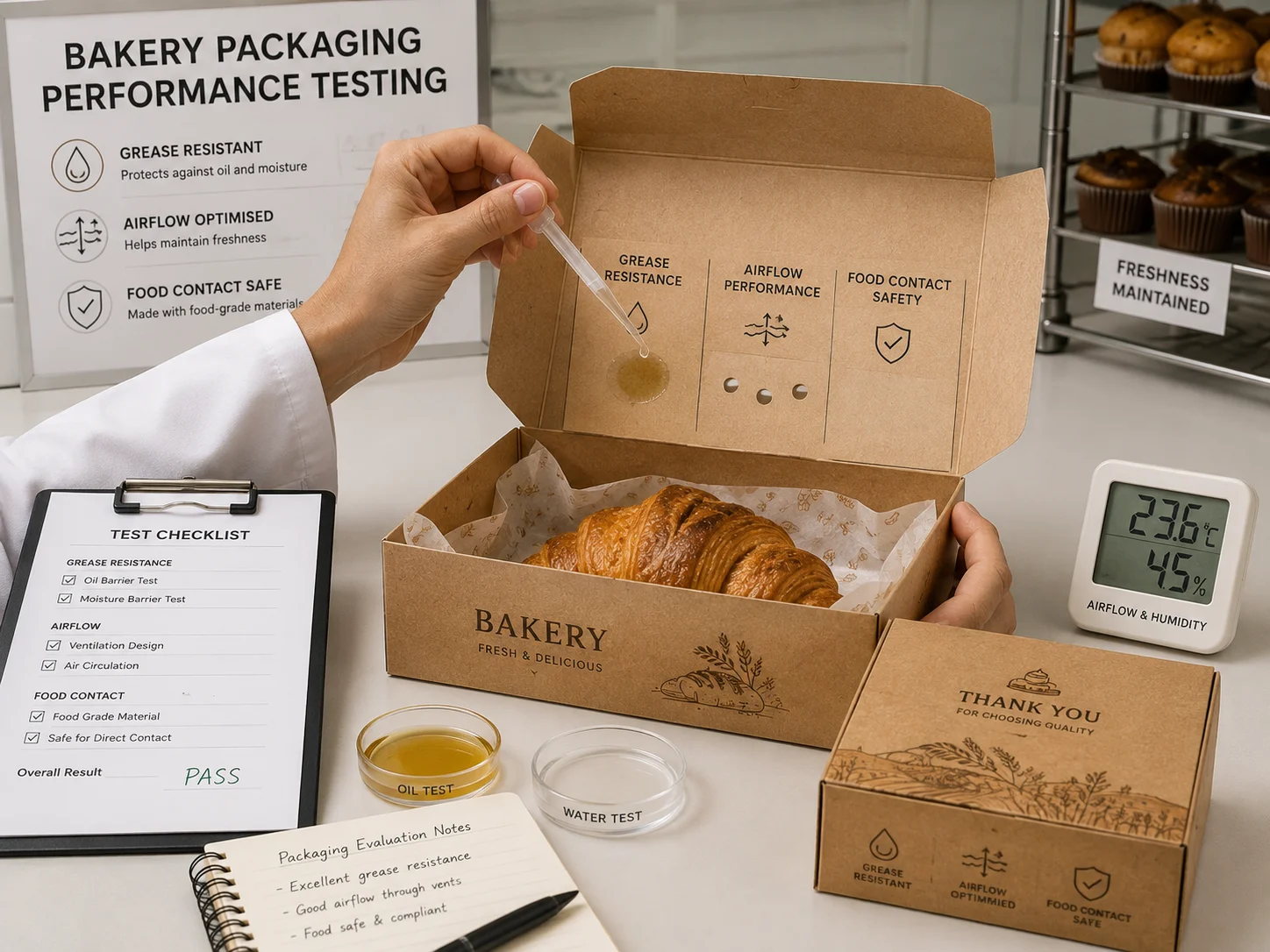
Butter, oil, steam and residual warmth can affect both the bake and the carton. A box that looks suitable when empty may stain, soften or trap moisture once the product is packed.
Four Performance Factors
01
Oil and Butter
Grease Resistance
Butter-rich pastries, doughnuts, cookies and filled slices can transfer oil into untreated paperboard. This may leave visible marks and reduce stiffness around the base.
Packaging response
Use a suitable food-contact board, liner or
grease-resistant inner treatment.
Check before approval
- Oil content of the finished bake
- Direct or indirect carton contact
- Duration of packed storage
02
Steam and Condensation
Moisture Management
Warm bread, pastries and freshly baked products can release moisture after packing. Trapped vapour may soften crisp surfaces and weaken untreated board.
Packaging response
Allow suitable cooling time and introduce airflow
only where the product and sales route require it.
Check before approval
- Temperature when the product is packed
- Vent position and opening size
- Chilled or ambient storage conditions
03
Contact Surface
Food-Safe Specification
Packaging used in direct contact with bakery products should use materials, inks and internal treatments suited to the intended food-contact application.
Packaging response
Define which surfaces touch the product and separate
decorative finishes from food-contact areas.
Check before approval
- Direct-contact surfaces
- Position of print and coatings
- Use of liners, boards or inserts
04
Product Quality
Freshness and Shelf Presentation
Packaging can support product quality during ordinary handling, but it should not be treated as a substitute for the correct recipe, cooling process or storage method.
Packaging response
Match closure, ventilation and internal space to the
real period between packing and consumption.
Check before approval
- Expected selling period
- Product texture and sensitivity
- Retail display environment
Food-Contact Construction
The Product Does Not Always Need to Touch the Printed Carton
A liner, cake board, insert or tray can separate the food from the printed outer pack. This may simplify loading, reduce staining and help keep the customer-facing carton cleaner.
Every component should be assessed as part of the complete pack. Adding a liner does not correct unsuitable dimensions, weak board or poor moisture control.
Bakery product
The finished bake, filling, icing and toppings.
Liner, board or insert
Provides separation, positioning or base support.
Printed outer carton
Provides structure, branding and customer presentation.
Packing Conditions
The Correct Specification Changes With Product Condition
Allow cooling and moisture release before using a closely sealed carton.
Balance visibility, handling protection and the expected time before purchase.
Assess condensation, refrigerator storage and changes in board performance.
Combine food-contact performance with stronger movement and compression control.
Before Final Specification
Information We Need About the Bakery Product
Clear product information helps determine whether a standard food-contact board, separate liner or specialist treatment is appropriate.
-
01
Product composition Butter, oil, cream, moisture and fillings
-
02
Packing temperature Warm, cooled, ambient or chilled
-
03
Contact arrangement Direct contact, liner, board, tray or insert
-
04
Expected contact time Immediate takeaway, display or longer storage
-
05
Handling environment Counter, refrigerator, collection or delivery
Print, Information and Presentation
Printing and Finishing for Bakery Packaging
Bakery packaging must balance appetite appeal with clear product information. Branding, ingredient panels, storage instructions, barcodes and date-coding areas all need enough space to remain legible after cutting, folding and assembly.
Print and finish choices should also suit the board surface, food-contact arrangement and handling conditions rather than being selected for appearance alone.
Artwork Planning
Plan Branding and Required Information as One Layout
Bakery cartons often have limited panel space. The logo, product name and decorative artwork should not crowd ingredient information, allergen statements, barcodes or handling instructions.
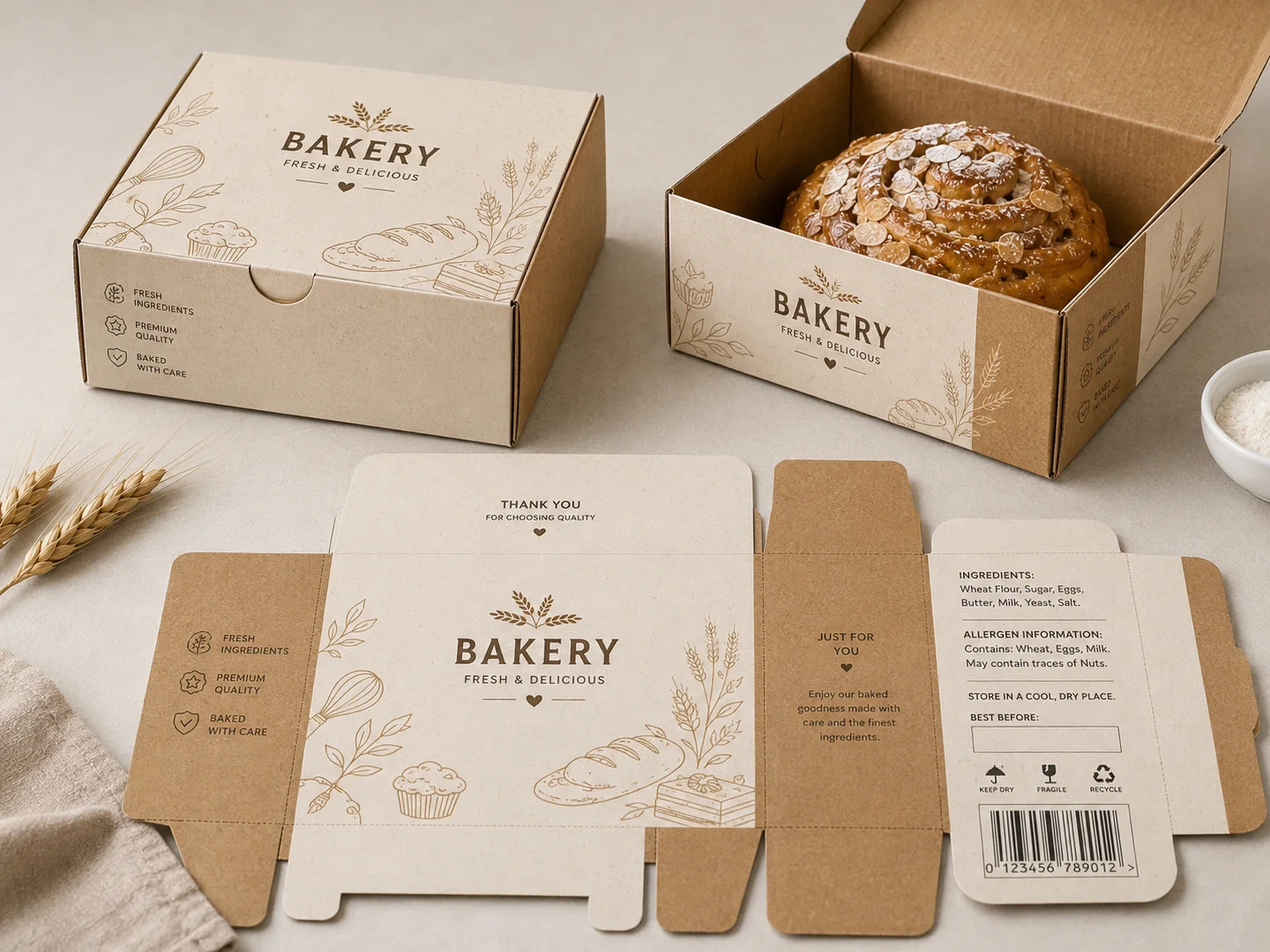
Protect safe areas
Keep important text away from cuts, folds, locking tabs and glue areas.
Allow operational space
Reserve a practical area for batch, date or variable product information where required.
Review the assembled carton
Confirm that adjoining panels and folded edges do not interrupt the intended design.
Printing Considerations
Decisions That Affect the Finished Bakery Carton
Full-Colour Artwork
CMYK Printing
Suitable for product photography, illustrated patterns and packaging using several colours or tonal detail.
Useful for
Retail ranges and seasonal campaigns
Brand Colour Control
Pantone Matching
Helps maintain closer colour consistency where bakery packaging relies on a specific signature shade across several box sizes.
Useful for
Logos and repeat branded ranges
Application Planning
Food-Contact Areas
Printed and coated surfaces should be positioned according to the intended direct or indirect contact arrangement.
Useful for
Liners, trays and direct-contact packs
Operational Information
Date and Batch Coding
Leave a clean, accessible area where production dates, batch details or changing product data can be added reliably.
Useful for
Wholesale and prepared retail products
Retail Scanning
Barcode Placement
Barcodes need suitable size, contrast and quiet zones, with enough distance from folds, curves and panel edges.
Useful for
Supermarkets and retail distribution
Product Visibility
Window Positioning
A window should reveal the most appealing part of the product without removing excessive printable area or weakening the panel.
Useful for
Cakes, pastries, cookies and gifting
Finishing Options
Add the Finish Where It Improves Handling or Presentation
Finishes should support the positioning of the bakery range without obscuring information, complicating food-contact areas or adding unnecessary production cost.
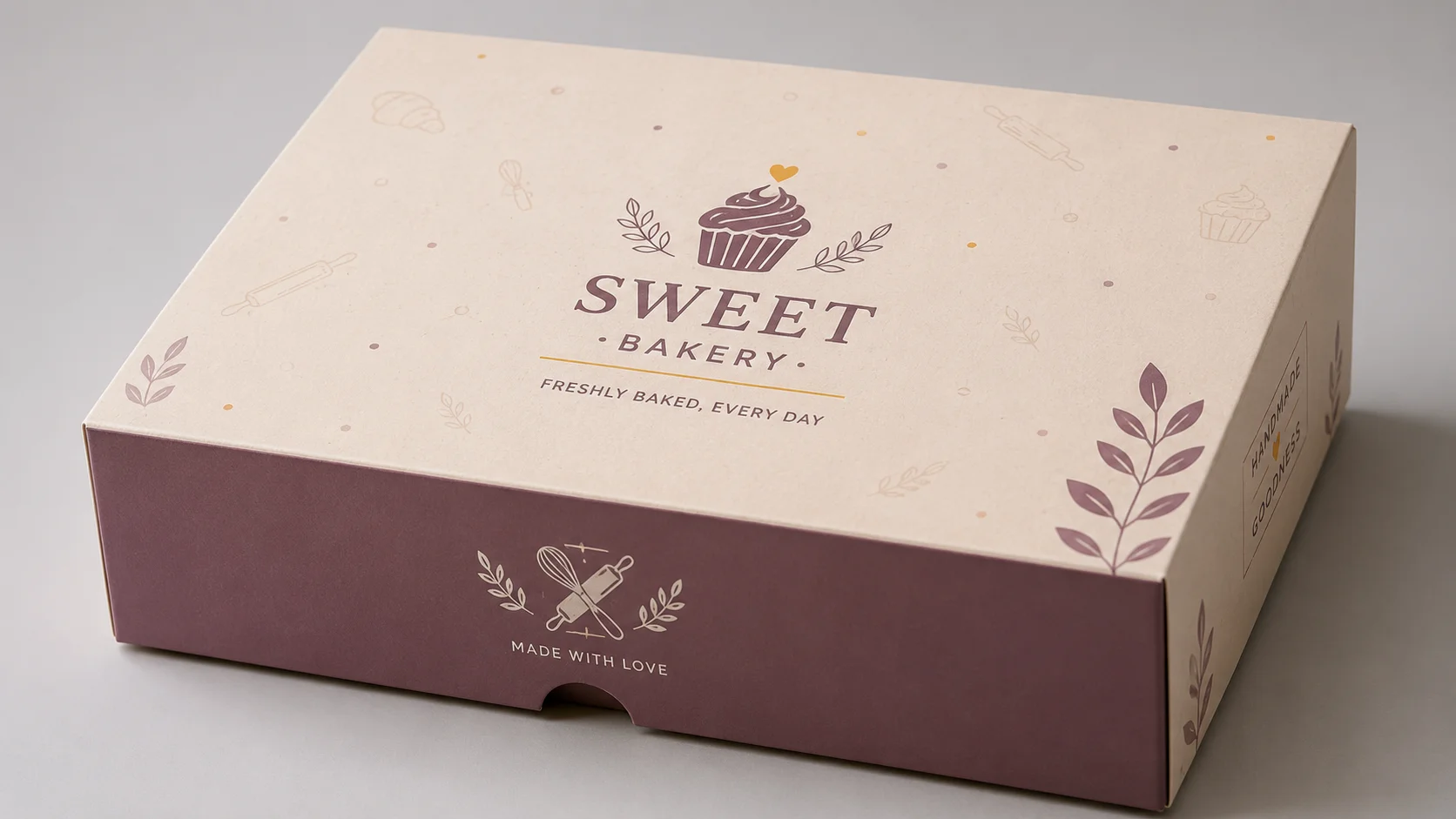
Low-Sheen Surface
Matt Finish
Creates a restrained appearance and reduces glare.
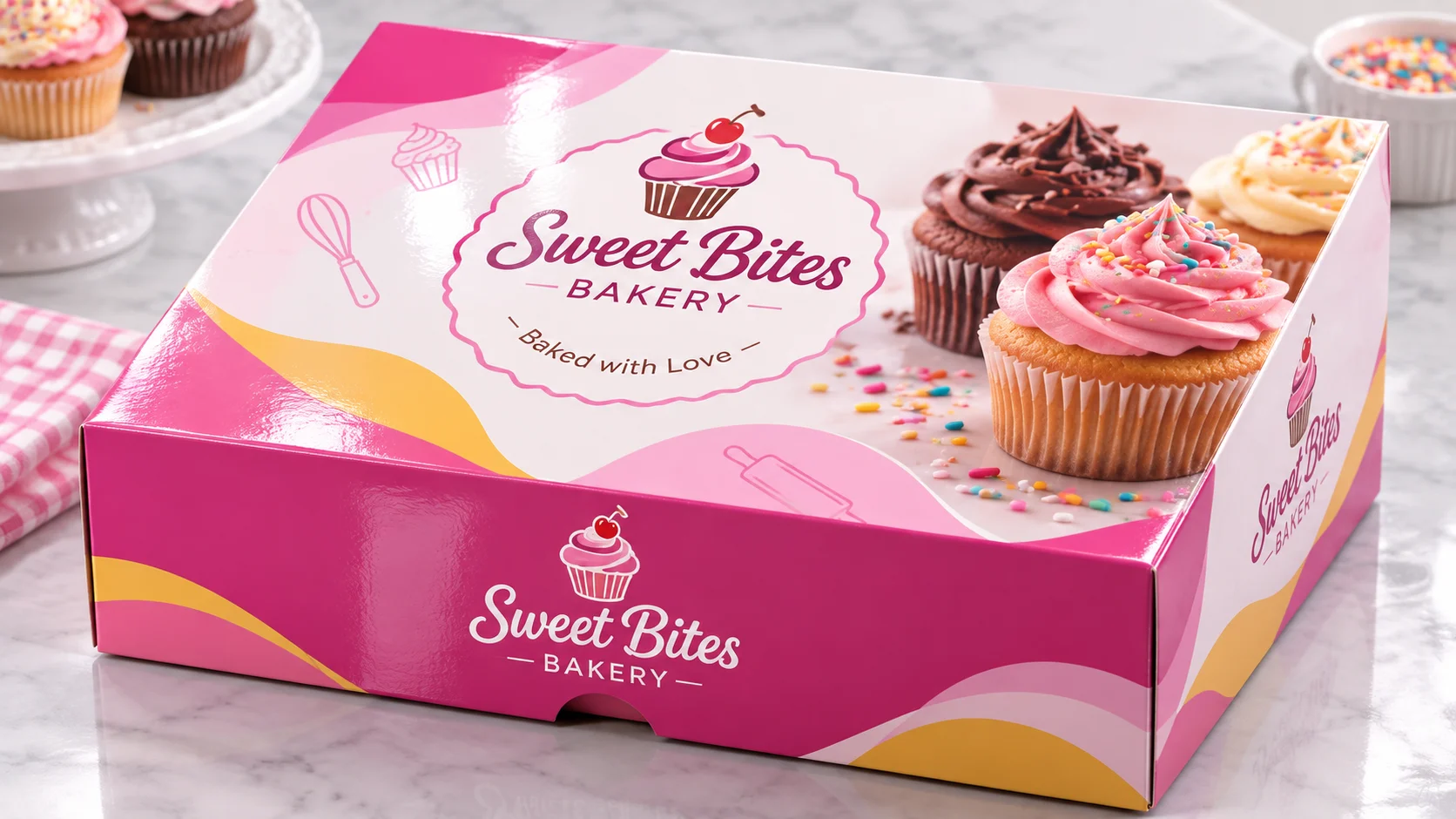
High-Sheen Surface
Gloss Finish
Strengthens colour contrast and creates more shine.
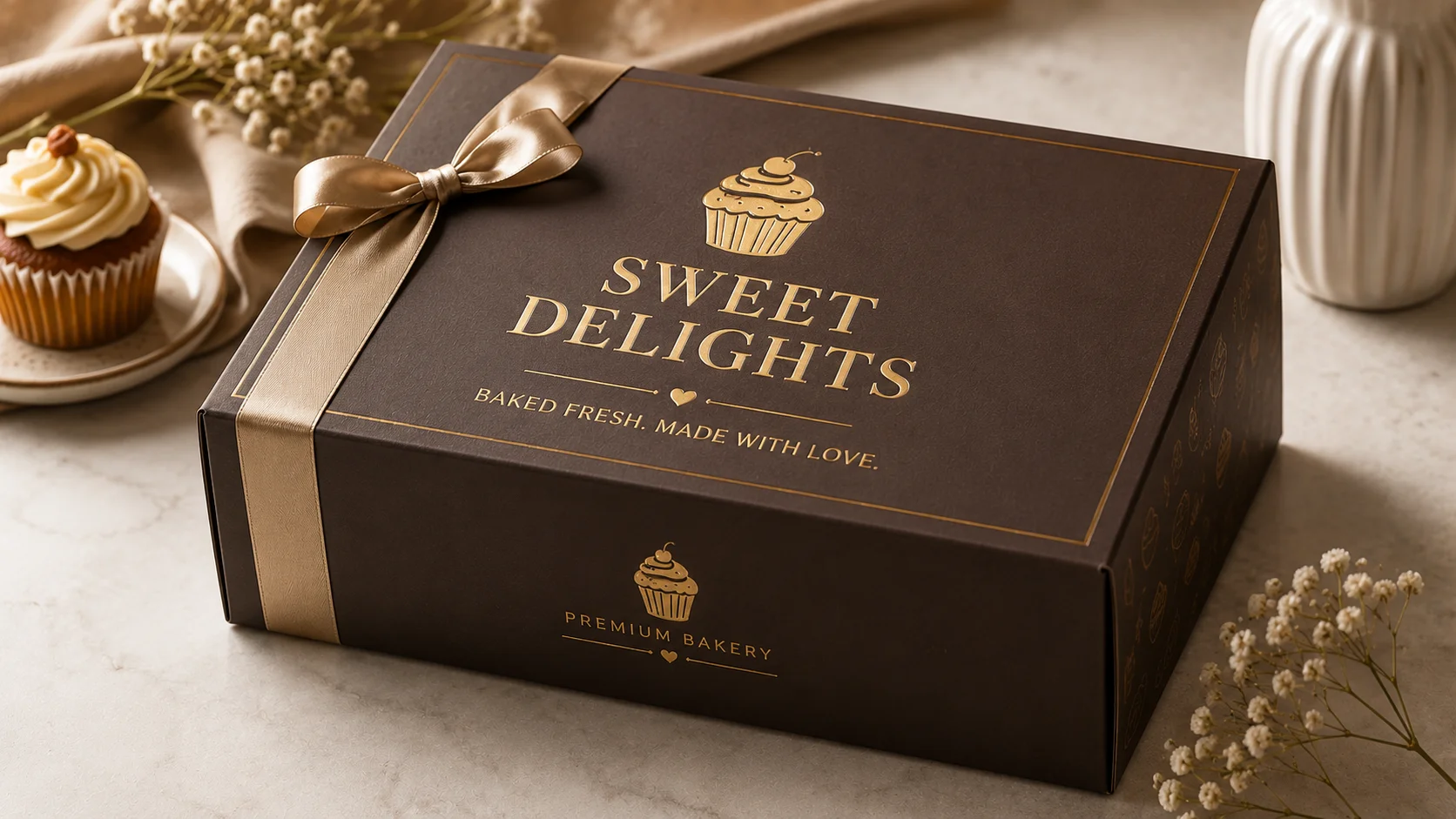
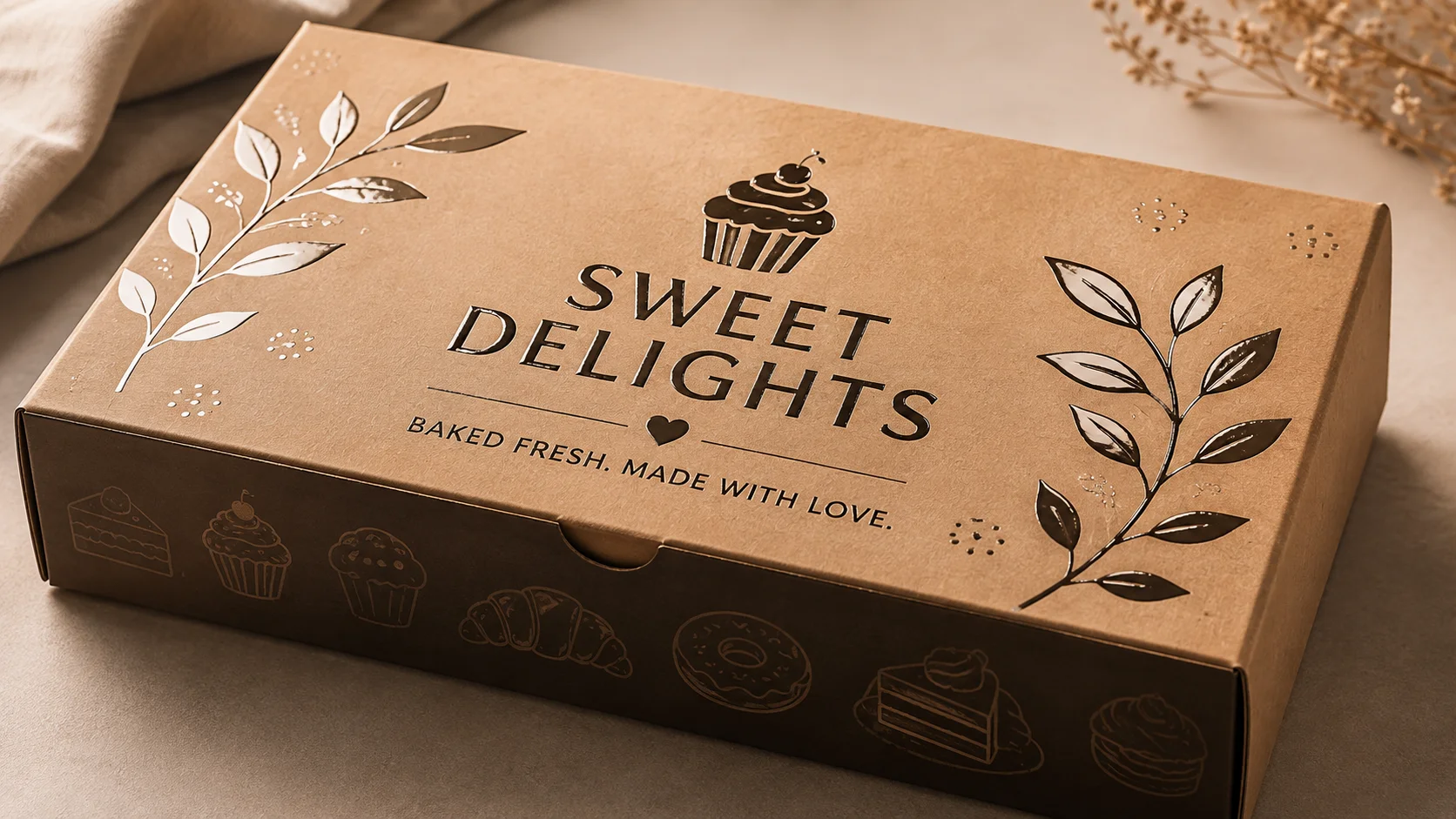
Metallic Detail
Foil Stamping
Suitable for logos and seasonal gift ranges.
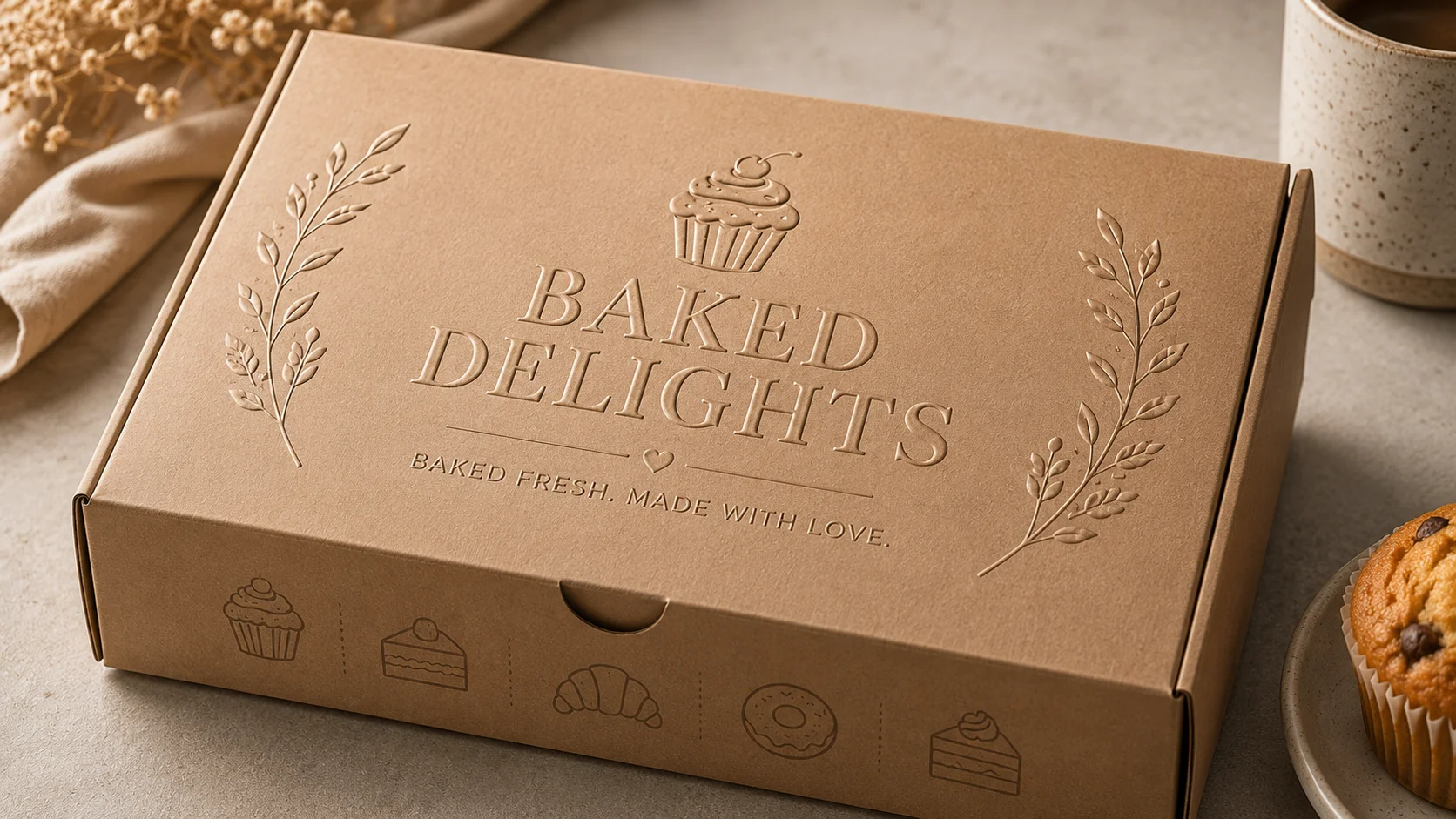
Tactile Detail
Embossing
Adds raised branding without relying on colour alone.
Selective Contrast
Spot UV
Highlights chosen text, logos or pattern details.
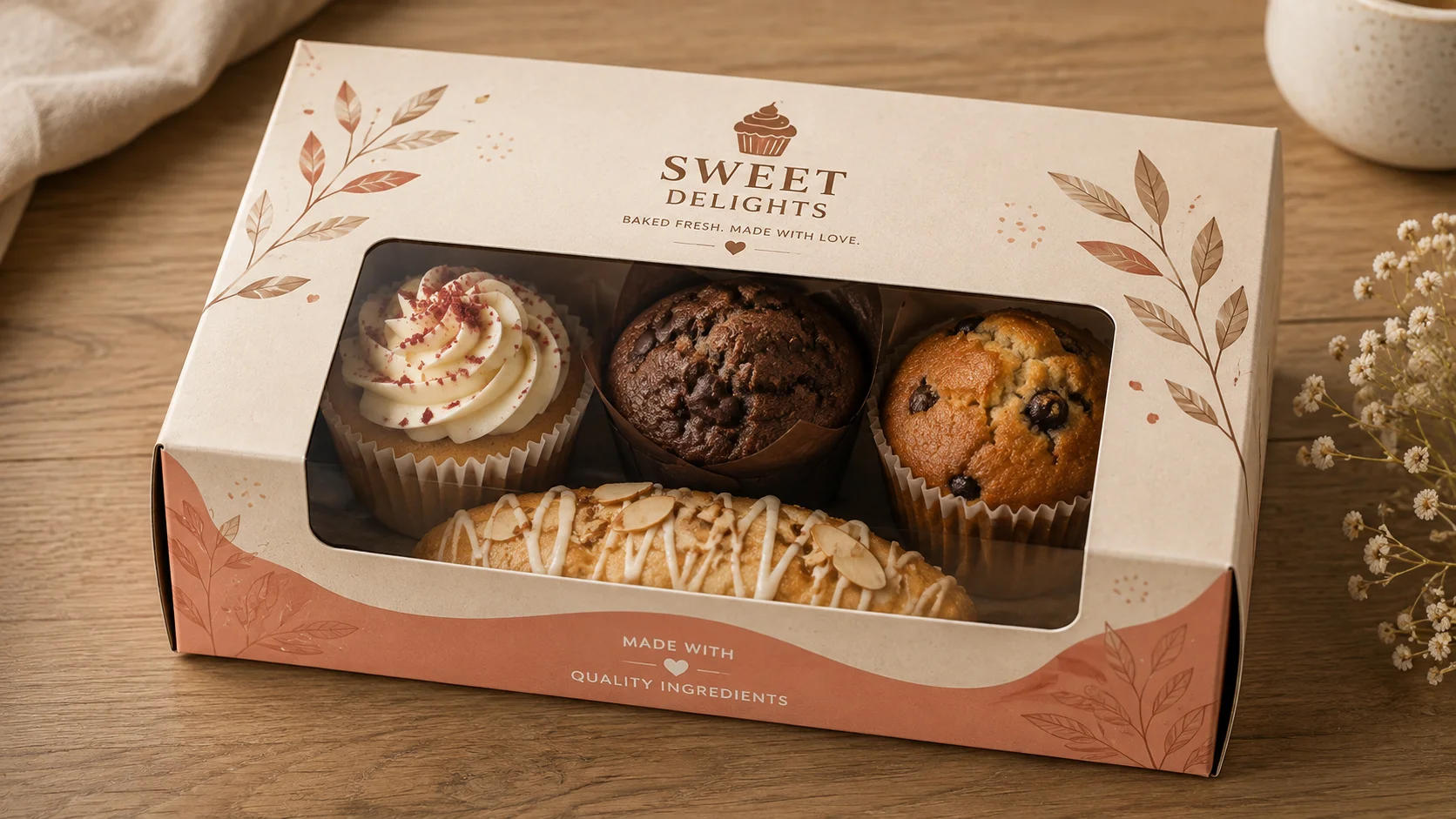
Product Display
Window Cut-Out
Lets customers inspect the bake before purchase.
Artwork to Production
Confirm Print, Information and Finish Areas Before Manufacture
Early approval reduces avoidable revisions once cutting tools, print plates or specialist finishing processes have been prepared.
-
01
Set the dieline Confirm dimensions, panels, folds and glue areas.
-
02
Place information Add branding, ingredients, barcode and coding space.
-
03
Define print colour Approve CMYK values or Pantone references.
-
04
Add finish layers Separate foil, UV, embossing and window elements.
-
05
Approve the proof Check the complete artwork before production release.
Structural Format Selection
Choosing the Right Bakery Box Style
Box style affects loading speed, product visibility, carrying stability and the amount of space required in a bakery or fulfilment area.
The best format depends on the finished bake, packed quantity, sales route and whether the packaging is mainly intended for display, collection, gifting or delivery.
Compare Bakery Formats
Select a Structure Around the Way the Product Is Packed
Review the principal use, loading method and structural considerations for five widely used bakery packaging formats.
Display-Led Packaging
Window Bakery Boxes
Window boxes allow customers to inspect colour, decoration and product arrangement without opening the carton. They suit products where visual presentation directly supports the purchase decision.
Best suited to
Cupcakes, pastries, cookies, doughnuts and bakery
gift selections
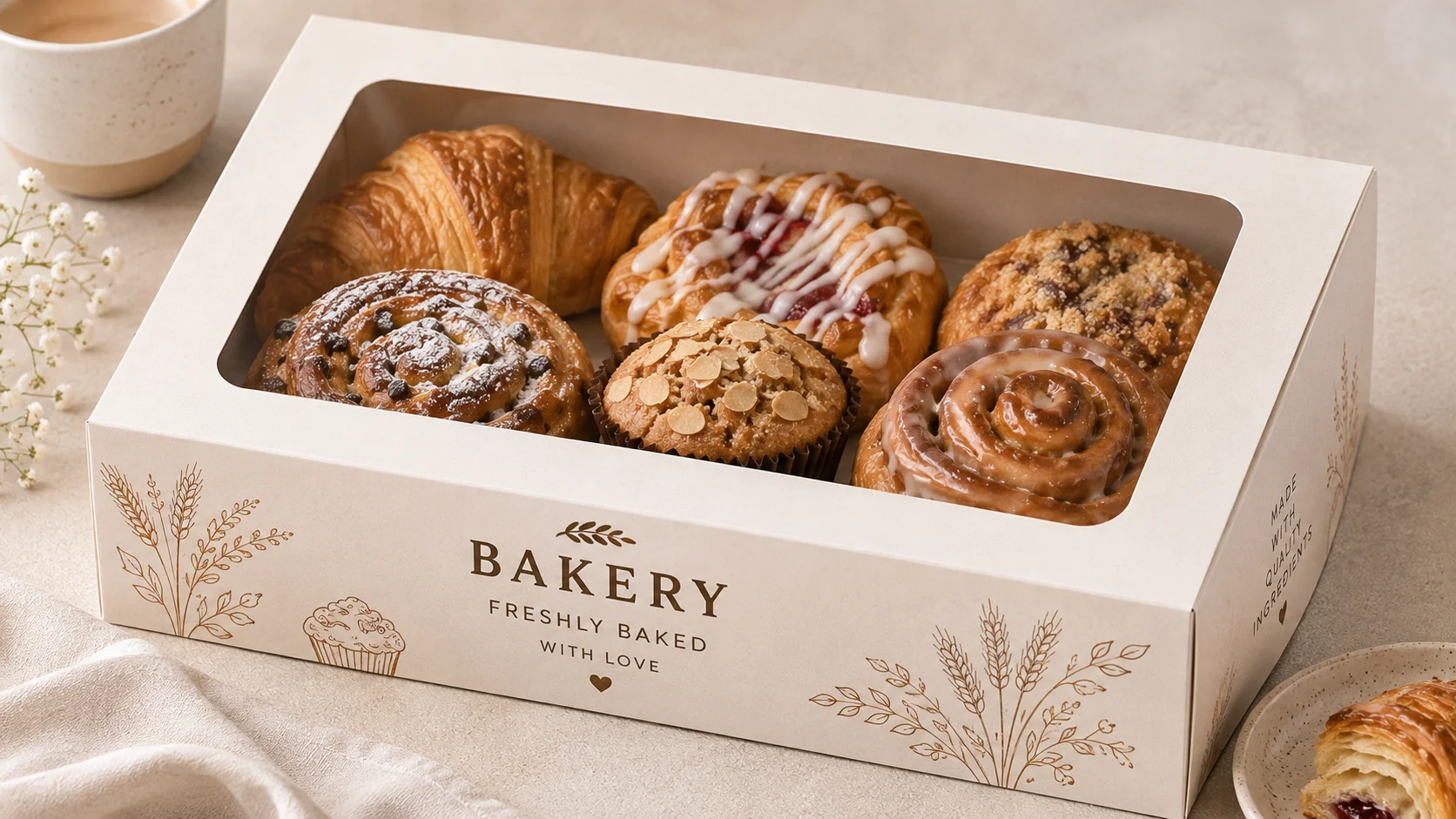
Customers can assess decoration and presentation without opening the box.
The opening must allow the product to enter without touching the window edge.
A large window can reduce stiffness and available space for print or required information.
Works well when
- The product appearance supports the sale
- The pack remains mostly upright
- Enough board surrounds the window
- The product will not mark the window area
Structure decision
Place the window around the packed product
Window position should be checked using the complete product arrangement. A well-positioned opening avoids showing empty space, liners or the least attractive side of the bake.
Explore custom window boxes
Wide-Access Packaging
Tray and Lid Bakery Boxes
A separate tray and lid provide broad access for loading larger, fragile or heavily decorated bakery products. The product can be placed onto the base before the lid is lowered into position.
Best suited to
Celebration cakes, pastry selections and large
bakery gift arrangements
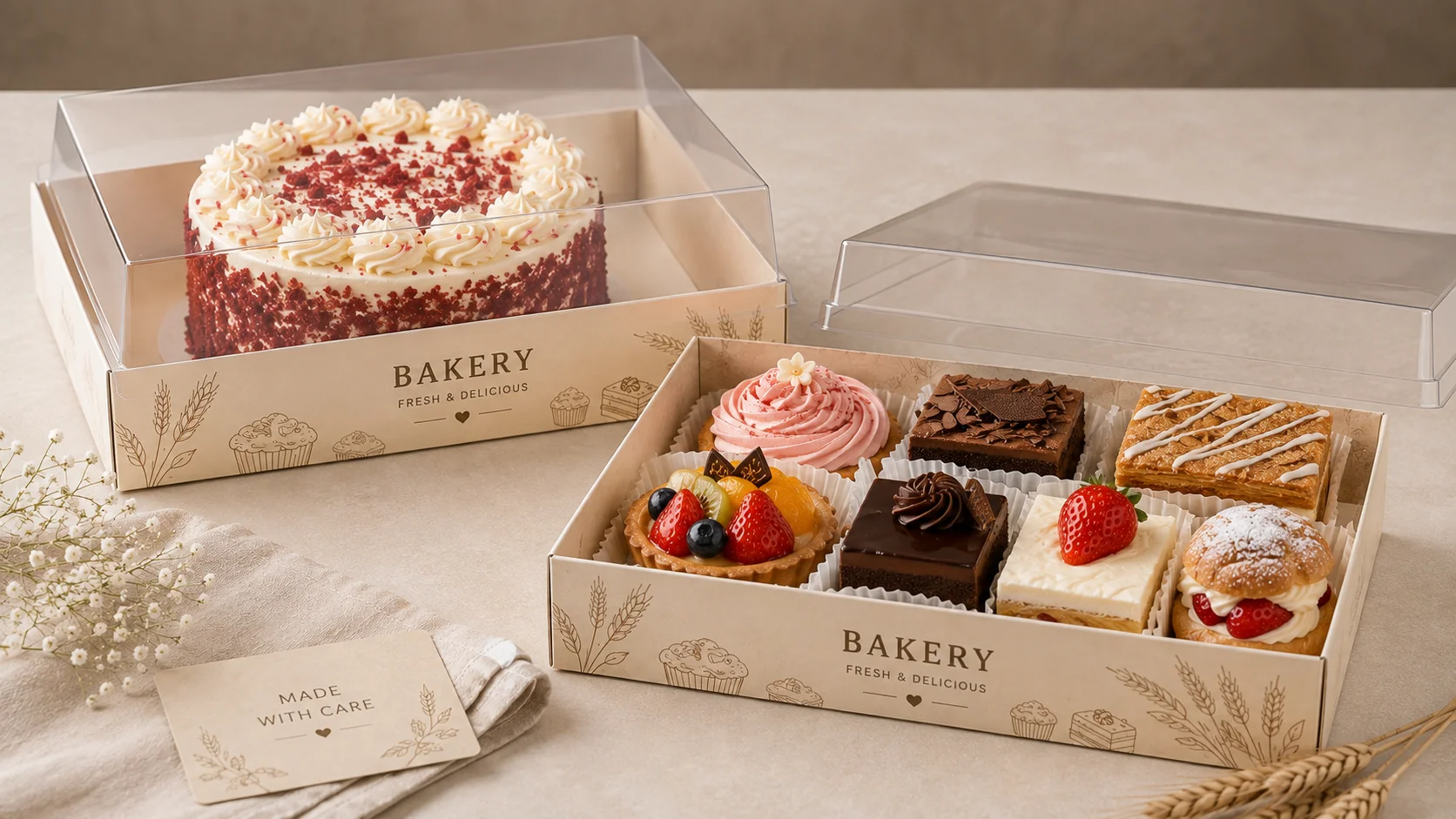
Products can be positioned on the base without passing through a narrow carton opening.
The product is loaded onto the tray before the lid is fitted around or over the base.
The lid should fit securely without gripping, collapsing or shifting the base.
Works well when
- The product is difficult to lower into a carton
- Decoration extends close to the outer dimensions
- A stable presentation base is required
- The pack may be opened and closed again
Structure decision
Specify the base around the full packed weight
Large cakes can cause the base to bow even when the surrounding walls remain upright. Board grade and tray construction should be assessed around the complete packed load.
Carry-Ready Packaging
Bakery Gable Boxes
Gable boxes combine the carton and carrying handle within one structure. They are useful for takeaway selections where customers need a pack that is easy to lift and carry from the counter.
Best suited to
Mixed pastries, small cakes, cookies, doughnuts
and takeaway bakery gifts
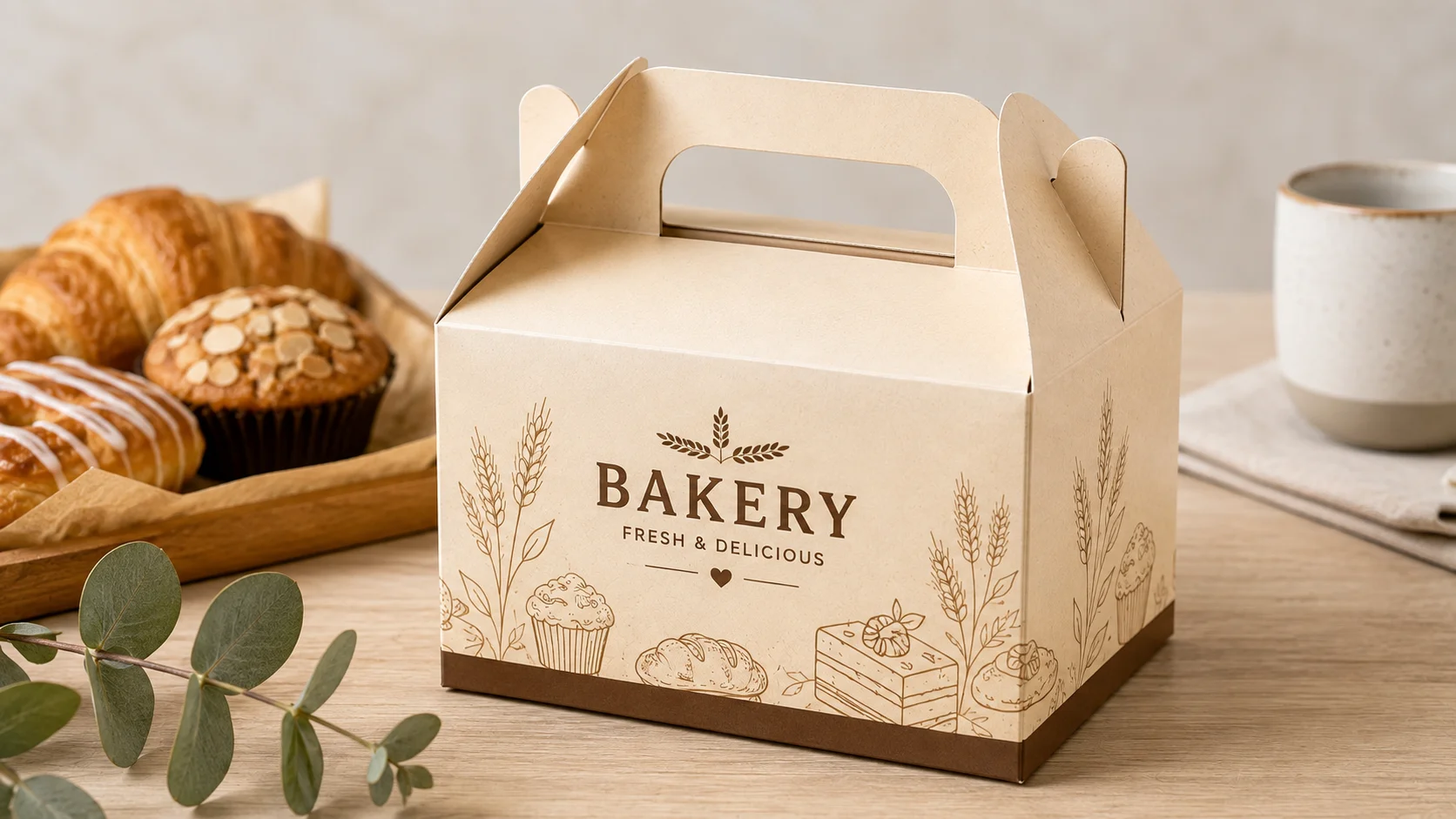
Customers can carry the pack without a separate bag or additional handle component.
Products are placed through the upper opening before the handle panels interlock.
The internal product height must remain below the sloping handle and closure area.
Works well when
- Customer collection is the main sales route
- The packed weight is suitable for a paper handle
- The product sits below the upper closure
- Gift-ready presentation is useful
Structure decision
Test the handle using the actual packed weight
Handle strength depends on board grade, locking design and how the weight is distributed across the base. Heavy or unbalanced bakery contents may require a different carrying format.
Layered Presentation Packaging
Sleeve Bakery Boxes
Sleeve packaging combines an inner tray or carton with a printed outer wrap. It creates a controlled product reveal and provides extra branding space without requiring a full rigid construction.
Best suited to
Macarons, biscuits, confectionery, gift selections
and seasonal bakery collections
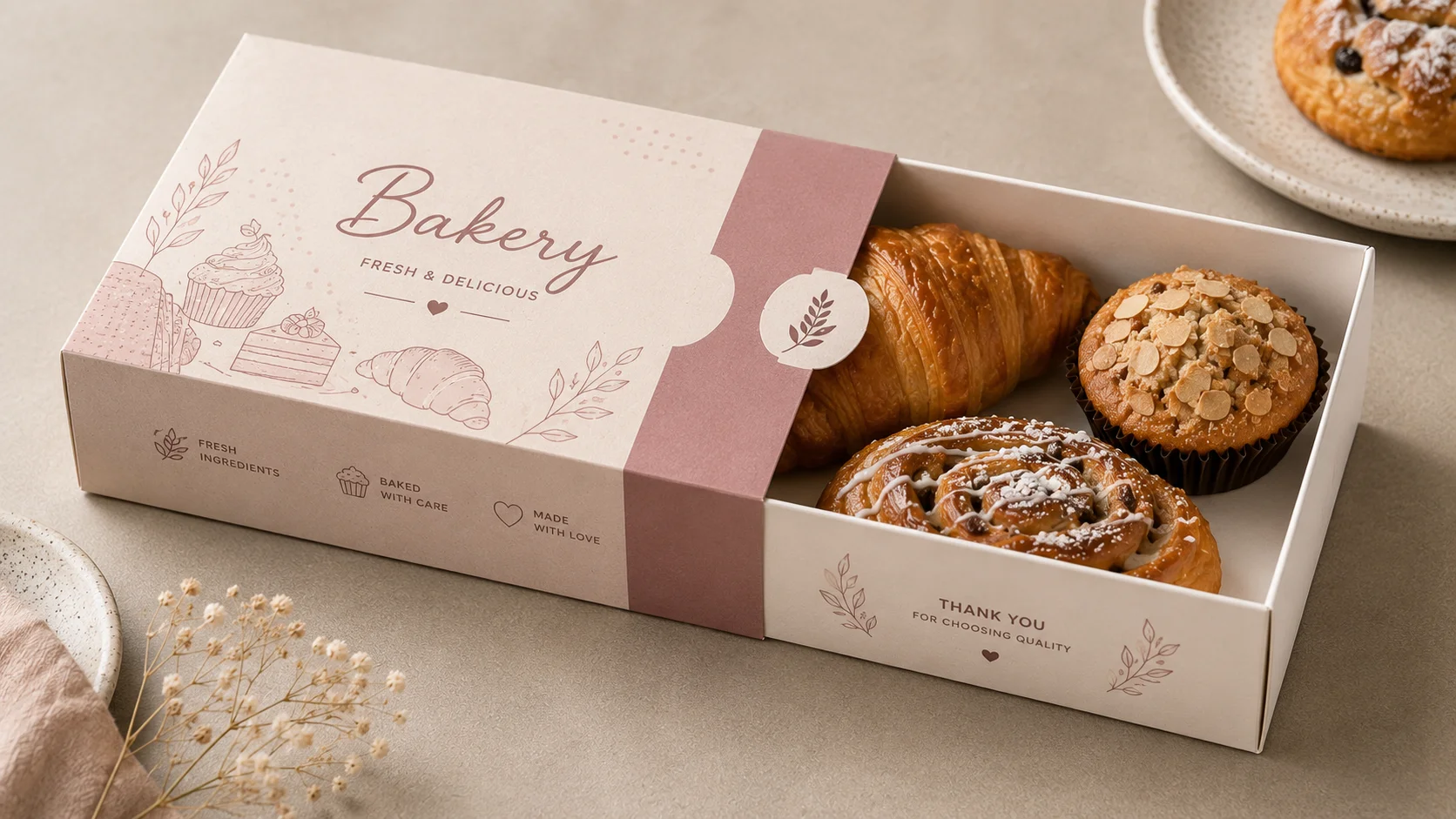
The outer sleeve supports branding while the inner tray organises and presents the products.
Products are arranged inside the tray before the sleeve is fitted around the complete inner pack.
Excess friction slows packing, while too much clearance creates rattling and a loose feel.
Works well when
- Products are arranged in rows or cavities
- A gift-like opening experience adds value
- Additional branding space is required
- The tray remains compact and easy to slide
Structure decision
Plan the opening orientation carefully
The product arrangement should remain stable as the tray is removed. Loose bakery pieces can shift towards the opening unless they are supported by dividers, cavities or suitable internal fit.
Protective Delivery Packaging
Bakery Mailer Boxes
Mailer boxes provide stronger protection for local delivery, grouped bakery orders and subscription-style collections. They can hold individual retail packs or act as the main customer-facing delivery carton.
Best suited to
Cookie selections, brownie boxes, bakery kits,
subscription orders and grouped retail packs
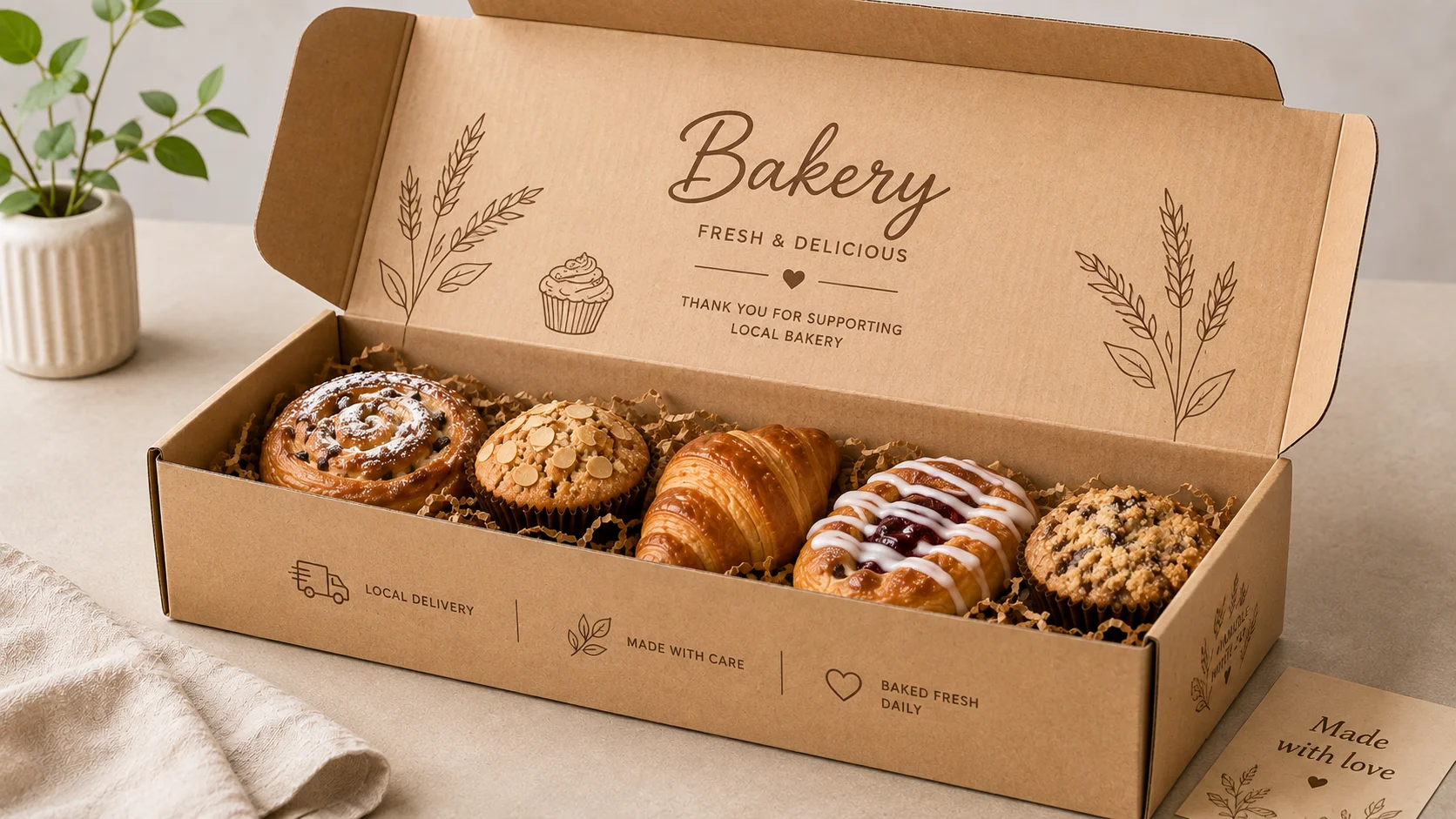
Corrugated construction provides more resistance to compression and handling than light folding cartons.
Products, inserts or individual retail packs can be arranged before the lid closes over the contents.
Oversized mailers allow products to slide and can increase material and delivery volume unnecessarily.
Works well when
- The order must withstand vehicle handling
- Several bakery packs are grouped together
- Internal dividers or trays are required
- The carton also supports the unboxing experience
Structure decision
Design around the complete delivery configuration
The internal dimensions should account for all bakery products, liners, retail boxes and cushioning elements. The box should remain compact without compressing the contents.
Quick Structure Guide
Match the Format to the Main Customer Requirement
More complex does not automatically mean more suitable. The simplest structure that protects, presents and handles the product correctly is often the most efficient choice.
Use where seeing the bake supports retail conversion.
Provides broad access for tall or decorated products.
Combines packaging and handle in one structure.
Creates a layered reveal for organised collections.
Adds resistance for grouped and transported orders.
Seasonal Campaign Planning
Seasonal Bakery Packaging
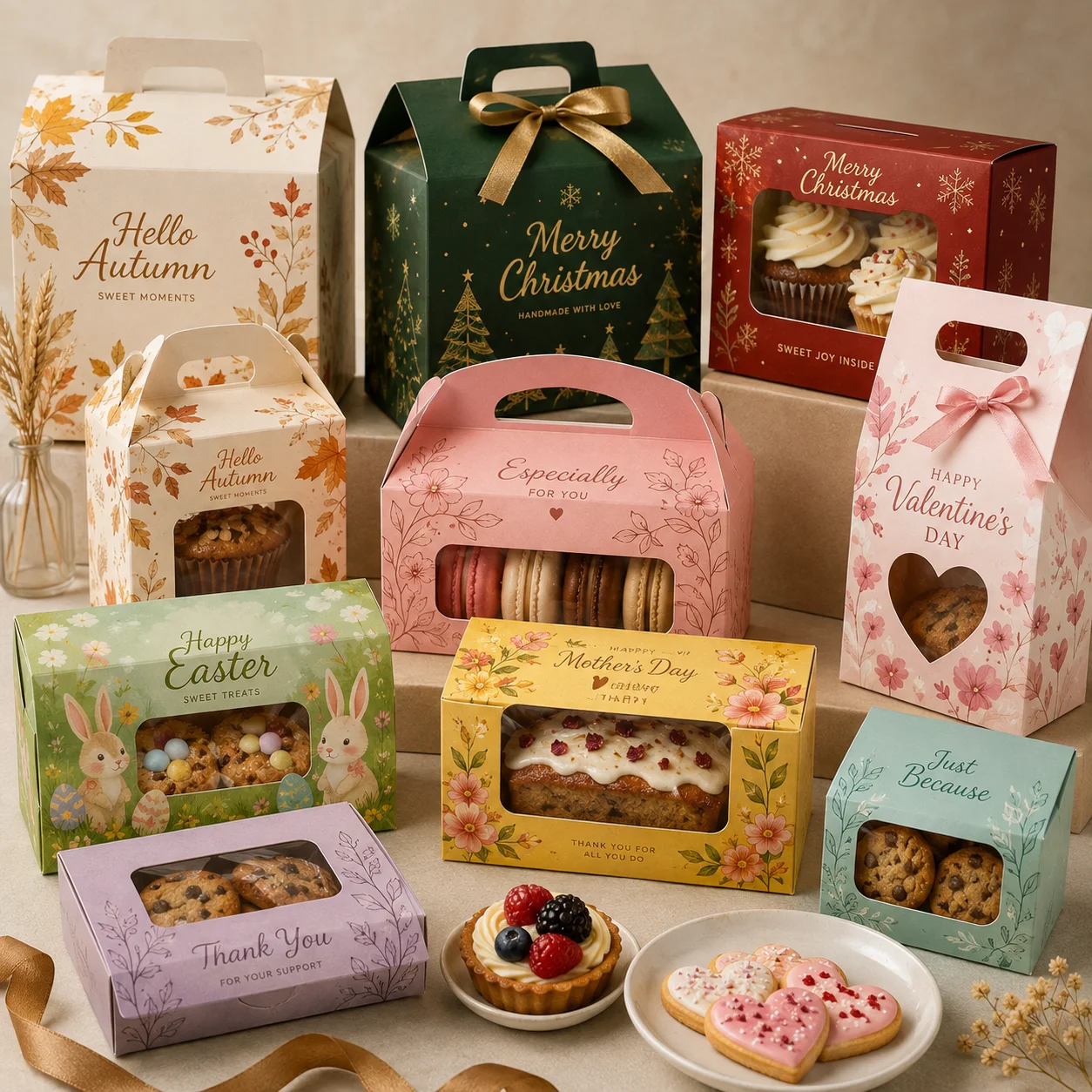
Seasonal packaging can refresh a familiar bakery product without forcing the business to develop a completely new carton for every promotion.
Artwork, colour, sleeves and promotional messaging can change while proven dimensions and packing methods remain consistent. This reduces repeated structural development and helps seasonal ranges move into production more efficiently.
Campaign quantities, approval dates and the expected selling window should be confirmed before artwork is released.
Campaign-Led Packaging
01
02
03
Change the Seasonal Message, Not the Entire Packing Process
Where the product size and quantity remain unchanged, the existing structural format can often be retained. Seasonal variation can then be introduced through print, sleeves, labels and selected finishes.
Retain approved dimensions
Keep the established fit where the packed product and handling route have not changed.
Update the visible campaign layer
Change colour, graphics, product messaging or the outer sleeve to suit the occasion.
Control remaining stock risk
Match the order quantity to the realistic selling period rather than the annual forecast.
Plan Packaging Around the Selling Window
Each campaign creates different expectations around gifting, product assortment, visual impact and order volume. The packaging should reflect those needs without disrupting ordinary bakery operations.
February
Romantic Gifting
Valentine’s Bakery Packaging
Suitable for macarons, cupcakes, decorated biscuits and small dessert selections.
Campaign focus
Gift presentation and personalisation
March–April
Spring Collections
Easter Bakery Packaging
Useful for cookies, cupcakes, confectionery, buns and family sharing selections.
Campaign focus
Bright artwork and visible products
May–August
Events and Celebrations
Summer and Event Packaging
Suitable for wedding favours, cake slices, dessert tables and branded hospitality packs.
Campaign focus
Easy distribution and event branding
October
Short Promotional Window
Halloween Bakery Packaging
Useful for themed cupcakes, cookies, doughnuts and counter-service treat boxes.
Campaign focus
High-impact graphics and controlled volume
Explore Halloween packaging
November–December
Peak Seasonal Trade
Christmas Bakery Packaging
Suitable for mince pies, biscuits, cakes, hampers, confectionery and corporate bakery gifts.
Campaign focus
Stock planning, gifting and repeat supply
Explore Christmas packaging
Seasonal Adaptation Options
How Much of the Packaging Needs to Change?
The most practical route depends on campaign volume, product value and how different the seasonal range must appear from the standard pack.
Seasonal Labels
Add short-run promotional messaging to an existing plain or branded carton.
Best for smaller or less predictable campaignsPrinted Sleeves
Wrap an existing tray or carton with dedicated seasonal artwork.
Best when the core structure remains unchangedPrinted Cartons
Apply the limited-edition design across the complete bakery box.
Best where demand supports a dedicated production runGift Structures
Develop a presentation format with dividers, inserts or a premium opening method.
Best where packaging supports a higher selling price
Production Planning
Work Backwards From the Required Launch Date
Seasonal products have a fixed commercial window. Packaging should arrive before product packing begins, not when the promotion is already due to launch.
-
01
Forecast demand Estimate quantity and campaign duration.
-
02
Confirm the format Reuse or adapt the approved structure.
-
03
Prepare artwork Develop seasonal graphics and information.
-
04
Approve production Confirm proof, quantity and delivery date.
-
05
Pack and launch Receive cartons before the sales window begins.
Practical Packaging Support
Why Food Businesses Choose Healey Packaging
Bakery packaging decisions affect packing speed, product condition, storage, transport and customer presentation. Healey Packaging approaches each project as a complete specification rather than treating print and structure as separate decisions.
Our approach
Clear advice before production, with the specification built
around the product and route to market
We review the bakery product, packed quantity, contact arrangement, handling conditions and brand requirements before recommending materials, dimensions or box styles.
Specification-Led Support
Packaging Decisions Connected From the Start
A suitable bakery box is not defined by one feature. Board, structure, print, food-contact performance and production quantity all need to work together.
01
Product Understanding
Advice Based on the Finished Bake
Dimensions, toppings, product weight, grease content and packing temperature are considered before the carton is specified.
Practical benefit
Fewer fit and handling problems
02
Structural Planning
Formats Developed Around Packing
Openings, bases, inserts, handles and closure methods are planned around loading speed and the movement the pack may experience.
Practical benefit
More repeatable packing operations
03
Material Suitability
Board Selected for Actual Conditions
Print surface, stiffness, food-contact use, grease resistance and transit demands are assessed together.
Practical benefit
Better performance without unnecessary bulk
04
Artwork and Print
Production Requirements Explained Clearly
Dielines, safe areas, barcodes, finish layers and product information are reviewed before files move into production.
Practical benefit
Reduced avoidable artwork revisions
Support for Different Bakery Supply Models
An independent counter-service bakery and a business supplying multiple retail sites may sell similar products, but their packaging priorities are rarely identical.
Independent Bakeries
Practical Packs for Daily Counter Service
Compact storage, quick assembly and straightforward product loading help keep busy service periods moving.
- Flat-packed formats
- Easy manual assembly
- Clear customer presentation
Multi-Site Operators
Consistent Packaging Across Locations
Controlled dimensions, artwork and packing instructions help maintain the same presentation across several sites.
- Repeatable specifications
- Consistent brand placement
- Simplified staff handling
Retail and Wholesale Supply
Packaging Planned for Distribution
Retail coding, grouped cases, stacking and delivery pressure are considered alongside customer-facing print.
- Barcode and information areas
- Outer-case compatibility
- Storage and transport planning
Seasonal and Promotional Ranges
Campaign Packs With Controlled Lead Times
Existing formats can be adapted through artwork, sleeves or labels where a new structure is not necessary.
- Limited-edition artwork
- Existing-format adaptation
- Quantity and launch planning
From Brief to Production
A Clear Route Through the Packaging Project
Each stage should confirm a specific part of the packaging before the order moves forward.
-
01
Review the product Dimensions, weight, food contact and packing method
-
02
Define the specification Material, structure, quantity and print requirements
-
03
Prepare and check artwork Dieline placement, information and finish layers
-
04
Approve production Final proof and confirmed manufacturing specification
Practical Recommendation
The Most Elaborate Packaging Is Not Always the Best Choice
A complex structure or premium finish only adds value when it supports the product, customer experience or commercial positioning. In many bakery applications, a simpler format offers faster packing, easier storage and better cost control.
Recent Packaging Projects
Real packaging work produced for customer brands.
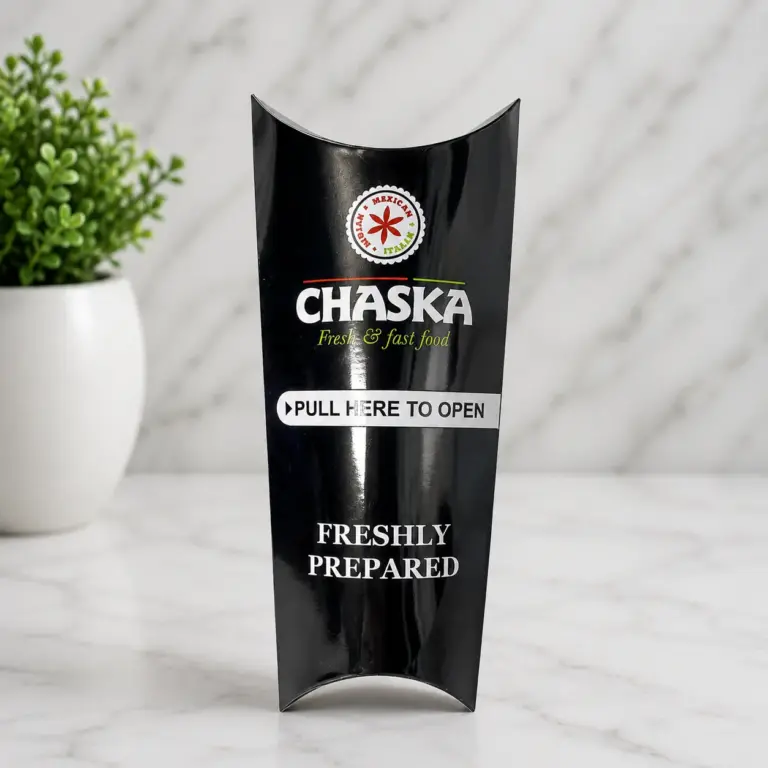
CHASKA Custom Pillow-Style Shawarma Sleeves with Food-Safe 300gsm Card
Healey Packaging produced custom pillow-style shawarma sleeves for CHASKA using 300gsm food-safe BSB card, full-colour CMYK...
View Case Study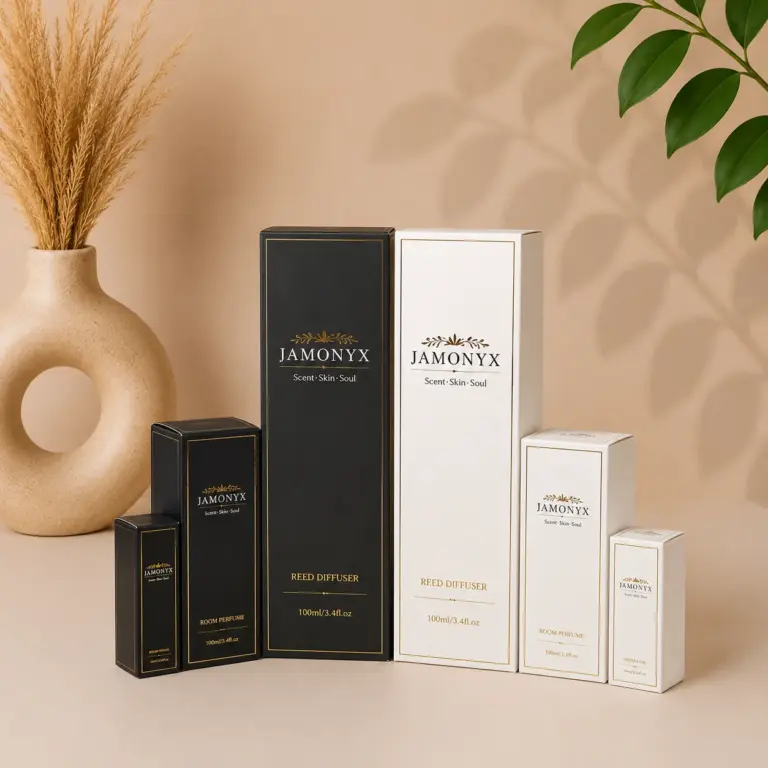
JAMONYX Custom Reverse Tuck Boxes in 350gsm SBS Card with Gold Foil
Healey Packaging produced 1,200 luxury reverse tuck boxes for JAMONYX across two black-and-white designs, three sizes,...
View Case Study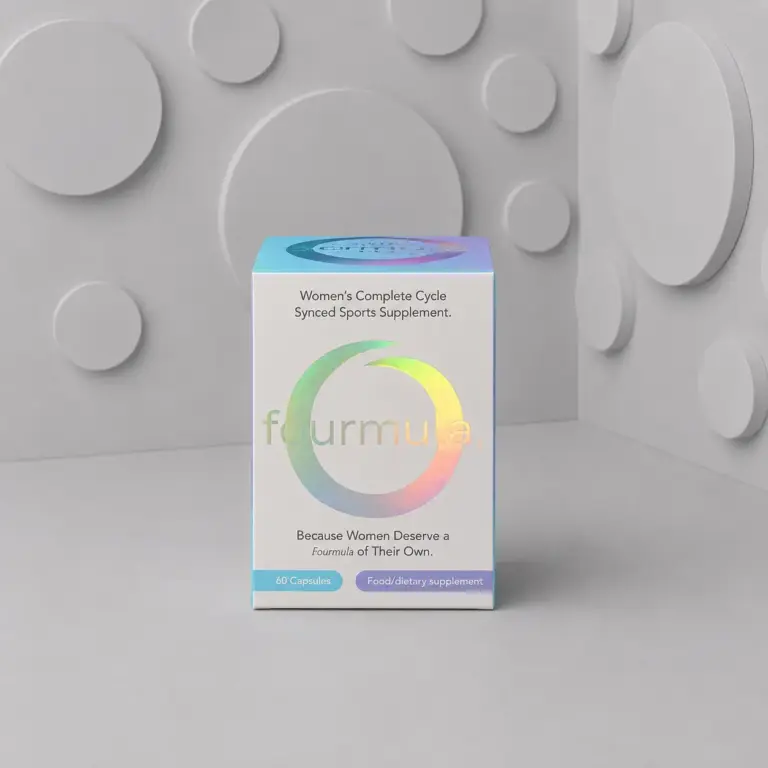
Fourmula Custom Supplement Boxes with Lamination and Holographic Finish
Fourmula started with 10 physical sample boxes for a compact supplement product, then moved toward a...
View Case StudyHow Your Packaging Is Produced
Requirements
Share product size, quantity, use case and artwork status.
Structural Planning
The right size, board and box style are reviewed.
Artwork and Proofing
A digital proof is prepared before production begins.
Production
Boxes are printed, cut, folded and finished to specification.
Quality Control
Finished packaging is checked for structure and print quality.
Delivery
Completed packaging is packed and delivered to your business.
What Customers Say
We have been using Healey for years and are always impressed by the service, quality and speed.
Harry GeorgeThe packaging is of high quality, strong cardboard. I will definitely be using them again.
Amanda NewmanGreat communication, quick and good product. I really recommend.
JOON Plant Based AtelierFrequently Asked Questions
The right material depends on the bakery product rather than using one board for every item. Cakes and pastries often require food-safe paperboard with good print quality, while heavier products or delivery orders may benefit from stronger board grades. Products containing butter, icing or oils may also require grease-resistant barriers to maintain appearance and performance.
Yes. Bakery packaging can be produced in custom dimensions to suit cupcakes, cakes, macarons, pastries, cookies, doughnuts, bread loaves and gift assortments. Custom sizing helps reduce product movement, improves presentation and avoids unnecessary packaging material.
The most suitable style depends on how the product is packed, transported and displayed. Common options include tuck-end cartons, window boxes, sleeves, cake boxes, gable boxes, mailer boxes, presentation boxes and two-piece rigid boxes for premium bakery collections.
Yes. Bakery packaging is manufactured using food-safe materials suitable for direct or indirect food contact, depending on the application. Where required, grease-resistant boards and food-grade coatings can be specified to suit products containing oils, butter or icing.
Yes. Die-cut windows allow customers to see cakes, pastries, cookies or other baked products before purchase while keeping the structure of the carton intact. Window placement is planned so it does not weaken important load-bearing areas.
Absolutely. Bakery packaging can be printed with logos, colours, product information, ingredient details, barcodes and promotional graphics. Premium finishes such as foil stamping, embossing, Spot UV, matt or gloss lamination can also be added where appropriate.
The box should be designed around the finished product, including decorations, icing, inserts and any required clearance. Internal dimensions are generally determined after measuring the completed bakery item rather than estimating from the baking tray size.
Yes. Many bakery businesses choose recyclable paperboard, FSC®-certified materials and responsibly sourced kraft boards to support their sustainability goals. The most suitable option depends on the product, grease resistance requirements and branding objectives.
Yes. Existing bakery packaging can often be adapted for Christmas, Easter, Valentine's Day, Halloween and other seasonal campaigns through updated artwork, sleeves, labels or limited-edition printing without redesigning the entire structure.
Providing the finished product dimensions, estimated order quantity, preferred box style, material preference, artwork requirements and any special features such as windows, inserts or handles allow the packaging specification to be prepared more accurately.
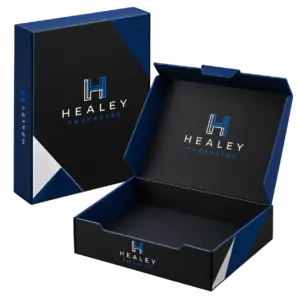 Apparel Packaging
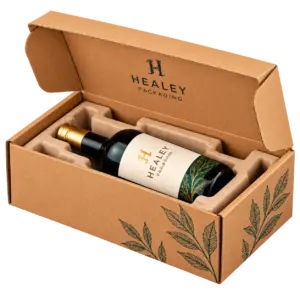 Bottle Packaging Boxes
 Candle Boxes
 CBD Packaging Boxes
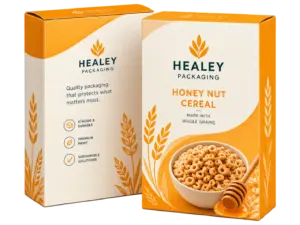 Cereal Packaging Boxes
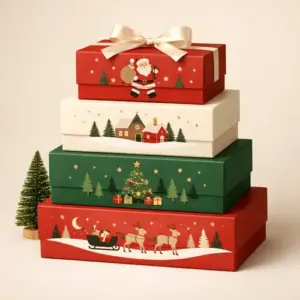 Christmas Boxes
Ready to Create Packaging Built Around Your Product?
Share your product, size, material and quantity requirements. Our team will help you choose the right structure, print and finish.
Free Design Support
Low MOQ
Digital Proof
UK Delivery