
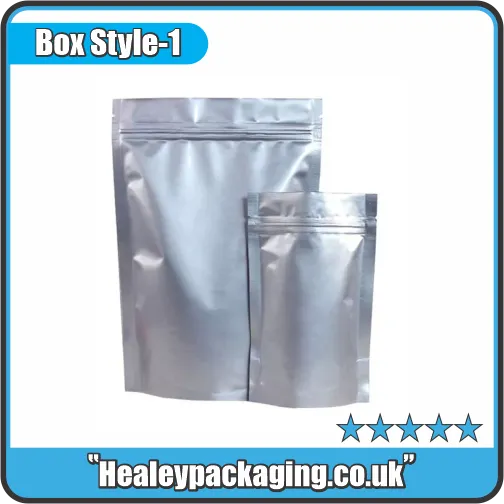
1 Gallon Mylar Bags
Once products move beyond small quantities, regular pouches start causing problems. They...
Customise NowCustom printed Mylar bags made around your product, pack size and branding. Choose suitable pouch formats, barrier structures, closures and finishes for retail, food, supplements and other applications.
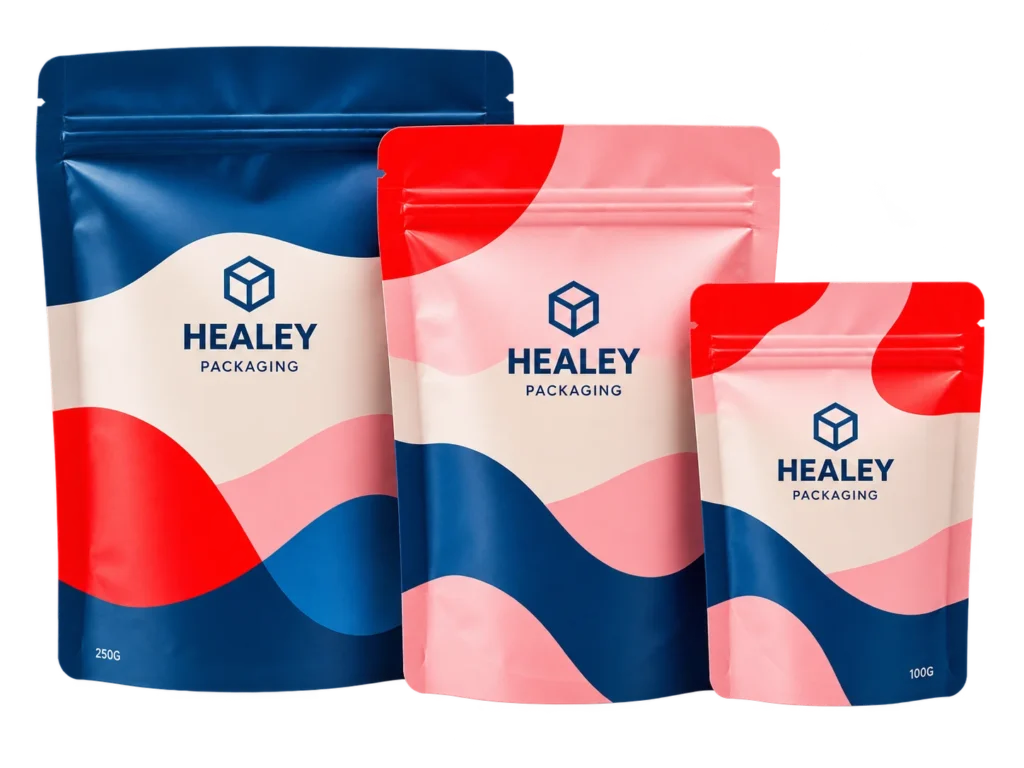
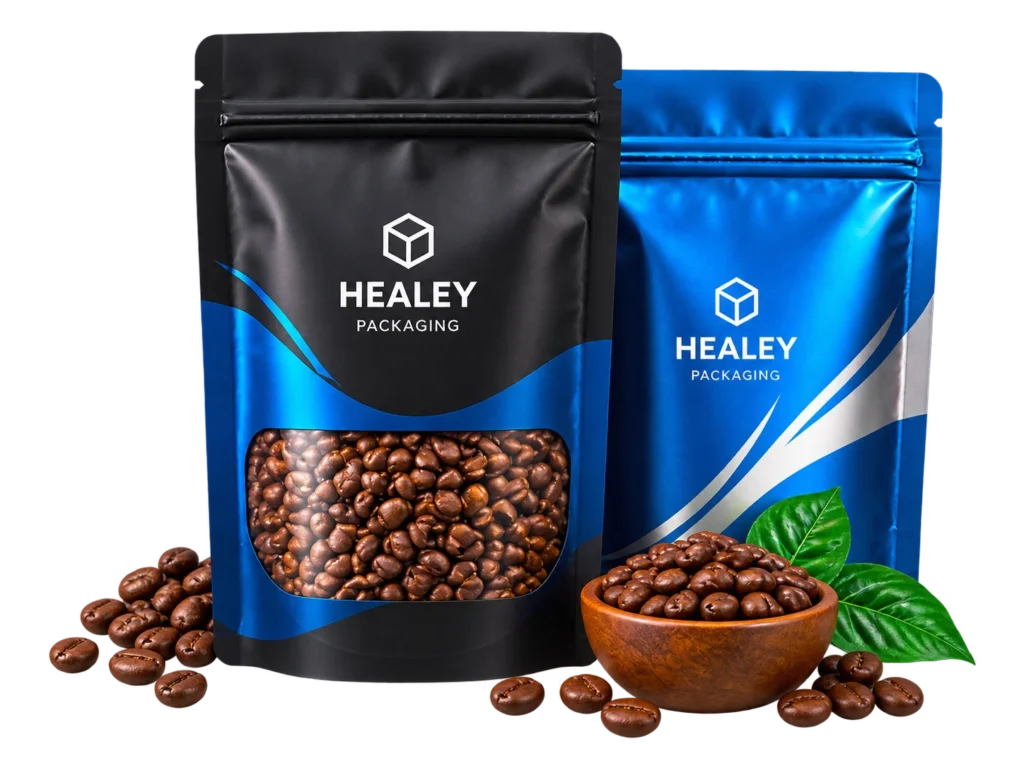
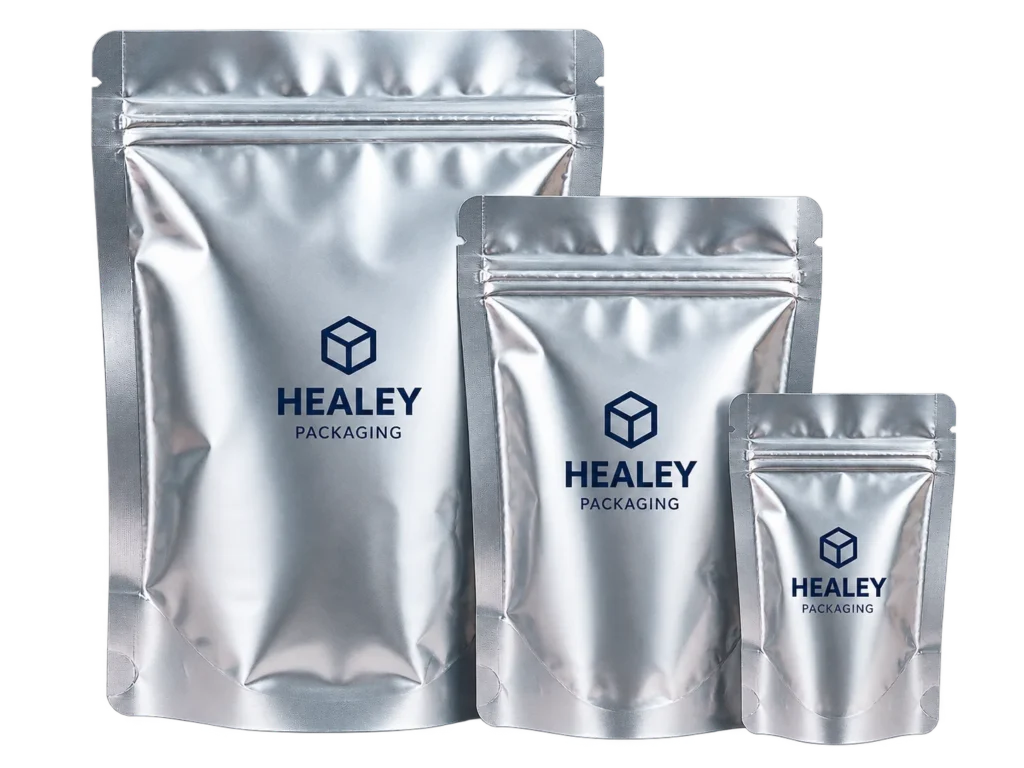
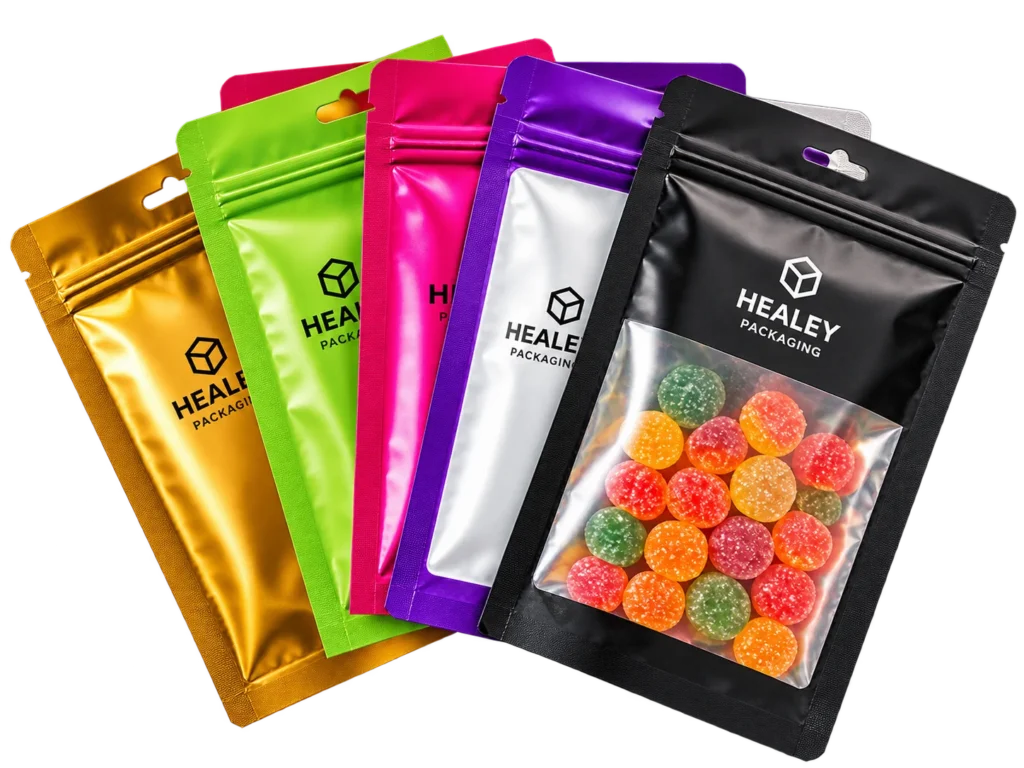
Browse mylar bags for snacks, supplements, retail products and protective flexible packaging.
Once products move beyond small quantities, regular pouches start causing problems. They...
Customise Now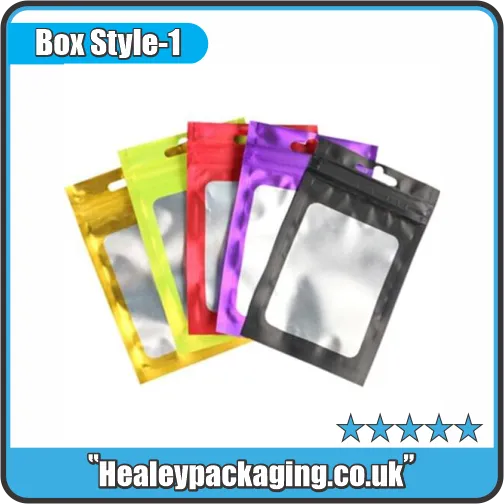
When you’re selling small portions, every detail matters — freshness, look, security,...
Customise Now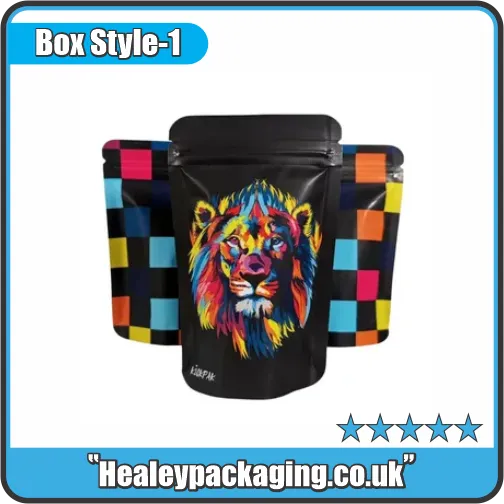
Not all packaging has to shout to get attention. Custom black Mylar...
Customise Now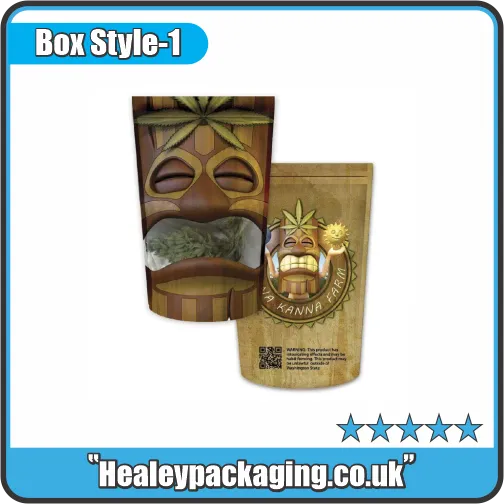
Cannabis packaging has its own set of expectations, and most brands want...
Customise Now
Custom Cali packs give brands a compact, printed pouch format for legal...
Customise Now
Kraft mylar bags often get blamed when products lose freshness, seals wrinkle,...
Customise Now
Comic books don’t get damaged all at once. They bend a little...
Customise Now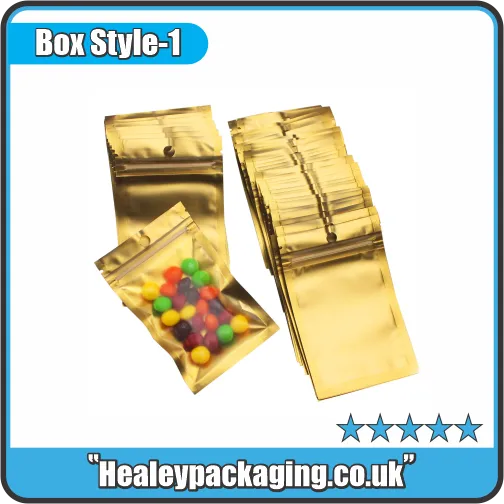
Mylar foil bags are often blamed when products lose aroma, clump, or...
Customise Now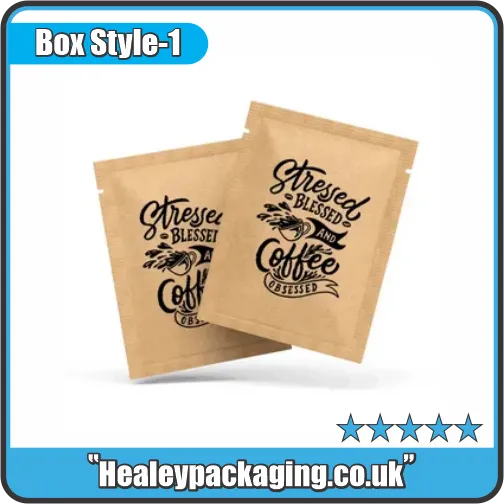
Not every brand needs loud packaging to stand out. Sometimes it’s the...
Customise Now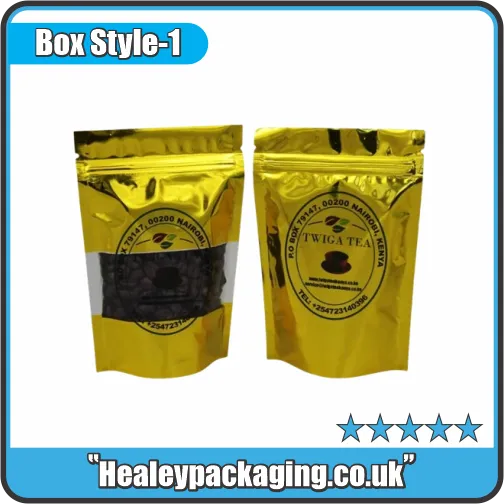
Coffee behaves differently from any other product, and anyone in the industry...
Customise Now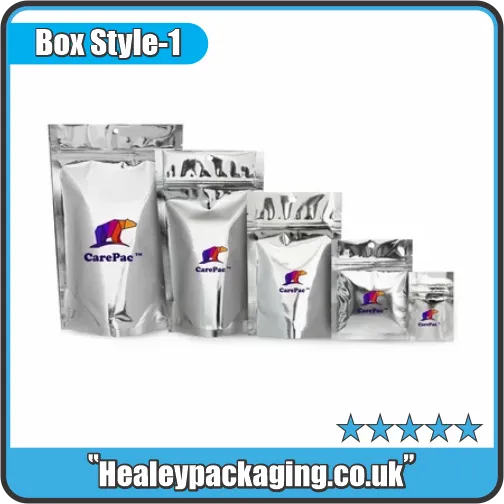
When food freshness defines your reputation, packaging can’t be an afterthought. At...
Customise Now
Custom Mylar heat seal bags give products a secure, tamper-evident closure with...
Customise NowStart with the product rather than the pouch appearance. Contents, filling method, storage conditions and how customers use the pack all influence the format and features worth specifying.
Use the product type as the starting point for the pouch brief.
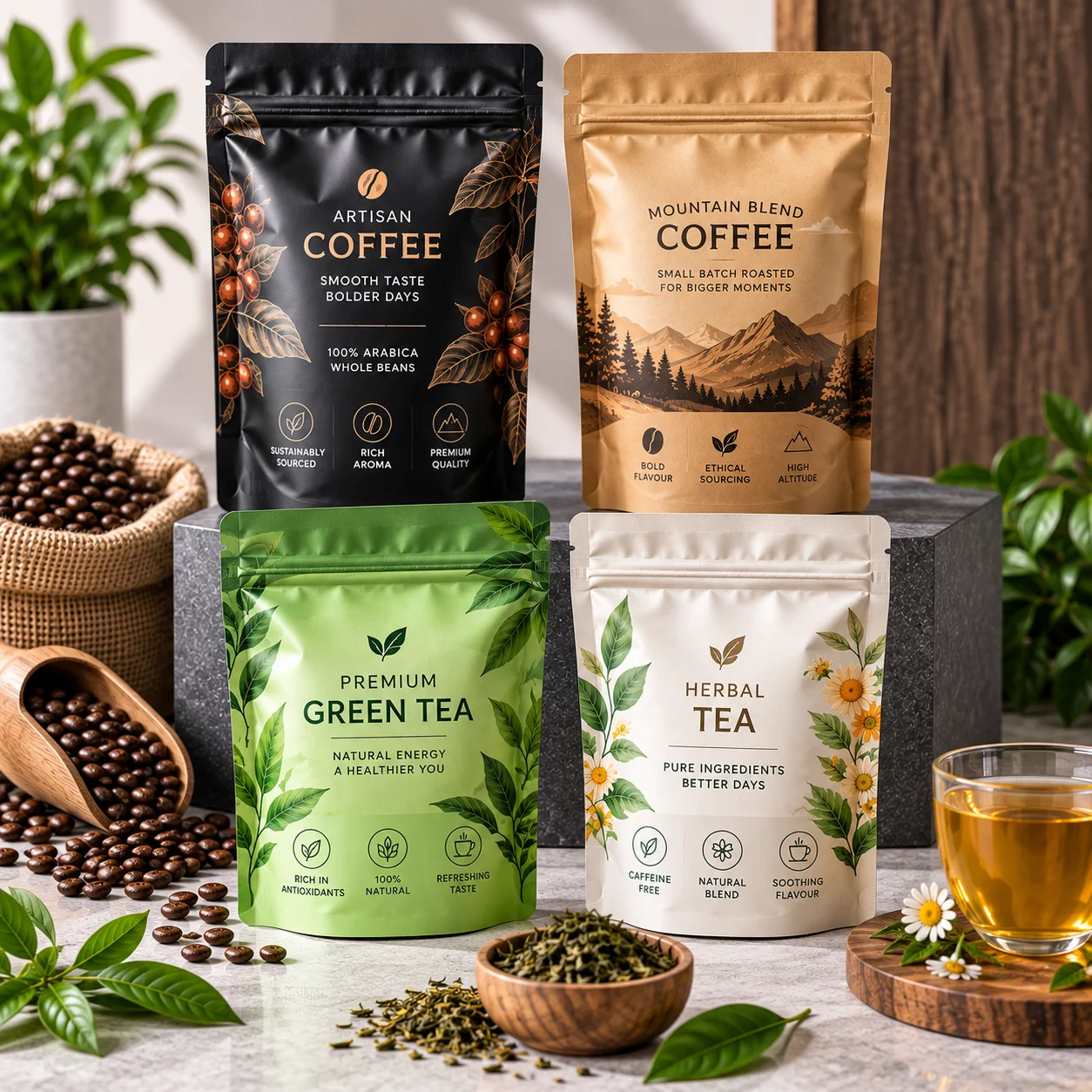
Consider aroma retention, reliable sealing and degassing-valve requirements where appropriate to the packed coffee product.
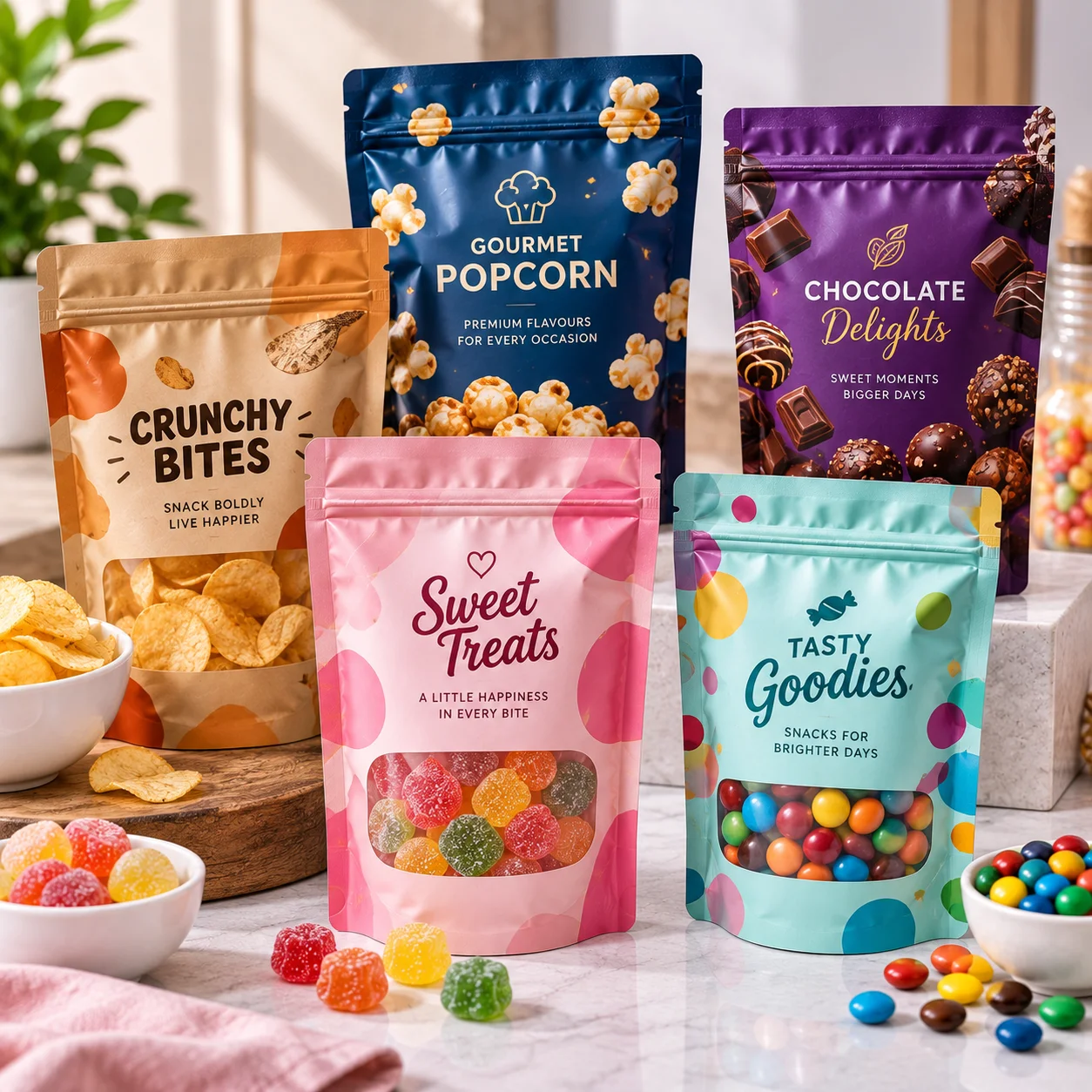
Moisture management, resealability and shelf presentation are useful considerations for products consumed across more than one occasion.
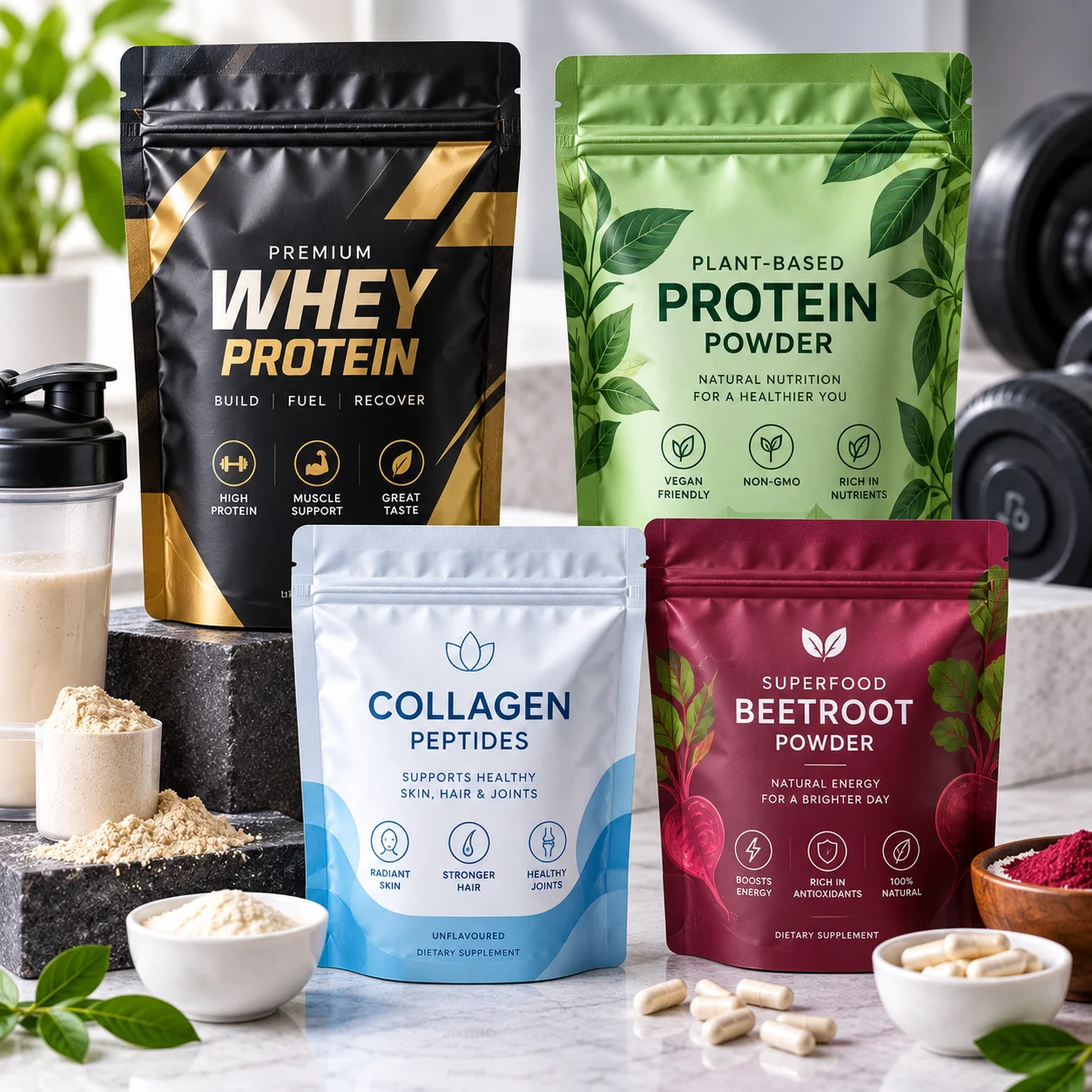
Prioritise dependable seal areas, practical filling and enough printable space for product information and variant identification.
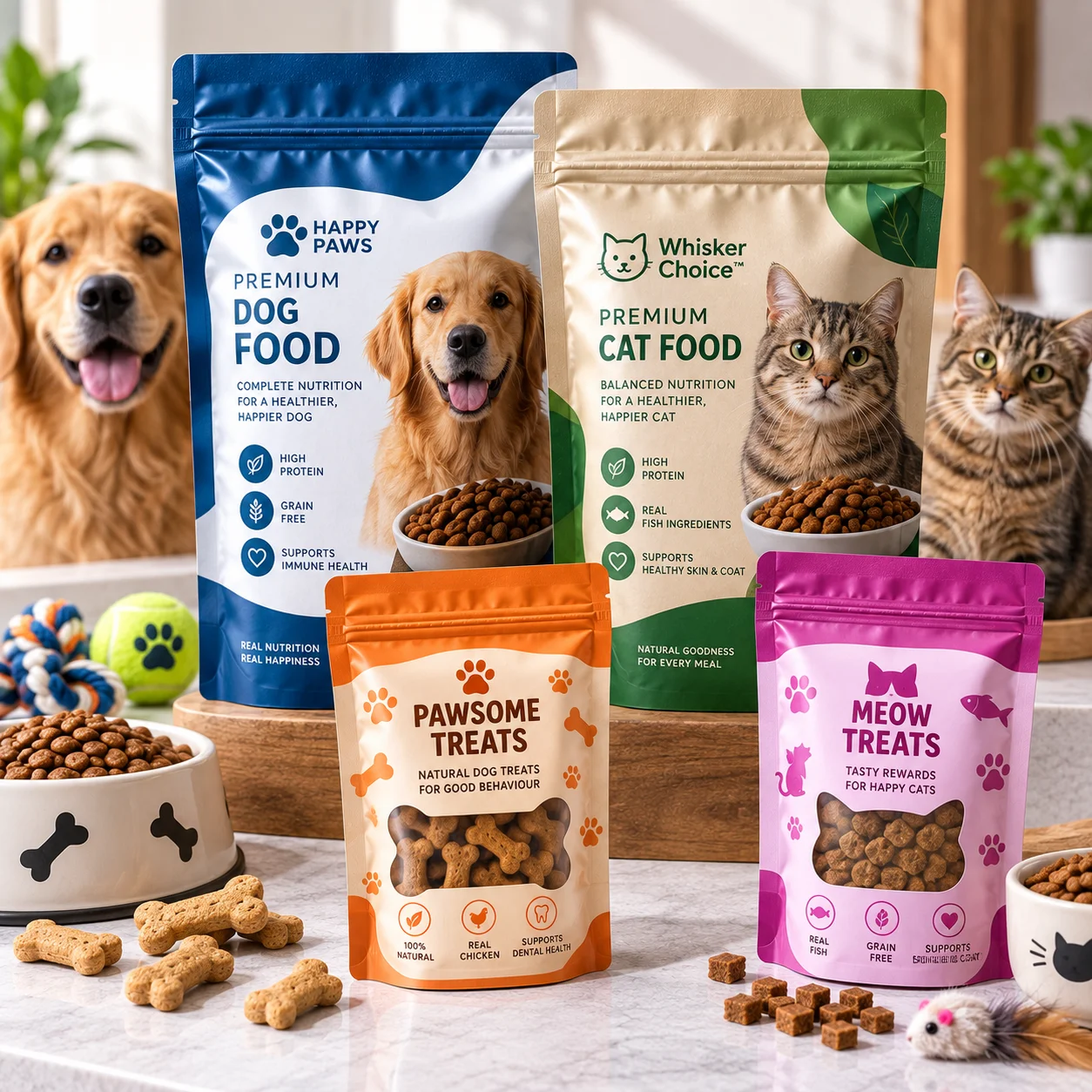
Resealable closures and practical larger pouch formats can support products repeatedly opened between servings.
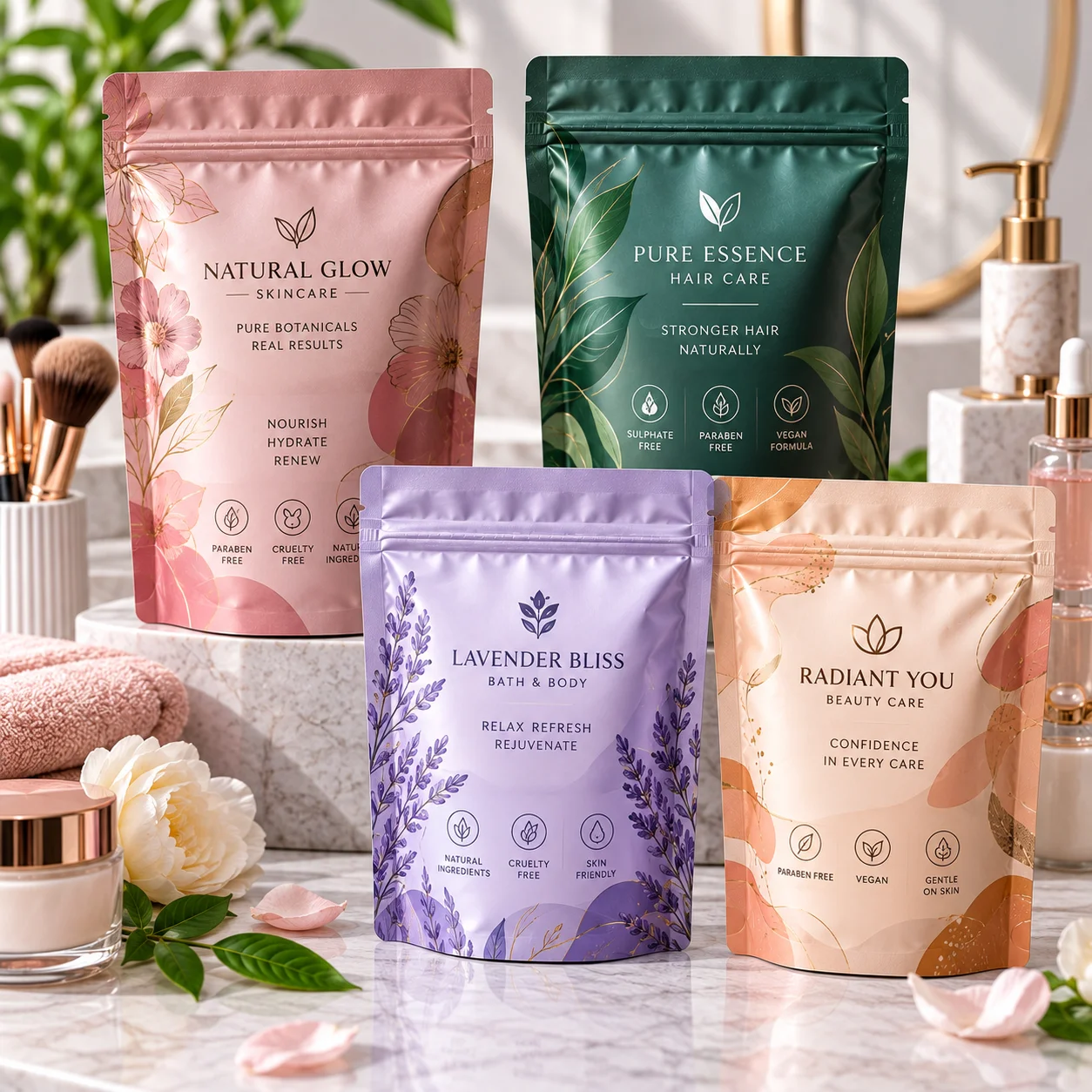
Presentation, potential leakage and compatibility between the packed product and pouch construction should be considered together.
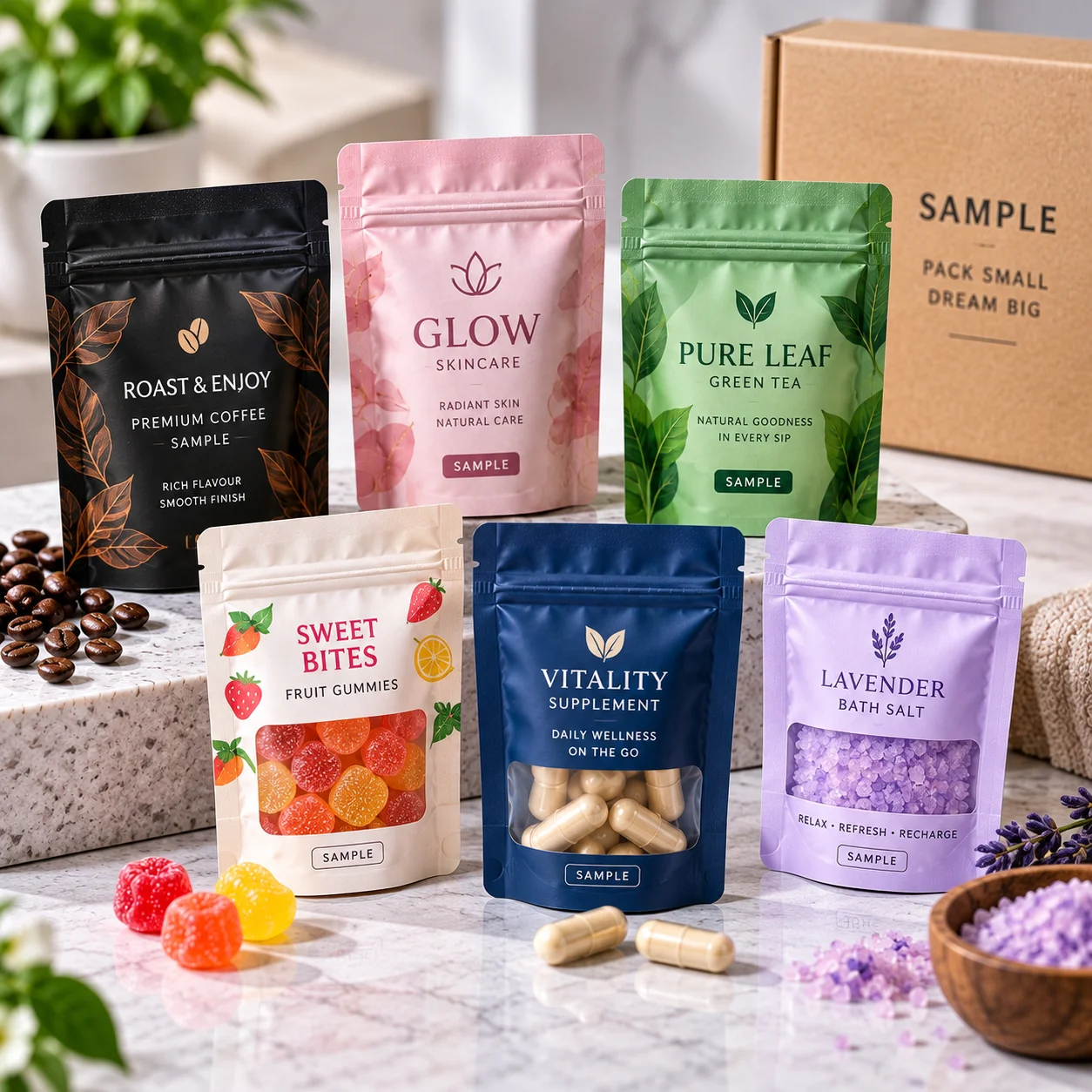
Smaller pouch formats can combine compact branded presentation with retail features such as hang holes where the chosen construction supports them.
Two products of a similar weight may still need different pouch specifications because their sensitivity, filling process, storage conditions and customer use can differ. The next step is to match the film construction to the barrier performance the product actually requires.
Pouch size should be based on the filled product, not an empty bag alone. Product volume, weight, filling method, headspace and handling all influence the finished dimensions and film build.
Width and height define the main pouch dimensions. Stand-up and other gusseted formats also need the gusset dimension considered because it contributes to usable capacity when the pouch is filled.
Specify width, height and gusset where applicable around the required filled pouch rather than selecting dimensions from the product weight alone.
Design around the real filled pack. Products with the same weight can occupy different volumes, so weight alone does not determine the correct pouch dimensions.
Film build should follow packed weight, puncture risk and expected handling. A thicker film is not automatically the better specification for every product.
Leave enough unfilled area for practical filling and reliable sealing without unnecessarily increasing the overall pouch dimensions.
The appropriate format depends on how the product is filled, presented and used rather than appearance alone.
Not necessarily. Different products can create different requirements for filled volume, barrier performance, seal behaviour and handling, even when the nominal pack weight is similar.
As filled weight and pouch dimensions increase, film strength, seal area, gusset design and handling conditions become more important parts of the specification.
A universal film thickness should not be assumed. The appropriate build should be selected from the actual packed product, required barrier performance, pouch size, filling process and expected handling conditions.
Functional features should solve a specific packing, opening, storage or display requirement. Select them around how the pouch will be filled, sold and used rather than adding every available option to the specification.
Useful for products that customers open and close repeatedly between uses.
Provides a defined starting point for the customer's first opening of a suitable sealed pouch.
Supports peg or hanging retail presentation where the pouch format and packed weight are suitable.
Relevant to coffee applications where the product specification calls for controlled gas release.
Adds usable filled capacity and can provide a stable standing format for suitable shelf applications.
Provides space for an initial sealed closure and can support tamper-evident presentation where appropriate.
Allows product visibility where a window is compatible with the selected pouch construction and the barrier requirements of the packed product.
Availability should be confirmed against the selected film structure, pouch format, packed product and filling requirements. A zipper, valve, window or other feature should not be assumed to be compatible with every material build.
Printed pouch artwork needs to do more than carry a logo. Plan colour, product information, surface appearance and SKU differences together so the range remains recognisable while each product is easy to identify.
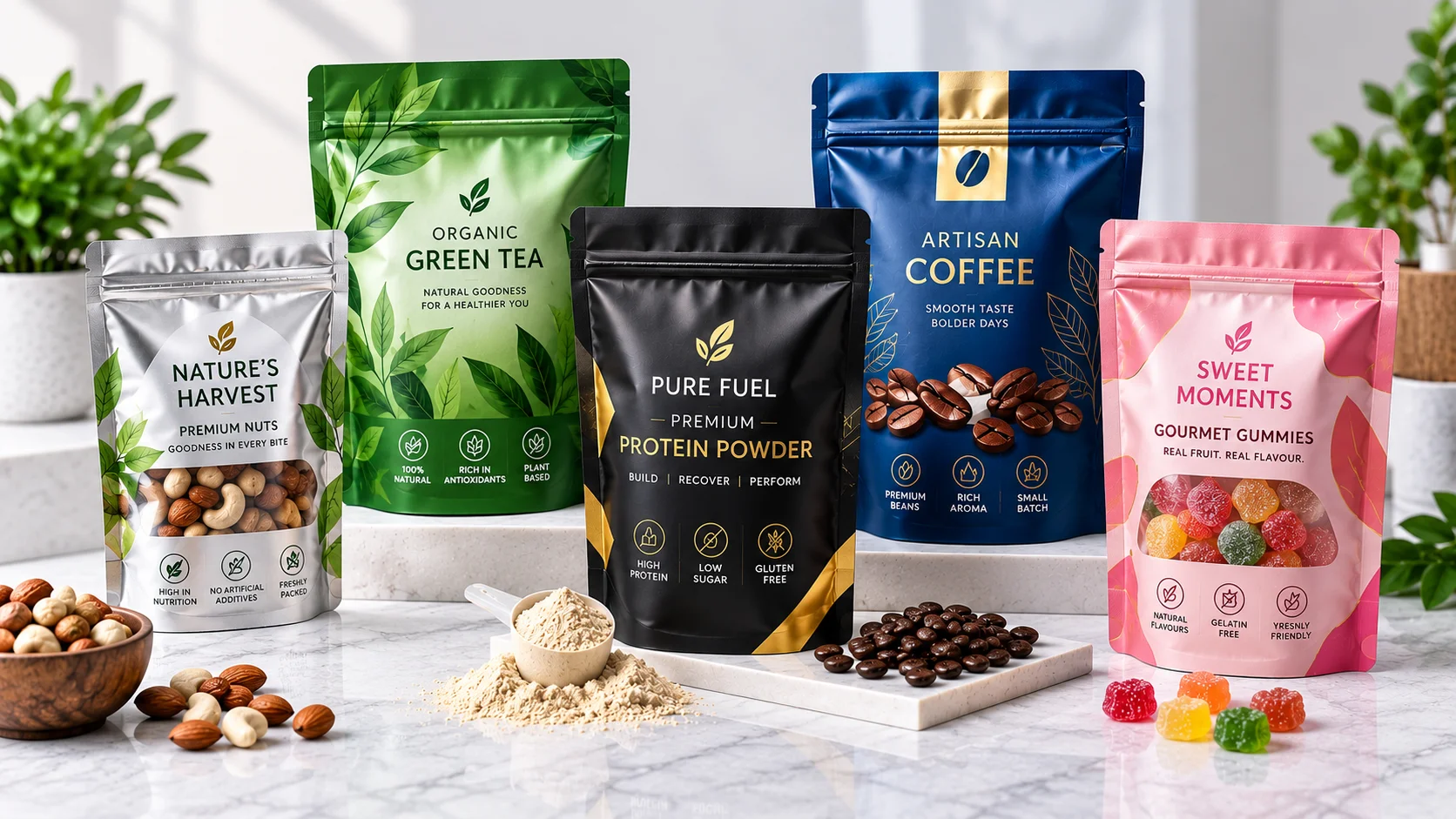
Use full-colour artwork and define important brand colours clearly so packaging across the range follows a consistent visual system.
Reserve suitable artwork areas for ingredients, instructions, product variants, batch details and barcodes where applicable.
Matt, gloss, metallic and other supported presentations can change the visual character of the finished pouch and should be considered with the artwork.
Keep shared layout rules, typography and brand elements consistent while using controlled changes to distinguish flavours, sizes or product variants.
For food applications, the complete pouch structure, inks, adhesives and other relevant components should be suitable for the intended food-contact conditions. Requirements can vary by product, temperature, duration of contact and construction.
Suitability needs to relate to the actual packaging specification and the conditions in which the packed product will contact or interact with it.
Establish whether the product will directly contact the pouch interior or whether another primary pack or layer sits between the food and the pouch.
Define the actual contact arrangement.Dry, fatty, acidic and other food types can create different compatibility considerations, so the intended contents should form part of the material brief.
Specify what will be packed.Consider expected filling, storage and use conditions, including temperature and how long the product is expected to remain in contact with the packaging.
Define realistic use conditions.Confirm the documentation relevant to the proposed materials and intended application before relying on food-contact or compliance claims.
Verify the selected specification.The Food Standards Agency maintains the official register for authorised plastic food-contact substances in Great Britain, including applicable restrictions and specifications. Suitability should therefore be established for the materials and intended conditions of use rather than inferred from the term “Mylar” alone.
Tell the packaging supplier what the pouch will contain and how it will be used. Product type, direct-contact requirements, filling conditions, storage temperature and expected contact duration can all affect the suitability assessment.
A practical pouch specification should consider both material use and future ordering. That means avoiding unnecessary material while keeping approved dimensions, film construction and artwork references clear for repeat production.
Reduce material where the pouch can still meet its required filling, barrier and handling specification.
Match dimensions to the real filled product rather than carrying unnecessary pouch area.
Specify film around the packed weight, contents and handling requirements rather than assuming thicker is always better.
Zippers, valves, windows and other components should have a clear functional reason for being included.
Review mono-material or recyclable structures where available and suitable, and verify the relevant recycling route before making disposal claims.
The complete pouch construction matters. Film layers, closures, valves, windows, inks and other components can affect the recyclability of the finished pack.
For ongoing product ranges, keep the approved technical specification separate from the details that change between products or production runs.
Order around the requirements of the individual project.
Typical turnaround after final artwork approval.
Supply for businesses and product ranges across the UK.
Real packaging work produced for customer brands.
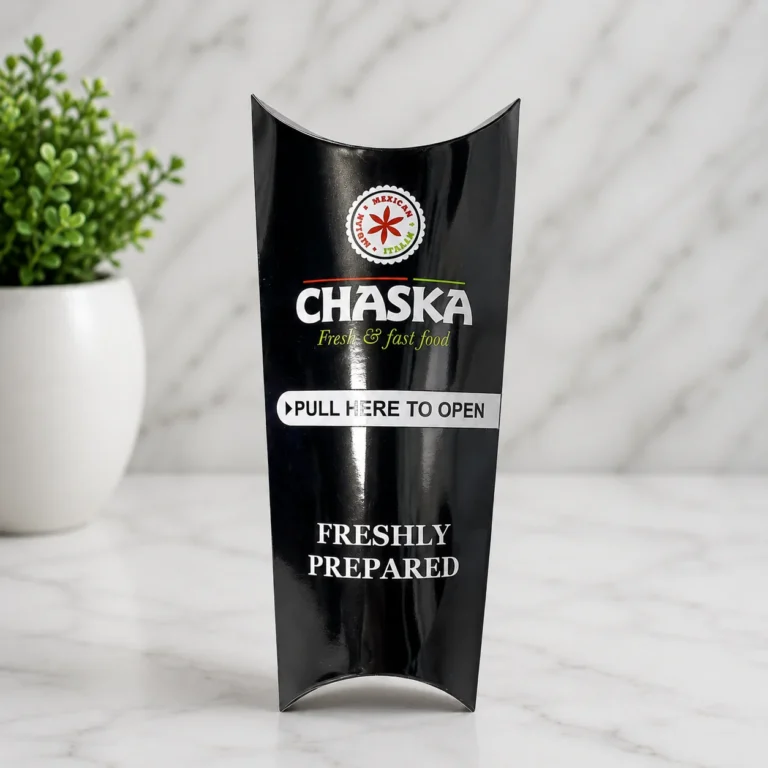
Healey Packaging produced custom pillow-style shawarma sleeves for CHASKA using 300gsm food-safe BSB card, full-colour CMYK...
View Case Study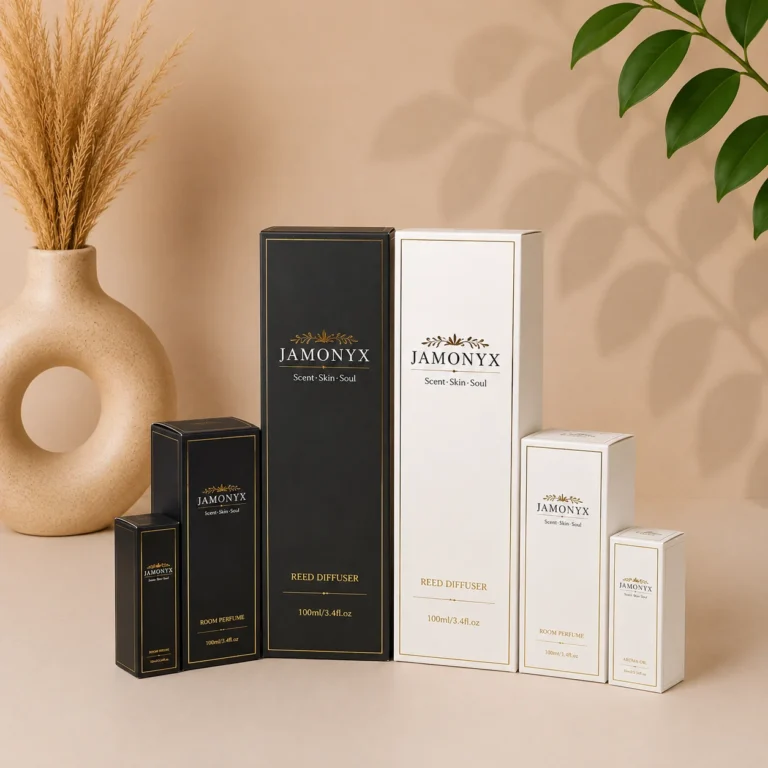
Healey Packaging produced 1,200 luxury reverse tuck boxes for JAMONYX across two black-and-white designs, three sizes,...
View Case Study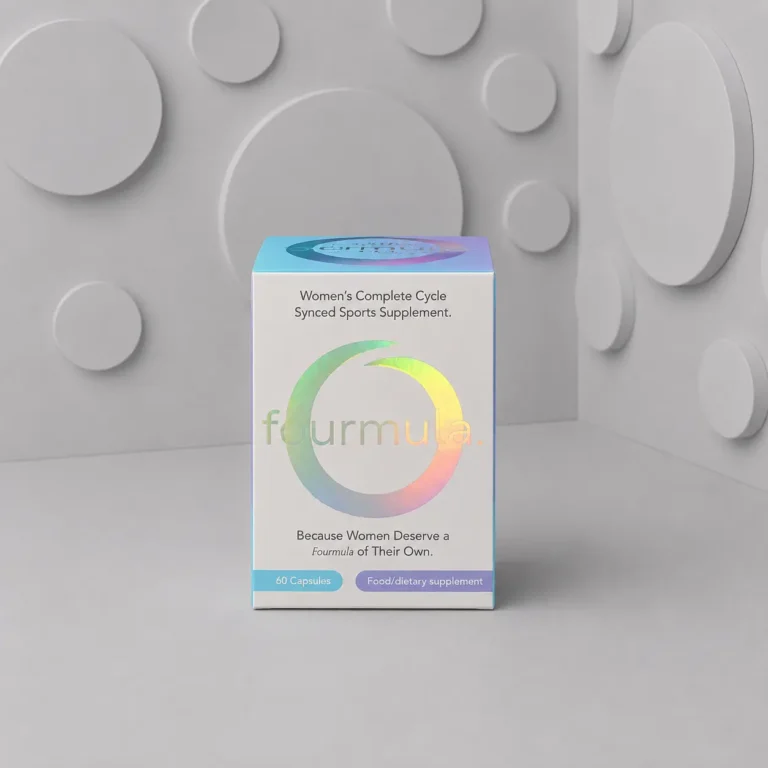
Fourmula started with 10 physical sample boxes for a compact supplement product, then moved toward a...
View Case Study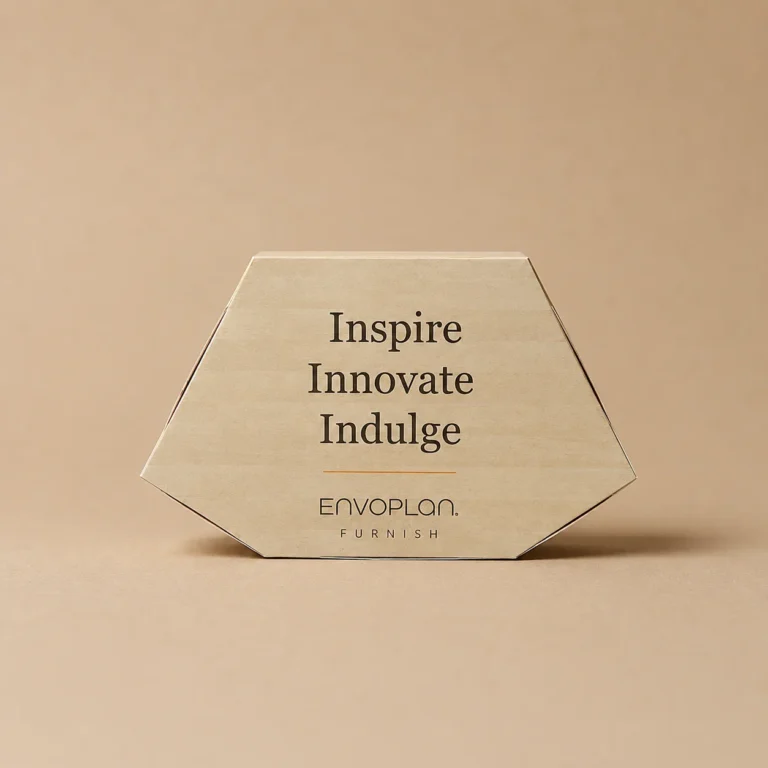
A bespoke shaped sweet box created for Envoplan Furnish events, produced across two 300-box runs with...
View Case StudyShare product size, quantity, use case and artwork status.
The right size, board and box style are reviewed.
A digital proof is prepared before production begins.
Boxes are printed, cut, folded and finished to specification.
Finished packaging is checked for structure and print quality.
Completed packaging is packed and delivered to your business.
From our customers
In our customers’ own words. Selected excerpts from company reviews on Trustpilot.
Review excerpt
Can’t recommend the company enough, especially Alex who worded with me patiently all the way.…
Review excerpt
Quick and thorough responses from Alex. Delivery was also fast, and within the lead time they gave, I would recommend.
Review excerpt
I had a great experience working with Healey Packaging, I love my new candle boxes.…
Review excerpt
We had a deadline they needed to meet for me and they did.…
Review excerpt
Had a very good experience with Healey. This is the second time we have used them…
Review excerpt
Great customer service, needed a quick turn around and assistance for custom packaging for my brand,…
Review excerpt
I looked through about 100 unhelpful suppliers, then found Healey Packaging.…
Review excerpt
Great quality product and excellent service from Alex.
Feedback relates to Healey Packaging and its service, rather than a rating of an individual product.
In packaging, the term Mylar bag is commonly used for flexible barrier pouches that include PET or polyester film, often combined with other layers such as polyethylene or metallised film. The exact construction depends on the required moisture, oxygen, light and puncture resistance. Different products may therefore need different laminate or film structures rather than one standard material.
Mylar-style barrier pouches can be used for products such as coffee, tea, snacks, confectionery, dried foods, powders, supplements, pet treats, cosmetics and other retail goods. The correct pouch specification depends on the product's moisture sensitivity, aroma, weight, storage conditions and required shelf life.
Yes. Custom Mylar bags can be produced around the dimensions and filled volume of your product rather than relying only on standard pouch sizes. Width, height, gusset depth, seal area and headspace can all be adjusted to suit the intended filling method and pack format.
The right specification depends on the packed weight, puncture risk, required barrier performance, storage conditions and distribution method. A thicker film is not automatically better. The complete pouch structure should provide suitable moisture, oxygen, light and physical protection without adding unnecessary material.
Yes. Depending on the pouch construction, custom features can include resealable zips, tear notches, hang holes, stand-up gussets, heat-seal areas and degassing valves for suitable applications. The most appropriate features should be selected around how the product will be filled, displayed and used after opening.
Yes. Custom pouches can include logos, brand colours, product information, ingredients, instructions, barcodes, QR codes and SKU-specific artwork. Matt, gloss, metallic and other supported surface effects can also be considered depending on the selected film structure and printing method.
They can be, provided the complete pouch construction is suitable for the intended food-contact application. The film layers, inks, adhesives and coatings should be specified around the food type, storage temperature and expected duration of contact. Direct food-contact suitability should therefore be confirmed for the actual material specification rather than assumed from the term “Mylar bag”.
Recyclability depends on the material construction. Traditional multi-layer barrier pouches can be difficult to recycle because different materials are bonded together. Recyclable or mono-material pouch structures may be available for suitable applications, but the final specification should balance barrier performance, product protection and available recycling routes.
Healey Packaging offers no minimum order requirement for custom Mylar bags. Standard production is typically 7–10 working days after artwork approval, although custom film structures, specialist features, printing requirements or more complex pouch formats can affect the final schedule.
Share your product, size, material and quantity requirements. Our team will help you choose the right structure, print and finish.
Tell us your product, target look, and how you ship. We'll recommend the right board, print, and finish for performance.
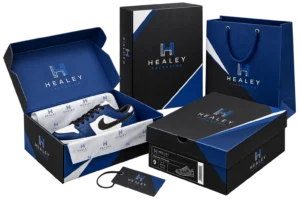 Apparel Packaging
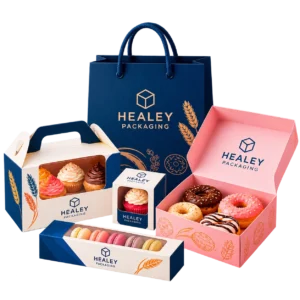 Bakery Packaging Boxes
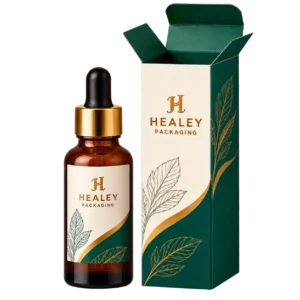 Bottle Packaging Boxes
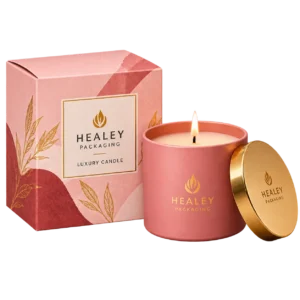 Candle Boxes
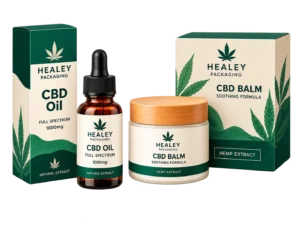 CBD Packaging Boxes
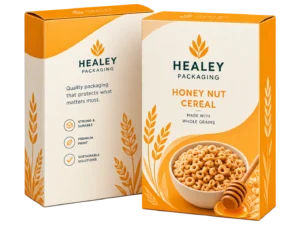 Cereal Packaging Boxes